Why It Happens Here
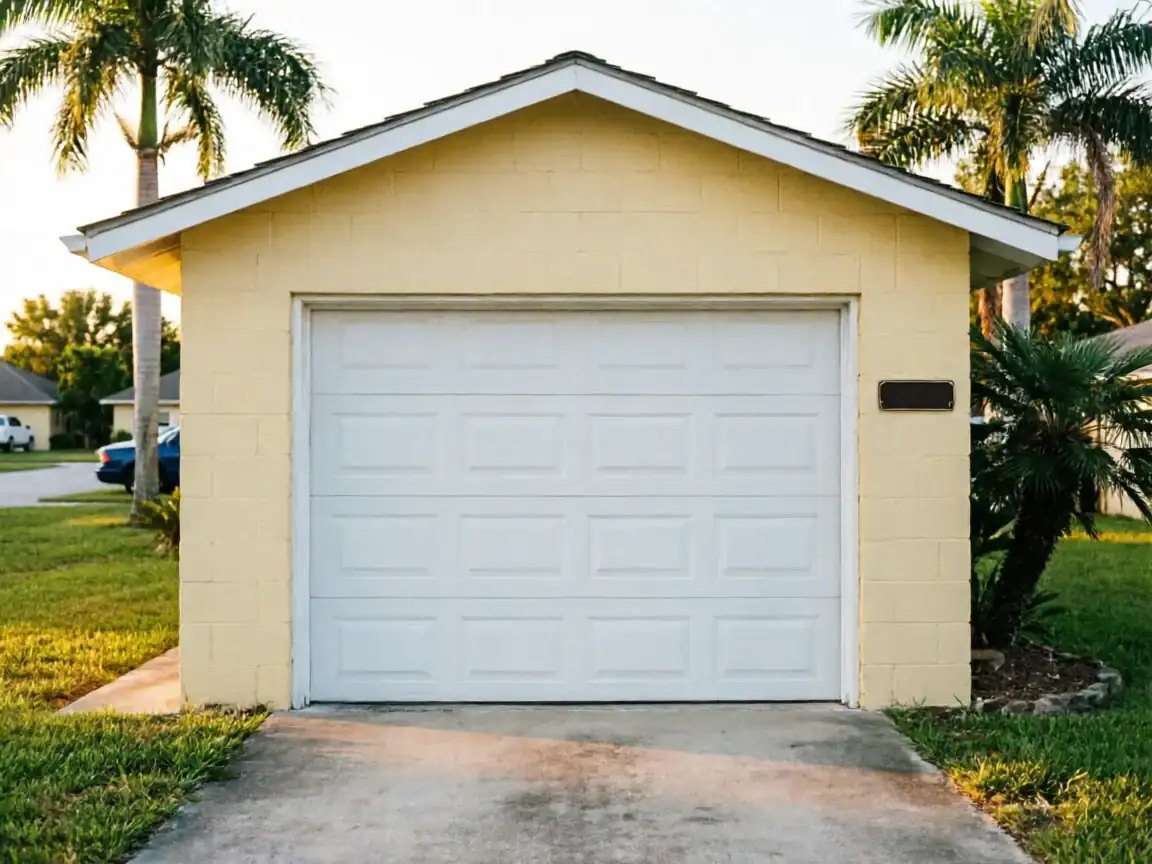
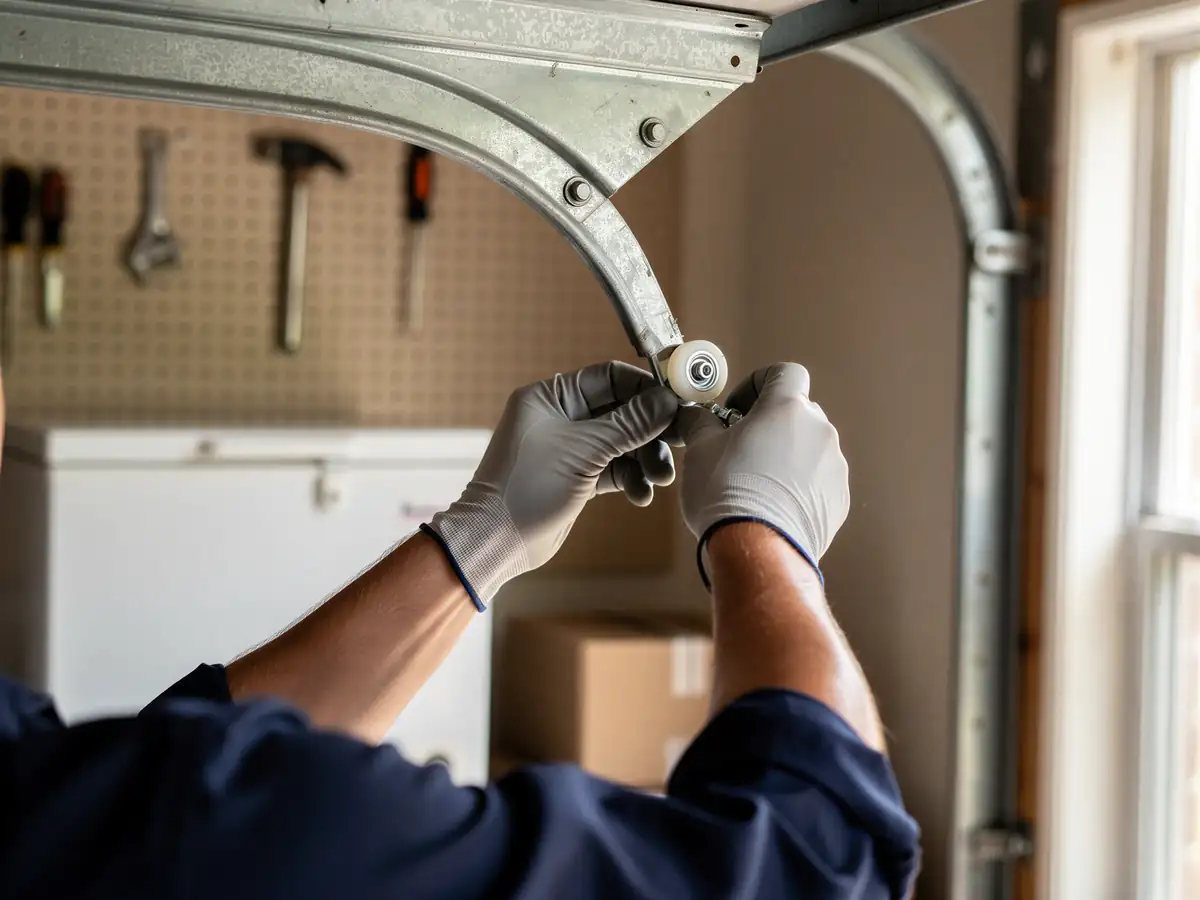
Roller wear in this pocket of the service area tracks pretty closely to the build era. A house finished around 1989 has had roughly three decades of door cycles on hardware that was standard for that period - nylon rollers on steel stems, sized for the lighter steel doors common then. Nylon doesn't rust, but it does flatten and crack with age and heat cycling, and the stems themselves fatigue at the bend where they meet the hinge. The service area's mild temperate climate means we're not dealing with freeze-thaw cracking like a northern climate would see, but humidity and salt air do their own slow work on the galvanized coating, and once that coating goes, rust creeps into the stem itself. None of this is dramatic. It's just steady wear that shows up as noise and wobble long before anything actually breaks.
How It Shows Up
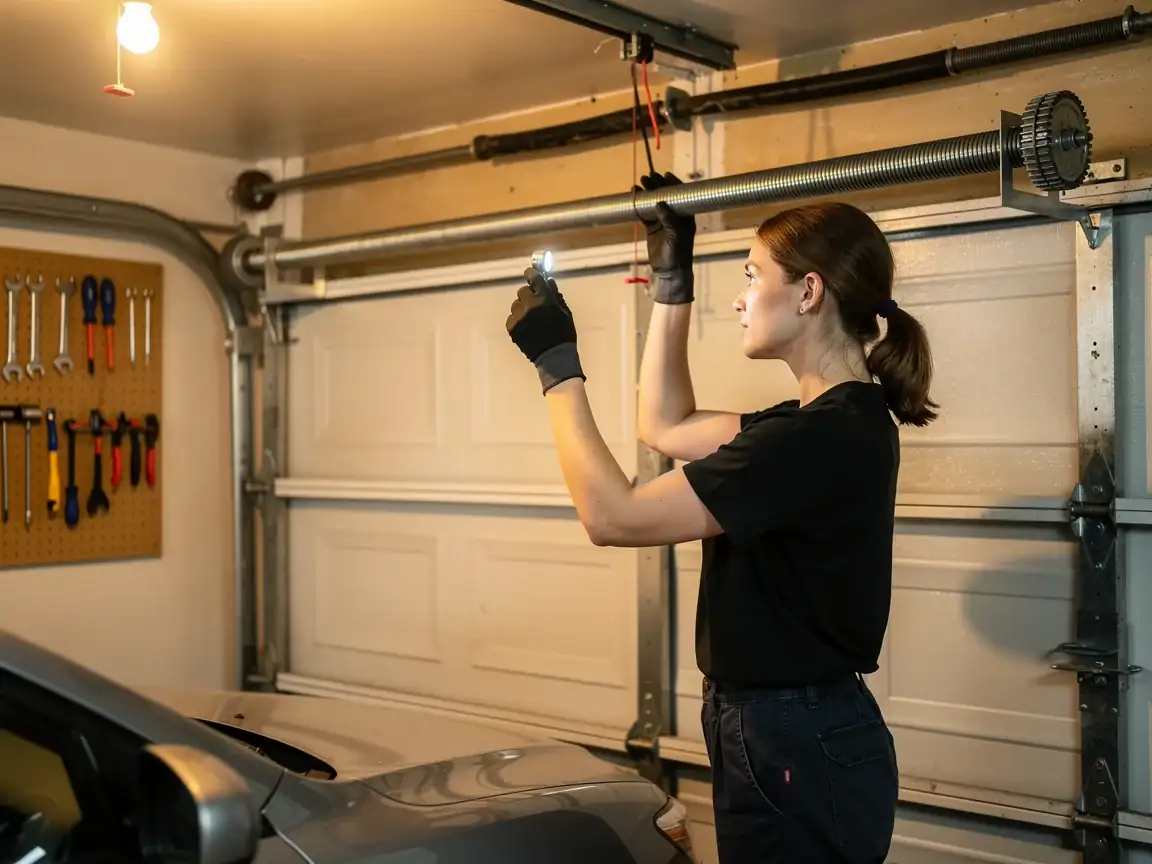
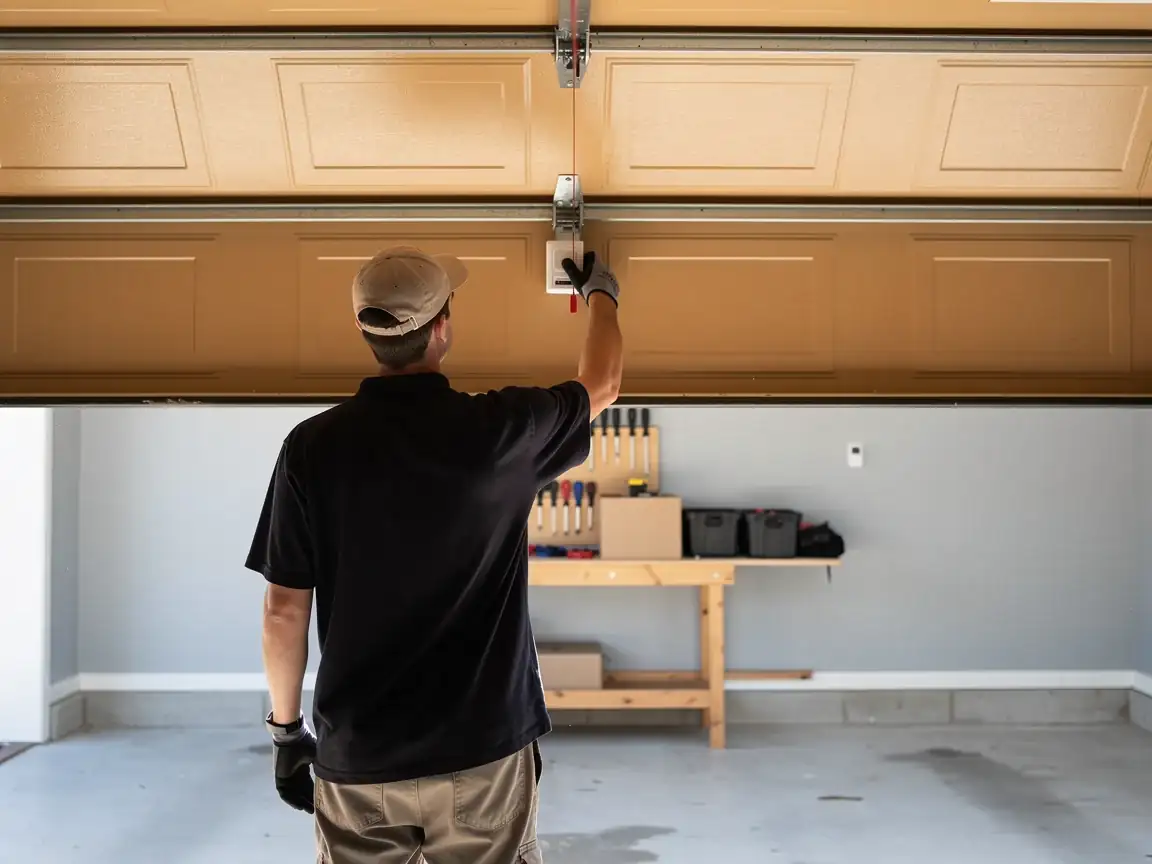
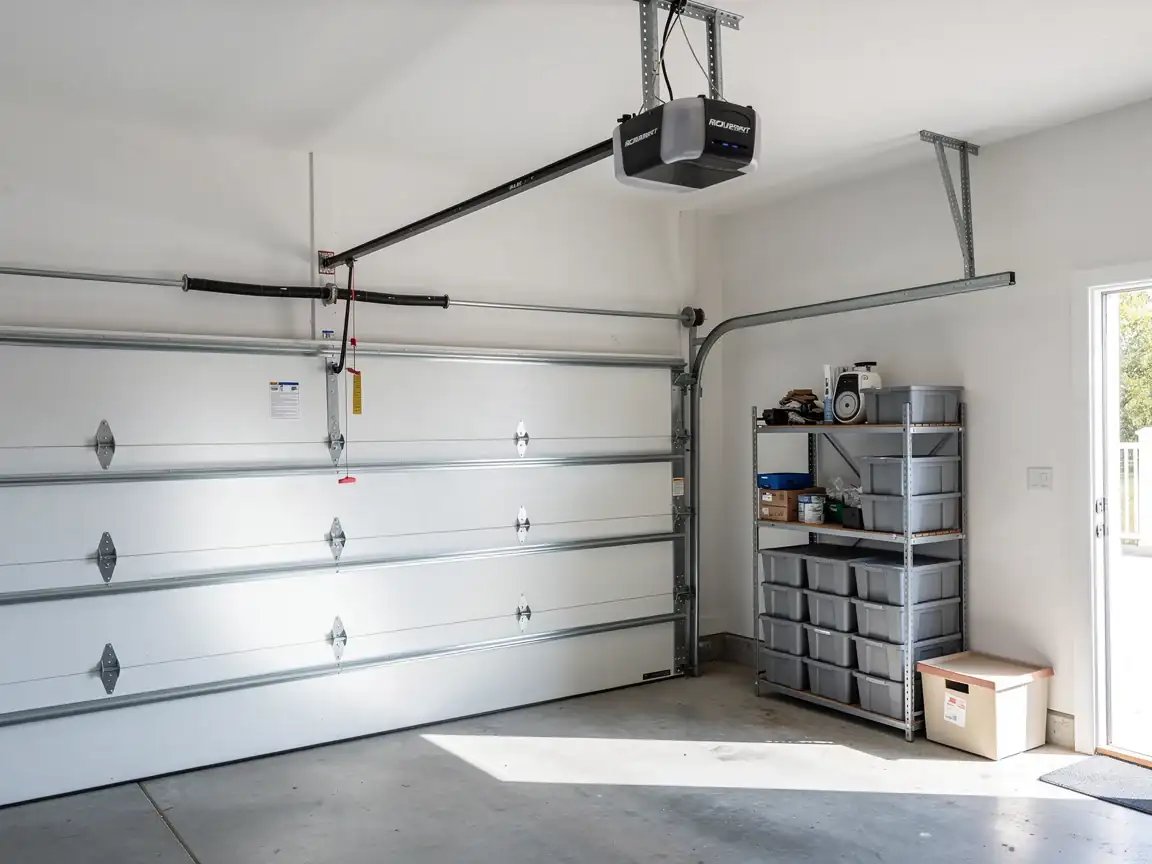
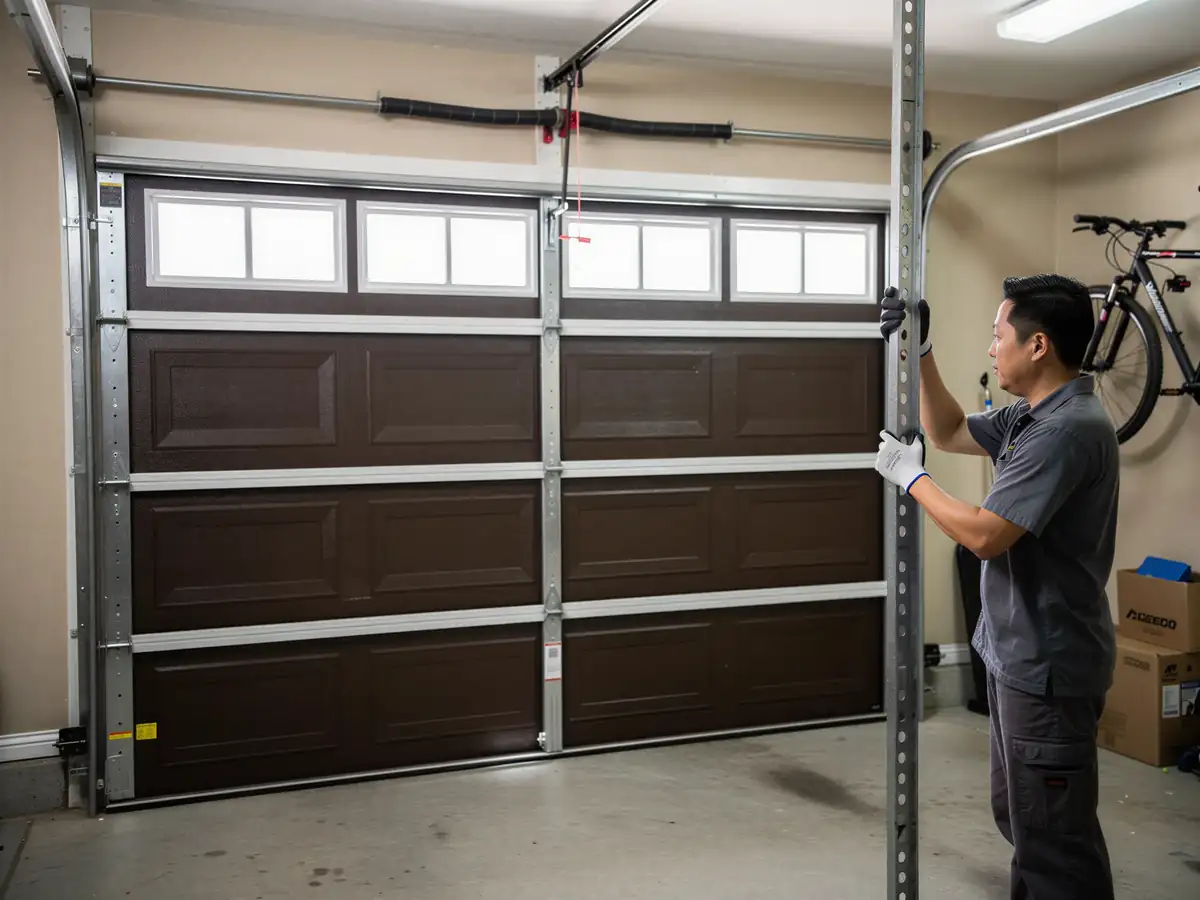
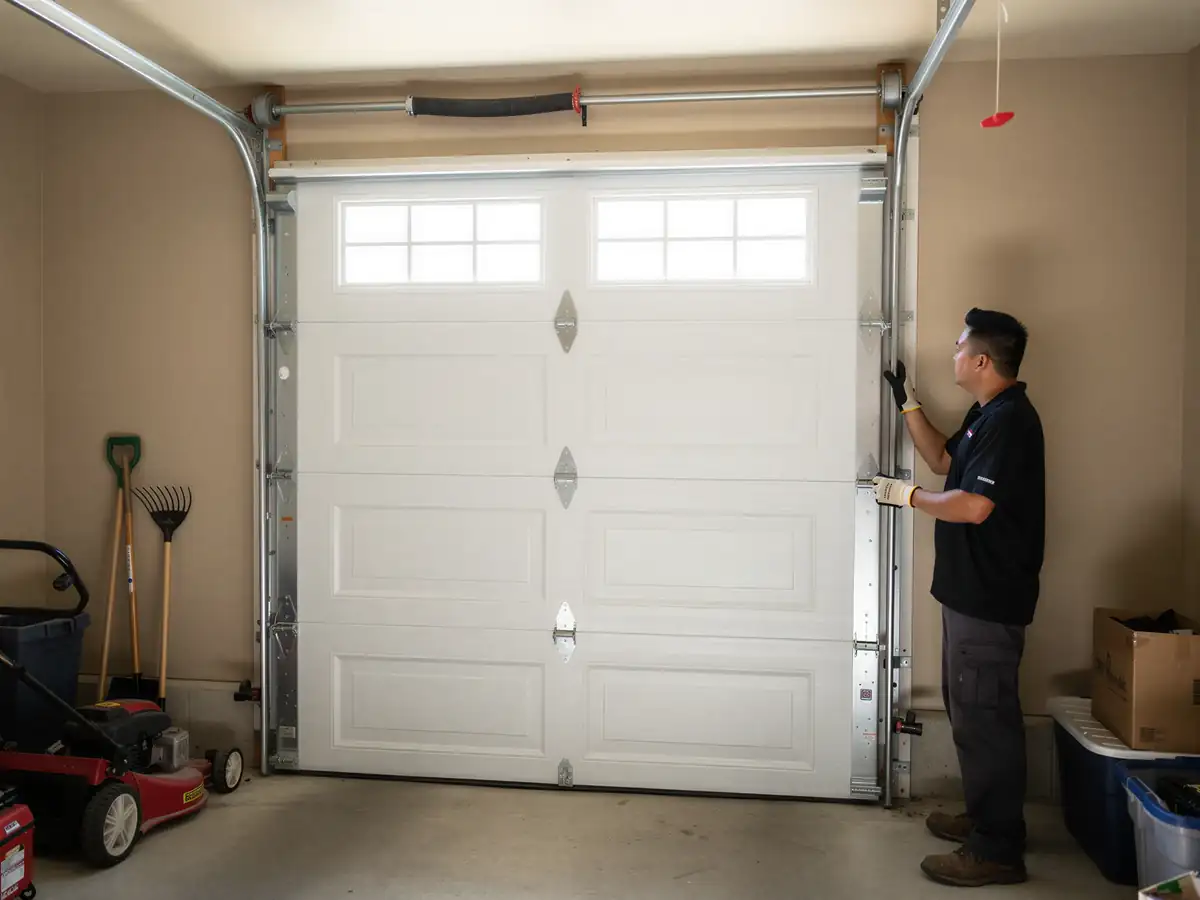
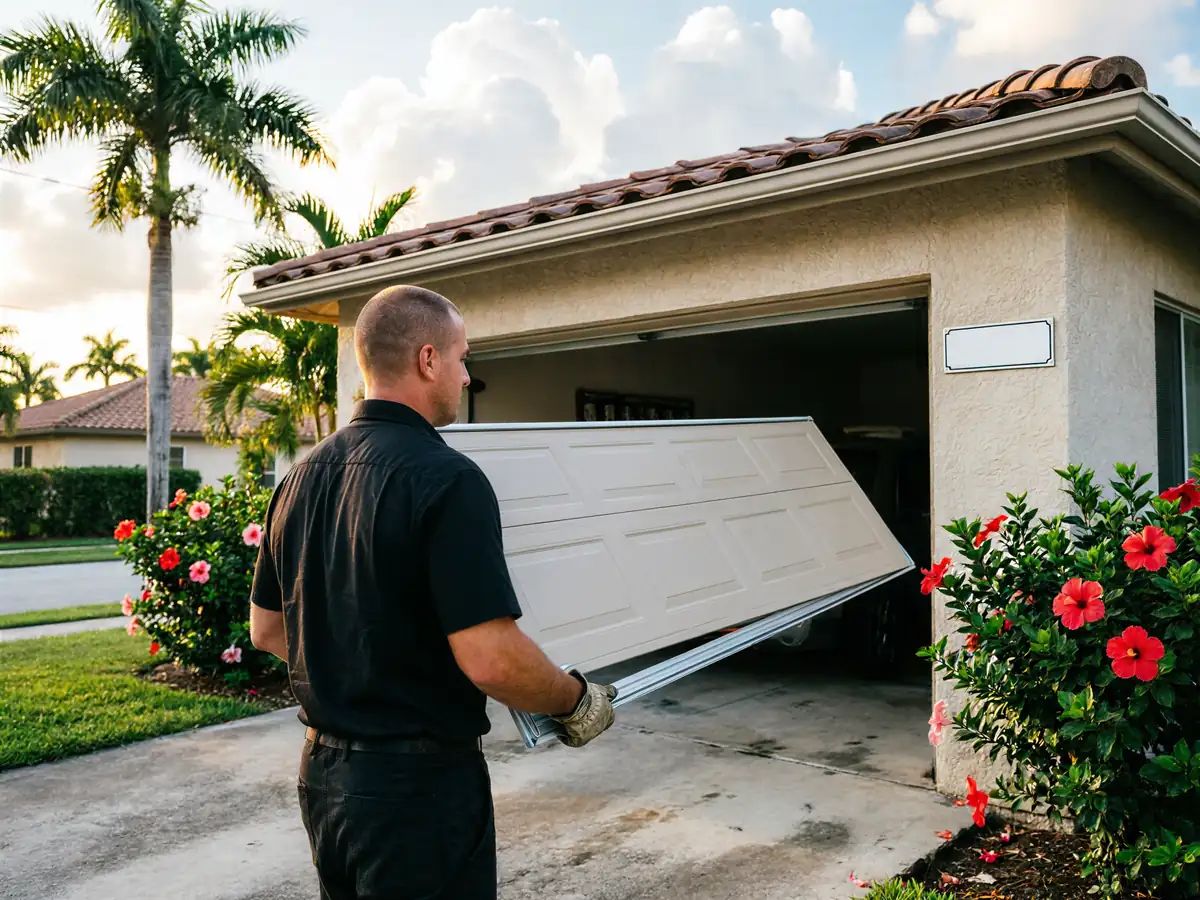
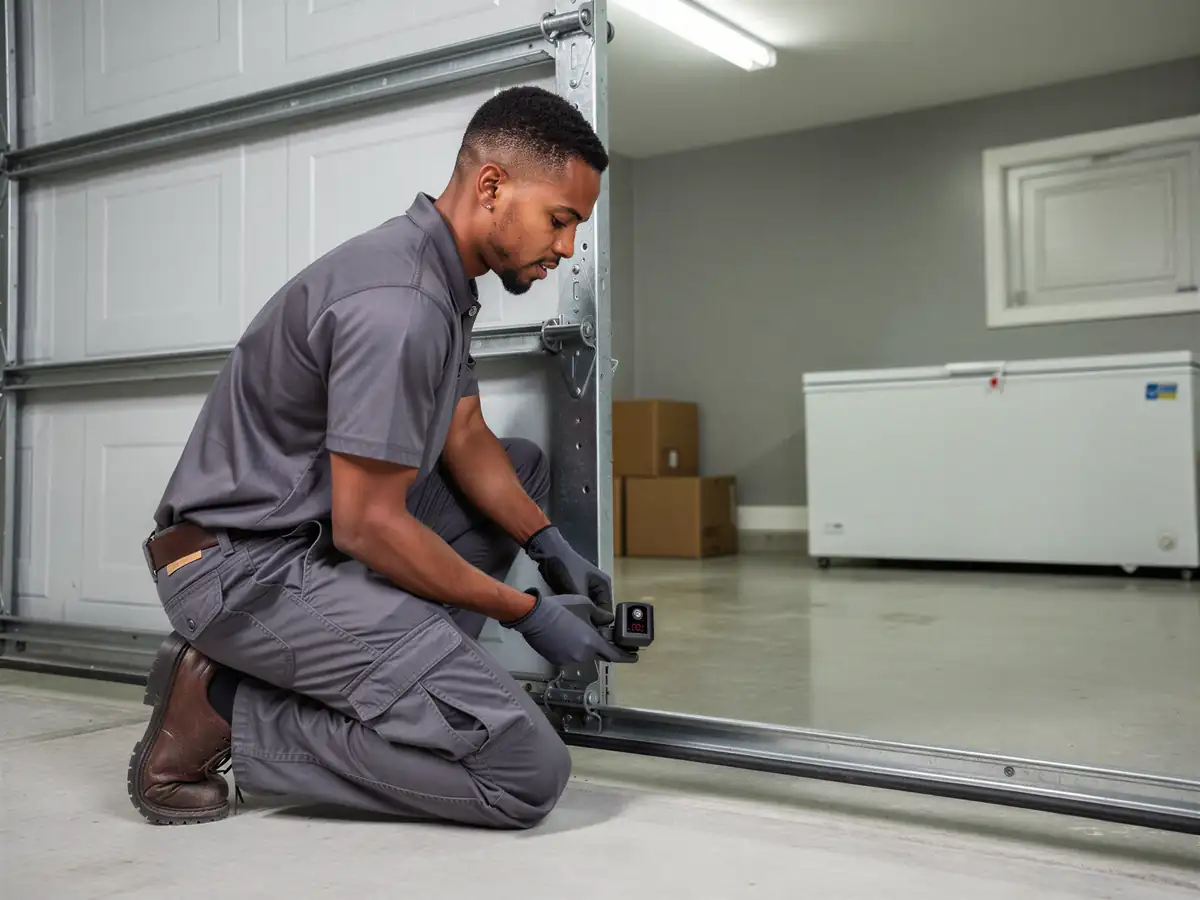
The first sign is usually sound - a grinding or rattling as the door travels, especially near the top of the opening where the door picks up speed. Next comes visible wobble: watch the door from the side as it closes and you'll see it rock slightly instead of running straight down the track. If you push on a panel near a roller and feel give or hear a click, that roller's bearing is likely gone. Left alone, a worn roller eventually jumps the track or snaps the stem, and at that point the door can bind halfway open or drop unevenly on one side. None of these symptoms mean the opener is at fault, even though that's usually the first thing people blame.
Parts We Carry
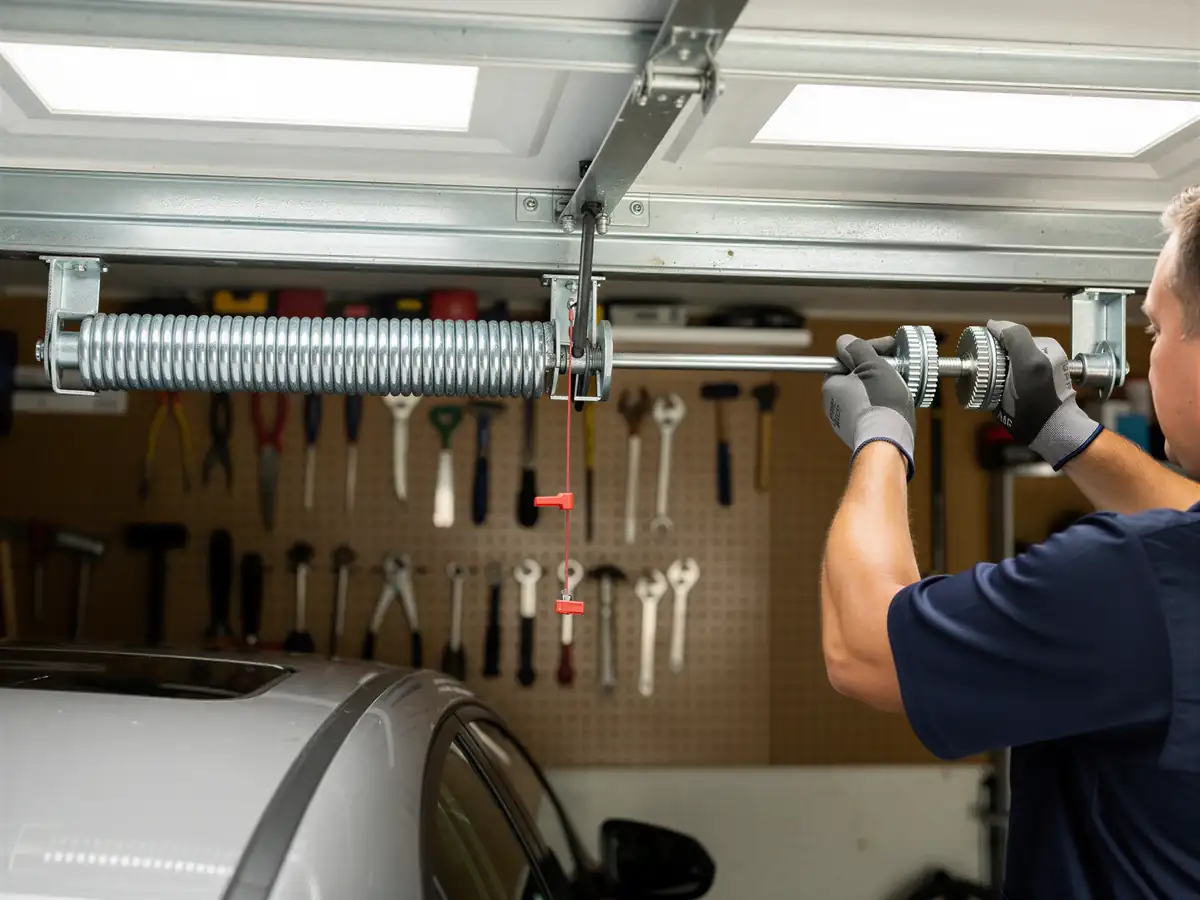
We stock nylon rollers in the standard stem lengths used on residential doors, along with steel ball-bearing rollers for owners who want a quieter, longer-lasting upgrade over the originals. We also carry replacement stems and hinges, since on an older door the roller rarely fails alone. What we don't stock on the truck is every specialty roller size for custom or commercial doors - those sometimes need an order, and we'll tell you up front if that's the case rather than guessing at a fit.
Where This Job Goes Sideways
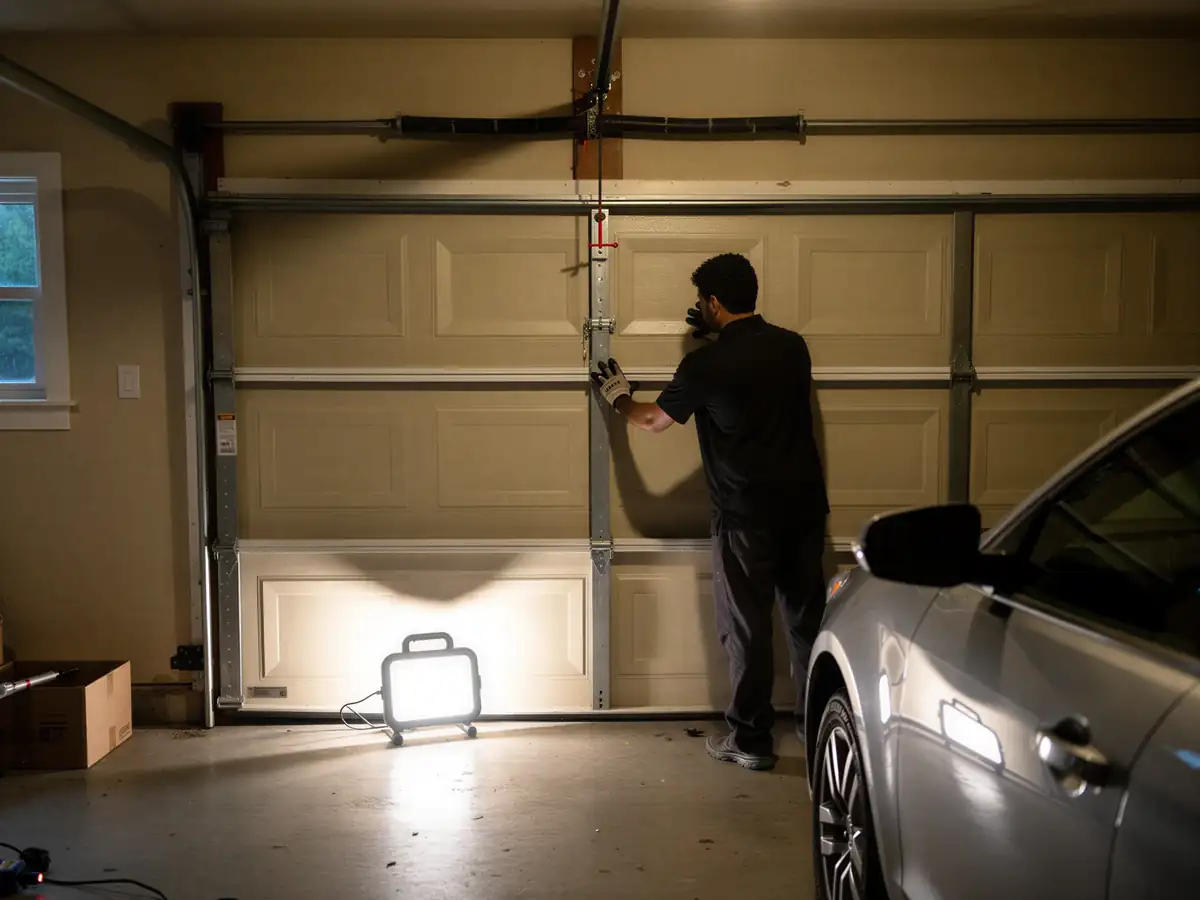
The job gets harder when the door is original to a 1989-built house and the track brackets have rusted or bent enough that they won't hold a new roller straight, no matter how good the roller is. At that point you're not replacing rollers, you're replacing track hardware, and sometimes the whole section of track. We'll always say so before starting rather than forcing new rollers into a track that's already failing - a roller swap on bad track just means another call in six months. With 1,765 households in Tierra Verde and a median income well above the wider service area at $148,785, we also see more owners choosing the steel ball-bearing upgrade over a straight nylon-for-nylon swap, since the cost difference is small relative to the house.