What to Check
Start with the door panel itself
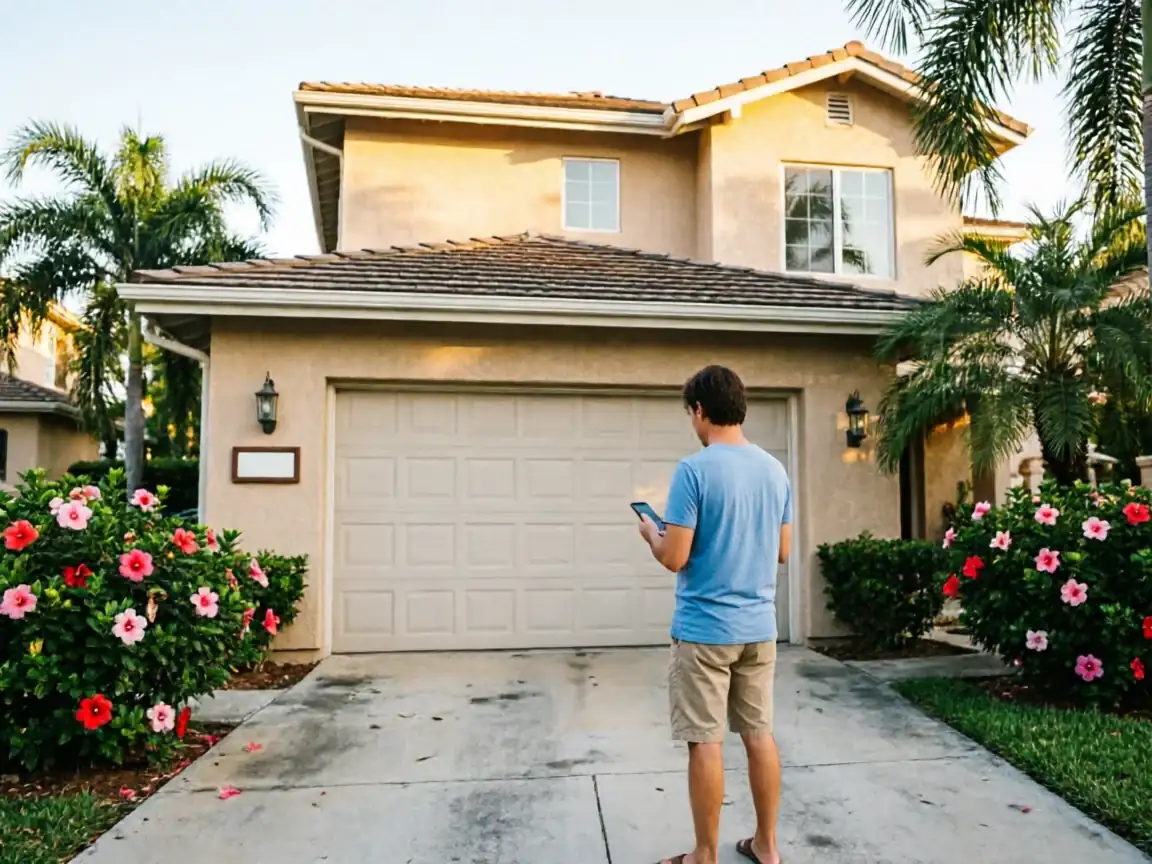
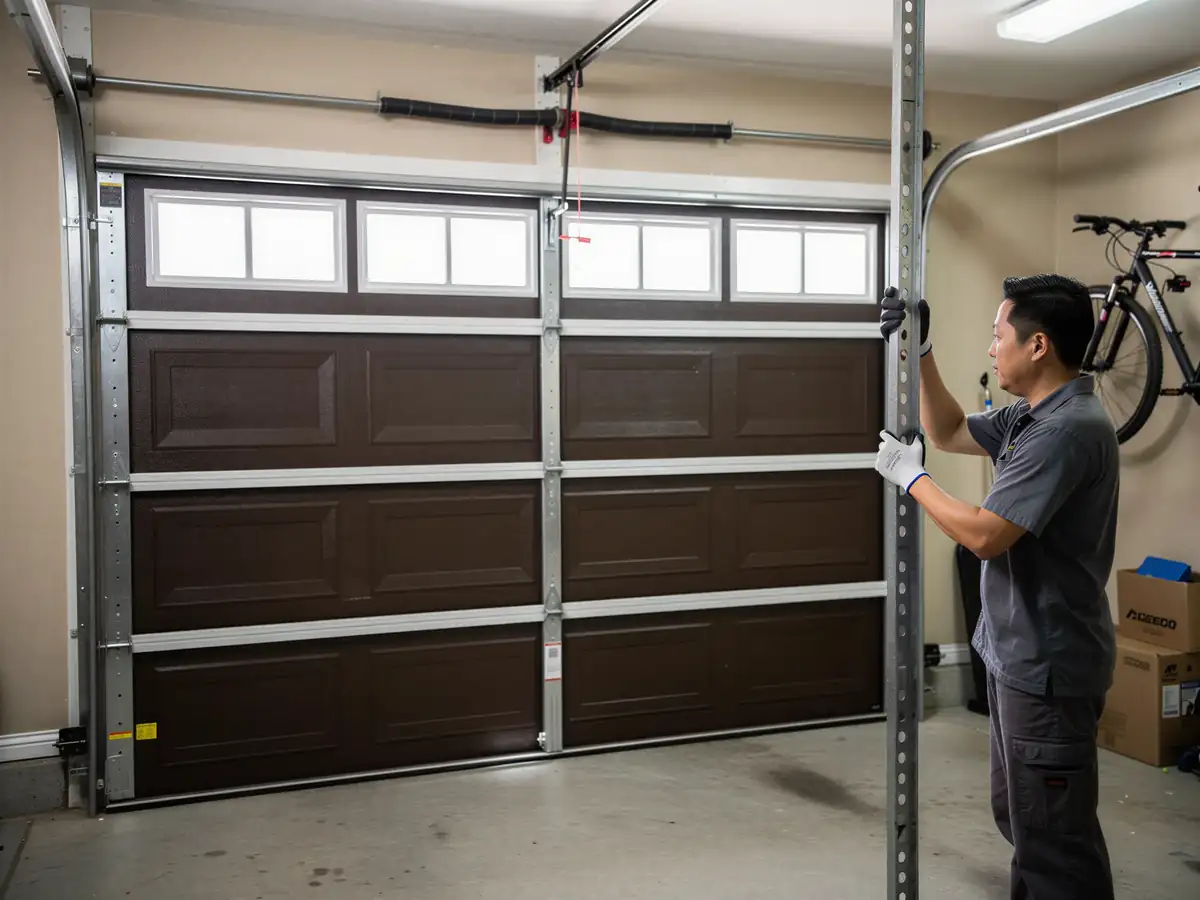
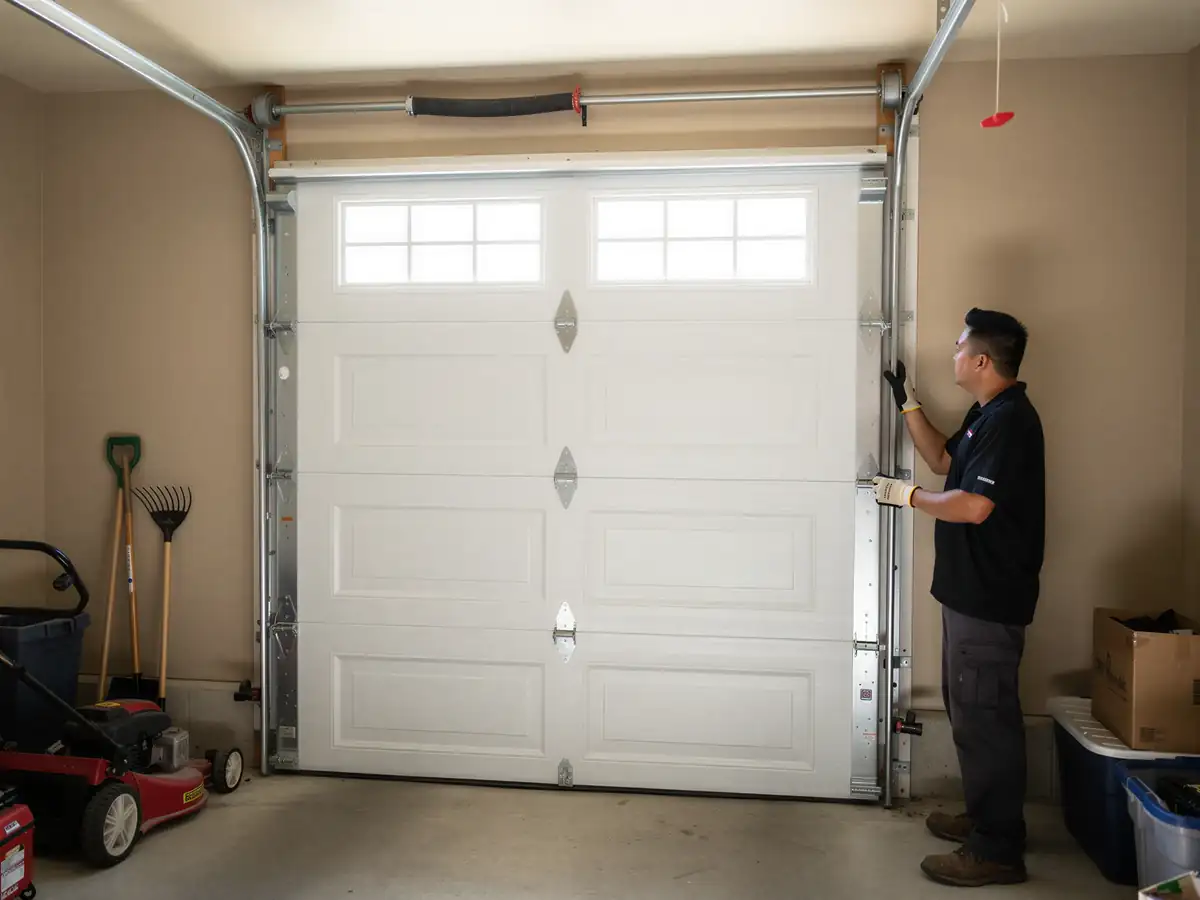
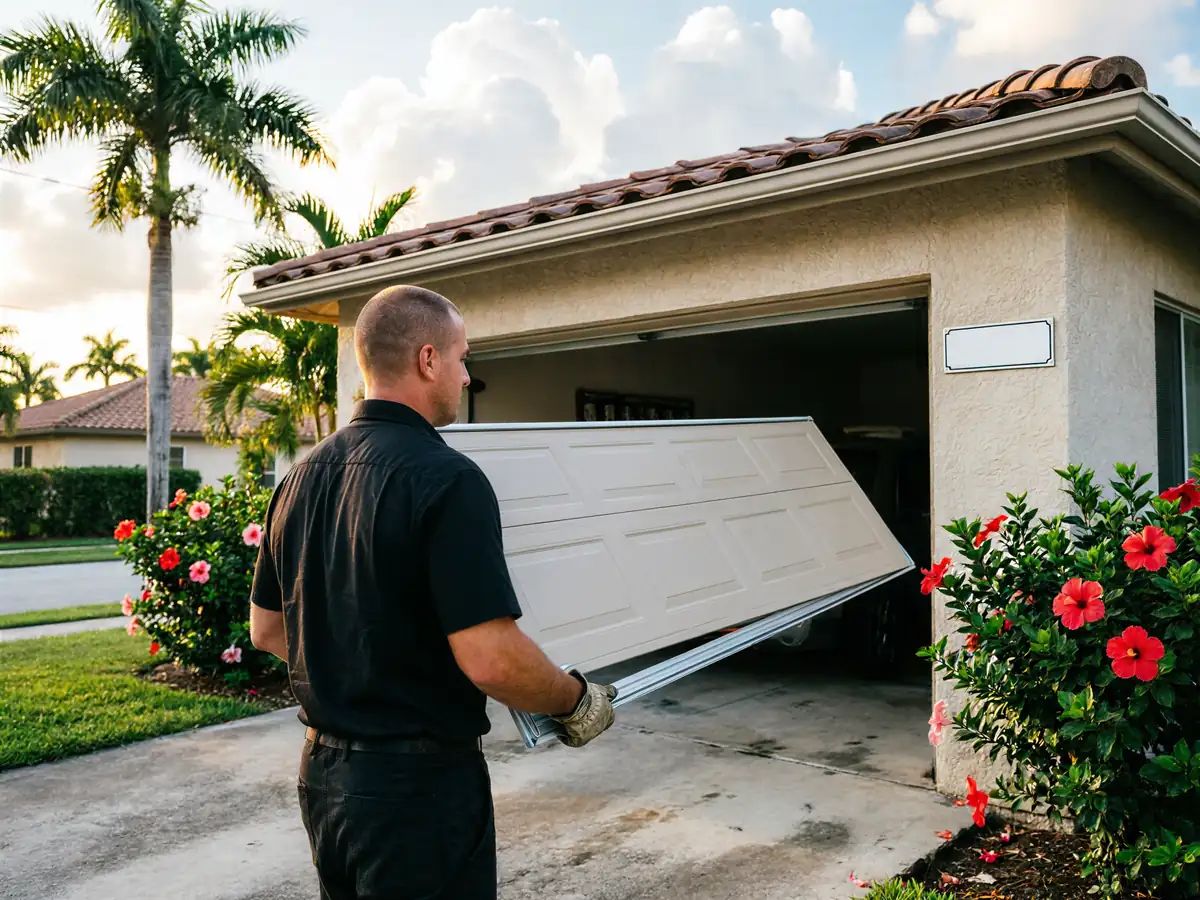
If your house went up anywhere near the median year for this area - 1979 - there's a decent chance the door is a single layer of steel or aluminum with no foam core behind it. Knock on it. If it sounds hollow and feels light for its size, that's an uninsulated door, and it was built to the standard of its decade, not today's.
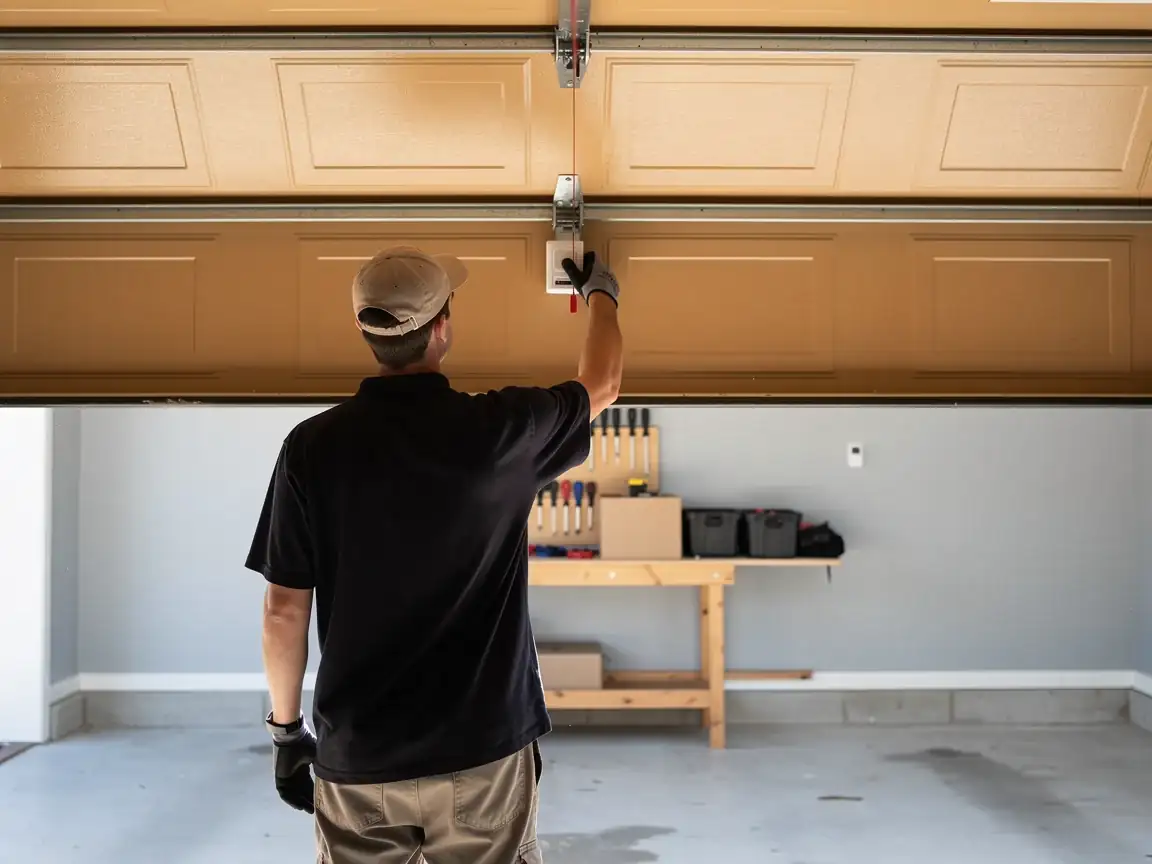
Check the bottom seal next
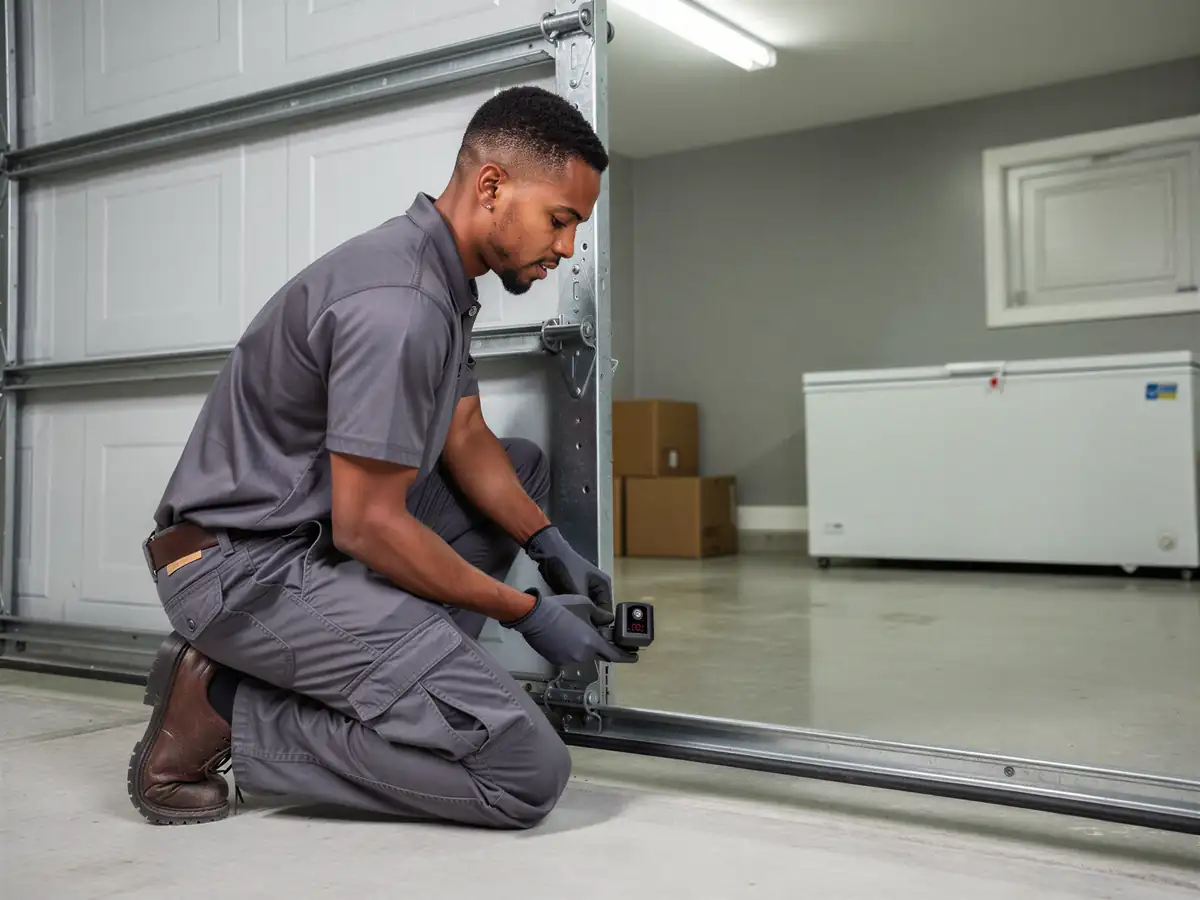
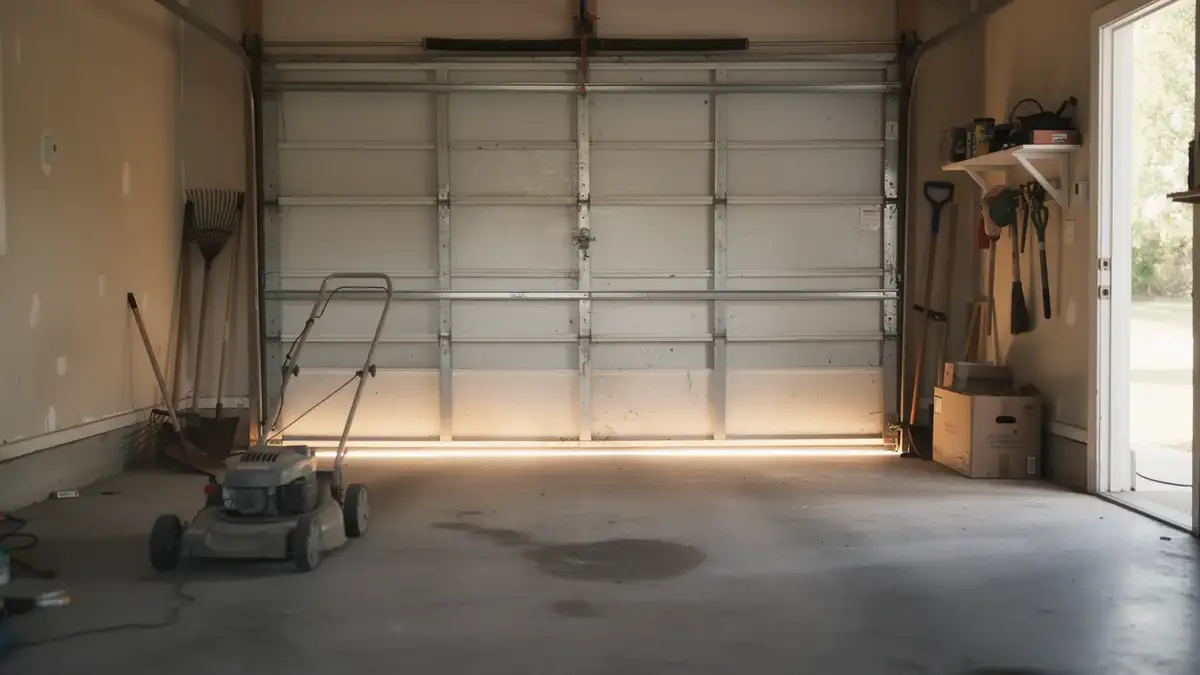
Houses from the 1958-2011 stretch that makes up most of St. Petersburg's housing often still have their original vinyl astragal, now cracked or shrunk, letting light show under the door even when it's shut. That gap isn't cosmetic - it's air moving straight into the garage.
Look at the weatherstripping around the jambs too
On older tracked doors from this era, the stop molding was often nailed tight with no stripping at all, since nobody was thinking about conditioned air loss in a garage back then. Run a hand along the frame on a sunny afternoon and you'll likely feel the difference between inside and outside temperature right at the seam.
Last, check the panel seams on double-layer doors if you have one
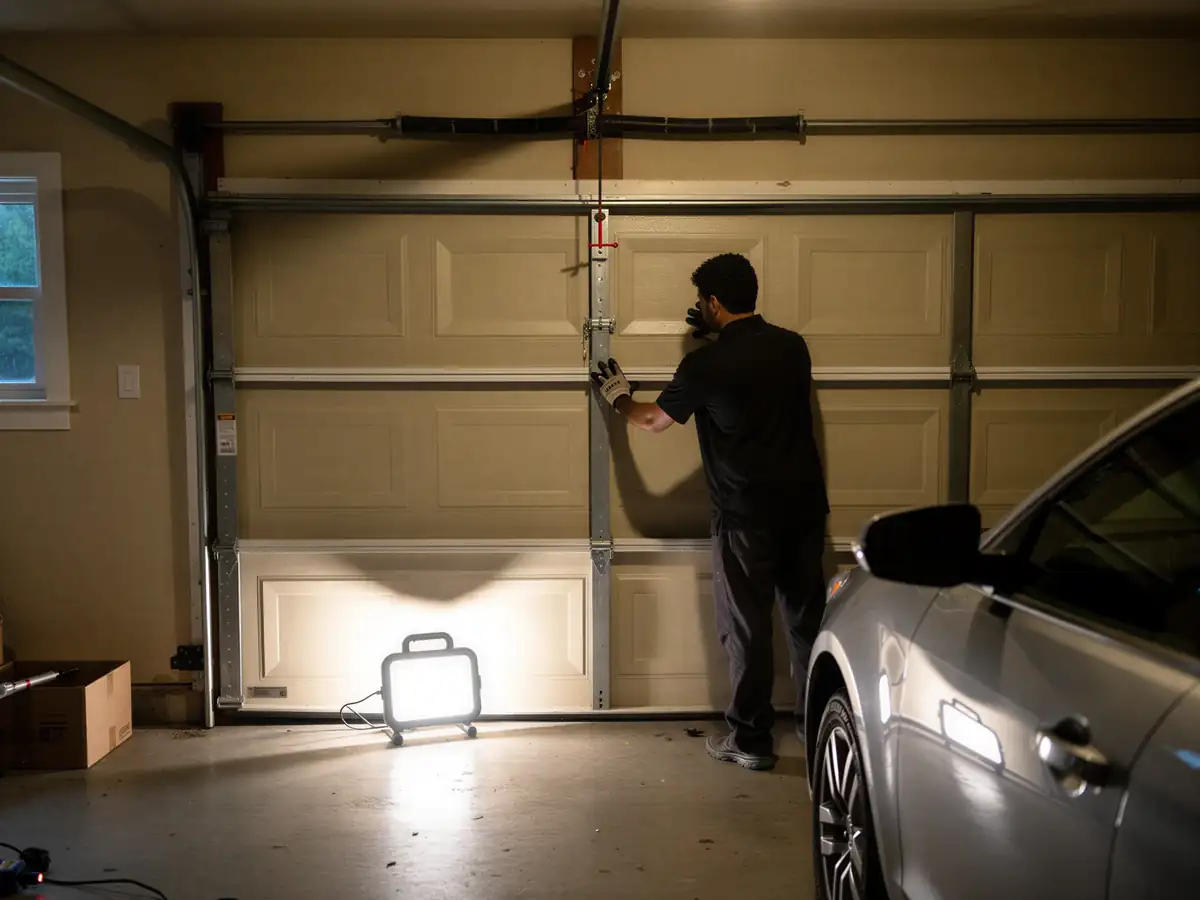
Some owners upgraded later, and the seams are where failed insulation shows up first as sagging or bowing.
How Local Conditions Play In
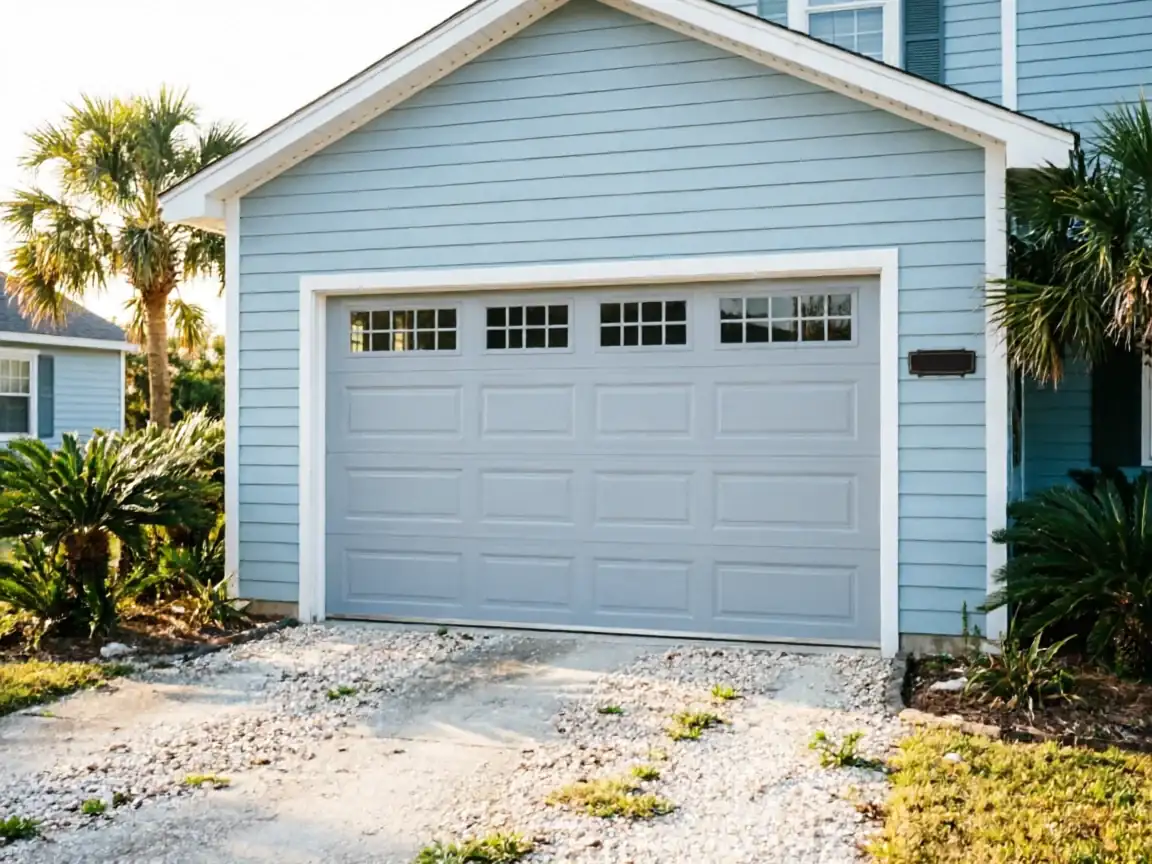
St. Petersburg sits in a mild temperate band - no hard freezes, no deep winter swings - so the insulation question here isn't about keeping heat in. It's about keeping humidity and afternoon heat load out of an attached garage, especially if that garage shares a wall with living space, which is common in the 1960s-70s stock that makes up most neighborhoods across this service area.
Because the climate here doesn't punish a door the way freeze-thaw regions do, a lot of original doors from the 1958-2011 build window have simply never failed outright. The steel didn't crack from ice. The track didn't seize from snow load. That's the trap: an old, uninsulated door can look and operate fine for decades in this climate while still doing nothing to manage heat transfer or moisture.
Salt air near the water side of the service area - toward Gulfport, St. Pete Beach, or Tierra Verde - adds a different wear pattern: corrosion on hardware and fasteners faster than inland areas see, even on a door that's otherwise sound. That's a separate issue from insulation but it often shows up on the same older doors, since corroded hinges and uninsulated panels tend to come from the same build era.
What Is Going On
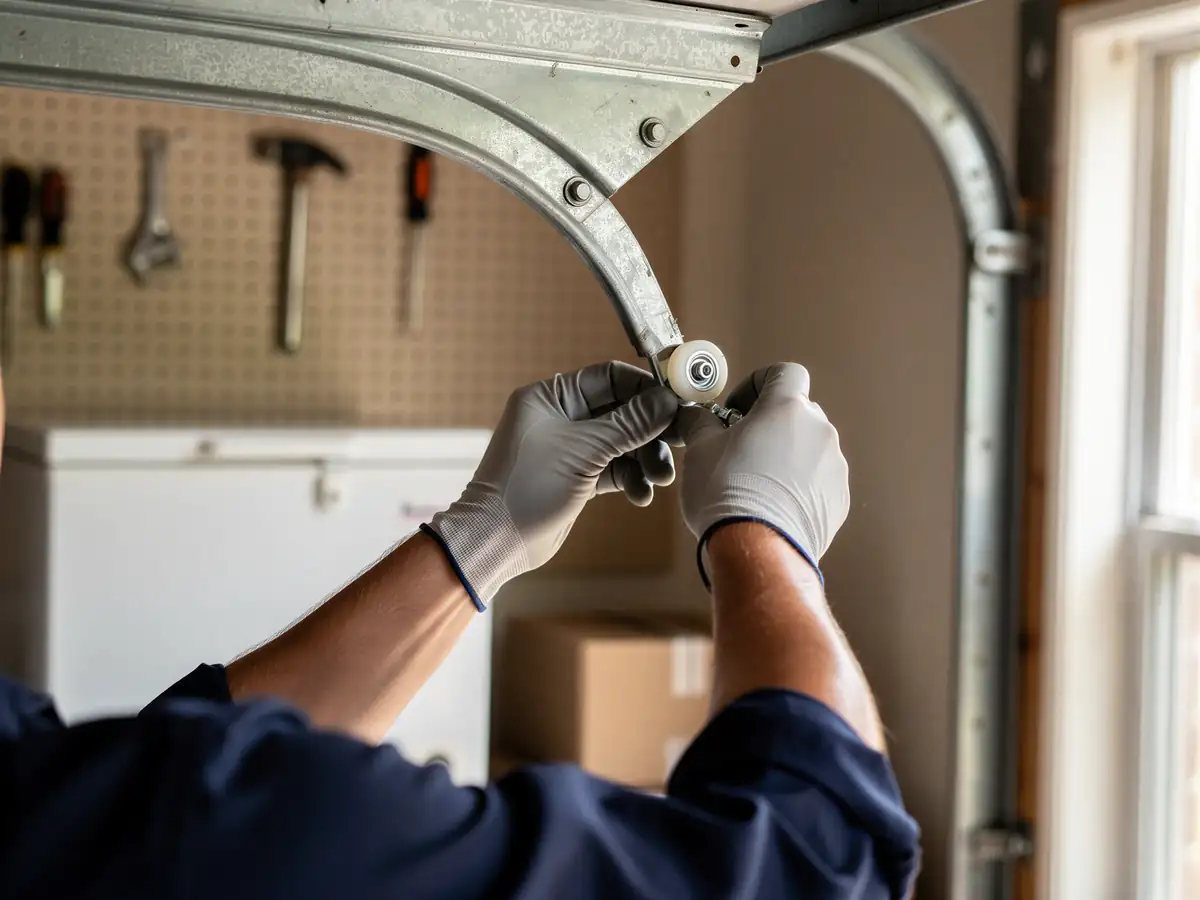
What's actually happening on an uninsulated door from this era is straightforward: a single steel or wood-composite skin flexes with temperature and humidity changes, and over 40-plus years that flex loosens panel seams, stretches hinges, and lets the bottom seal take a permanent set that no longer meets the slab.
This isn't a defect. It's just what doors built to 1960s-70s expectations were designed to do, because insulation and air-sealing weren't part of the garage door conversation when most of this area's housing went up - median year 1979, per local housing data. Nobody building then was planning for it.
The practical result is a door that still opens and closes - the mechanics often outlast the insulation entirely - but that no longer does much to separate the garage from outside air. On an attached garage, that shows up as a warm or stuffy room next door, not as a door that looks broken.
When to Get Help
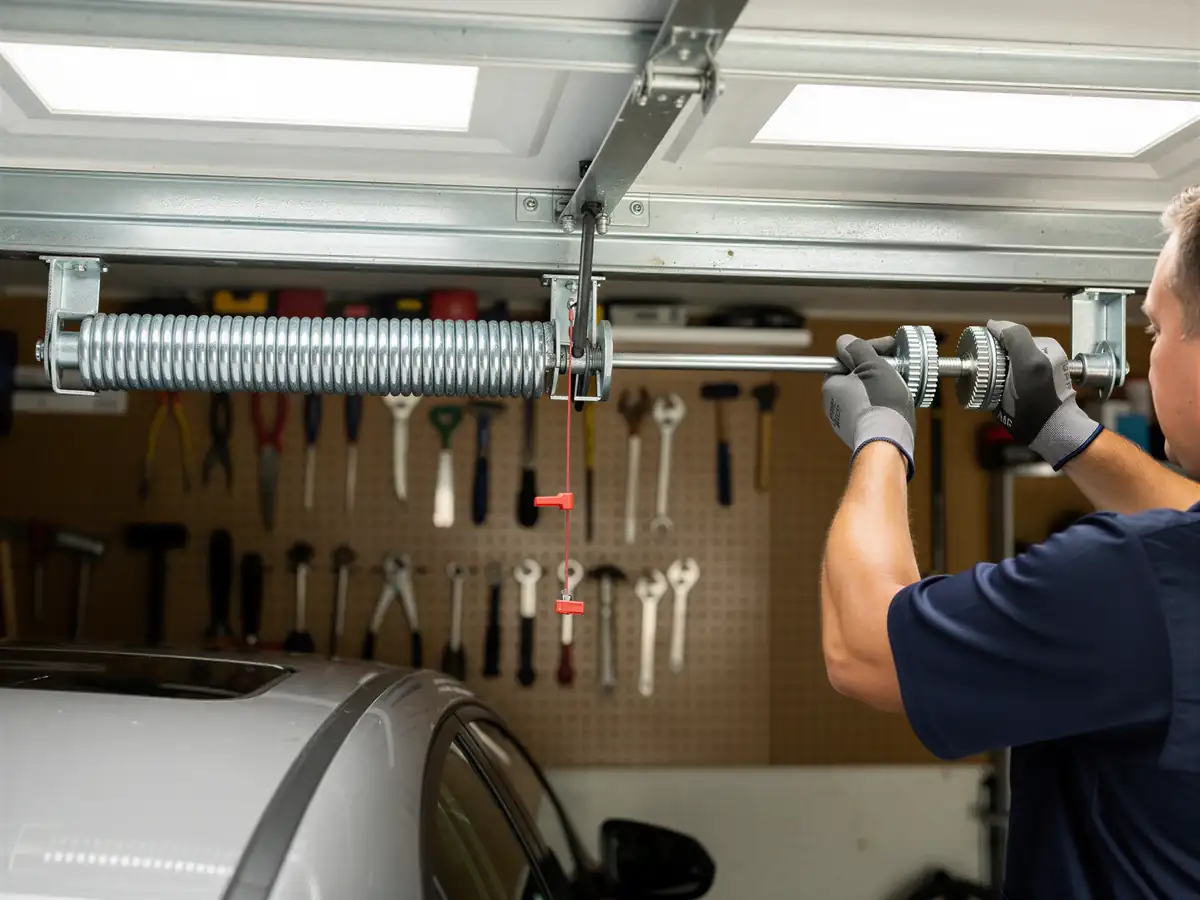
If the door still runs smooth, opens and closes square, and the spring and cables are in good shape
You don't need a new door just because it's uninsulated - a retrofit insulation kit and a new bottom seal can solve the air-sealing problem for a lot less than replacement, and that's worth trying first.
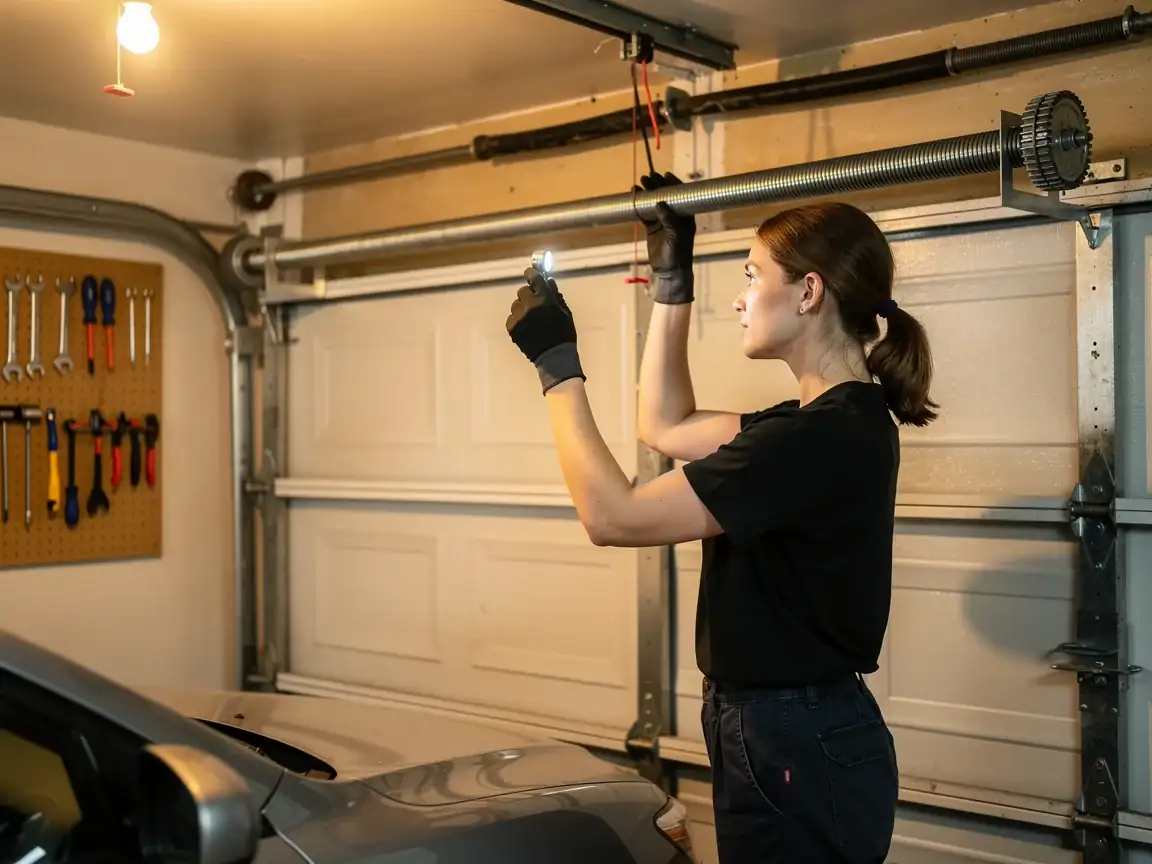
Call for a look if the panel seams are separating, if the door sags visibly when raised
Or if the bottom seal is so compressed or cracked it won't hold a consistent line against the slab anymore. At that point you're not insulating a sound door, you're patching a tired one, and it's worth having someone tell you which side of that line you're on.
One honest limit: we don't stock insulation retrofit kits for every panel profile still in service on houses from the 1958-2011 build window
Some older proprietary panel shapes need a part we'd have to source, which adds lead time. We'll tell you up front if your door is one of those before we start the job.