What to Check
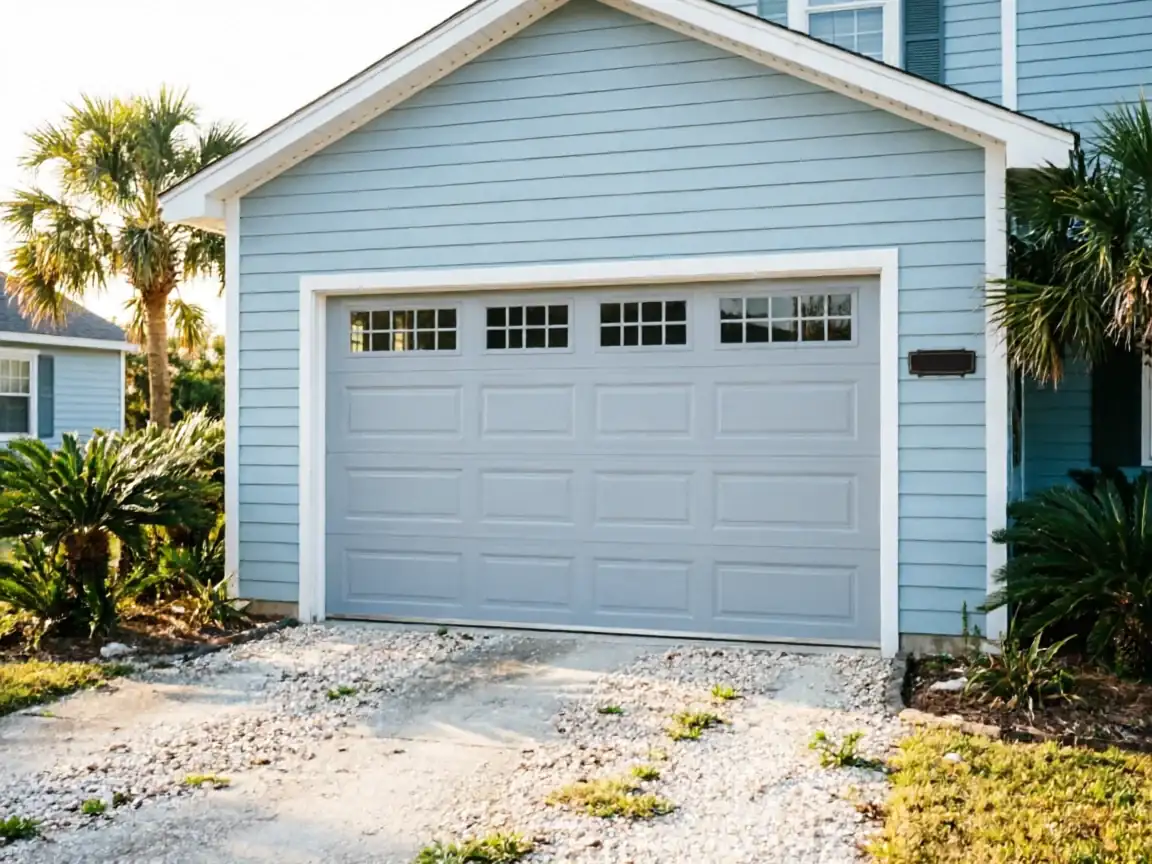
Most of the garage doors we get called out on in St. Petersburg sit in houses built somewhere between 1958 and 2011
With a lot of that stock dating to the late 1970s. That matters because a door from a 1979-built house in has a completely different repair calculus than one from a house finished in the 2000s out toward Pinellas Point.
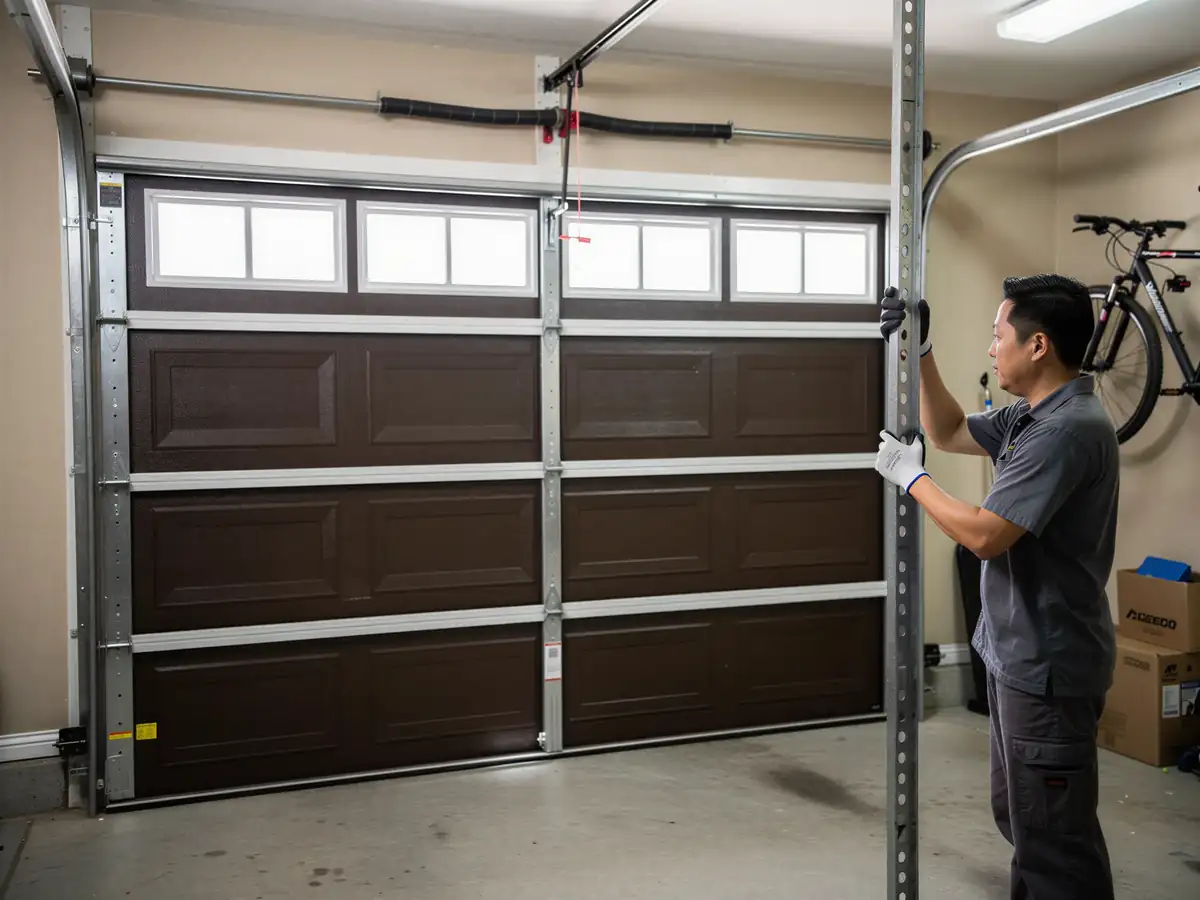
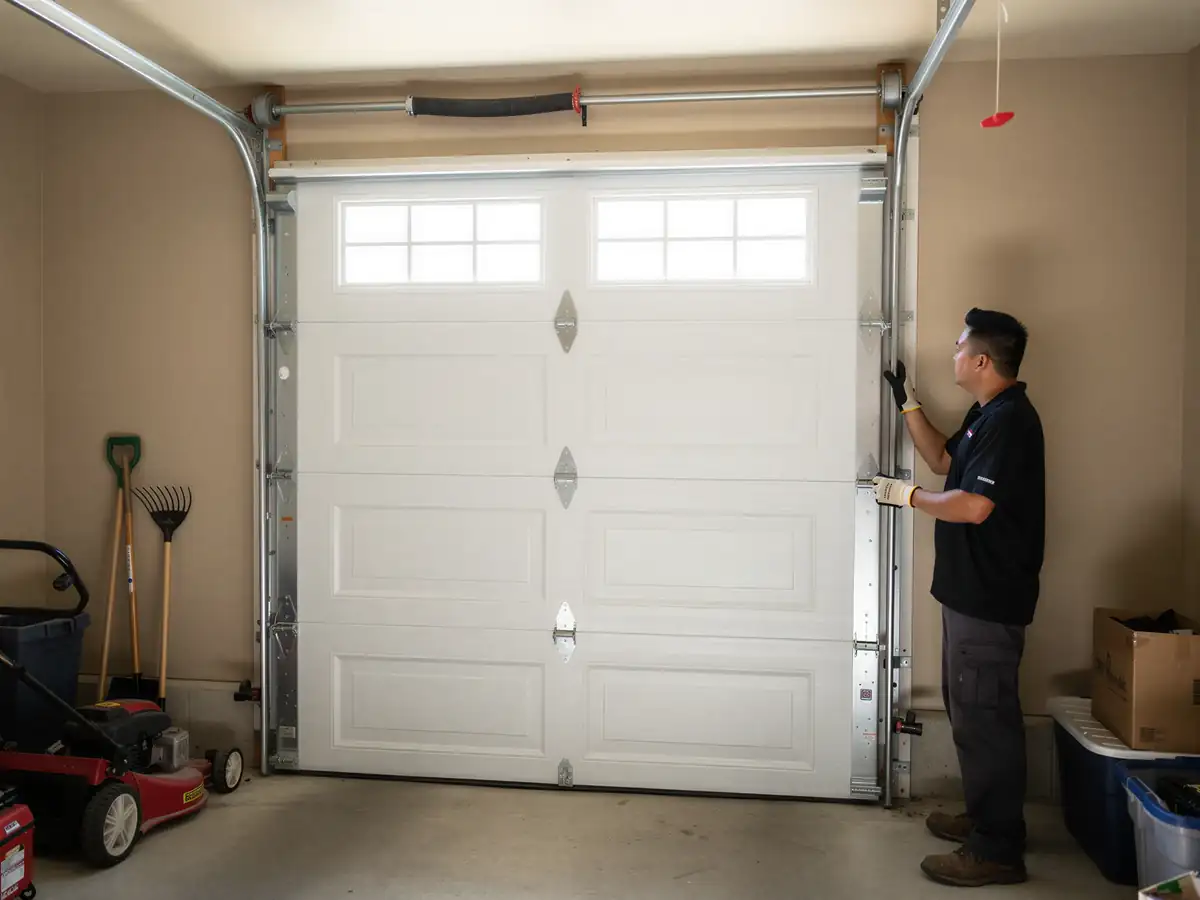
Start with the track
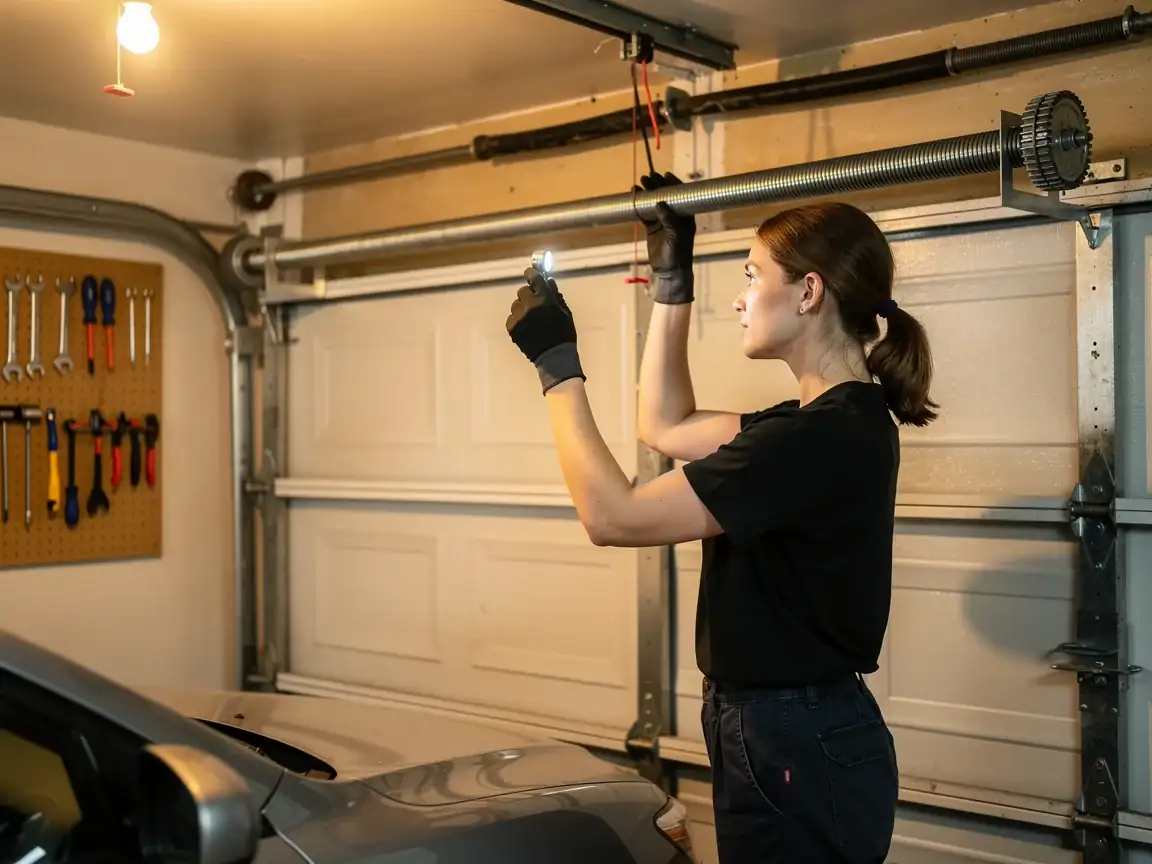
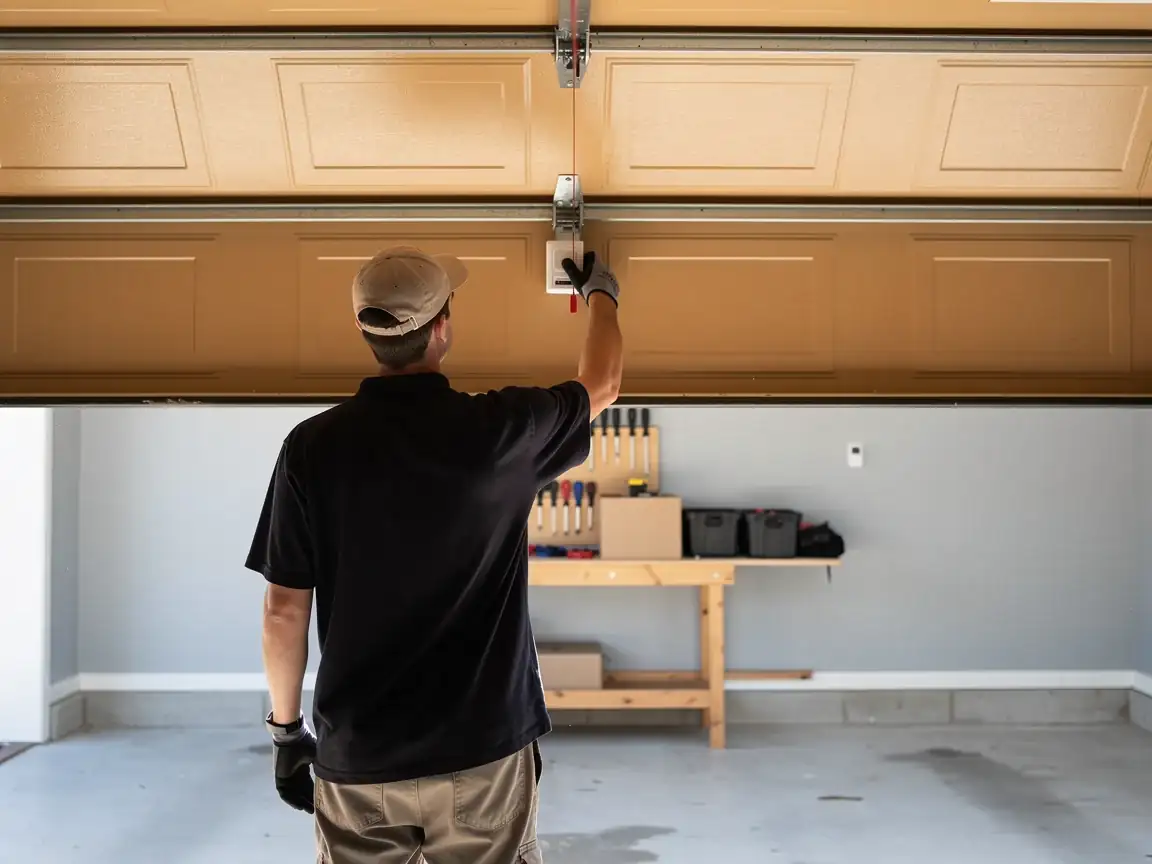
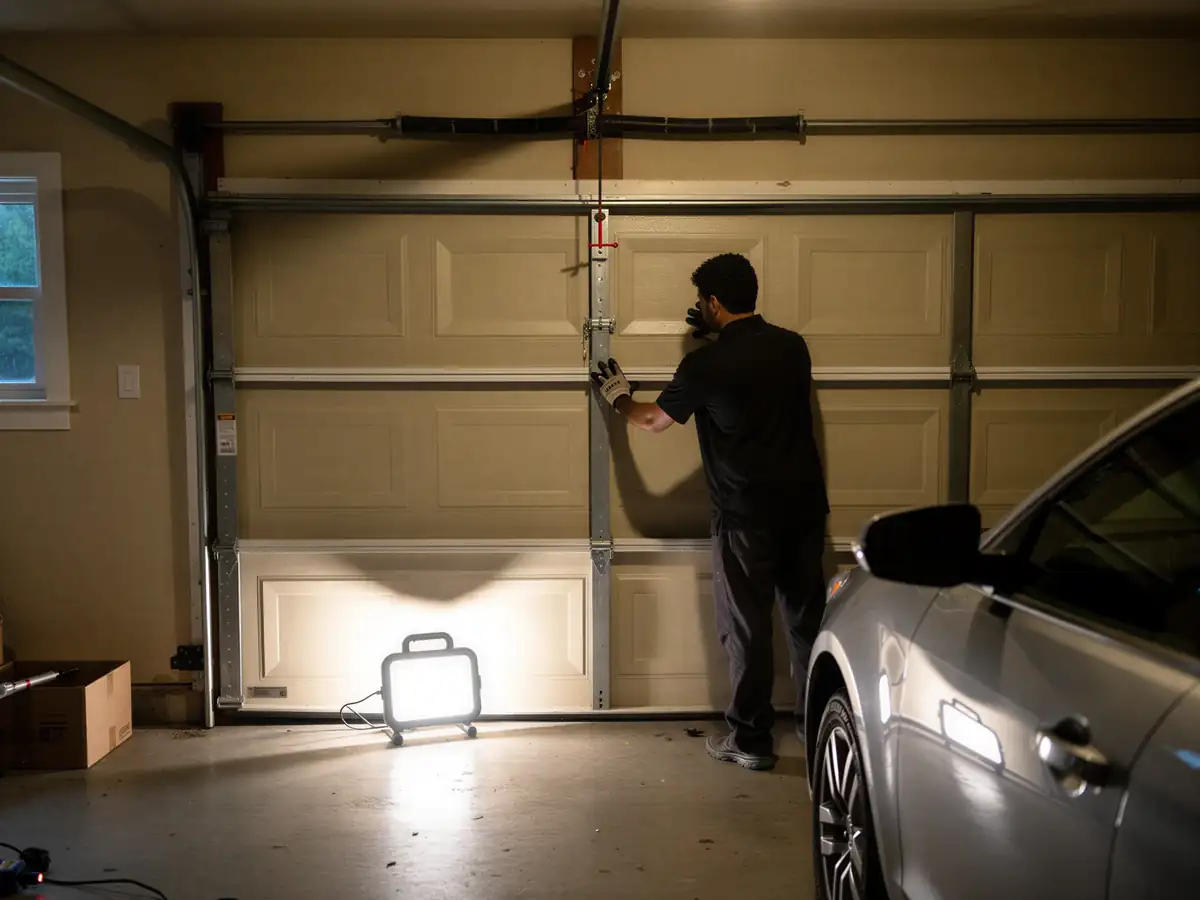
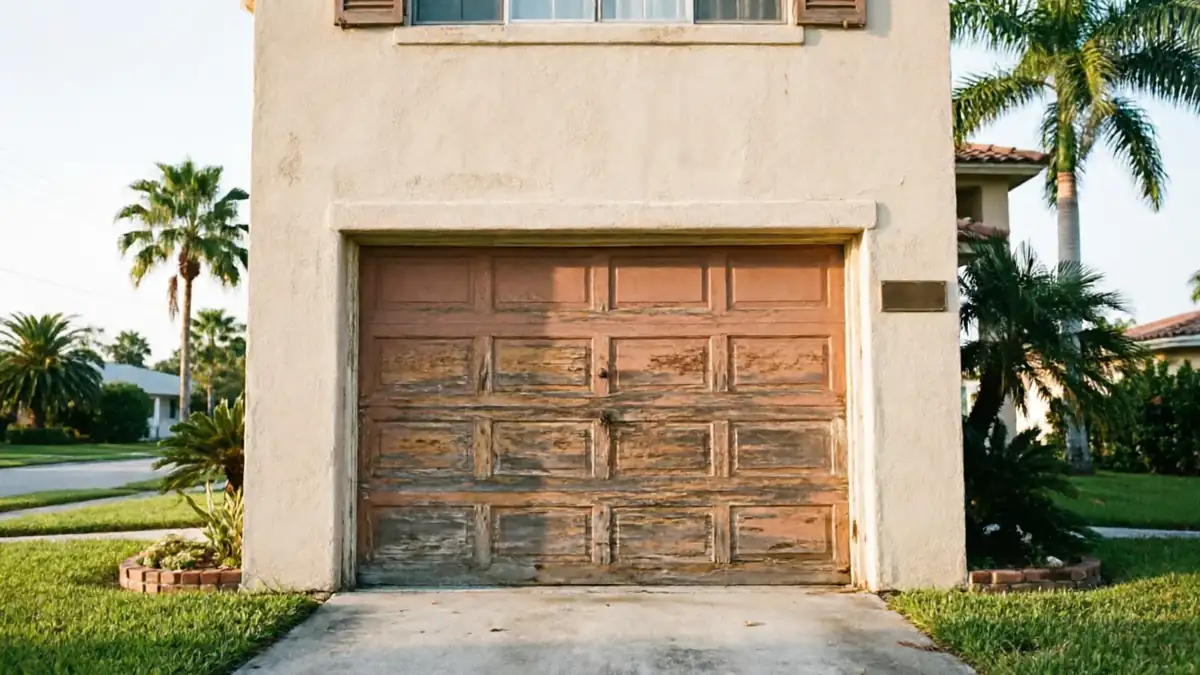
Pull the release handle, lift the door by hand, and see if it moves smoothly or binds halfway up. Binding usually means the track has racked out of alignment over decades of use, not that the whole door is shot. Next, look at the panels themselves - surface rust and faded paint are cosmetic, but panels that flex or have soft spots where the steel has thinned are a different story.
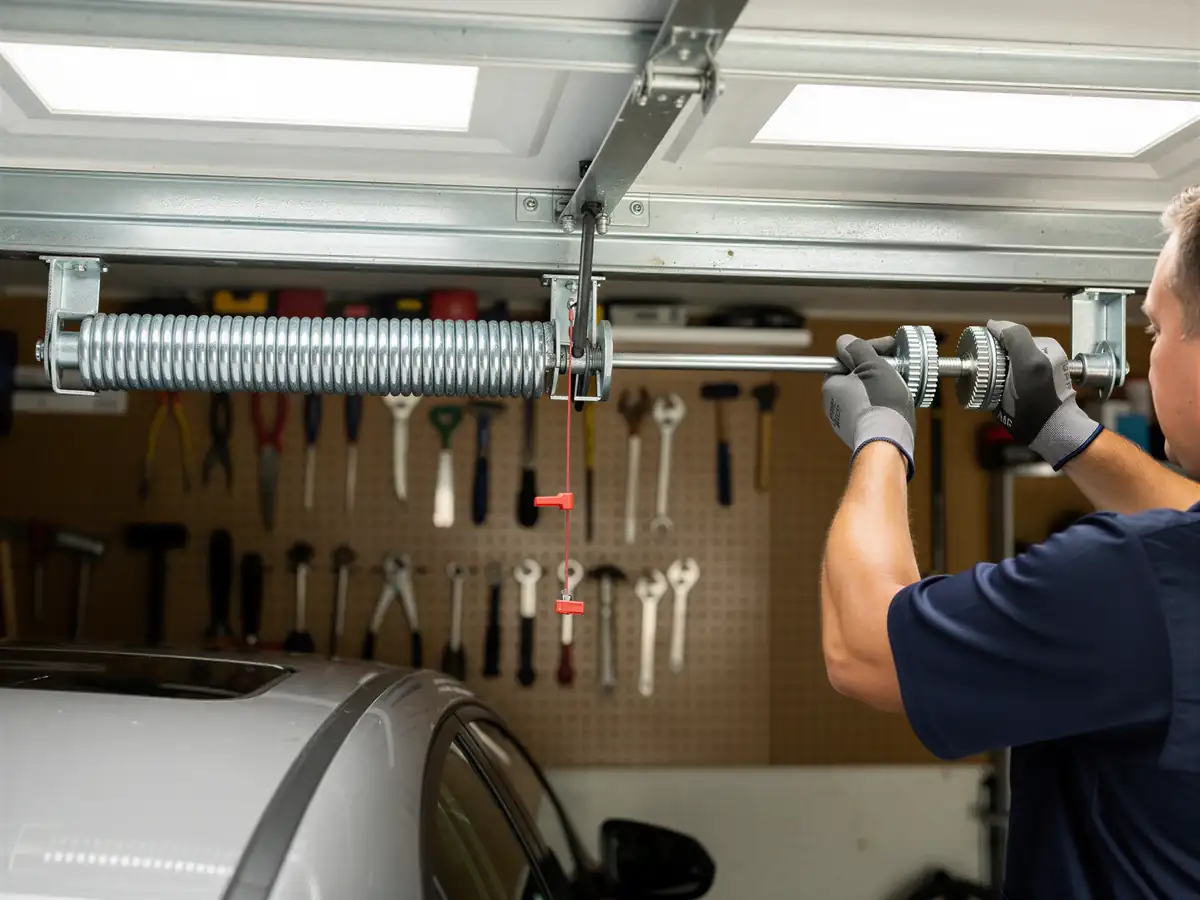
Check the springs last, and from a distance
A torsion spring on an older door that's original to a 1970s build has likely been cycled tens of thousands of times. If it's still original, it's due, whether or not it's broken yet. None of this tells you to replace the whole unit - it tells you which part is actually failing, which is the first real question before anyone talks price.
How Local Conditions Play In
St. Petersburg sits in a mild temperate band, which actually works in favor of older doors here. We don't get the freeze-thaw cycling that cracks wood panels or seizes hardware in colder climates, so a steel or aluminum door from the 1970s or 80s that's been kept out of standing water usually still has sound bones. That's different from towns with harsh winters, where the same age door is often rusted through at the bottom panel from salted roads and ice.
What does wear out doors here is humidity and salt air, especially the closer you get to the water - Gulfport, South Pasadena, St. Pete Beach, and the other barrier and near-shore communities in our service area see it worse than inland neighborhoods. Hardware corrodes from the inside of the hinges out, even when the panel face looks fine. If your door is in one of the closer-to-water spots, factor that into whether a repair will hold for years or just months.
What Is Going On
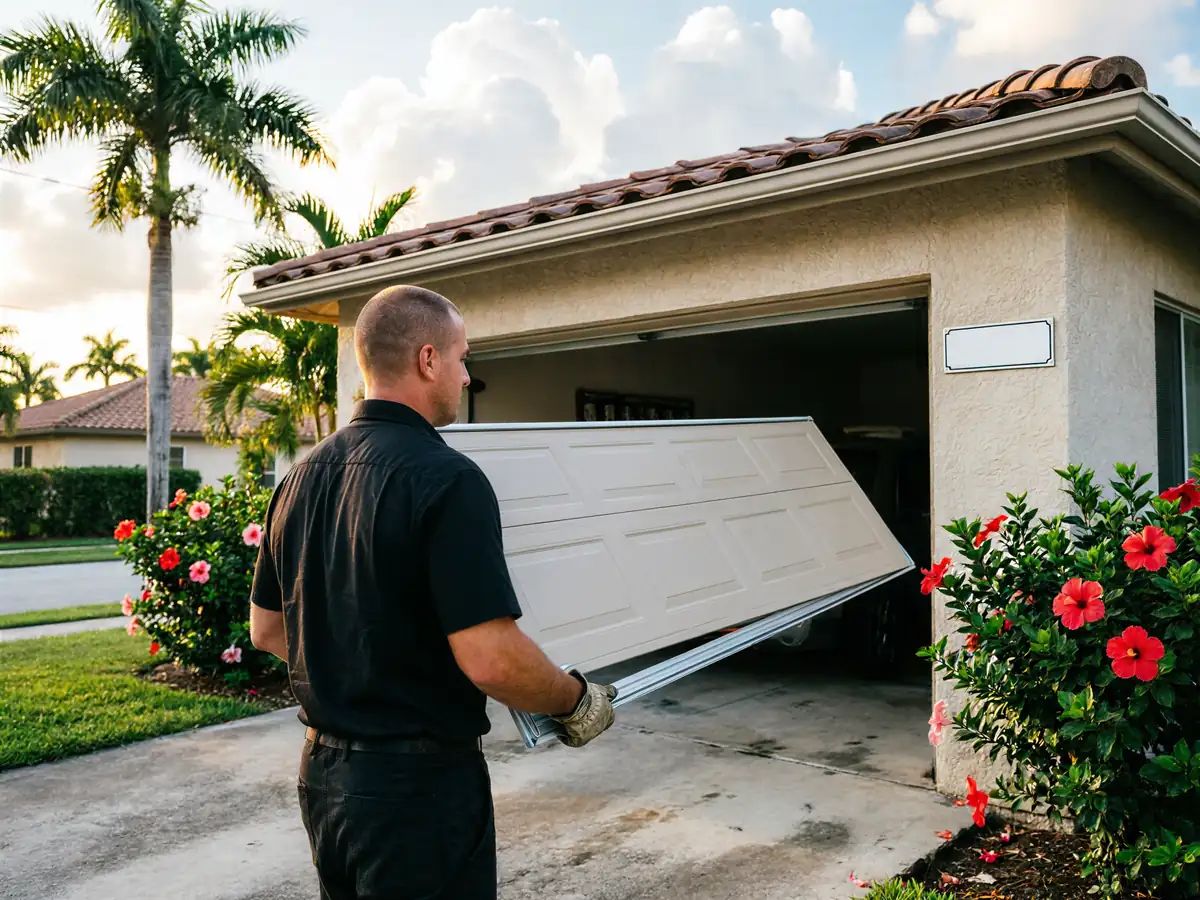
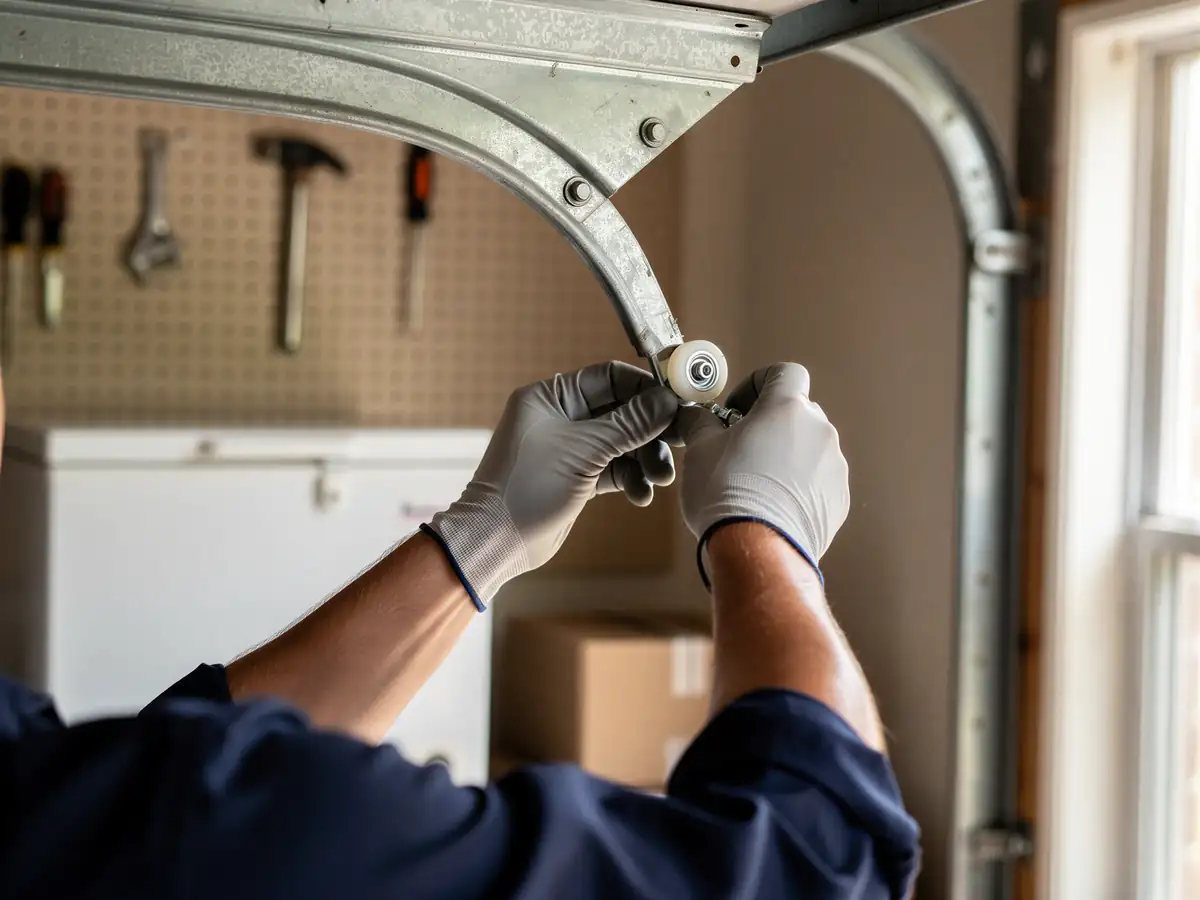
With housing across this area built mostly in the 1960s and 70s, a lot of what we see is original hardware that's simply reached the end of its duty cycle - not a door that was poorly made. Rollers that have gone from nylon to metal-on-metal, cables starting to fray at the drum, an opener from an earlier generation that doesn't have modern safety reversal. None of that means the door itself needs to go.
The honest limitation here: once a panel section is bent or rusted through structurally, or the door is an old single-piece slab style instead of sectional, patching it usually costs more over two years than replacing it once. We'll tell you that straight rather than keep billing you for band-aids on a door that's past the point of being worth it.
When to Get Help
Call before the door fails completely, not after
A spring that's visibly stretched or a track that's bent but still functioning gives you time to plan a repair on your schedule instead of an emergency one. If you're not sure whether what you're looking at is a $150 fix or a sign the whole door needs replacing, that's exactly the kind of call worth making - we'd rather look at it and tell you it's fine than have you replace a door that had another decade left in it.
Given the median household income here runs around $79,798
We try to be straight about what's worth fixing versus what isn't, since replacing a door outright is a real expense most households weigh carefully. Reach out through our site and we'll walk through it with you before anything gets torn out.