What to Check
Start with the age of the house, not the age of the door
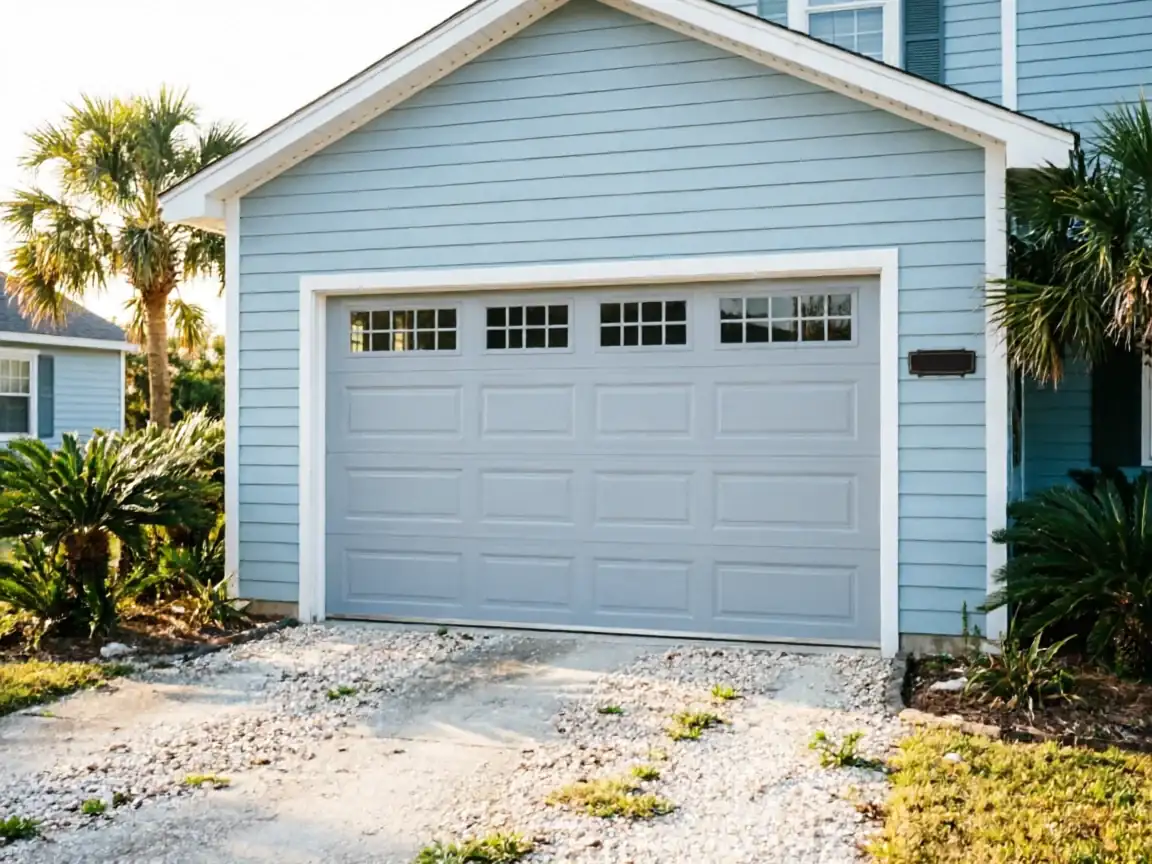
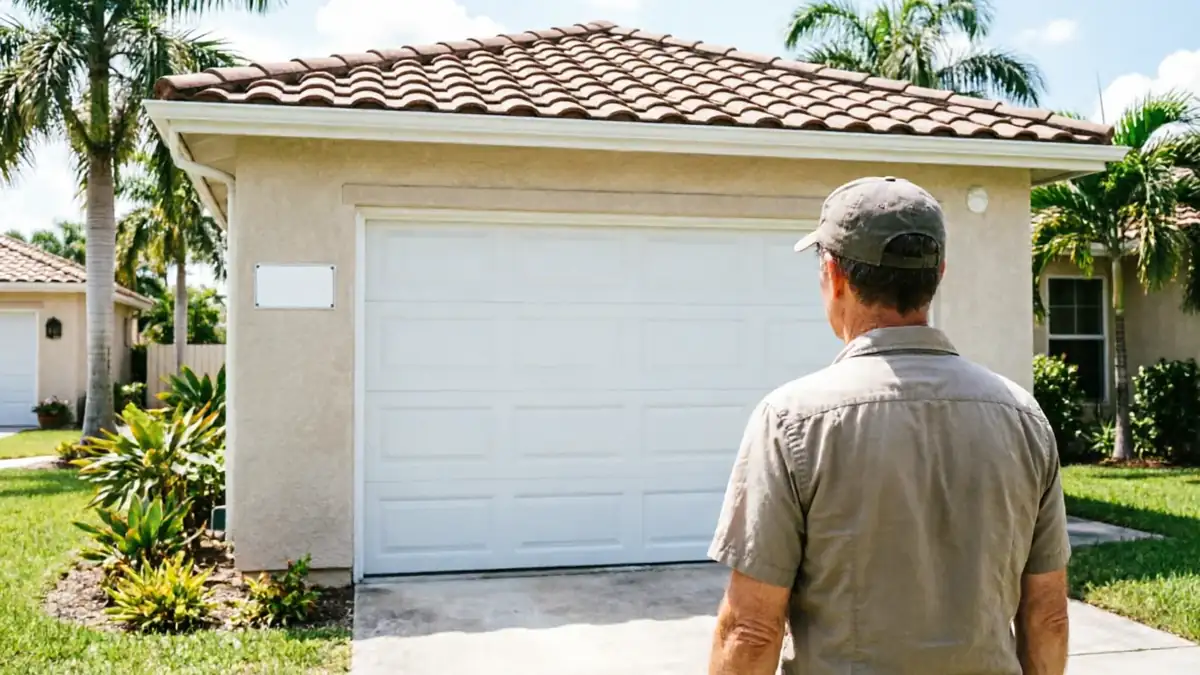
Across St. Petersburg's older neighborhoods, from just a mile north of downtown to three miles southwest three miles west, homes were built anywhere from 1958 to 2011, with the typical house dating to 1979. That matters because a door bought or installed around then was likely sized to openings and track clearances that builders used in that era, and it was paired with hardware nobody stocks new anymore.
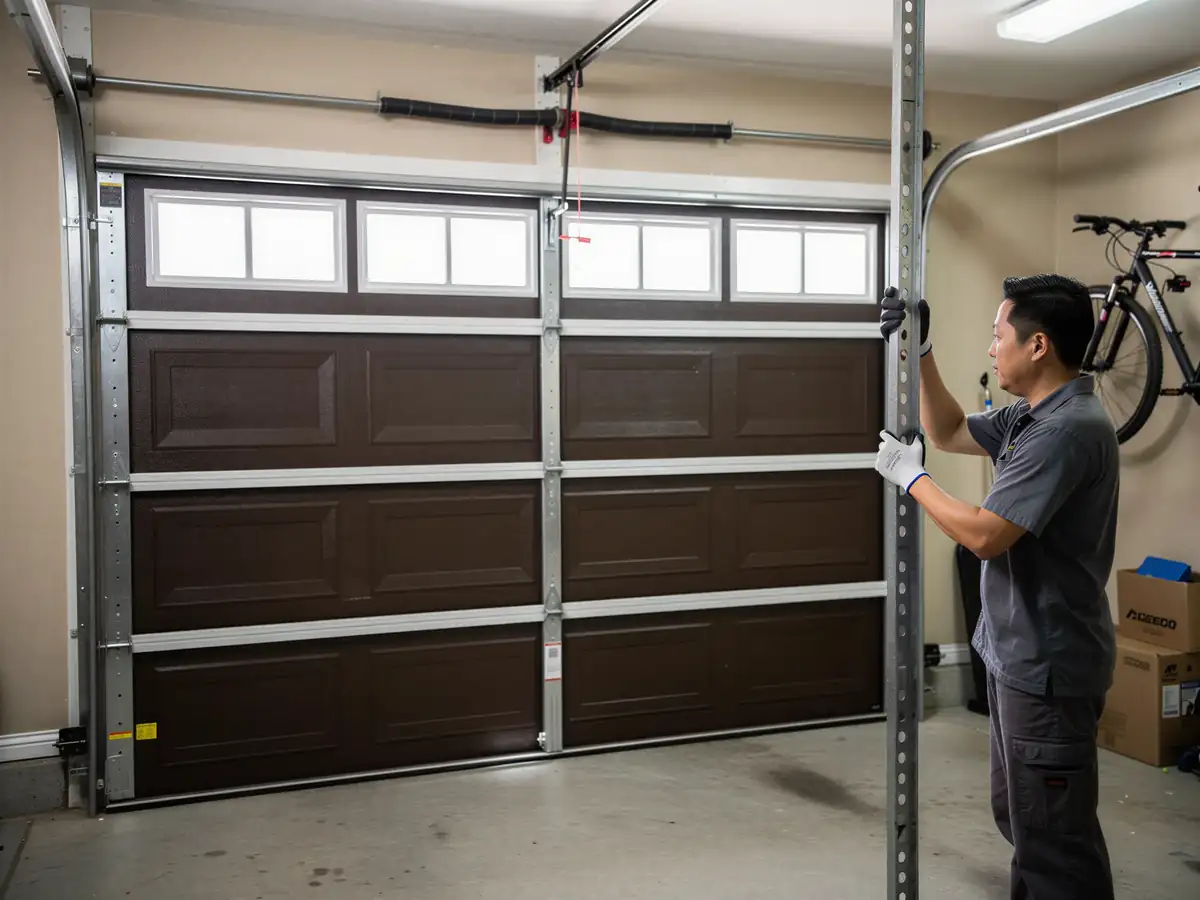
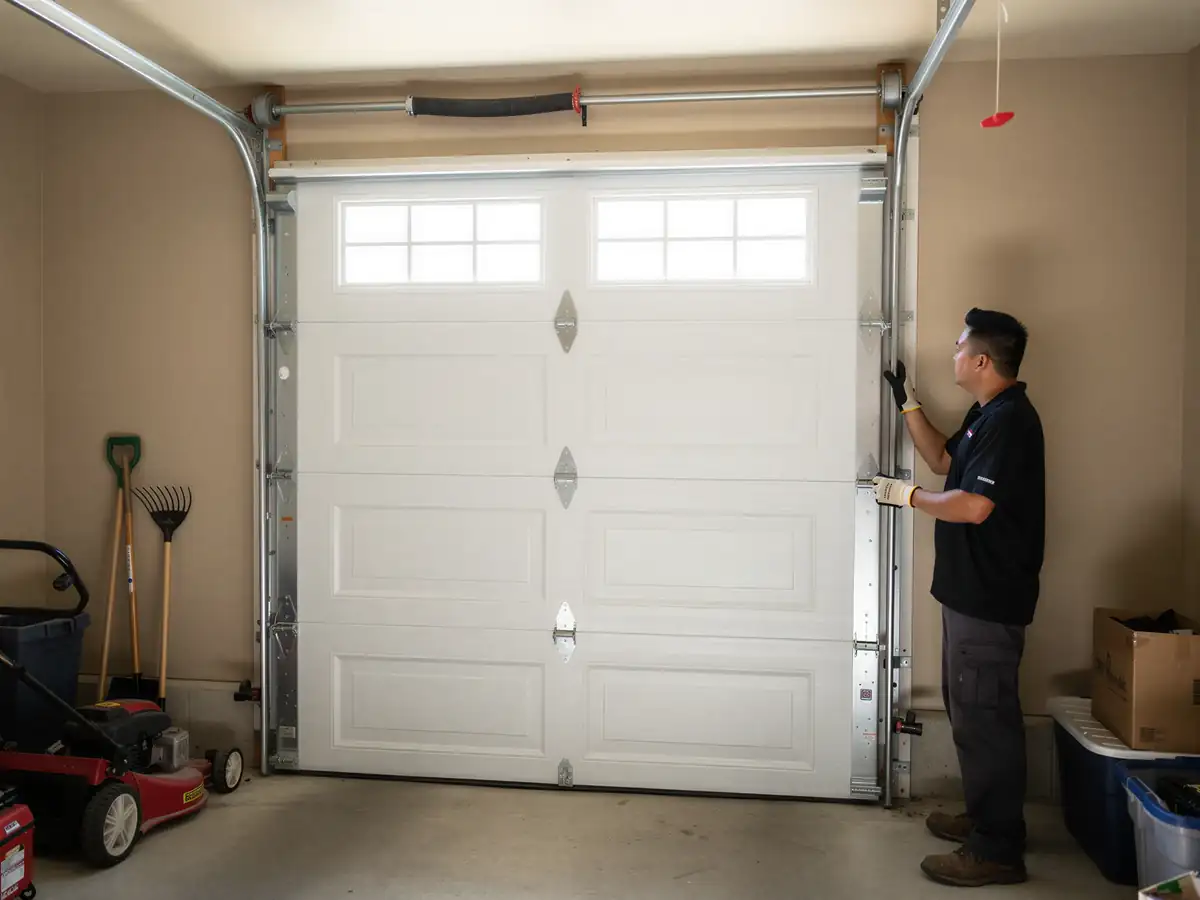
Walk out and look at the track gauge, the spring type, and whether the opening is a single 16-footer or a pair of 8s or 9s
Which was common in the 1960s and 70s stock that makes up most of the 33 named areas we work in, around. Check the jamb for rot or settling, since a door that doesn't fit square will chew through rollers and openers no matter how new it is. Measure headroom and backroom too. A lot of these older garages were framed tight, and that limits which new door and opener combinations will actually fit without carpentry work first.
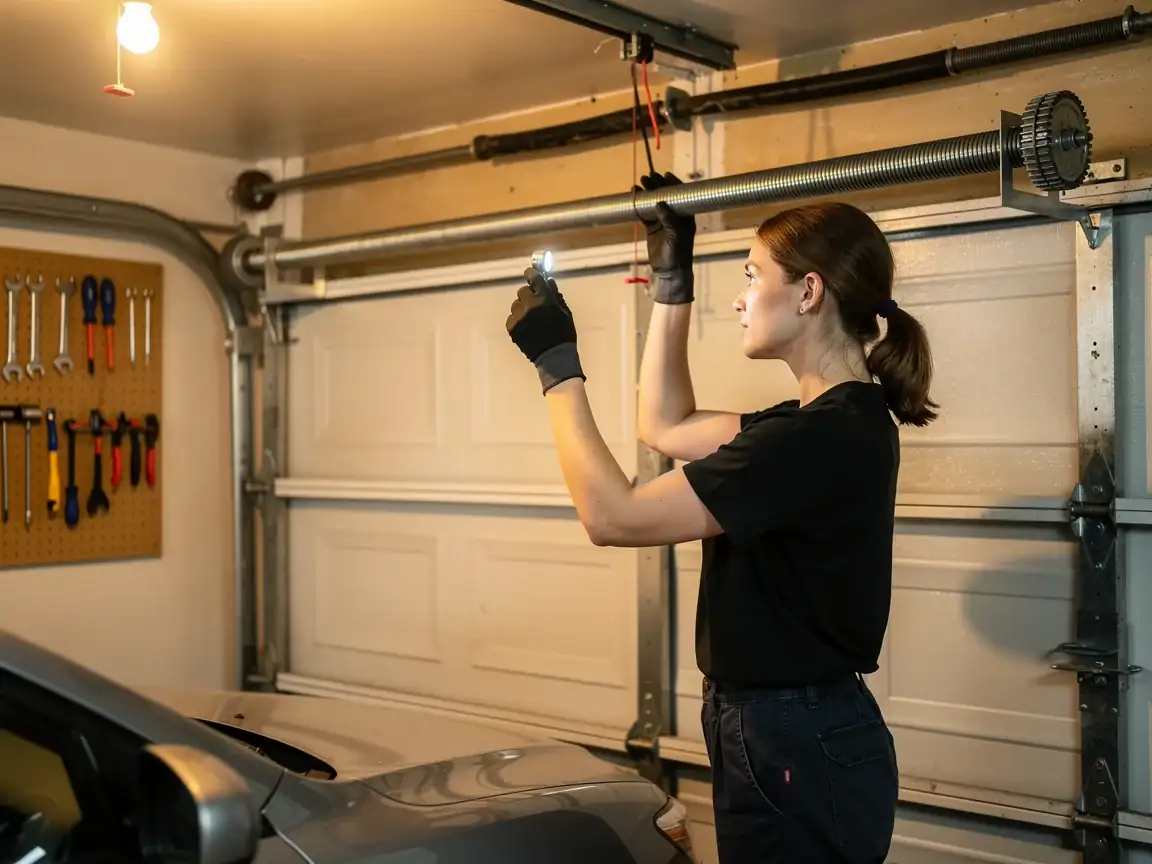
If you're not sure what you're looking at, take photos of the track, the spring, and the panel seams before you call anyone
How Local Conditions Play In
St. Petersburg sits in a mild temperate climate band, which changes what actually wears a garage door out here compared to a place with hard winters. You're not dealing with ice splitting seams or metal contracting and cracking in sub-zero cold. What you get instead is steady exposure: warm, humid air most of the year that works on steel fasteners, bearing surfaces, and weatherstripping slowly and constantly rather than in sudden freeze events.
That means the failure pattern on an older St. Petersburg door tends to be gradual loosening and corrosion at hinges and roller brackets, dried-out or cracked bottom seals, and springs that lose tension sooner than a catalog lifespan would suggest, because they've been cycling in humidity for decades instead of in a dry climate. None of this shows up as a dramatic break most of the time. It shows up as a door that's gotten noisier, heavier to lift by hand, or slightly crooked in its track.
If you're picking a new door, this is the climate argument for galvanized or coated hardware over bare steel, and for a seal that's rated to stay flexible rather than one that hardens up after a couple of seasons in the heat.
What Is Going On
If your door is acting up and the house is anywhere near the median build year of 1979, you're very likely dealing with original or first-replacement hardware that's simply reached the end of its service life, not a one-off mechanical fluke. Across the roughly 91,770 owner-occupied houses among the 201,617 households in this service area, a large share of garages still carry torsion or extension spring setups and track hardware sized to 1960s and 70s construction norms.
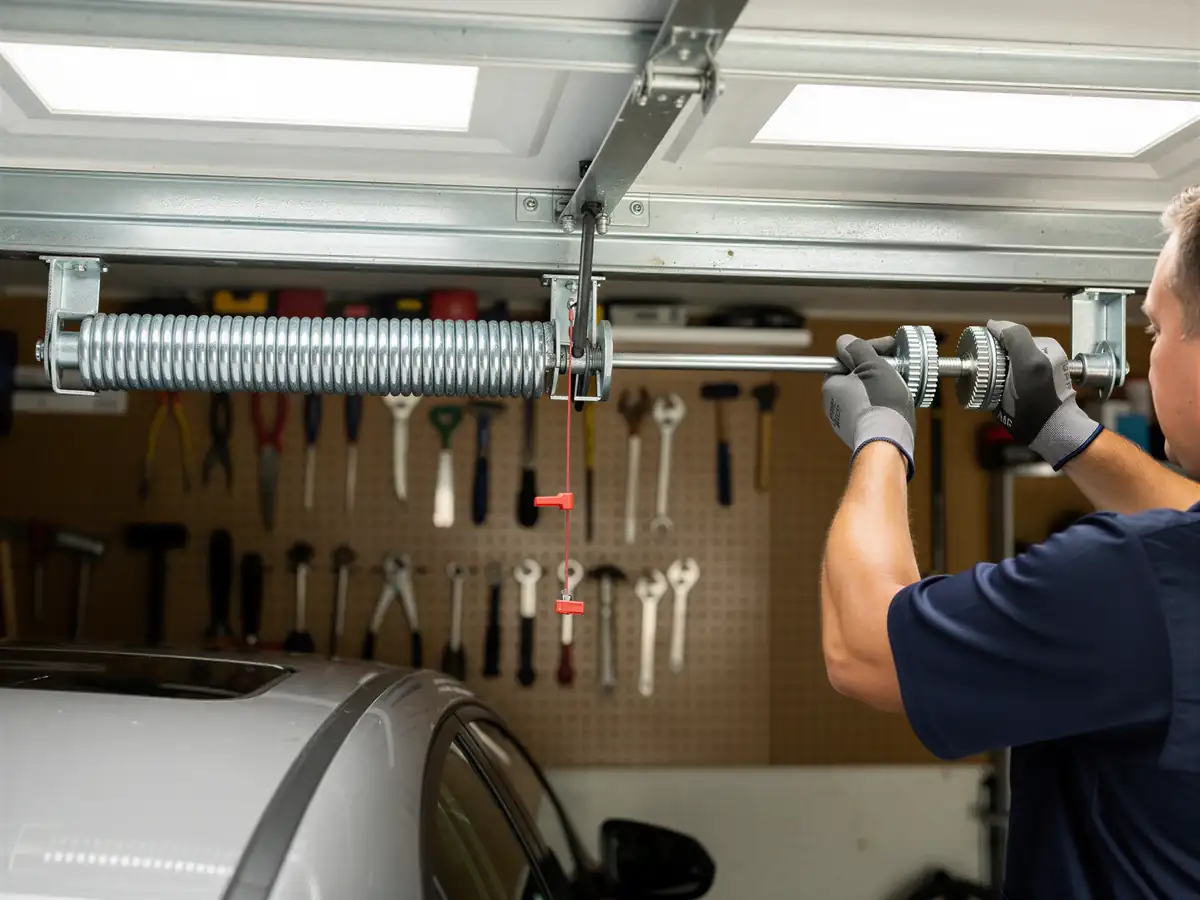
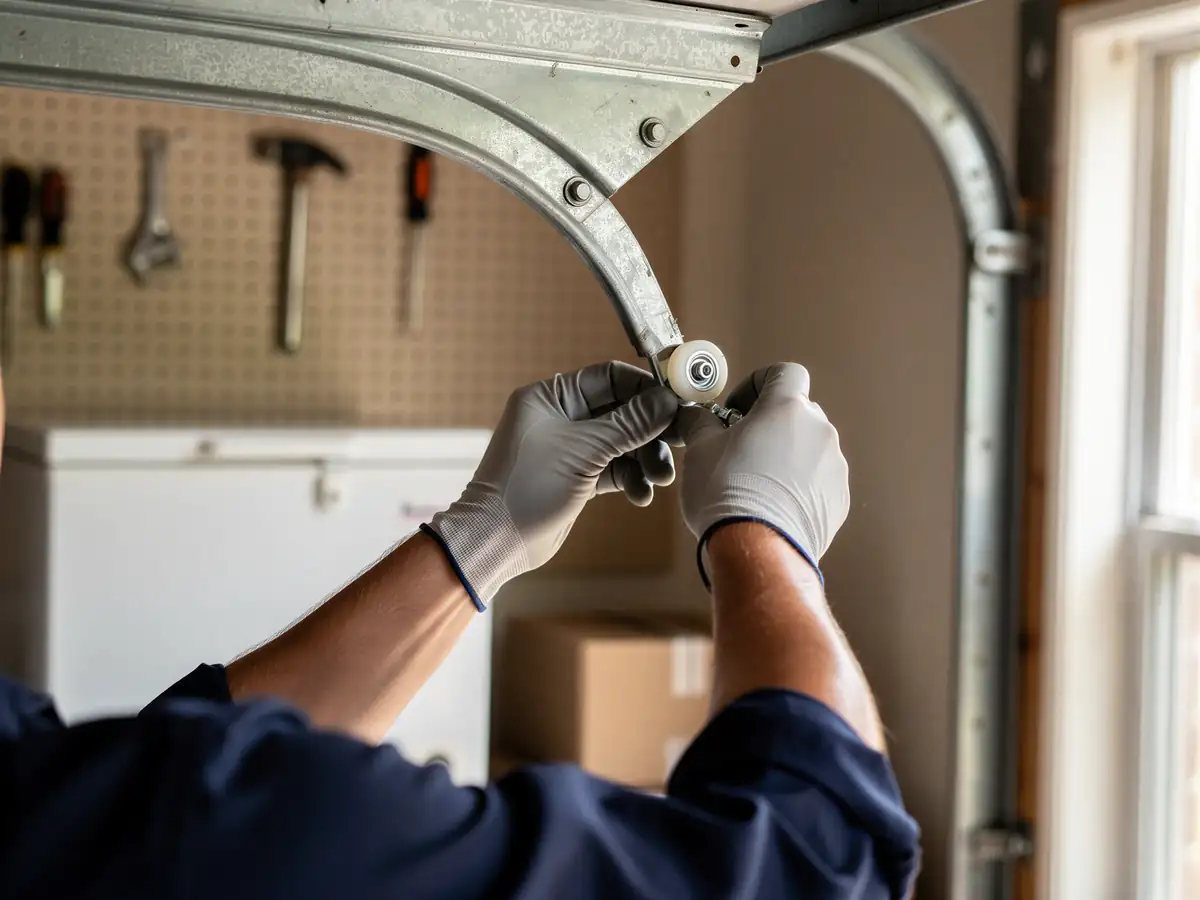
What that looks like in practice: a spring that's been cycling for 25 to 45 years and finally gives out, usually without warning, right in the middle of opening or closing. Rollers that have worn oval instead of round, which makes the door judder and bind partway up. Cables starting to fray at the drum because nobody's touched them since installation. None of these are signs of a bad door. They're signs of a door that's done its job for longer than most appliances in the house.
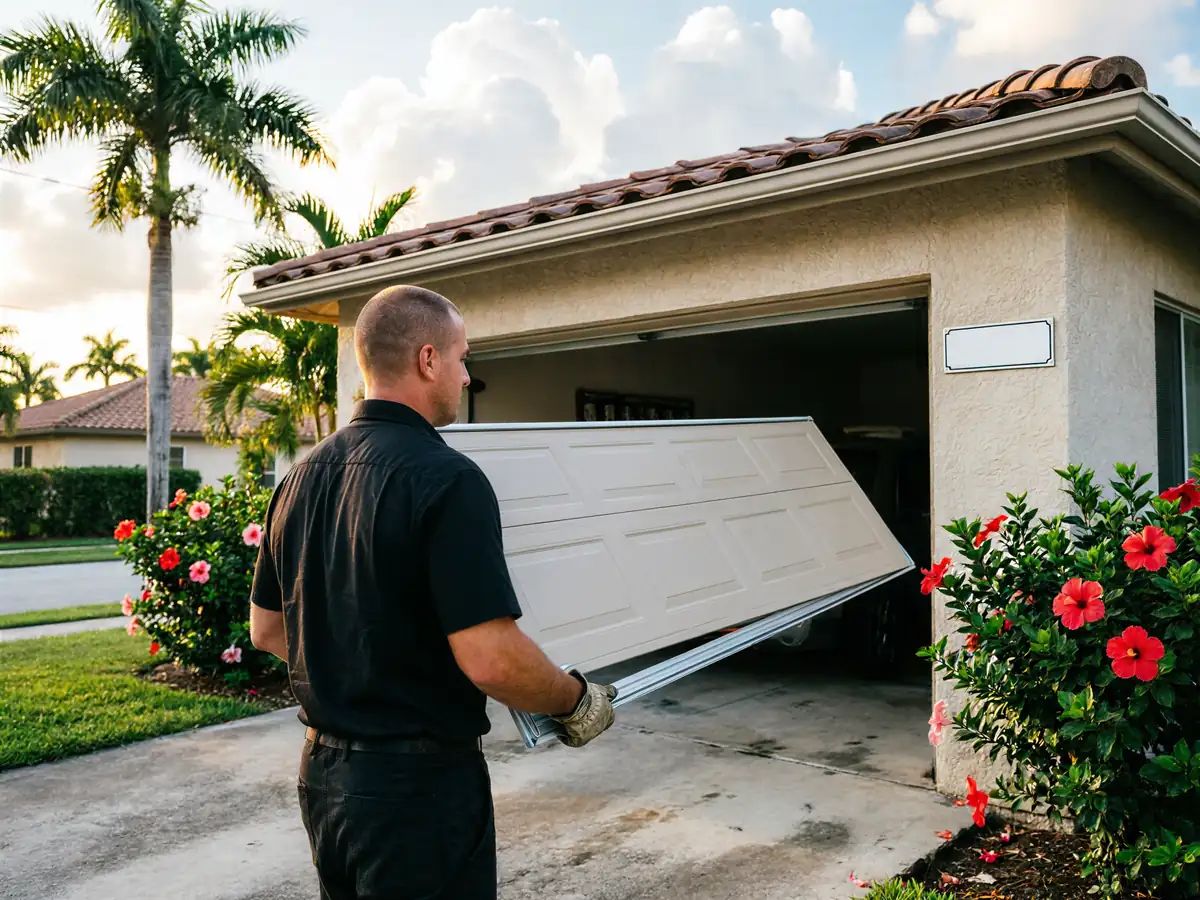
The honest answer is that once you're replacing the spring, the cables, and half the rollers at once, you're often better off pricing a full door replacement rather than rebuilding a 40-year-old frame piece by piece.
When to Get Help
Call in before you guess
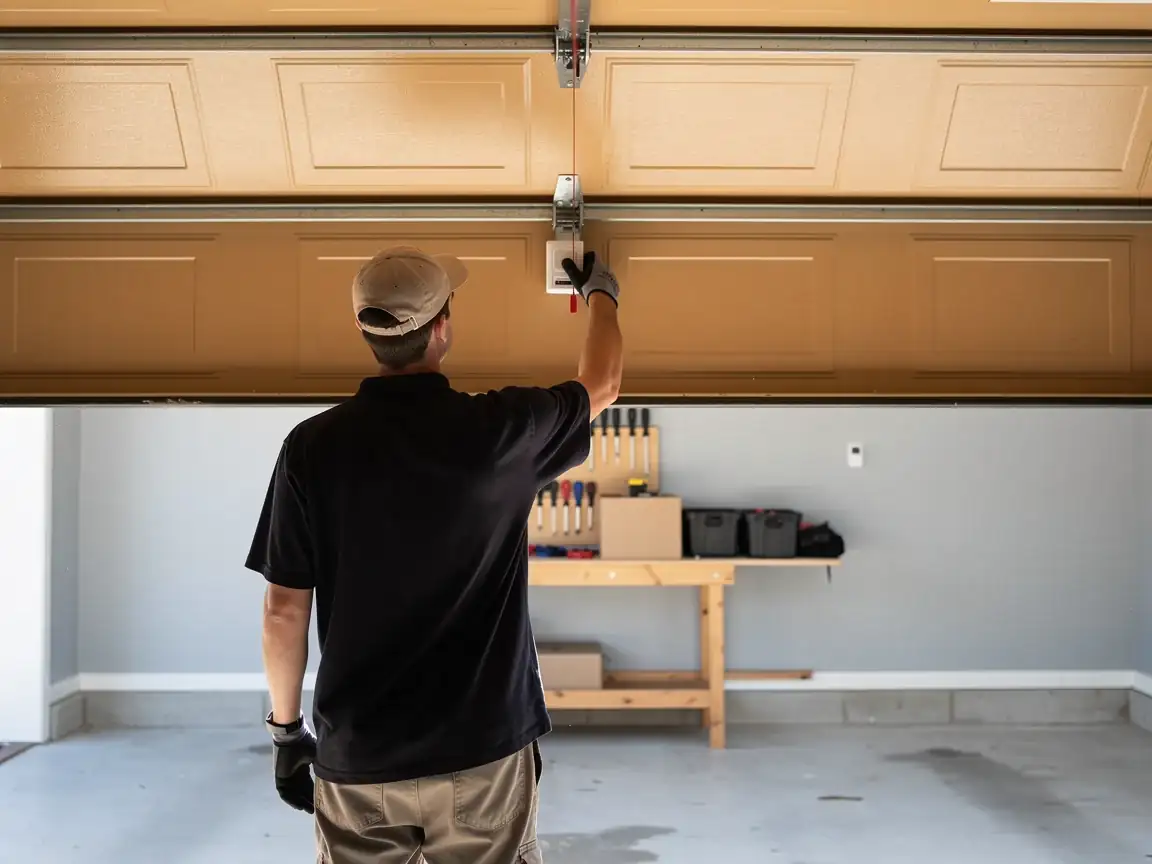
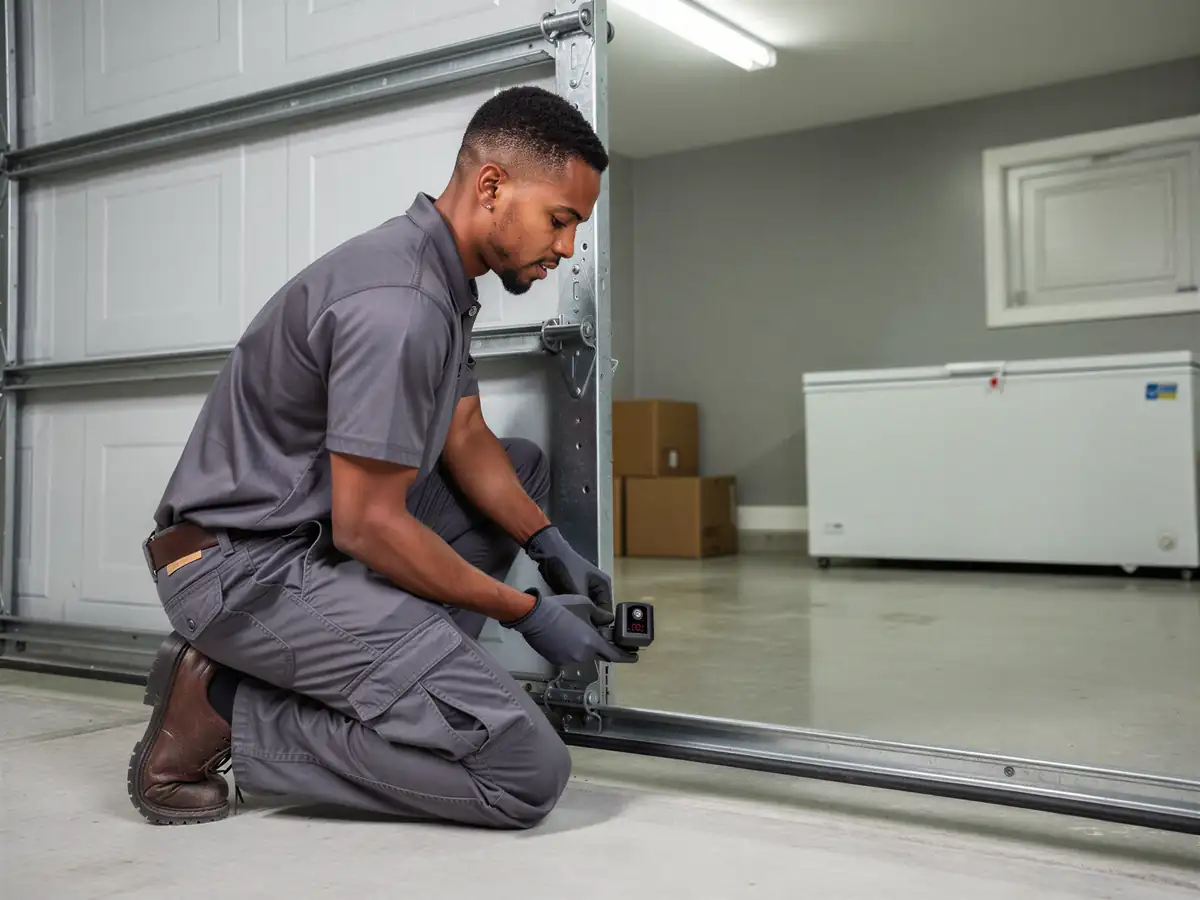
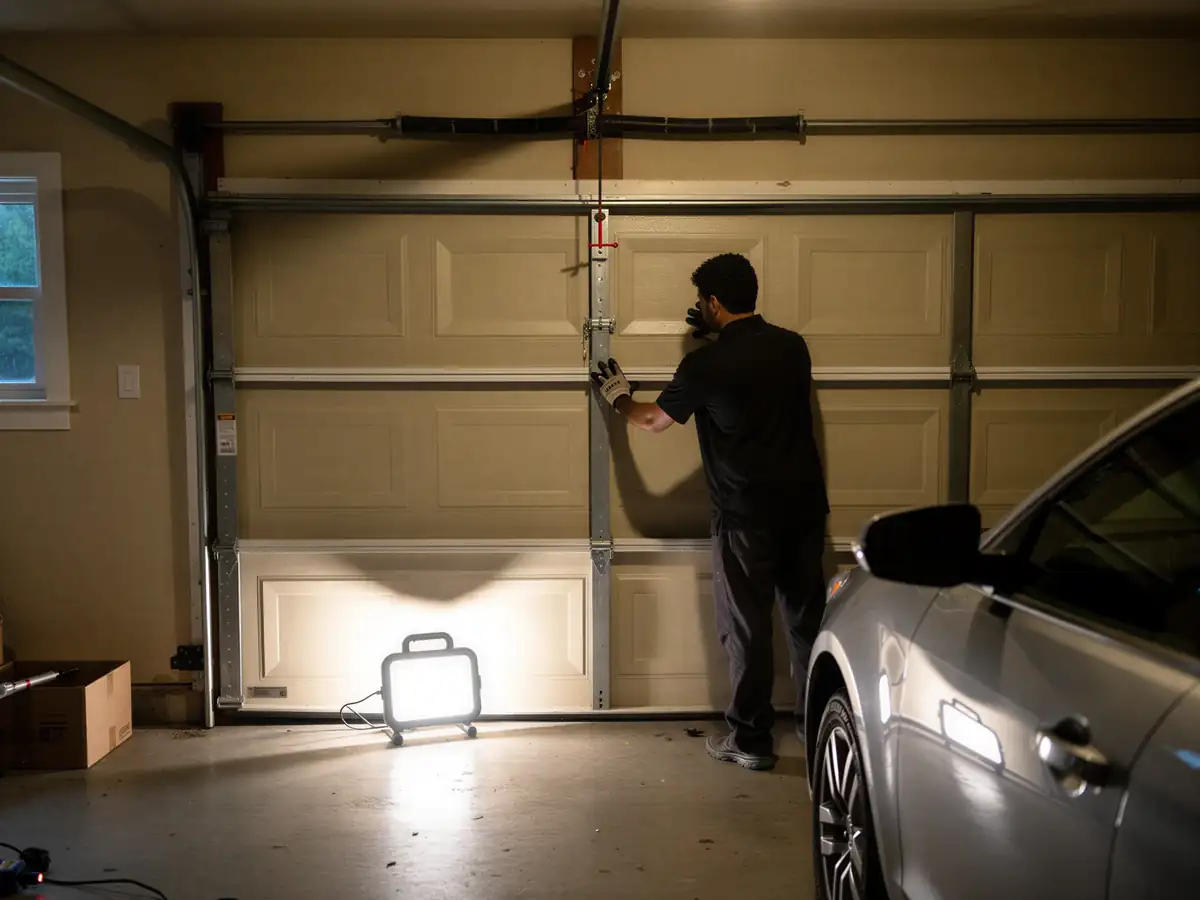
A garage door spring under tension can do real damage if it lets go while you're working near it, and that's not a job to learn on your own door. If the door is heavy to lift, crooked in the track, or making a grinding or popping sound, that's worth a look before it fails completely and leaves a car trapped inside or outside.
At a median household income of $79,798 in this service area
A full replacement is a realistic option for most owners here once a door's hardware is original to a 1970s build, rather than patching the same worn parts every year or two. That's a cost conversation worth having honestly, not one we'll dodge just to sell a repair.
- $79,798 median household income
One limitation worth saying plainly
We don't stock every panel style or color on the truck, and matching an older door's exact look sometimes means a short wait on a special order. If you want to see what a replacement looks like and start pricing one for your house, that's covered on our main page.