Serving St. Petersburg, FL & nearby
(727) 663-2025
St. Petersburg, FL

Garage Door Service for St. Petersburg Homes

Service for garage doors across St. Petersburg's 1960s-70s housing stock. We fix the wear that comes with this area's age and climate.

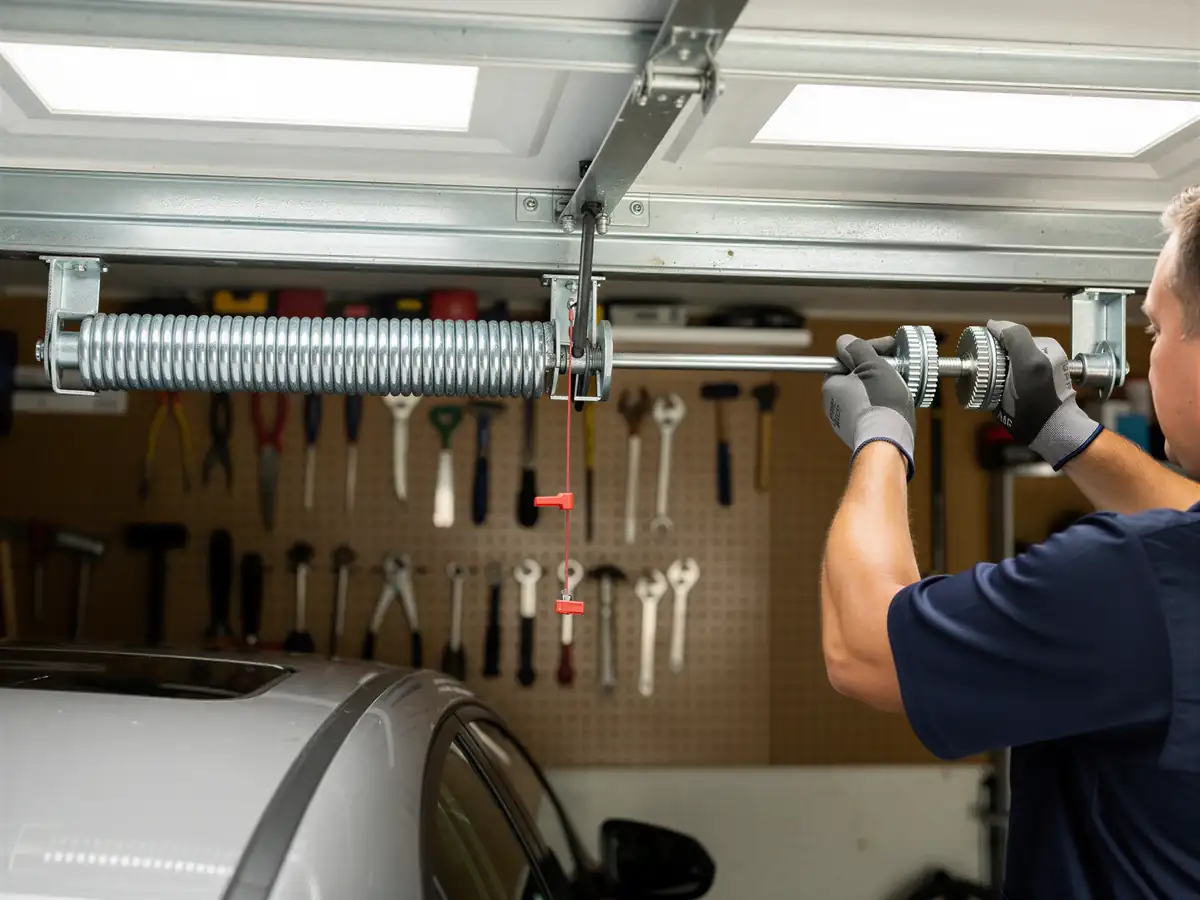
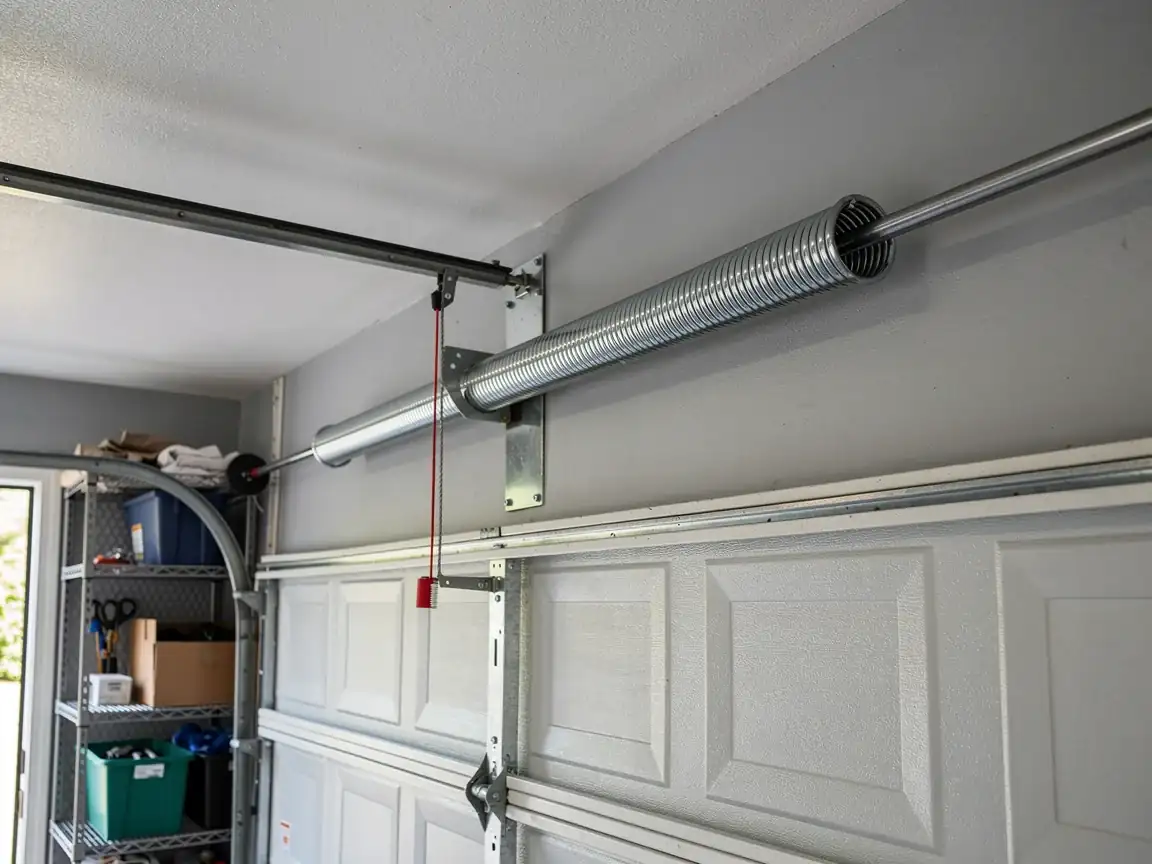
A new torsion spring is installed above a white garage door.
St. Petersburg, FL
8 services
6 service areas
Diagnosis first, then the fix

How We Fix It

  1. We start by running the door through a full cycle, watching the track, the springs, and the opener's reaction under load

    Most of what we see on service calls in this area traces back to age, not abuse: hardware that's been doing its job quietly since the house was built somewhere between 1958 and 2011, with the bulk of that stock going up in the 1960s and 70s. That median build year sits around 1979, which means a lot of doors out here are running on their second or third spring but original track brackets and rollers.

  2. Once we know what's worn versus what's just dirty or loose, we tighten the track alignment, lubricate or replace rollers

    And check cable tension on both sides of the door - a door that's off a half-inch on one side wears the opposite roller twice as fast. If the opener is straining or reversing without cause, we check the travel limits and force settings before we touch the motor itself.

  3. One honest limit: if a torsion spring has already snapped and the door is sitting on a bent track from someone trying to force it open

    That's not always a same-visit fix. Bent track sections sometimes need to be ordered to match the door's drum size, and we won't guess at that measurement to save a trip.

Parts We Carry

Because so much of the housing stock in this service area dates to the 1960s and 70s, we keep stock geared toward that era's hardware - standard torsion springs sized for single and double doors, galvanized rollers, and the lift cables that corrode first in our climate. We also carry the sensor brackets and wiring harnesses that fail most often on openers installed as retrofits into older tracks, which is common when a house built in 1965 gets a new opener decades later without updating the rest of the hardware.

What we don't stock on the truck is anything proprietary to a specific door brand's smart-opener board - those sometimes take a few days to order in. We'll tell you up front if that's the case rather than quote a same-day fix we can't deliver.

Why It Happens Here

St. Petersburg sits in a mild temperate climate band, which sounds like it should be easy on garage hardware - no hard freezes, no snow load. But mild and humid is its own kind of wear. Springs and cables here corrode from moisture exposure over years rather than cracking from cold, and galvanized coatings on older rollers and hinges thin out faster than they would in a drier climate. Combine that with a housing stock where the median home was built in 1979, and you get a lot of doors where the original springs are well past the cycle count they were rated for, even though the house itself looks fine.

Across the 33 named areas in this service area, from just north of downtown to further out, the pattern repeats: 1960s and 70s construction with hardware nobody's touched since the opener was added. It's not a sign of neglect. It's just what happens when a part rated for roughly 10,000 cycles sits in salt-air humidity for 40-plus years.

How It Shows Up

  1. The most common call we get is a door that's suddenly heavy to lift by hand

    Or an opener that strains and reverses partway up. That's usually a spring that's lost tension gradually rather than snapped outright, especially in homes built before the 1980s where the original spring is still in place. You'll also hear it before you see it - a grinding or popping sound from the track as a roller that's been slowly rusting finally seizes.

  2. In areas with more exposure to salt air, like the parts of town closer to the water

    Cable fraying at the bottom bracket shows up a season or two earlier than it does further inland. If your door has started drifting to one side as it closes, that's often uneven cable wear rather than a motor problem, and it's worth a call before the imbalance strains the opener itself.
How it works

From “it’s stuck” to “it’s fixed”

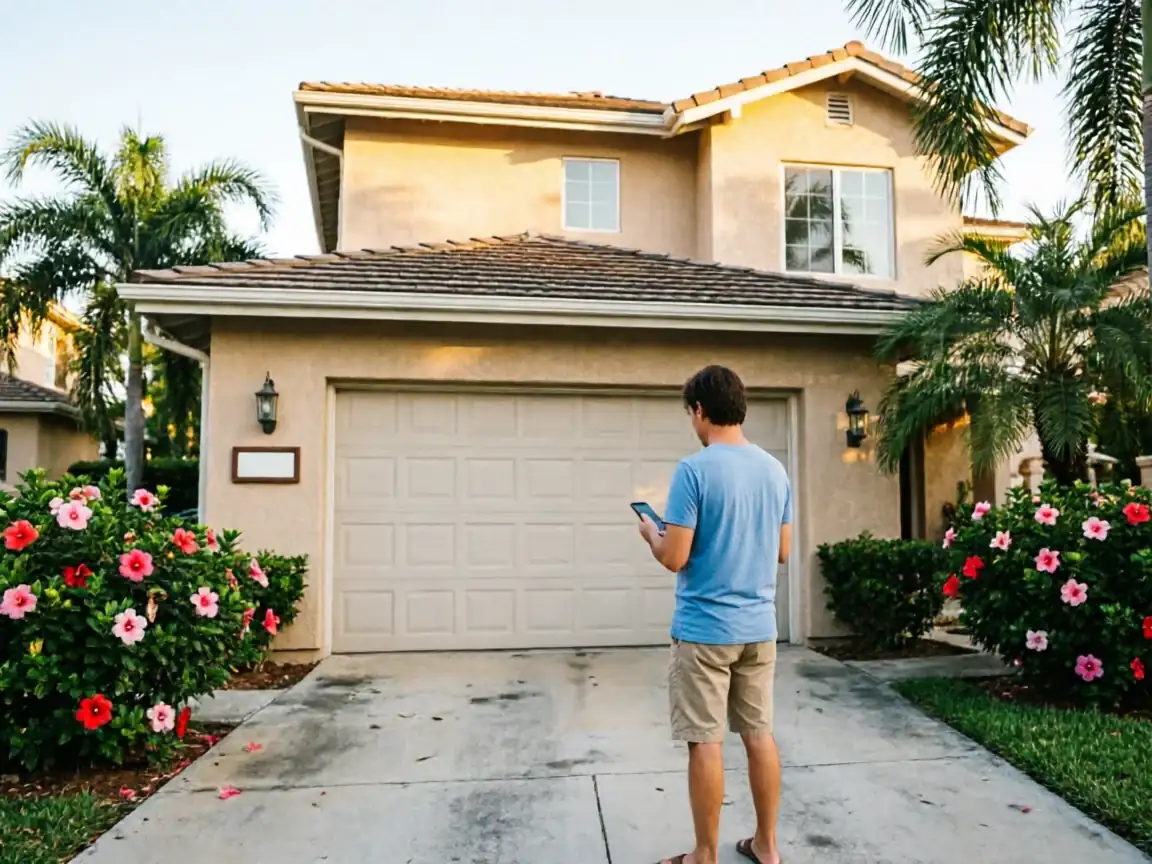
A man stands in a driveway looking at his phone in front of a garage door.

Tell us what’s wrong

Describe the symptom - won’t open, loud bang, opener runs but the door won’t move.

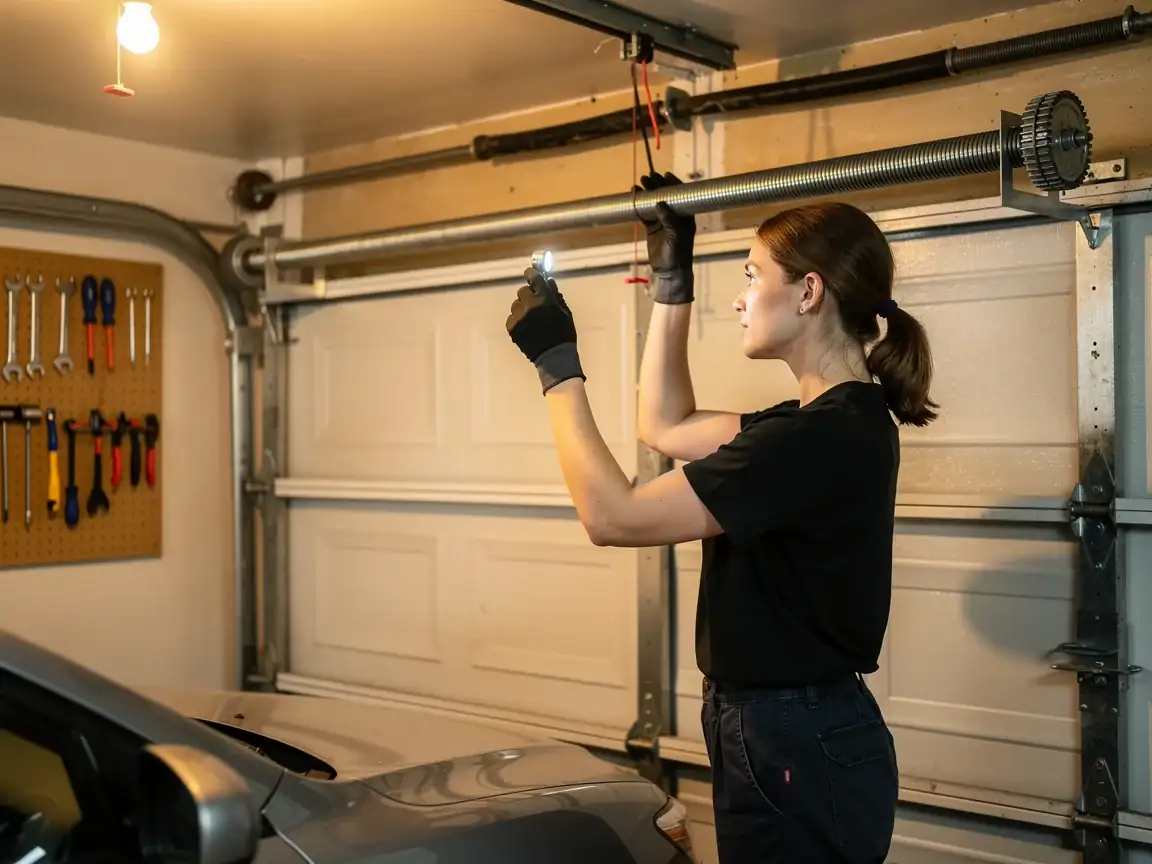
A technician wearing gloves inspects a garage door torsion spring with a flashlight.

On-site diagnosis

A technician tests the door under power and by hand and finds what actually failed.

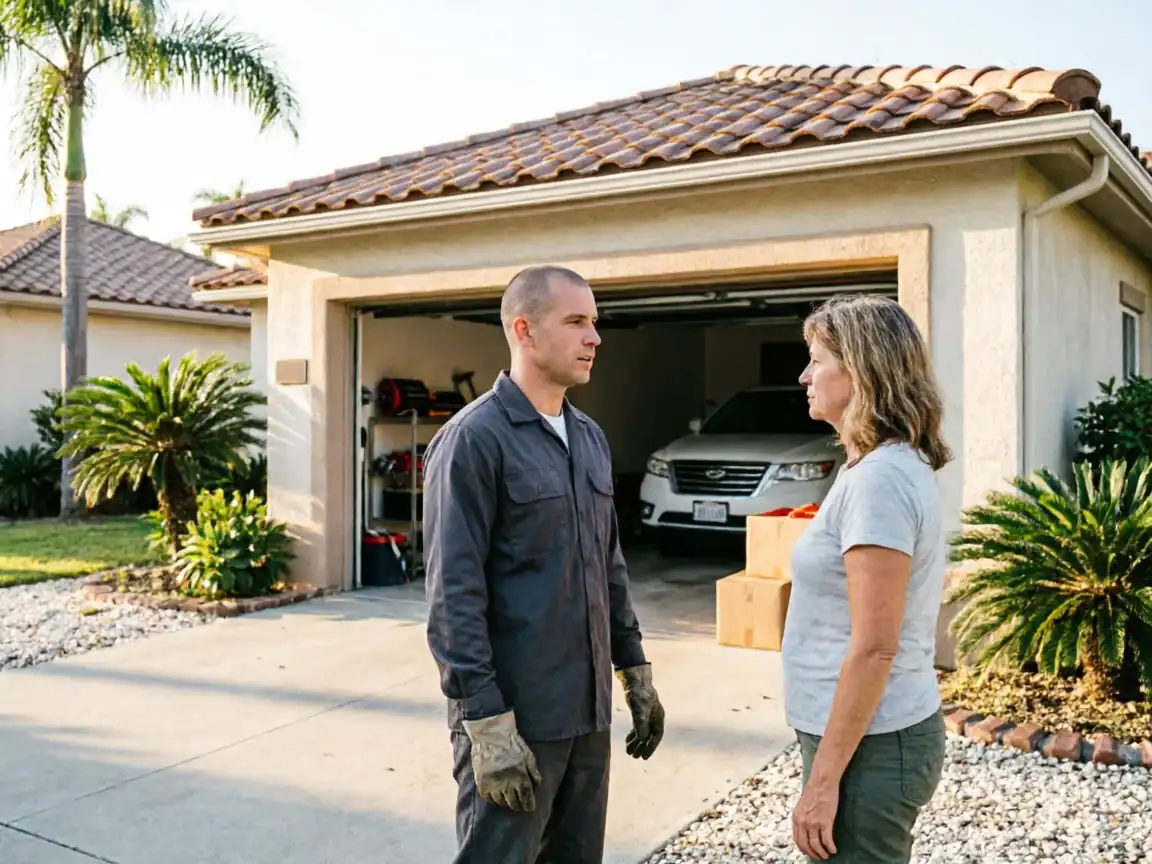
A technician and a woman stand in a driveway in front of an open garage.

Clear, up-front plan

You get the fix that’s needed and what drives the cost - before any work starts.

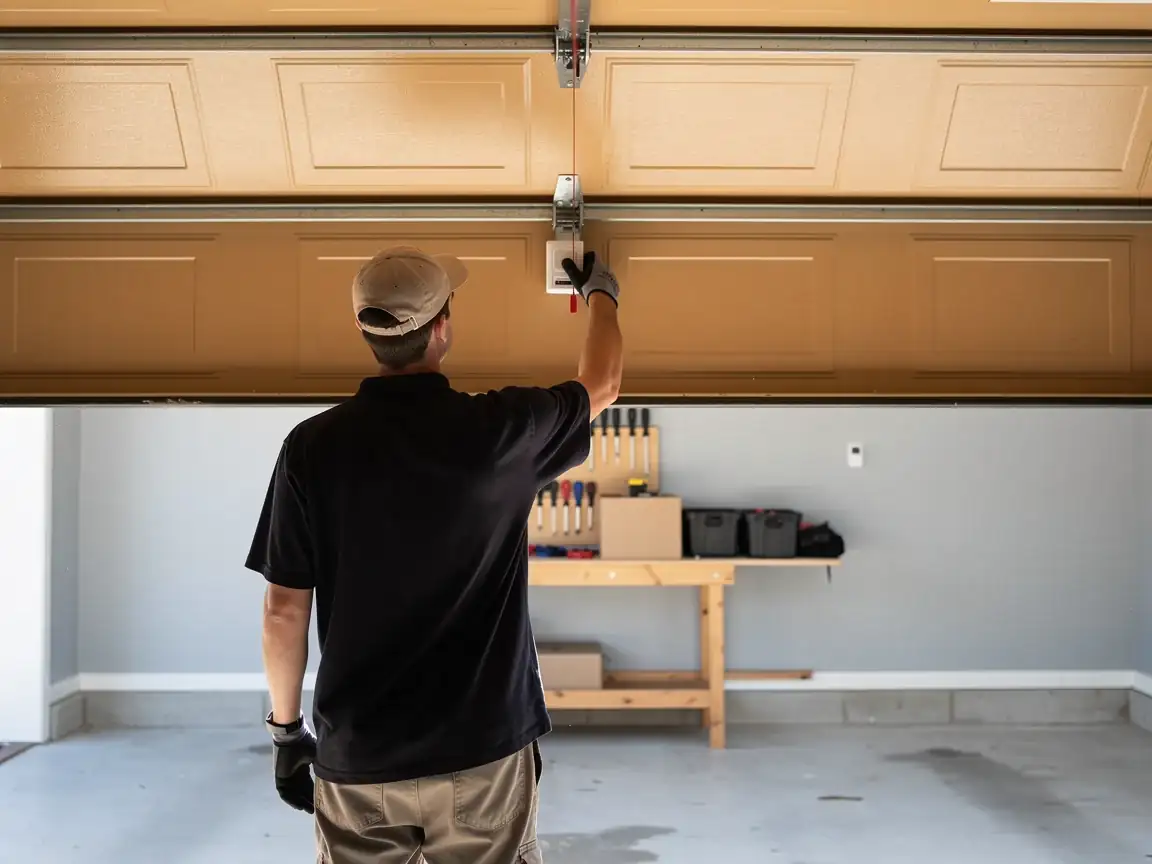
A technician in a cap and gloves adjusts a tan garage door.

Repaired & tested

The repair is done, the door is set true and tested, and the work area left clean.

Not sure which repair your door needs in St. Petersburg, FL? Describe what it’s doing - every job starts with a diagnosis.

How we work

What to expect

Diagnosis first

Every visit starts by finding what actually failed - not a pre-written parts list.

The right part for the door

Springs and openers matched to the door’s weight and age, so the fix holds up.

Straight answers

When a repair makes more sense than a replacement - or the reverse - you hear it plainly.

Clean, careful work

Tension released safely, hardware set true, the door tested under power before we leave.

257,083Residents in St. Petersburg
8Garage door services
6Neighborhoods & suburbs
FLServing St. Petersburg, FL
What we do

Garage Door Services

Repair and installation work for St. Petersburg homes and businesses.

Where we work

Serving St. Petersburg & nearby

Local garage door service across 6 St. Petersburg-area neighborhoods and communities - is your street on the list?

6

St. Petersburg-area neighborhoods & nearby communities we cover

Questions

Frequently asked

Straight answers about garage door repair in St. Petersburg. Still unsure? Ask us directly.

Why does my garage door feel heavier than it used to?

That's almost always a spring losing tension over time, not a sudden break. With a lot of St. Petersburg homes dating to the 1960s and 70s, the original torsion spring may still be in place and simply past its rated cycle count. A heavier-than-normal lift is the first sign, well before the spring actually snaps.

Does the humidity here actually affect garage door parts?

Yes. St. Petersburg's mild temperate climate doesn't stress hardware with freezing, but steady humidity corrodes lift cables and thins galvanized coatings on rollers and hinges over years. It's a slower failure mode than cold-weather cracking, but it adds up the same way, especially on older hardware.

Can you fix a bent track same day?

Sometimes, but not always. If a track section is bent badly enough to need replacement, we have to match it to your door's drum size before ordering, and that part isn't always on the truck. We'll tell you at the visit whether it's a same-day fix or a short wait on a part.

Do you work on original hardware from older homes?

Yes, that's a lot of what we see. Homes here were mostly built in the 1960s and 70s, median around 1979, and plenty still have original track brackets or rollers even after the opener's been replaced. We service that hardware directly rather than pushing a full replacement when it isn't needed.

Ready to get your garage door sorted?

Tell us what it’s doing and where you are in St. Petersburg - we’ll take it from there.

Request a QuoteCall