Common Jobs Here
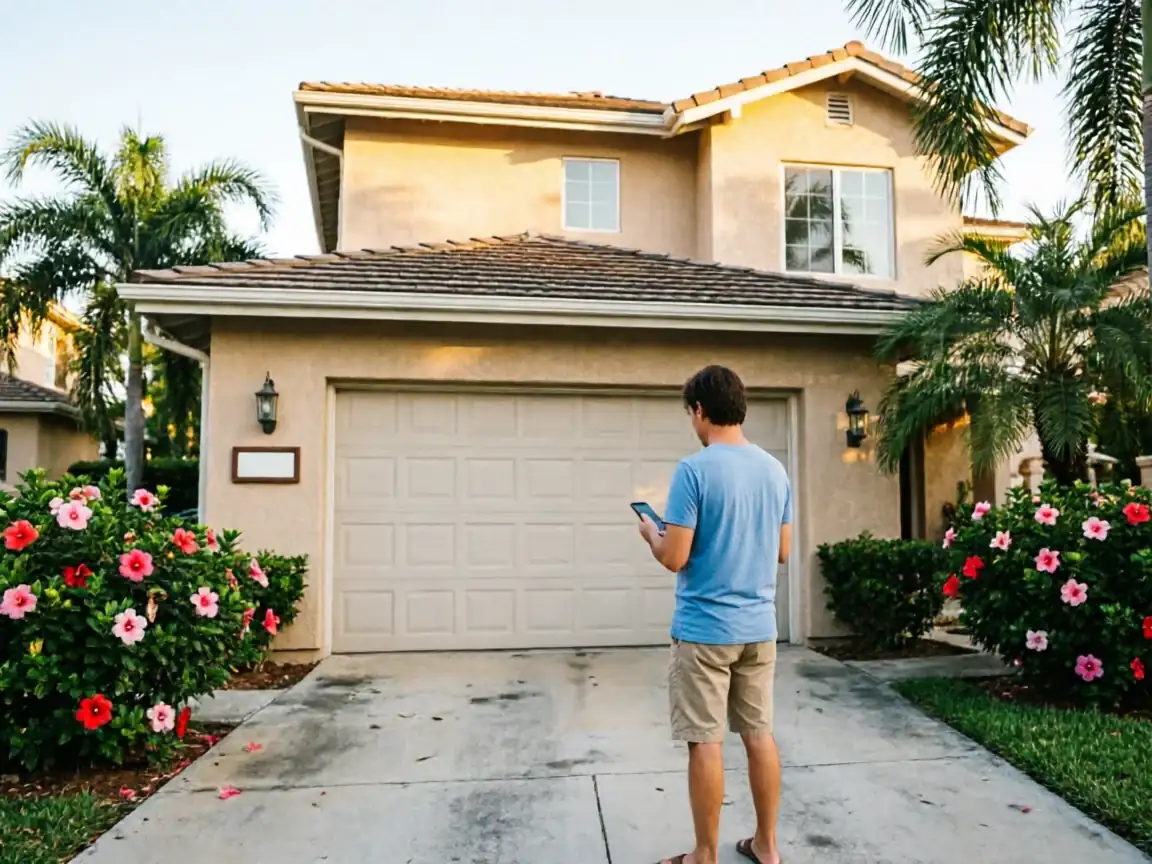
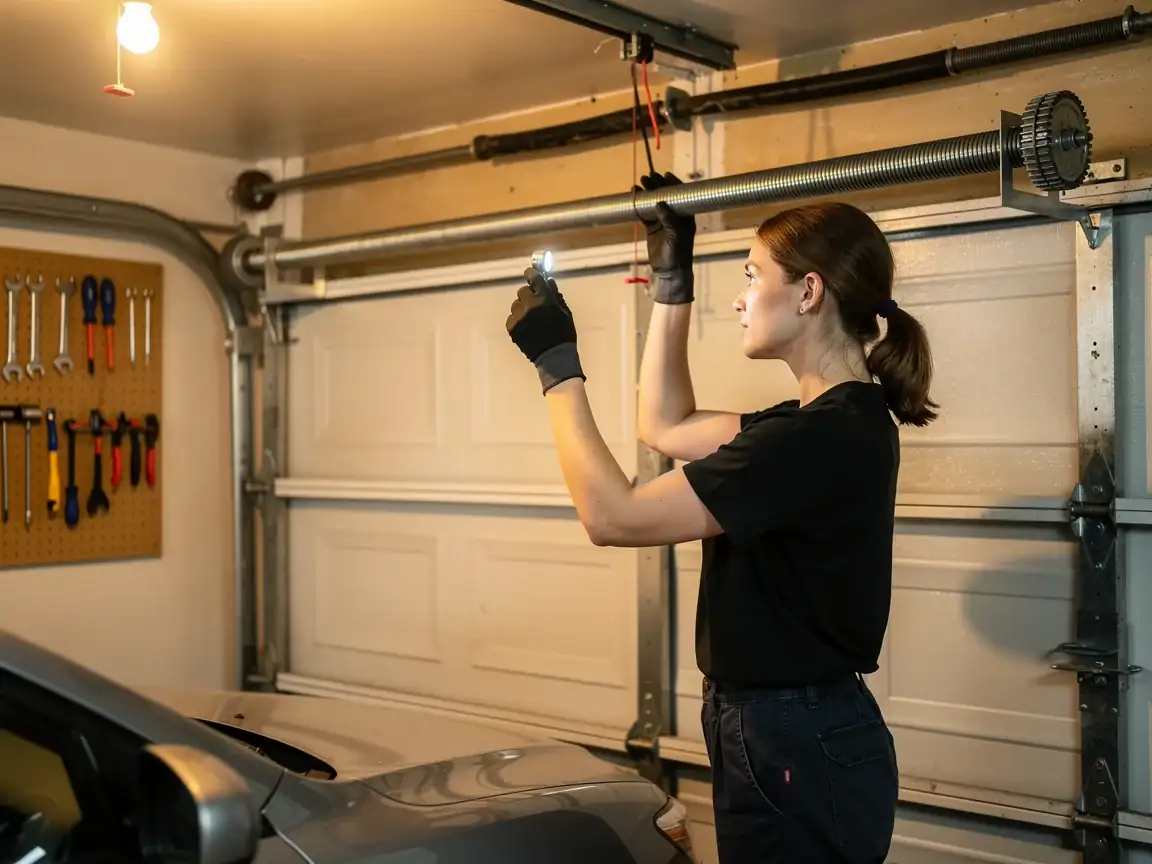
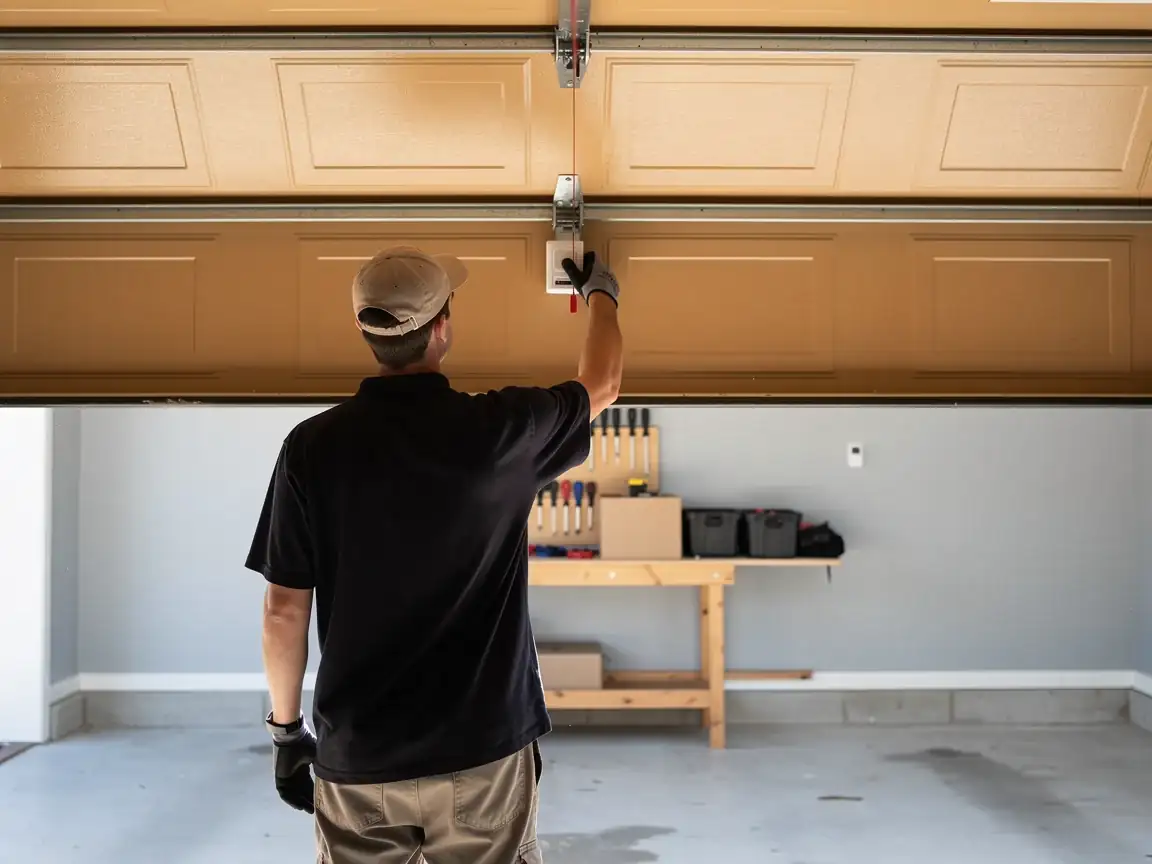
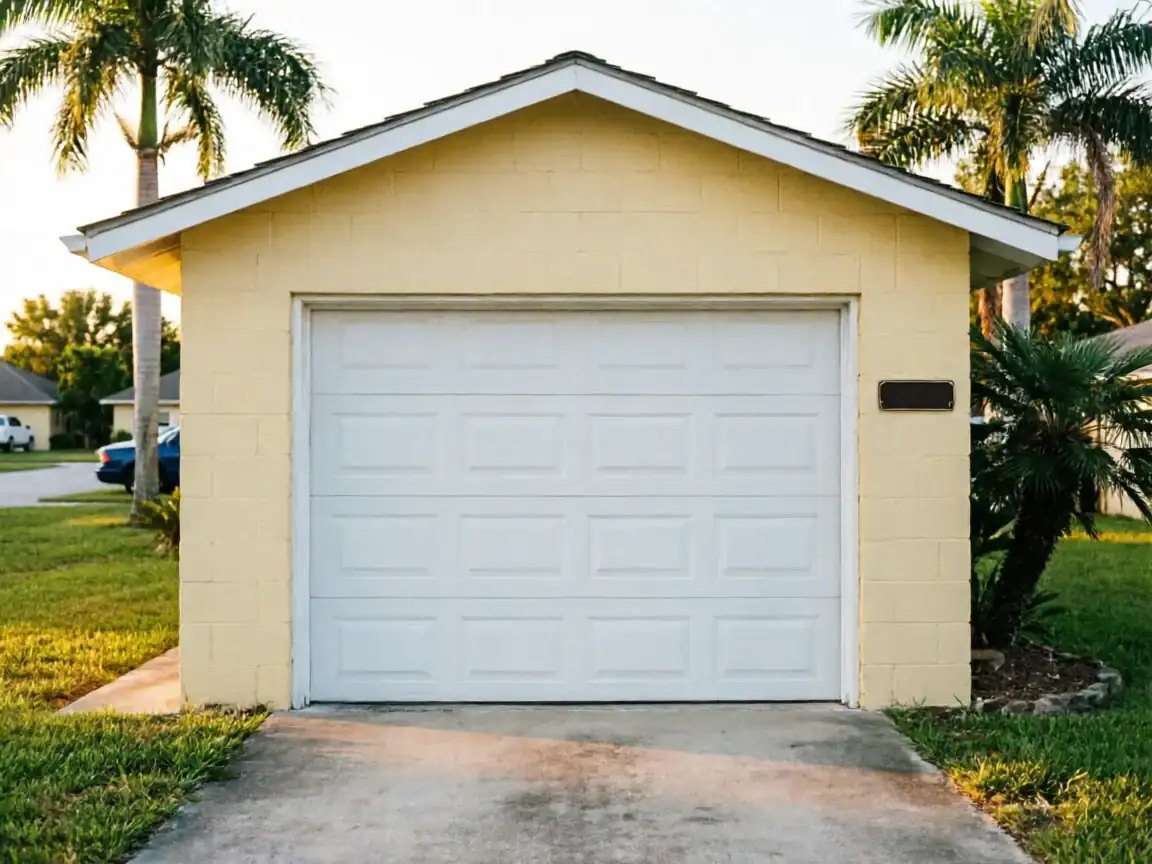
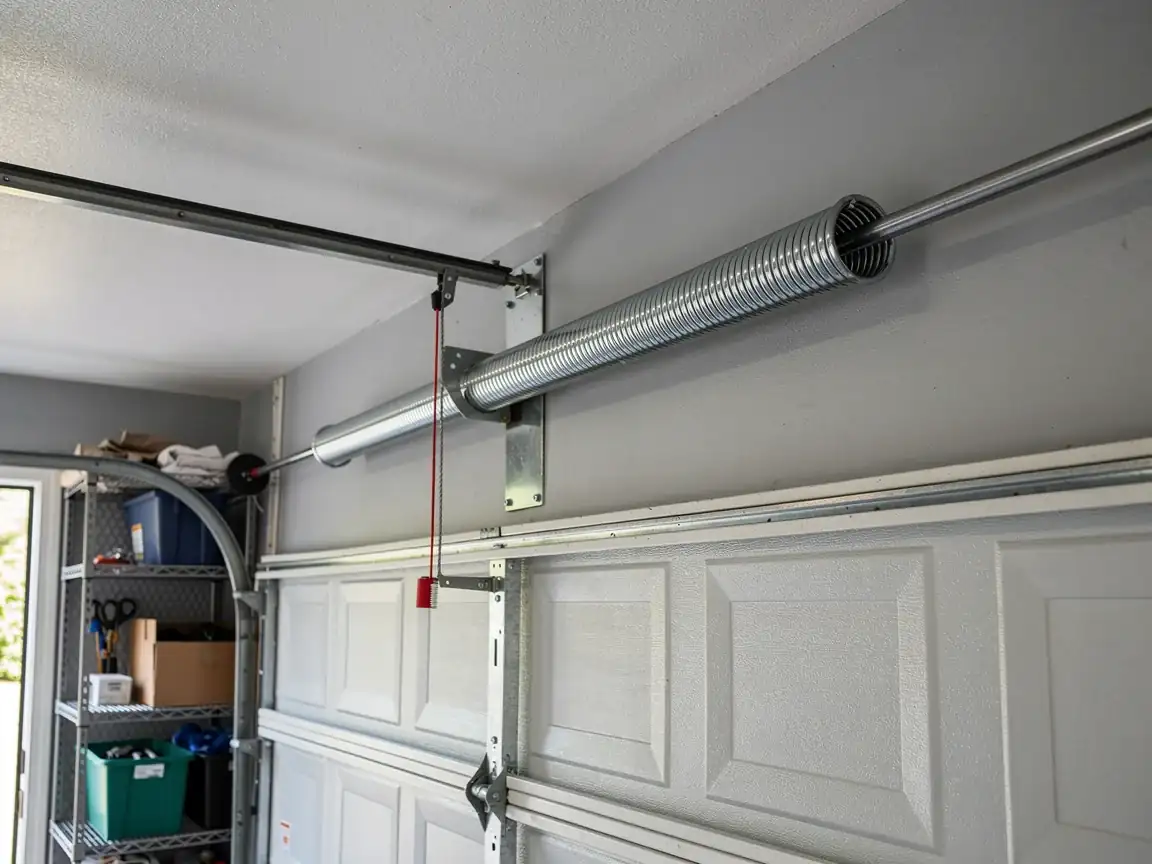
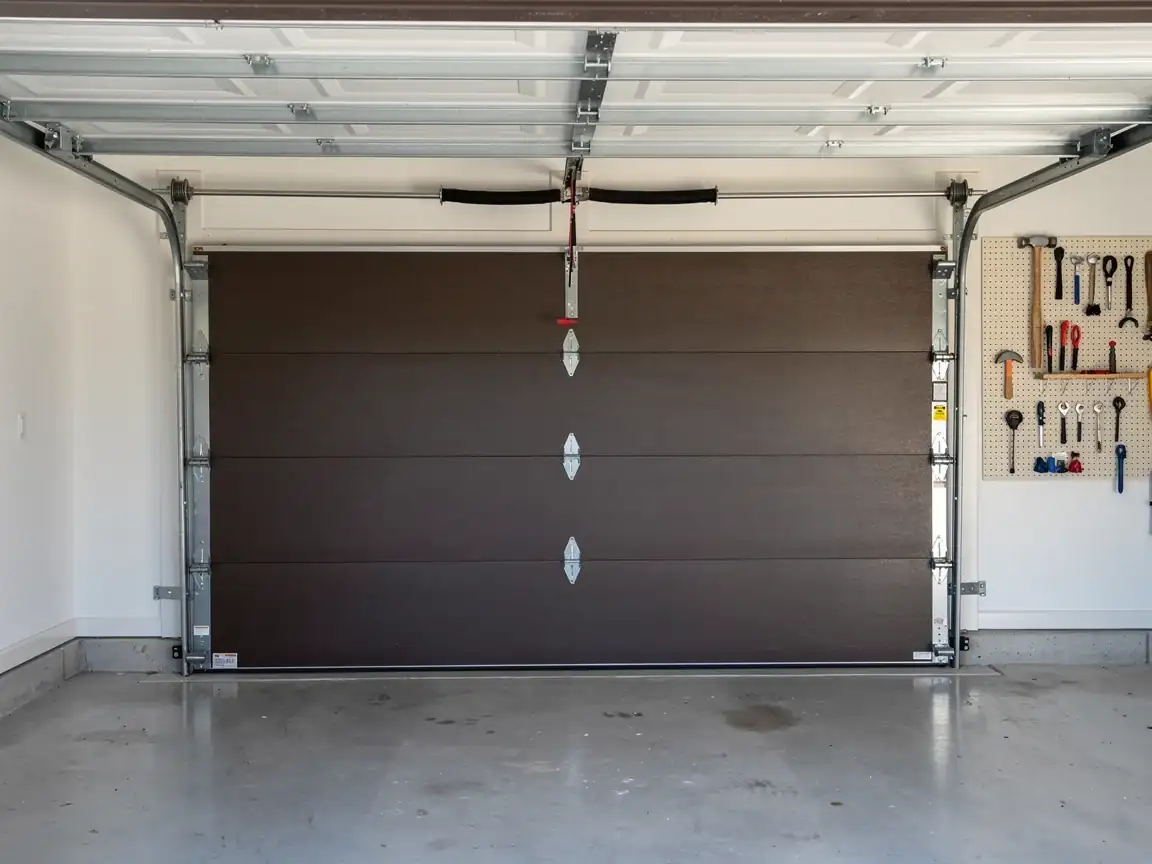
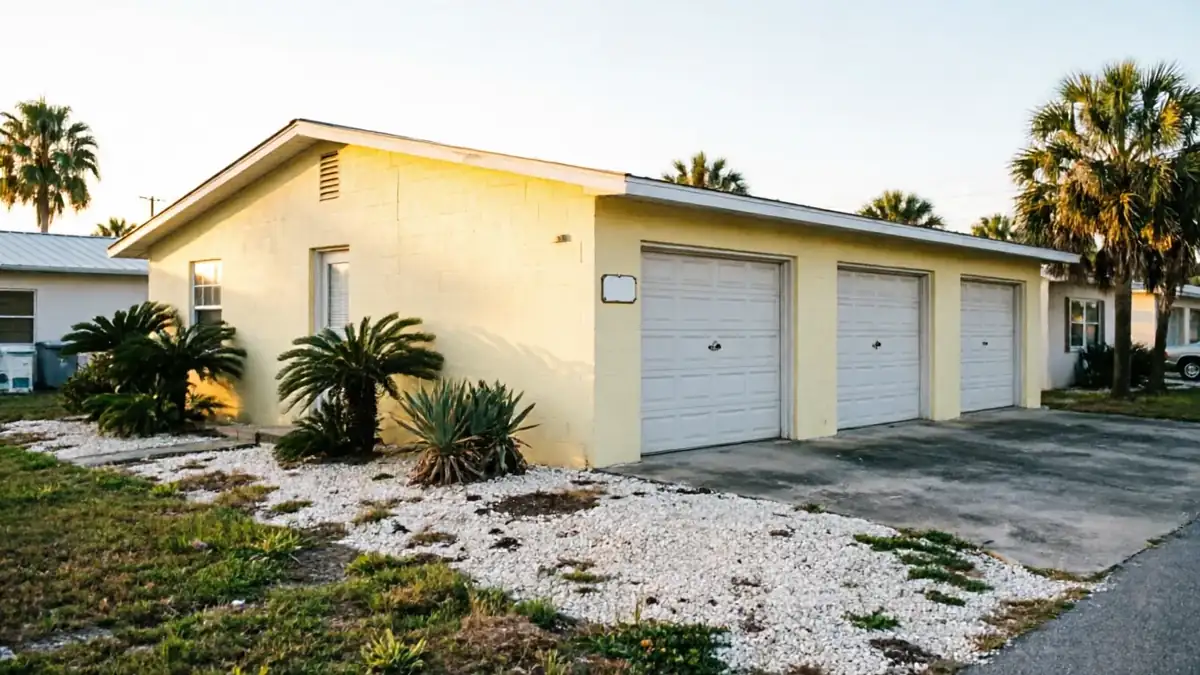
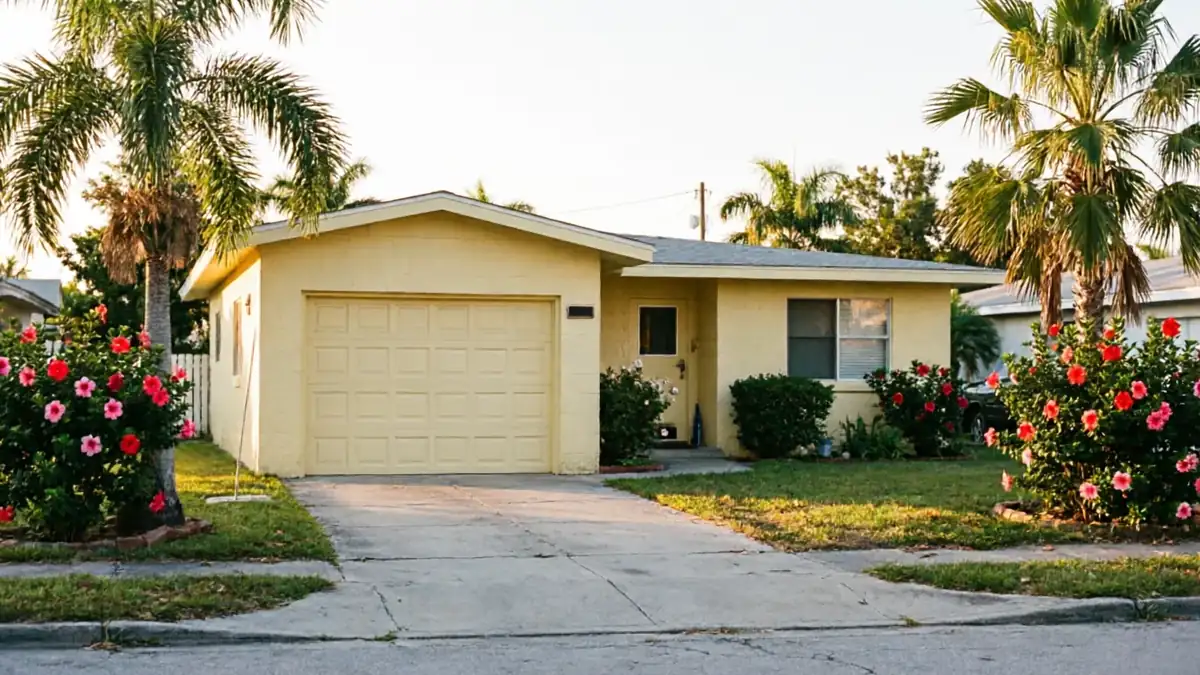
The calls we get from this part of the service area skew toward older-door problems: torsion springs that have simply fatigued after fifty-plus years of cycles, steel sections rusted through at the bottom panel where water sits, and openers that were replaced once already but never re-matched to the original door weight. Rollers on steel tracks from this era tend to bind rather than glide, which shows up as a door that shudders halfway up. We also see a fair number of single-car doors on these properties - common for homes built in this period - which is a different repair than the double-door jobs that dominate newer subdivisions. Climate plays a smaller role here than people expect; this is a mild temperate area without the freeze-thaw cycles that crack hardware elsewhere, so most of what fails here fails from age and use, not weather. One honest limit: if a spring has snapped on a door this old and the track is also bent, replacing the spring alone sometimes isn't worth it - at that point patching one part just means you're back out here for the next one within the year.
The Houses Here
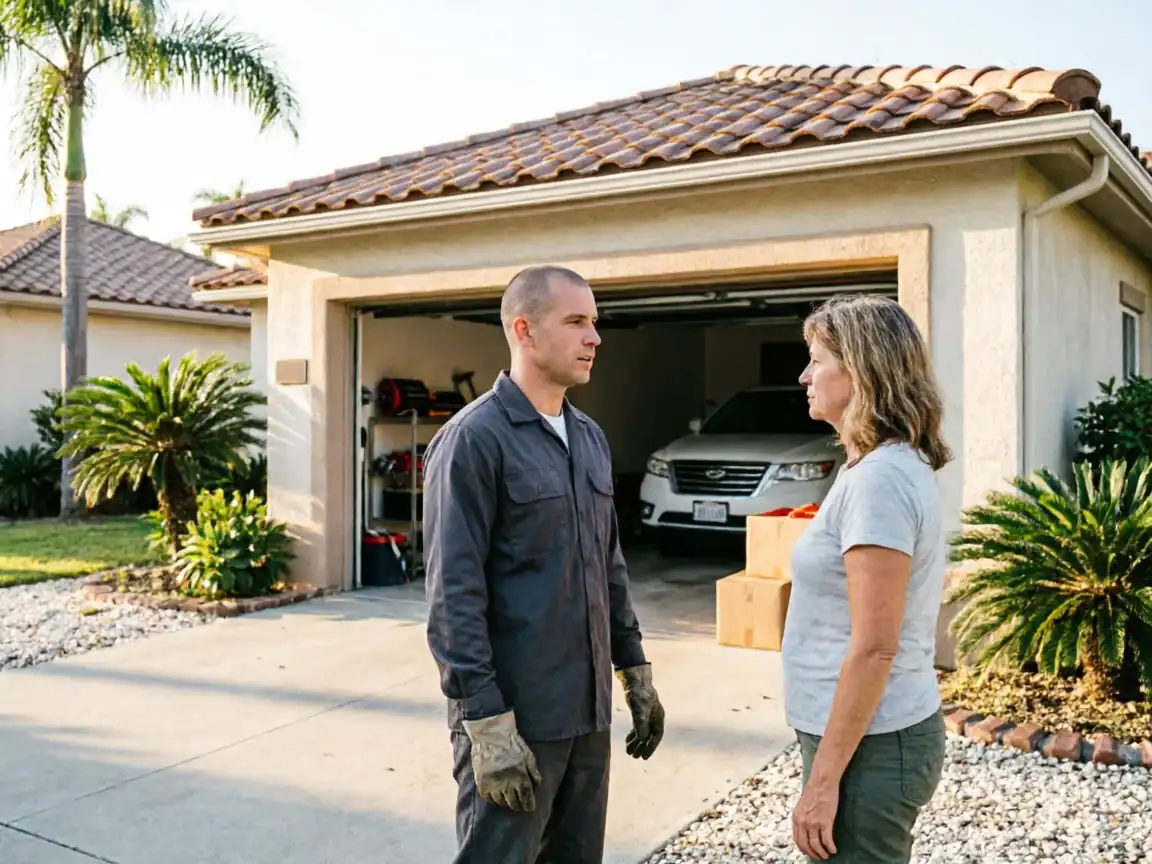
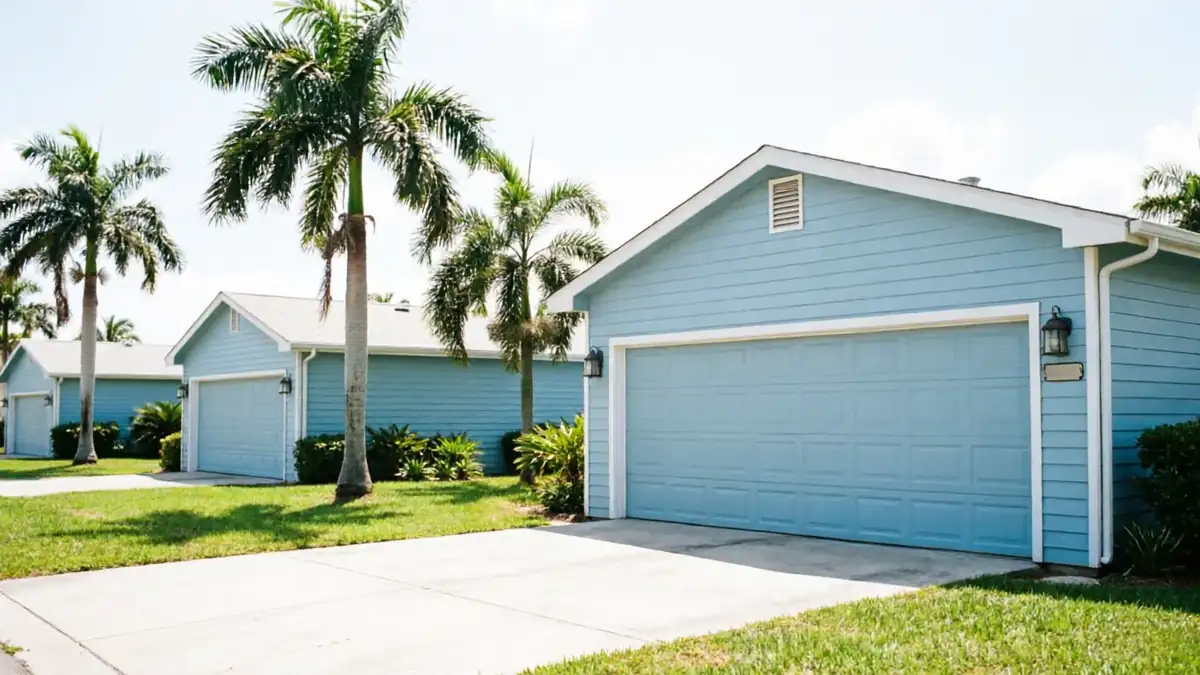
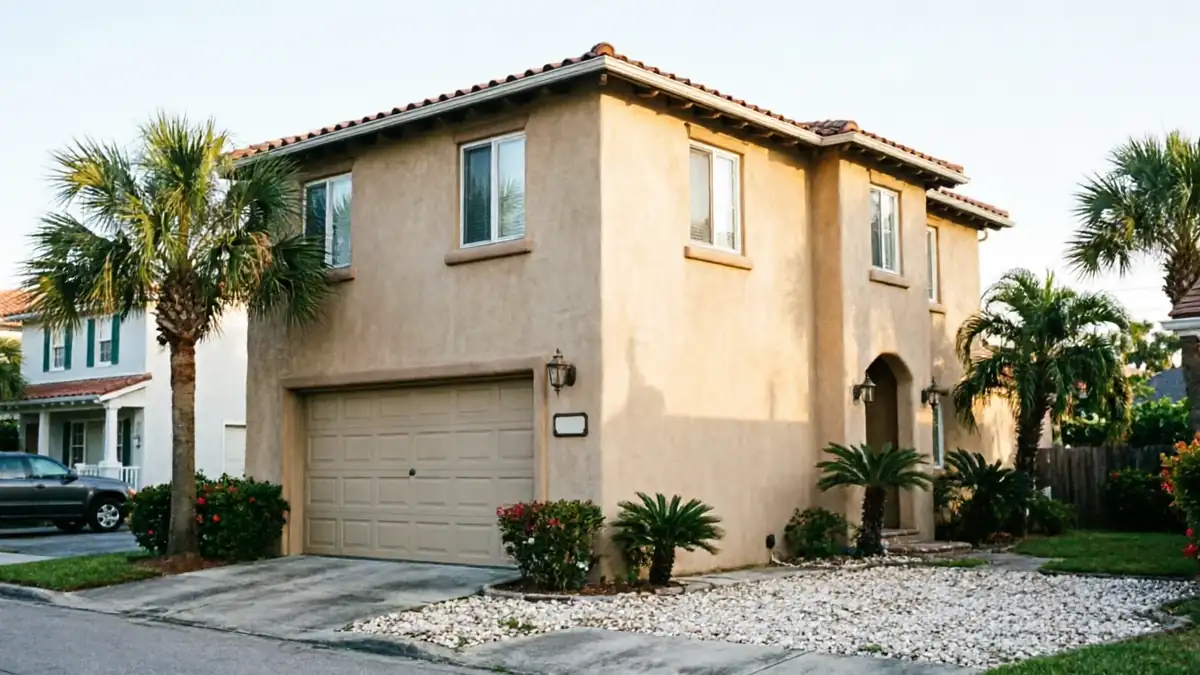
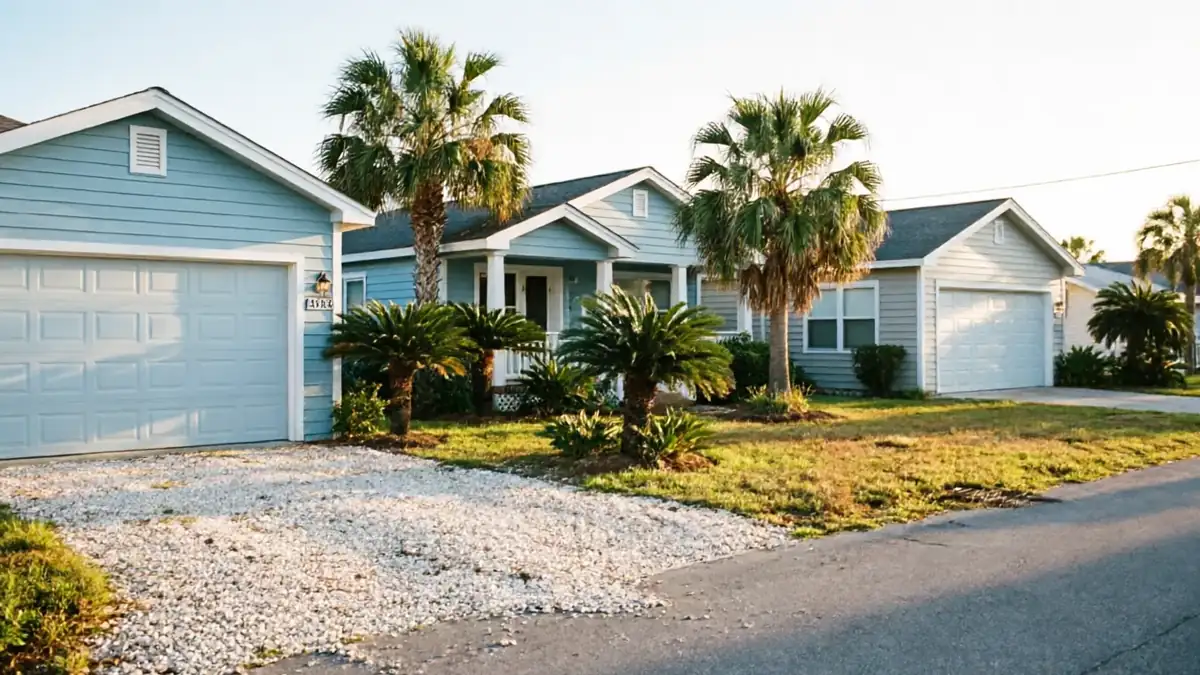
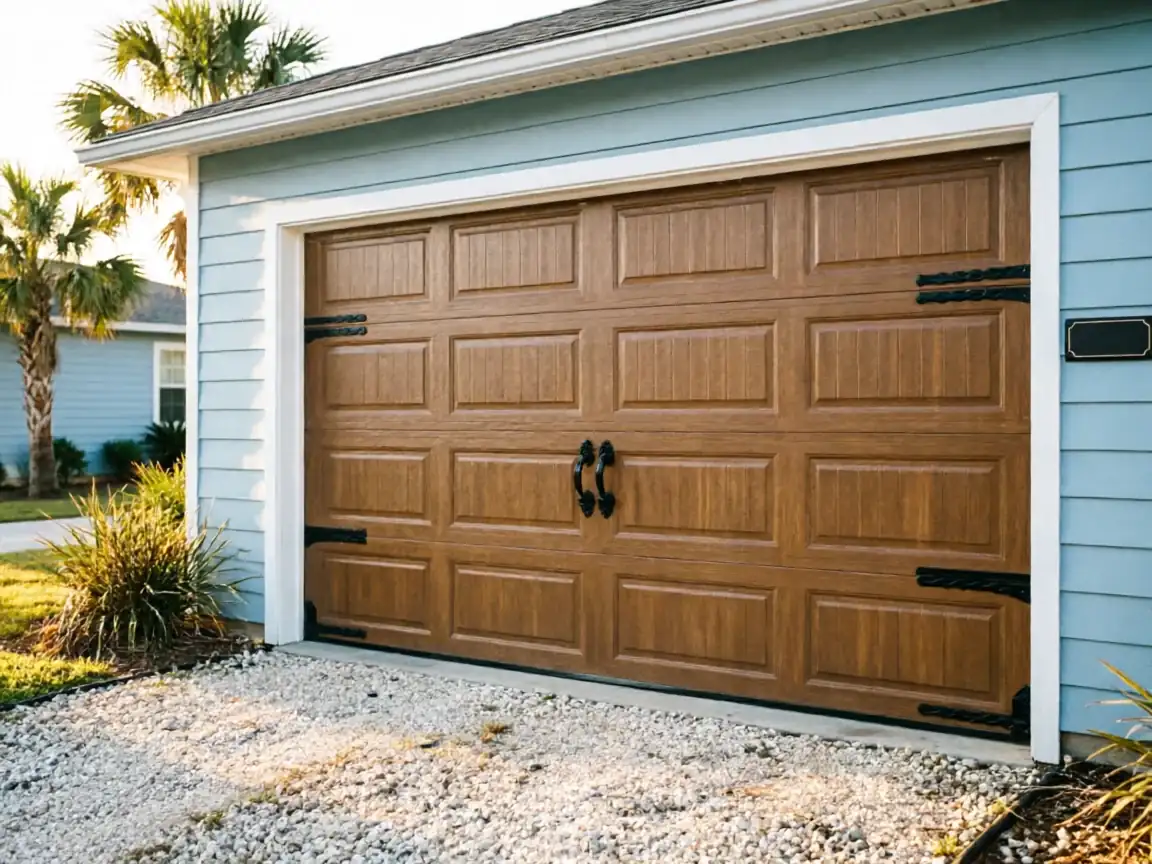
With roughly 8,773 households in Lealman and a median household income near $45,949, this is a tighter budget range than some of the beach communities and newer developments elsewhere in the coverage area, where median income runs closer to $79,798. That shapes the advice we give on-site: for a lot of these doors, a full replacement isn't the first move - a spring swap, a track realignment, or a new set of rollers often buys another decade of use on a door that's structurally fine. We'd rather tell a homeowner that a $40 part fixes the actual problem than sell a door nobody asked for. When replacement does make sense - usually when the steel itself has rusted through or the door is too far out of square to align - we talk through options that fit a working household budget, not a showroom upsell.