How We Fix It
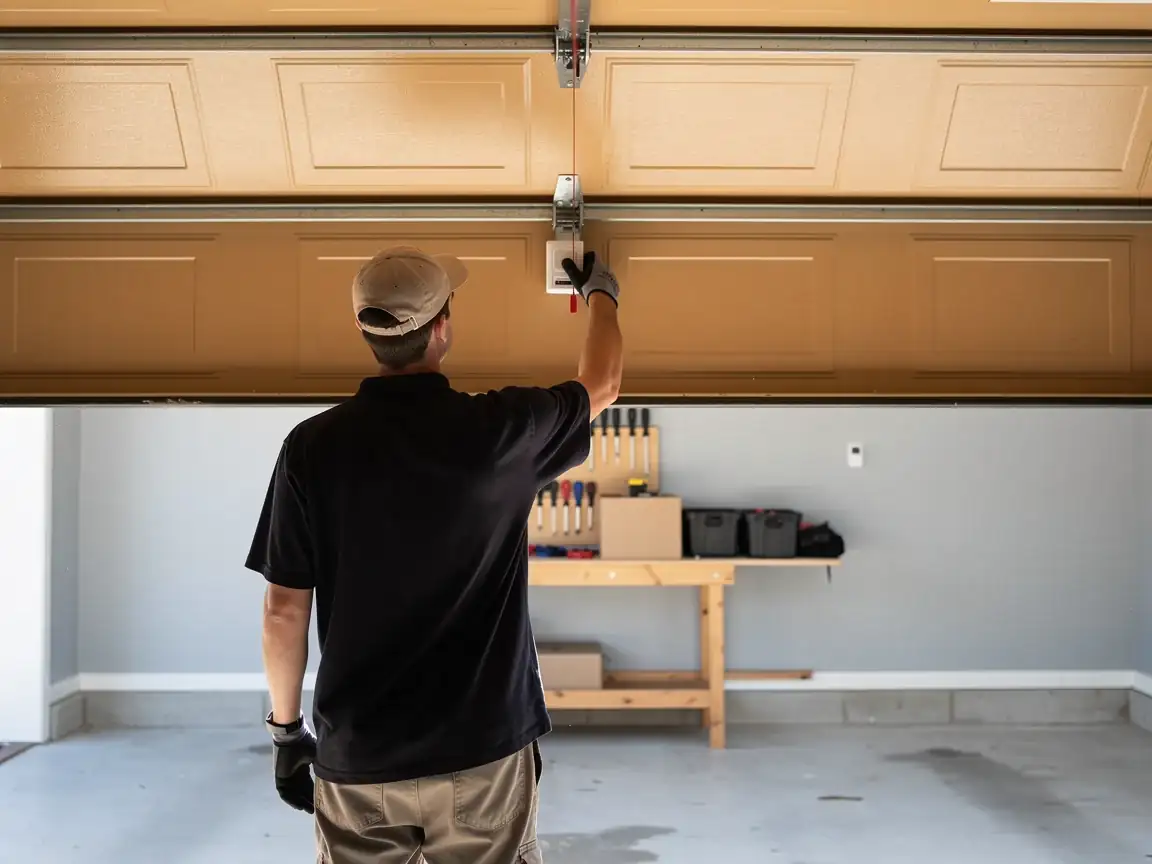
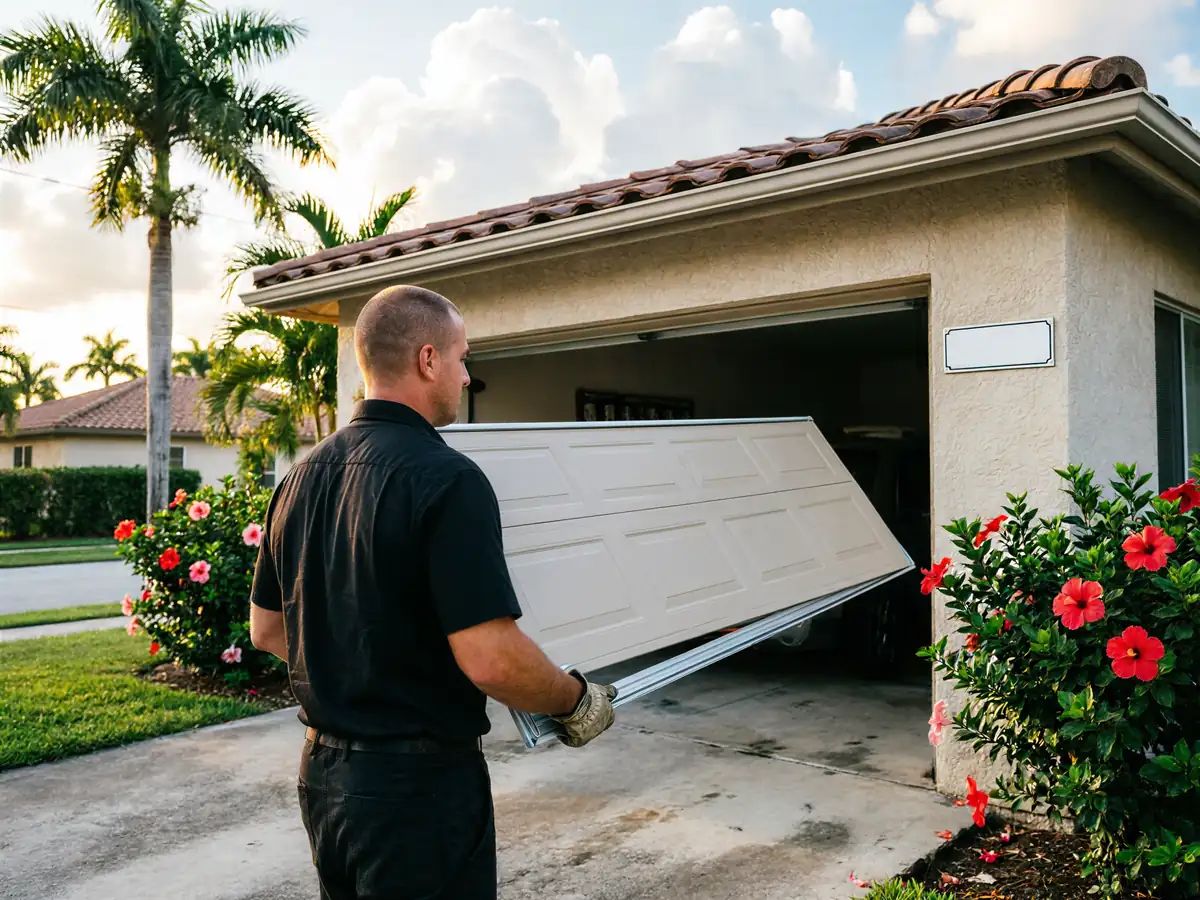
We start by figuring out if the door needs one panel or the whole section swapped
A single dented panel on a steel door built in the last fifteen years is usually a straight swap - we pull the model and order the match. Older doors are a different job. If your house was built anywhere in the 1958 to 2011 range that makes up most of this area, with a lot of stock sitting around 1979, the panel profile may not be sold anymore.
When we can't get an exact match, we have two honest options
Refinish and blend an adjacent panel so the color and texture read close, or replace the full door. We'll tell you straight which one makes sense instead of trying to force a part that won't seat right on the track. A mismatched panel that doesn't sit flush puts uneven load on the rollers and the opener, and that turns into a second service call.
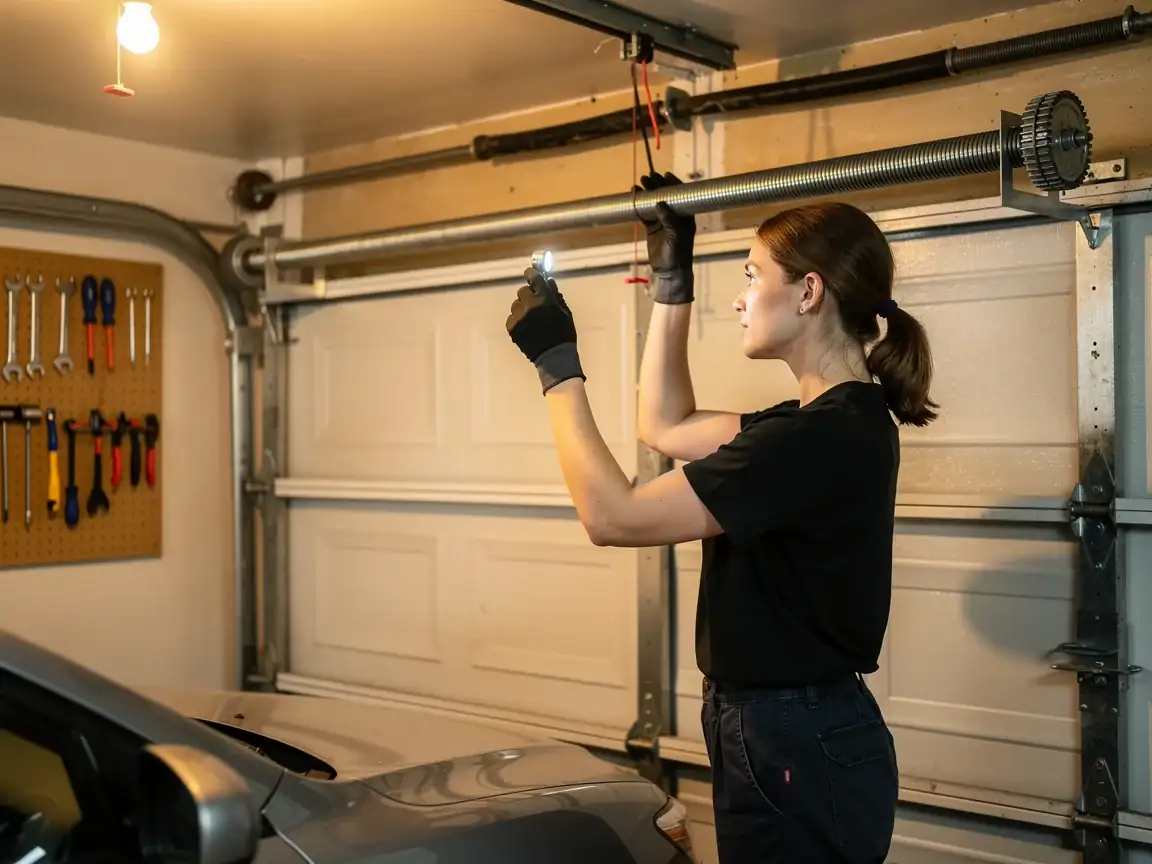
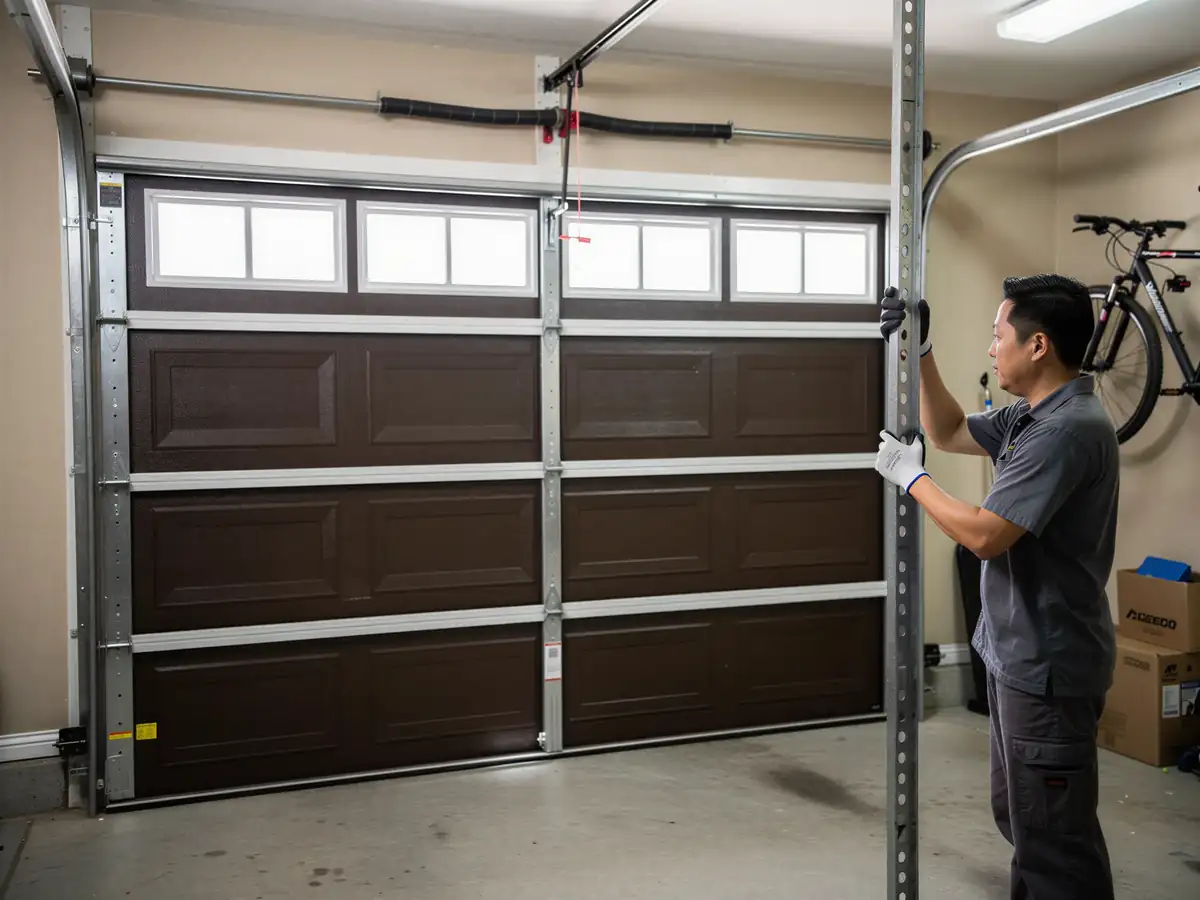
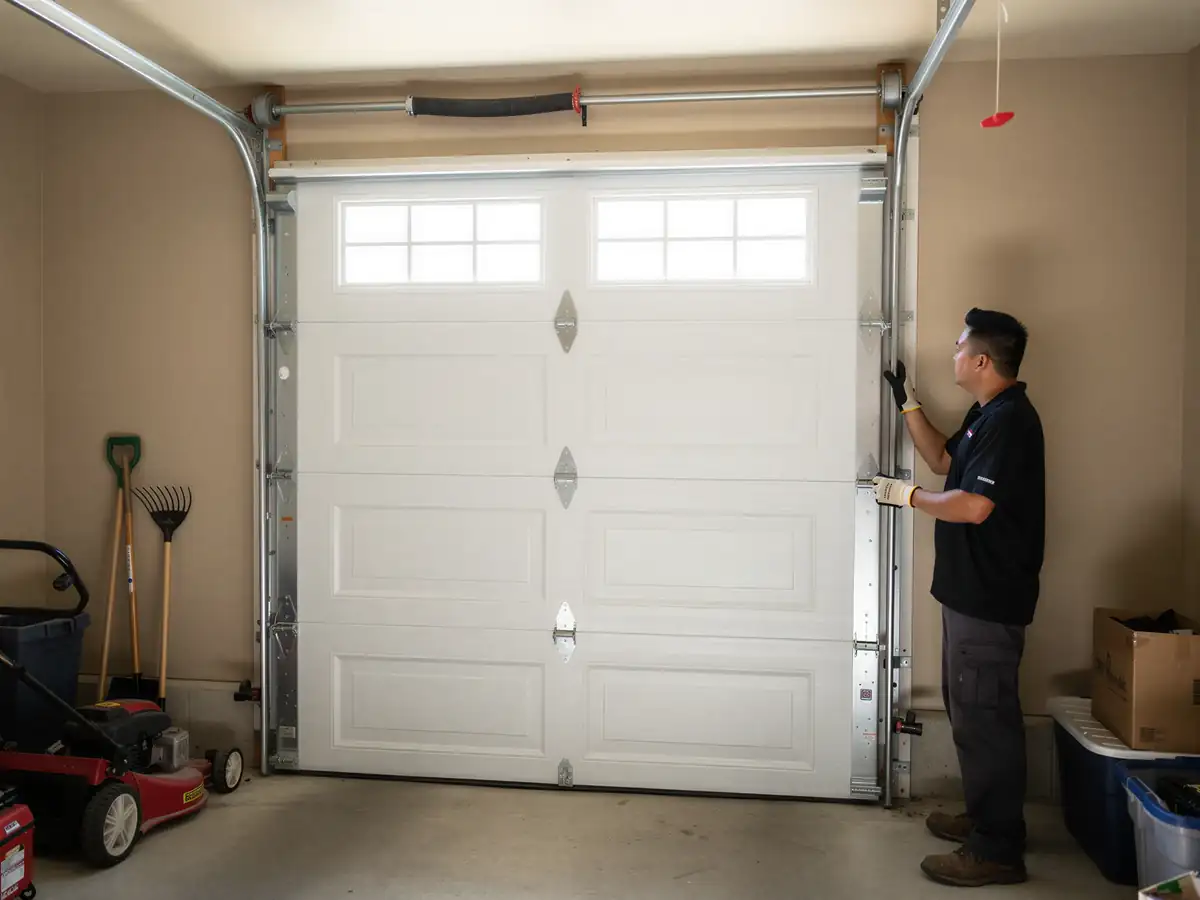
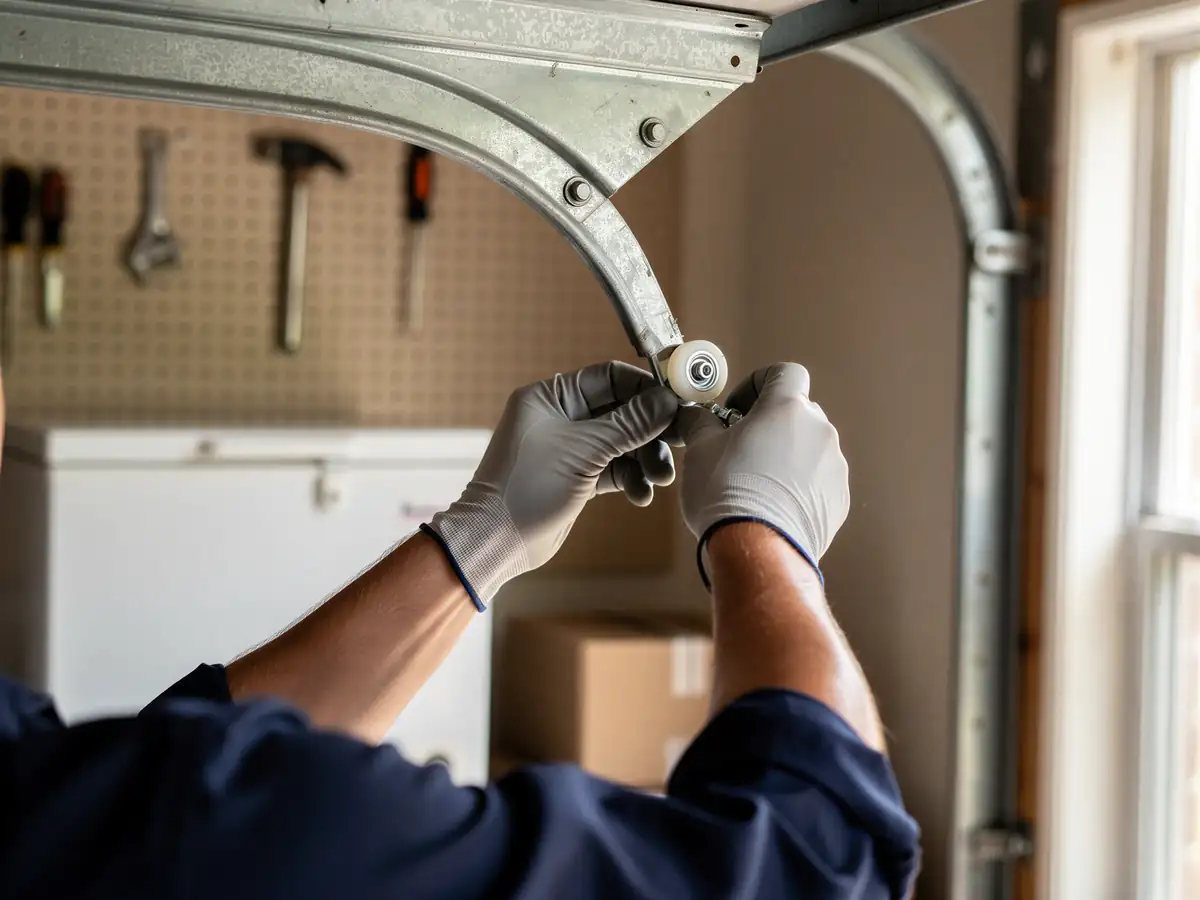
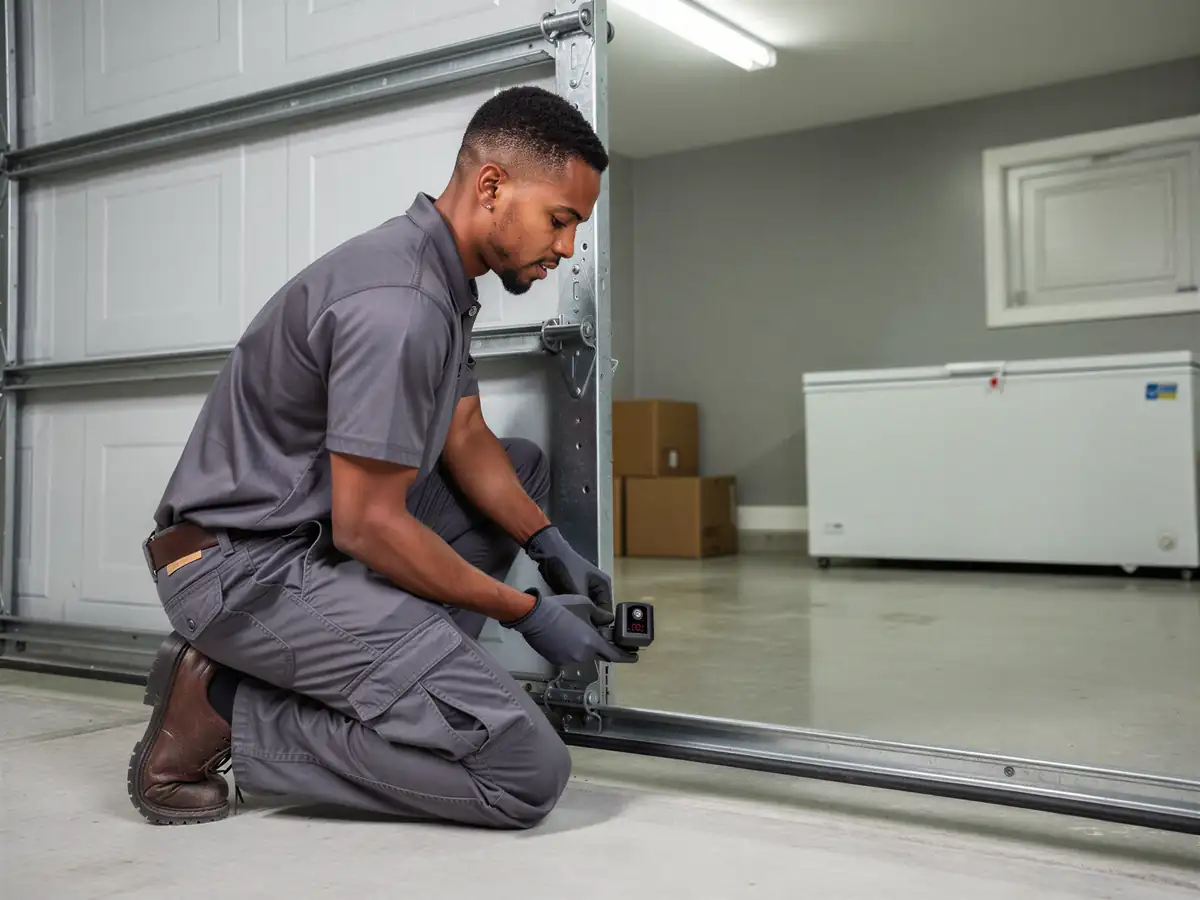
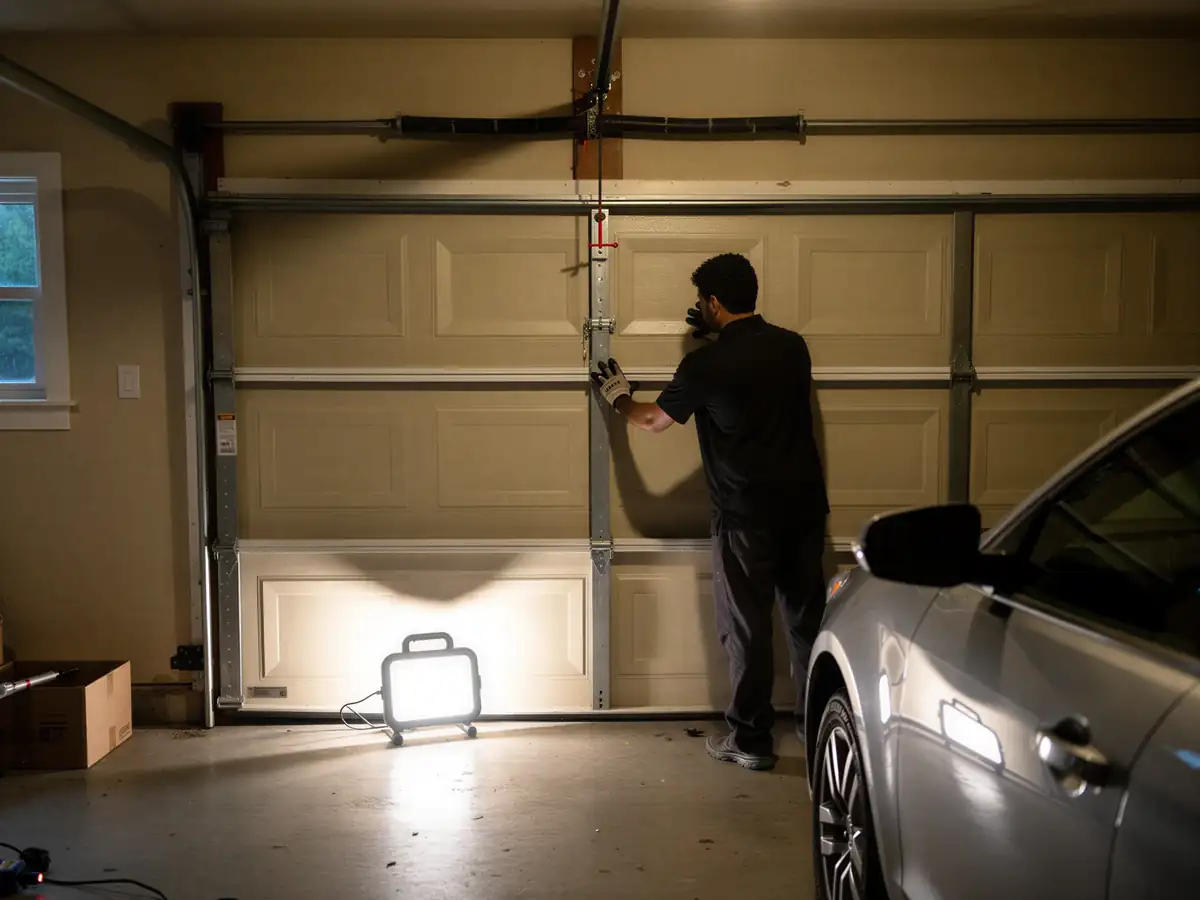
We also check the track and hinges while we're in there
A bent panel on an older door often bent the hinge or pulled a roller stem out of square at the same time, and replacing just the panel without fixing that leaves you with a door that still binds.
Parts We Carry
We stock the panel sizes and hardware that match the housing stock actually sitting on the ground across this service area - steel sections for the 1970s and 80s builds that make up most of the 33 named communities we cover, plus the hinges and roller brackets that go with torsion-spring doors from that era. For homes near the newer end of the 1958-2011 range, we carry current-production insulated steel panels in standard widths.
What we don't stock is obsolete wood-composite panel stock from doors built before steel became standard, or discontinued proprietary profiles from manufacturers that no longer support that line. If your door falls into that category, we'll say so up front rather than quote a part we can't actually get, and we'll walk you through what a full door replacement runs instead.
Lead time on special-order panels varies by manufacturer, and we won't promise a date we can't hit. If the part is sitting on our truck, the job is same-visit. If it has to come from the distributor, we'll give you the honest window once we have the model number in hand, not before.
Why It Happens Here
St. Petersburg sits in a mild temperate band - no hard freeze, no frost heave working against the slab or the track. That sounds like good news for a garage door, and mostly it is. But it means the failure mode here isn't cracking from cold; it's slow seam separation from years of steady heat expansion and contraction on doors that are now forty-plus years old in a lot of these neighborhoods.
With most of the local housing stock dating to the 1960s and 70s across the area's 33 named communities, a huge share of the doors out there were installed once and never touched since. Steel panels from that era were built thinner than what's sold today, and decades of daily thermal cycling loosens the seam between sections long before any one impact does. By the time a mower or a bumper finally dents one panel, the seams on the others next to it are often already starting to separate - you just can't see it from the driveway.
How It Shows Up
The most common call we get is a single dented or caved-in panel, usually the bottom one, from a car bumper or a trailer hitch misjudging the stop
On its own that's a clean, one-panel job if the part is still available.
The second pattern is quieter
Daylight visible along a seam when the door is down, or a faint rattle at one section when the door runs that wasn't there a year ago. That's the heat-cycling seam separation showing up before a visible dent does. Left alone, it gets worse - the panel starts to flex when the door opens and closes, which stresses the roller stem next to it.
Third is rust or bubbling paint along the bottom edge of the lowest panel
More common on doors that sit low to grade. That's usually isolated to the bottom section and doesn't mean the whole door is compromised, but it does mean that panel's structural steel is thinner than it looks from outside.
Across the 201,617 households and 91,770 owner-occupied houses in this service area
Panel replacement is one of the steadier calls we take - not an emergency repair, but not something that fixes itself either.
- 201,617 households
- 91,770 owner-occupied