How We Fix It
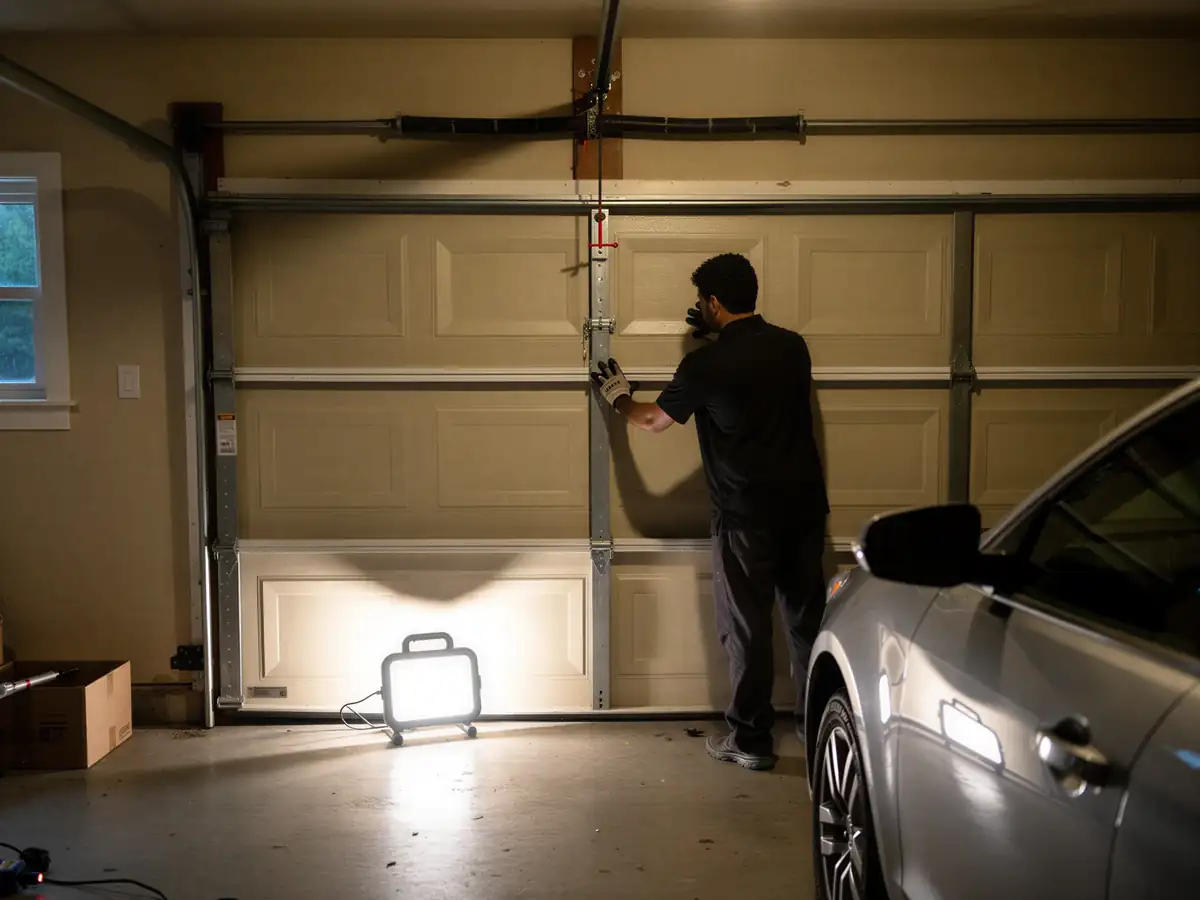
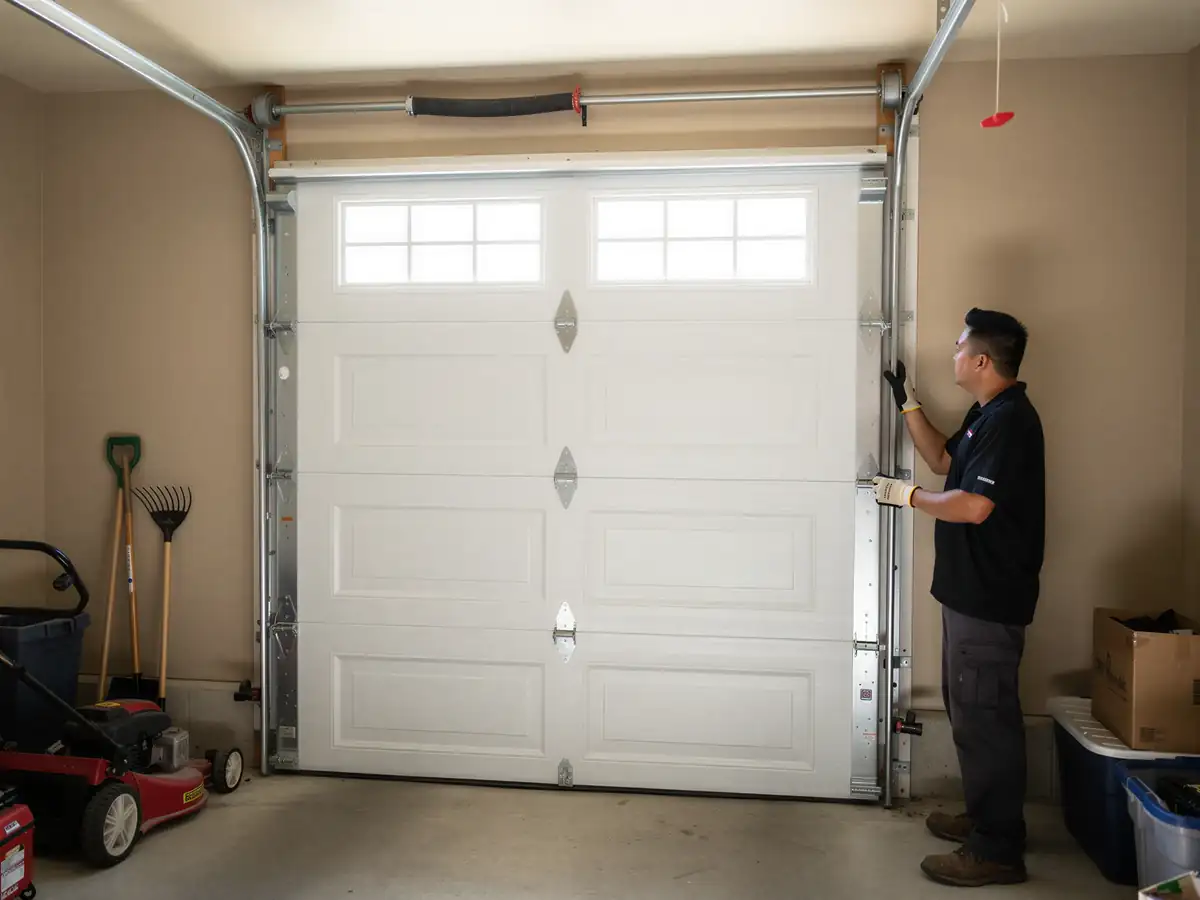
We start by measuring the opening itself, not the door that's currently hanging in it
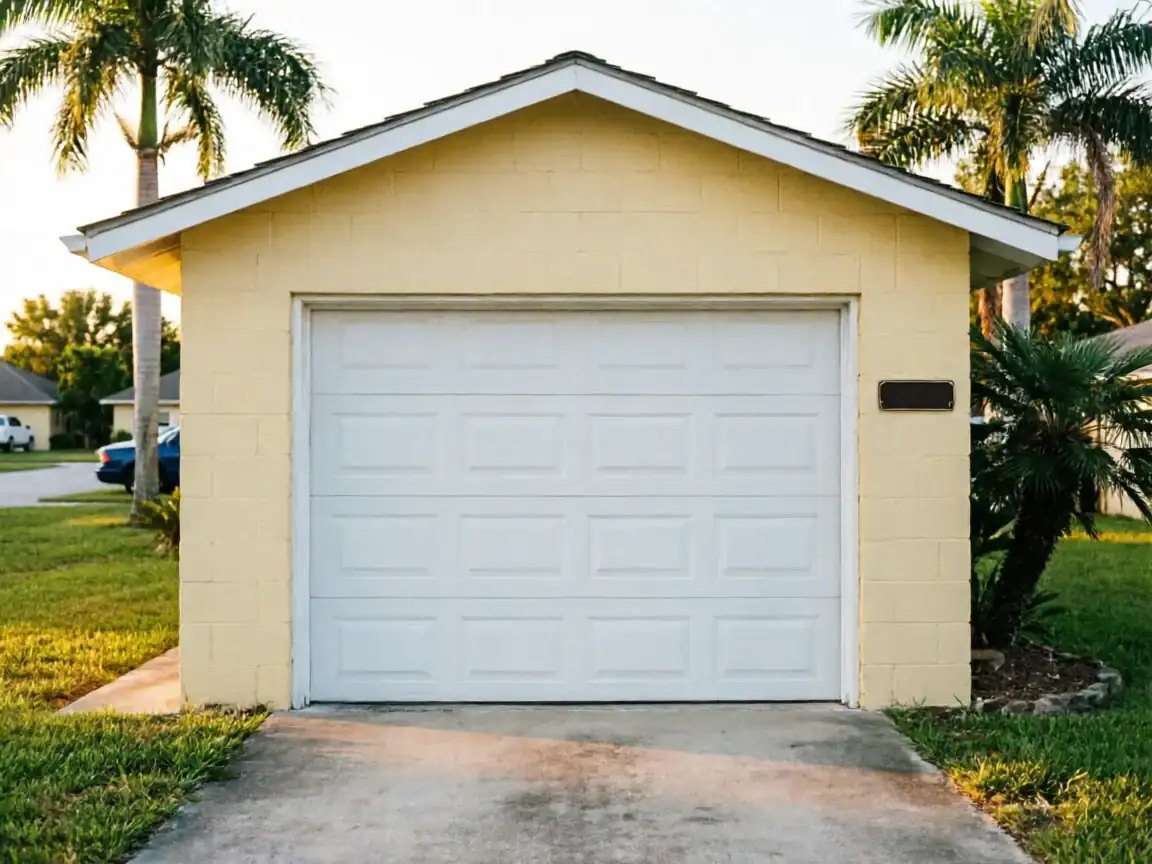
A lot of the garage openings we run into around here were framed when the typical house in this area went up - median build year 1979, with stock ranging from 1958 to 2011. That means headroom, side room, and backroom numbers that don't always match what a big-box kit assumes.
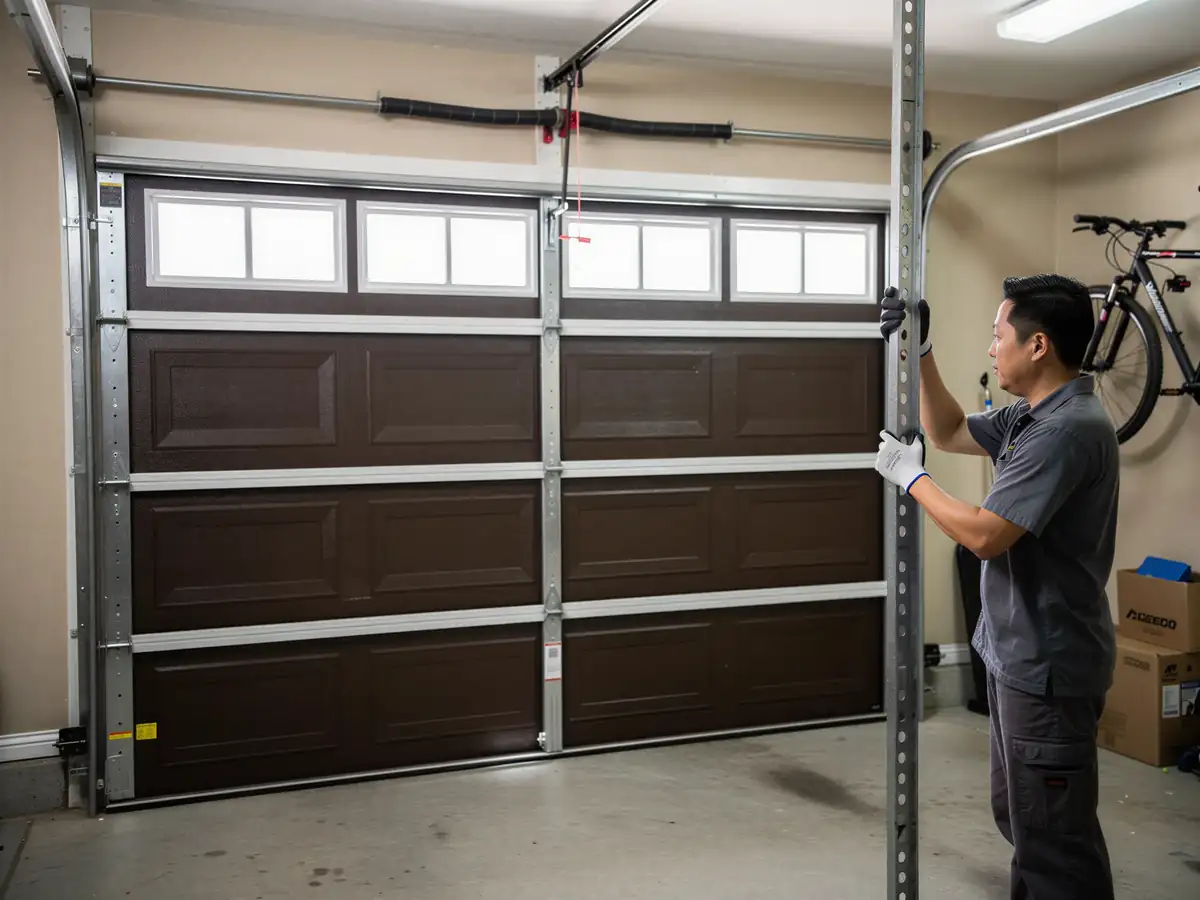
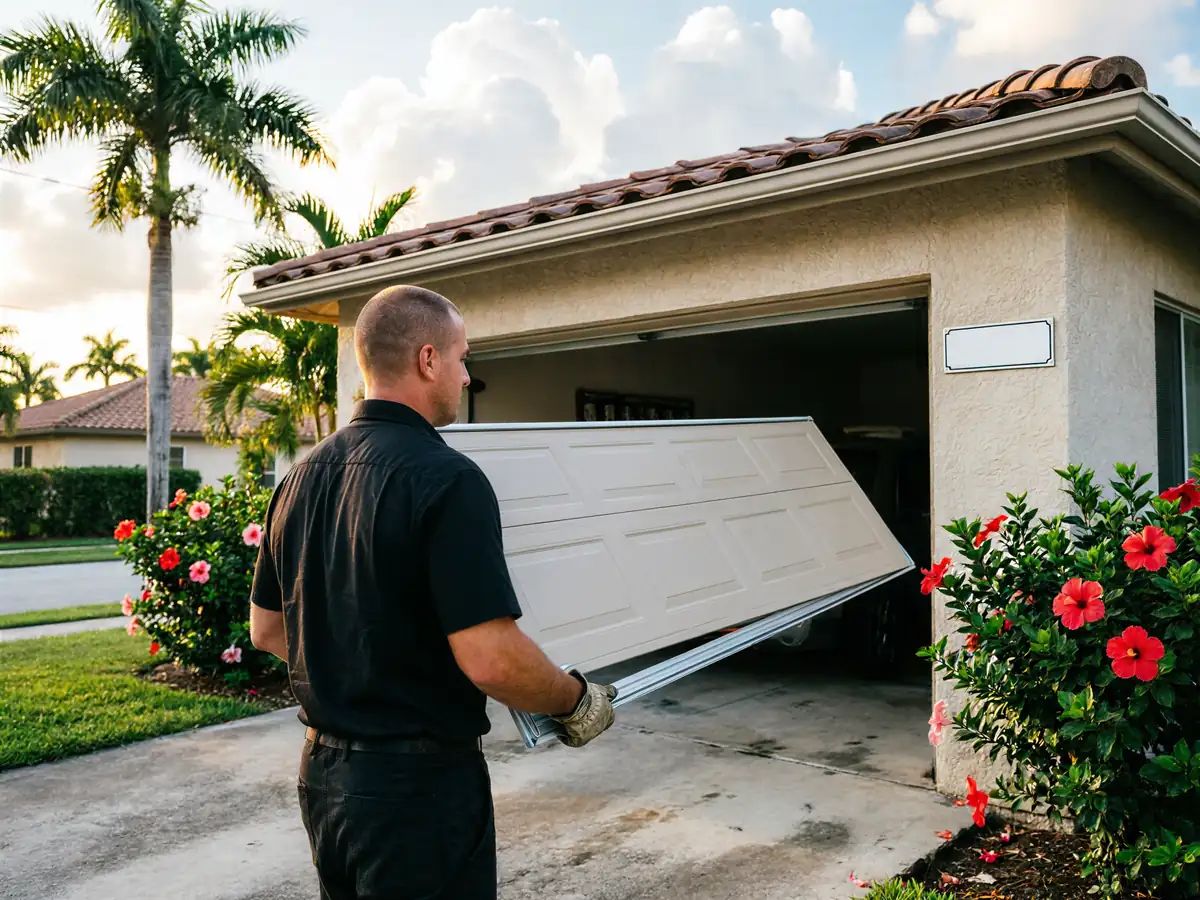
We pull the old door and track, check the jamb for square
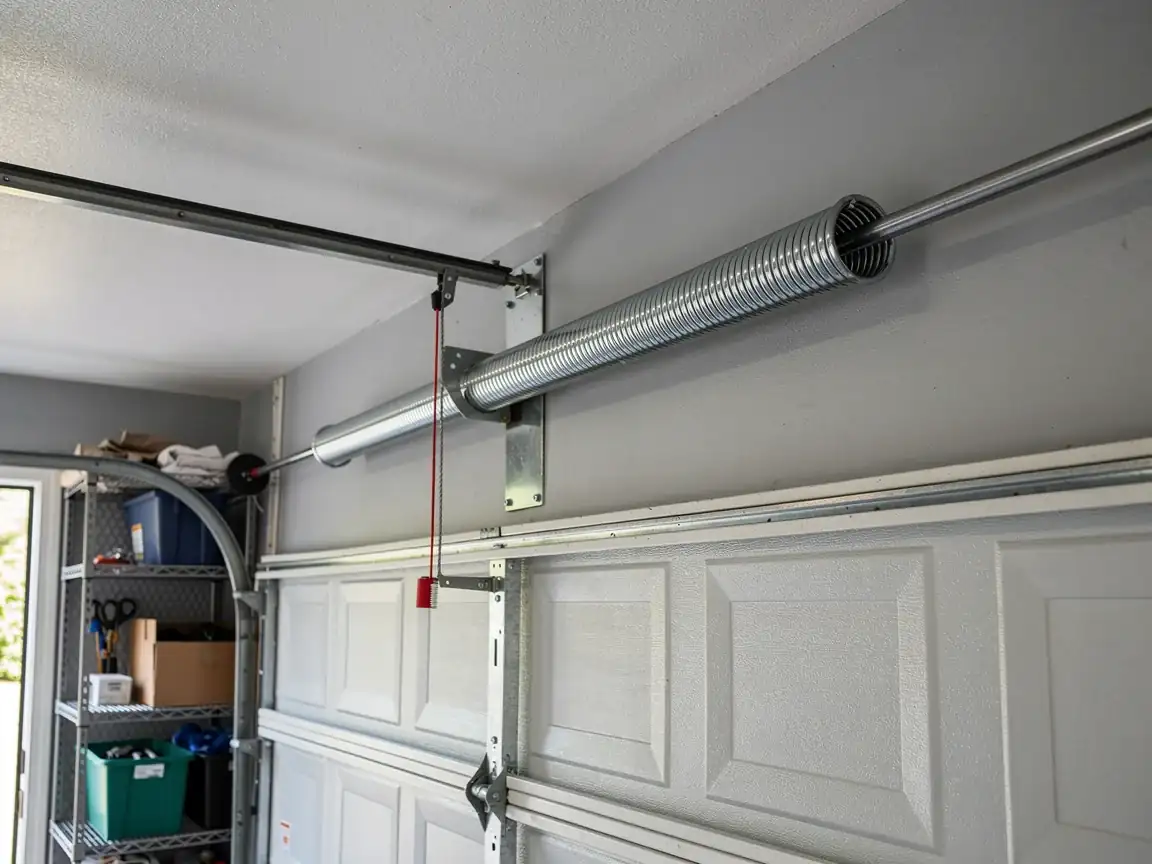
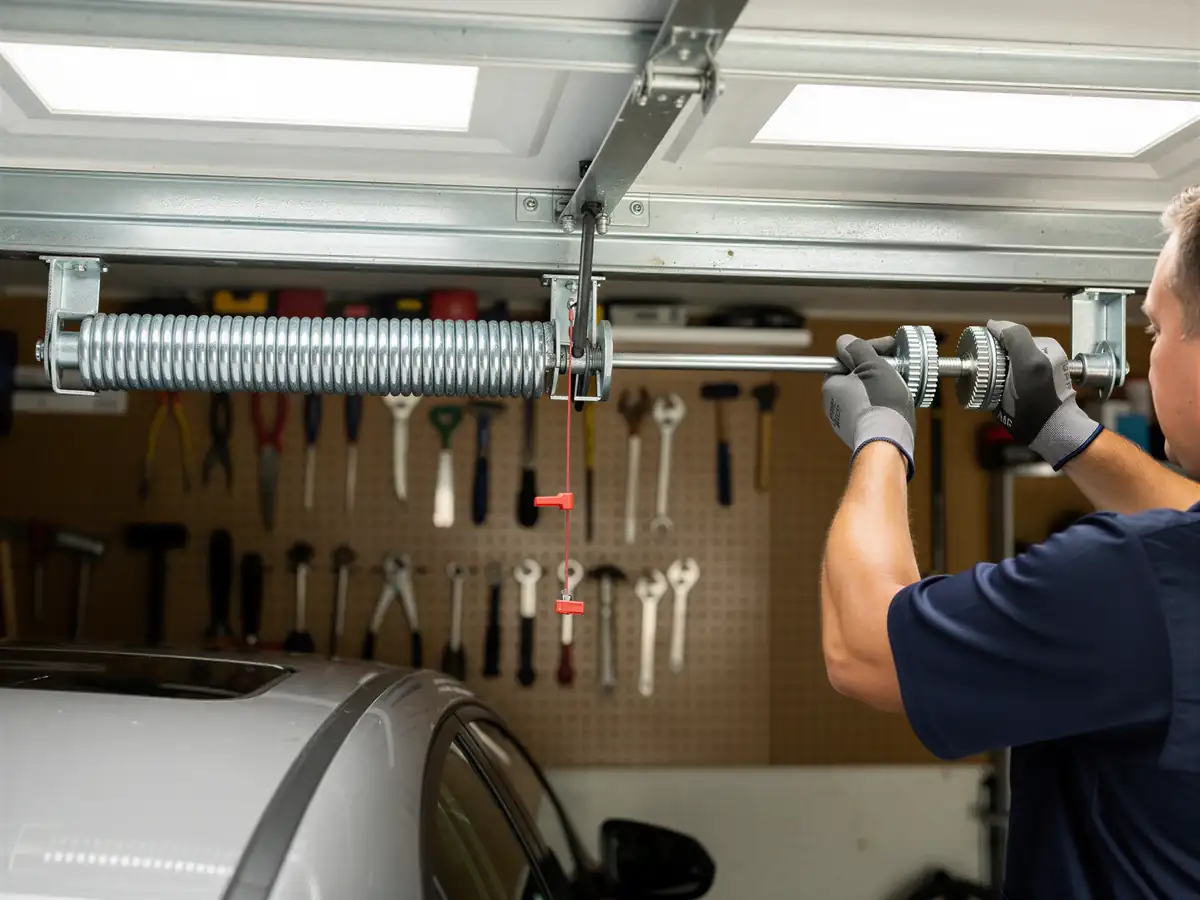
And size the new torsion spring to the door weight you're actually putting in, not a generic chart number. If the opening is original to a 1960s or 70s build, we often have to adapt the track mount or swap out the header bracket because the framing predates current standard clearances.
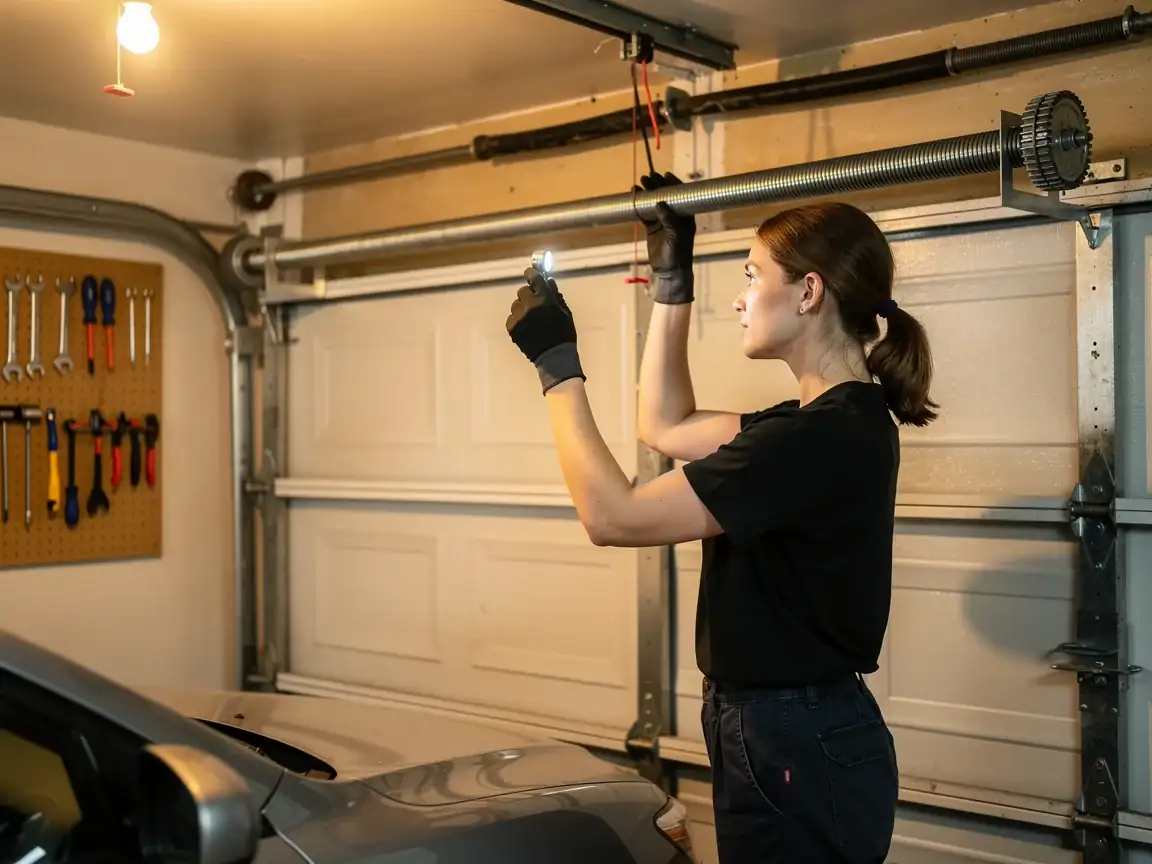
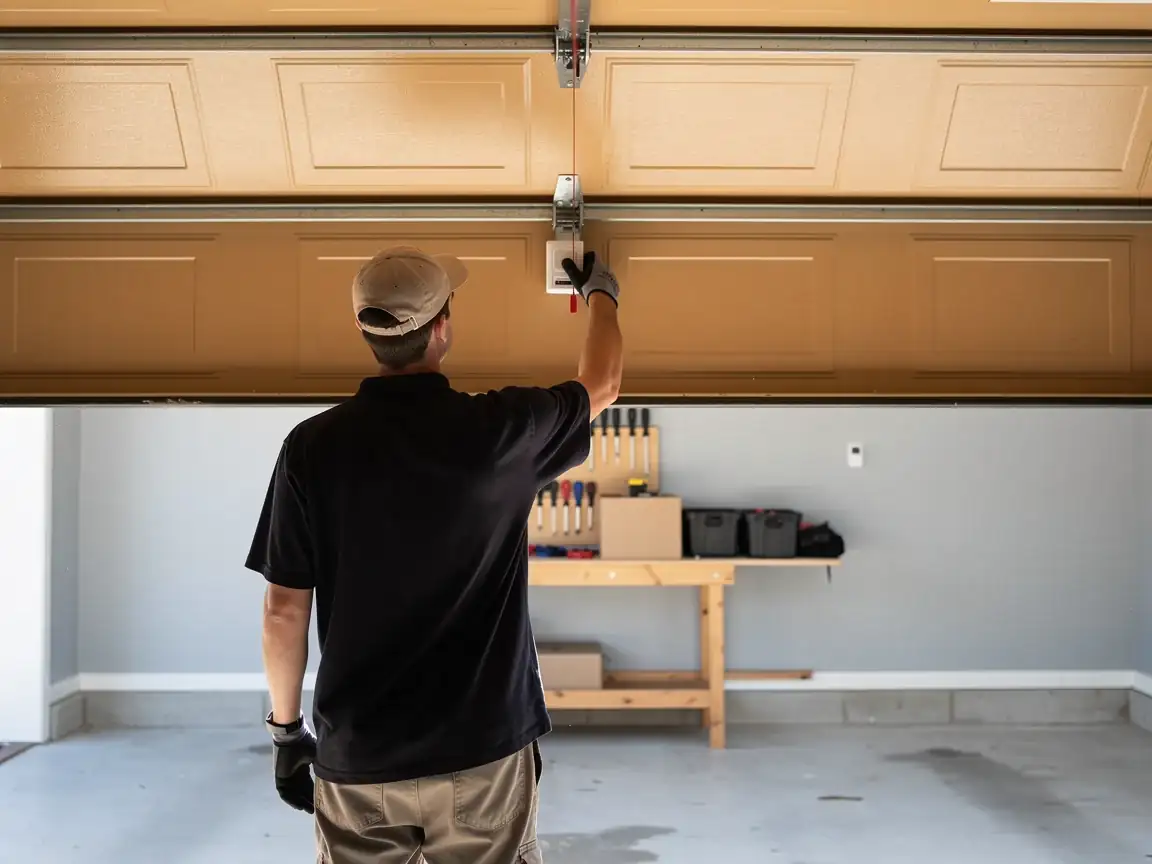
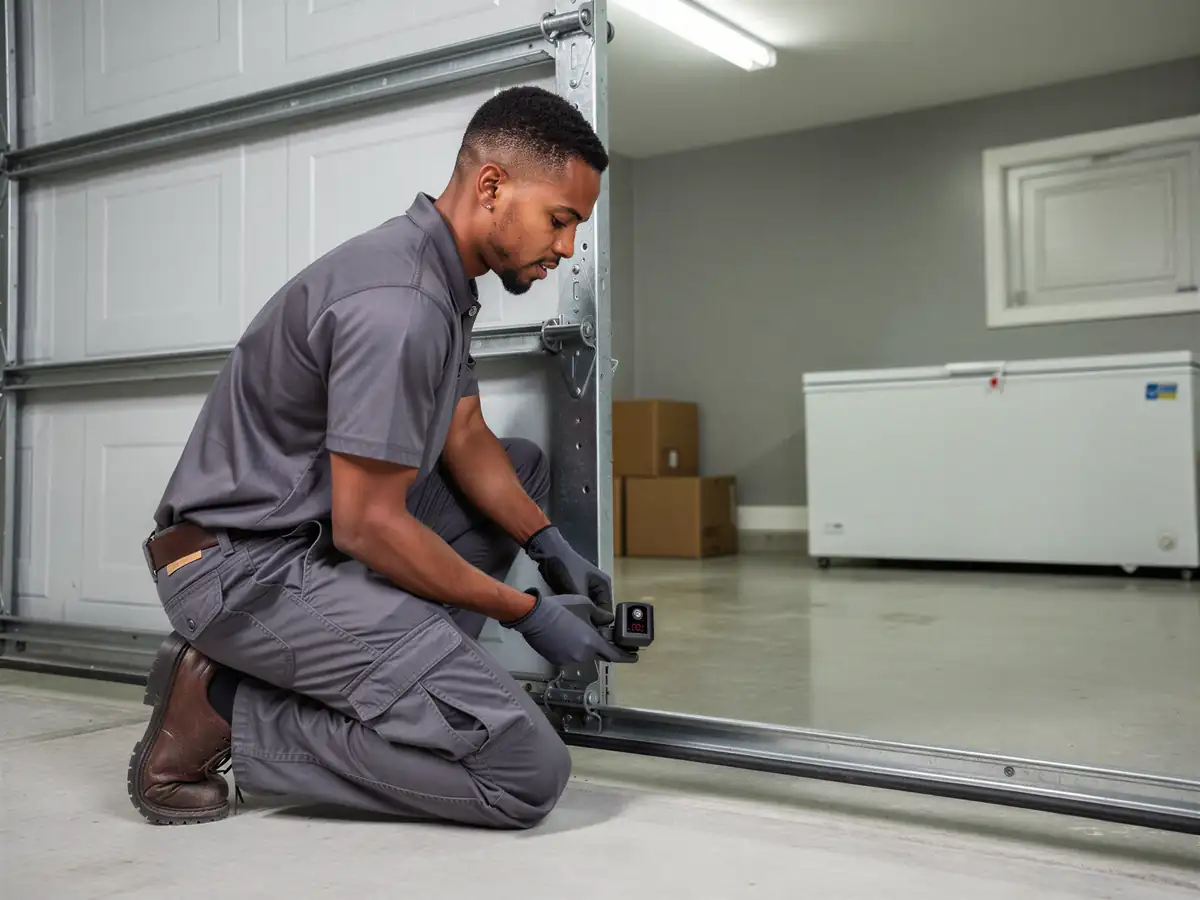
Once the door's up, we balance it by hand
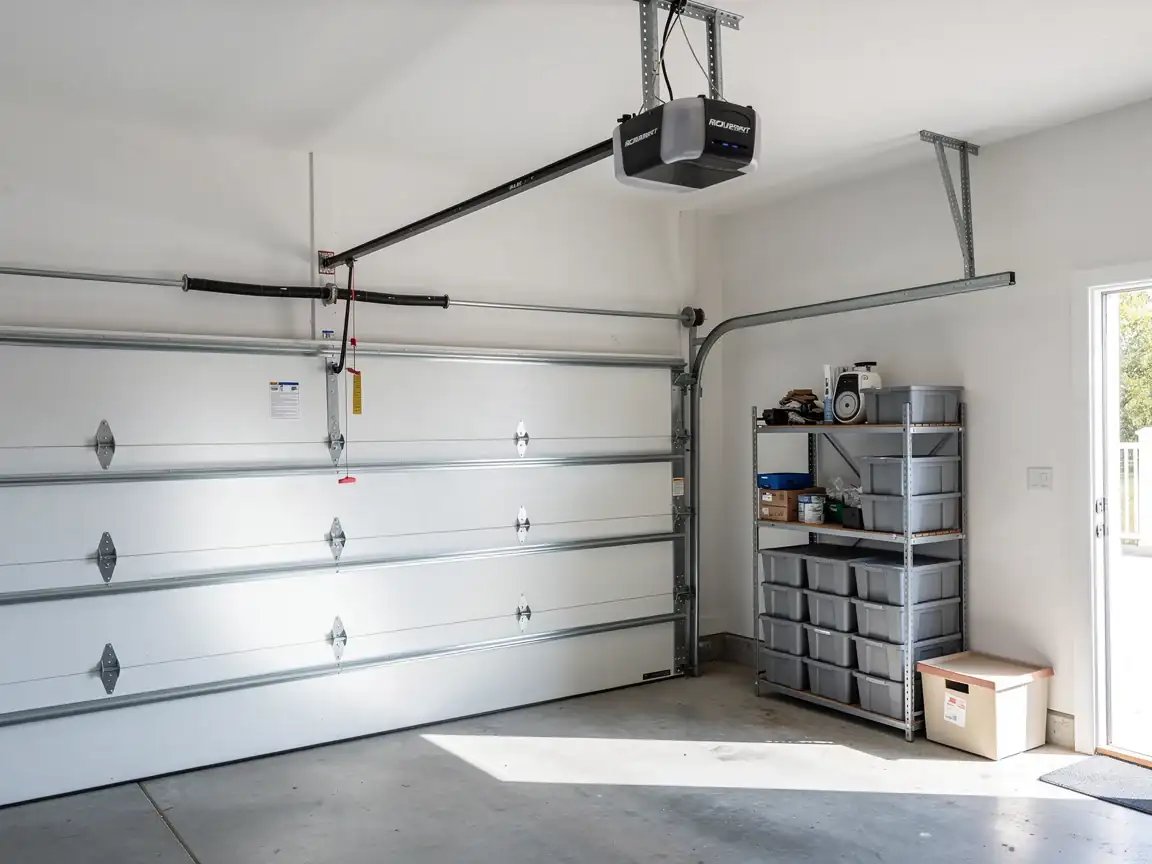
Lift test, not just a sensor check - and set the opener's force and travel limits to match. A new door on an old opener is a mismatch we see constantly, so we test the pair together before we call the job done. We run installs out across Gulfport, Lealman, South Pasadena, and the rest of the service area, and the same sizing issue shows up block to block, not just house to house.
Parts We Carry
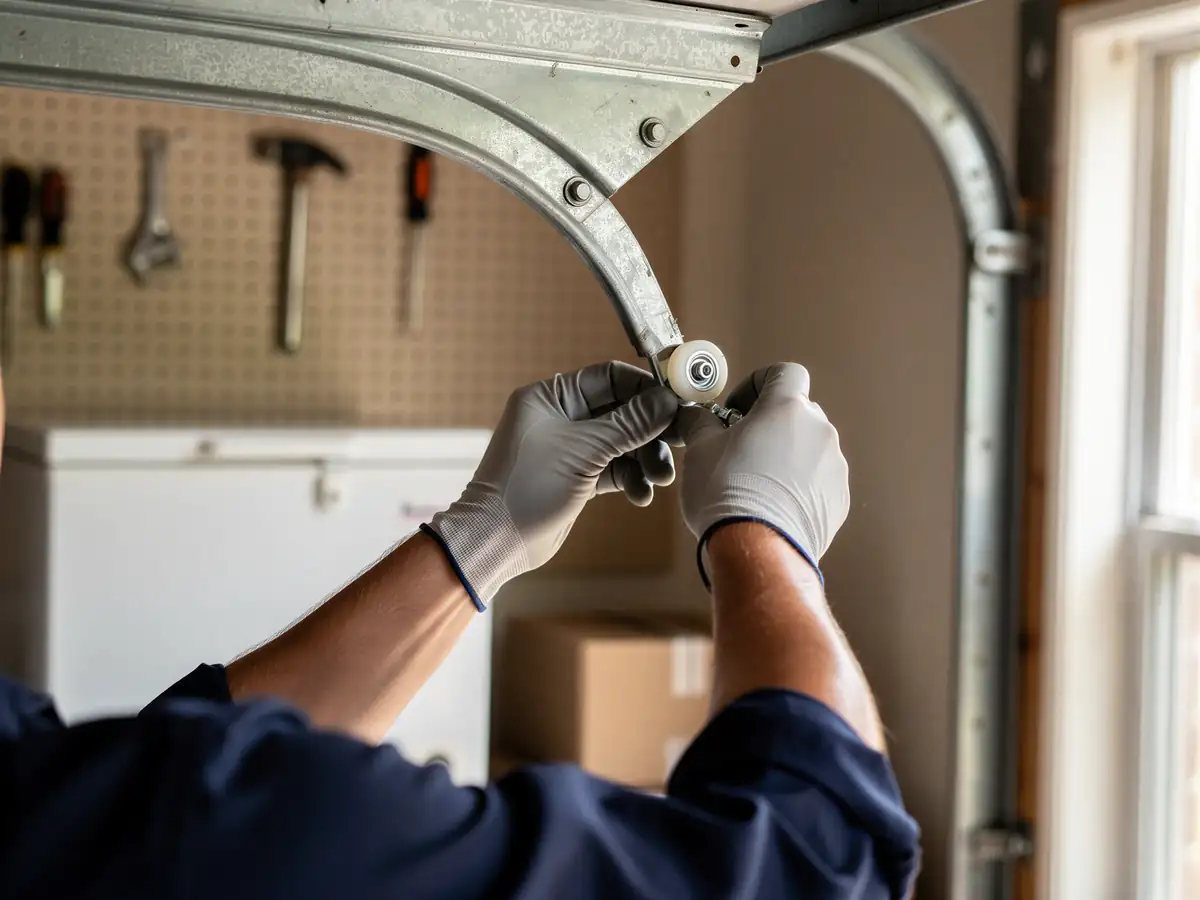
We stock standard torsion springs, nylon and steel rollers, and openers sized for the kind of openings common across houses built in the 1958-2011 range that makes up most of this area's stock. For a straightforward single or double door replacement on a 1960s-70s opening, we usually have what we need on the truck.
Where we run into lead time is custom-clad doors or odd-width openings outside the standard range - those get ordered, and that's not a same-day fix. If your house falls outside the typical build era for this area, or you're after a specialty insulated door with a non-stock window pattern, we'll tell you upfront what the wait looks like instead of promising a truck-day install we can't deliver.
We don't carry every opener brand on the market either. We carry what holds up and what we can service later, which means a smaller lineup than a warehouse store, but it also means parts availability when a part fails five years out. If a customer wants a brand we don't stock, we'll say so rather than install something we can't stand behind for service.
Why It Happens Here
Across the 33 named communities in this service area, most of the housing dates to the 1960s and 70s, with the overall span running 1958 to 2011 and a median year of 1979. A door and track system installed when that house was built is well past any reasonable service life now, and a lot of what looks like a repairable spring or roller problem is really a sign the whole assembly needs replacing, not patching.
St. Petersburg sits in a mild temperate climate band, so we're not dealing with frozen torsion springs or ice-locked tracks the way a northern install crew would. That's one less thing working against a new door here. But mild doesn't mean static - steady heat cycling still breaks down weatherstripping and dries out lubrication faster than people expect, and original hardware from a 1970s build has usually outlived its design life regardless of weather.
With 91,770 owner-occupied houses and 201,617 households across the service area, and a median household income of $79,798, replacement is a realistic call for a lot of owners here rather than a luxury - the math on a new door versus a fourth repair on original hardware usually favors replacement once a house is past the 40-year mark.
How It Shows Up
The most common thing we hear is that the door looks fine but won't sit level
Or it shudders partway up and stalls. On a house from the 1960s-70s stretch of this area's housing, that's usually the track mount pulling away from framing that was never built to today's opener torque, not a simple track bend.
Sometimes it's an opener struggling to lift a door that's heavier than the original 1970s-era door it replaced somewhere down the line
A mismatch between an old motor and a newer, heavier panel. Other times the symptom is cosmetic first: peeling paint or warped panels on a door that's been through decades of the mild temperate heat cycling typical here, even without any storm damage to point to.
And sometimes there's no drama at all
The door just gets harder to lift by hand every month, which usually means the spring was sized for a lighter original door and has been quietly losing tension for years. None of these are emergencies, but none of them get better waiting on a slow season either. If your garage door is original to a house built anywhere near that 1958-2011 window, worth a measure before anything breaks outright.