What to Check
Walk out before you touch anything electric
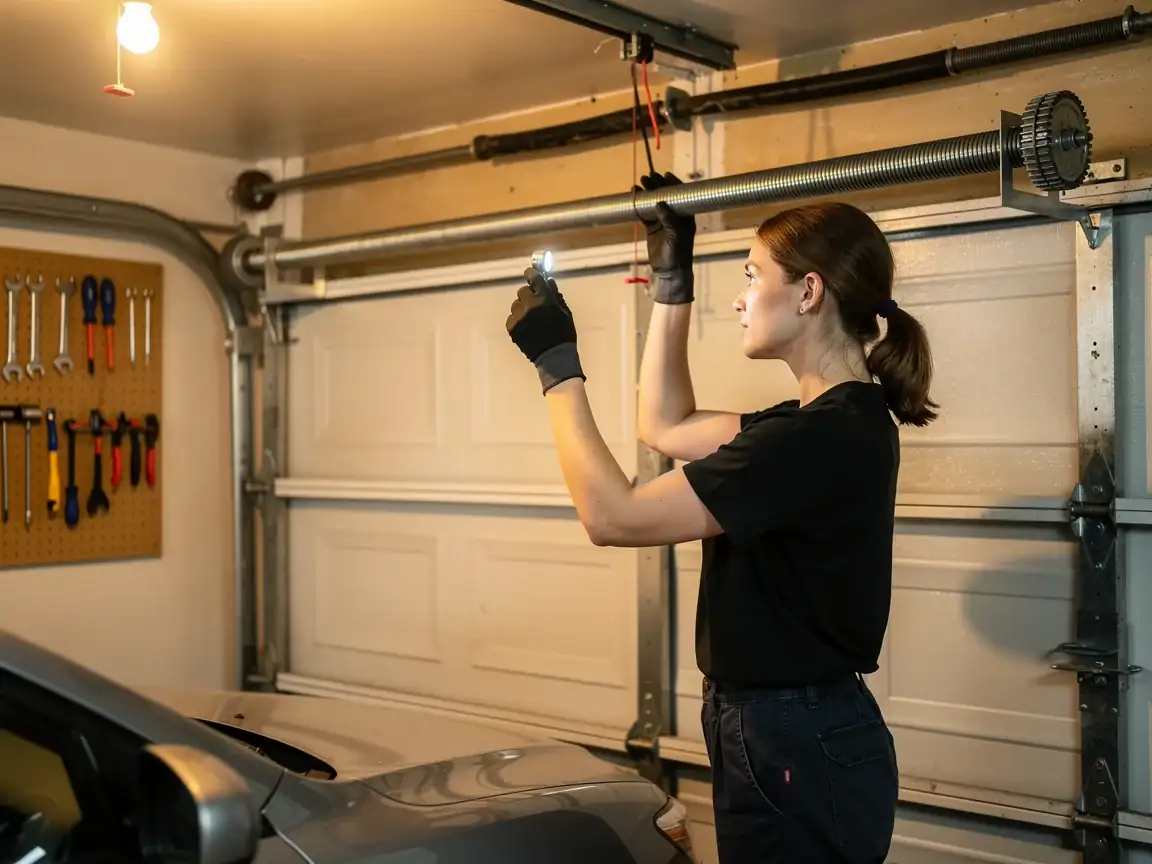
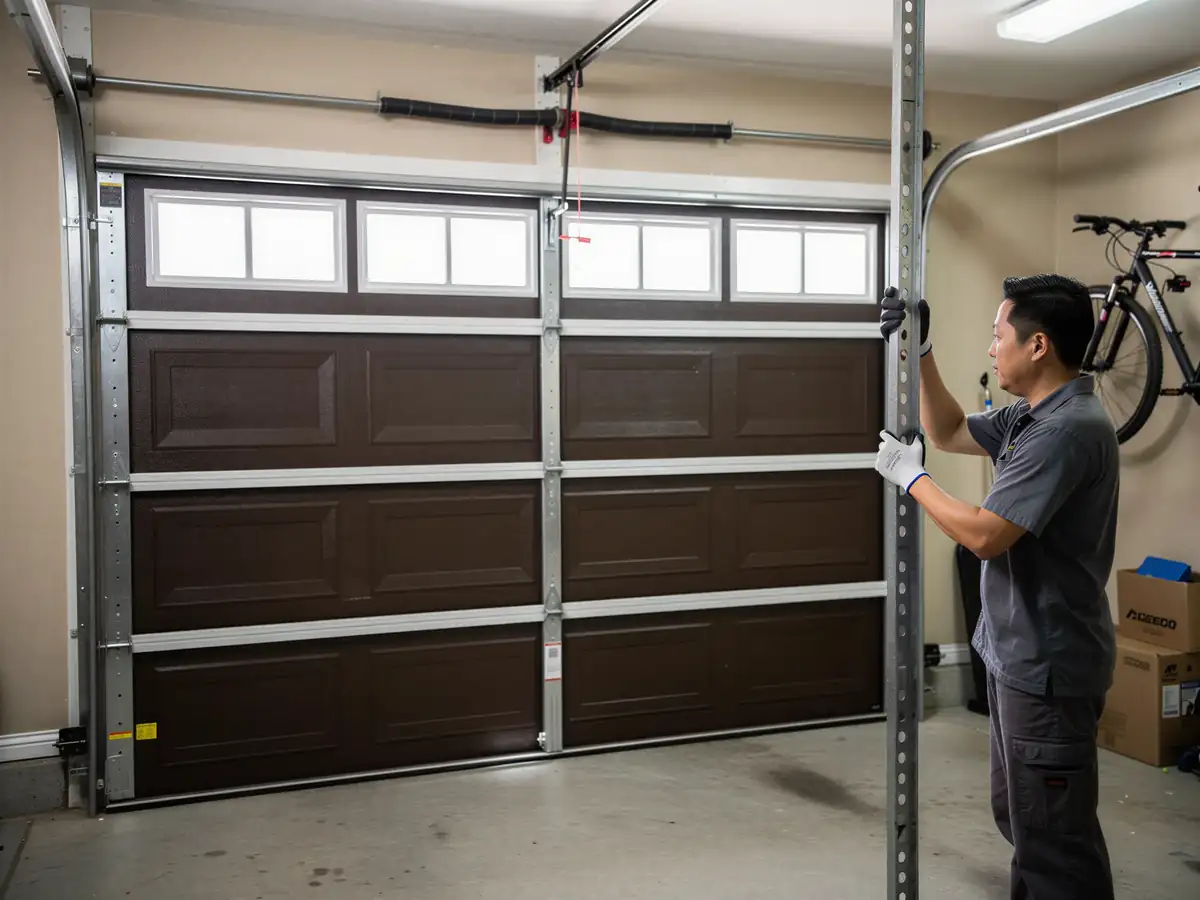
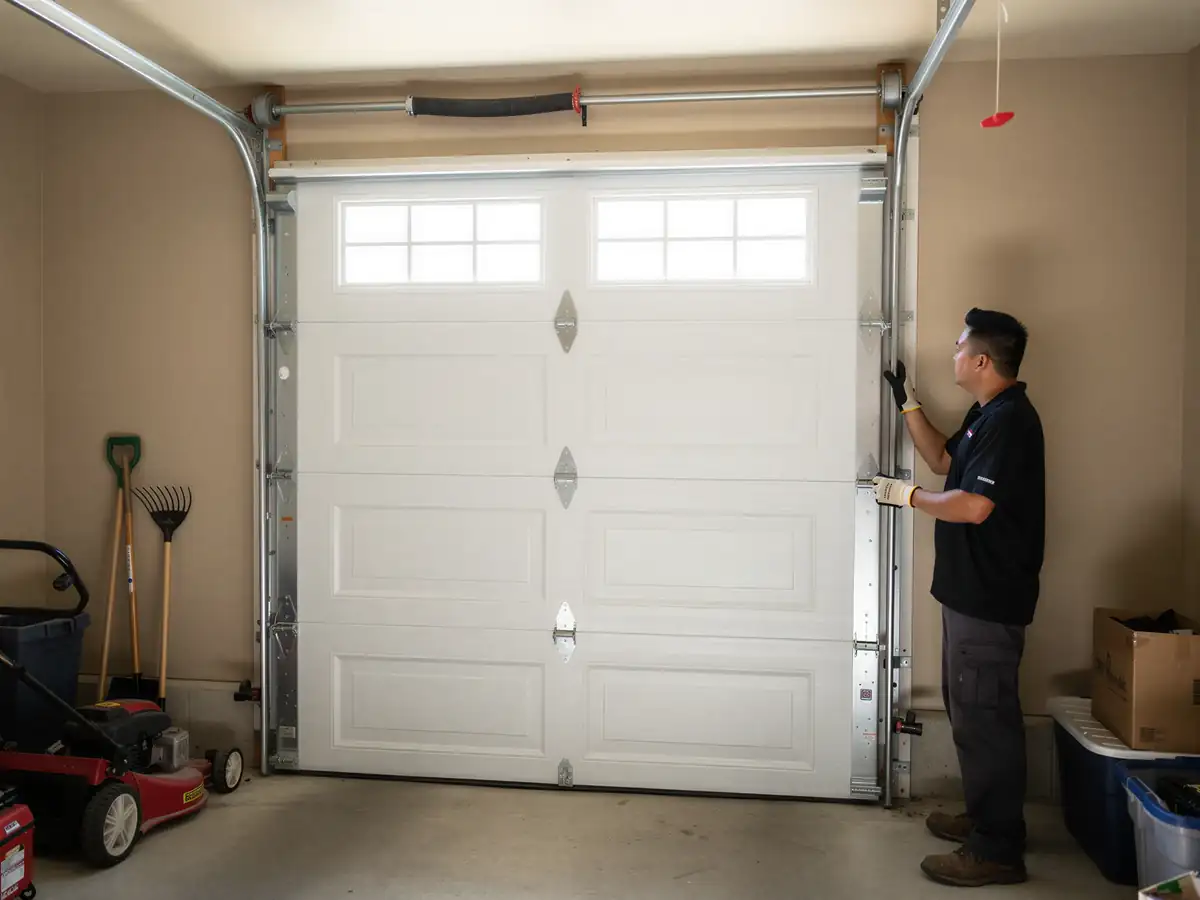
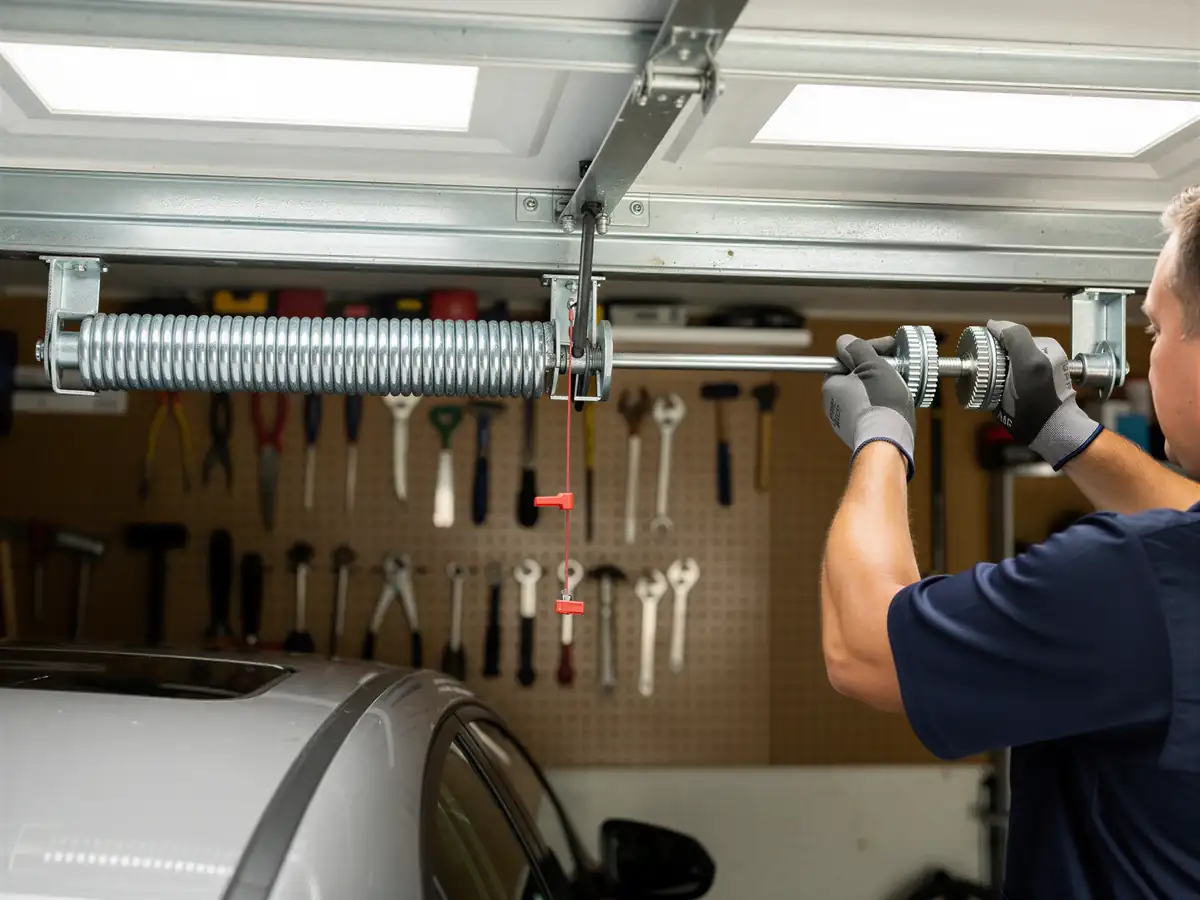
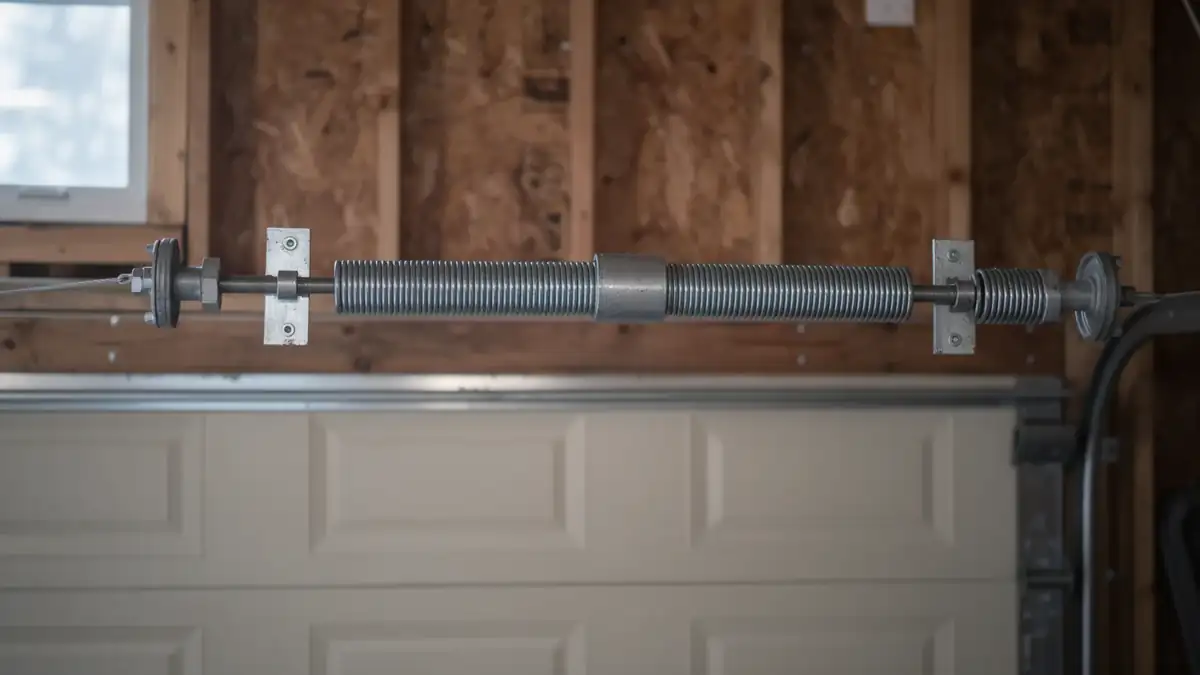
Look at the torsion spring above the door - the long coiled bar over the opening on most of these setups. You're looking for a gap in the coils, a visible crack in the metal, or rust flaking off in a line rather than just surface dust. If the door sat fine last night and won't budge or lift evenly this morning, that gap is probably your answer.
Check the cables next to the bottom brackets
A spring that's let go sometimes takes a cable with it, and a loose or frayed cable under what's left of the tension is dangerous to leave alone. Listen, too - a loud bang from the garage overnight, especially on a cooler morning, is almost always a spring letting go, not the opener or the track.
Don't try to lift the door manually if you suspect a broken spring
Without it, a standard door can weigh what two people can't safely control, and the door can drop fast. If it won't move with the opener disengaged, leave it down and call it in rather than forcing it.
How Local Conditions Play In
St. Petersburg sits in a mild temperate band - there's no deep freeze season here, no weeks of sub-zero mornings that stress steel the way they do up north. But a handful of nights each winter still drop enough for metal to contract, and that's the moment a spring already weakened by something else decides to go.
That something else is usually corrosion. Gulf humidity and salt air work steadily on exposed torsion springs year-round, pitting the coils in ways a drier inland climate wouldn't. A spring that would hold another two winters elsewhere can be down to its last cold morning here.
This shows up across a lot of the older, established pockets close in - - where houses went up in that same mid-century wave and a good share of garages still carry hardware that's never been swapped. The spring doesn't know it's only 45 degrees outside. It knows it's been losing tensile strength for years, and this is the morning the math runs out.
What Is Going On
Steel contracts slightly as it cools, and a torsion spring under constant tension is already working at the edge of its rated cycles by the time it's a few decades old. Add a cold snap and a spring that was going to fail eventually fails now, on that particular morning, instead of in July.
With a median build year of 1979 across St. Petersburg's housing, plenty of garage doors out there are running original or near-original springs - hardware that's seen forty-plus years of Gulf humidity, salt air, and daily cycles. That's not a defect in the door. It's just what happens to a coil of tensioned steel over that much time in this climate.
The cold doesn't cause the break so much as it times it. A spring that's lost most of its integrity to rust and fatigue is going to snap on whatever day gives it one more reason - and a cool, damp St. Petersburg morning is a common trigger because the metal is stiffer and less forgiving right when the weakest point is already thin.
When to Get Help
Torsion springs are under real tension even on a small residential door
And winding or unwinding one without the right bars is how people get hurt. We don't recommend DIY spring replacement, full stop - that's one job where the risk isn't worth the money saved.
If your door is original to a house from that 1960s-70s wave
Replacing one spring on a two-spring setup usually isn't the move. The second spring has seen the same years of rust and cycling, and it tends to follow within a season or two. Most of the time it makes more sense to do both at once.
If the door itself is original too
Panels pitted, track bent from decades of use - a spring replacement might be throwing good money after a door that's due anyway. That's a call worth having someone look at in person rather than guessing over the phone.
If you've got a broken spring or a door that won't move right after a cold morning
Reach out through our site and we'll get someone out to look at it.