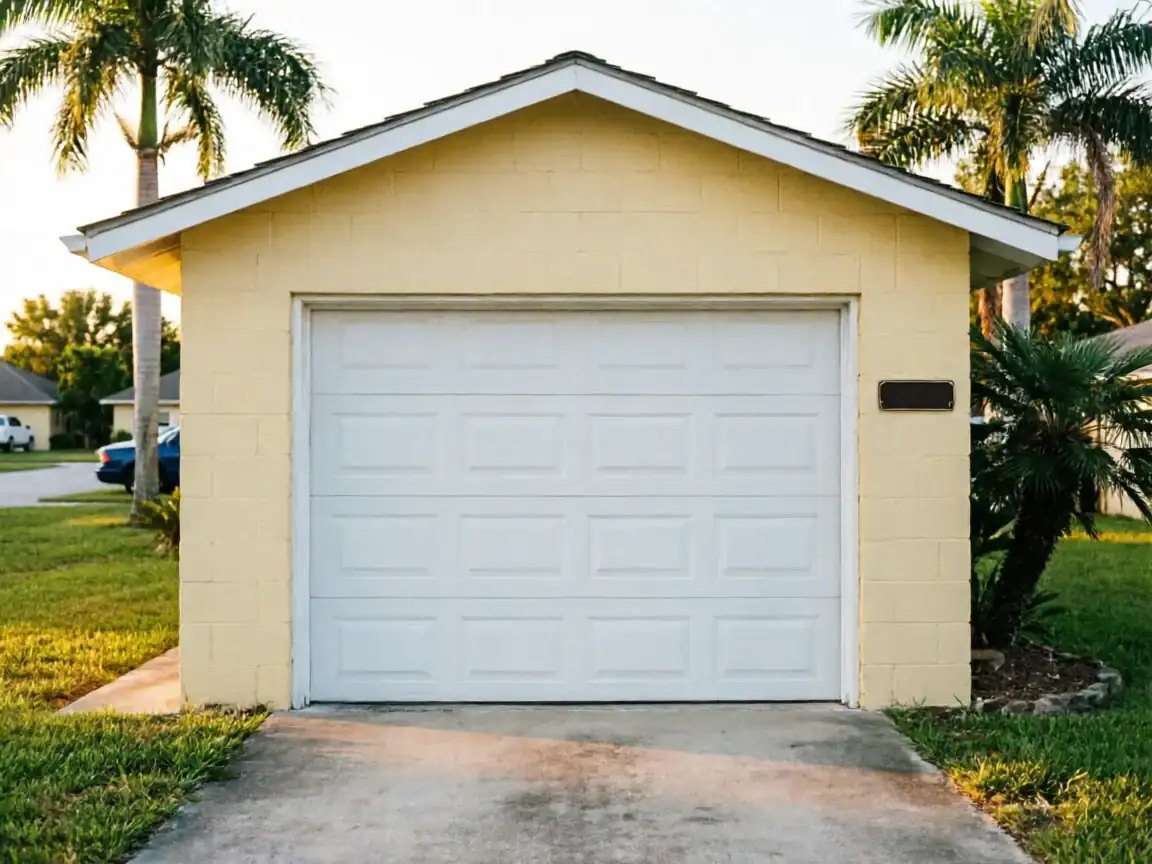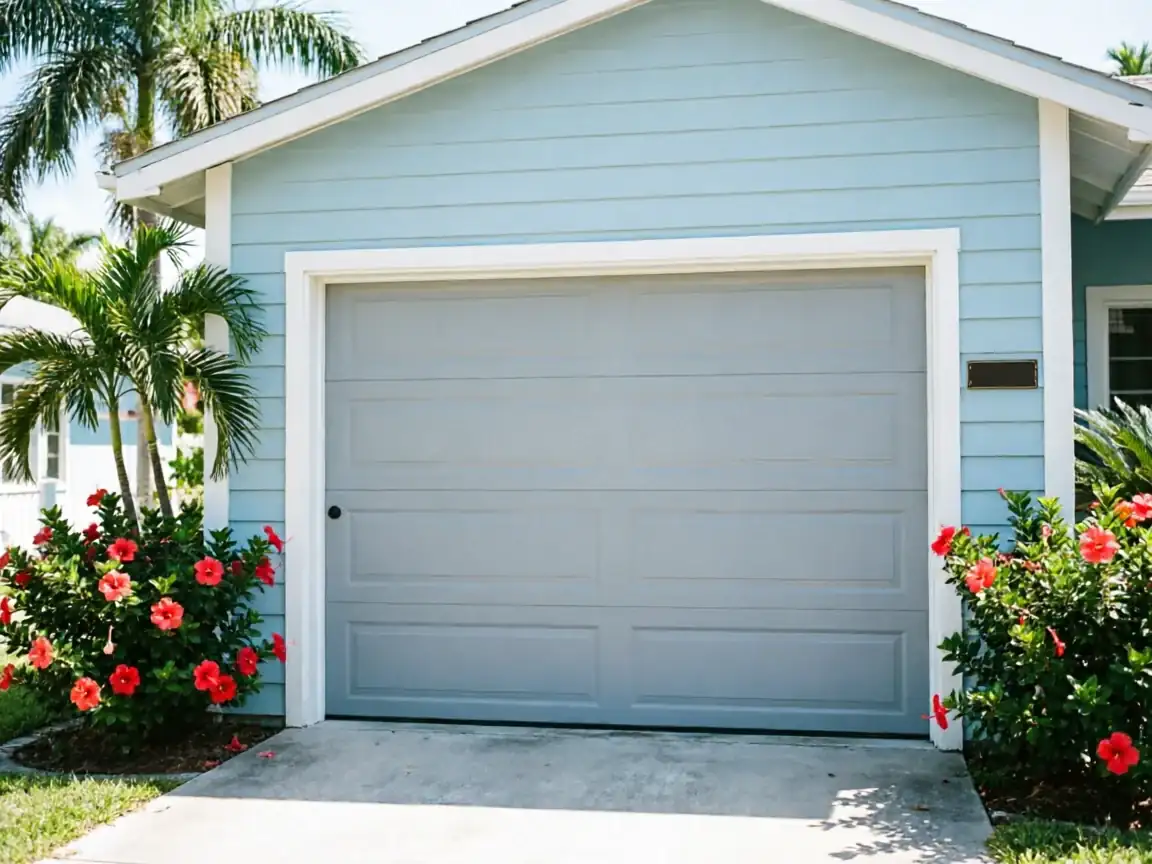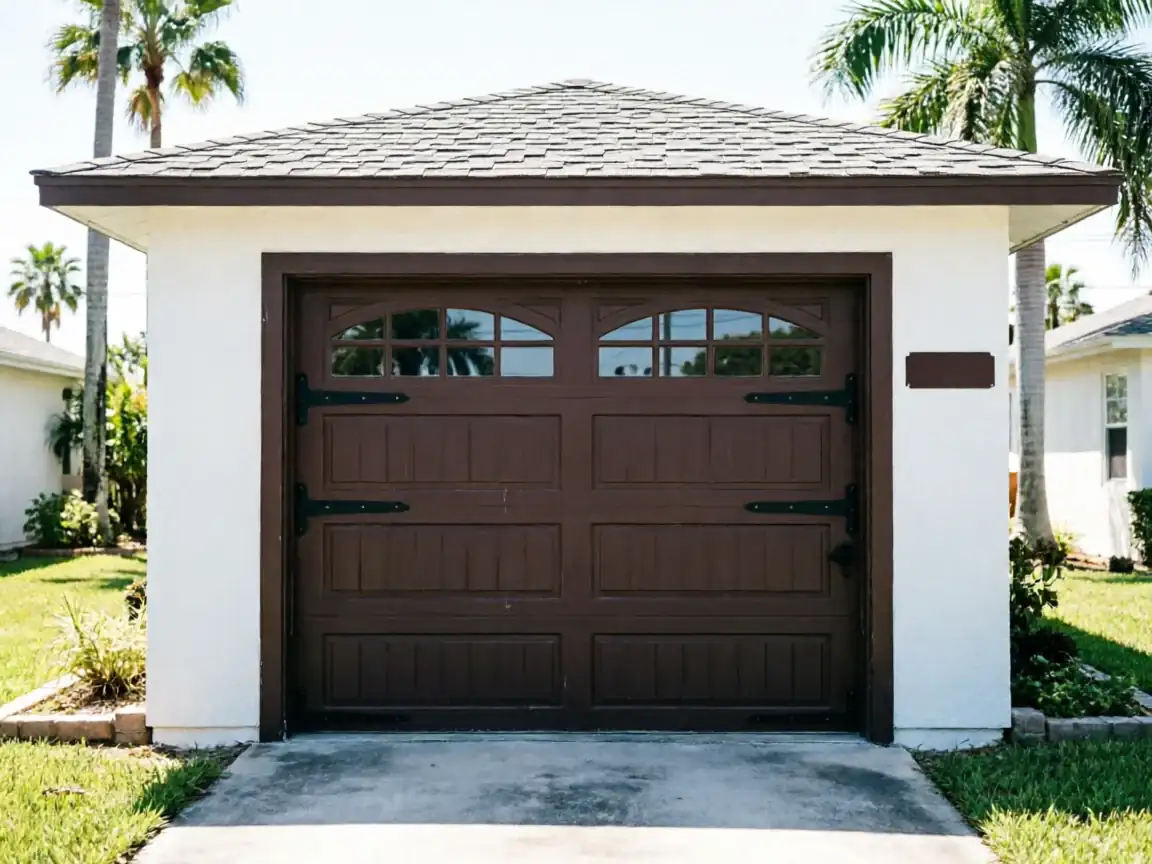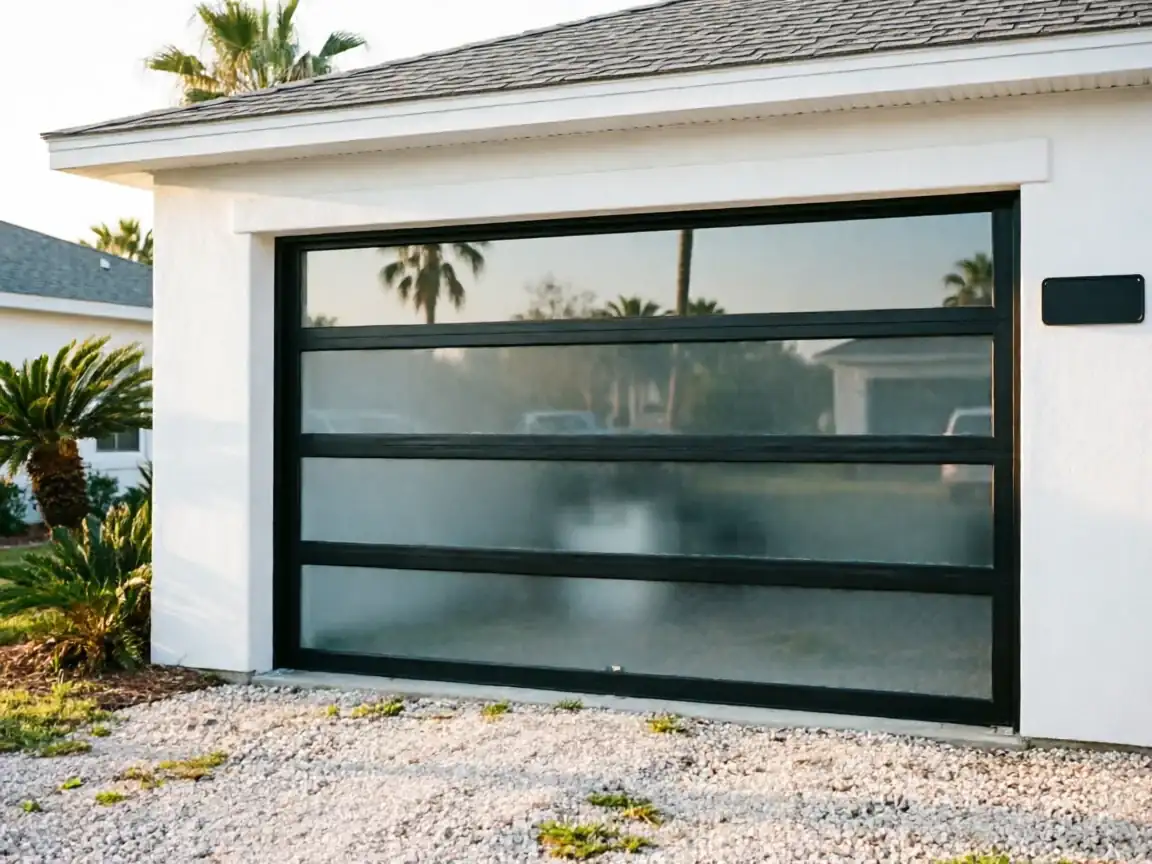
The Work We Take On
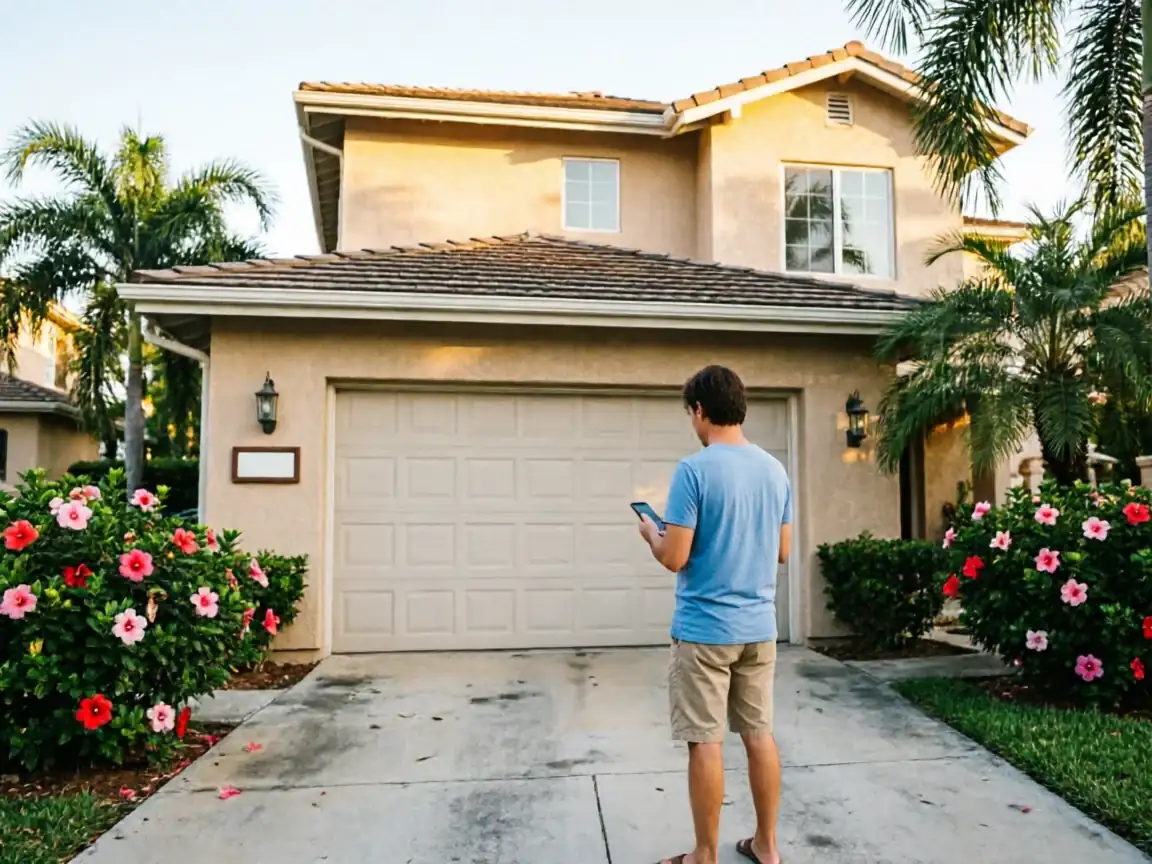
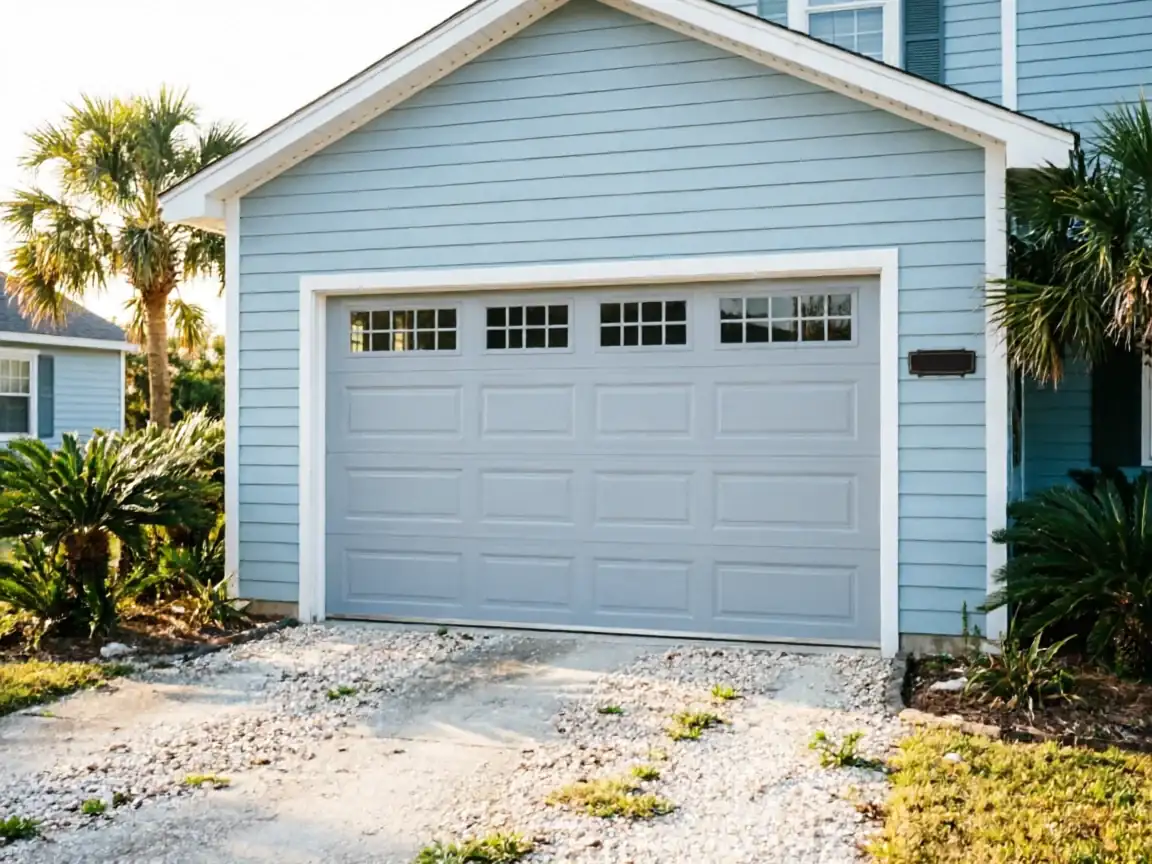
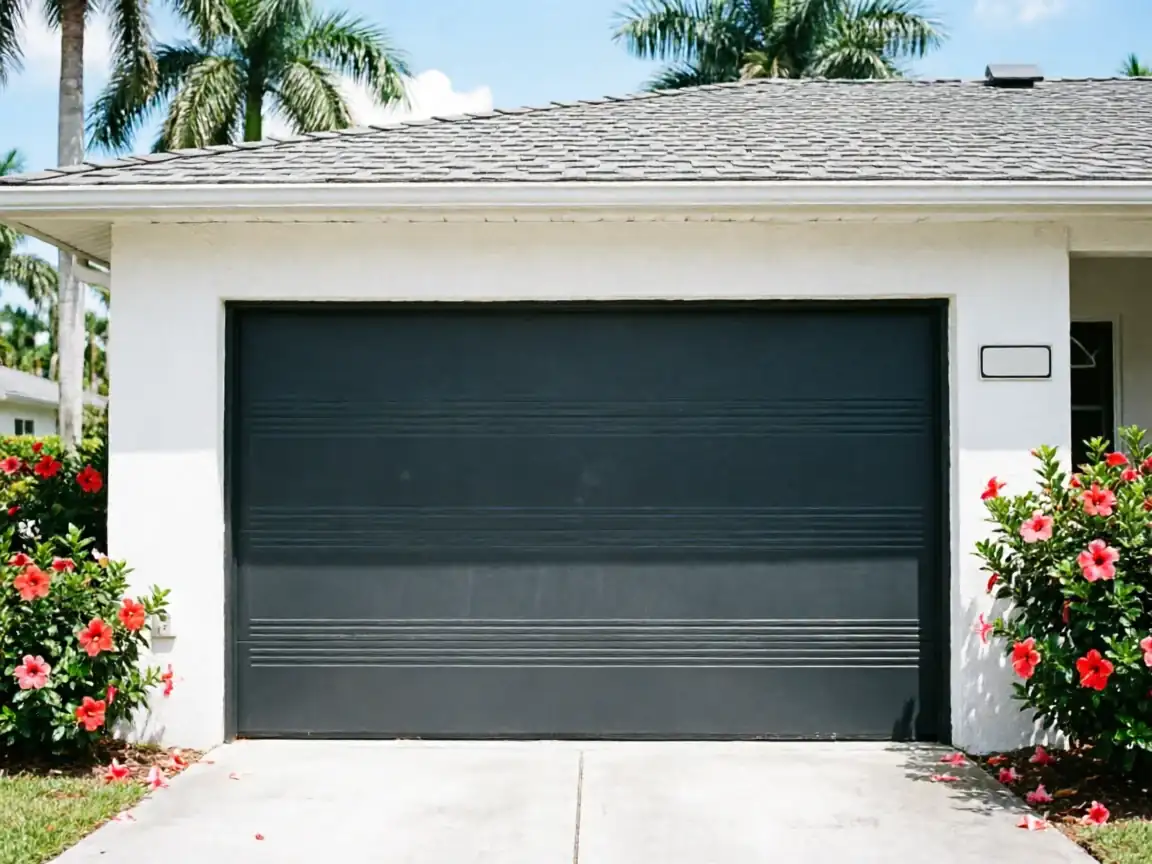
Most of the doors we get called out for sit on houses built somewhere between 1958 and 2011
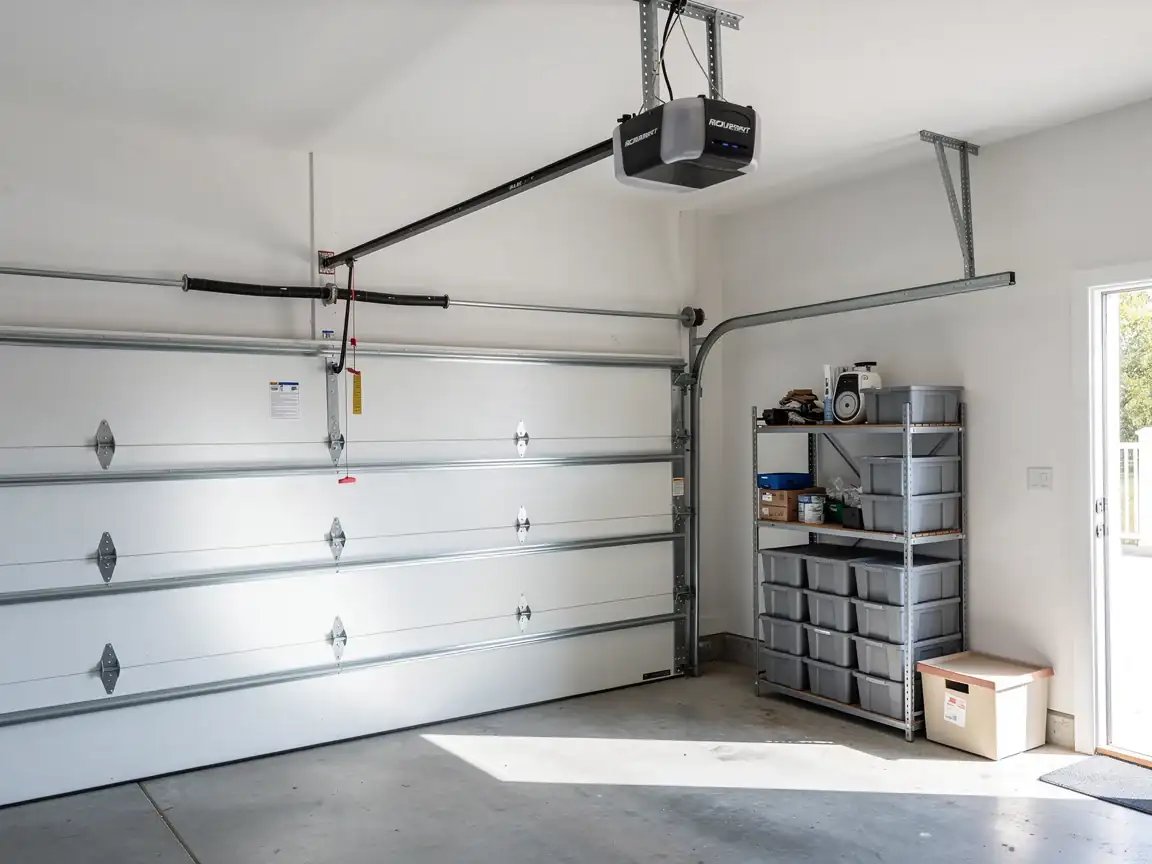
With the bulk of the stock dating to the 1960s and 70s. That range matters because it tells us what hardware is probably on the wall before we even pull into the driveway. A house from that era is more likely to have a torsion spring setup that's aged past its cycle count, an opener that predates modern safety sensors, or a track that's never been squared since the day it was installed.
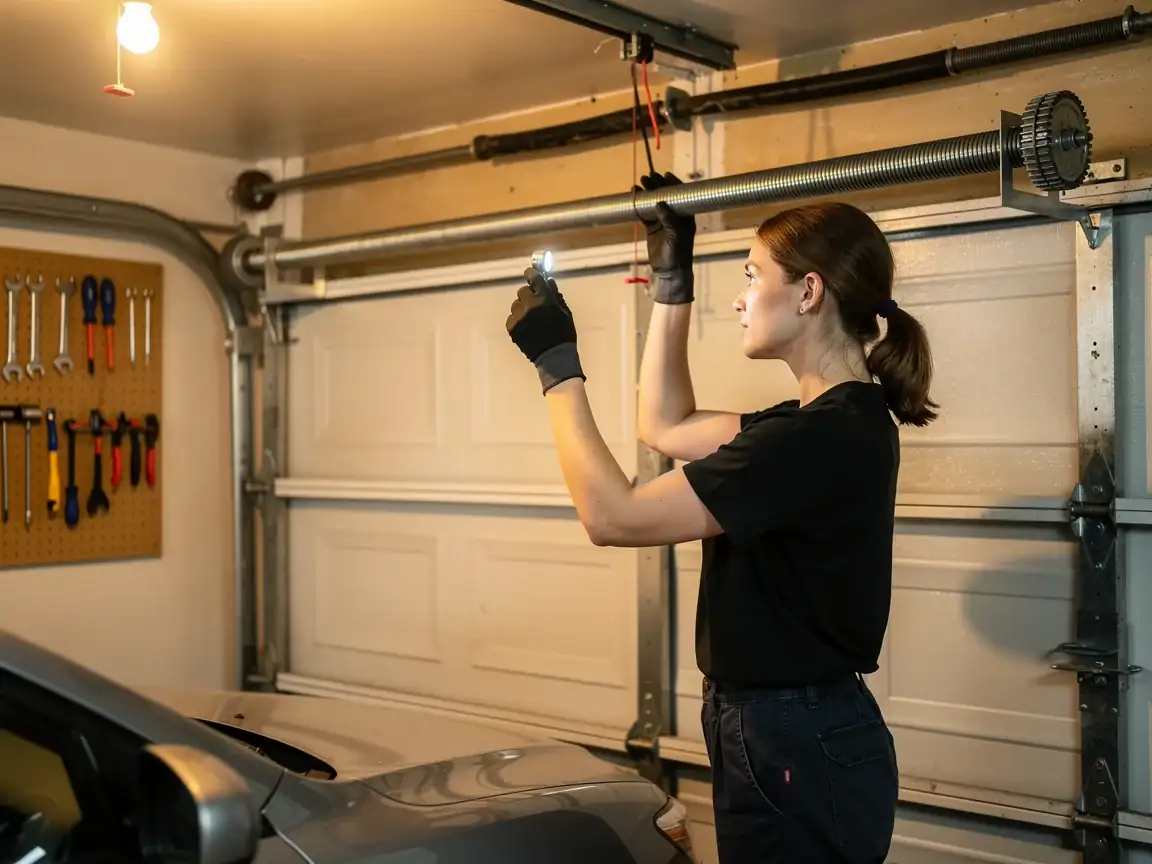
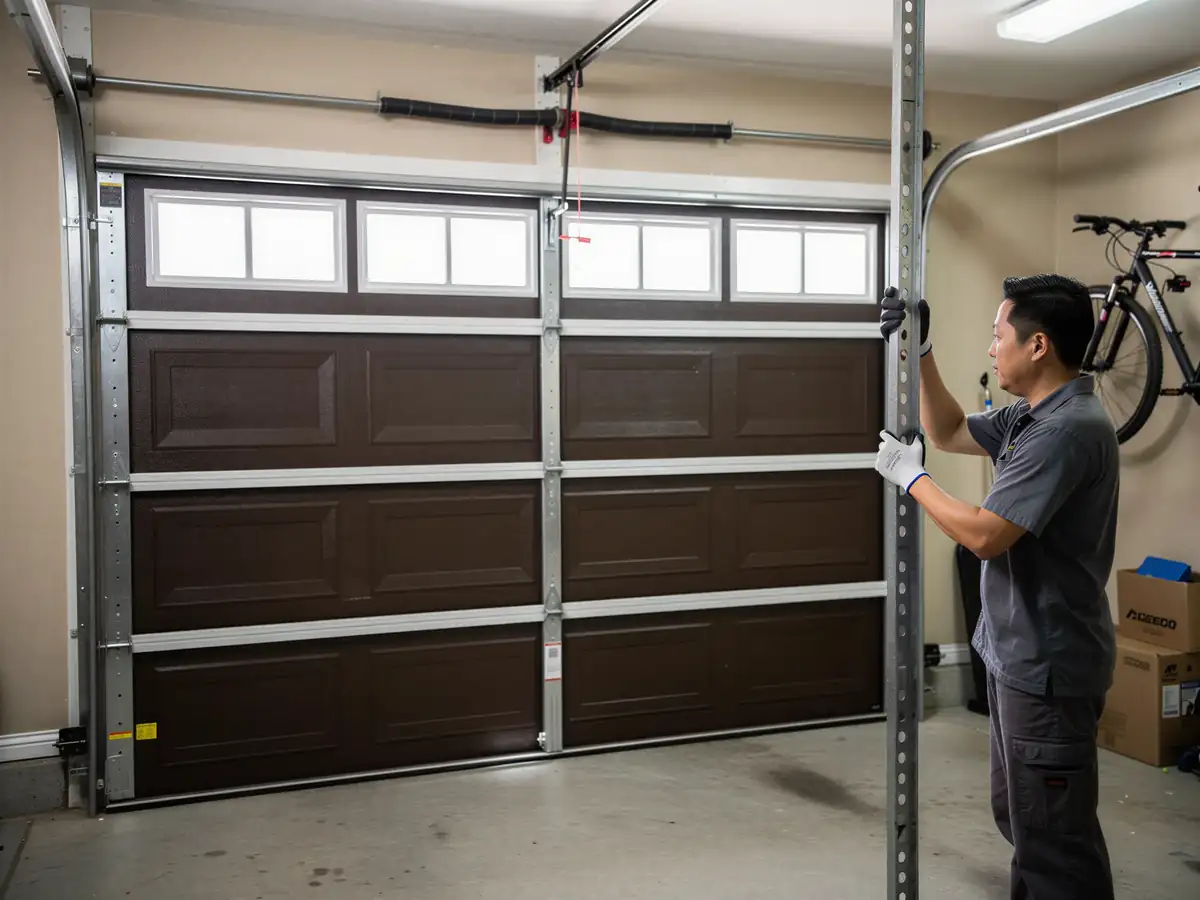
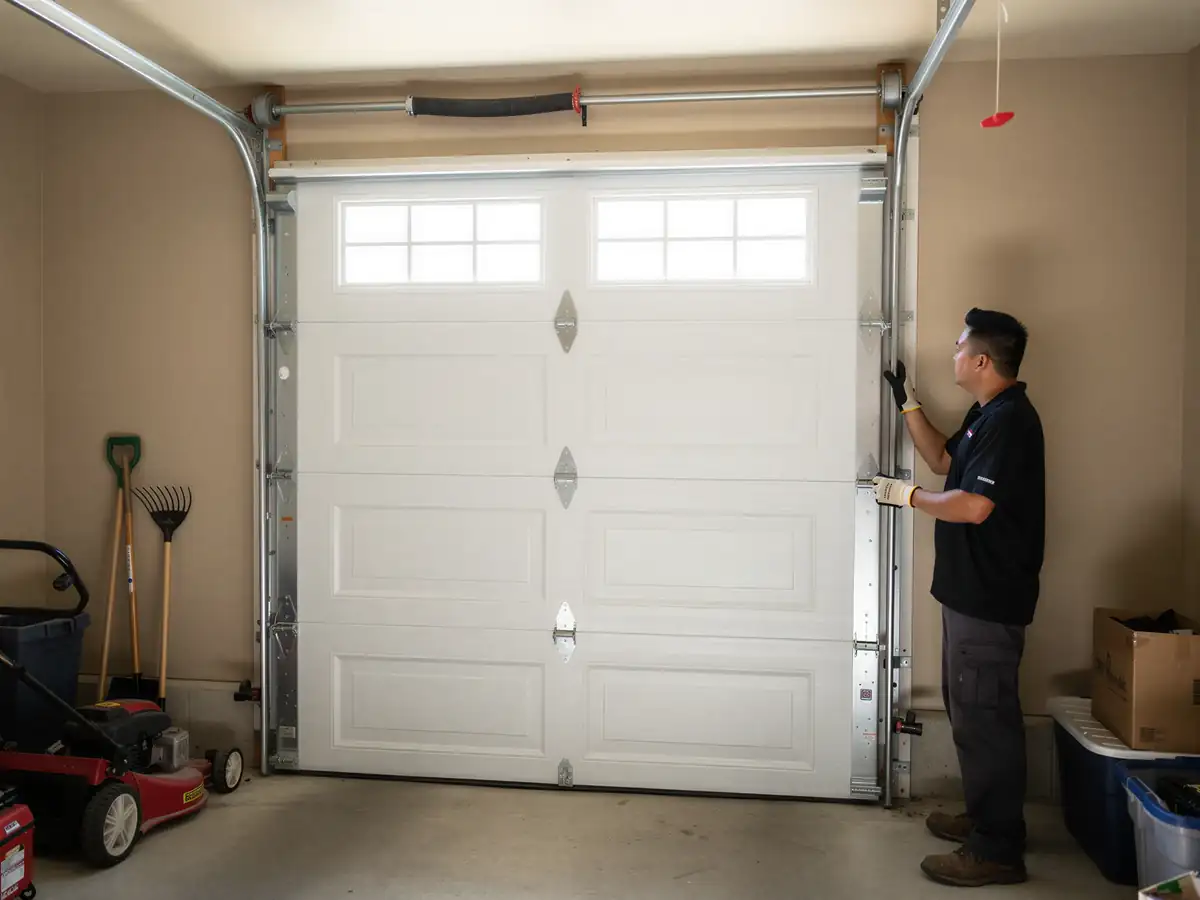
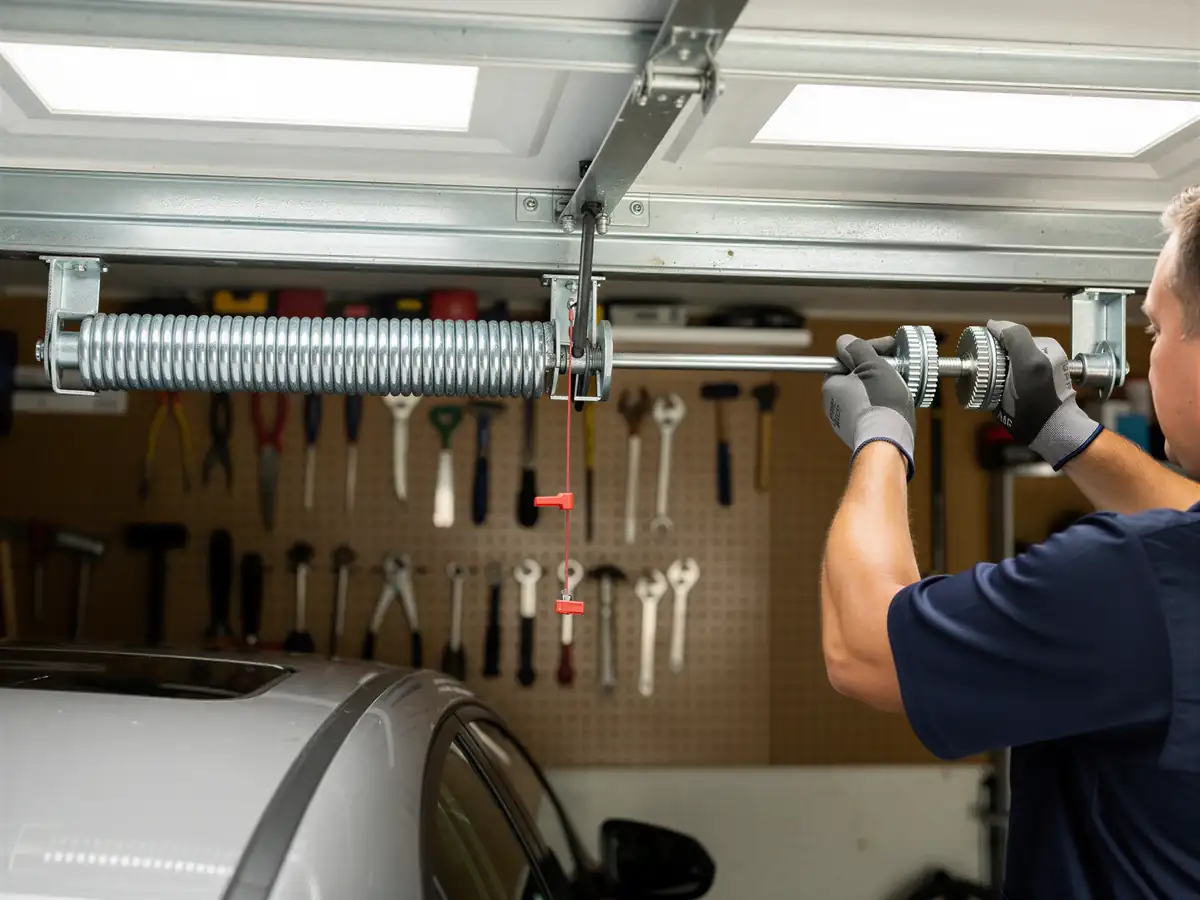
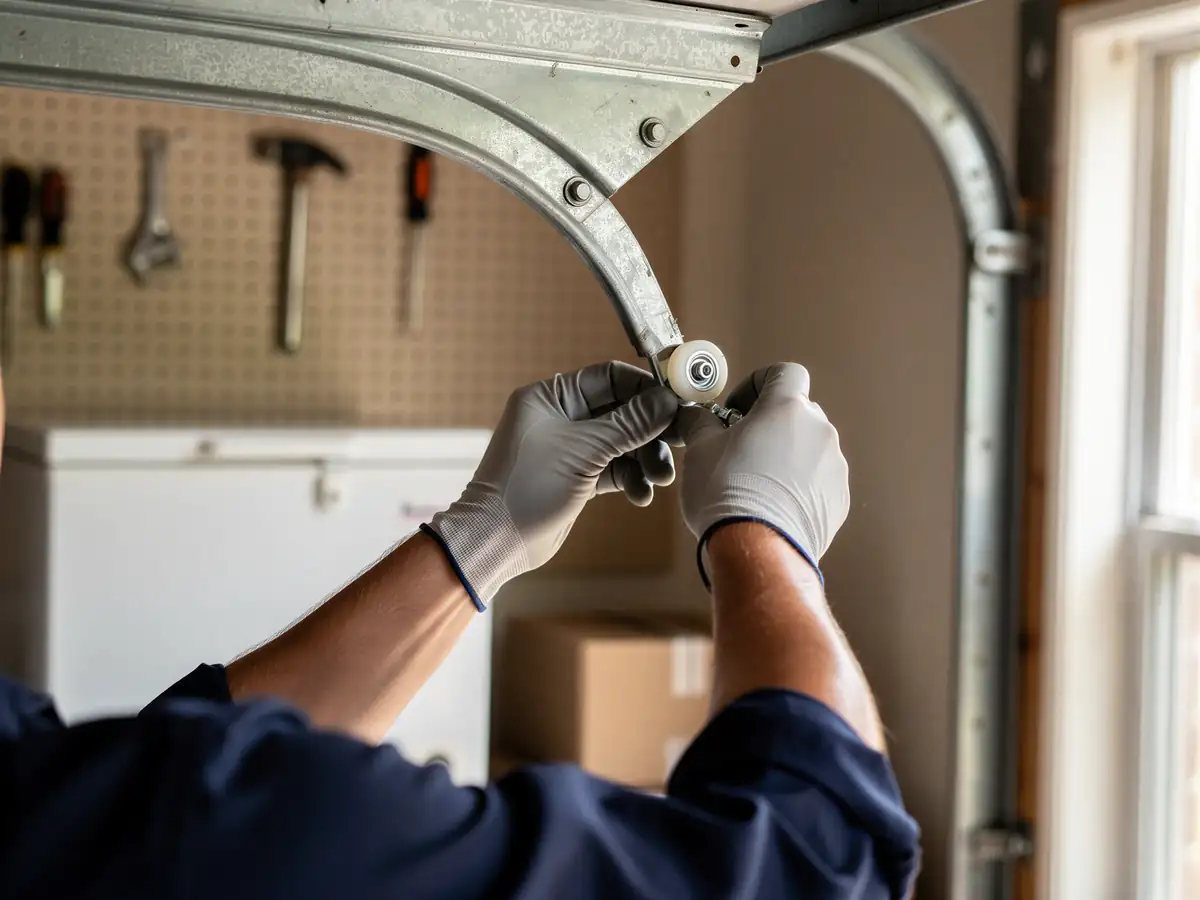
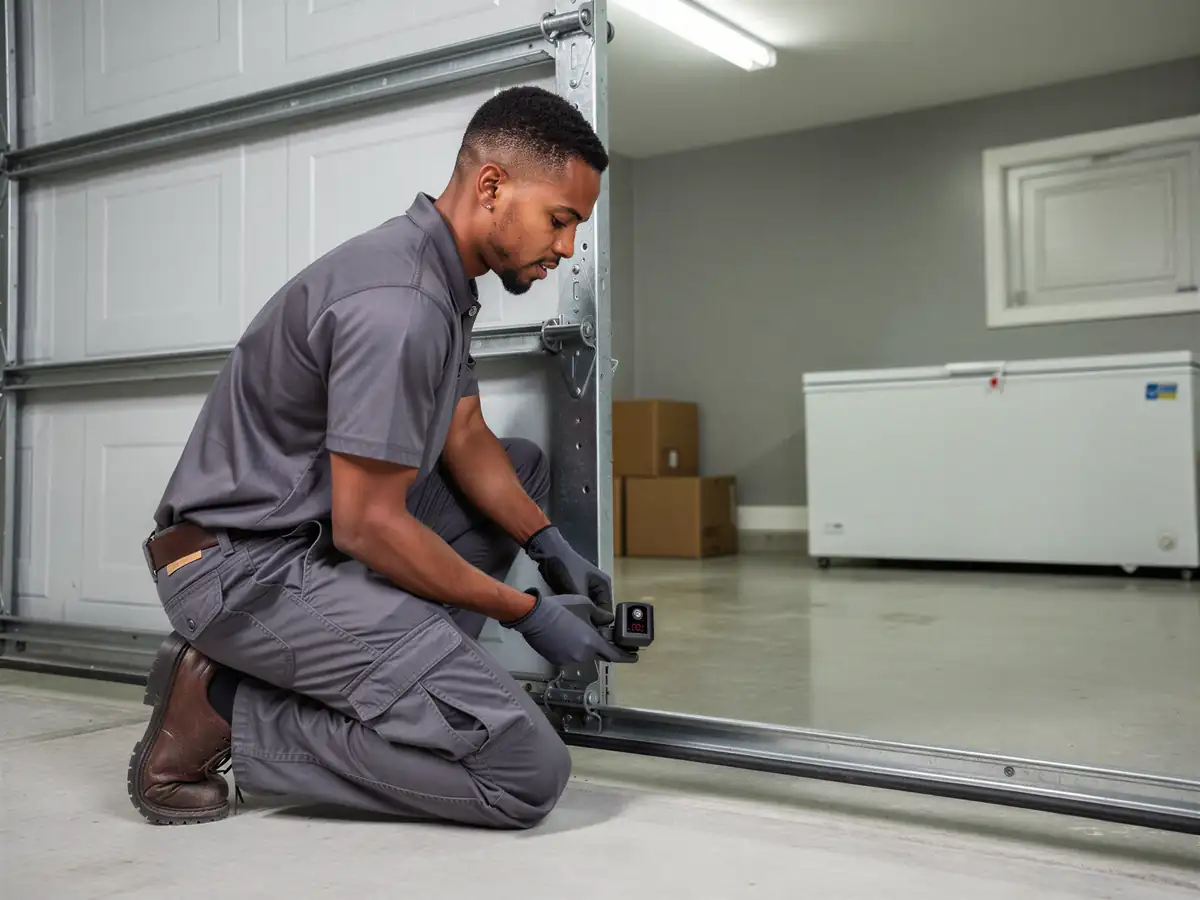
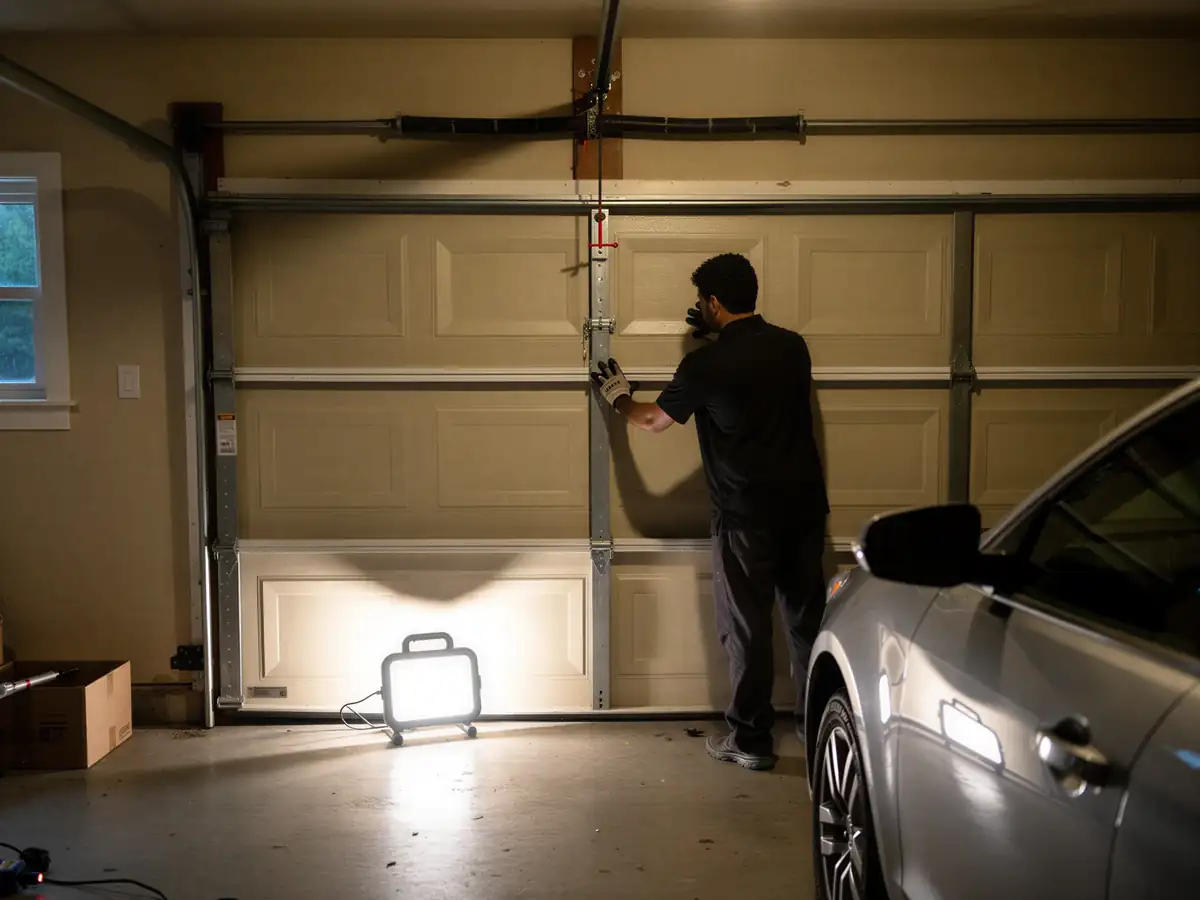
We work on broken springs, cables that have frayed through
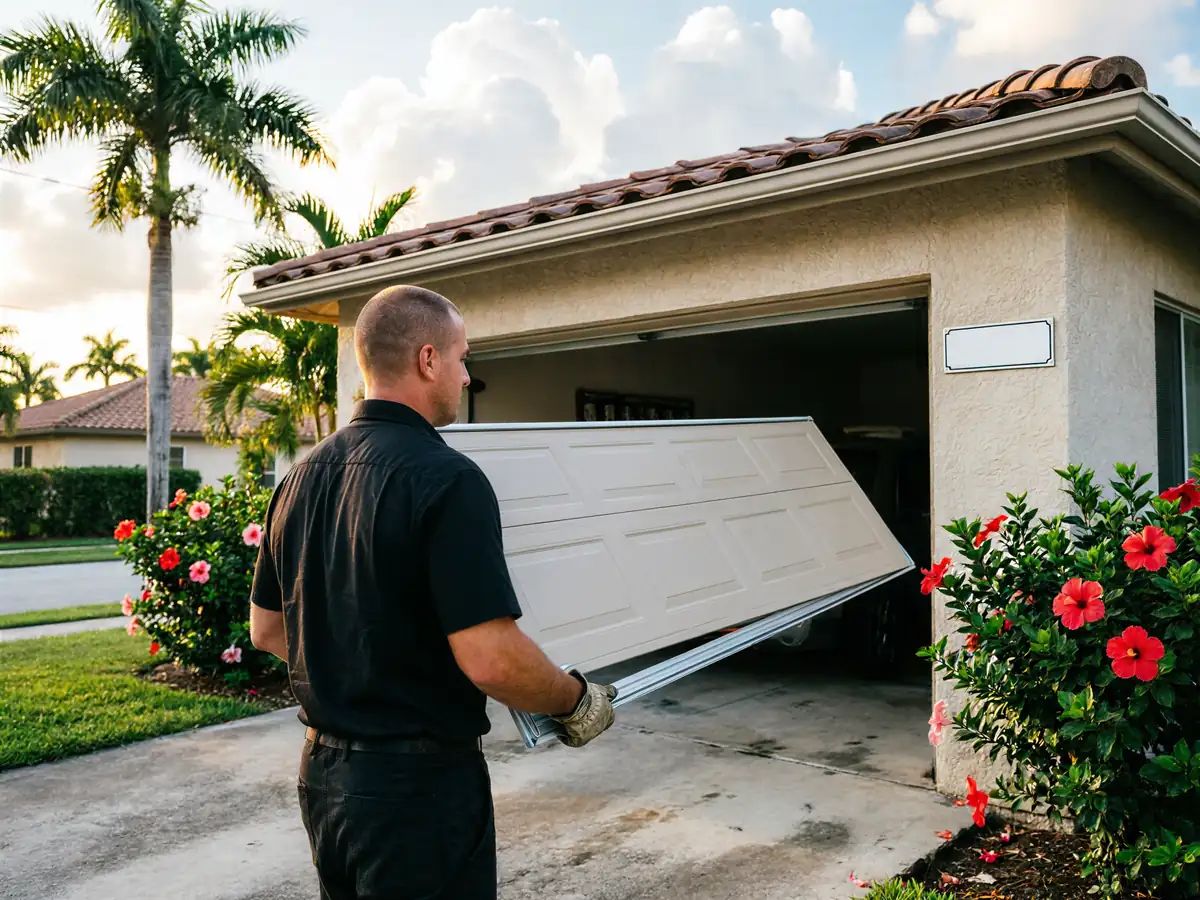
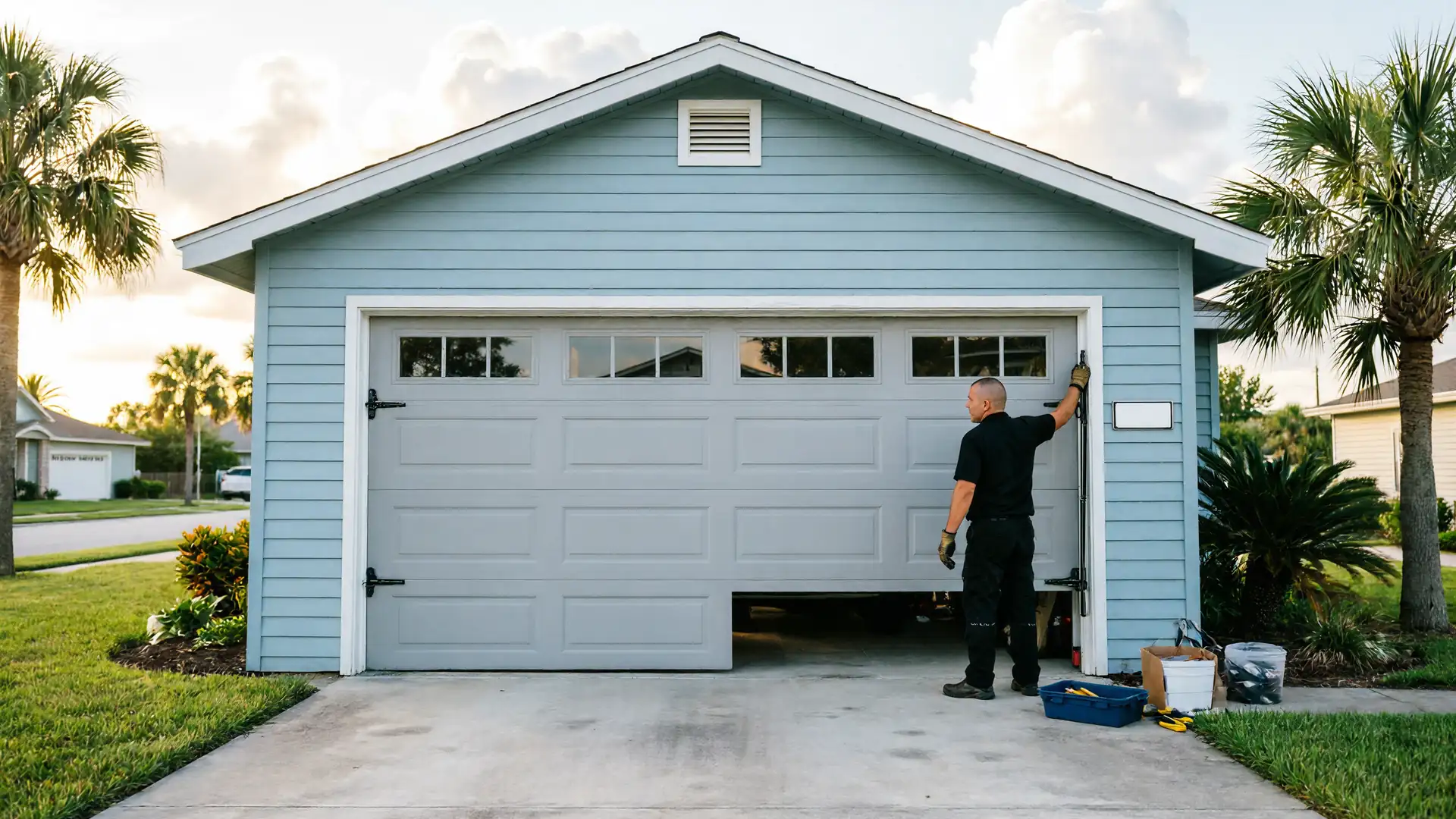
Rollers that have worn down to the metal, openers that grind instead of lift, and panels dented from a car that clipped the frame backing out. We don't do new construction framing or structural carpentry - if the opening itself needs rebuilding, that's a different trade, and we'll tell you so rather than take the job.
This isn't a one-size service
A door in a mile north of downtown, often has different bones than one out in a few miles the other direction, even though they were likely built in overlapping decades. We ask about the house before we talk about the fix.
Who Does the Work
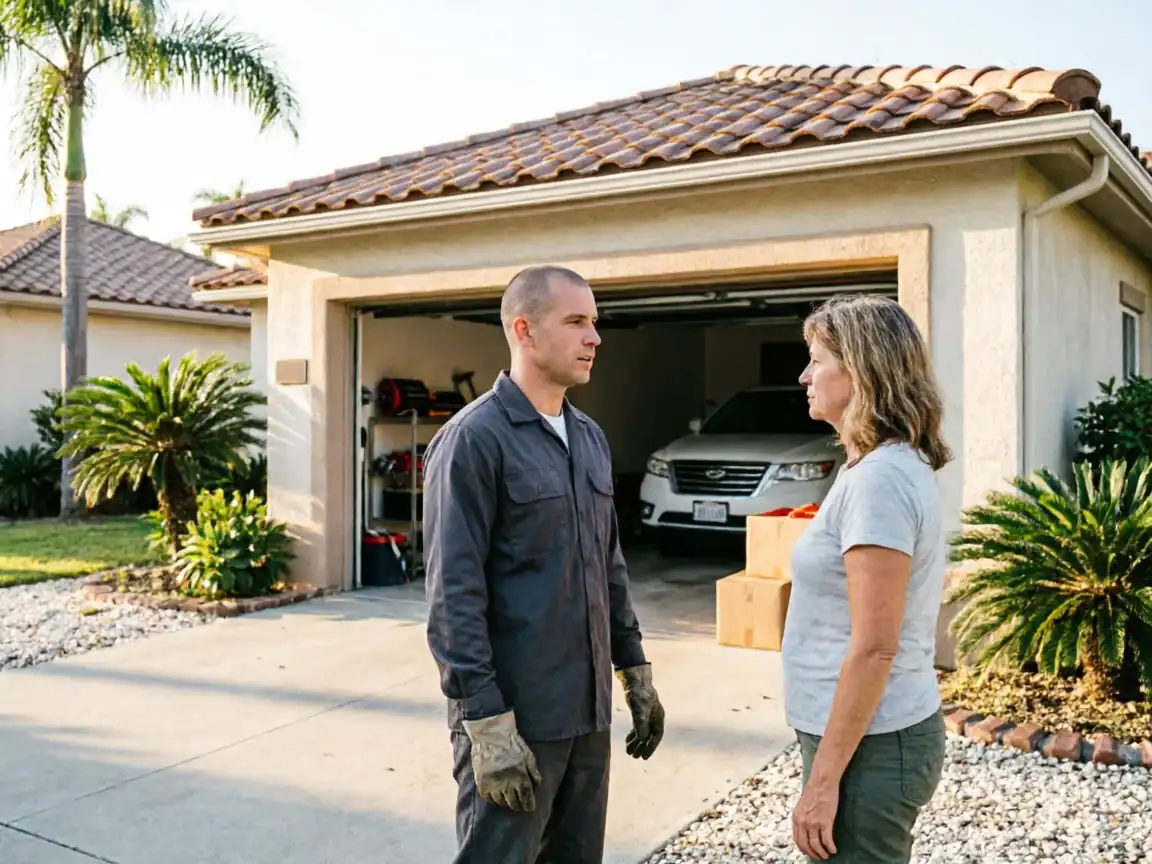
The people who show up to your door are the same people who answer the phone and quote the job. We don't dispatch through a call center that's never seen the inside of a St. Petersburg garage. When you call (727) 663-2025, you're talking to someone who can tell you, roughly, what to expect from a house your age and in your part of the service area - whether that's near South Pasadena, out toward Pinellas Park, or closer in.
We work out of 147 2nd Ave S, Saint Petersburg, FL 33701, and the area we cover runs from the beach communities like St. Pete Beach and Treasure Island out to inland neighborhoods like Seminole and Feather Sound. That's a wide spread of housing ages and door styles, and we'd rather tell you plainly what we can and can't diagnose over the phone than guess.
We're not going to claim a certification number or a founding year here, because padding an about page with that kind of detail doesn't fix a spring or quiet a noisy opener. What we can tell you is what we work on and where, and let the job speak for the rest.
What Happens After You Call
You call, you describe what the door is doing - won't open, opens then drops, opener runs but nothing moves - and we ask enough questions to have a rough idea of the problem before a truck leaves the shop. Pinellas County sits in a mild temperate band, so we're not dealing with the freeze-thaw cycles that crack slab foundations and throw doors out of square the way colder regions do. That means a lot of what we see is wear and fatigue rather than weather damage: springs that have simply cycled out, openers that have run their course, hardware that's original to a house built decades ago.
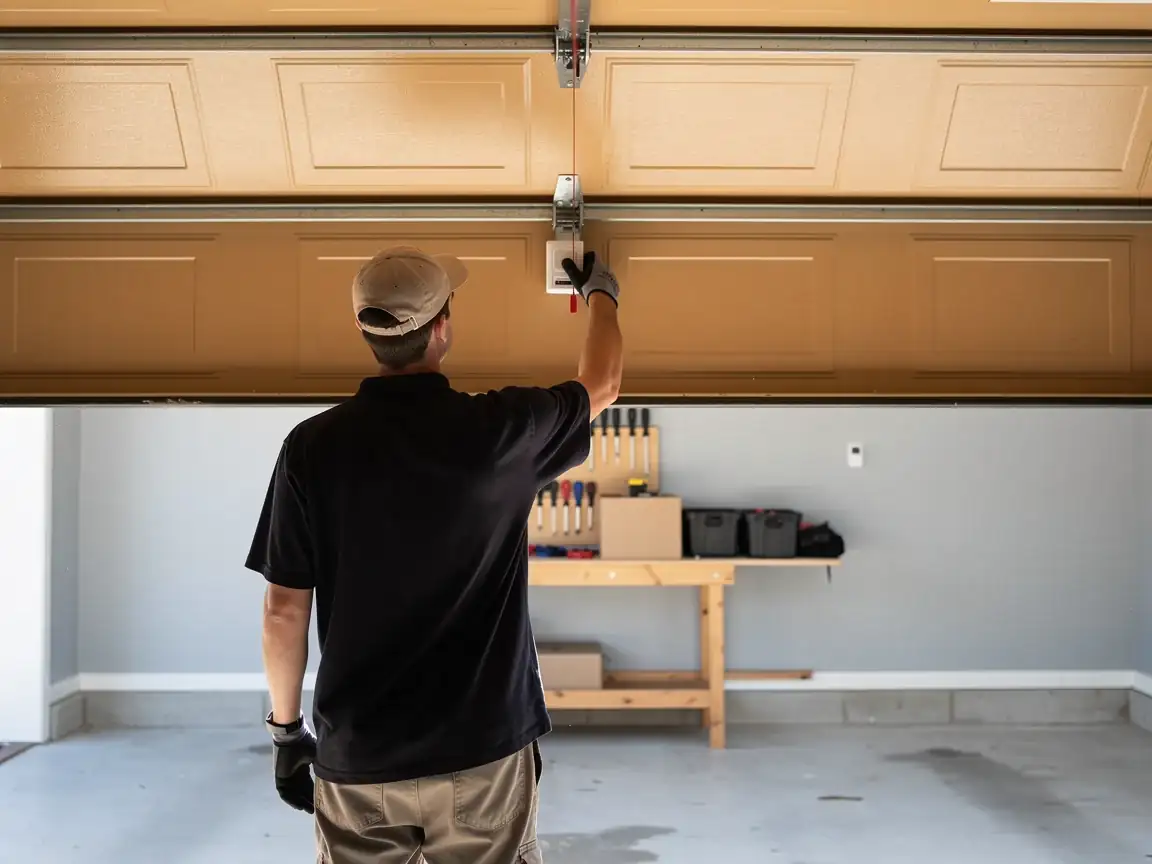
Once we're at the house, we look at the actual parts - not just the symptom you called in with - because a door that won't close can be a sensor, a cable, or a track, and those are three different fixes at three different costs. If the repair doesn't make sense against the age and condition of the door, we'll say so plainly rather than patch something that's going to fail again in a year.
We don't carry every part for every era of door on the truck at all times; some older or less common hardware takes a day or two to source. We'd rather tell you that up front than promise same-day on something we can't back up.