What to Check
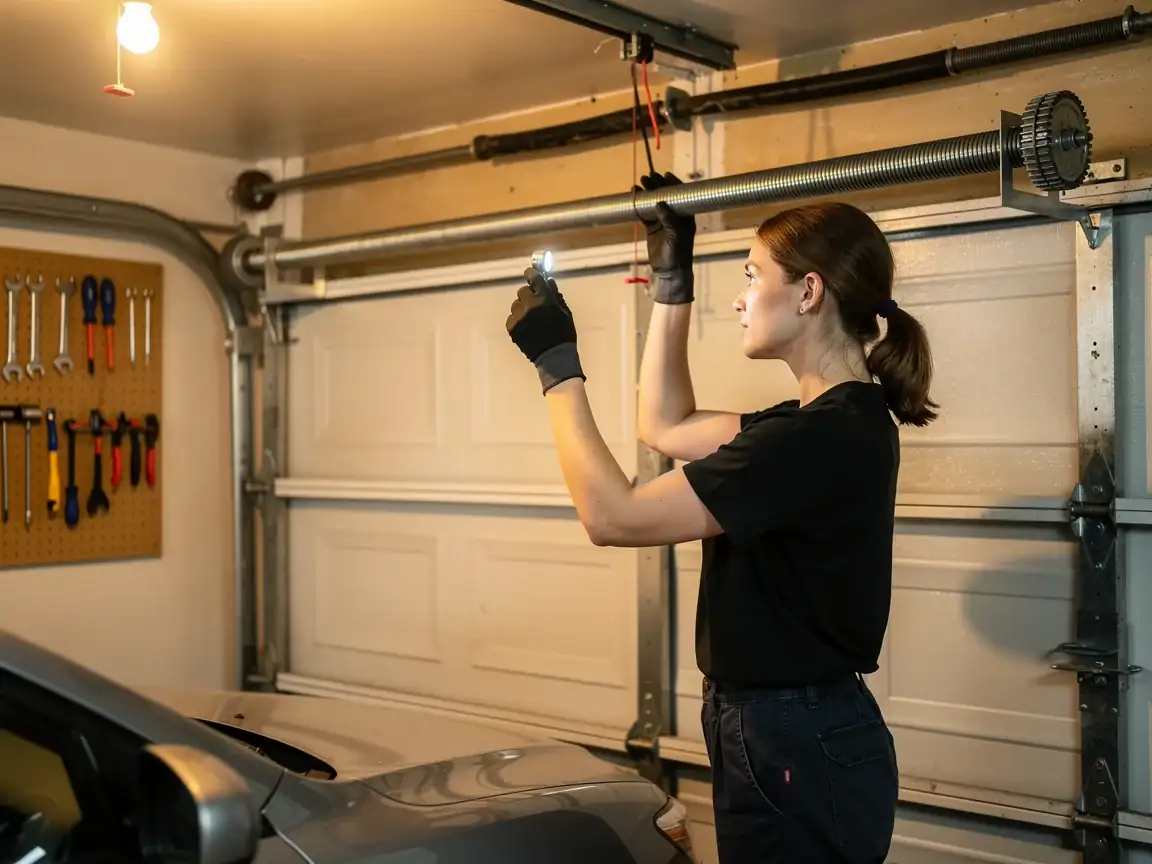
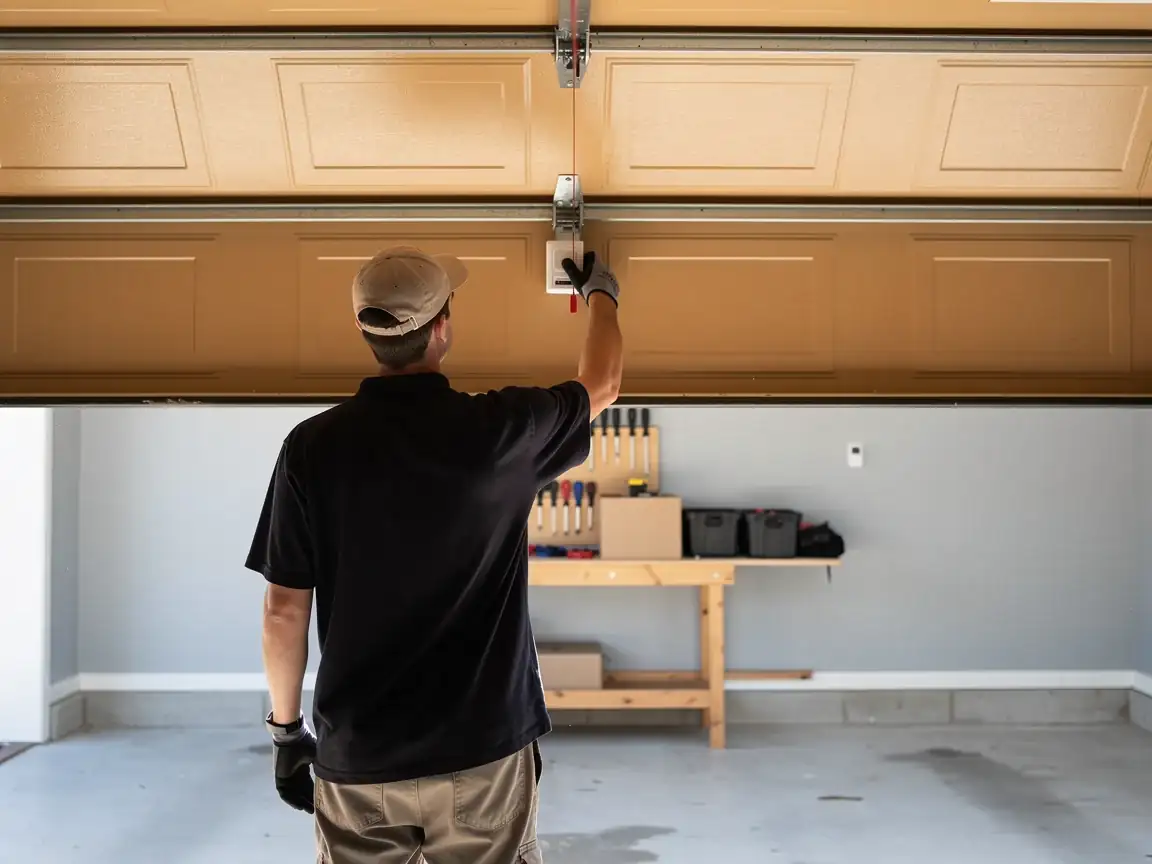
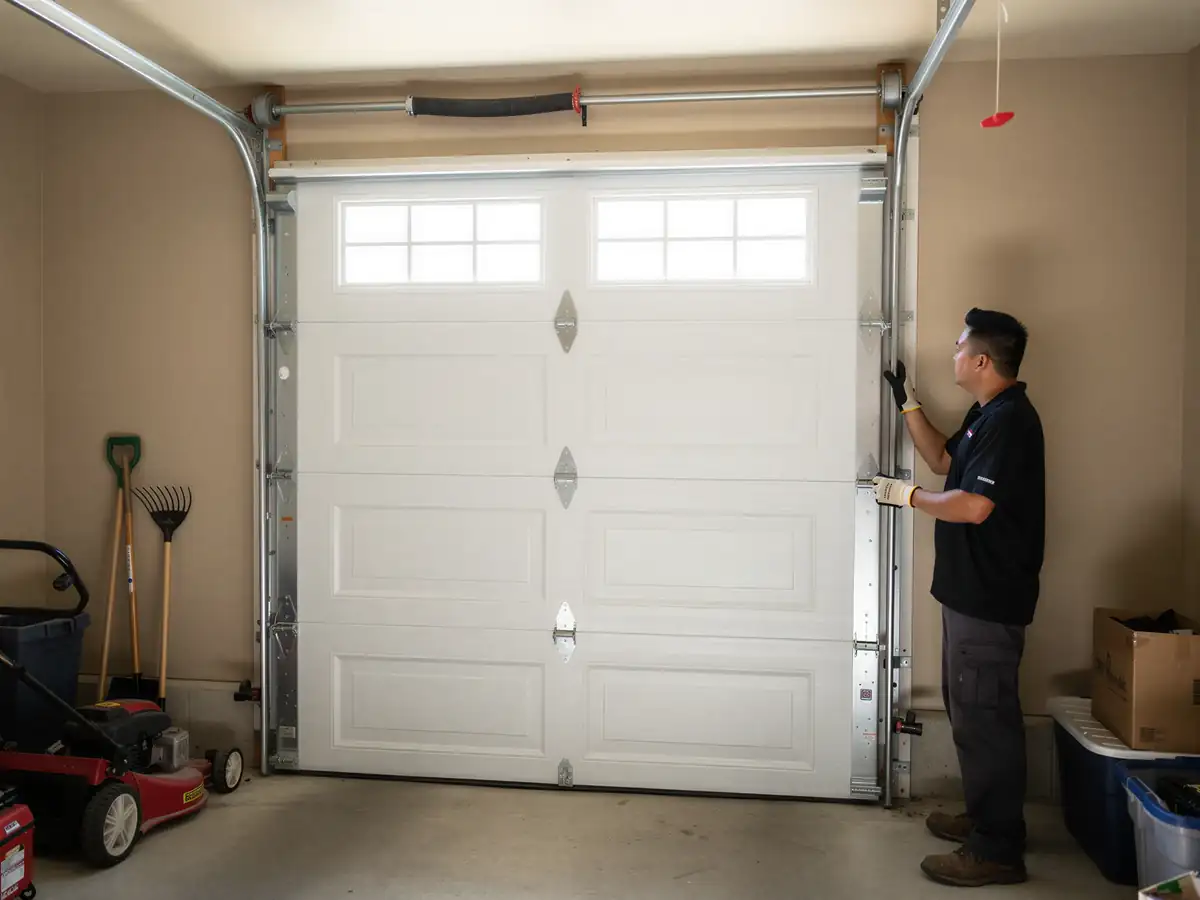
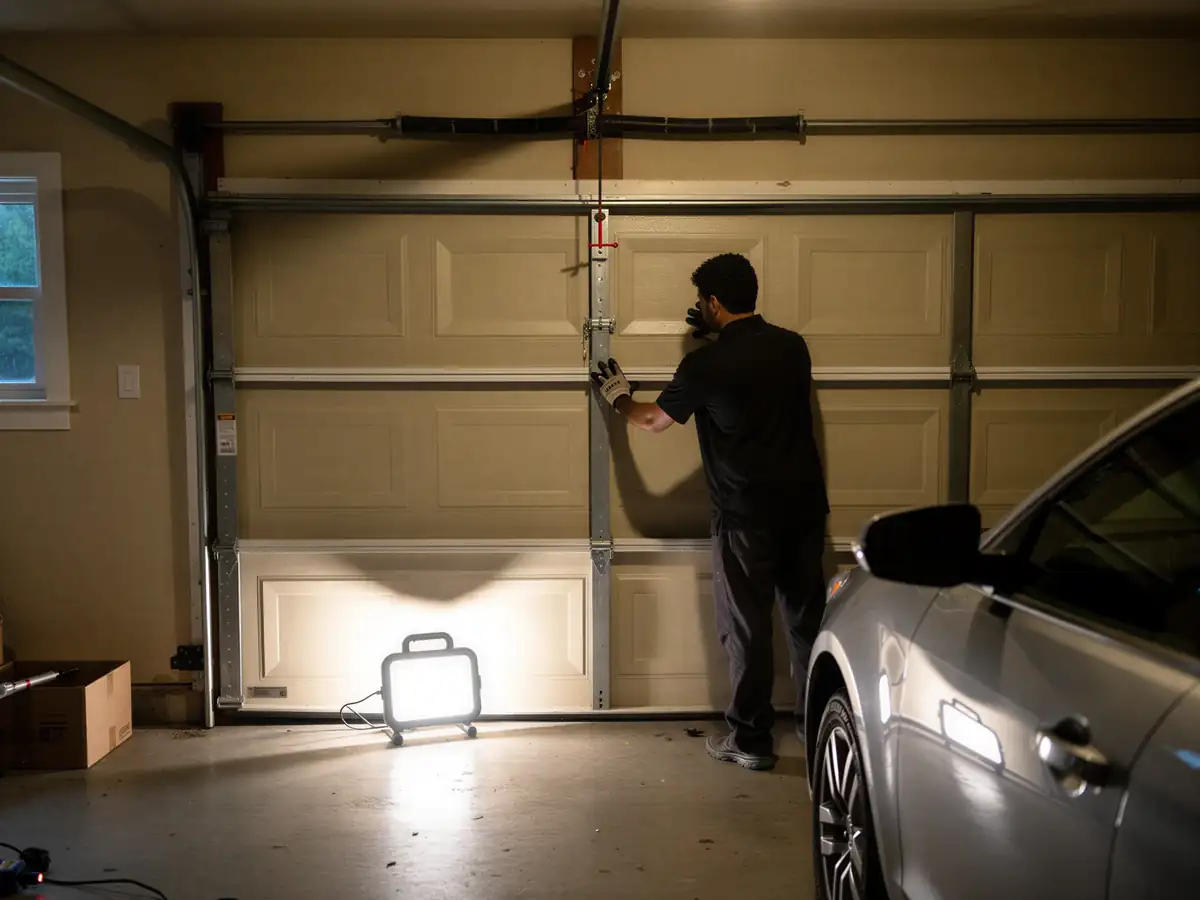
Before you call anyone, walk out to the garage and actually look at the door while someone works the opener from inside
A lot of the sound you're hearing has a visible source if you know where to look.
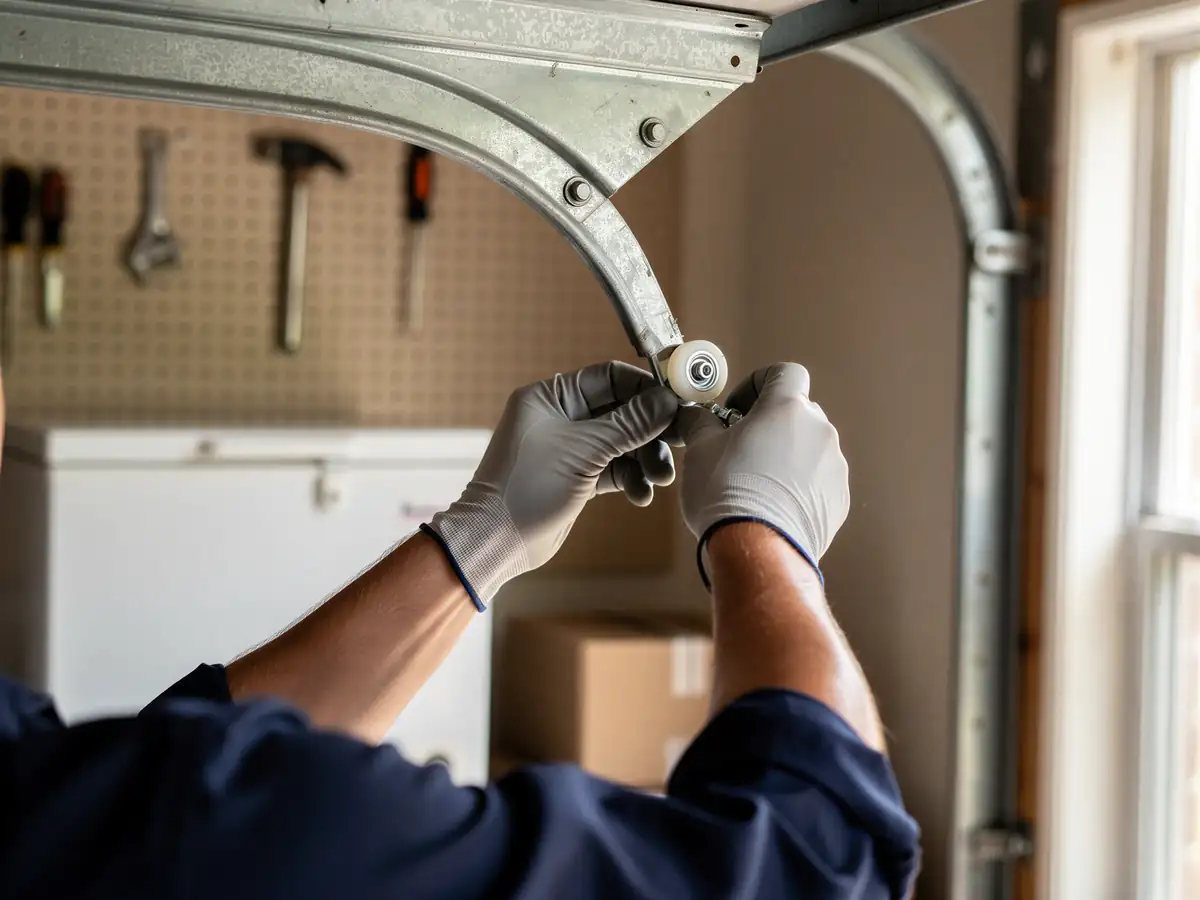
Check the rollers first
Are they metal, and are they worn into an oval shape instead of round? That's common on houses built in this area between 1958 and 2011, with most of St. Petersburg's stock going up in the 1960s and '70s. Original steel rollers on a door that age have usually seen 40-plus years of travel without replacement.
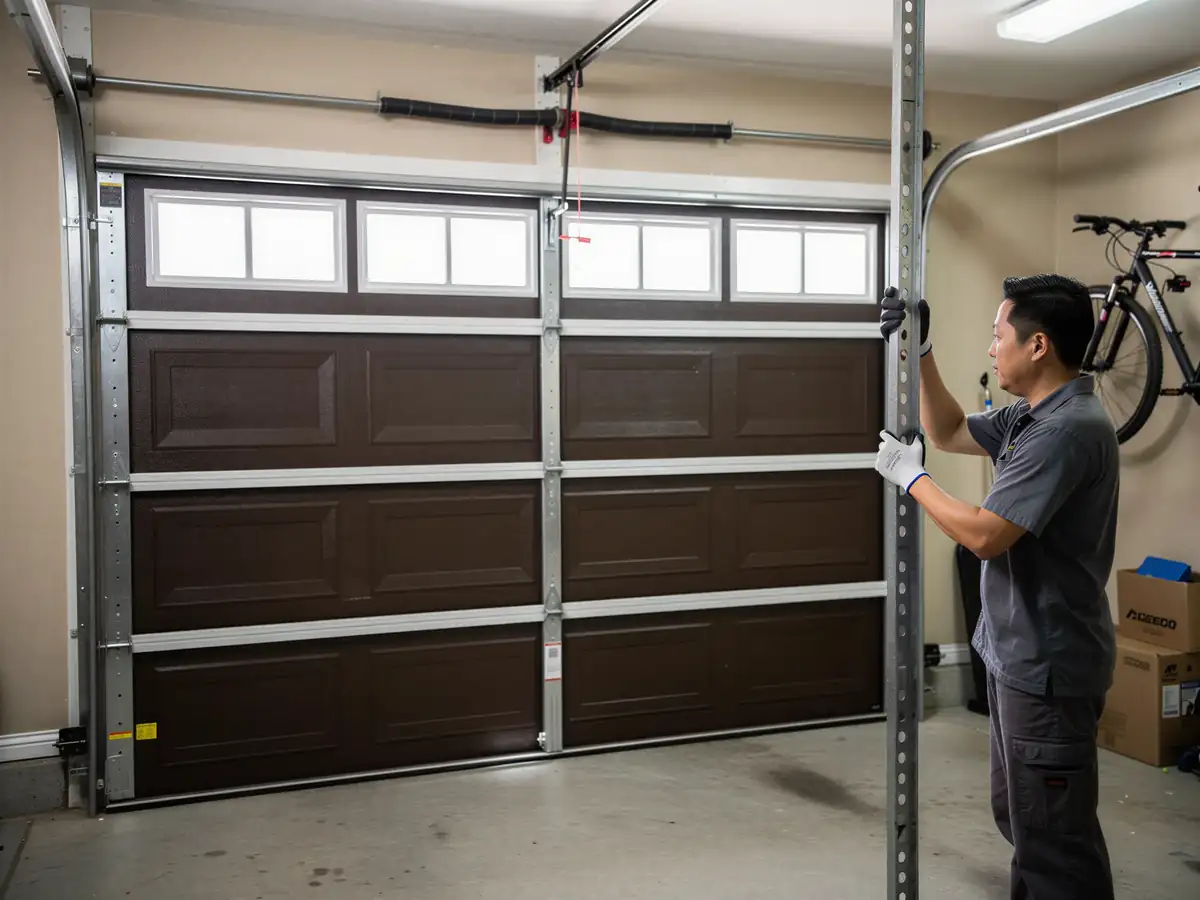
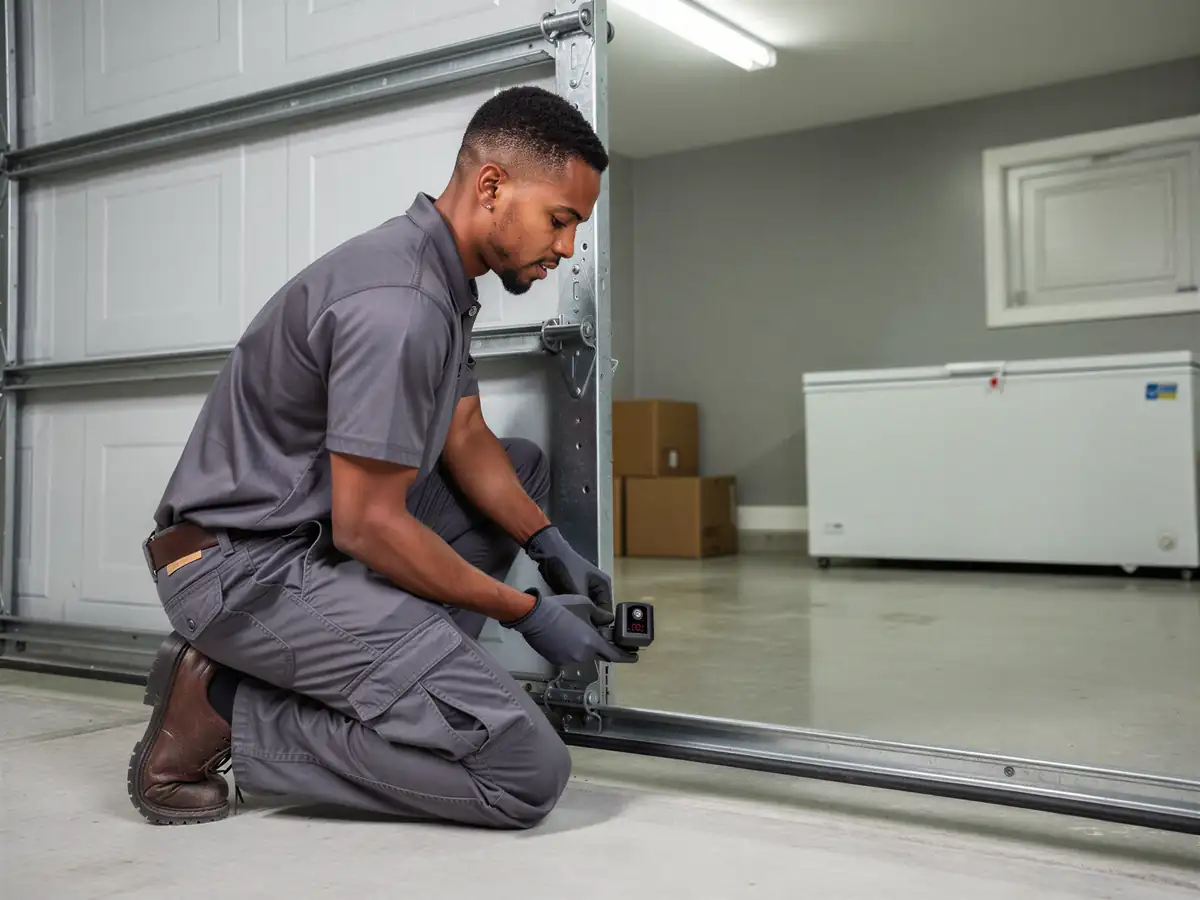
Next, look at the track brackets where they bolt to the frame
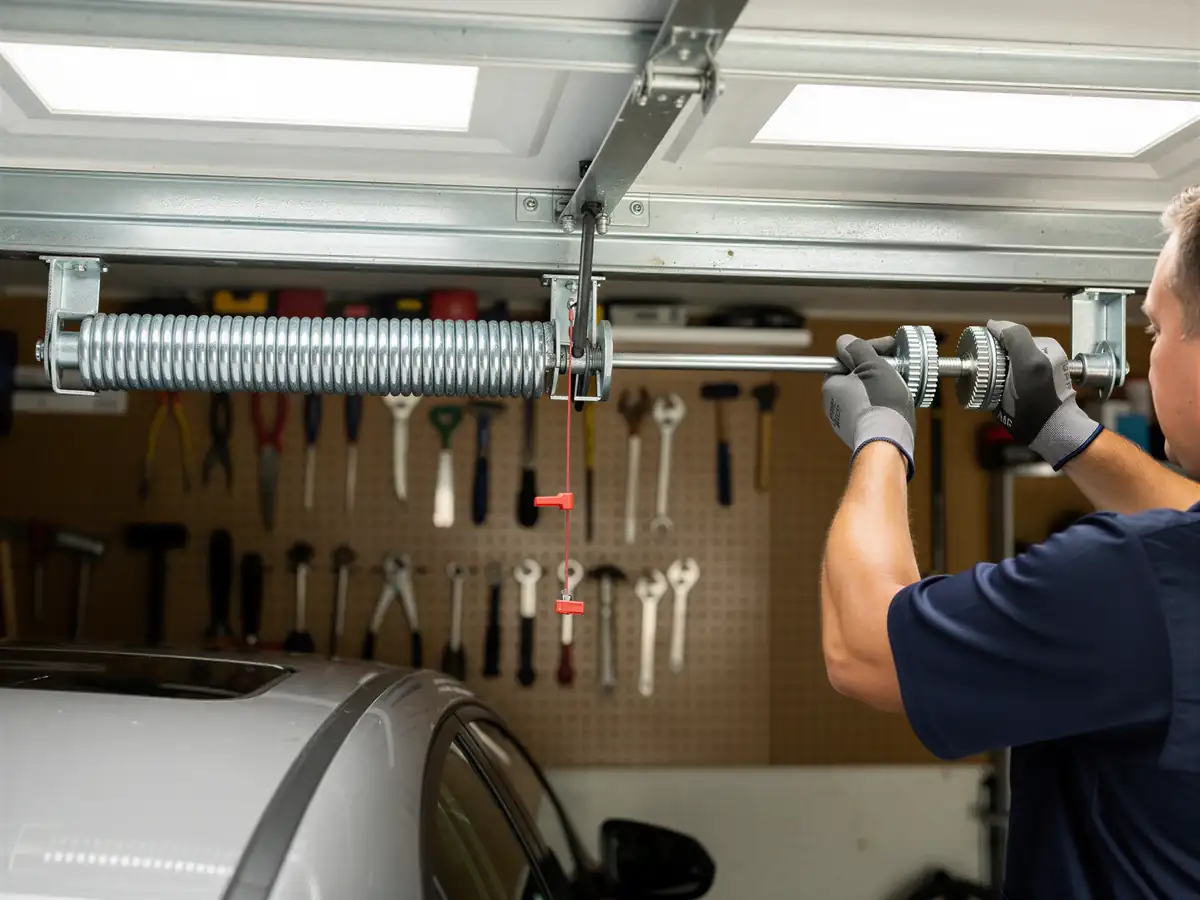
Loose lag bolts show up as a rattle right at the moment the door starts or stops, not during the smooth part of travel. Run a hand along the torsion spring (door closed, power to the opener off) and feel for rust flaking - not a repair you do yourself, just something to note.
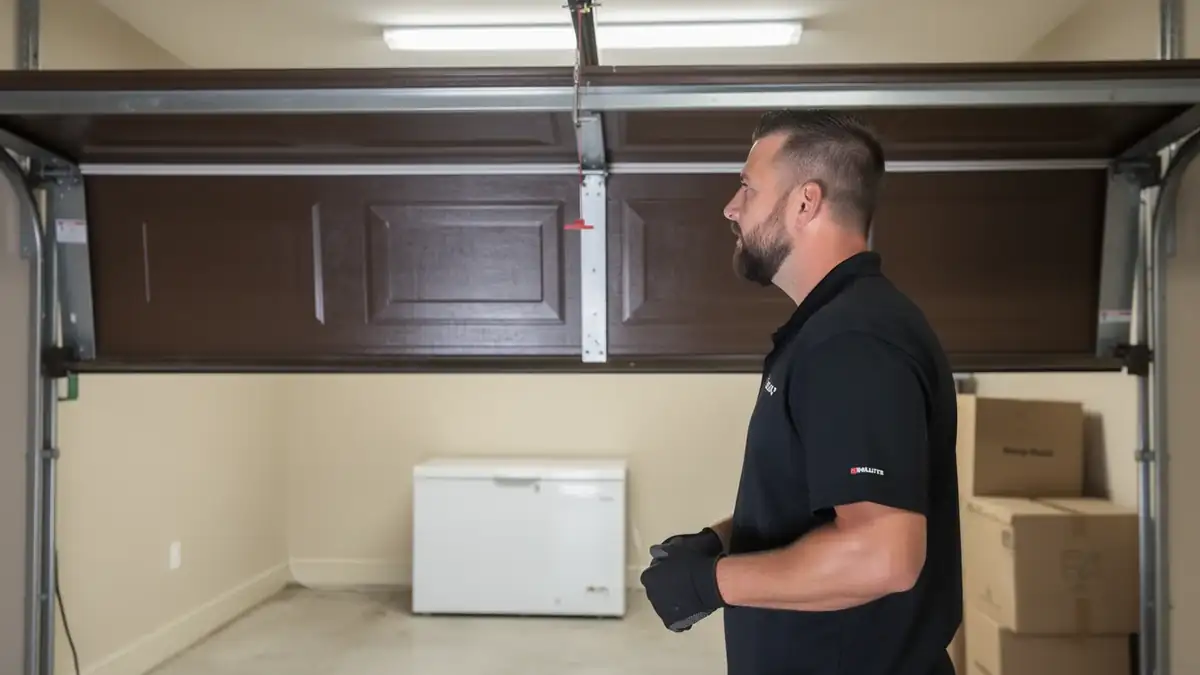
Finally, listen for where in the cycle the noise happens
At the very top, the very bottom, or all the way through. That location matters more than the volume for figuring out what's actually wrong.
How Local Conditions Play In
St. Pete sits in a mild temperate band - we don't get the hard freeze-thaw cycling that snaps hardware up north, and that's worked in homeowners' favor for decades. But mild and humid isn't the same as dry. Garages here run damp more often than not, and that steady moisture is what actually drives the noise complaints we see, not cold.
Steel rollers, hinges, and the spring itself pick up a fine film of surface rust even in garages that look clean. That rust doesn't scream; it squeaks - a dry, high-pitched sound on every single rotation of the roller. It's different from the clunk of a loose part, and it's the single most common noise call across the neighborhoods we cover, from down through.
Because the climate here doesn't force a hard reset on hardware the way freeze-thaw regions do, a lot of original 1970s-era track and rollers are still technically in service, just quietly wearing down. The noise is often the first sign something that's been degrading slowly for years is close to the end of its run, not a sudden new problem.
What Is Going On
A few sounds account for most of the calls we get in this part of Pinellas.
A rhythmic squeak, once per roller rotation - almost always dry or rusted rollers, especially on doors original to houses from the 1960s-70s wave. Lubrication helps short-term; on original steel rollers past a certain age, it's a stopgap.
A loud bang followed by the door refusing to move - a broken torsion spring. This is a parts-and-labor job, not a tightening job, and it's not safe to force the door up by hand afterward.
A grinding sound concentrated at the top of travel - often a bent track or a bracket pulled loose from the header, common once a door's been cycling for 30-40 years without the track ever being re-aligned.
A rattle through the whole cycle - usually hardware: loose hinges, a worn end bearing plate, or a stripped lag bolt. Cheapest of the four to fix and easiest to ignore until something else gives out from the extra stress.
We don't try to diagnose spring versus track versus roller over the phone with certainty - the sound tells us where to start looking, not the full story.
When to Get Help
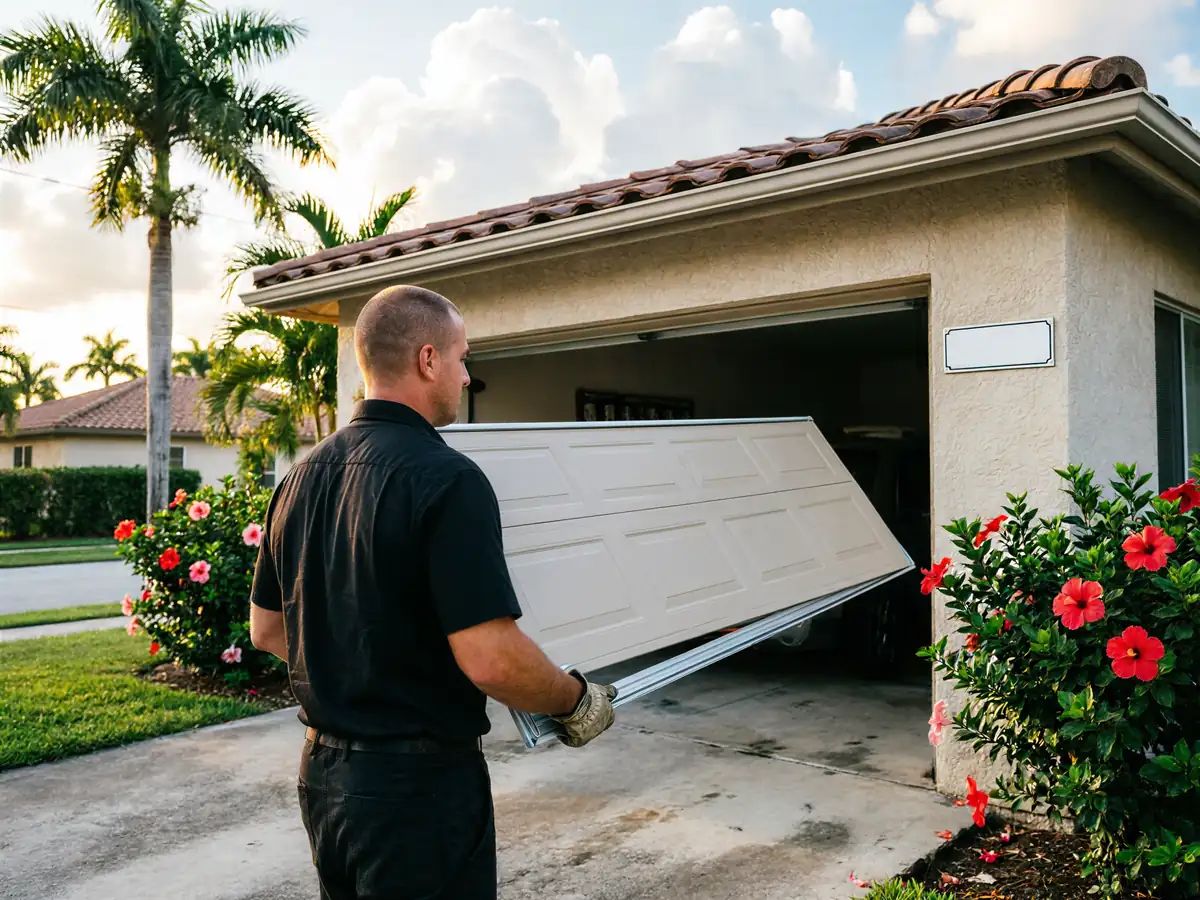
If the door won't move and you heard a bang beforehand, stop
Don't cut the cable, don't force the door by hand, and don't let anyone stand under it. That's a spring job, and a torsion spring under tension is the one part of this system that can actually hurt someone.
If it's a steady squeak and the door still opens and closes smoothly, that's the lowest-urgency call on this list
It's worth booking before it becomes something louder, but it's not an emergency.
Grinding at the top of the track
Or a door that seems to catch and jerk partway through its run, means something's out of alignment and is wearing against metal it shouldn't touch. Left alone, that usually turns into a bent track or a cracked panel, which costs more to fix than the alignment issue would have.
One honest limit: if your door and opener are both original to a house built in the 1960s or early '70s
There's a point where patching one more part doesn't make sense against the cost of replacing the whole unit. We'll tell you straight when we think you've hit that point instead of running up a repair bill on hardware that's done its job and is done.