Why It Happens Here
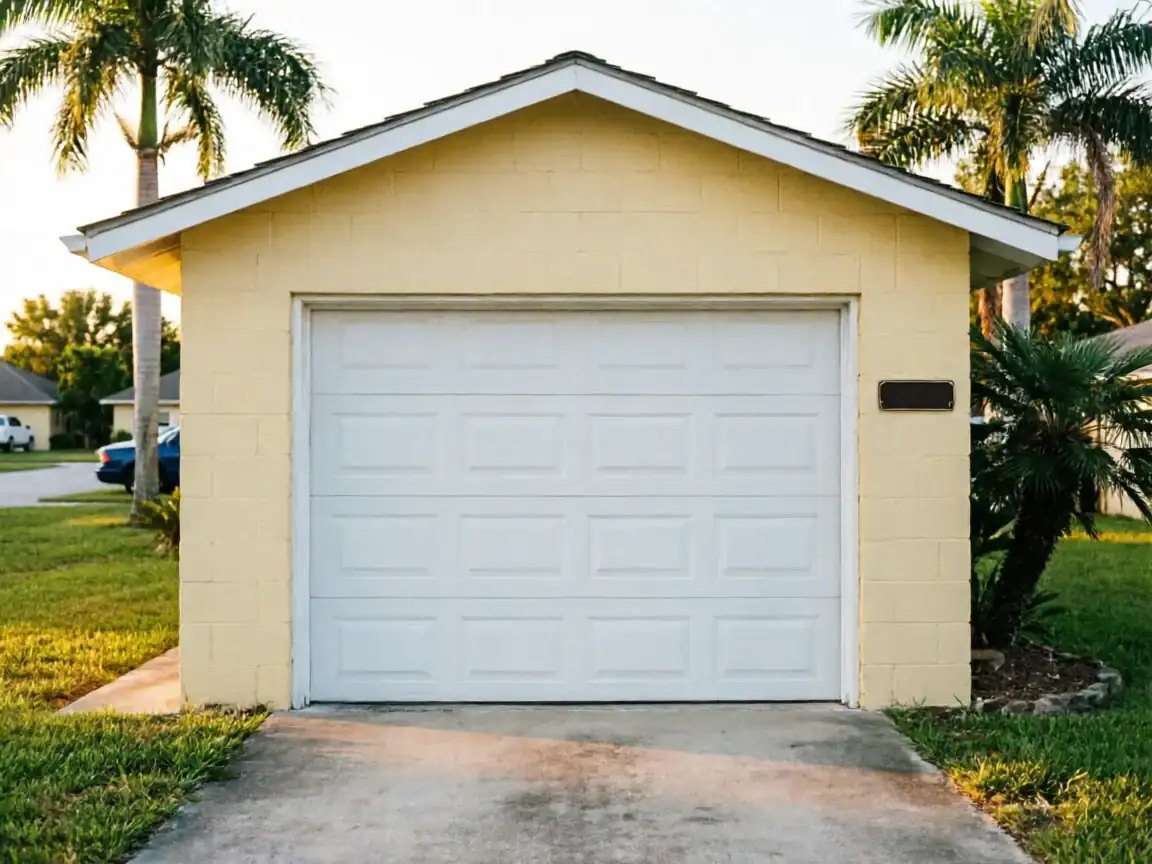
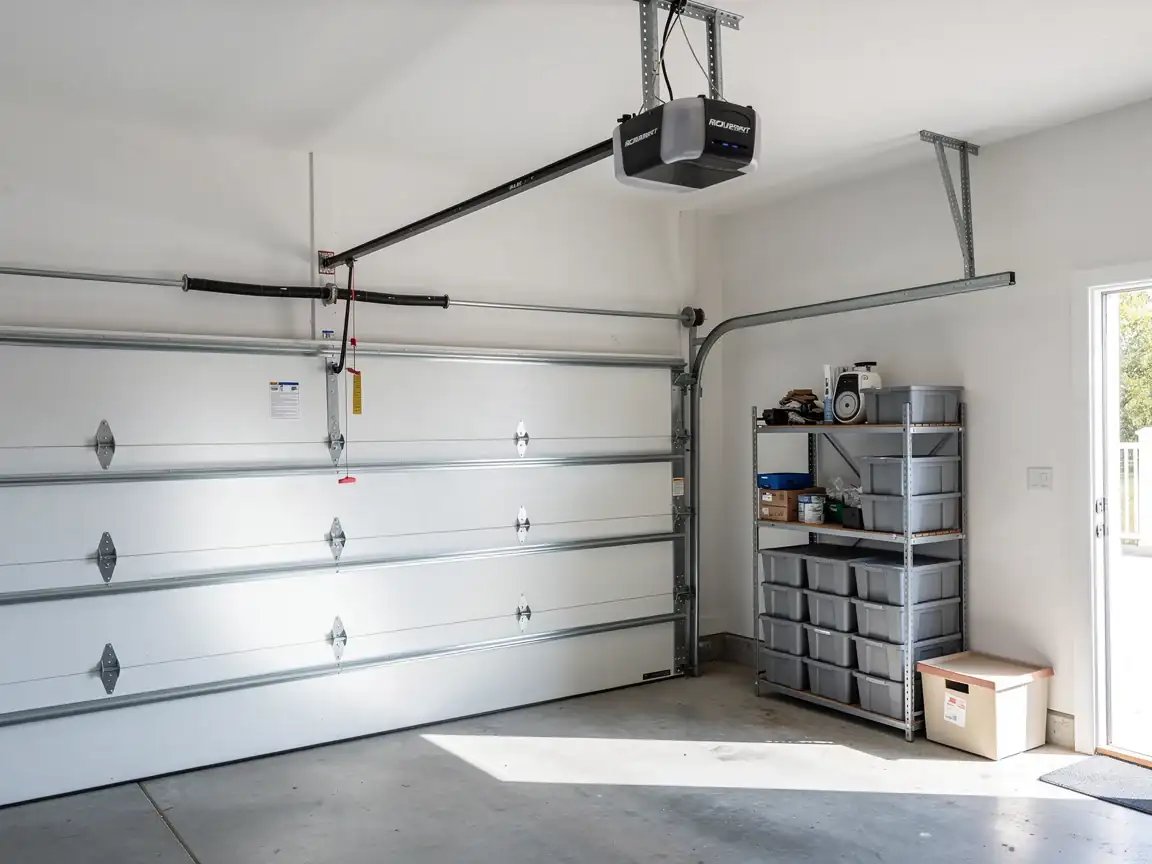
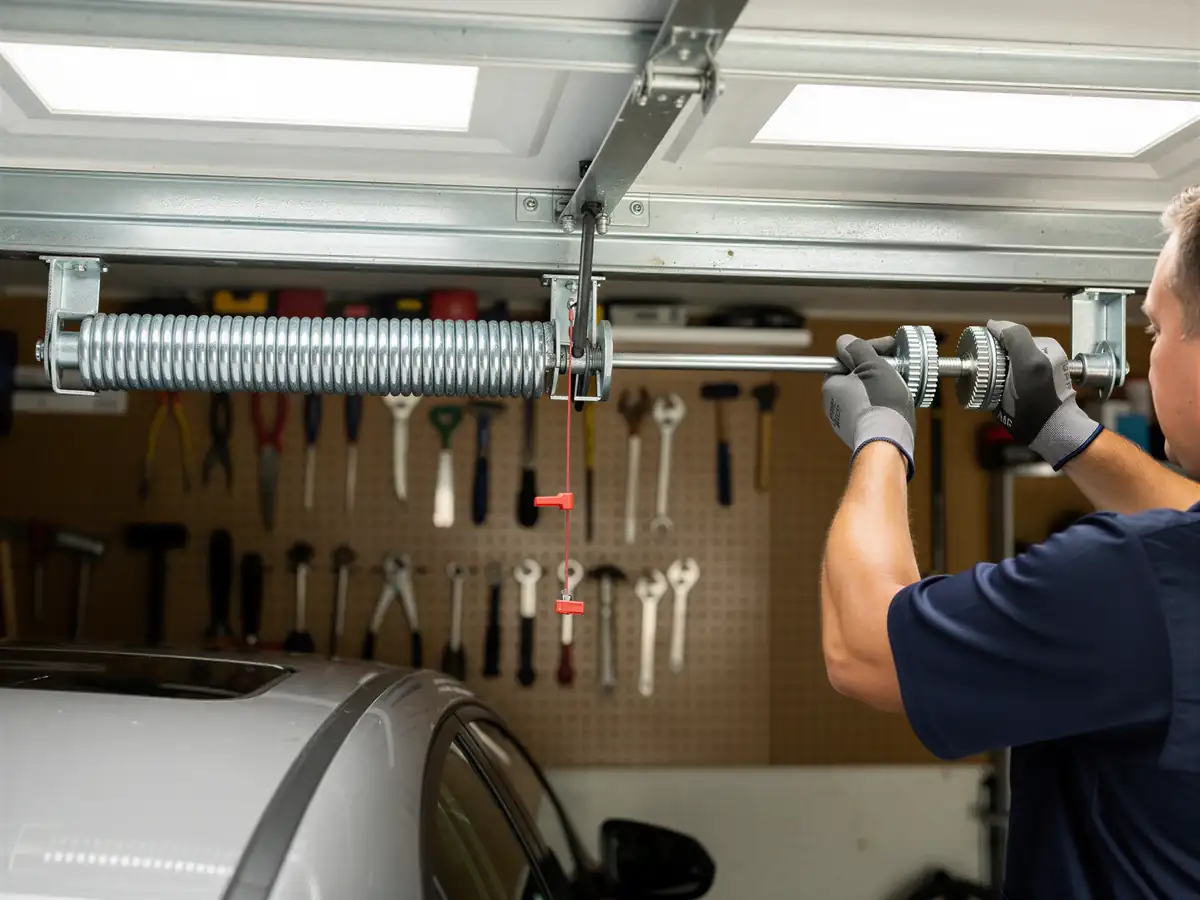
Tierra Verde's housing stock clusters later than most of what we see inland - 1989 median build year against the service area's 1979 - so the common failure isn't the ancient one-piece door with side-mounted torsion hardware. It's the late-80s and 1990s steel sectional door, often still running its original extension springs or a first-generation chain-drive opener that was never swapped out. Those components were built to last 10,000 to 15,000 cycles, and a door opened twice a day for over three decades has worked well past that number without anyone counting. The mild temperate climate here doesn't put much thermal stress on the door - no hard freezes, no wide swings - so when something fails, it's almost always cycle fatigue on the springs or cable, not weather damage. That's a mechanical clock running out, not a seasonal event.
How It Shows Up
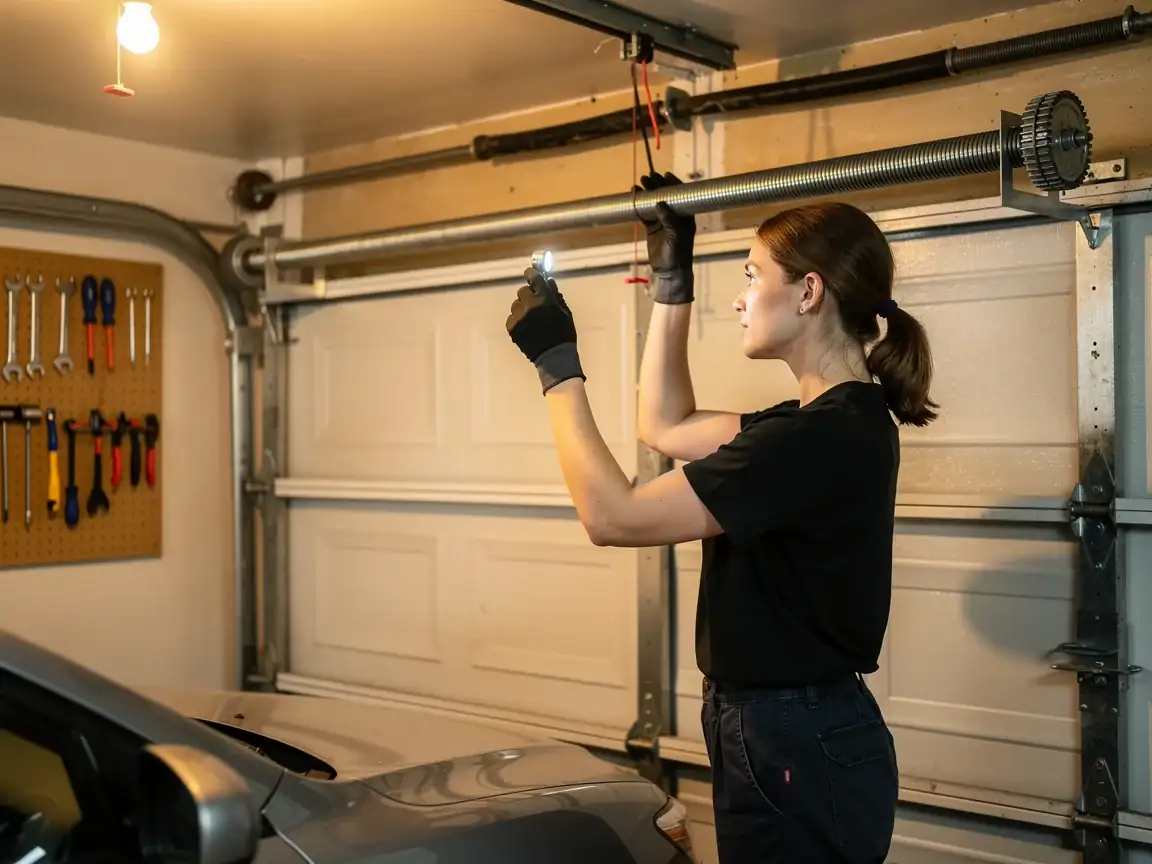
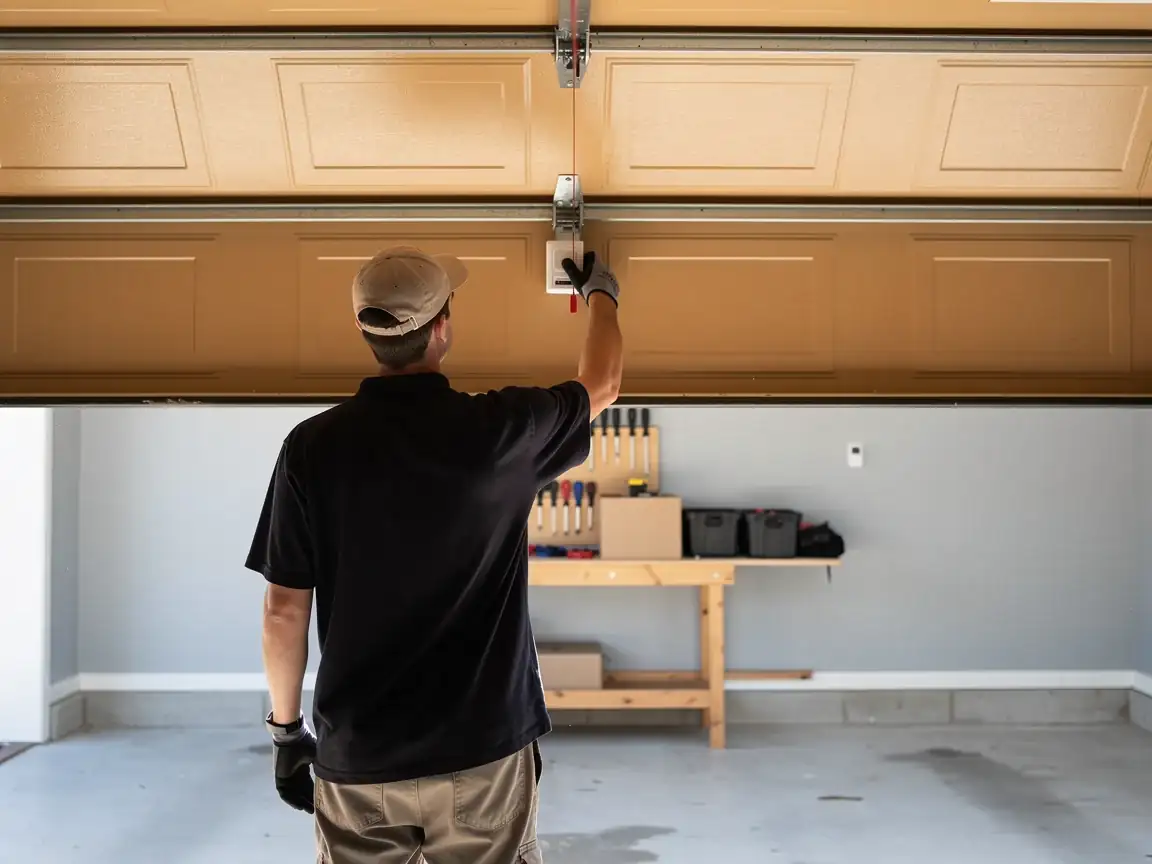
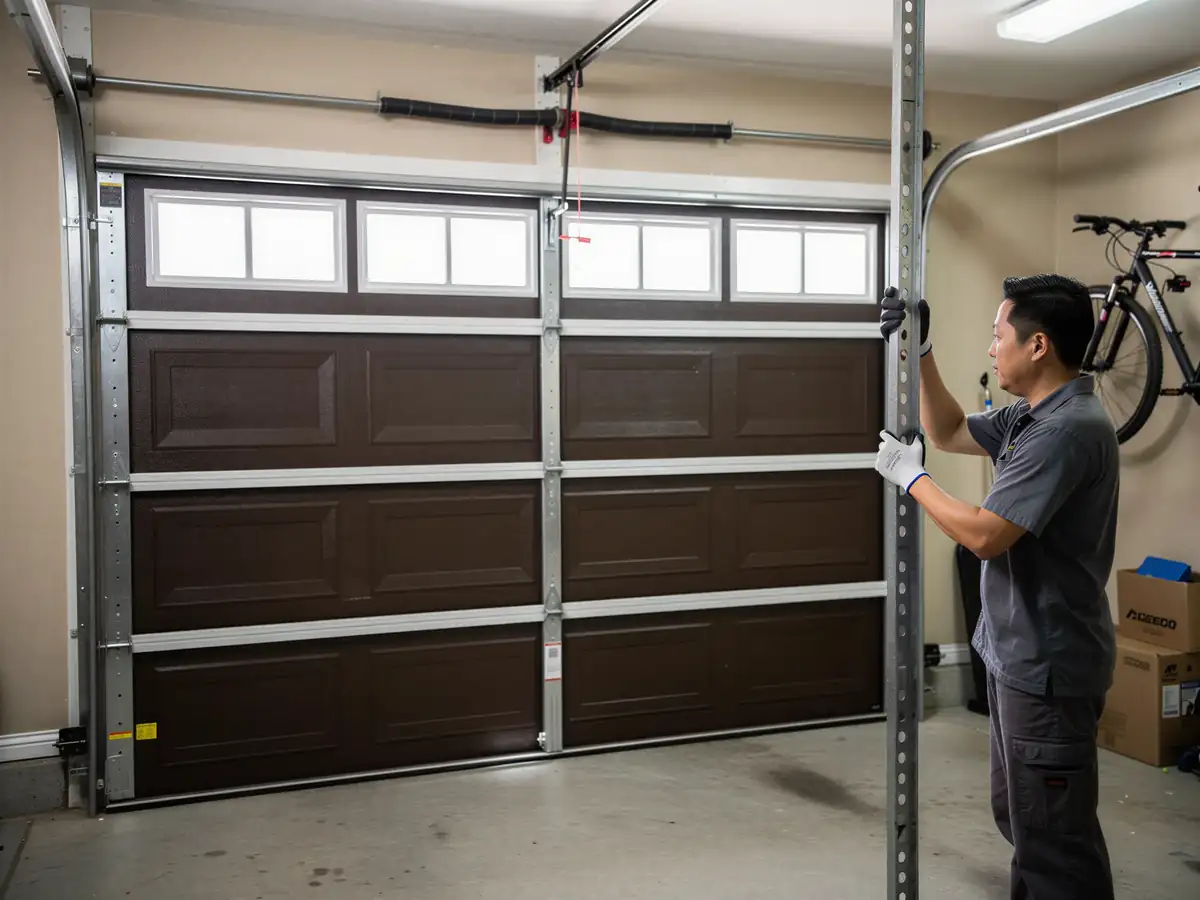
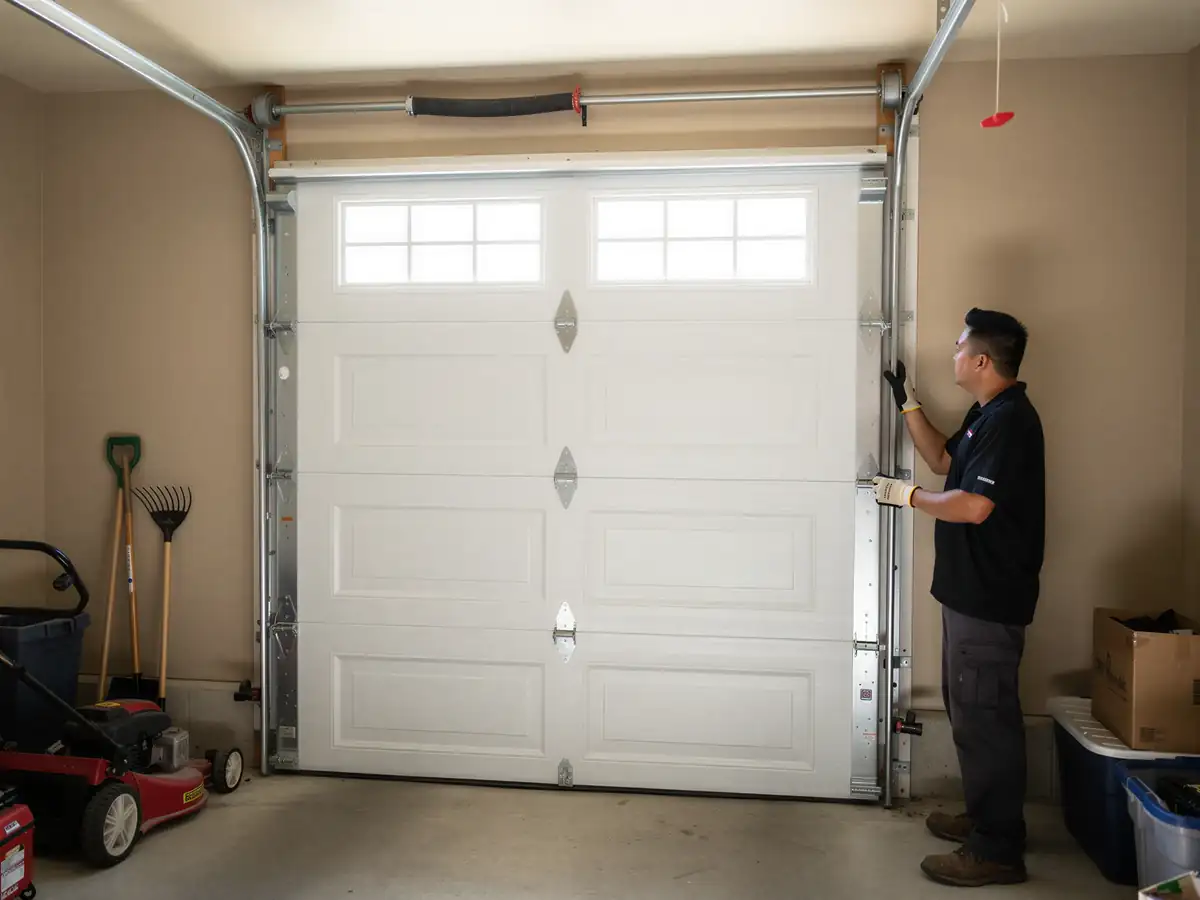
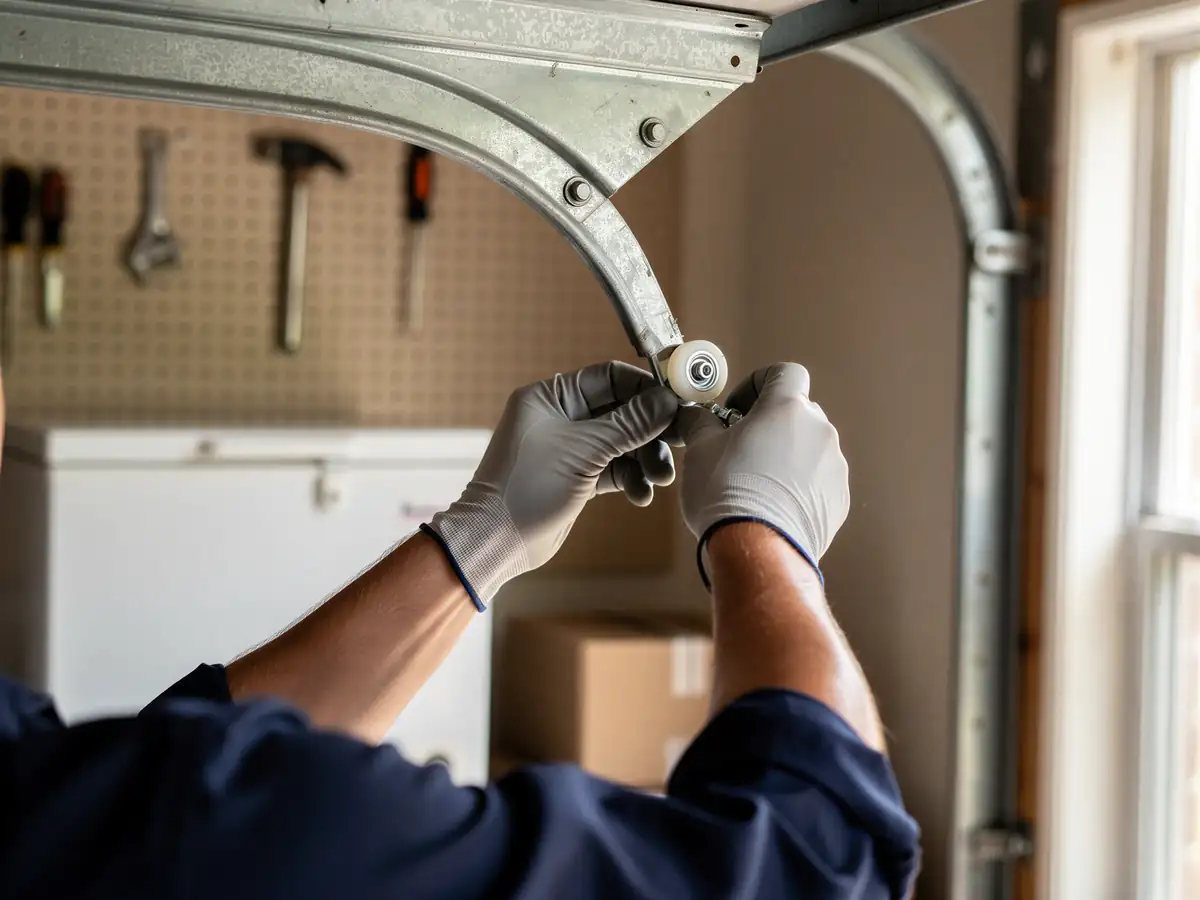
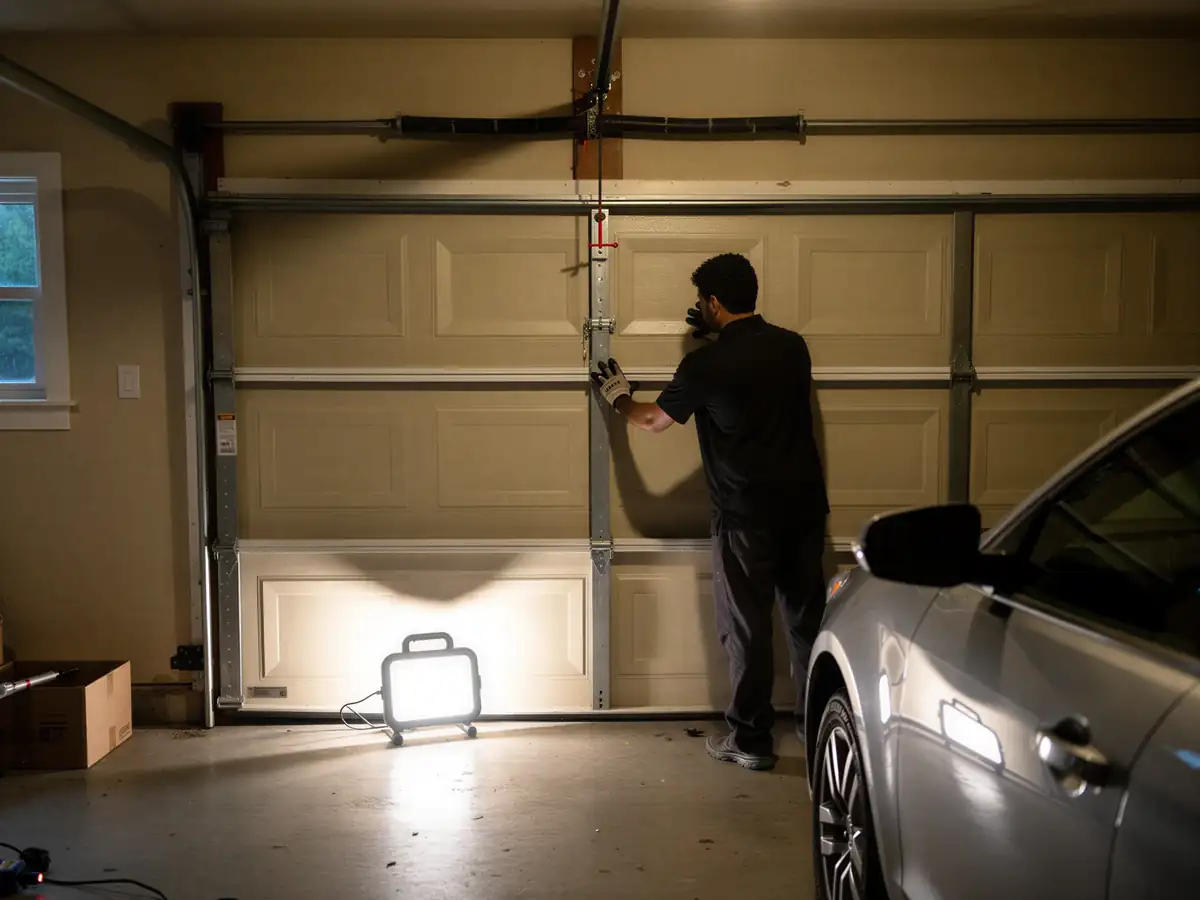
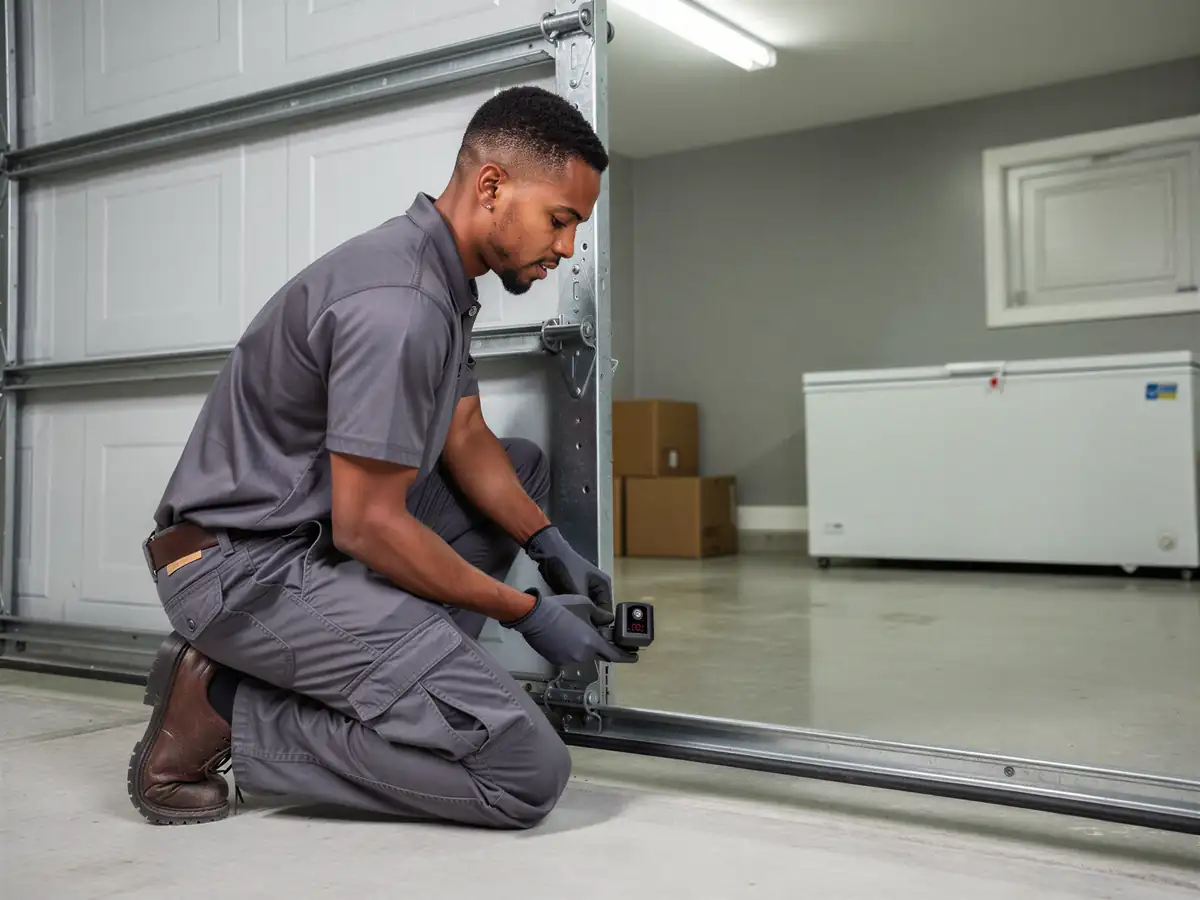
Most calls start the same way: the door hesitates partway up, or it reverses on its own before it reaches the floor. On a door this age, that's usually a spring that's lost tension unevenly, putting more load on one cable than the other. You might also hear a new noise - a scrape or a thunk at the same point in the cycle every time, which tells us where to look before we even open the panel. Because the climate here stays mild year-round, we don't see the freeze-thaw cracking that shows up in colder regions; what we see instead is slow wear - a roller that's gone from round to oval, a hinge pin working loose. None of it looks urgent on day one. By the time the door is visibly off-balance, the spring or cable is usually close to the end, not the beginning, of its failure.
Parts We Carry
For routine maintenance we stock rollers, hinges, standard-gauge lift cables, and the lubricant that actually belongs on a garage door track - not the all-purpose can from under the sink. Torsion springs and extension springs get matched to the door's weight and cycle history rather than swapped on a one-size guess, which matters on these older sectional doors where the original spring size isn't always marked clearly anymore. What we don't keep on the truck is anything proprietary to a discontinued opener model - if your unit is an original to a 1989 build, the circuit board or specific drive gear may need to be ordered, and that can add a few days to the job. We'll tell you that up front rather than string out a visit pretending we can fix it on the spot.
Where This Job Goes Sideways
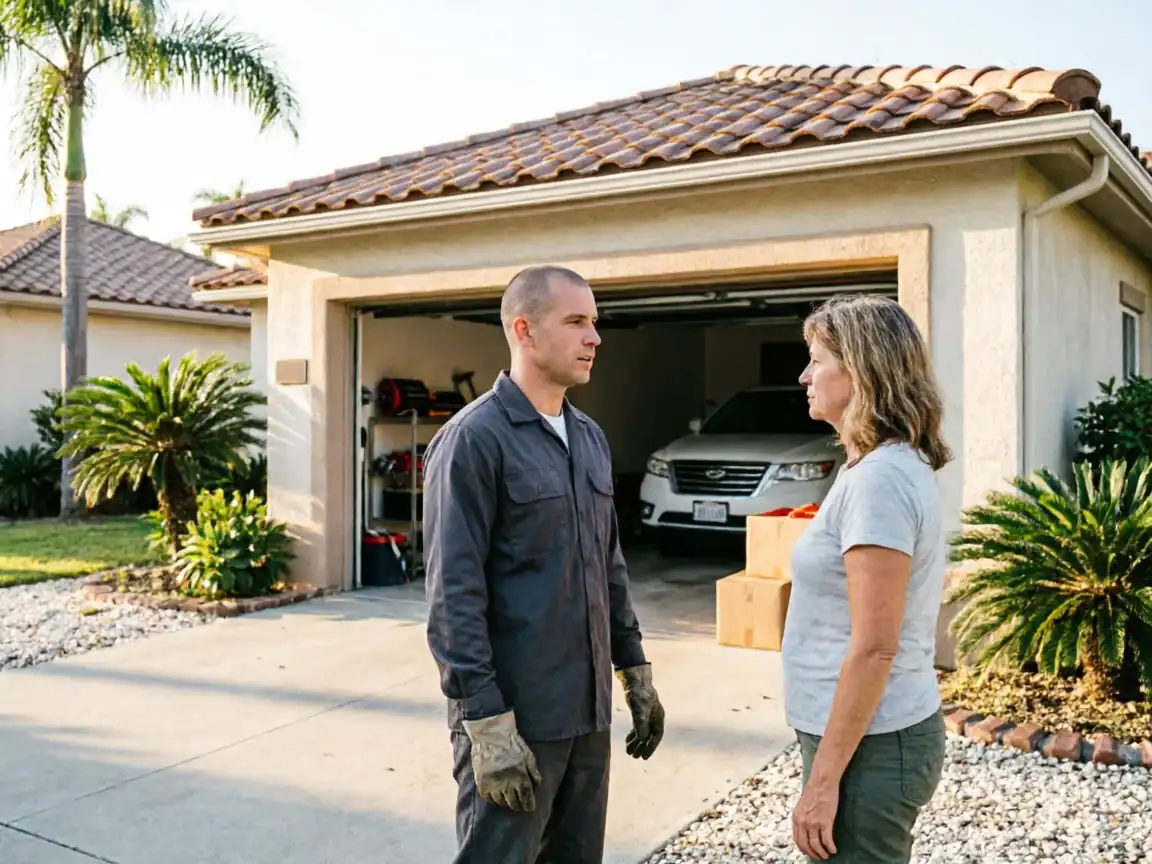
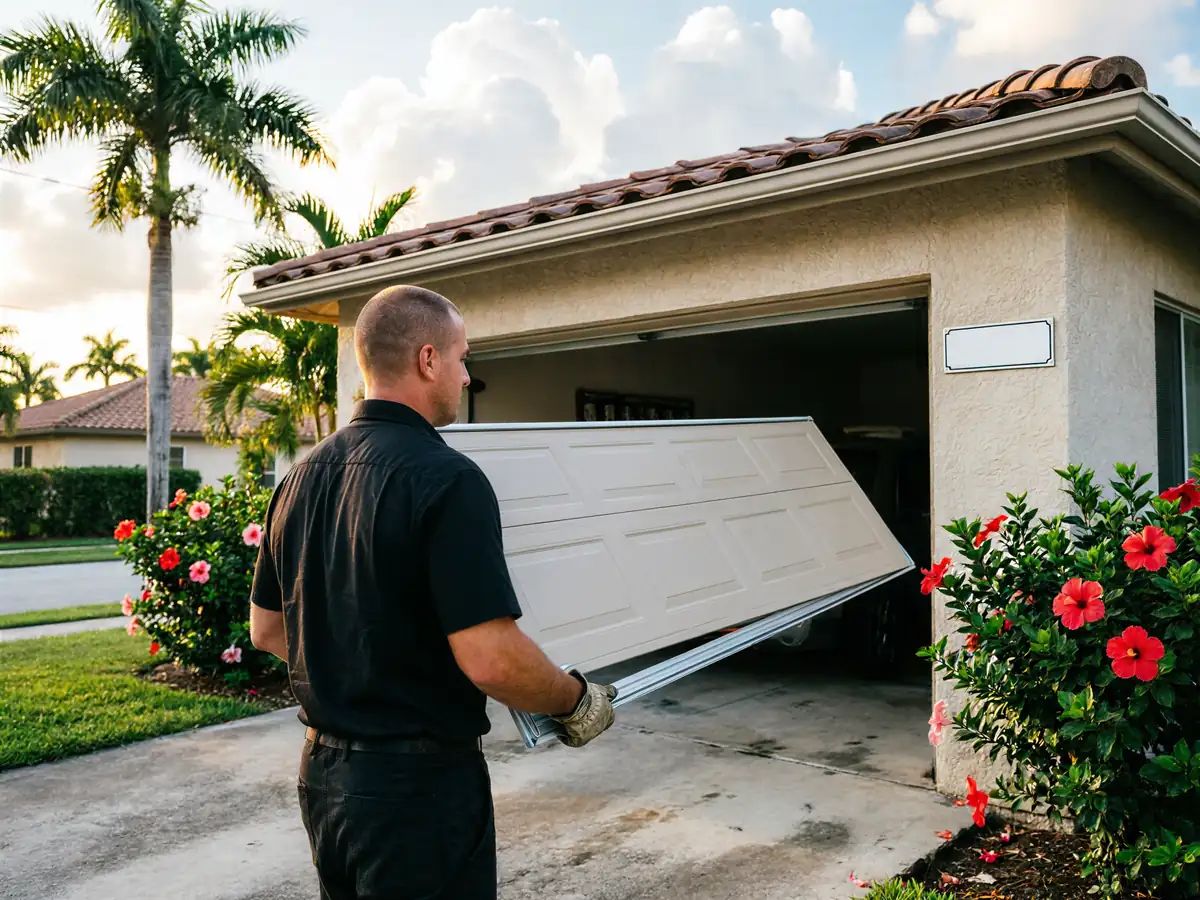
Tierra Verde's median household income sits at $148,785, nearly double the $79,798 median across the rest of the area we serve, and that changes where the repair-or-replace line falls. A $148,785 household isn't going to let a door limp along to save a few hundred dollars, which is good - it means we catch problems at the maintenance stage instead of the breakdown stage. But it also means the conversation shifts fast once we find something structural: a warped panel or a track that's been reshaped by years of minor impact. With just 1,765 households on the island, we're not chasing a high call volume here, so when we're out, we'd rather tell you a repair isn't worth it than sell a patch job. A door installed when the median home here went up in 1989 is now old enough that a tune-up sometimes surfaces a bigger decision than the one you called about.