Why It Happens Here
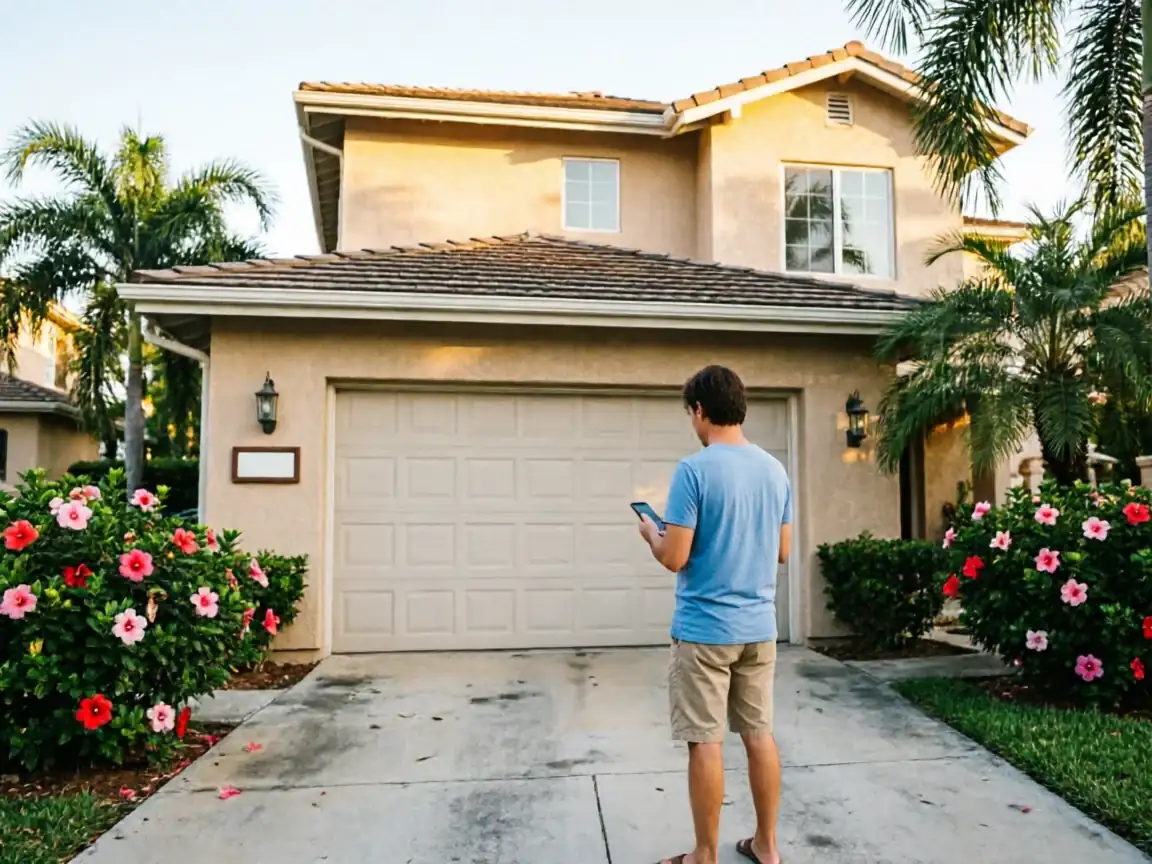
A door installed around 1989 was built to the codes and materials of that decade: steel sectional panels, torsion springs rated for a specific cycle count, and openers that have now had over three decades of belt stretch, lubricant breakdown, or motor wear to work through. Tierra Verde sits in the same mild temperate climate band as the rest of the service area, so the failures aren't driven by freeze-thaw cracking the way they are up north - they're driven by age and cycle count catching up with hardware that was never meant to last forever. With 1,765 households on this stretch, most garages here are hitting that same window within a few years of each other, which is why spring failure and opener fatigue show up as a pattern, not a coincidence, when we're out this way.
How It Shows Up
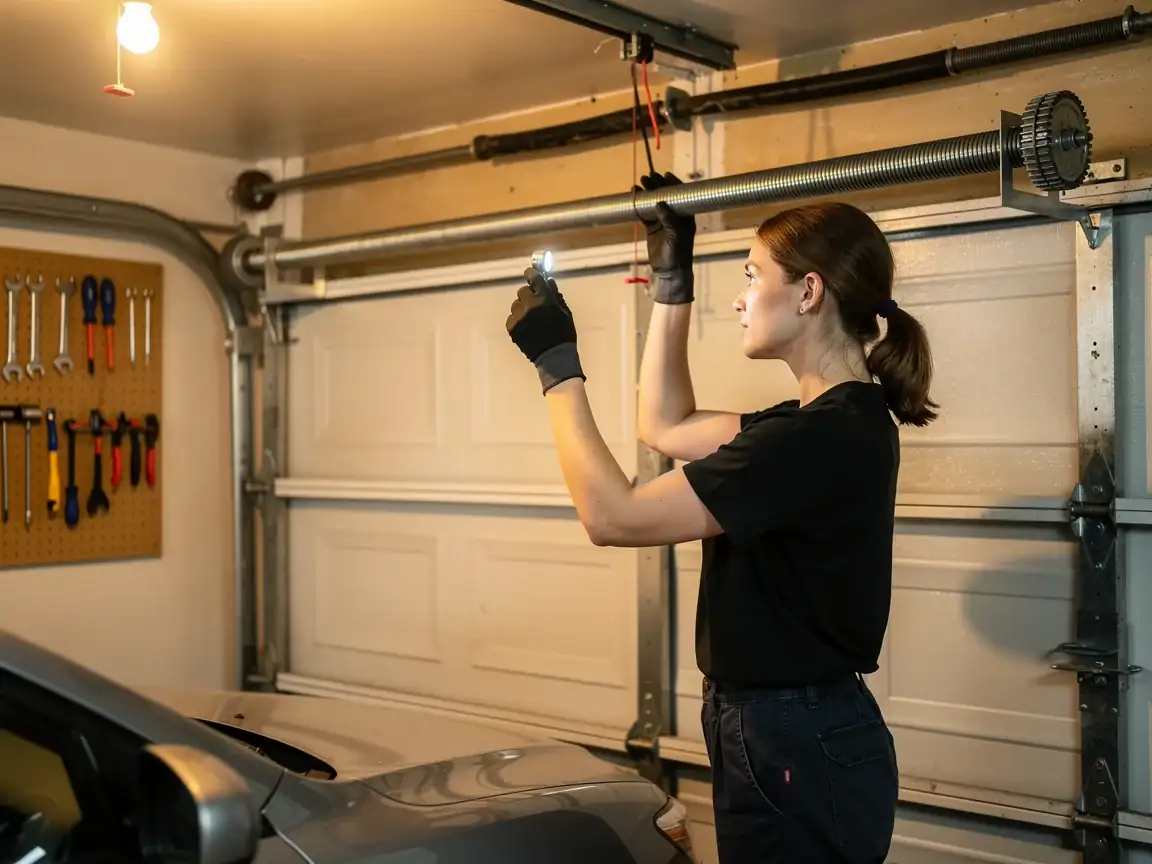
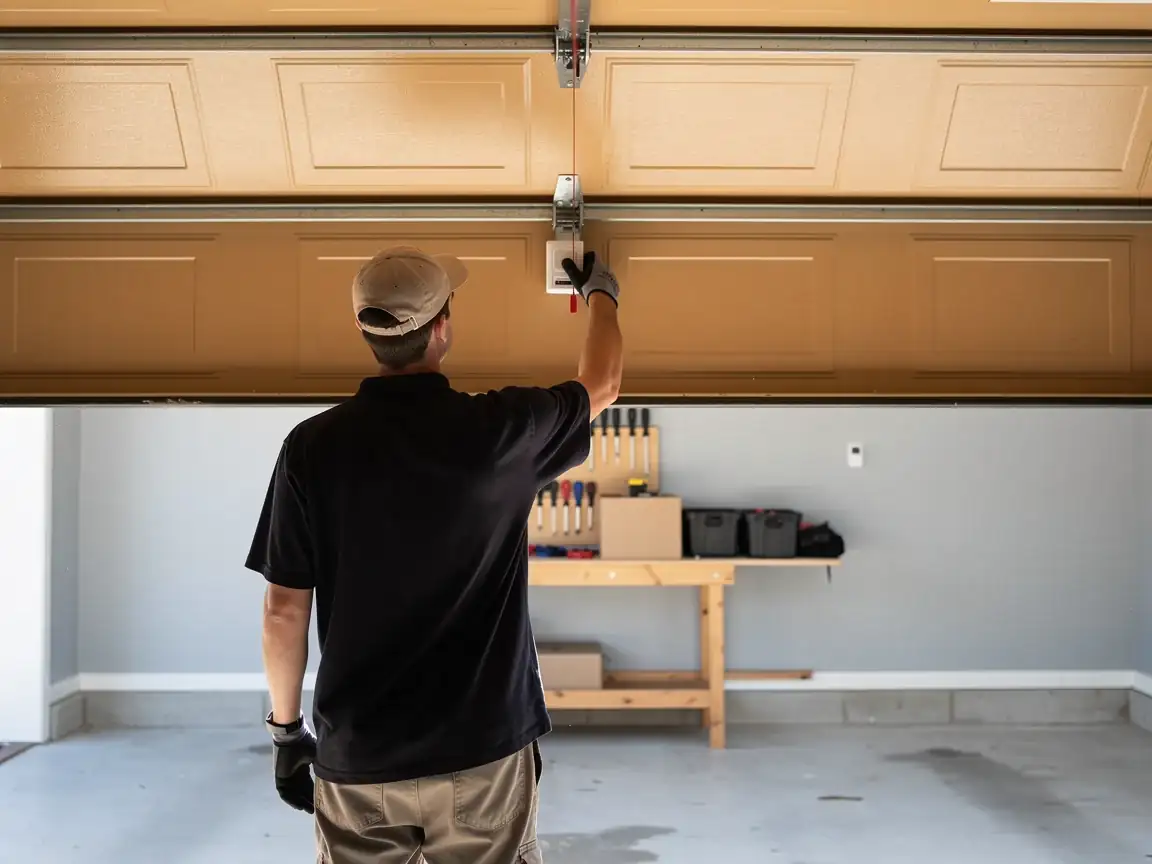
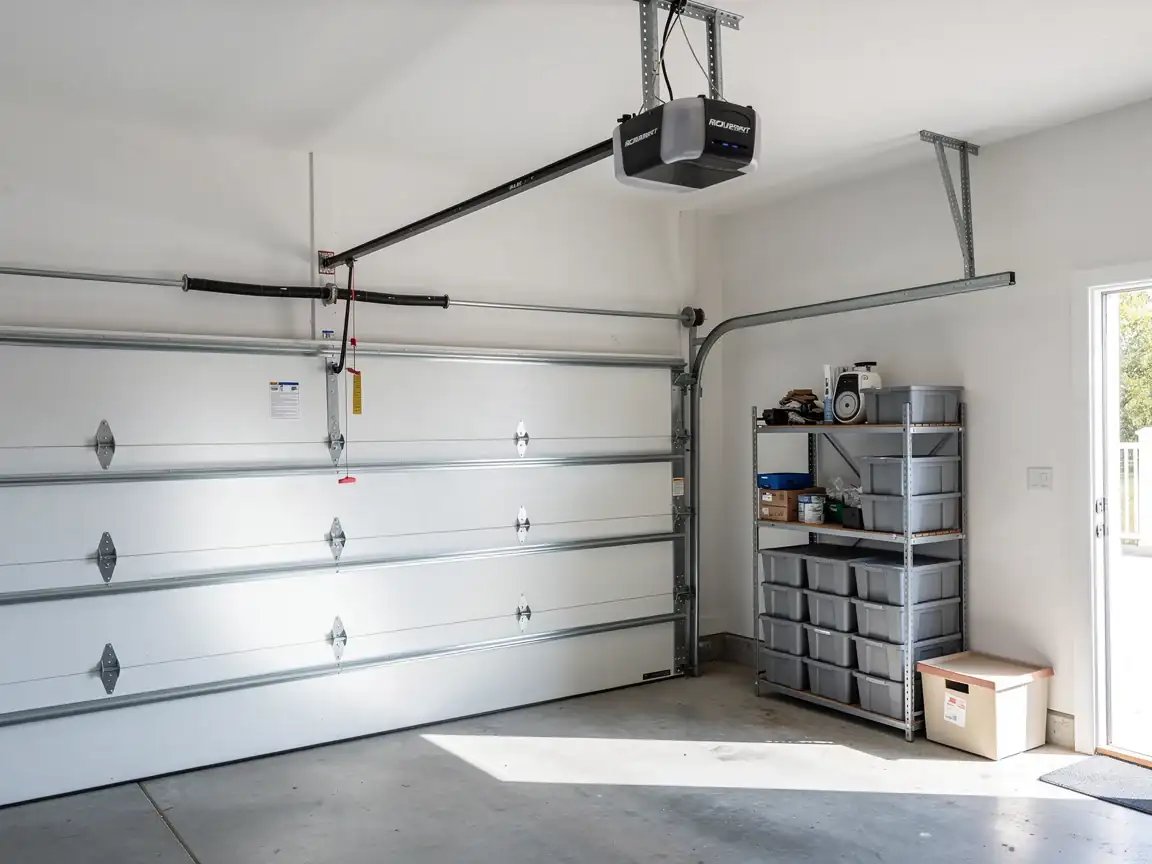
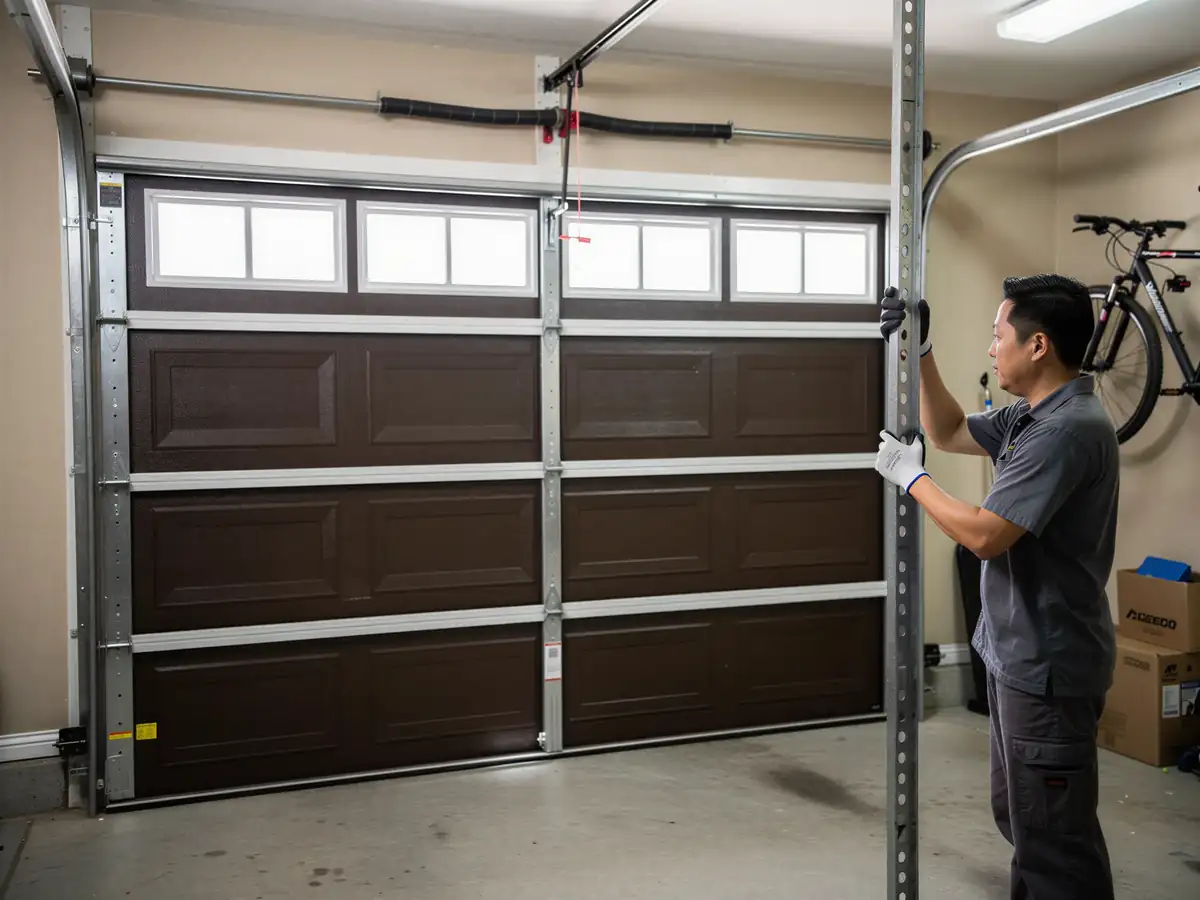
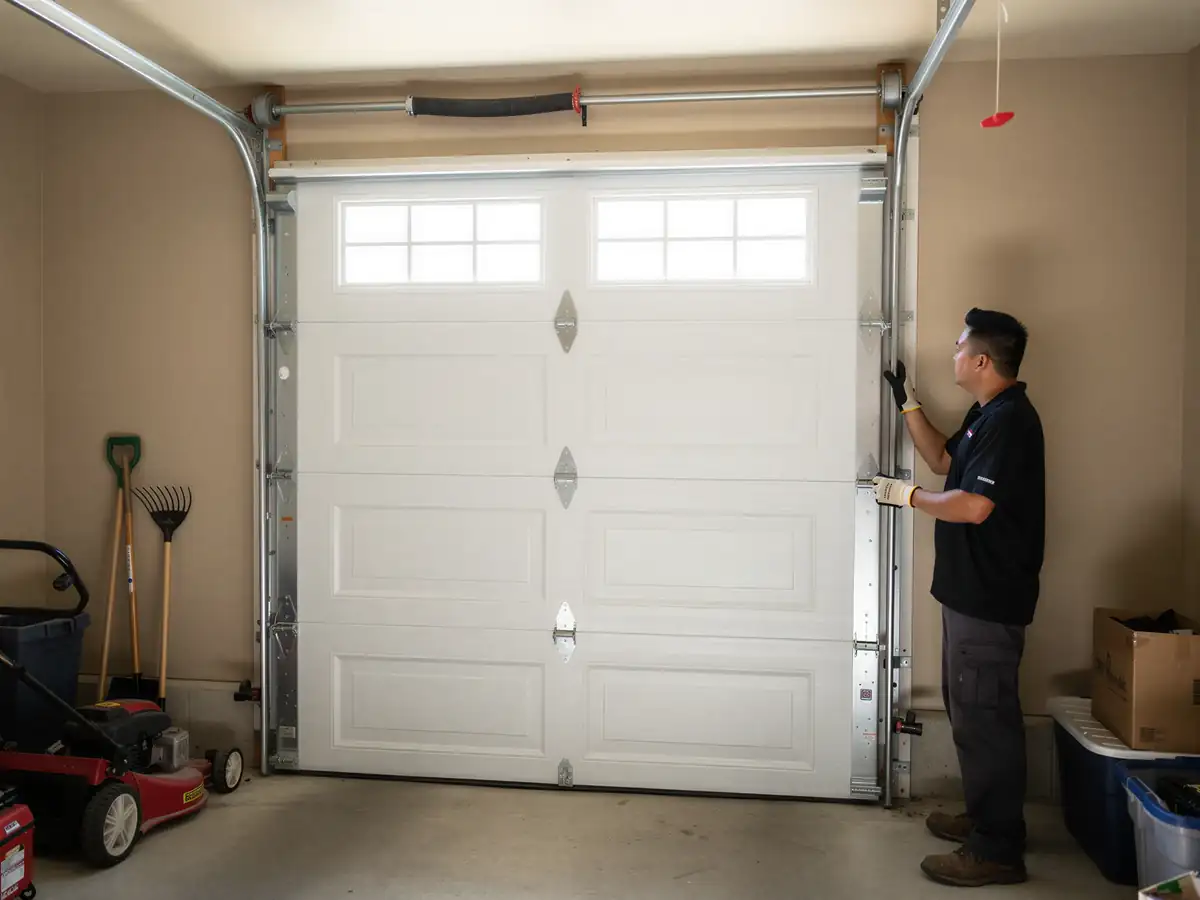
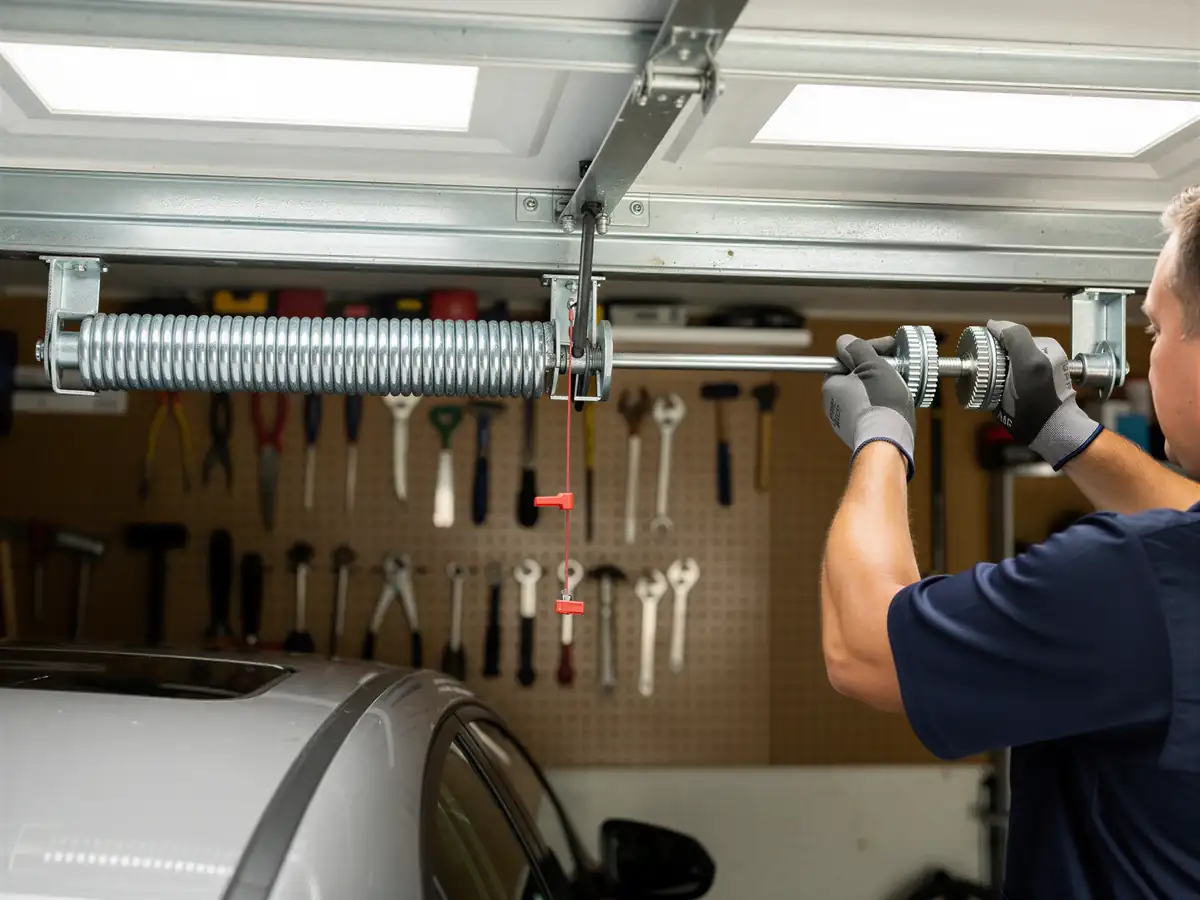
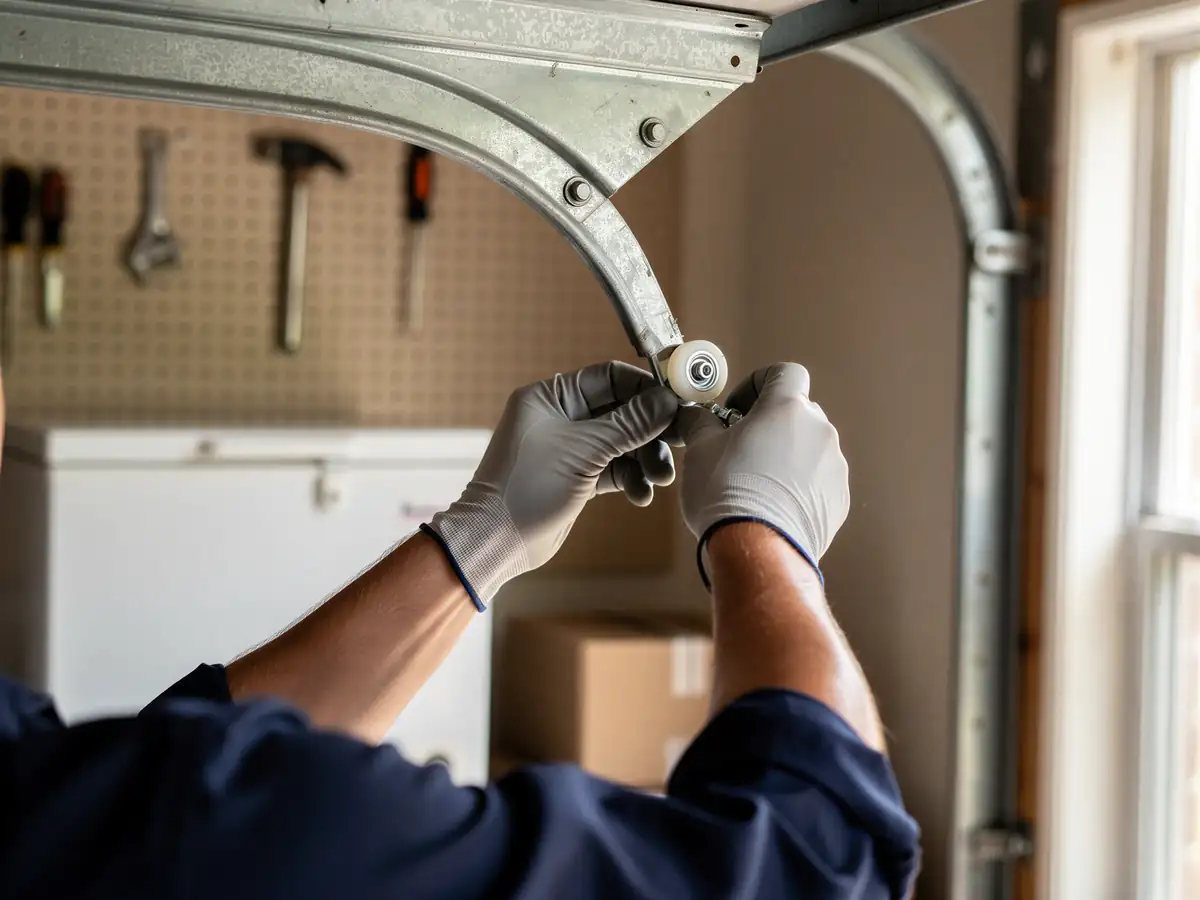
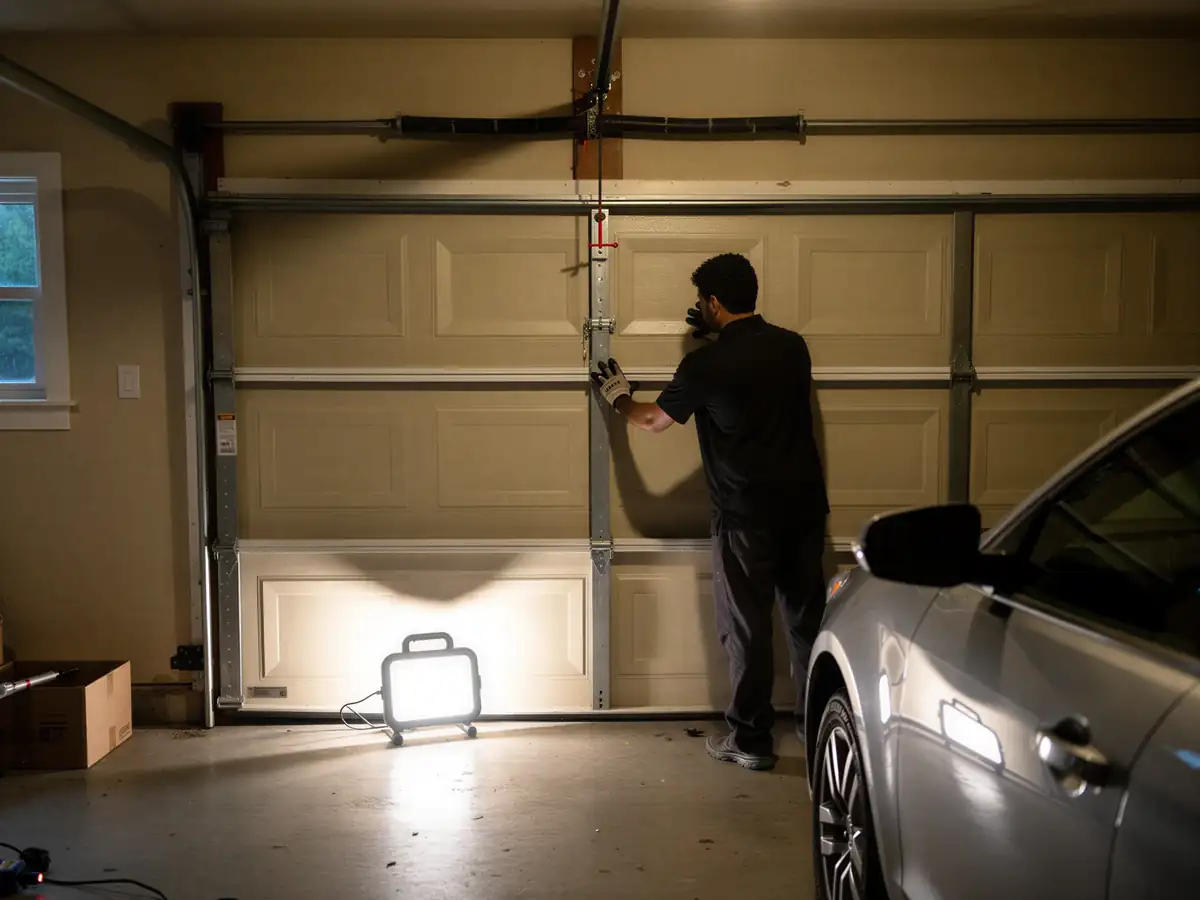
On a torsion setup from this era, the first sign is usually a door that won't lift past a foot or two before the opener strains and reverses. That's the spring, not the opener - the motor is just the part doing the complaining. Cables that have started to fray at the bottom roller brackets are next most common; they don't always snap outright, they fray slowly and then let go on a cold morning. Garage door track misalignment shows up less often here than hinge wear and roller noise, since 1989-era steel panels are heavier than today's lighter composite options and put more sustained load on the roller stems over the years. If your opener runs but the door barely moves, or moves and then drops, don't keep running it - that's a spring under tension doing something it shouldn't.
Parts We Carry
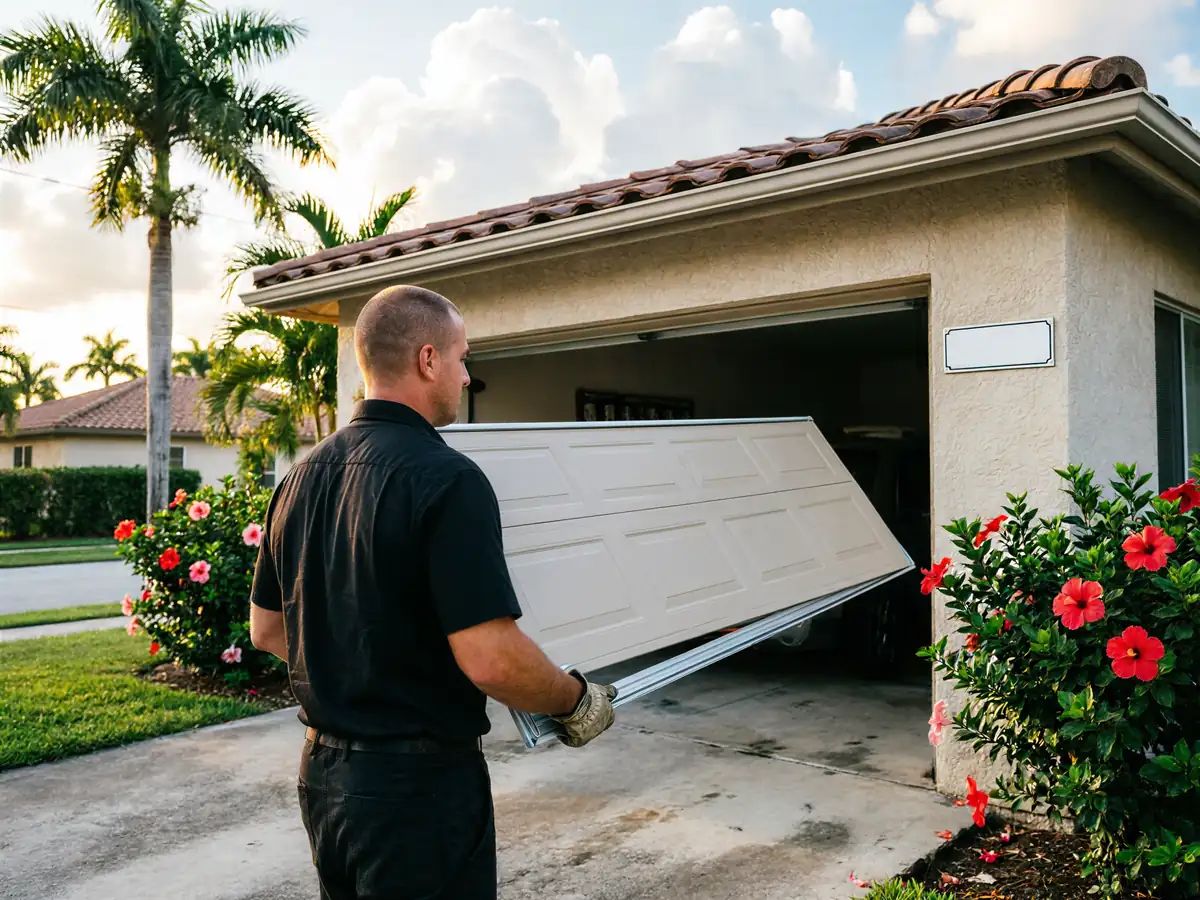
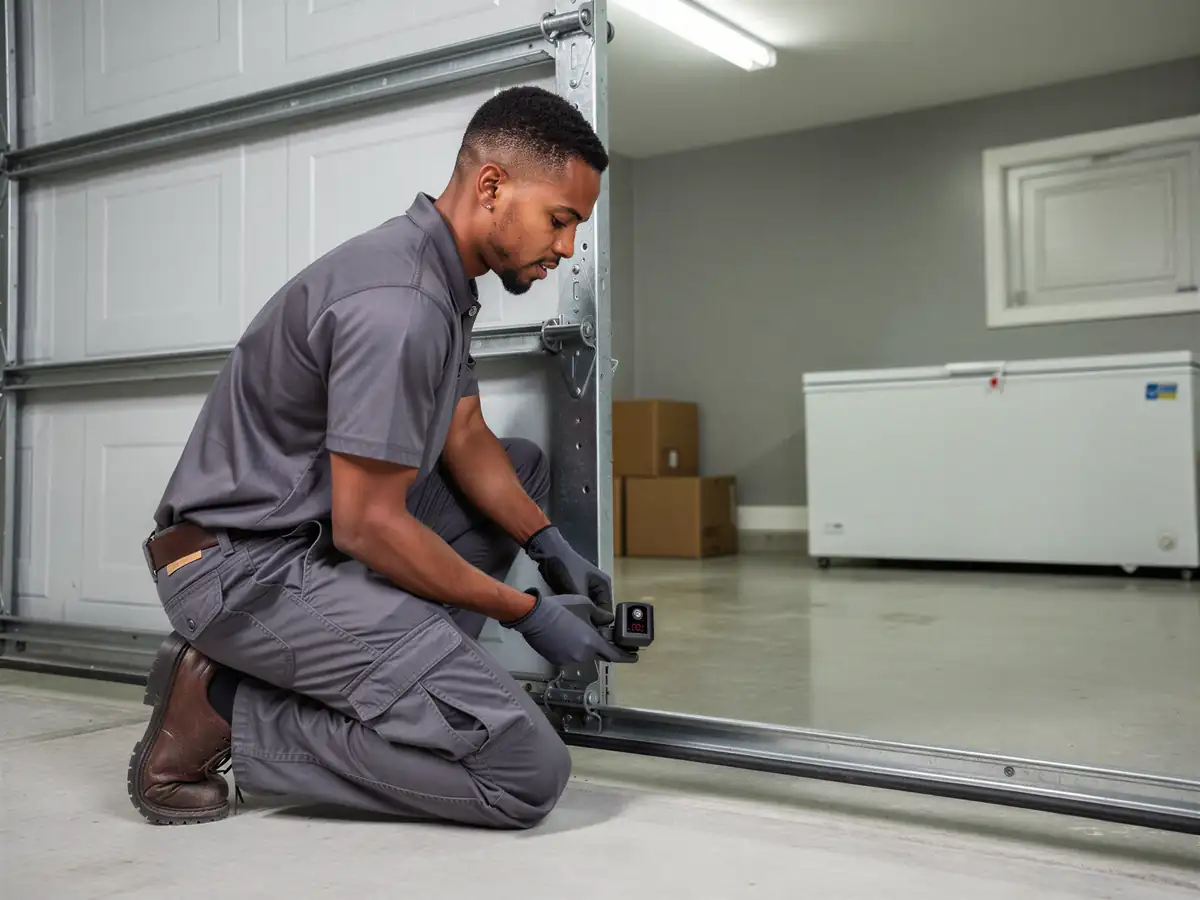
We stock the common torsion spring sizes that cover most garage installs from the late 1980s and 1990s, along with standard galvanized lift cables, nylon and steel rollers, and universal safety sensor kits for openers. Door panels are the exception - we don't keep discontinued steel panel profiles on the truck, since manufacturers have changed panel widths and seam styles enough times since 1989 that matching an old door usually means special-ordering from whatever maker still supports that line, if one does. If your panel is cracked or dented and a match isn't available, we'll walk you through whether a full door replacement makes more sense than chasing an obsolete part.
Where This Job Goes Sideways
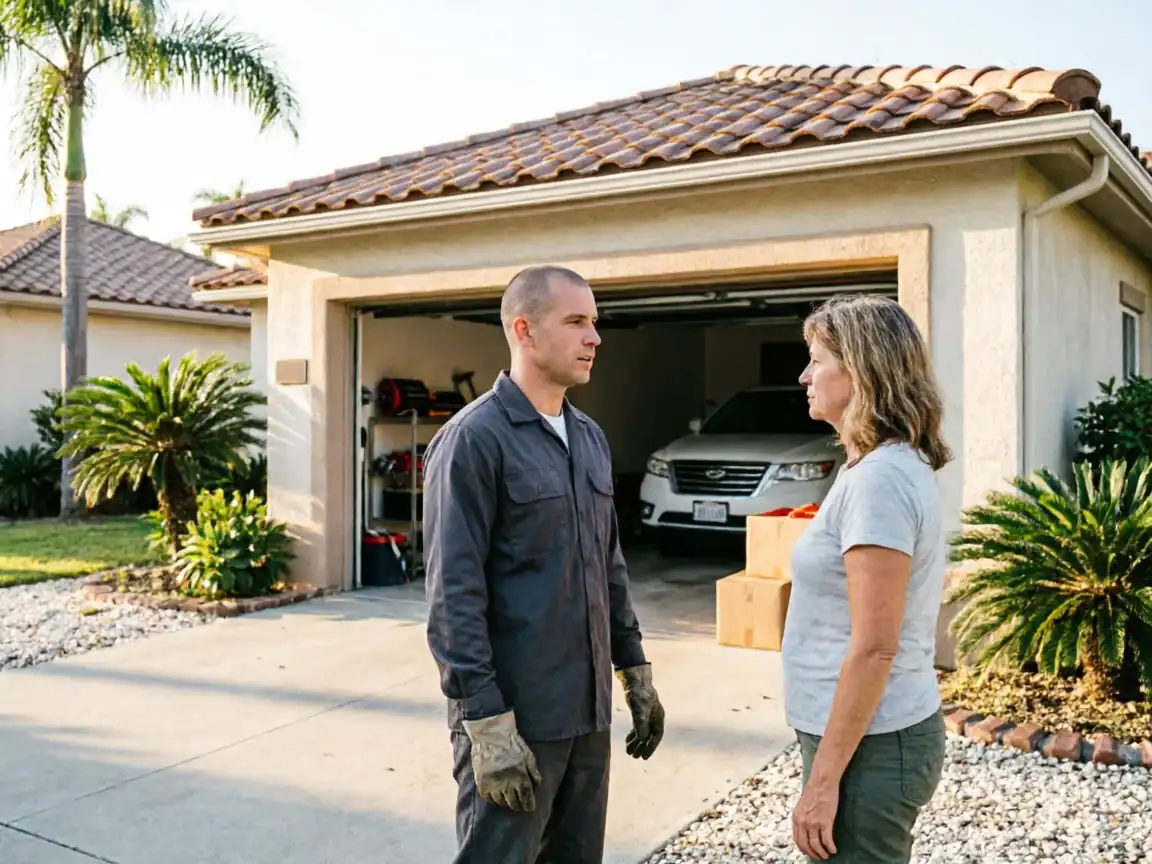
The complication we run into most on Tierra Verde calls isn't the hardware age, it's finding an opener model old enough that the logic board is no longer made and the motor housing doesn't fit a modern replacement without extra bracket work. That turns a same-day repair into a two-visit job while we source a compatible unit. The other spot where things go sideways is a door that's been limping along on a failing spring for months - by the time it's called in, the opener gears or drive have often taken damage from fighting the imbalance, so what looked like a spring job becomes a spring-plus-opener job. Catching the spring early is the cheapest version of this repair, and it's the one thing we can't do anything about once it's past that point.