How We Fix It
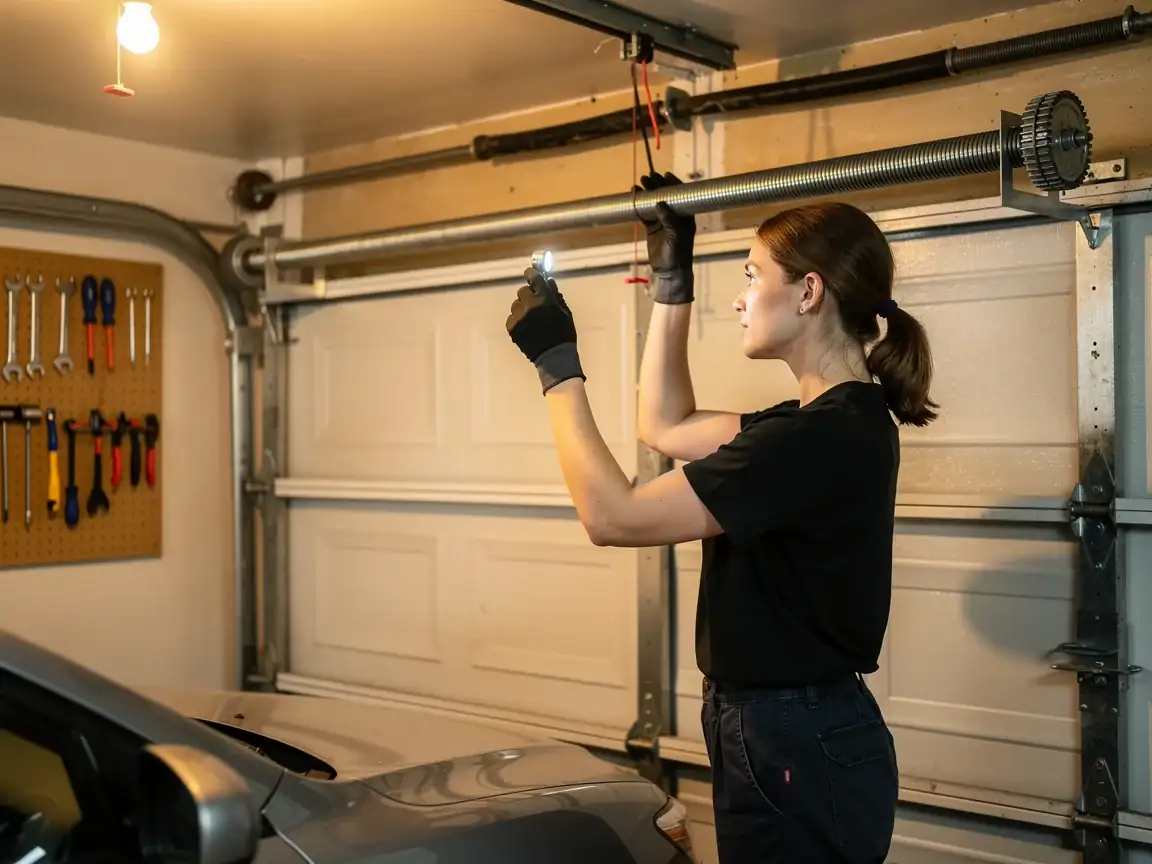
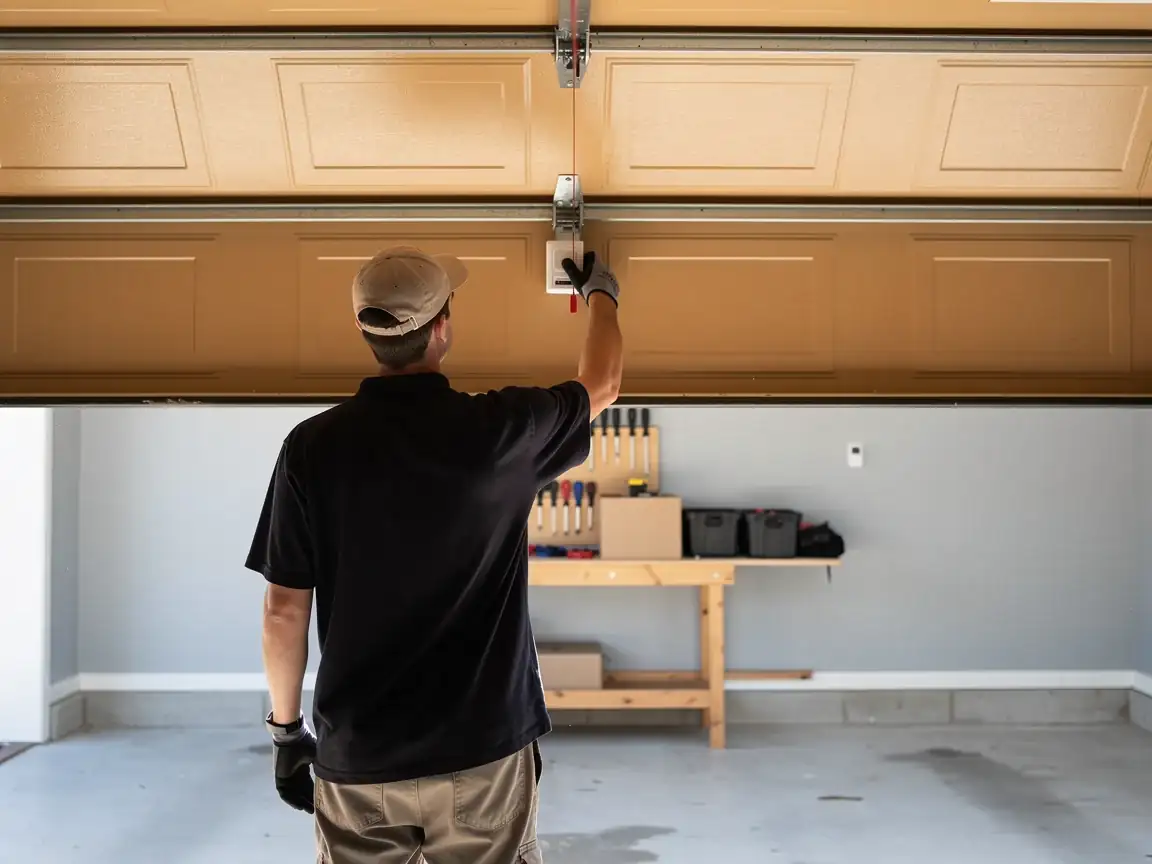
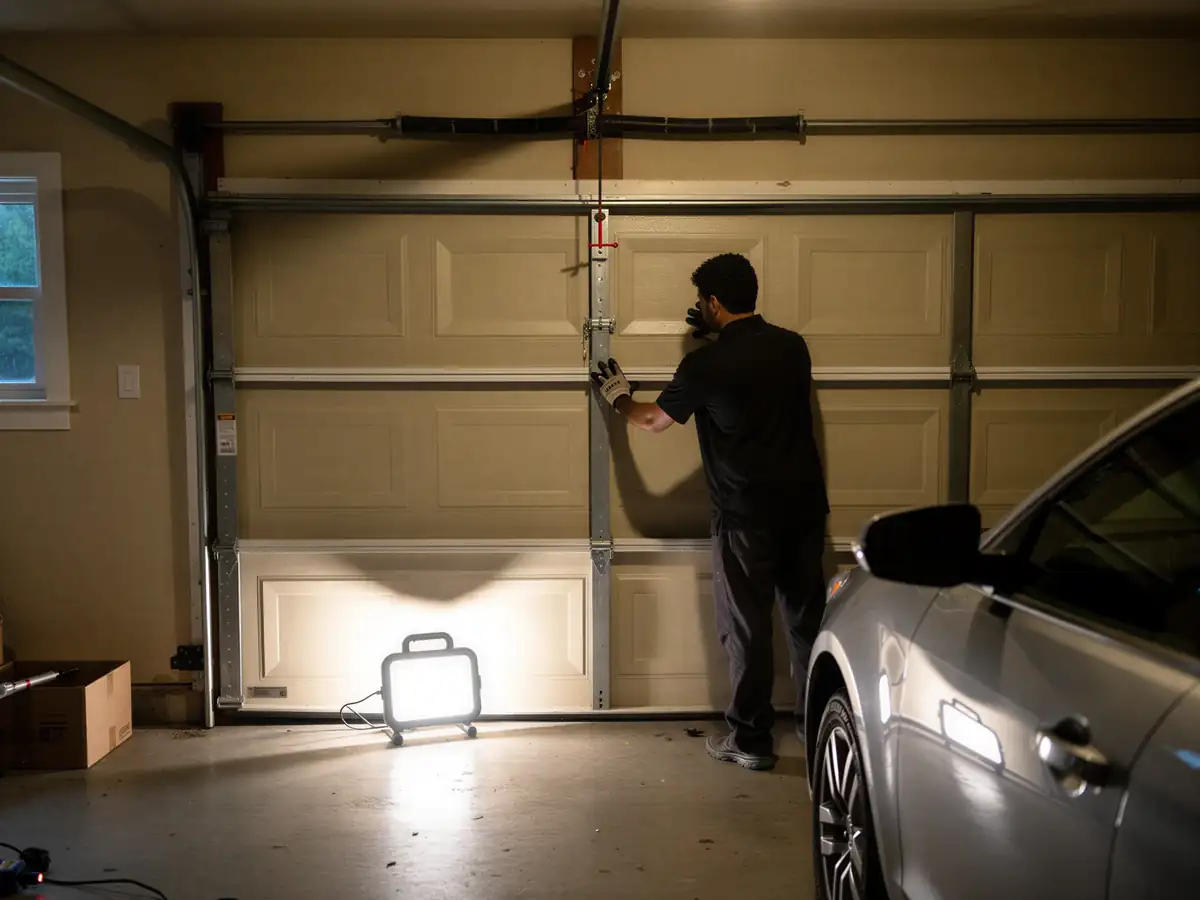
We start by running the door by hand with the opener disconnected
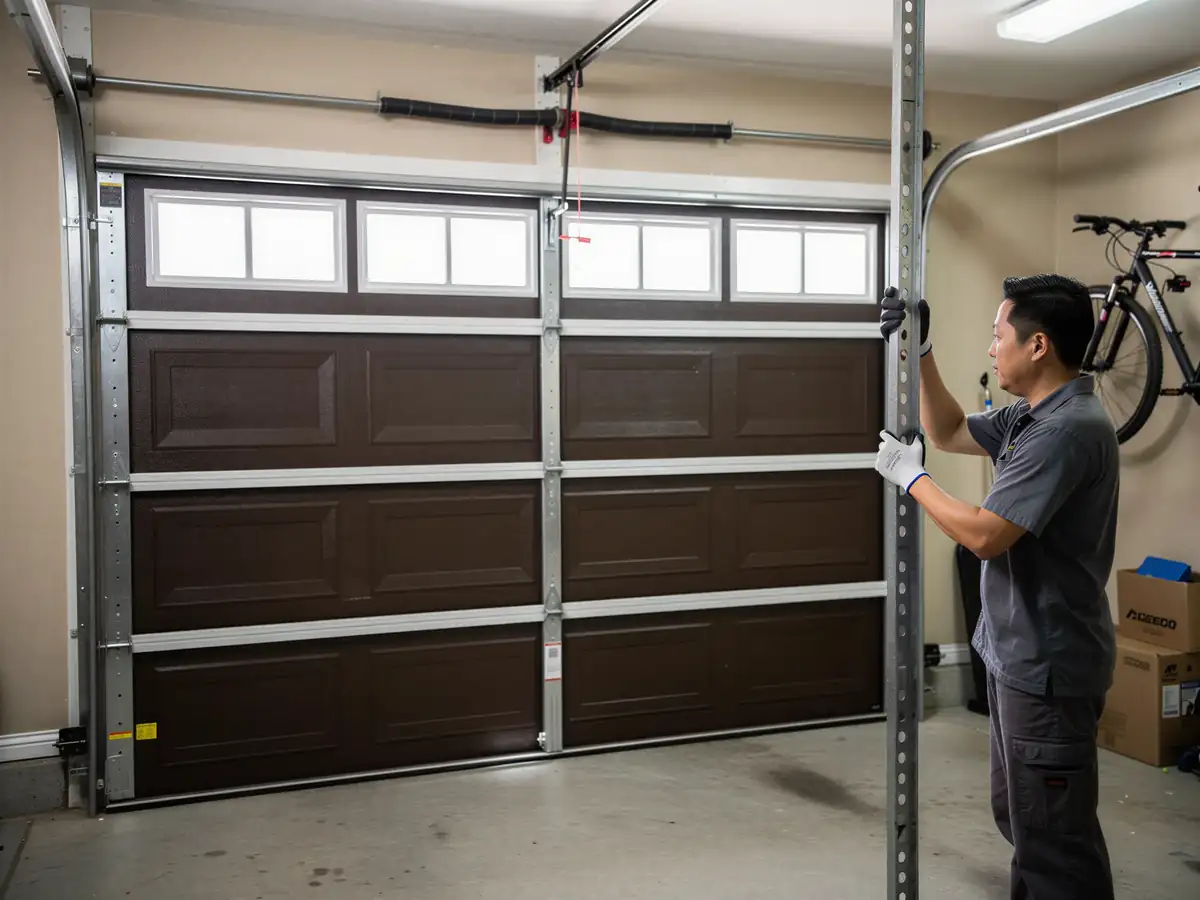
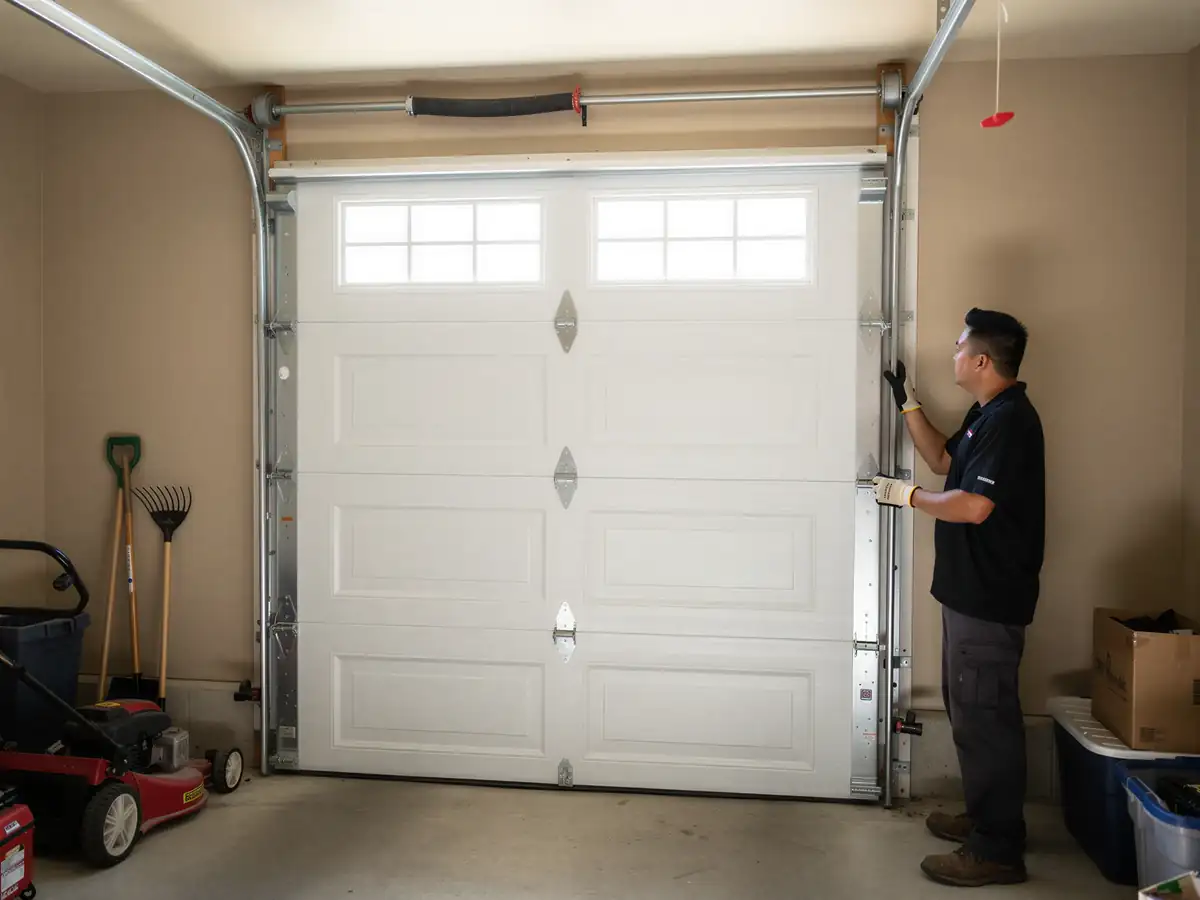
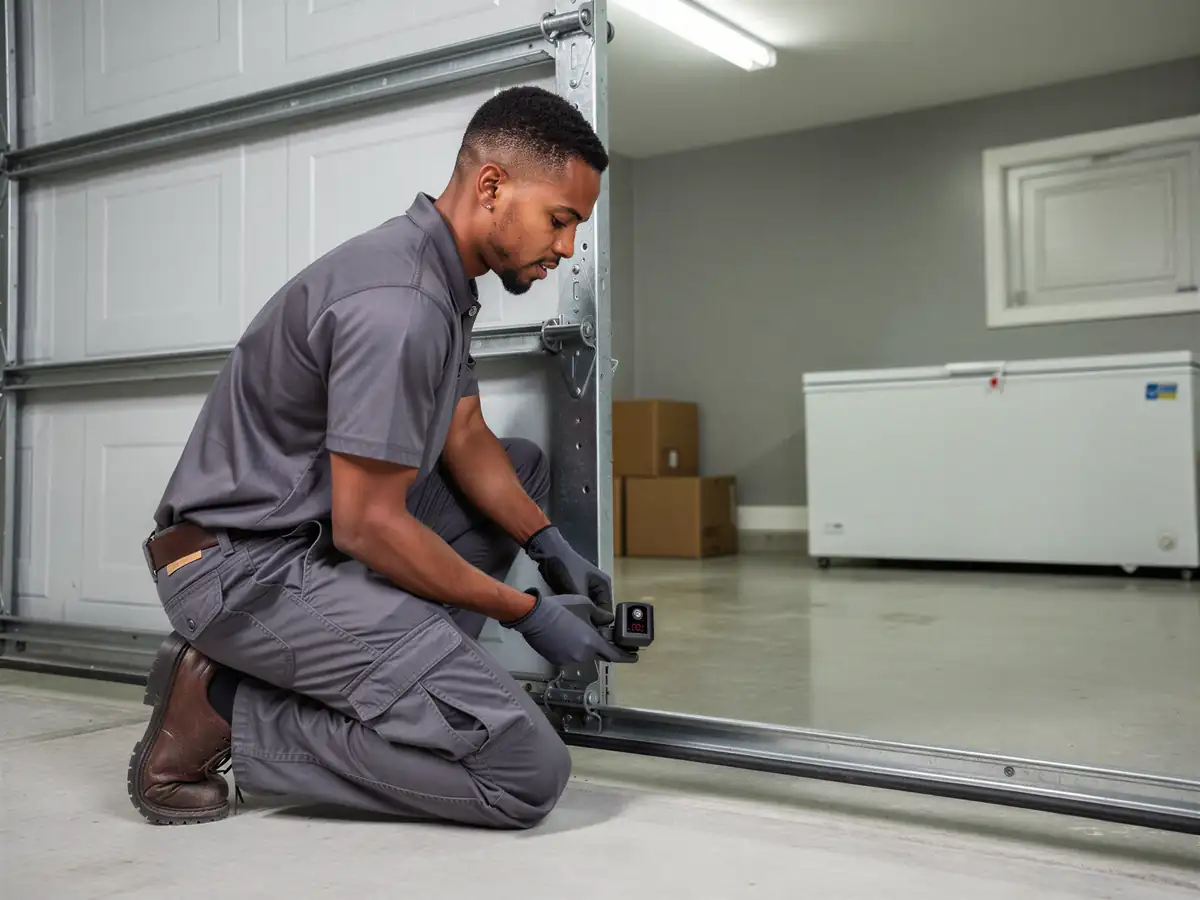
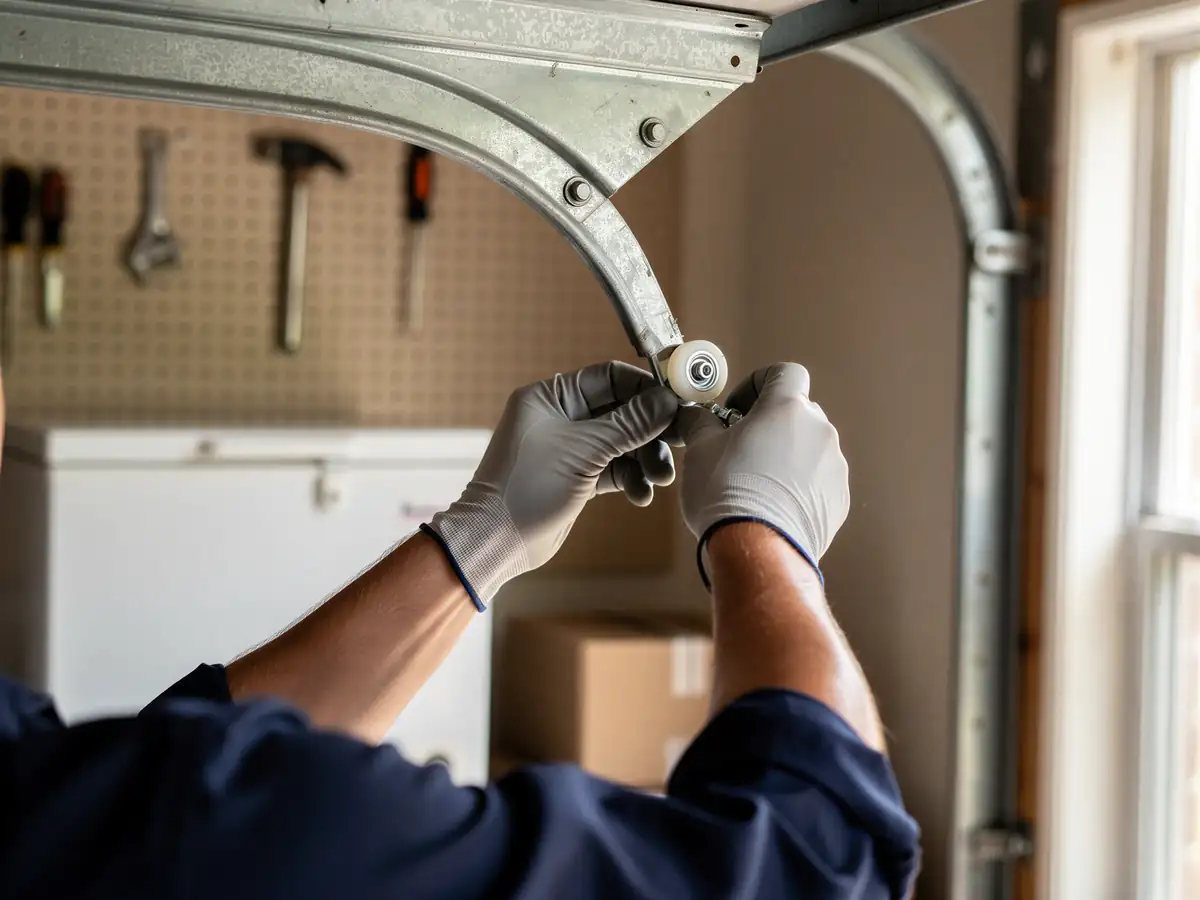
Watching each roller track its bracket. A roller that's cracked, flat-spotted, or missing its bearing gets pulled and replaced one at a time so the door stays supported on the track the whole time. We check the brackets too - a roller can look fine but still bind if the bracket under it has bent even a little.
Once the new rollers are in, we run the door through a dozen full cycles and listen
Grinding or a catch at the same spot on every pass usually means the track itself has a dent or a gap at a splice joint, not a roller problem, and we'll tell you that straight rather than selling you parts that won't fix it.
Here's the honest limit
If the track is rusted through or bent in more than one spot, swapping rollers buys you a few quiet months at best. At that point we're talking track replacement, not a roller job, and we'll say so before we start rather than after we've billed for parts that were never going to solve it.
Parts We Carry
For most doors we stock sealed-bearing nylon rollers - quieter than steel, and they don't need the shaft greased every few months. For heavier doors, including a lot of the two-car steel panel doors common on houses from the 1958-2011 build range in this area, we carry steel rollers rated for the extra load, since nylon alone can flat-spot under that weight over time.
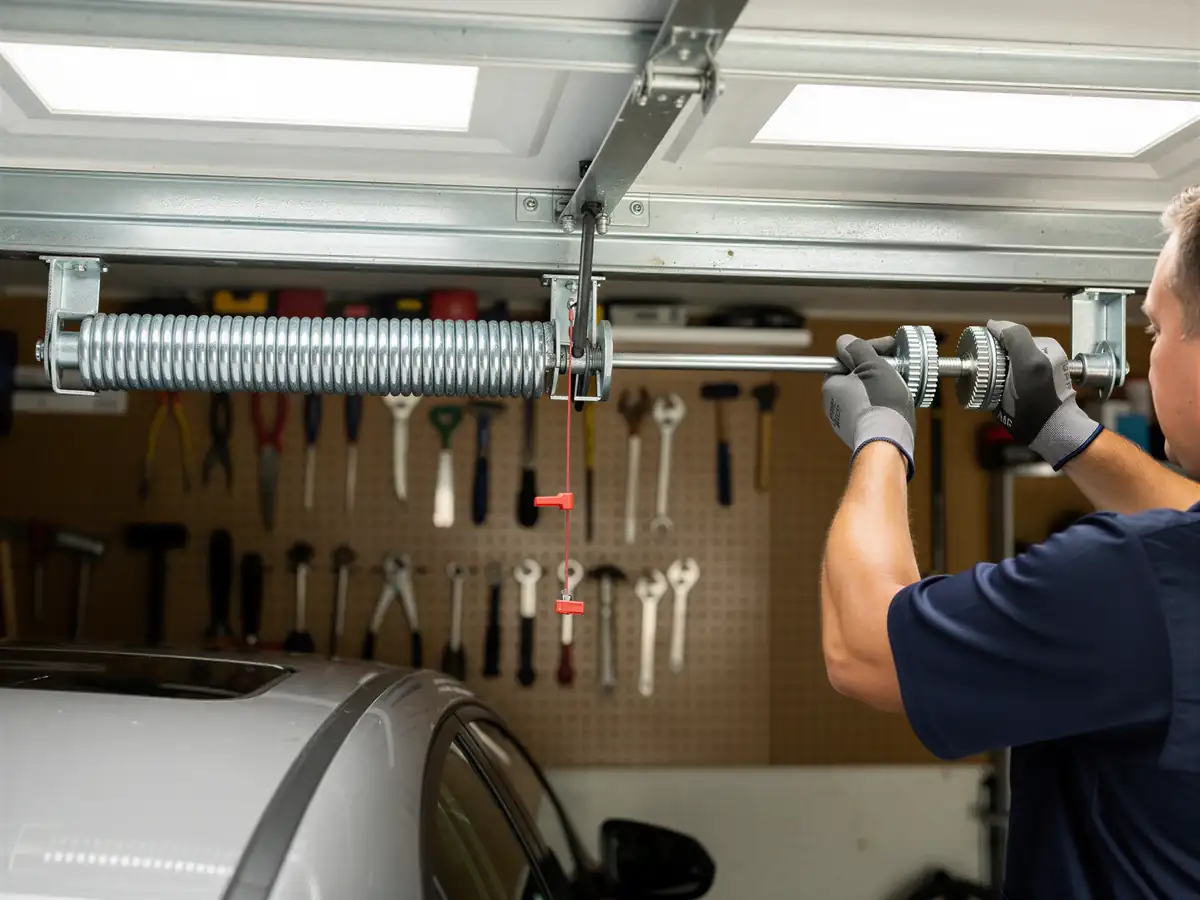
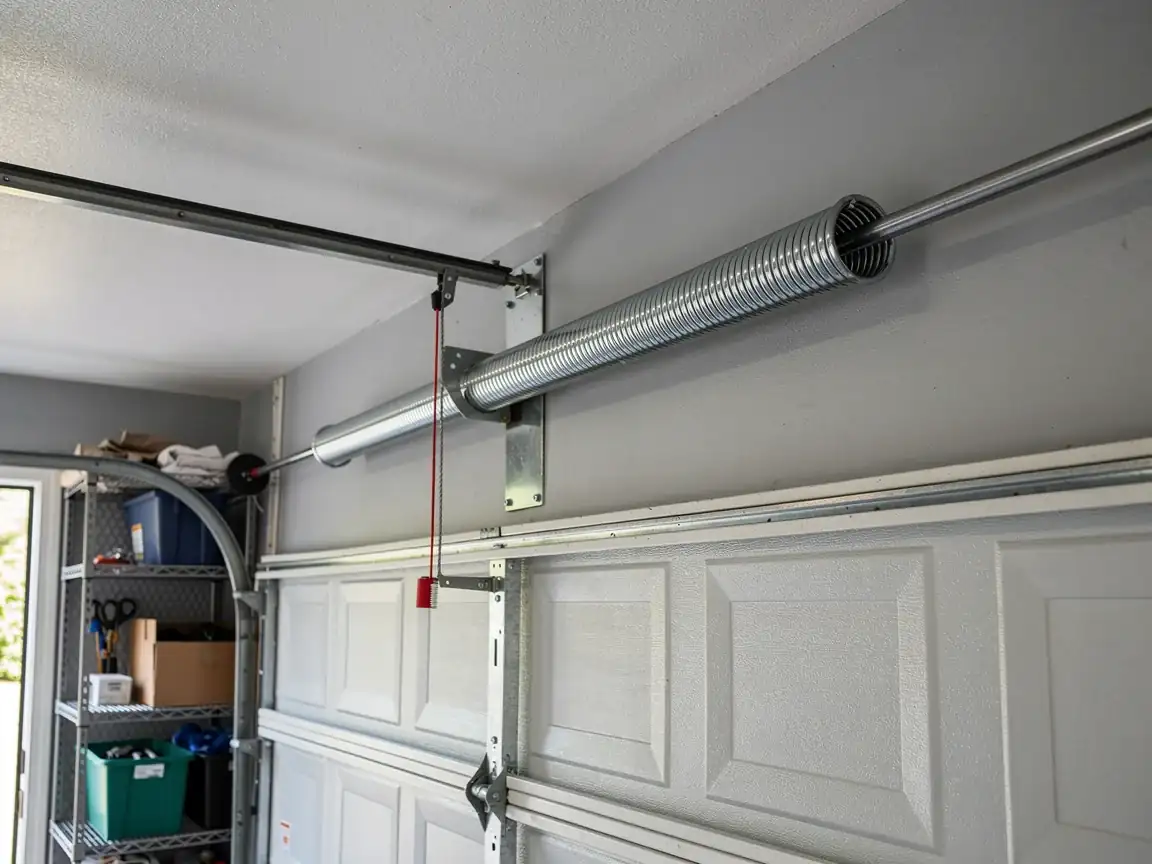
We also carry the stem lengths that match both torsion and extension spring setups, since a roller with the wrong stem length will bind against the bracket no matter how good the roller itself is. For doors still running on their original hardware, we keep brackets on the truck too, because a cracked bracket is often what actually failed, with the roller just showing the damage first.
We don't carry every specialty roller made - some low-headroom and commercial-grade parts need to be ordered in, and we'll tell you up front if that's the case so you're not waiting on a truck that shows up empty-handed.
Why It Happens Here
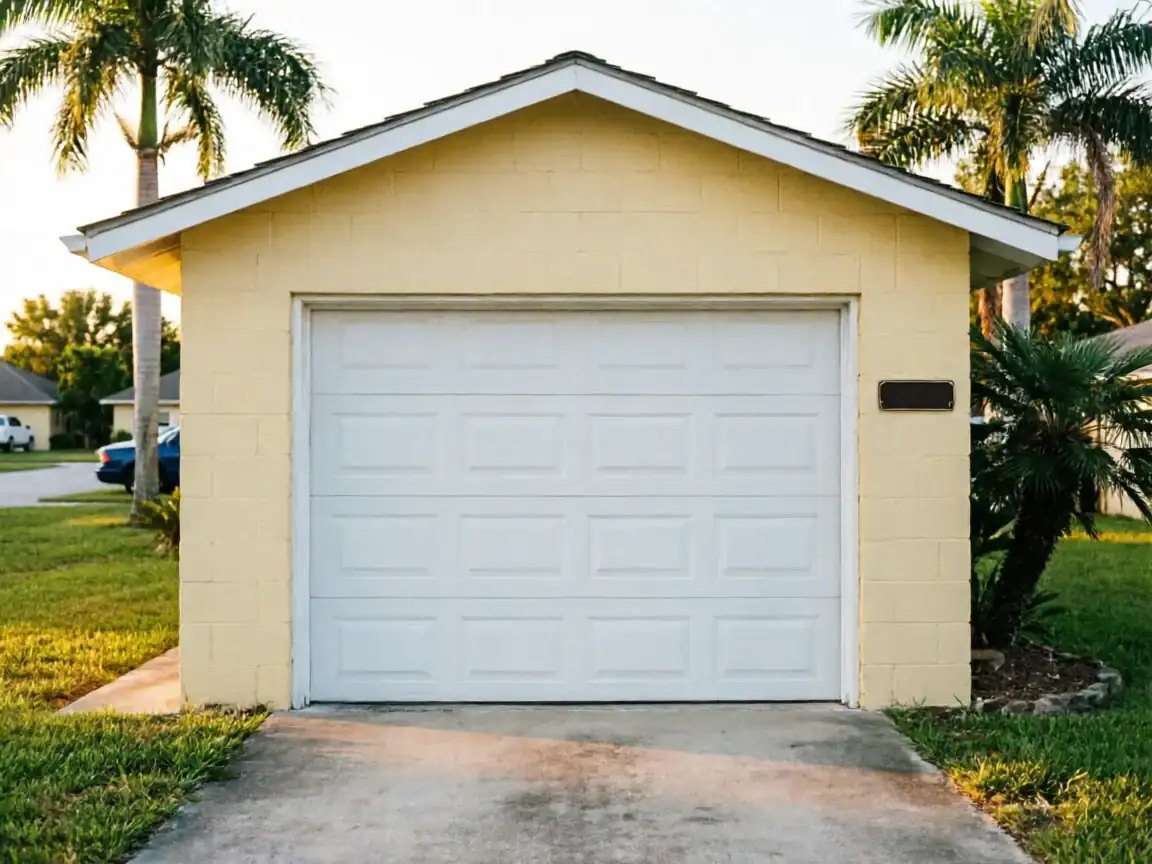
Housing across this service area - 33 named communities from down through - was mostly built between 1958 and 2011, with the typical house dating to 1979. Most of that stock, especially the 1960s and 1970s construction that makes up the bulk of it, went up with plain steel rollers riding bare steel tracks. That hardware was standard for the era, not cheap or wrong, but it was never designed to last fifty-plus years without attention.
The second factor is climate, not cold. St. Petersburg sits in a mild temperate band - we don't get hard freezes that would crack nylon or seize a track with ice. What we get instead is steady humidity and salt-carried air working on exposed steel year-round. A roller that would last a decade inland can show pitting and a rough ride here in half that time, especially on doors facing open carport sides or garages near the water side of a property.
Put the two together - original-era steel hardware plus a climate that corrodes rather than freezes - and roller wear shows up earlier and more often than it would on the same door somewhere colder and drier.
How It Shows Up
The most common complaint is noise
A grinding or rattling sound as the door travels, usually worse near the top or bottom of the run where the roller takes the most load going around the curve into horizontal track. Some owners notice the door jump or shudder at the same spot every time, which is often a roller that's gone slightly oval instead of round.
Look at the rollers themselves if you can see them
Grooves worn into the wheel face, a wheel that's cracked or chipped, or a stem that wobbles loose in its bracket are all signs it's time. On older doors you'll sometimes see flat spots where a roller sat in one position for months without turning, which happens more on a door that doesn't get opened often.
If the door comes off the track entirely
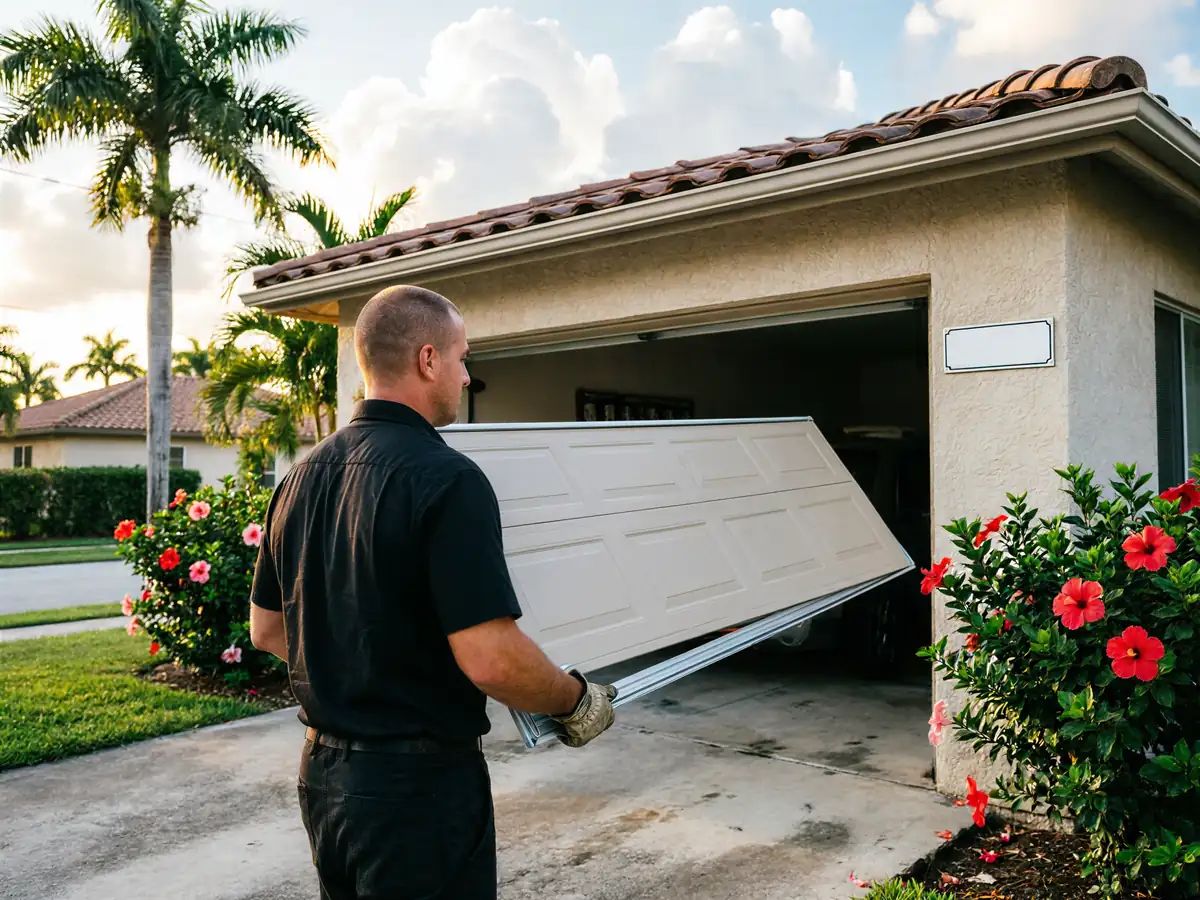
Or the opener strains and reverses partway through a cycle, that's past a simple roller swap - stop using the opener and get it looked at before a cable or spring takes the extra strain and fails too.