What to Check
Start with the release
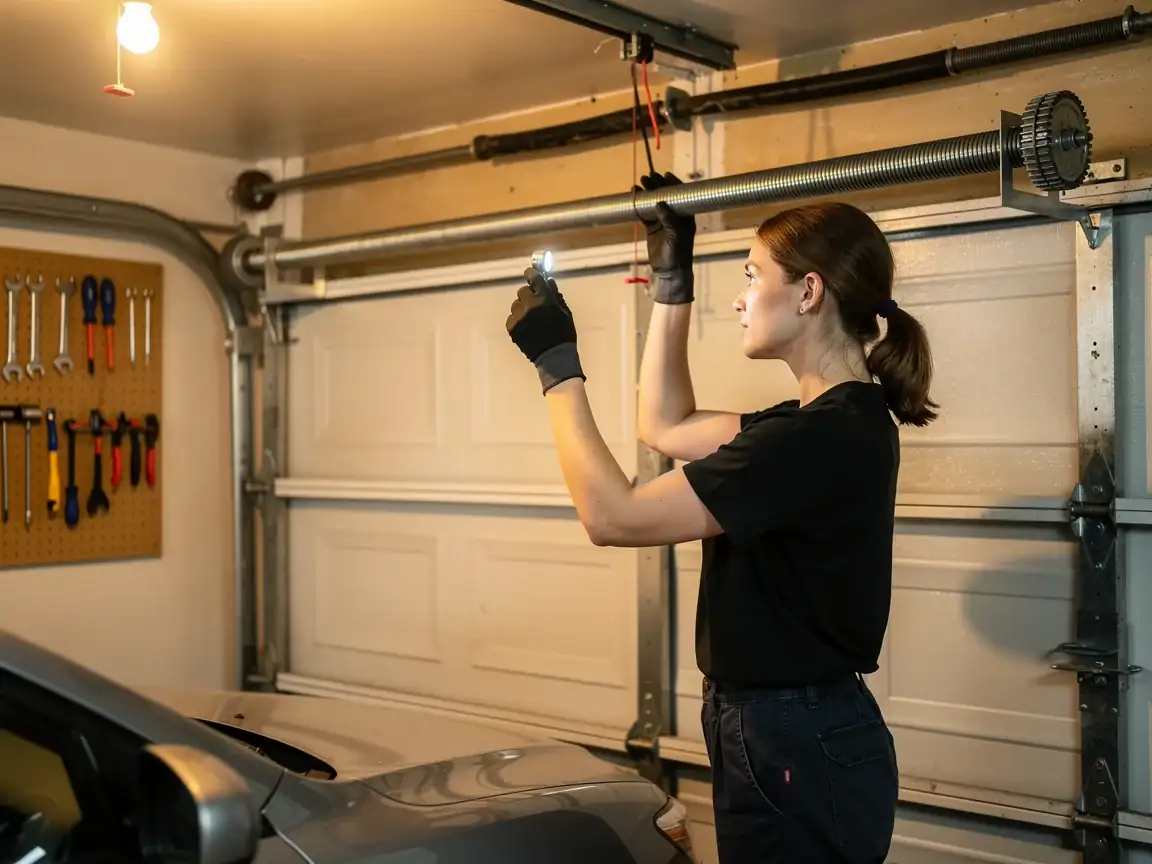
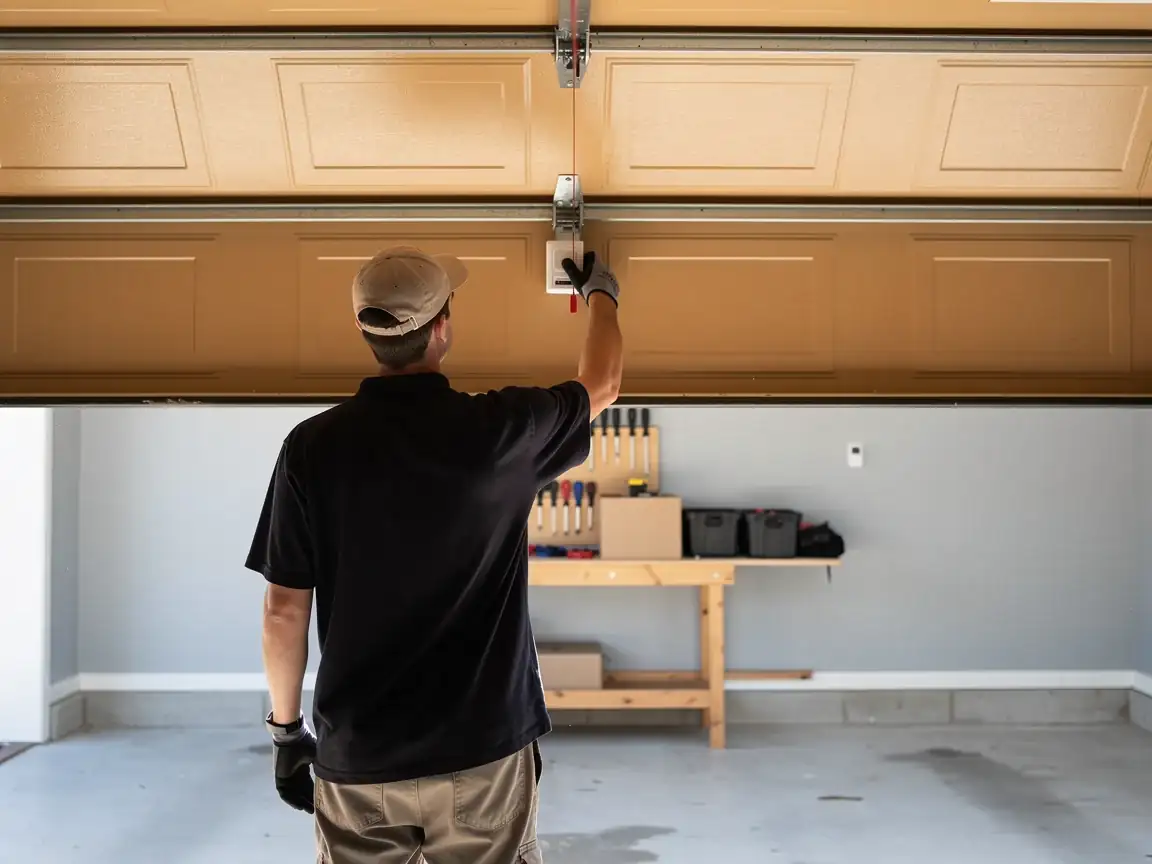
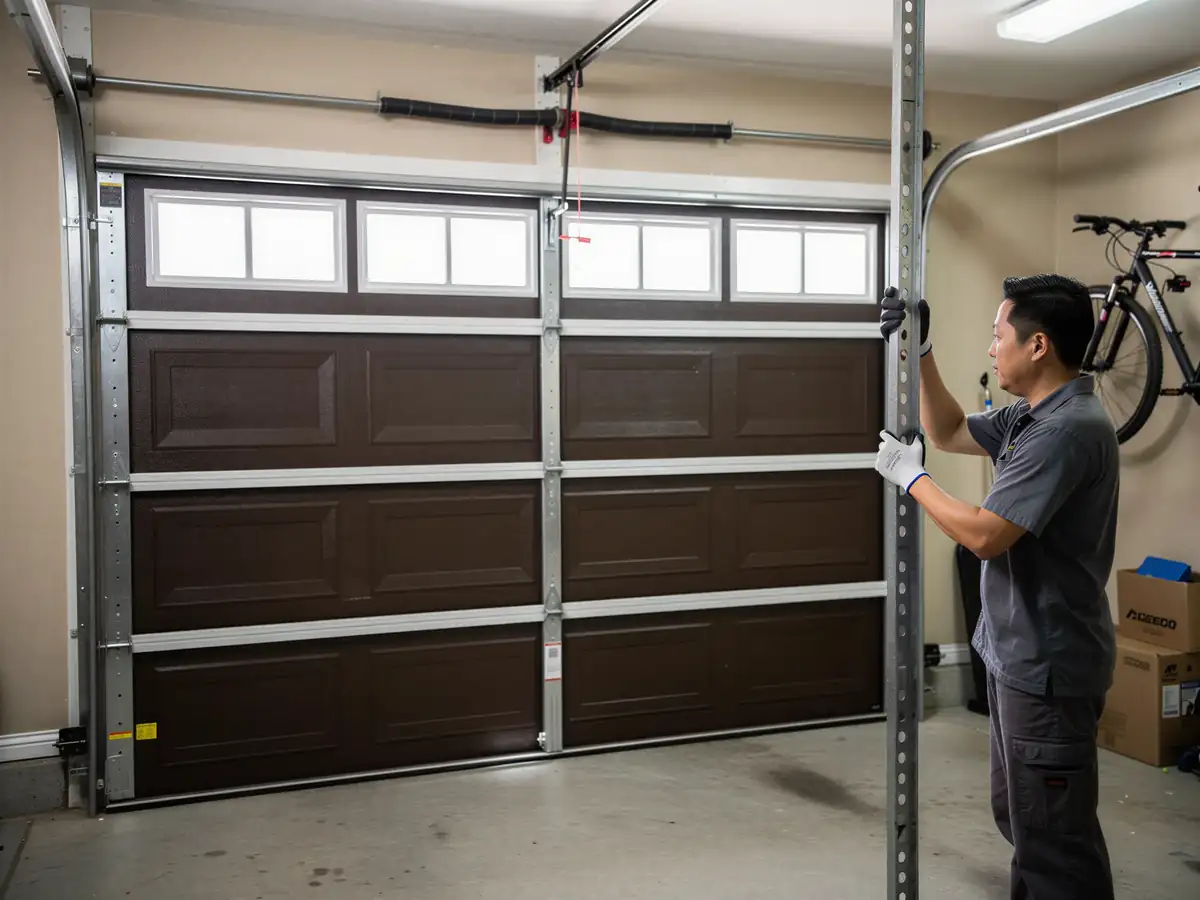
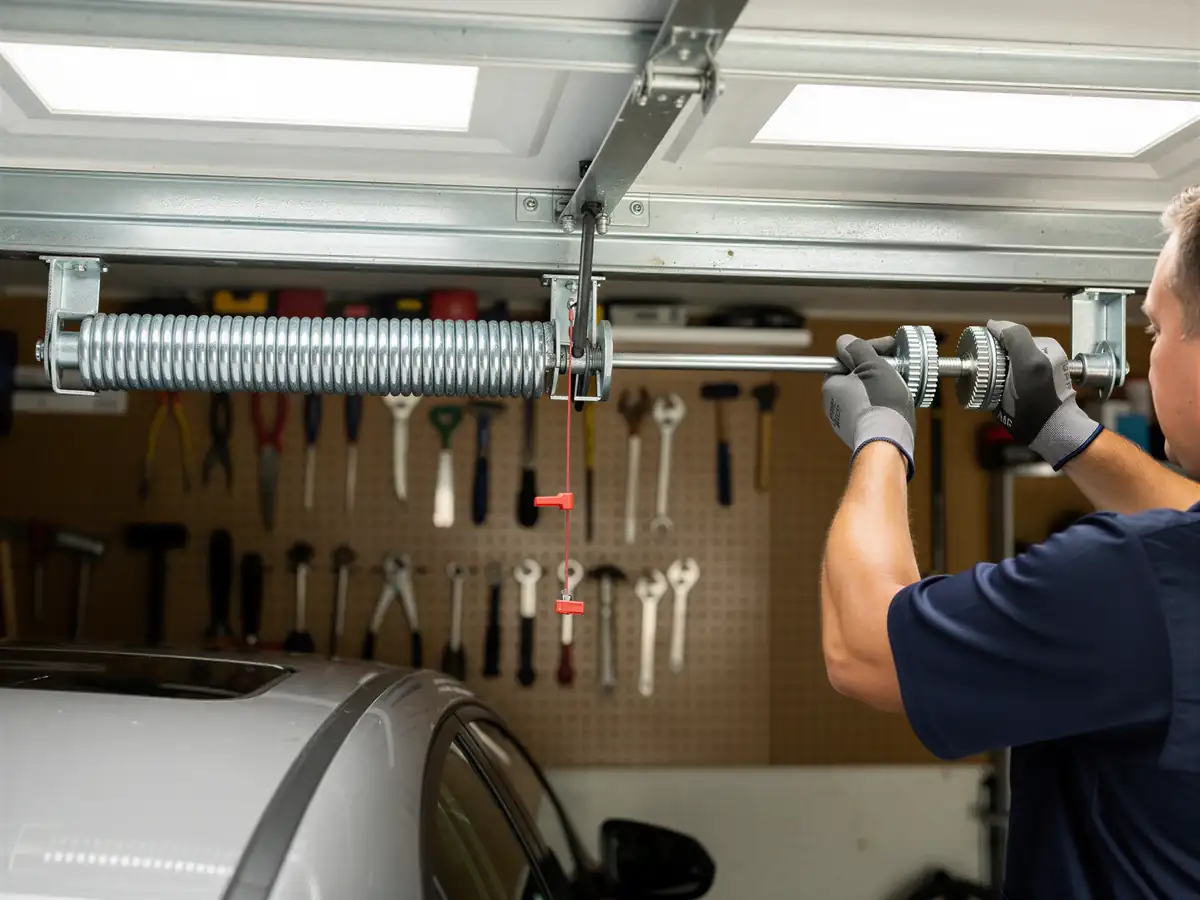
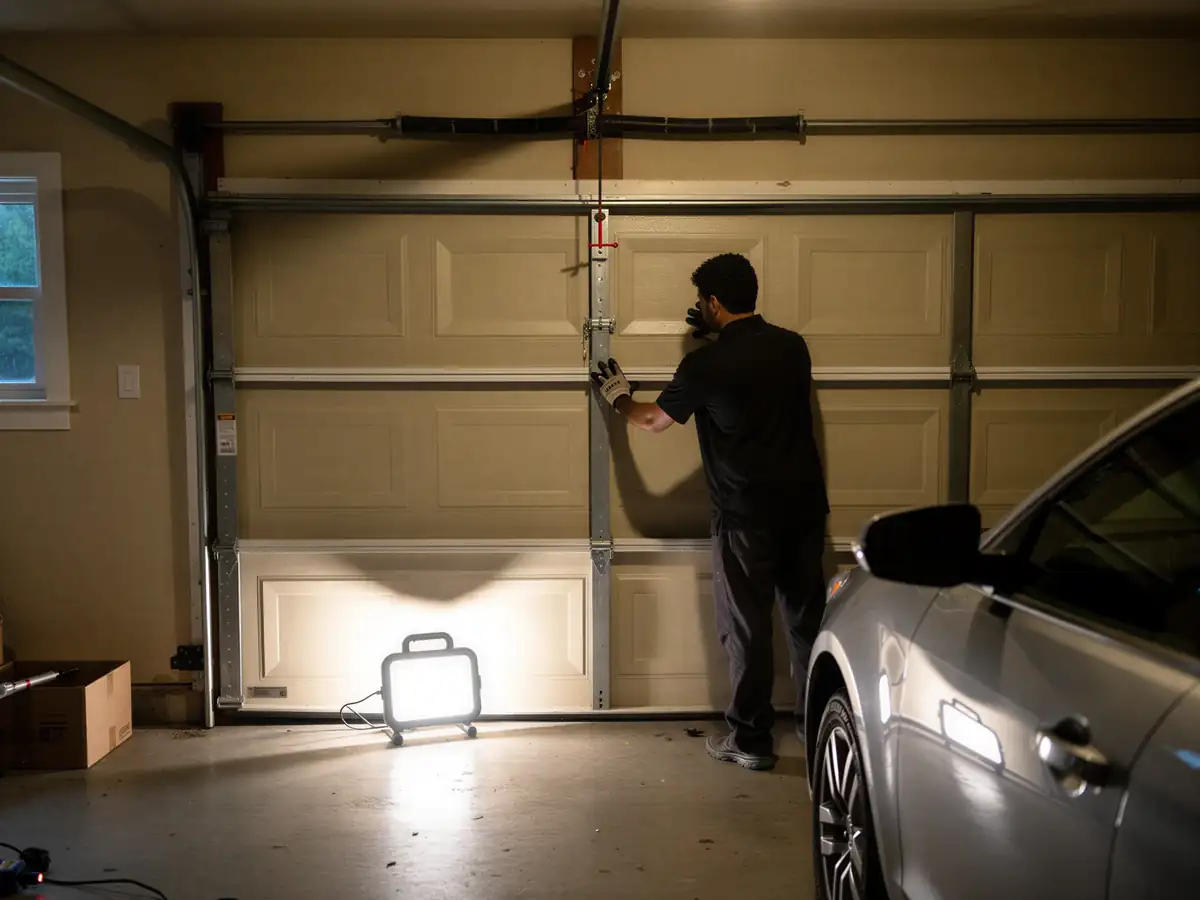
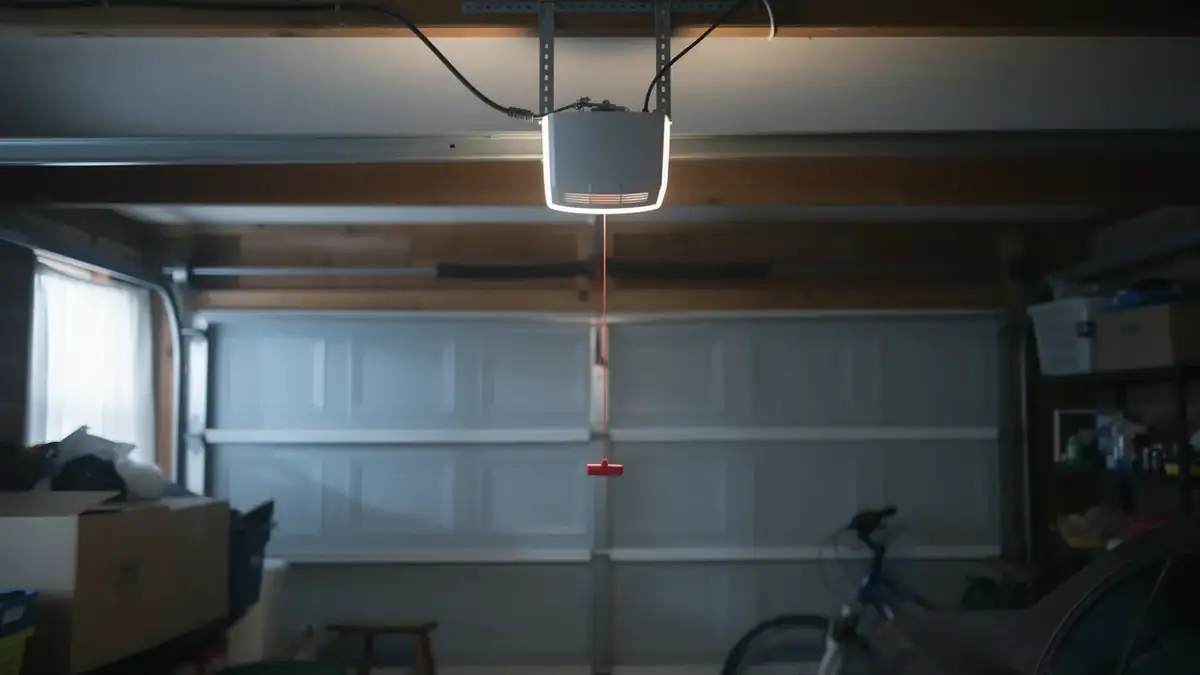
Pull the red cord hanging from the trolley and see if the door moves by hand without fighting you. On a lot of the houses around here, built between 1958 and 2011 with the median going up in 1979, that release has never been touched since the opener went in. If it's stiff or the door won't budge, the rollers or the torsion spring are carrying more load than they should, and that's a different problem than the opener itself.
Next, check whether the opener has a battery backup unit
A separate box, usually bolted to the wall or sitting next to the head unit. Most of the openers original to this housing stock predate battery backup as a standard feature. If yours doesn't have one and the power drops, the door stays wherever it was when the lights went out. No backup, no automatic open or close until the power's back.
Last, look at the wall console and the sensors near the floor
On houses from the 1960s-70s runs that make up most of this stock, these get swapped out piecemeal over the years, and mismatched wiring is common. If the console light is dead with power in the rest of the house, that's a breaker or a wiring fault, not the opener motor.
How Local Conditions Play In
St. Petersburg sits in a mild temperate band - no hard freezes, no deep cold to shrink metal or crack plastic housings the way a northern winter does. That's the good part. It means the opener's gears, belts, and circuit boards aren't fighting thermal swings most of the year, and the motor isn't working harder in cold air.
What it doesn't do is make the age of the equipment irrelevant. A house built in the early part of that 1958-2011 range, sitting at a median year of 1979, has had over four decades for an opener to get replaced once, maybe twice, with whatever model was cheapest at the time. The climate doesn't wear these out - the calendar does. So when a power cut hits, the question isn't whether heat or cold damaged the unit. It's whether the unit installed decades ago ever had backup power built in, and whether anyone's updated it since.
What Is Going On
When the power goes out and the garage door won't move, it's almost never the door. It's the opener, and specifically whether it has a way to run without house current. Across the service area, including neighborhoods like the housing stock runs through the same decades - mostly 1960s and 70s builds - which means a lot of these openers are original installs or early replacements from before battery backup was common on residential units.
If your opener doesn't have backup, a power cut means the door is stuck shut or stuck open until power returns, full stop. The manual release gets you in and out on foot power, but the door itself has to be pushed and pulled by hand - no motor assist. That's fine for one night. It's a problem if you need the garage and can't lift a heavier panel door alone.
The other thing going on, less dramatic but just as common: an opener that's been limping along for years with a weak capacitor or a worn gear finally gives out right when a brief outage stresses it, and the owner blames the power cut for something that was already failing.
When to Get Help
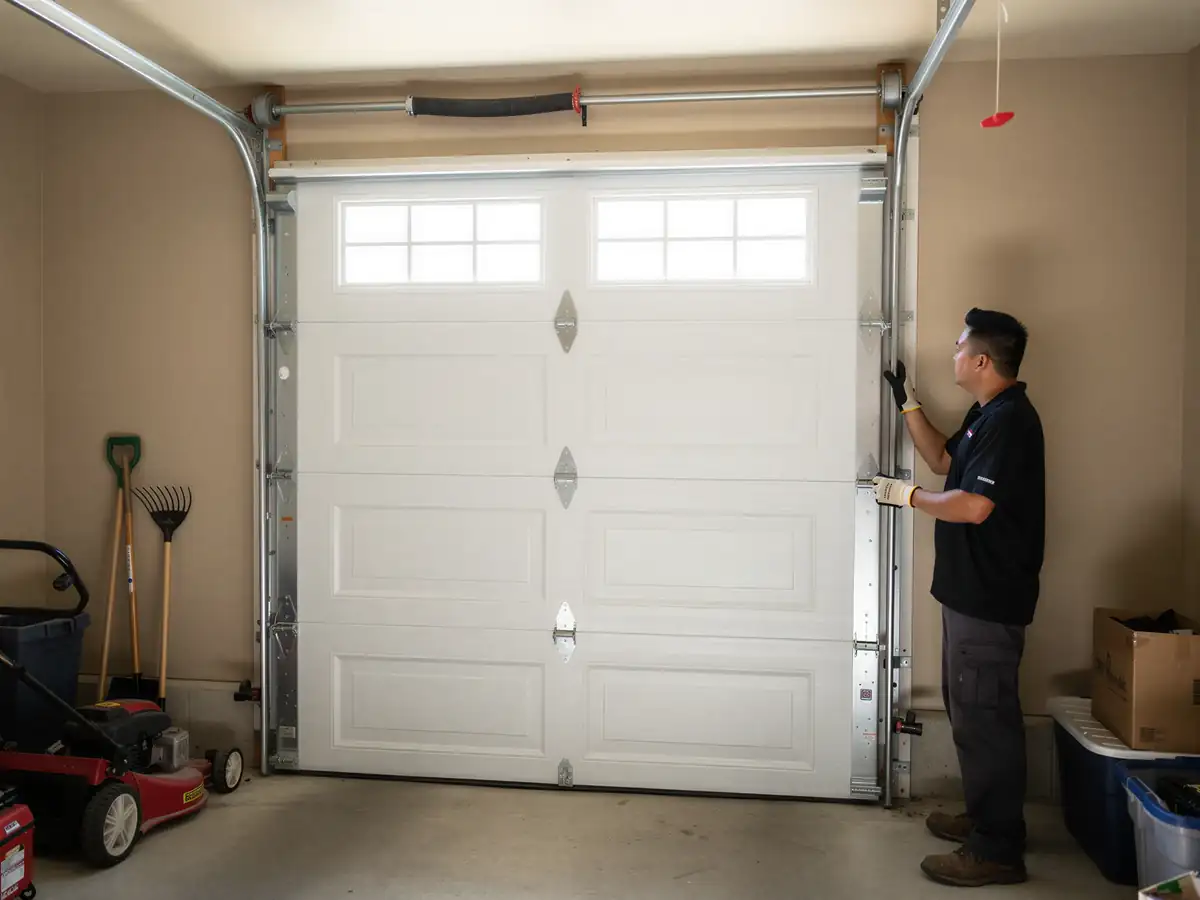
Call if the manual release won't disengage, if the door won't move by hand with the opener disconnected
Or if the opener has no battery backup and you want one added before the next outage rather than during it. Adding backup to an older opener is usually straightforward if the unit is still in decent shape.
We don't try to retrofit backup power onto every opener we find
Some units on this side of their service life aren't worth the parts cost, and we'll say so rather than sell you an add-on for a motor that's near the end anyway. If that's the case, replacement is the honest answer, not a patch.