What the Housing Means for Your Door
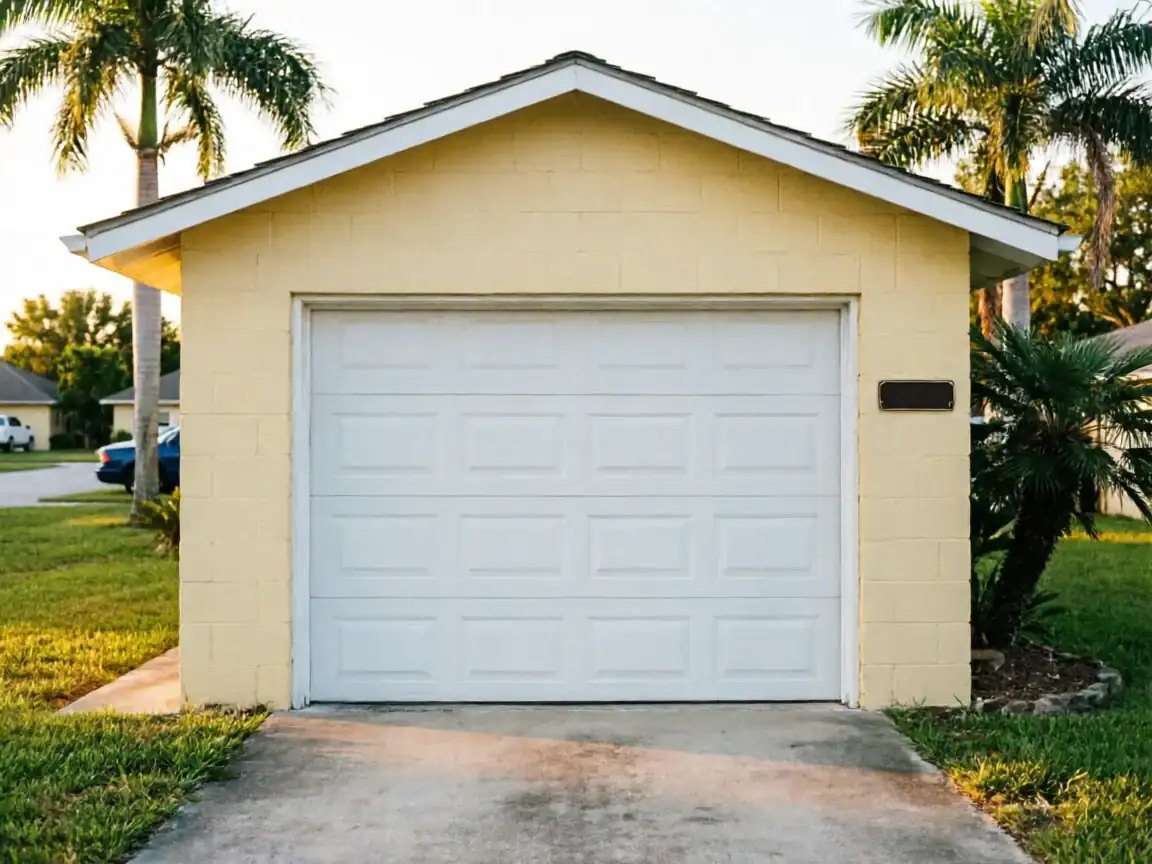
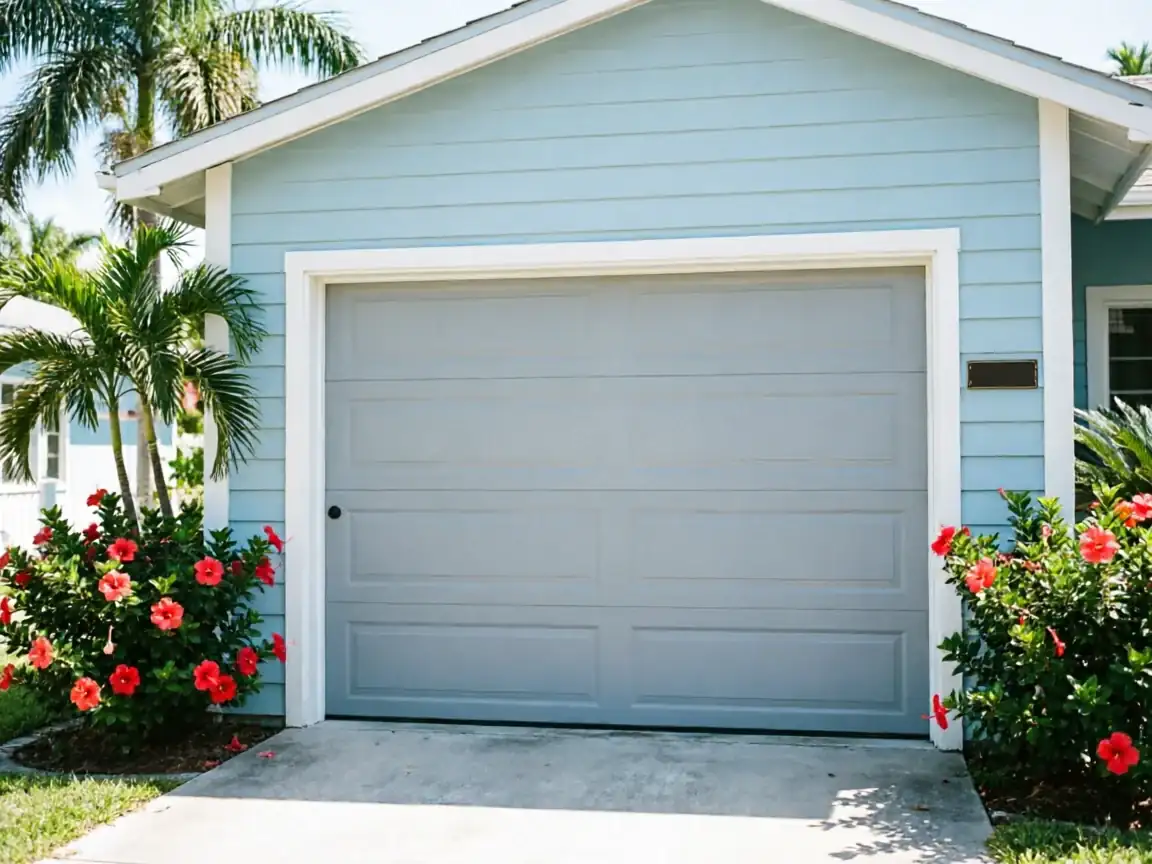
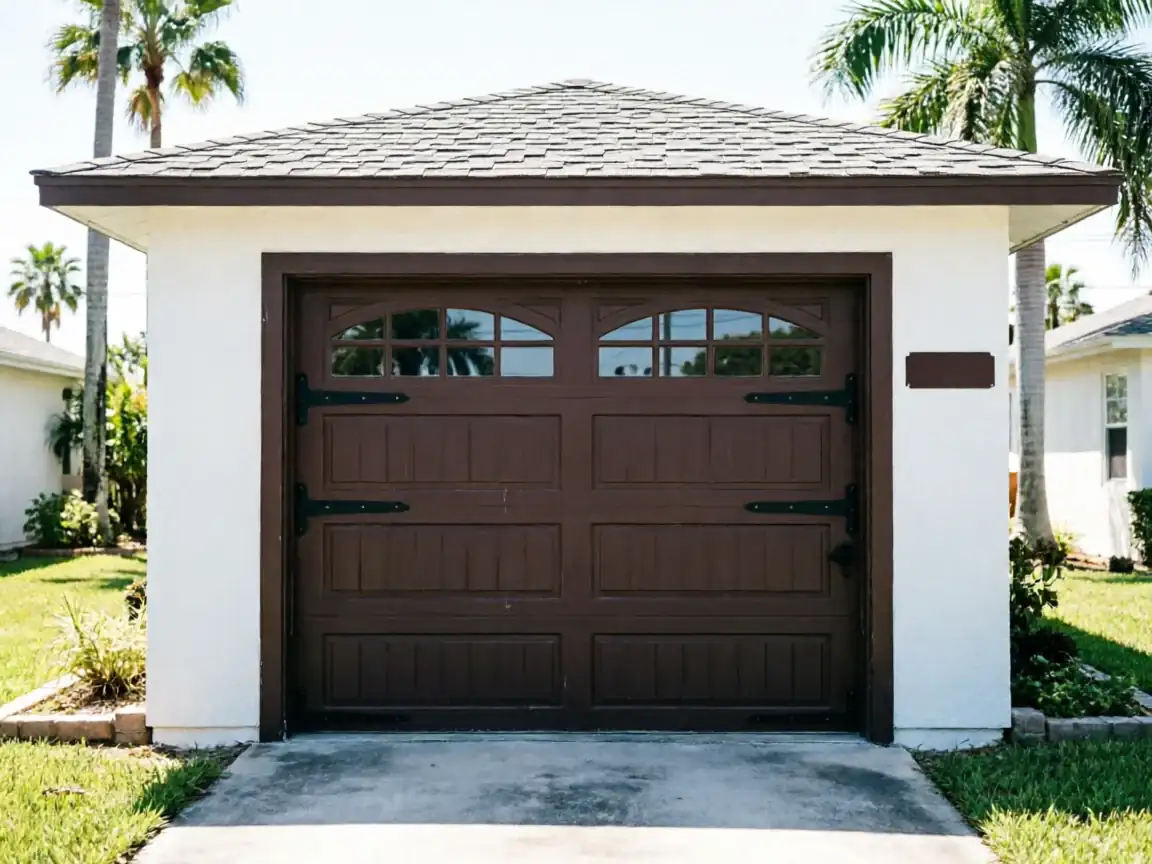
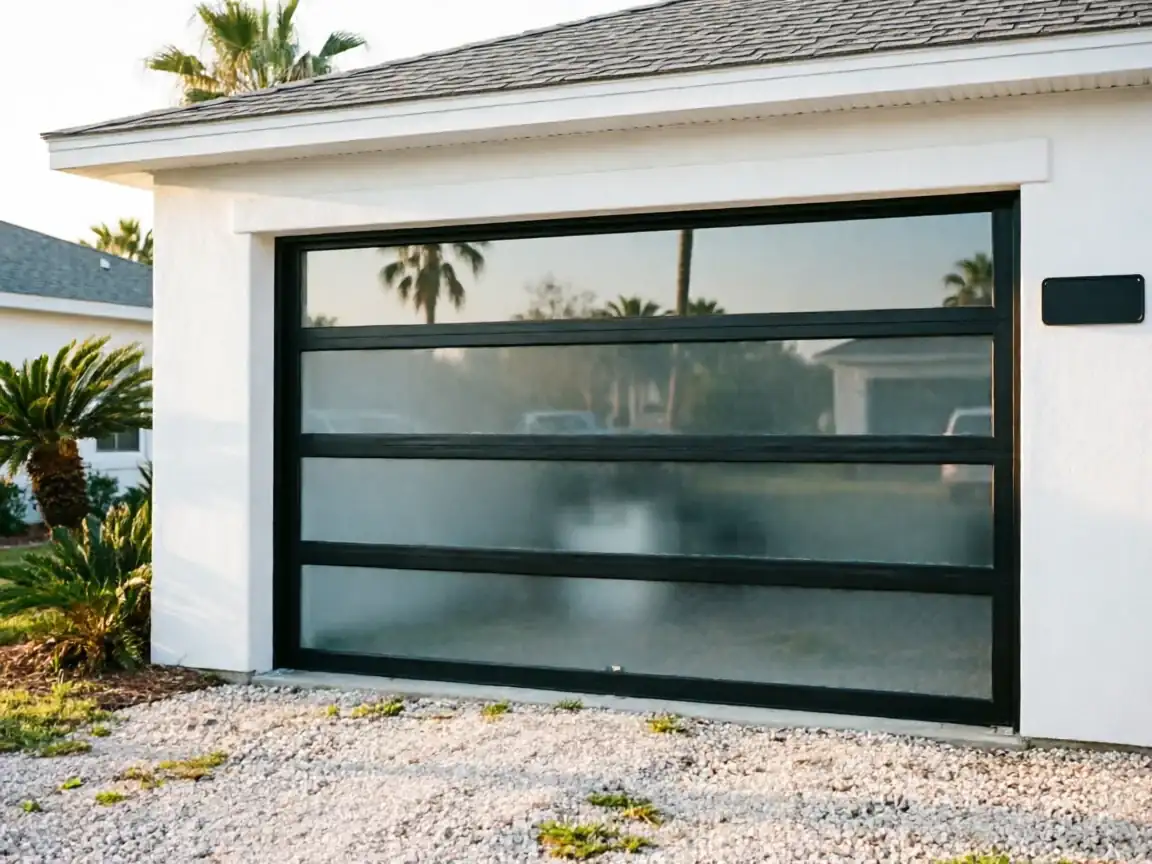
Madeira Beach's housing stock centers on 1974
A few years earlier than the broader service area's 1979 median. That gap matters more than it sounds. A door and track set installed in the early-to-mid 1970s is a different animal from one installed in the 1980s: shorter track radius, lighter-gauge steel sections, and openers (where they exist at all - plenty of these houses started with manual doors) that are chain-driven units long since replaced piecemeal over the decades.
What we see on these calls is a mix of eras stacked on top of each other
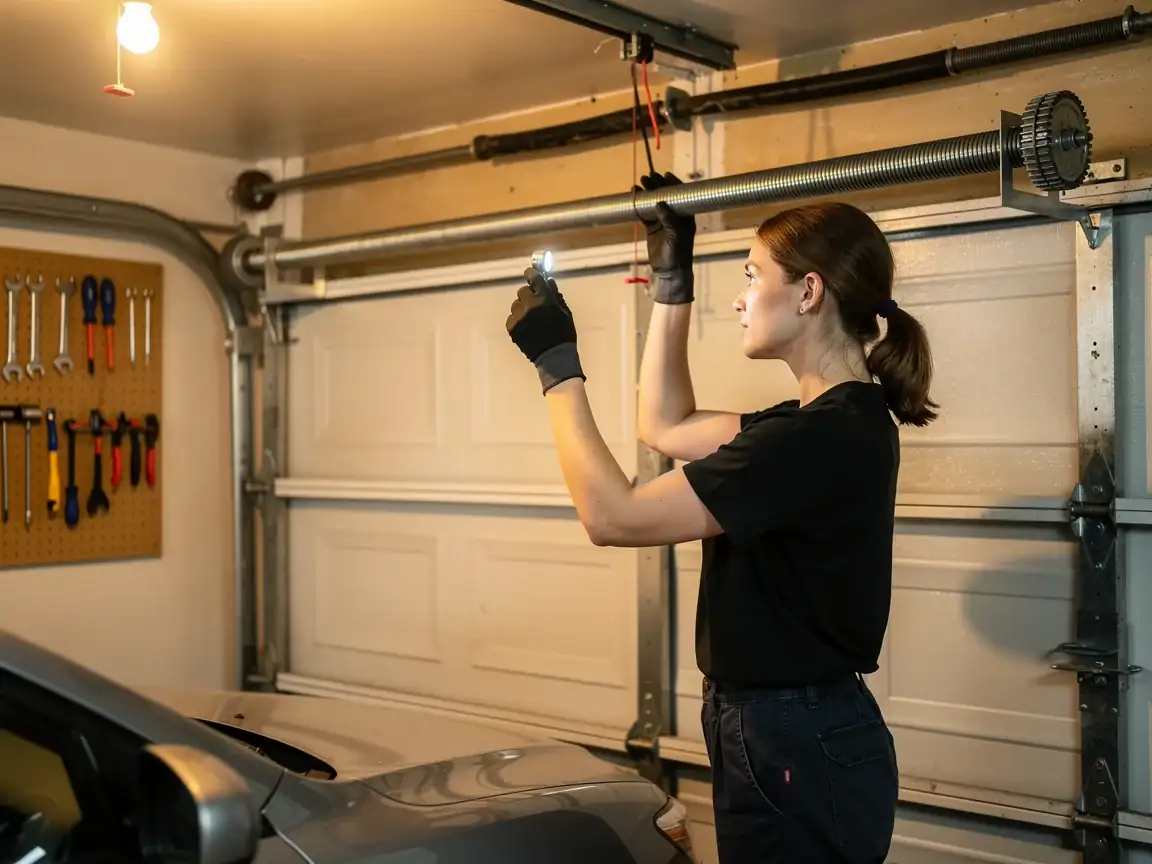
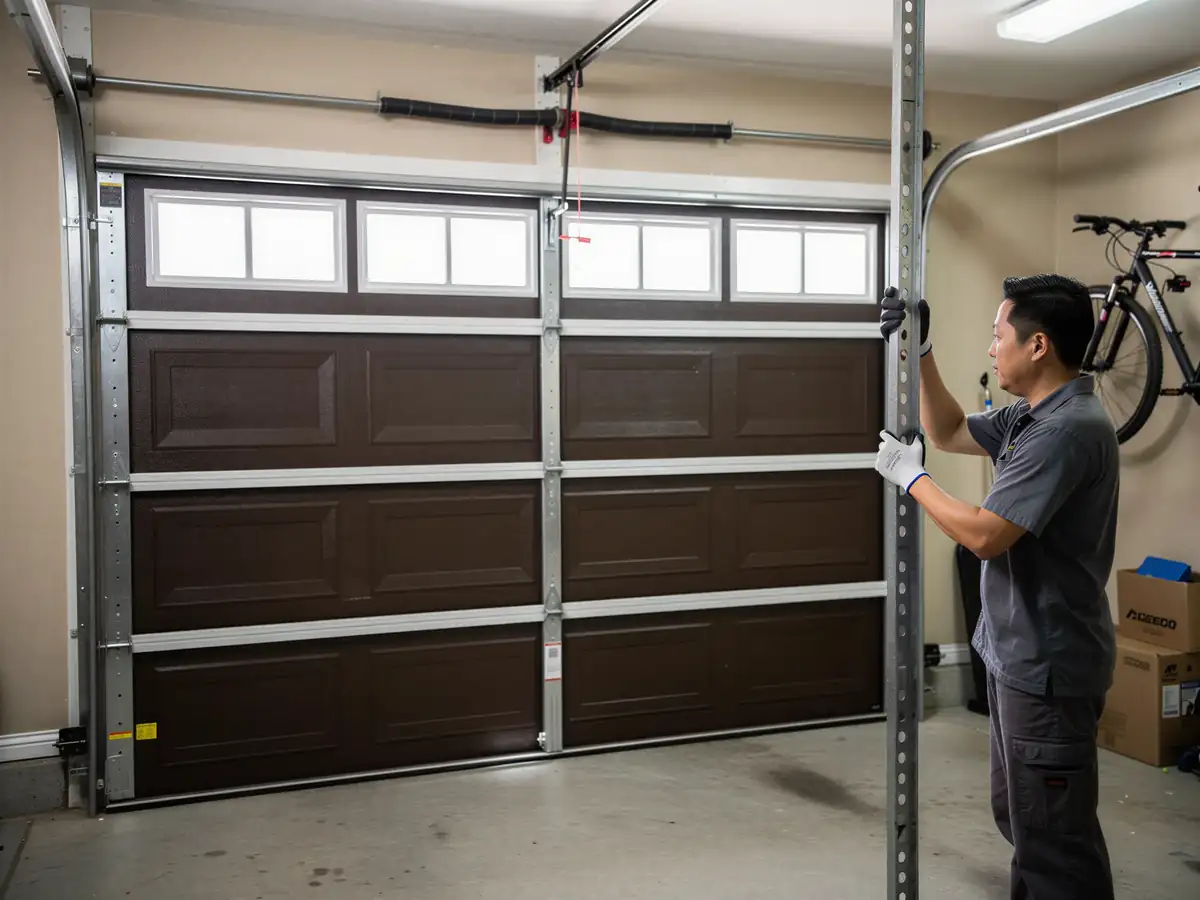
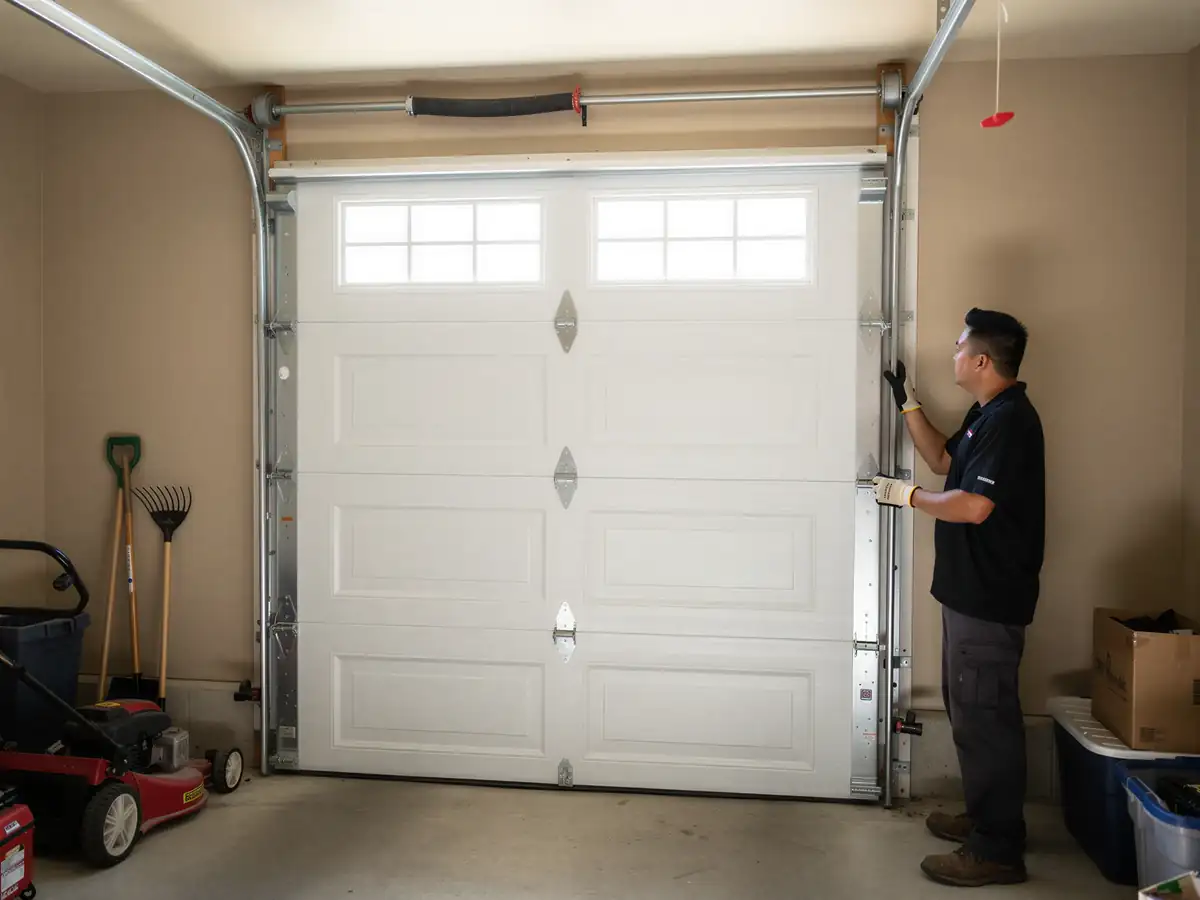
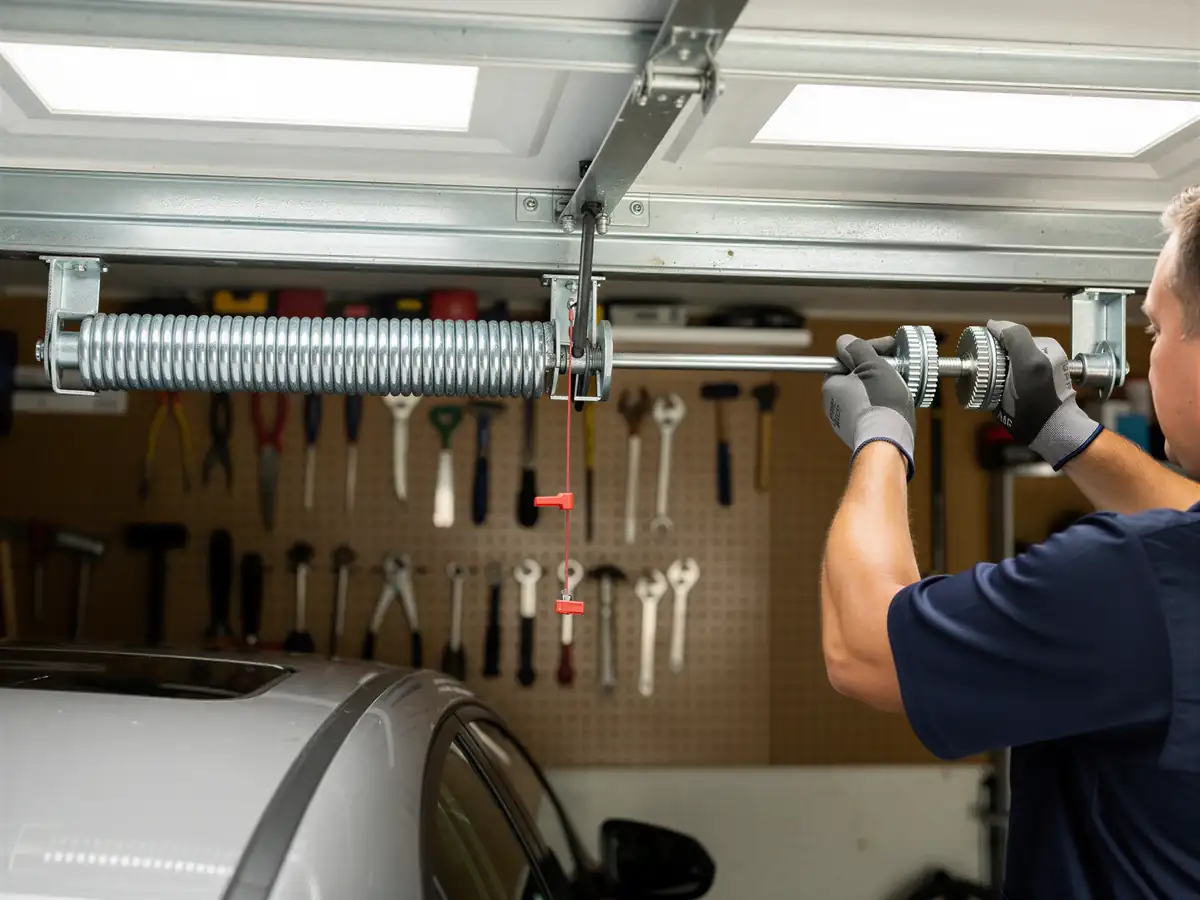
The door itself might be a newer steel replacement, but it's still riding on the original jamb brackets and a track that was never squared to begin with because nobody touches that part during a panel swap. Springs get swapped out when they break, but the drum and cable combo underneath often isn't matched to the new door's weight, which is why the door feels heavy on one side or the cable frays faster than it should.
If your house is part of that 1974-era build, the fix usually isn't a new opener
It's checking whether the hardware underneath the visible parts ever got brought up to match what's riding on it now.
Common Jobs Here
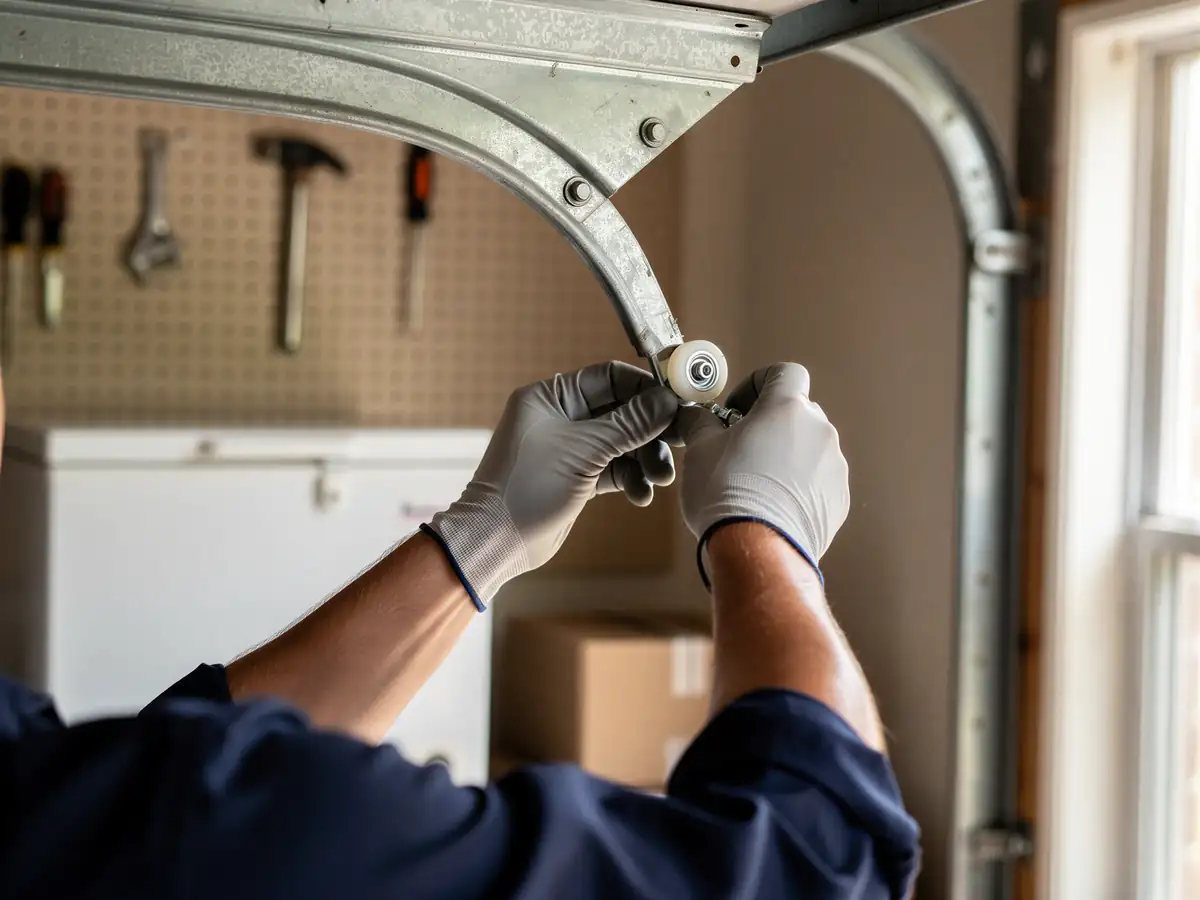
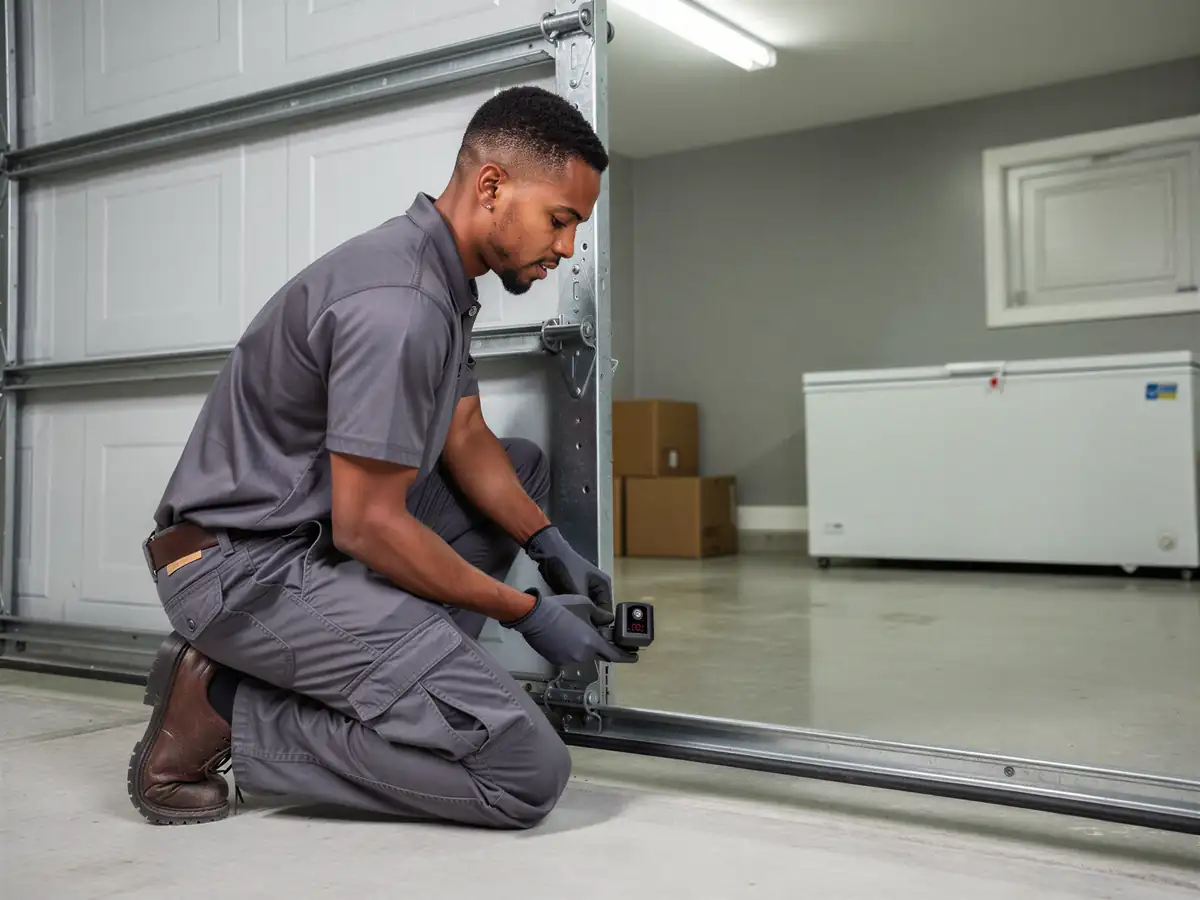
On houses from this build era, the calls we get most are track misalignment from decades of settling, worn rollers that were never upgraded from the original steel-on-steel setup, and springs sized for a door that's since been replaced with a heavier one. None of that is dramatic - it's just what happens to hardware that's been patched one piece at a time since the 1970s instead of replaced as a system.
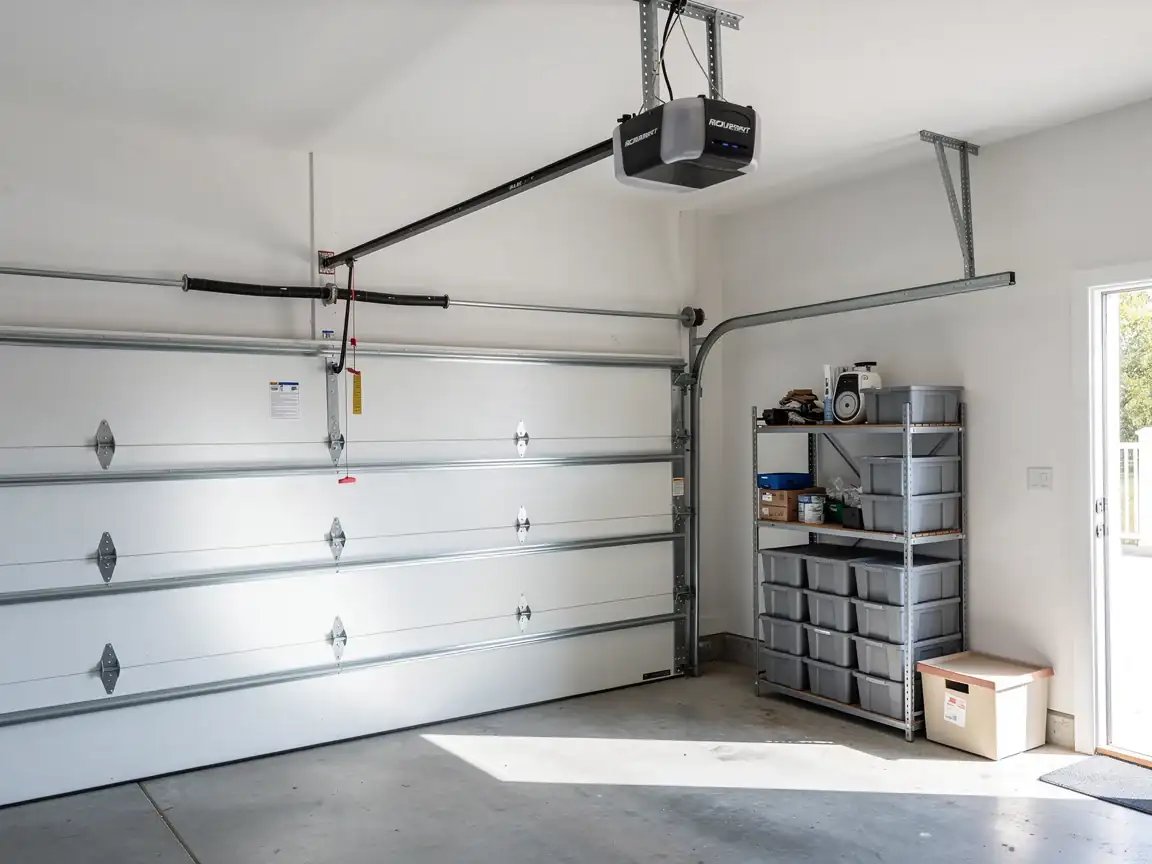
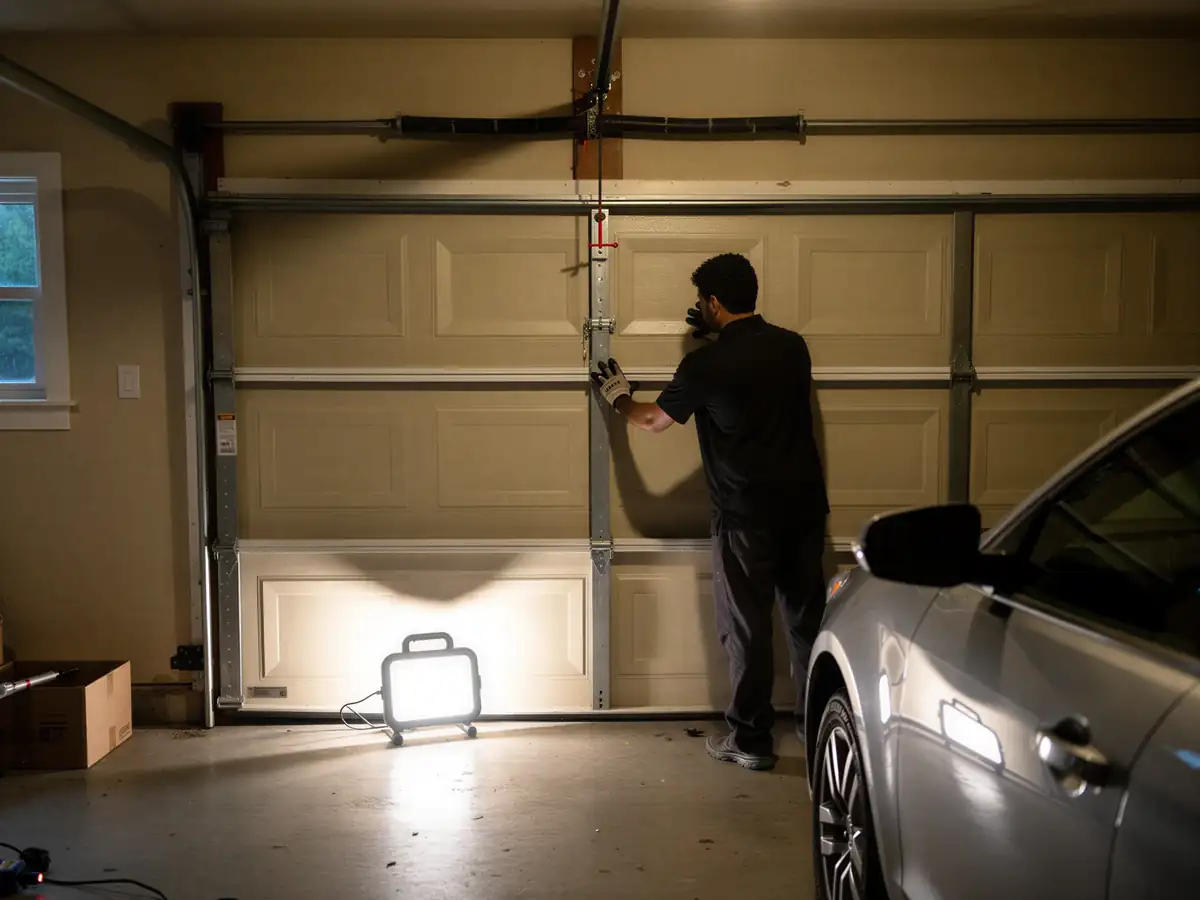
We also see a fair number of openers that are the second or third unit on the same bracket, meaning the mounting point itself has some fatigue even if the opener bolted to it is only a few years old. Worth a look if your opener seems to strain on the way up.
One honest limitation: if your springs, cables, and track all date to the same era and one fails, we're not going to recommend patching just the broken piece. At that point you're better off replacing the set so you're not back out here in six months for the next original part that gives up.
The Houses Here
Madeira Beach runs about 1,940 households, smaller than most of the areas we cover from St. Petersburg, and household income here lines up with the service area's overall median of $79,798. That's relevant mainly because it tells us what kind of repair most owners are after - a fix that holds, not a stopgap, and a straight answer on whether a part is worth saving or not.
The climate band across this part of the coast is mild temperate, which is easier on garage door hardware than extreme heat or hard freezes would be. Metal doesn't contract and expand the way it does further north, so corrosion and rust are the slower failure mode here compared to pure mechanical wear - springs fatiguing, rollers wearing down, cables stretching under repeated cycling rather than snapping from cold.
Getting Here
We run out of St. Petersburg, about 9 miles from Madeira Beach
That's a short enough haul that scheduling a job here isn't any different from scheduling one closer to the shop - same trucks, same stock on board, same crew.
- 9 miles
We don't keep a depot or drop-off counter in Madeira Beach itself
Every job here is a truck coming from St. Petersburg with the parts it needs already loaded, which is worth knowing if you're calling around comparing who's "local" - we're a short drive, not a storefront on your street.