What to Check
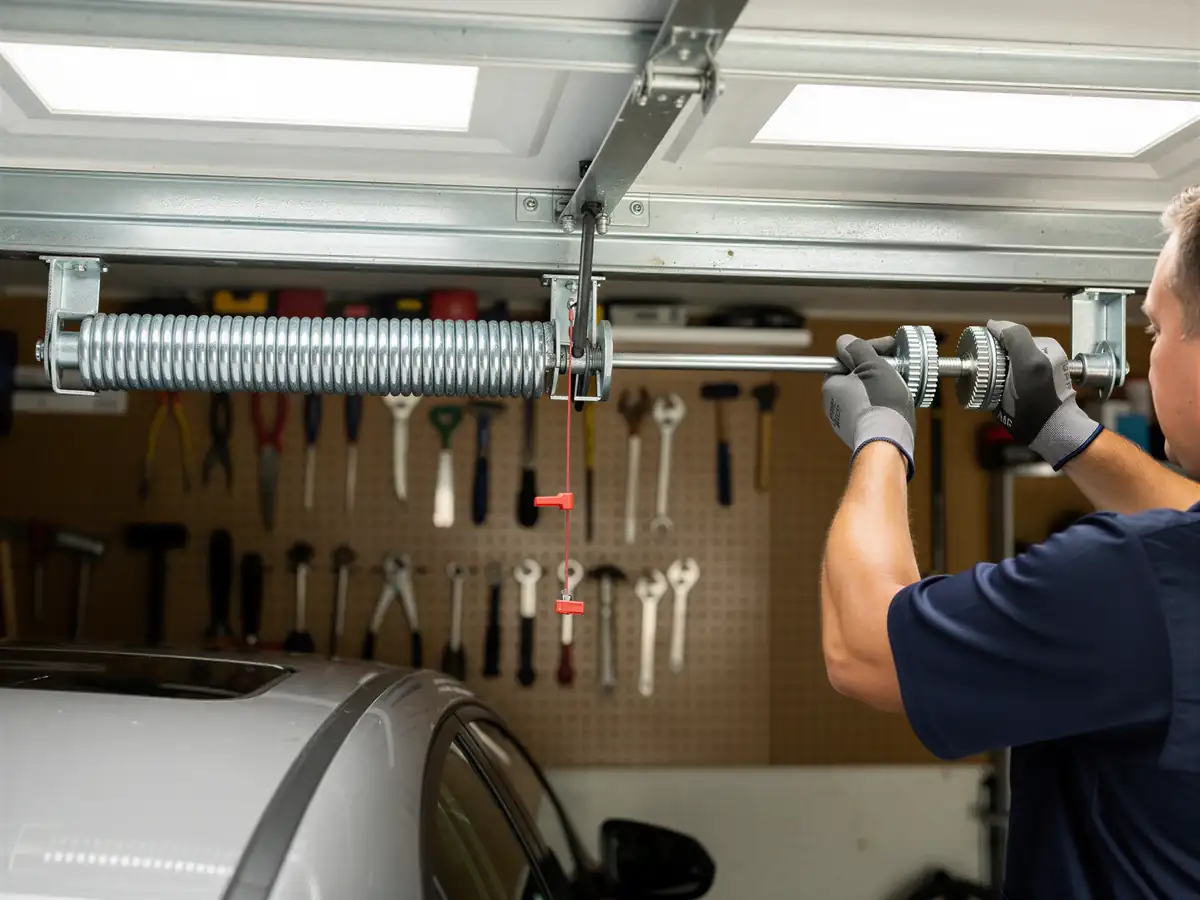
A technician starts at the spring, not the opener
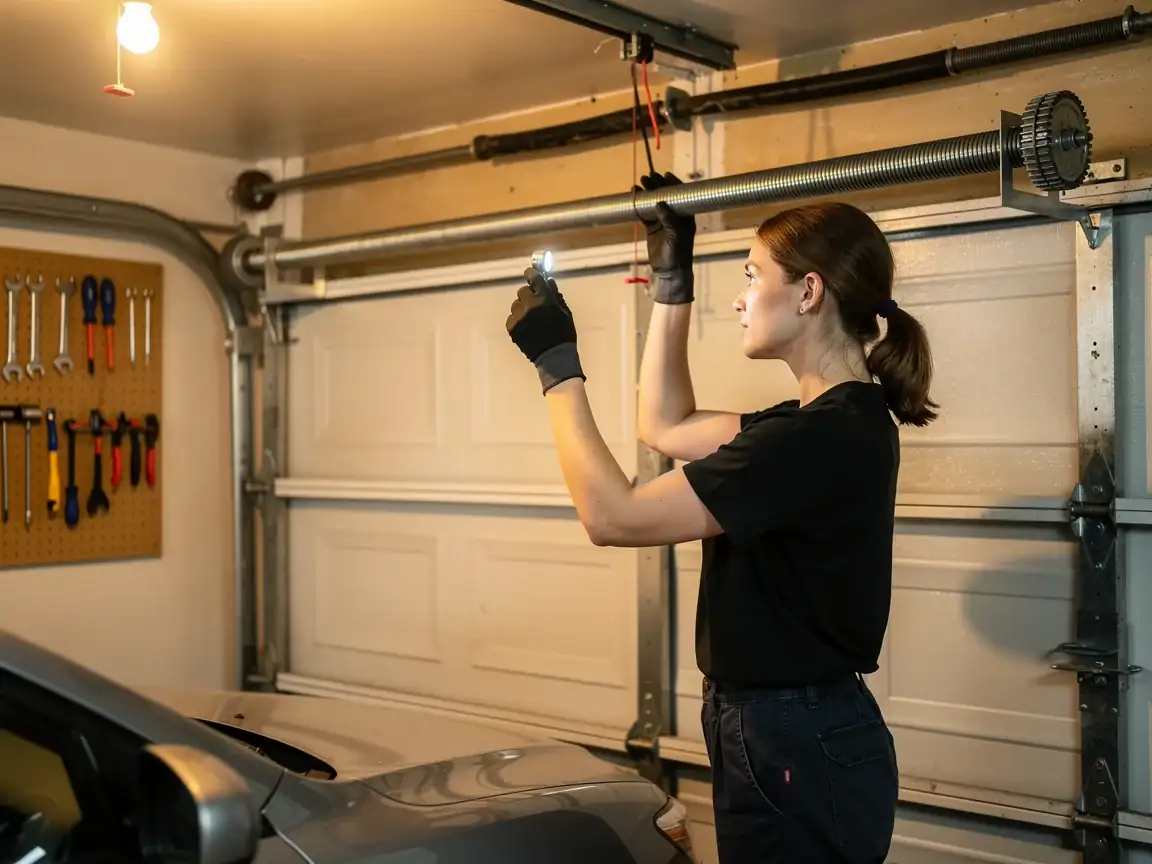
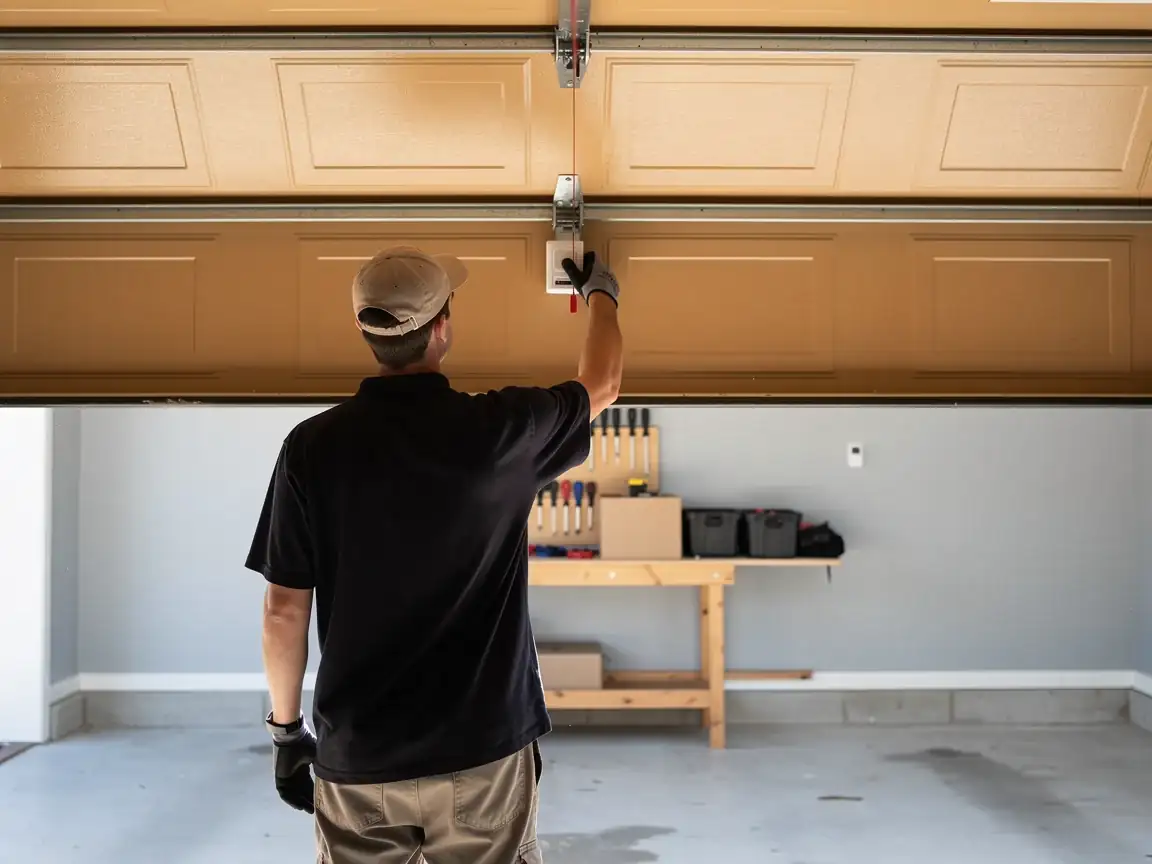
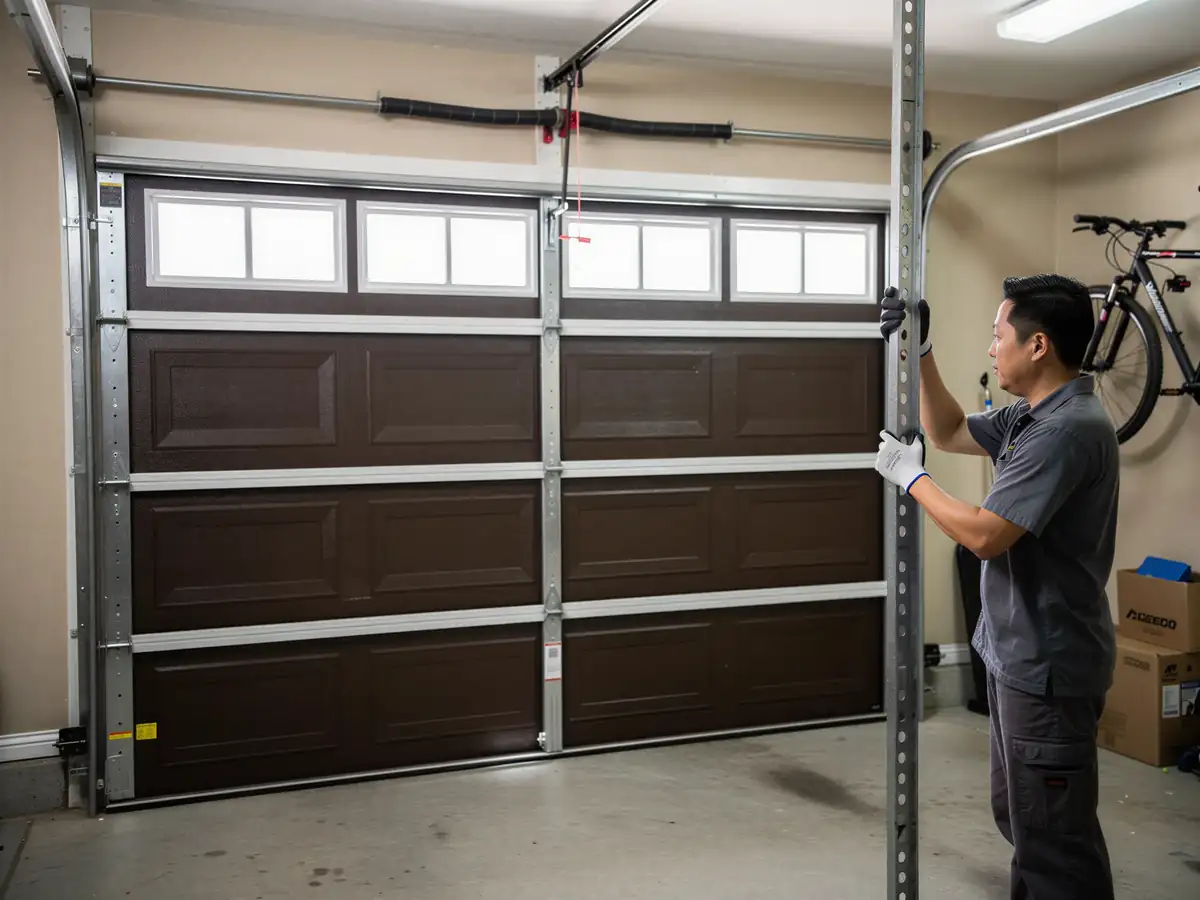
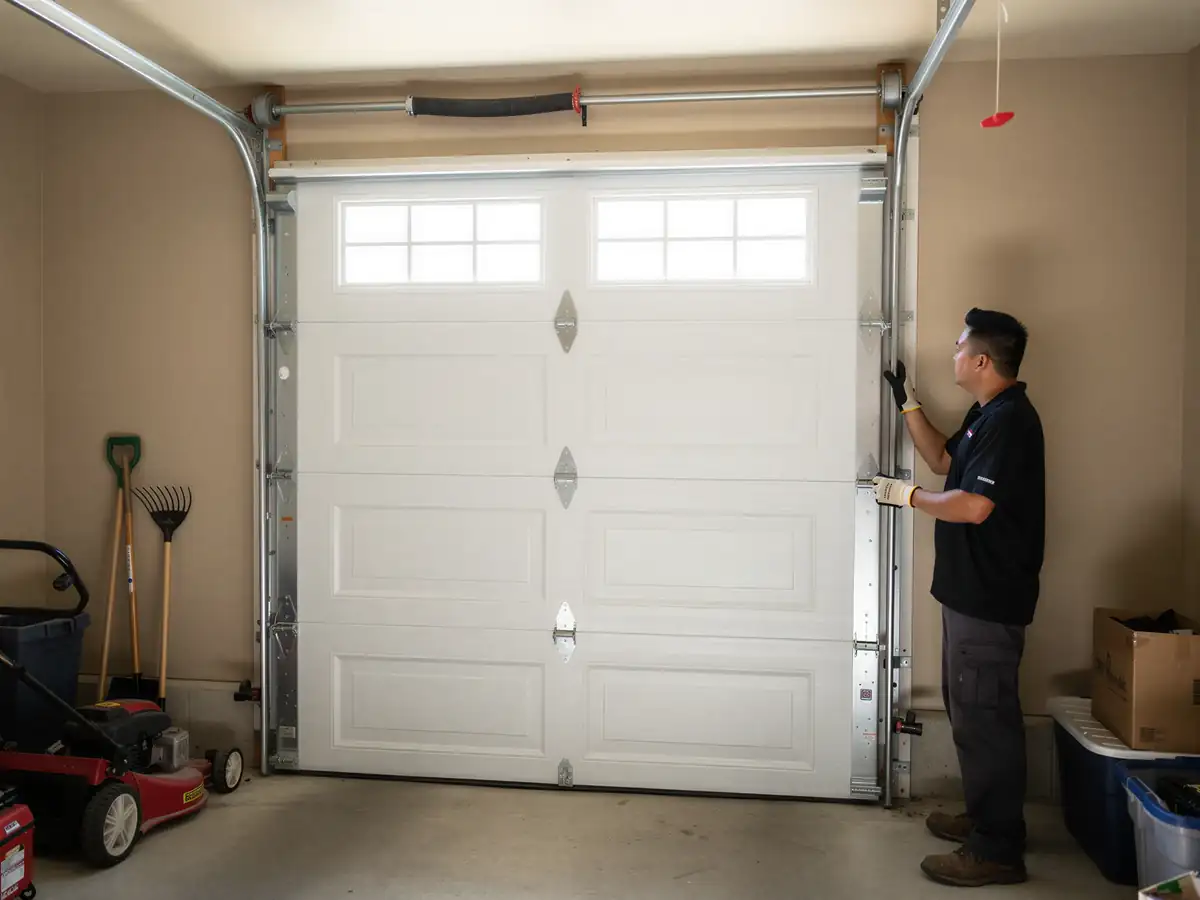
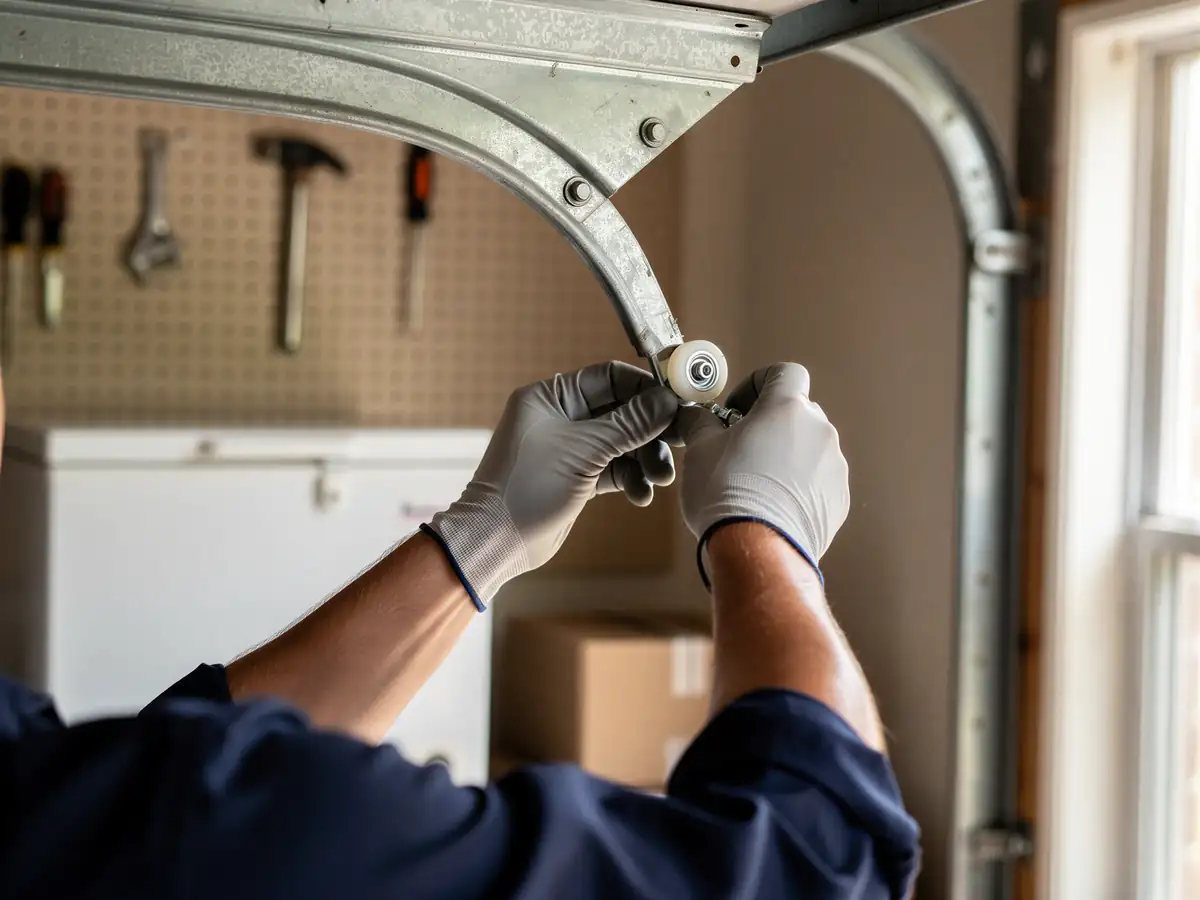
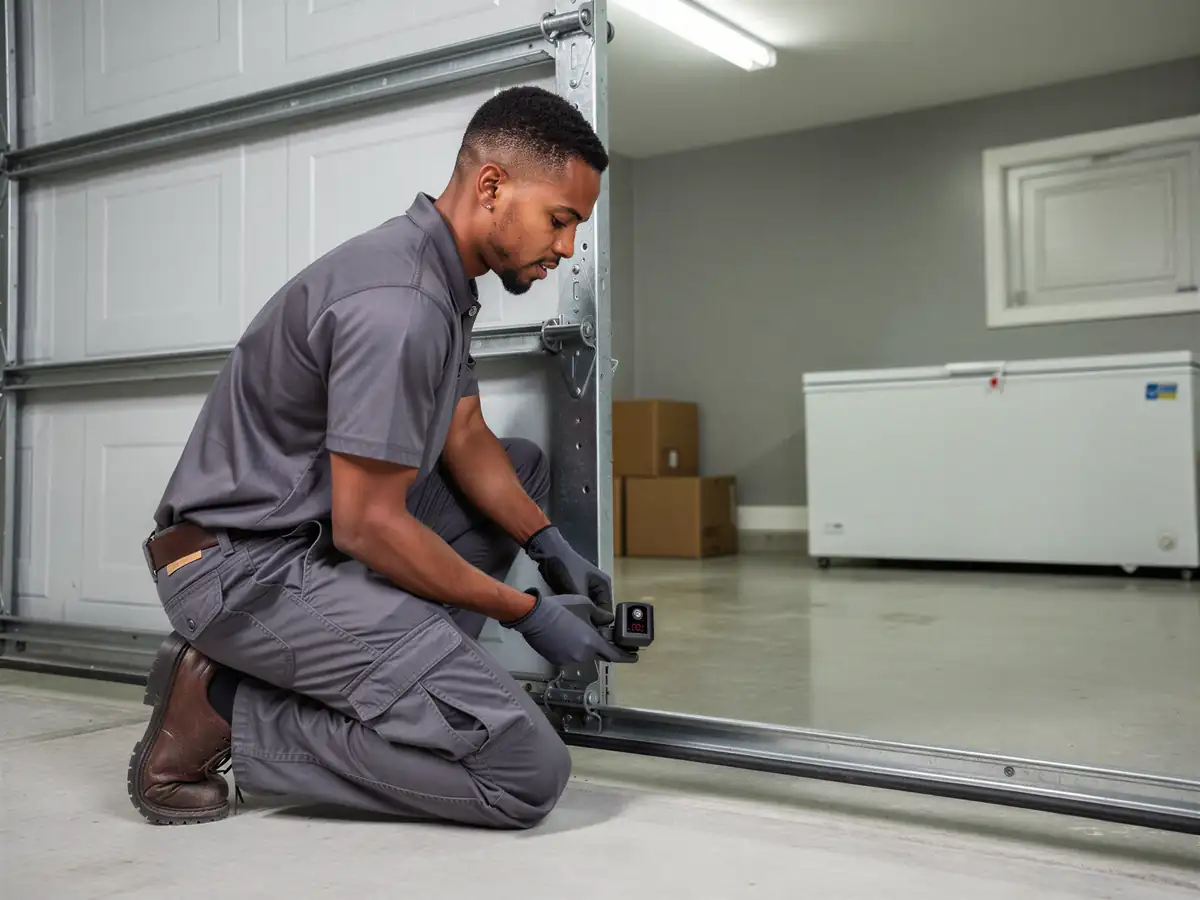
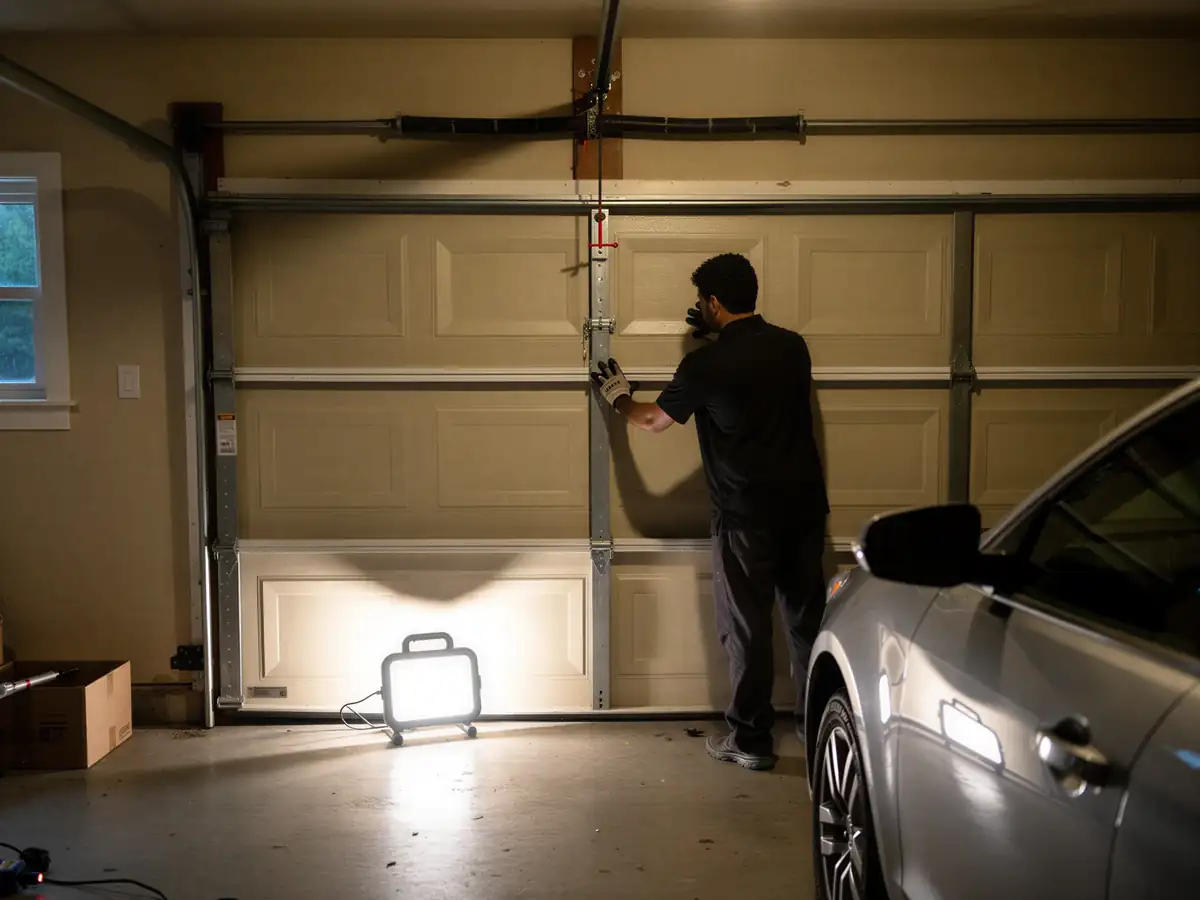
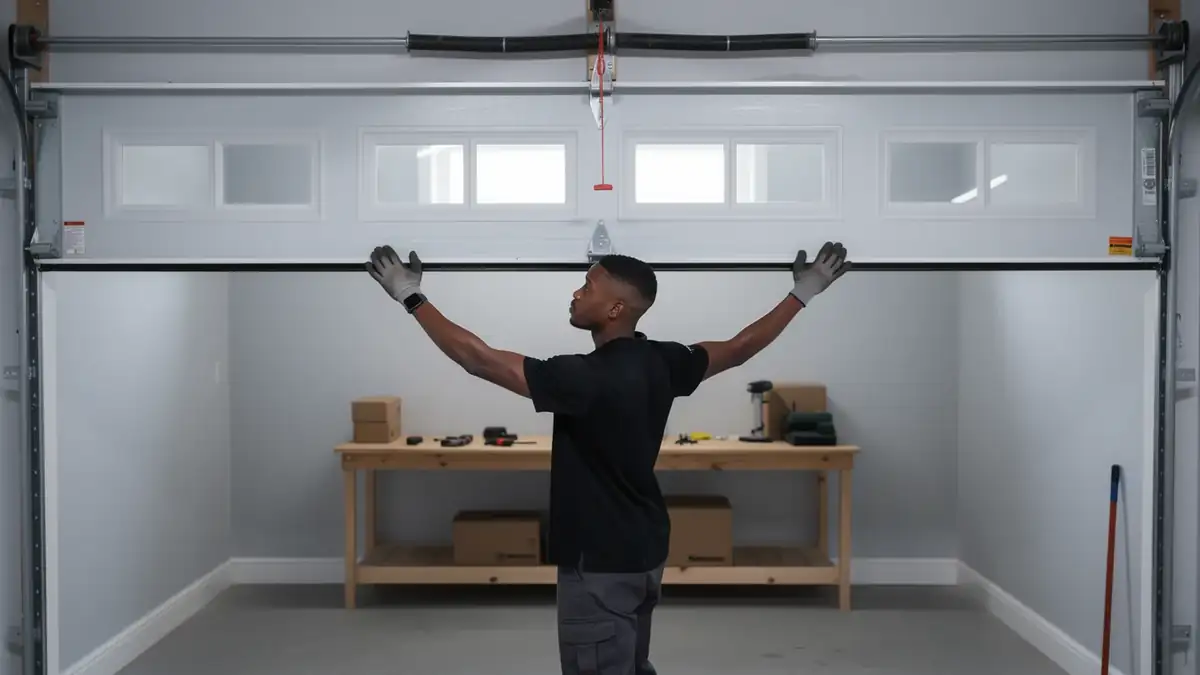
Because most calls in this area trace back there. Houses here went up between 1958 and 2011, with the bulk of the stock dating to the 1960s and '70s across neighborhoods. That means a lot of original torsion springs and track hardware that's outlived its rated cycle count. We check spring wind and cable condition first, then move to the rollers and track alignment, then the opener's force settings last. On a door that age, the hardware usually tells you more than the opener does. We also check the bottom seal and the panel seams, because moisture gets into gaps faster than owners expect in a coastal climate. If the door is binding or dropping unevenly, that's a cable or spring problem almost every time, not a motor problem, regardless of what the opener's lights are telling you.
We look at the mounting brackets too
On houses built before the 1980s, the header above the door was often sized for a lighter, single-layer door, and swapping in a heavier insulated panel later can put strain on brackets that were never meant to carry that load.
How Local Conditions Play In
St. Petersburg sits in a mild temperate band, which sounds easy on a garage door until you account for the humidity that comes with it. Steel track and springs here don't deal with snow or deep freeze, but they do sit through long stretches of damp air, and that corrodes unprotected hardware faster than a drier climate would. We see more rust on cable ends and hinge pins here than you'd expect for a place with no real winter. Lubrication schedules matter more than in a dry inland town - a spring that would go five years between service calls somewhere arid might need attention sooner here.
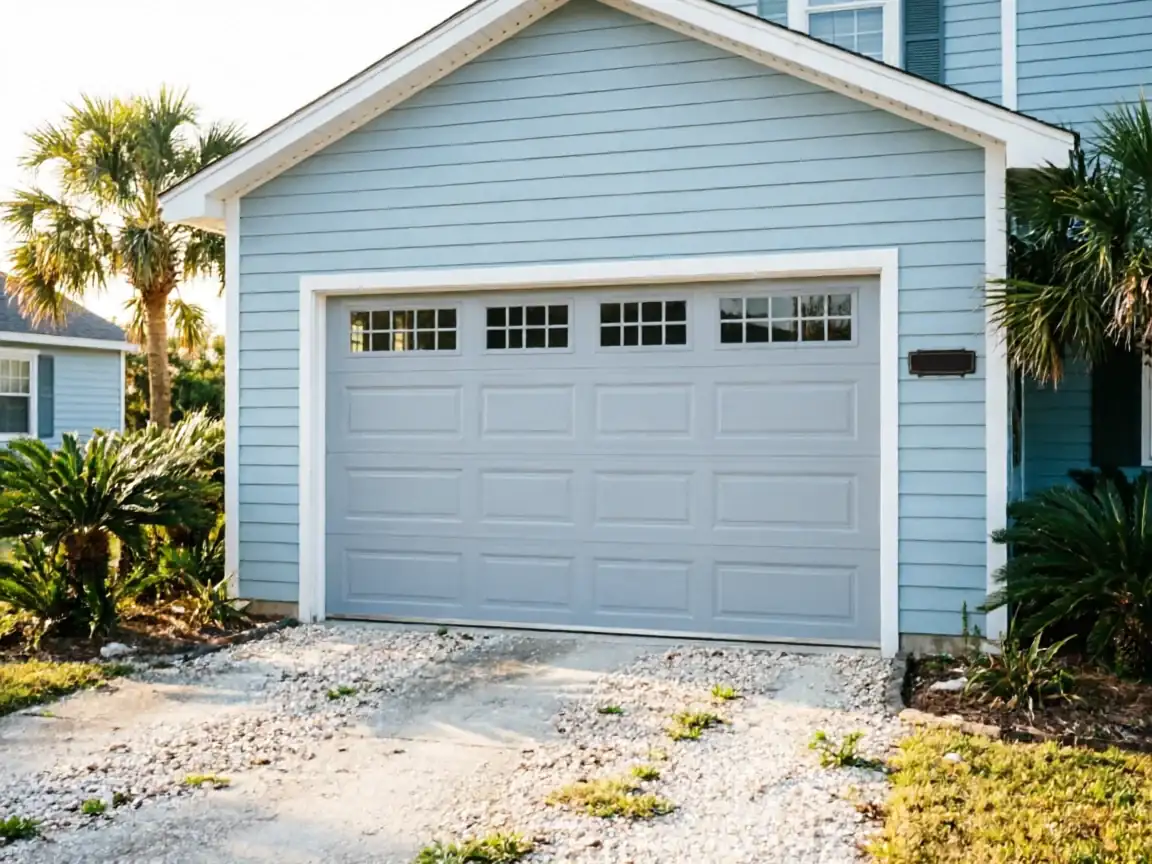
We also check weatherstripping condition closely. In a mild climate, the seal doesn't have to fight ice, but it does have to keep salt-laden, humid air out of the garage, and a cracked bottom seal lets more of that in over a season than most owners realize. None of this is dramatic damage - it's slow, and it's the kind of wear a technician is trained to spot before it becomes a stuck door.
What Is Going On
Most of what we find traces straight back to age and moisture, not misuse. With median build year around 1979 across this service area, a lot of the doors we open were installed with hardware that's been quietly degrading for decades - springs that have taken thousands more cycles than they were rated for, cables starting to fray at the drum, rollers worn down to the point where the door rattles on the way up. None of that shows up as a sudden failure until the day it does.
In the older pockets - - we also find doors that were replaced once already, sometime in the '90s or 2000s, with openers that don't match current safety standards on force limits. That's a common find, not a rare one. It doesn't always mean the door needs replacing. Sometimes it means resetting the opener's travel limits and force settings to something safer for the hardware that's actually on the track.
When to Get Help
Call before the spring snaps, if you can
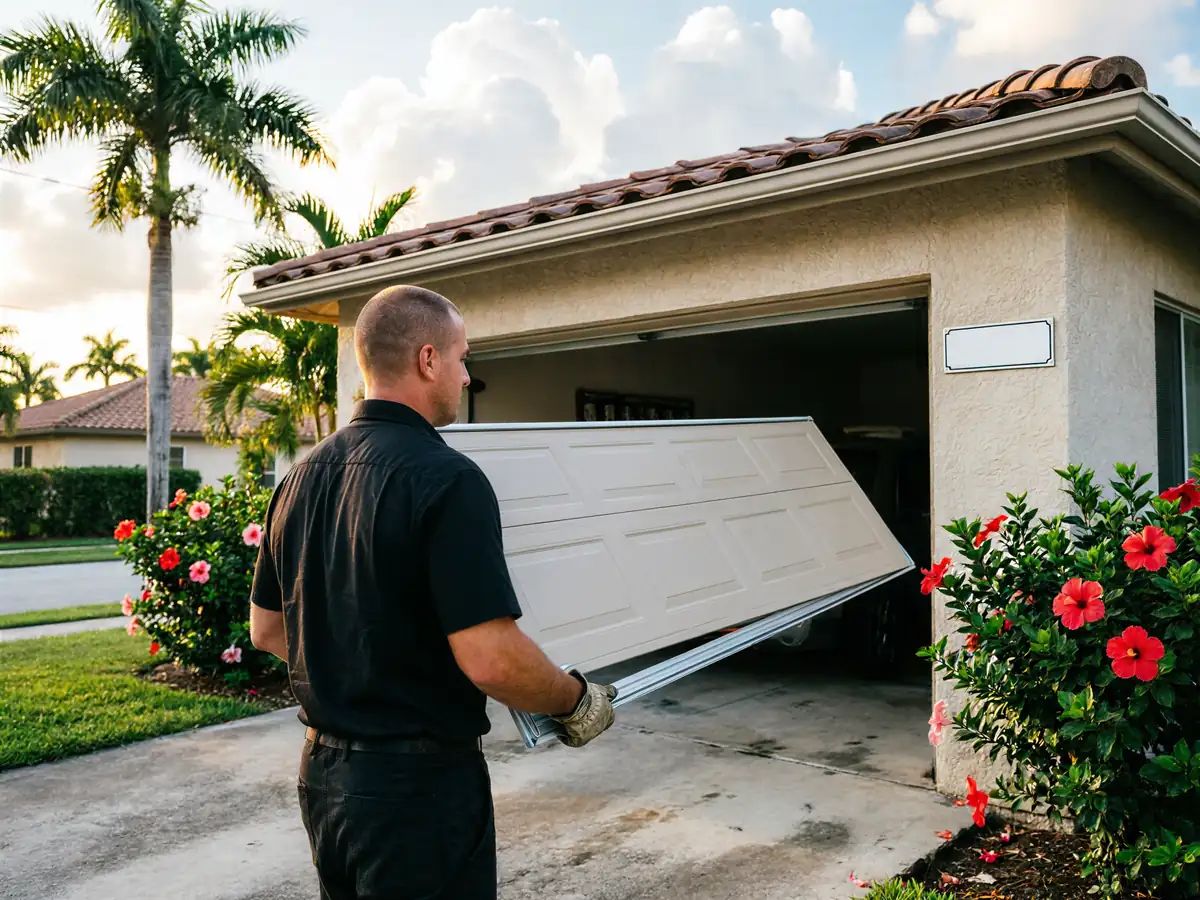
A torsion spring that's visibly stretched, or a door that's started sagging to one side, is cheaper to fix on a scheduled visit than on an emergency one where the door is stuck shut with a car trapped behind it. If the door is slamming down instead of lowering smoothly, stop using it - that's almost always a spring that's lost tension, and the next person to walk under it is at risk, not just the hardware.
We'll be honest about one limit
If a door's track and header were built for a lighter panel than what's currently installed, we don't just bolt on a heavier spring and call it fixed. Sometimes the right call is a header reinforcement or a full hardware reset, and we'll tell you that up front rather than patch around it. With housing this age in a humid coastal area, a quick look at spring and seal condition once a year catches most problems before they turn into a Saturday morning emergency.