Why It Happens Here
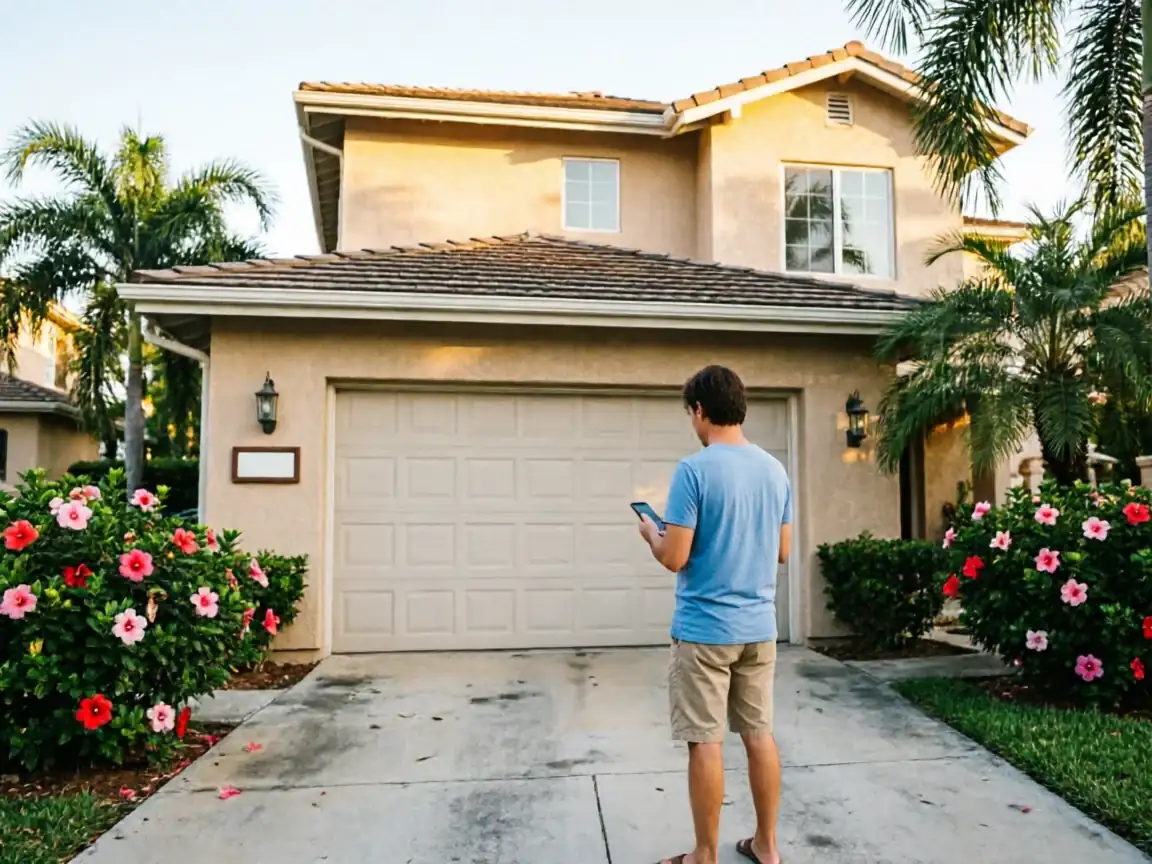
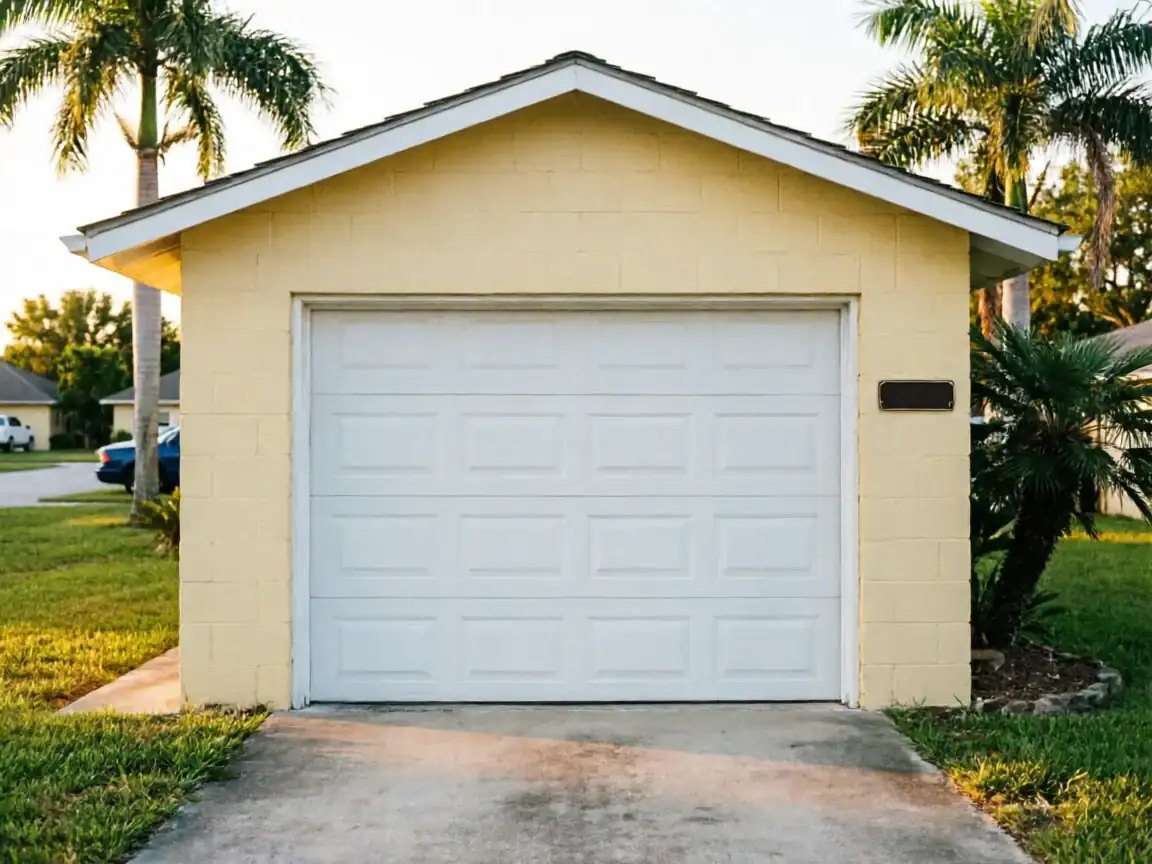
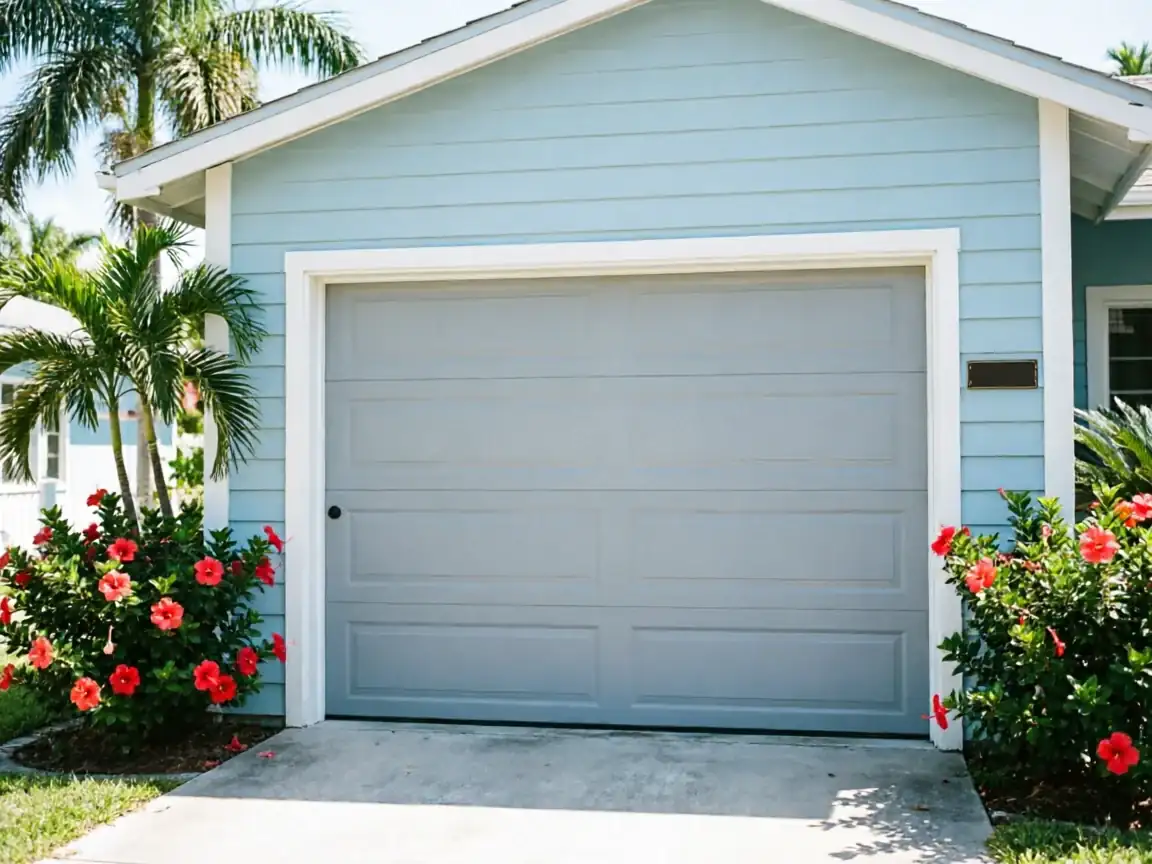
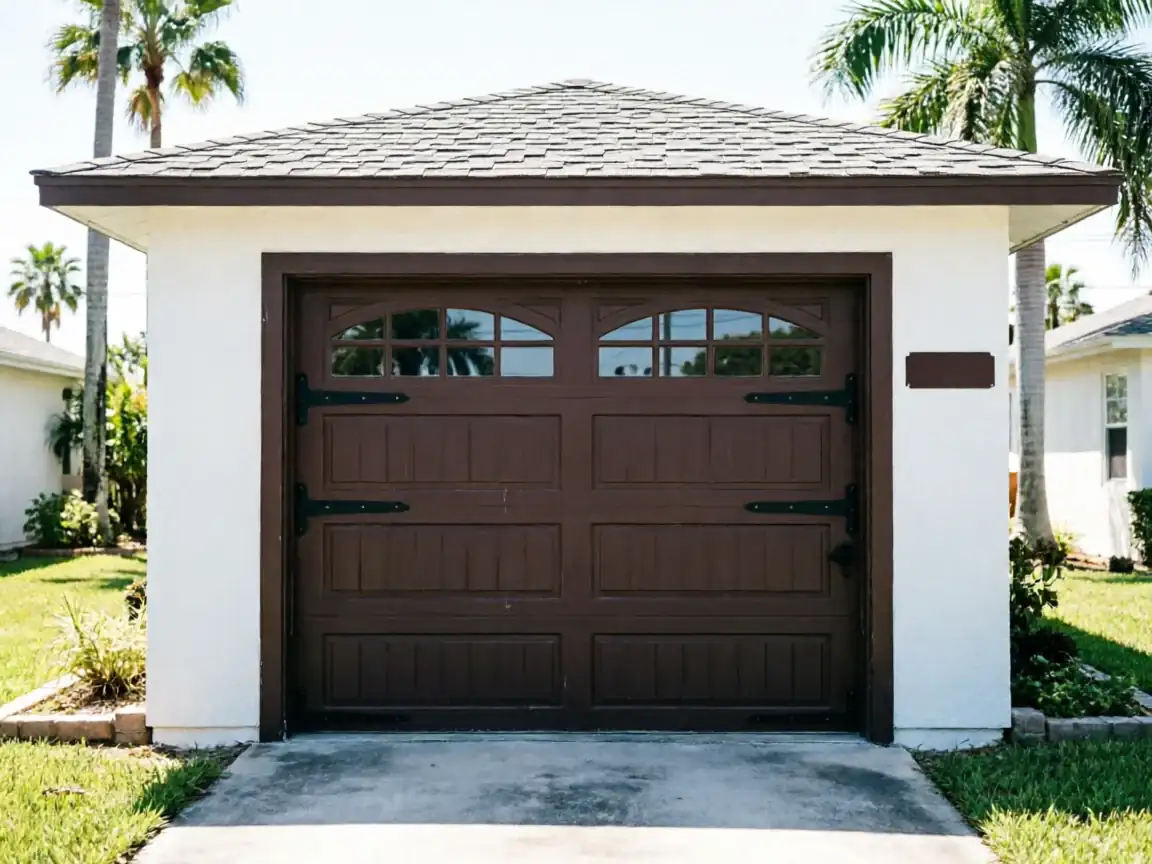
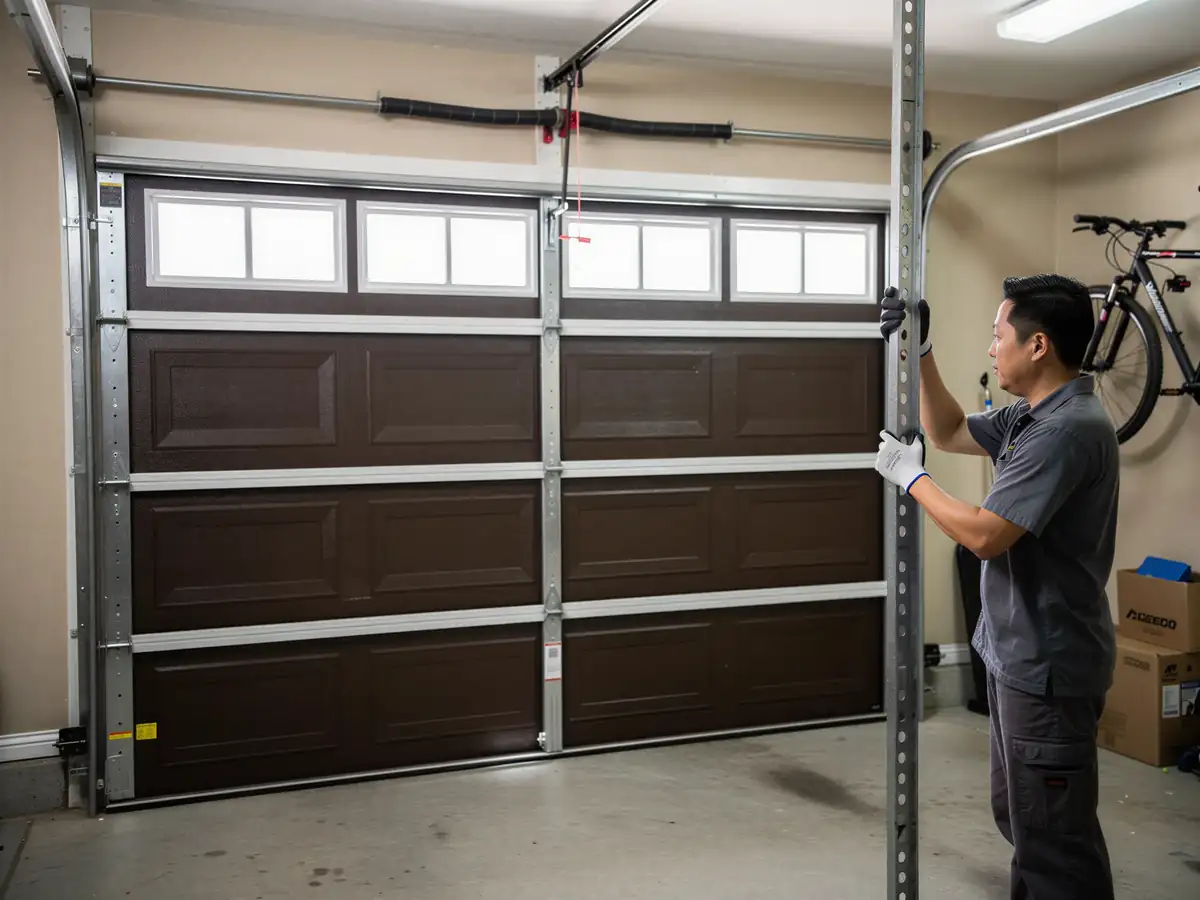
Tierra Verde's housing mostly dates to around 1989 - noticeably newer than the service area's overall median of 1979, where stock runs from 1958 clear through 2011. That later build era usually means sectional steel doors on extension or torsion springs rather than the older one-piece swing-up doors you'll still find on some 1960s houses elsewhere in the area. The hardware is more standardized, parts are easier to source, and most failures trace back to normal wear - a spring that's cycled tens of thousands of times, a roller that's finally seized - rather than an obsolete setup nobody stocks anymore. The area sits in a mild temperate climate, so you're not dealing with freeze-cracked seals or ice-jammed tracks the way a colder region would. Wear here is steady and mechanical, not weather-driven.
How It Shows Up
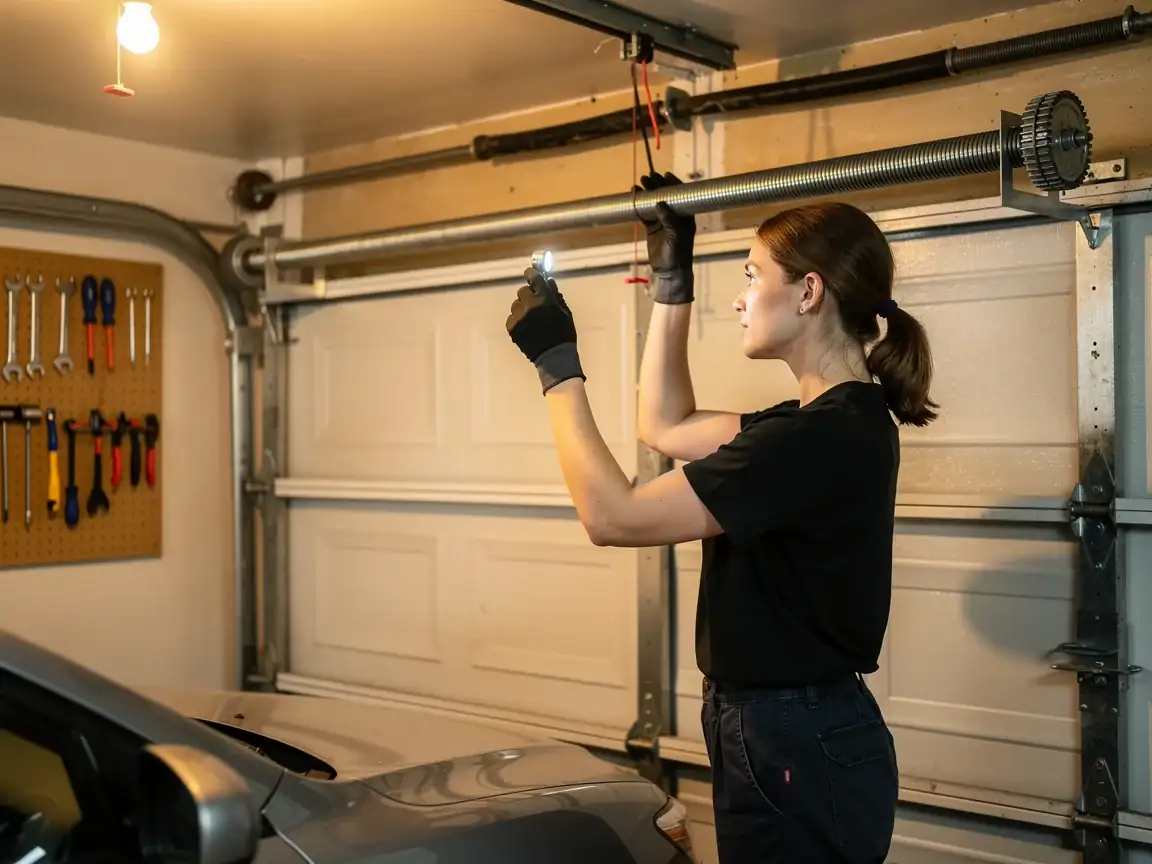
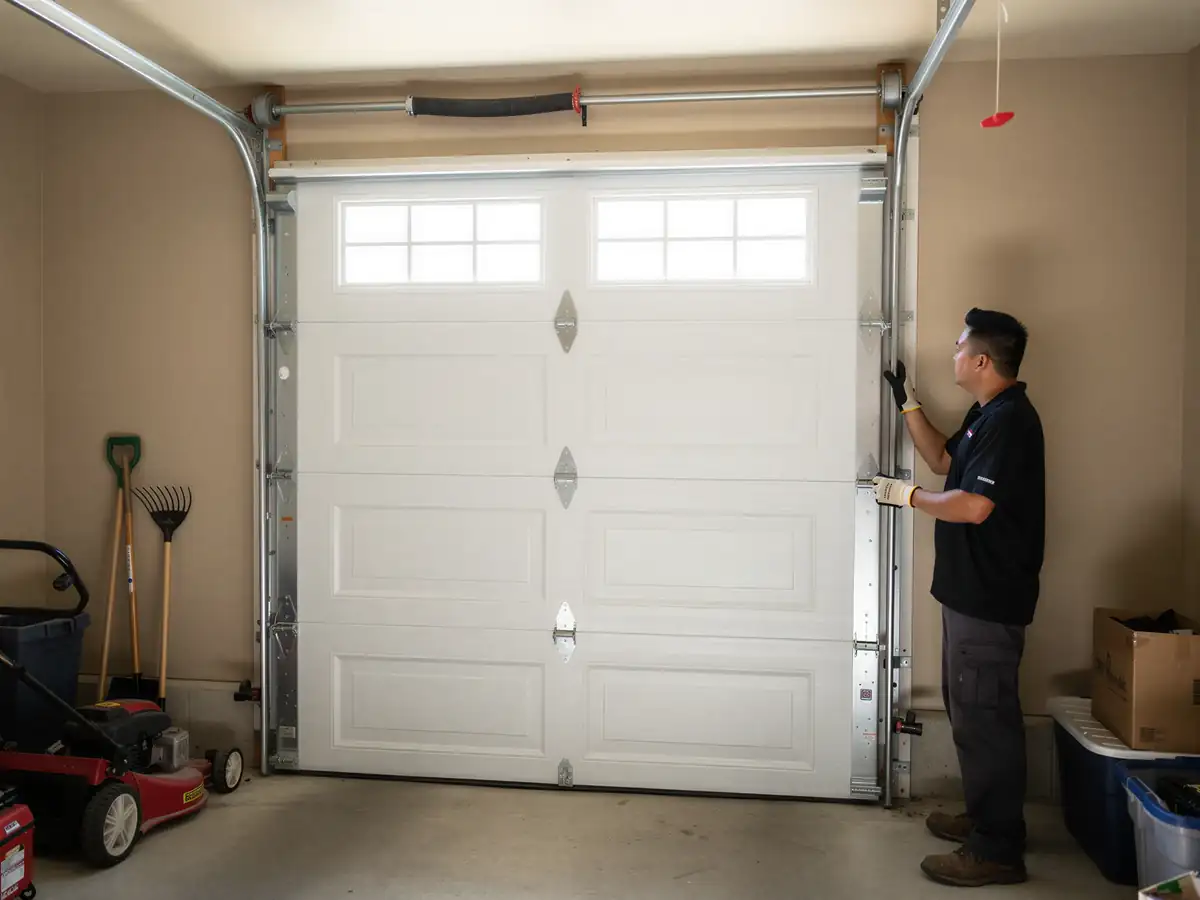
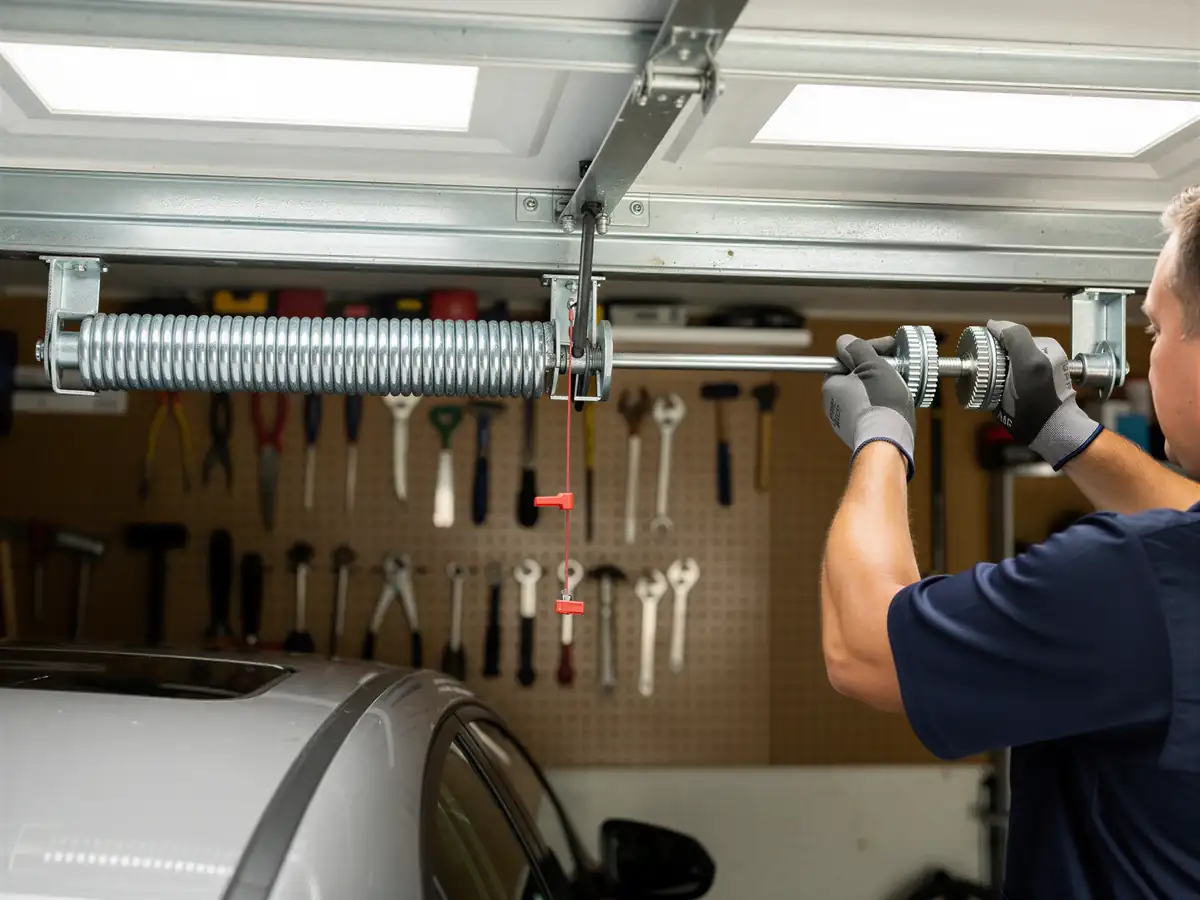
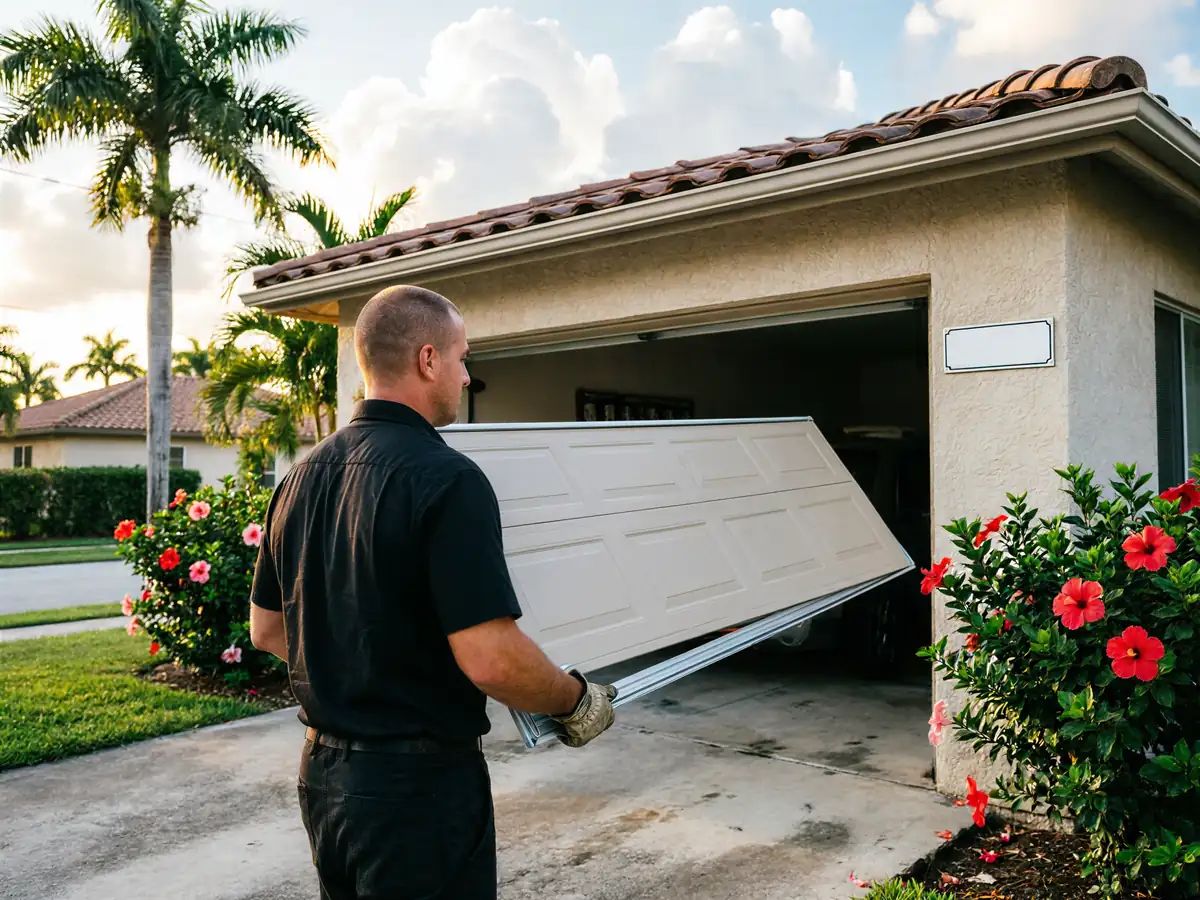
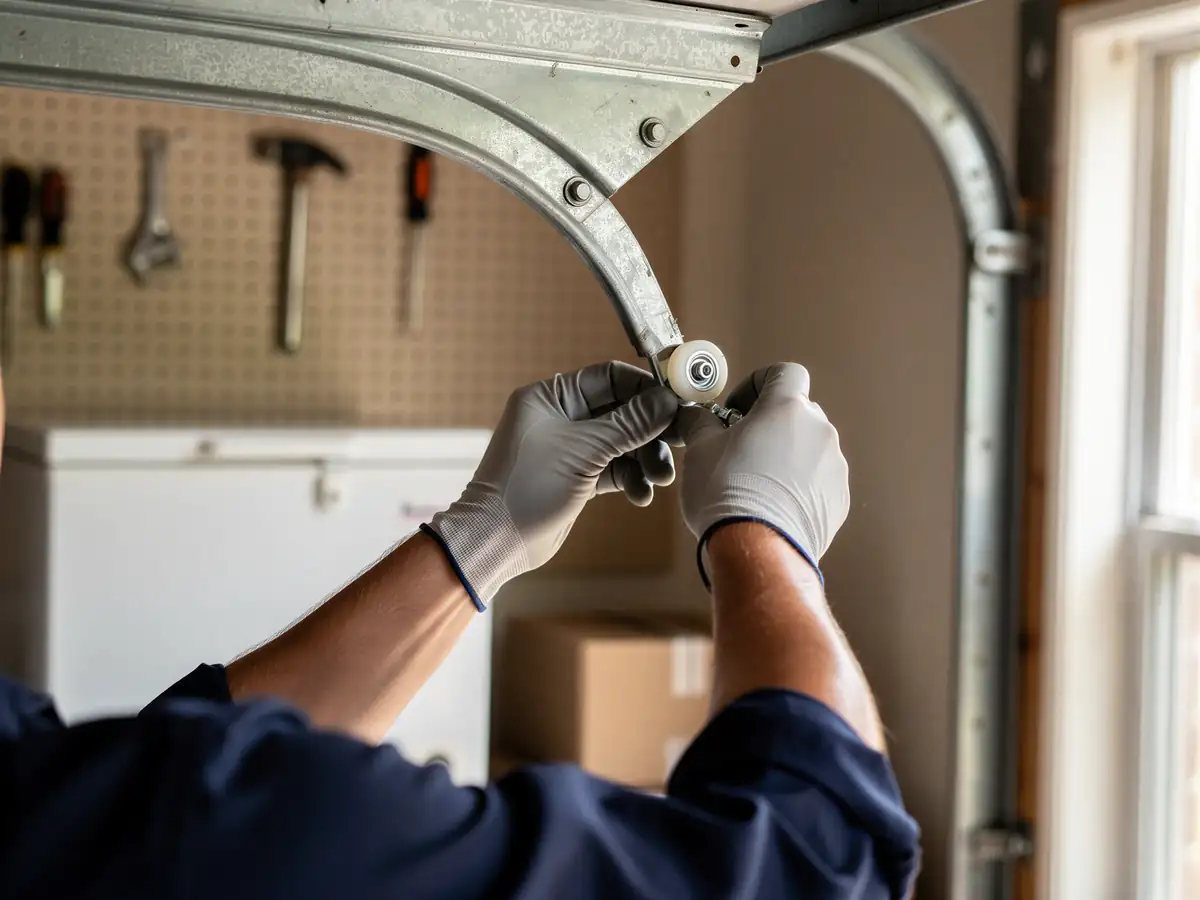
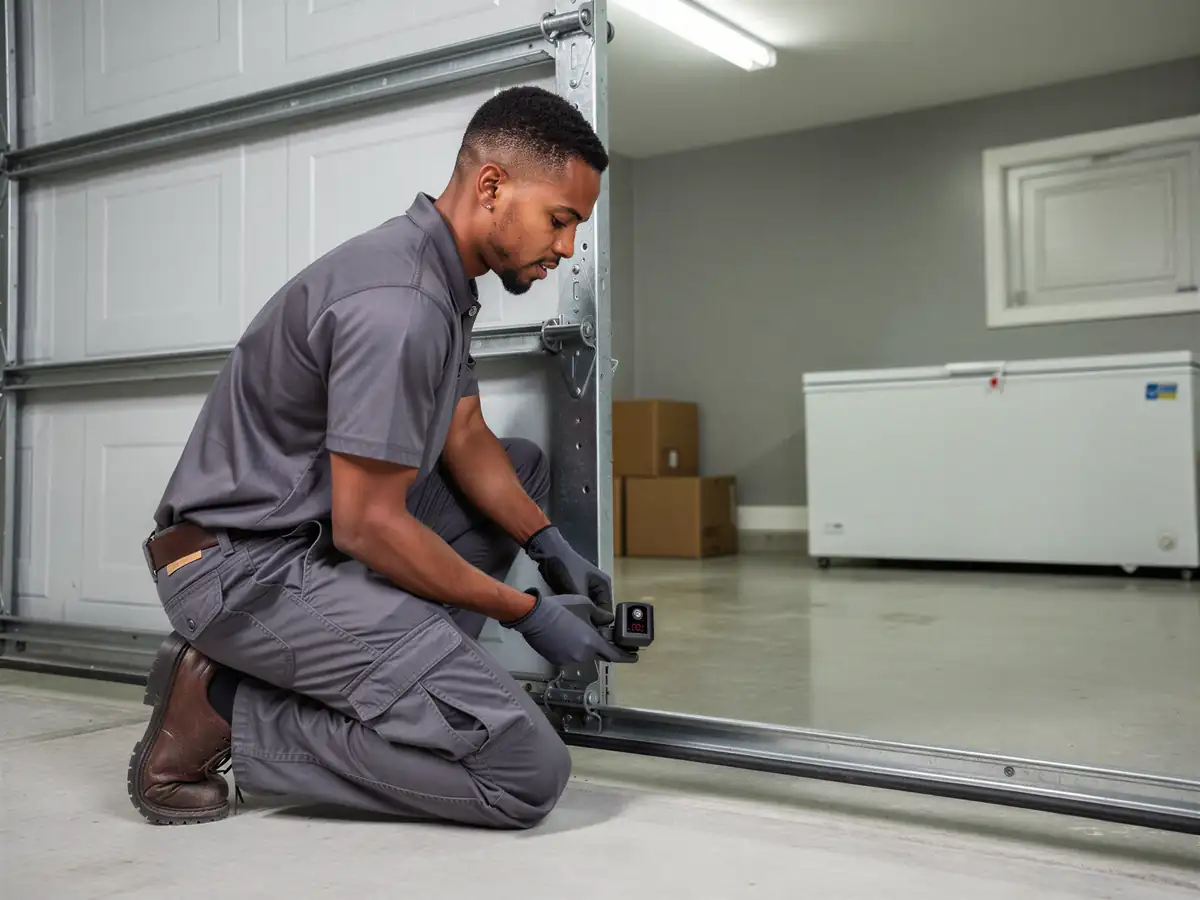
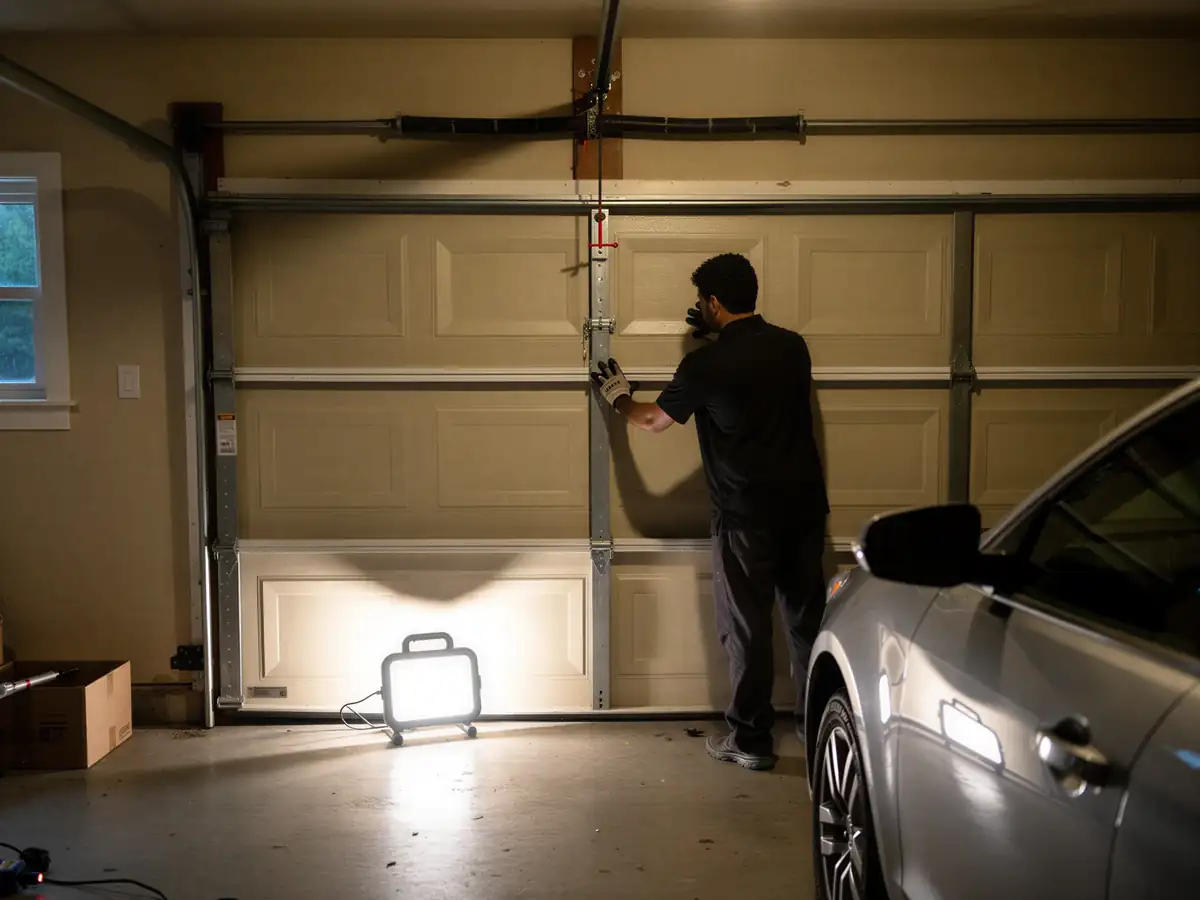
On a late-1980s or 1990s sectional door, the first sign is usually the opener straining - a motor that used to lift the door in three seconds now takes five, or it stalls partway and reverses. That's a spring losing tension, not a motor going bad, though a lot of owners replace the opener first and still have the same problem. You might also notice a panel that's started to bow slightly near the bottom roller track, or a cable that's frayed where it wraps the drum. With median household income here running well above the surrounding area - near $148,785 - these doors tend to be well-maintained, so by the time we see a failure it's usually a single worn part rather than years of deferred neglect stacking up.
Parts We Carry
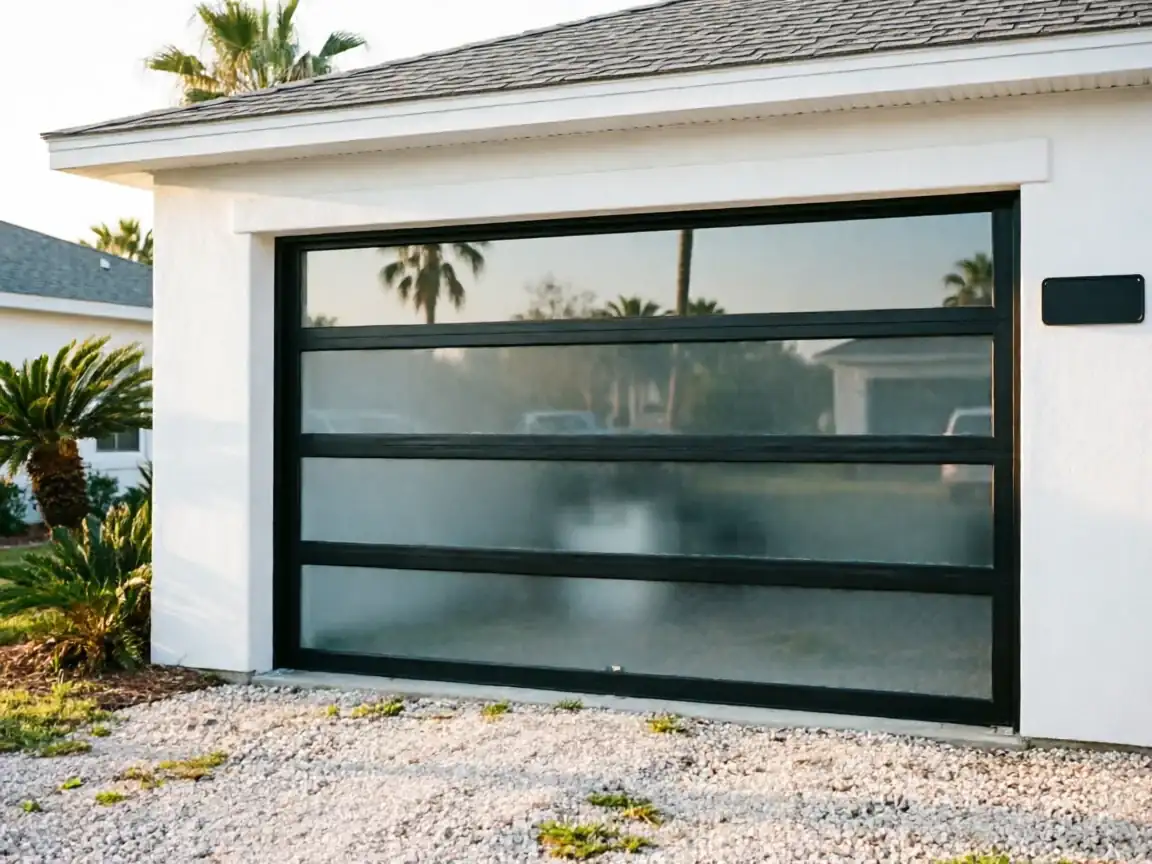
We stock standard torsion and extension springs sized for the sectional steel doors common to homes built from the late 1980s onward, along with rollers, cables, and hinges to match. What we don't carry on the truck is anything custom-width or non-standard - some island lots run wider openings than a typical suburban garage, and a double-wide door outside standard sizing may need a special order. We'll tell you on the spot if that's the case rather than make you wait to find out.
Where This Job Goes Sideways
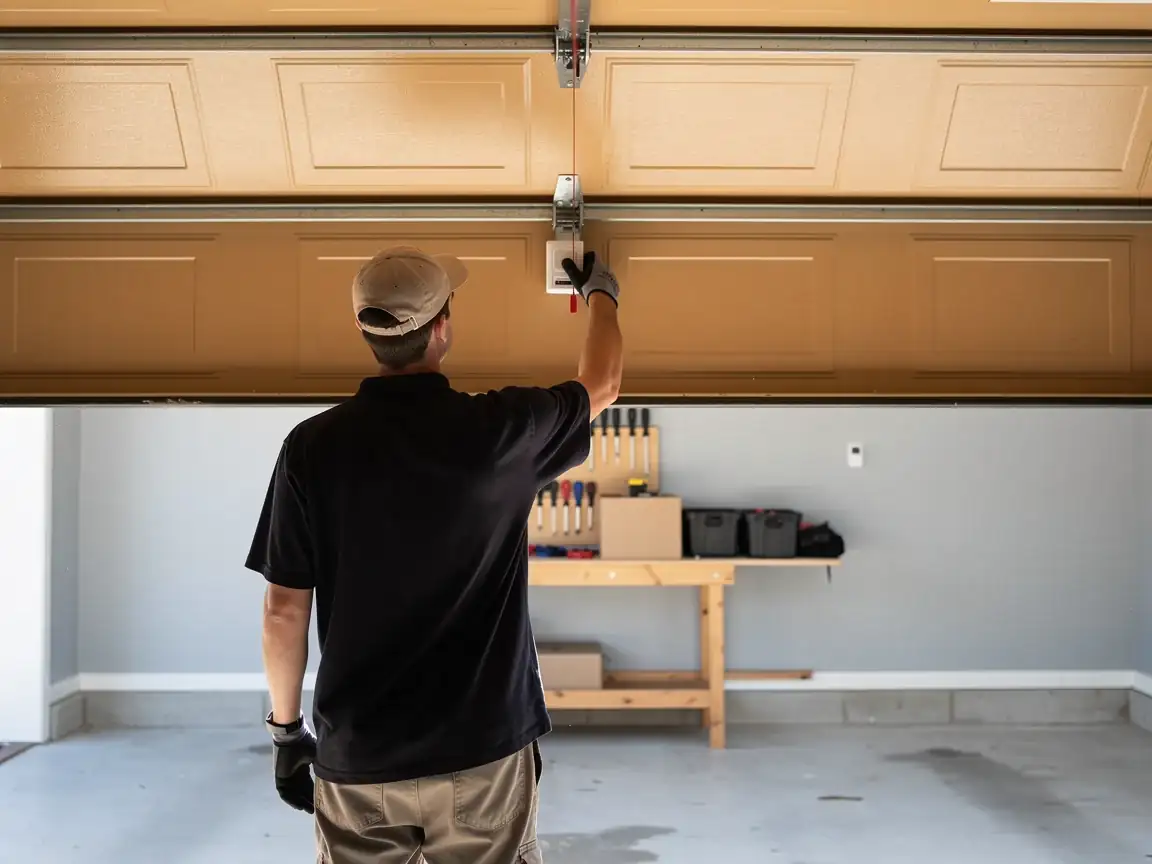
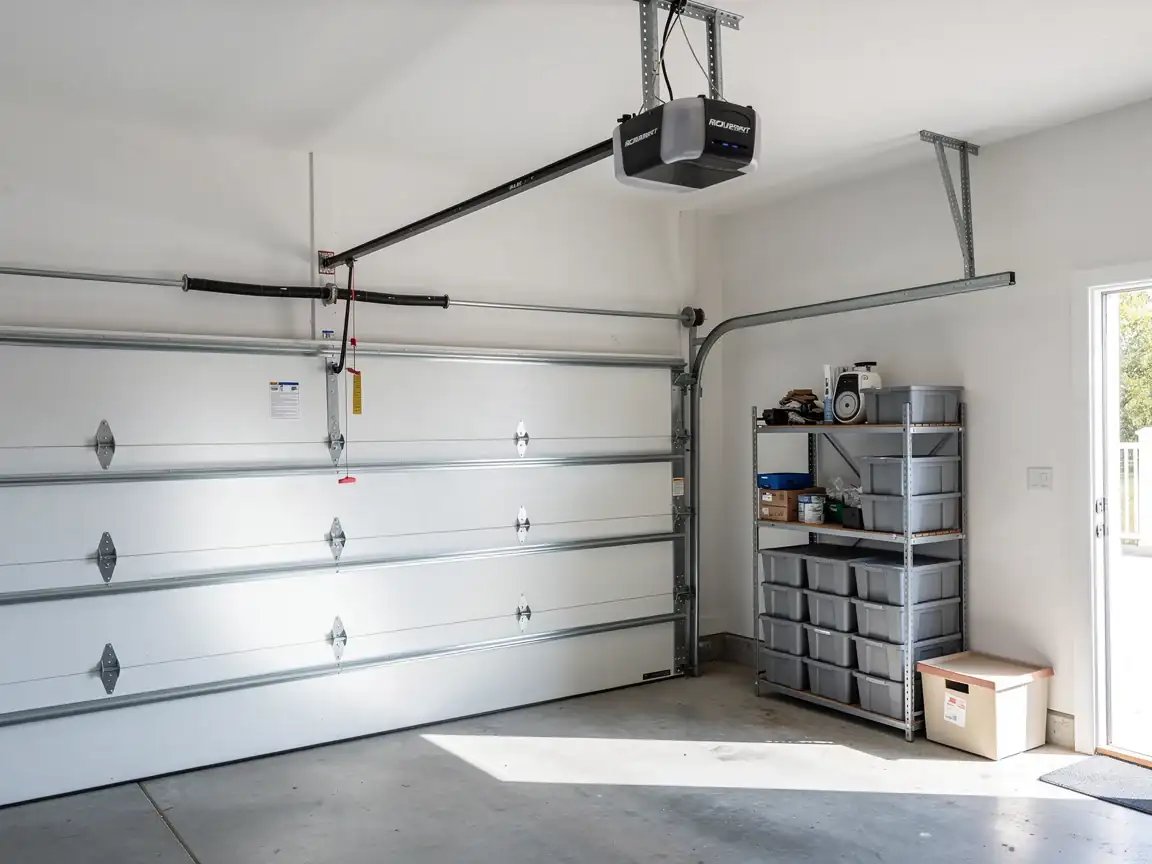
The trouble spot on a door this age is usually the opener, not the door itself. A unit installed when the house was built or soon after has likely been replaced once already, and if it hasn't, the circuit board or logic unit can be the actual failure even when the symptom looks like a spring issue. We check both before quoting, because replacing a spring on a door with a dying opener just moves the complaint, not the cost. The other place it goes sideways: with only around 1,765 households in Tierra Verde, we're not running a crew through here daily, so a part that needs special order adds a real wait - we'd rather say that now than promise a same-day fix we can't back up.