How We Fix It
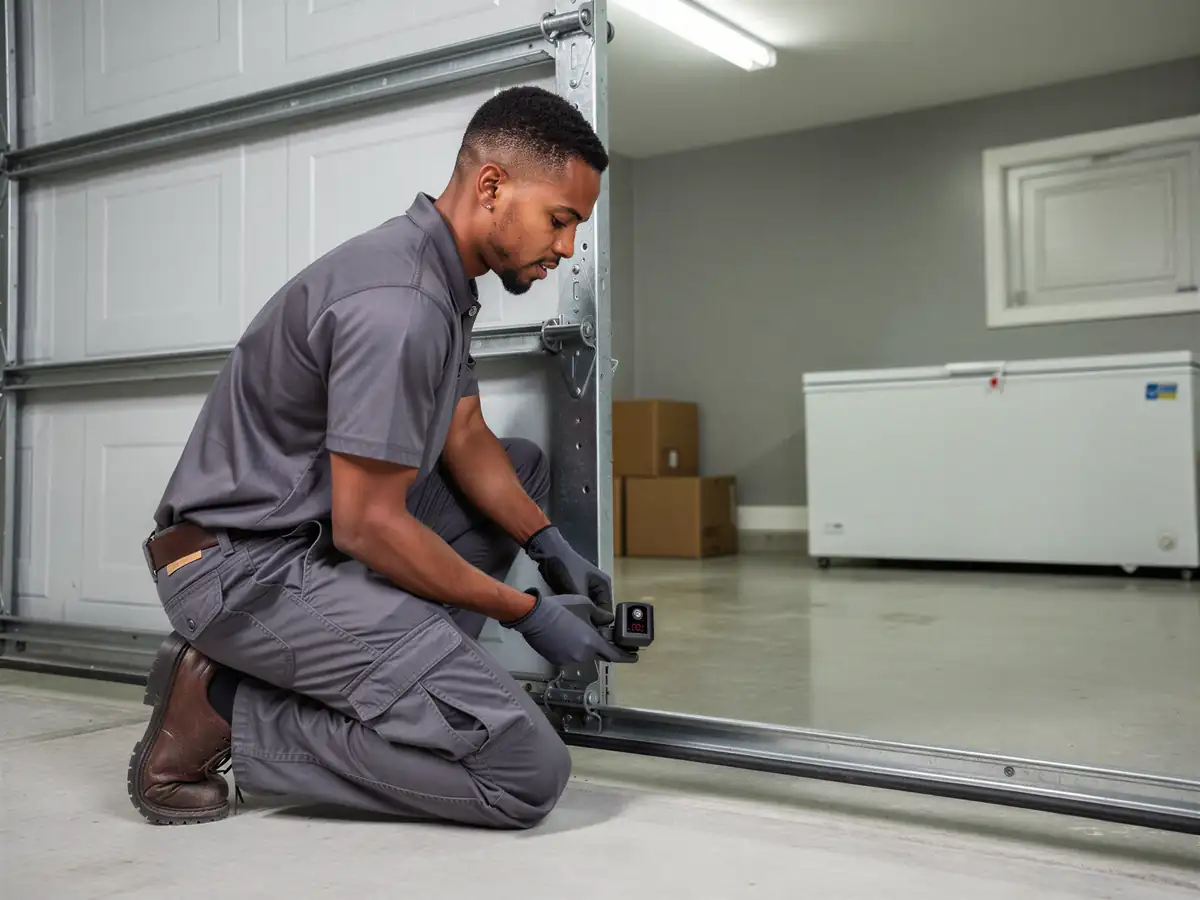
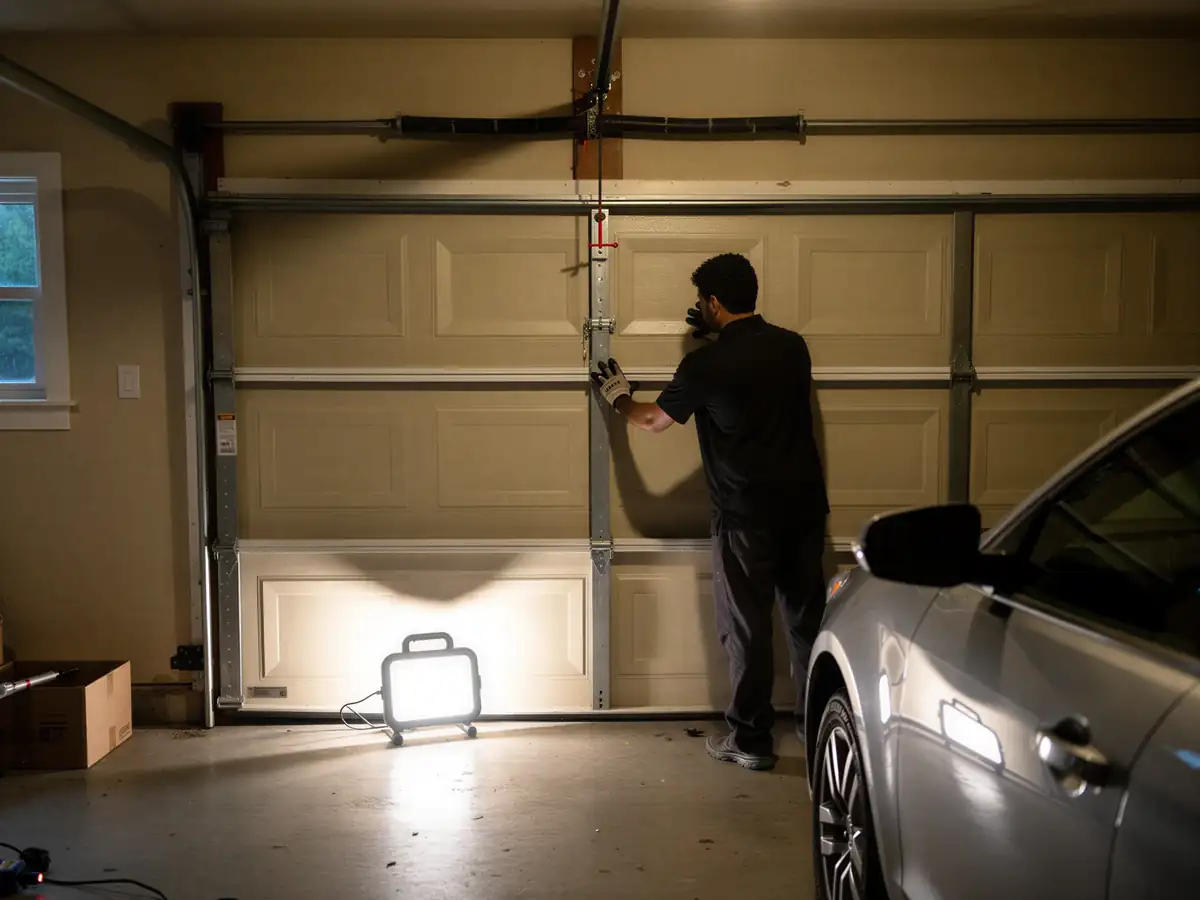
We start by watching the door move, not just listening to what the homeowner thinks is wrong
A door that drags on one side, an opener that strains and reverses, a spring that let go overnight - each one points to a different fix, and we don't swap parts until we've confirmed which one it is.
Most calls break down to three jobs
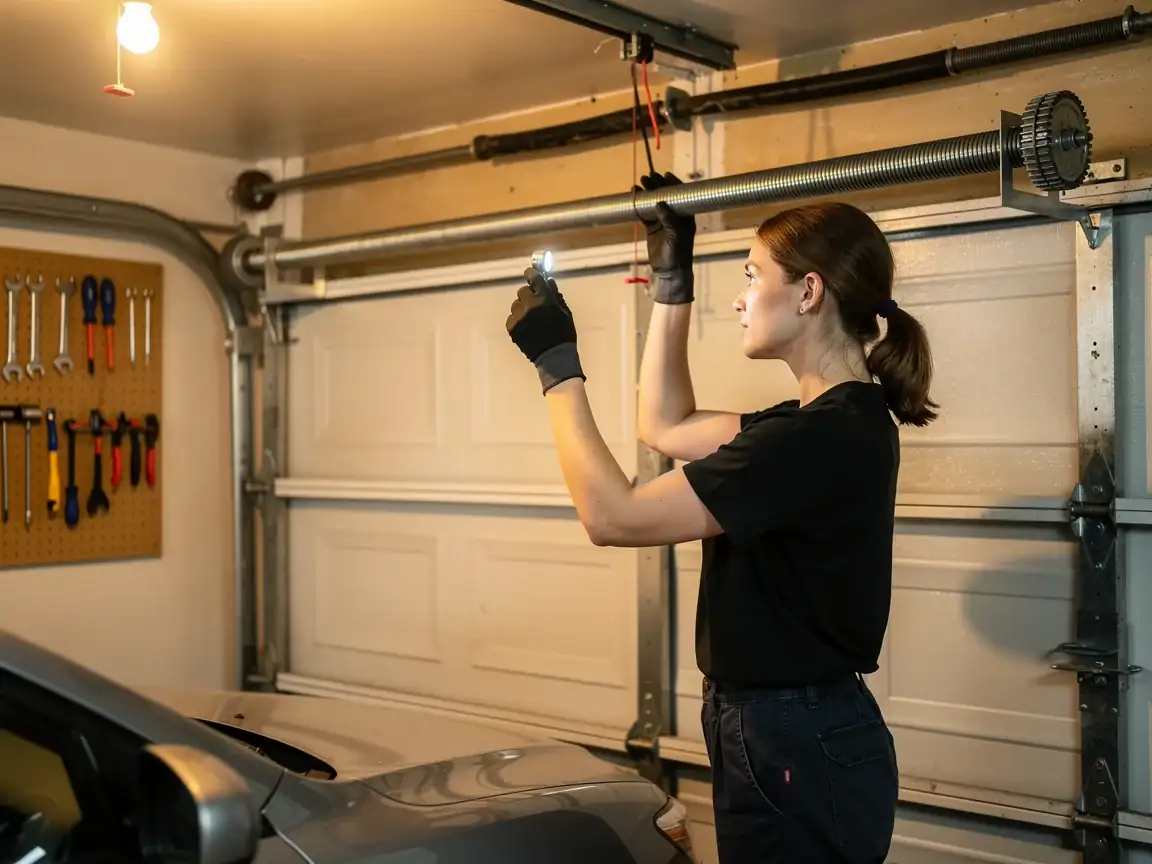
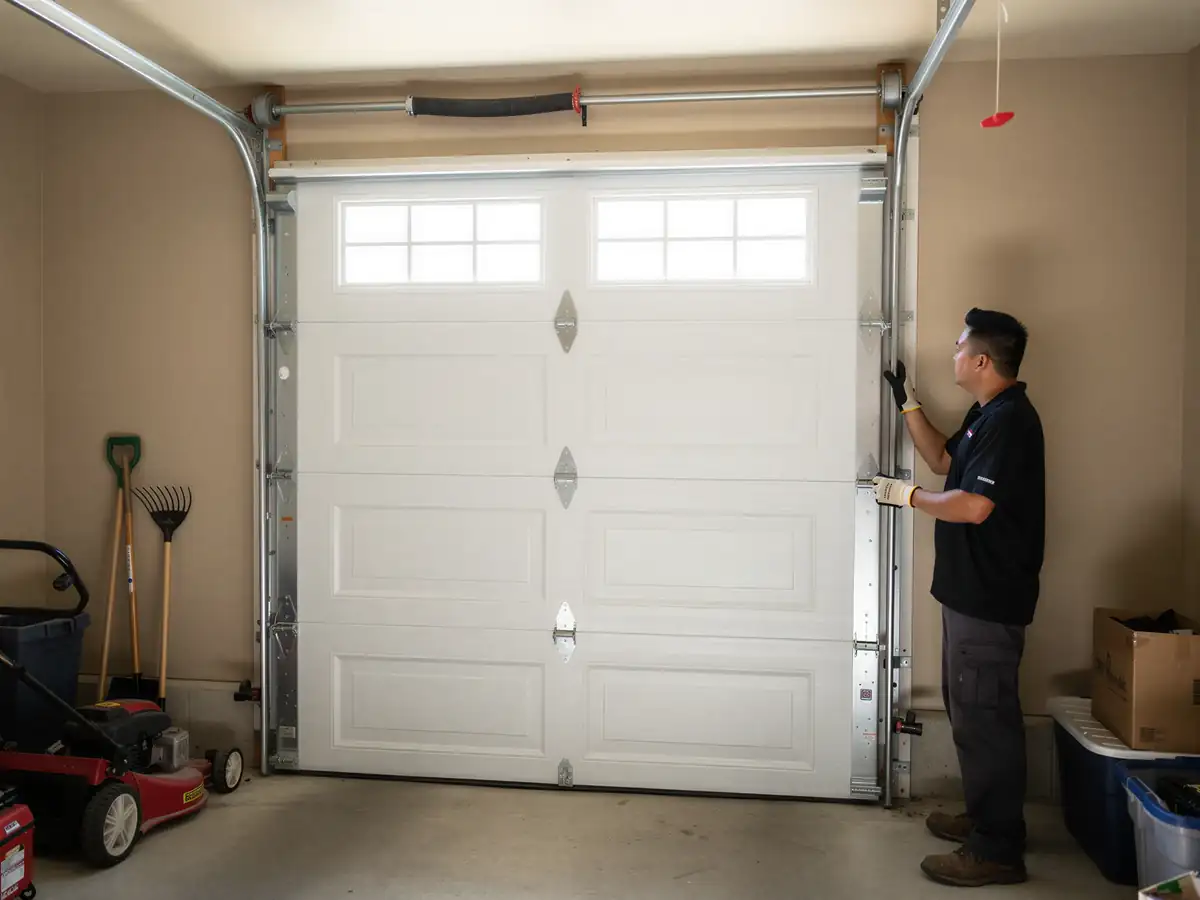
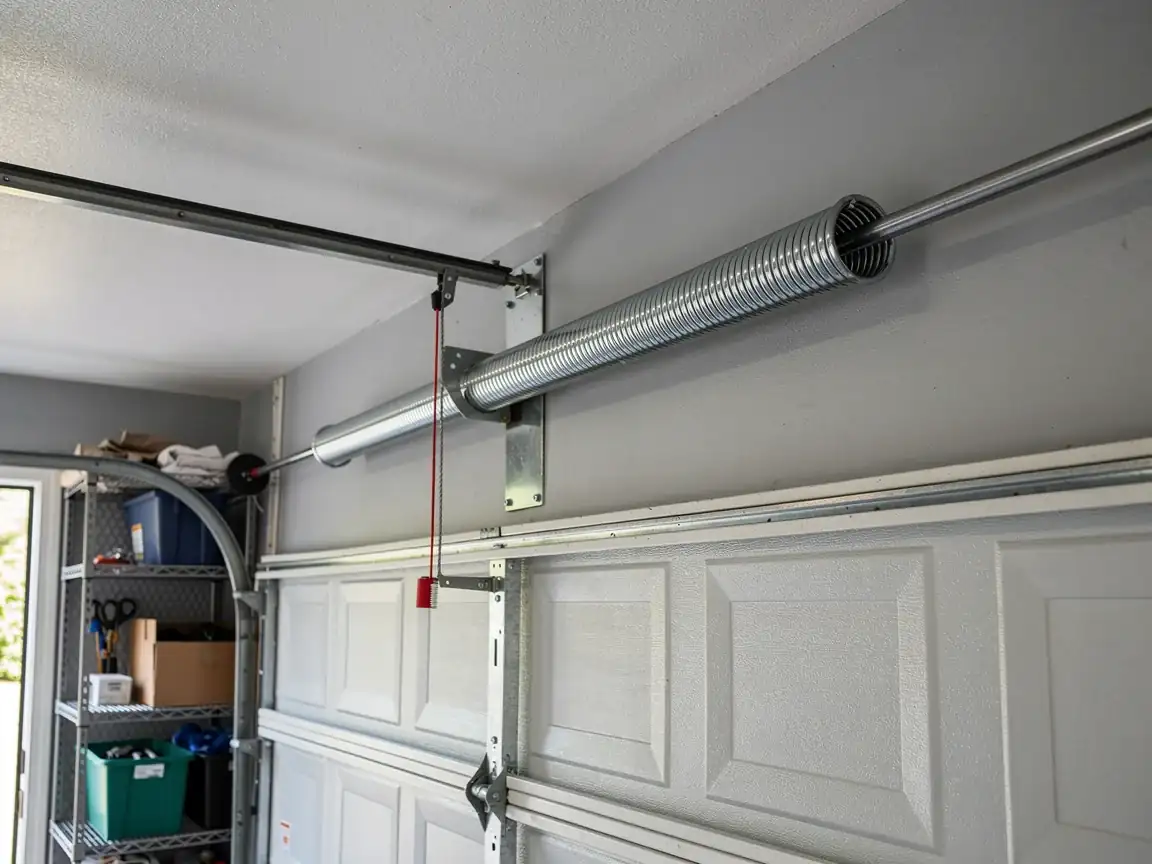
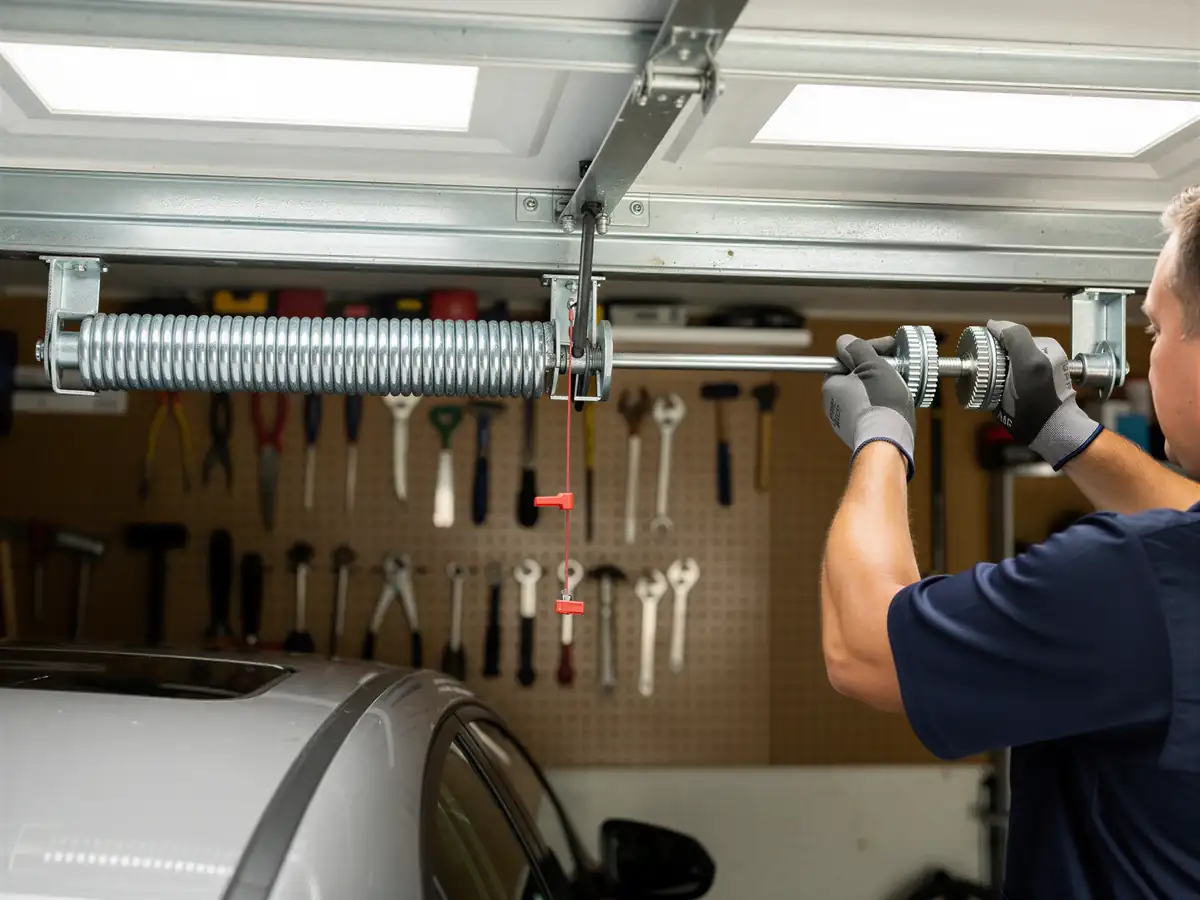
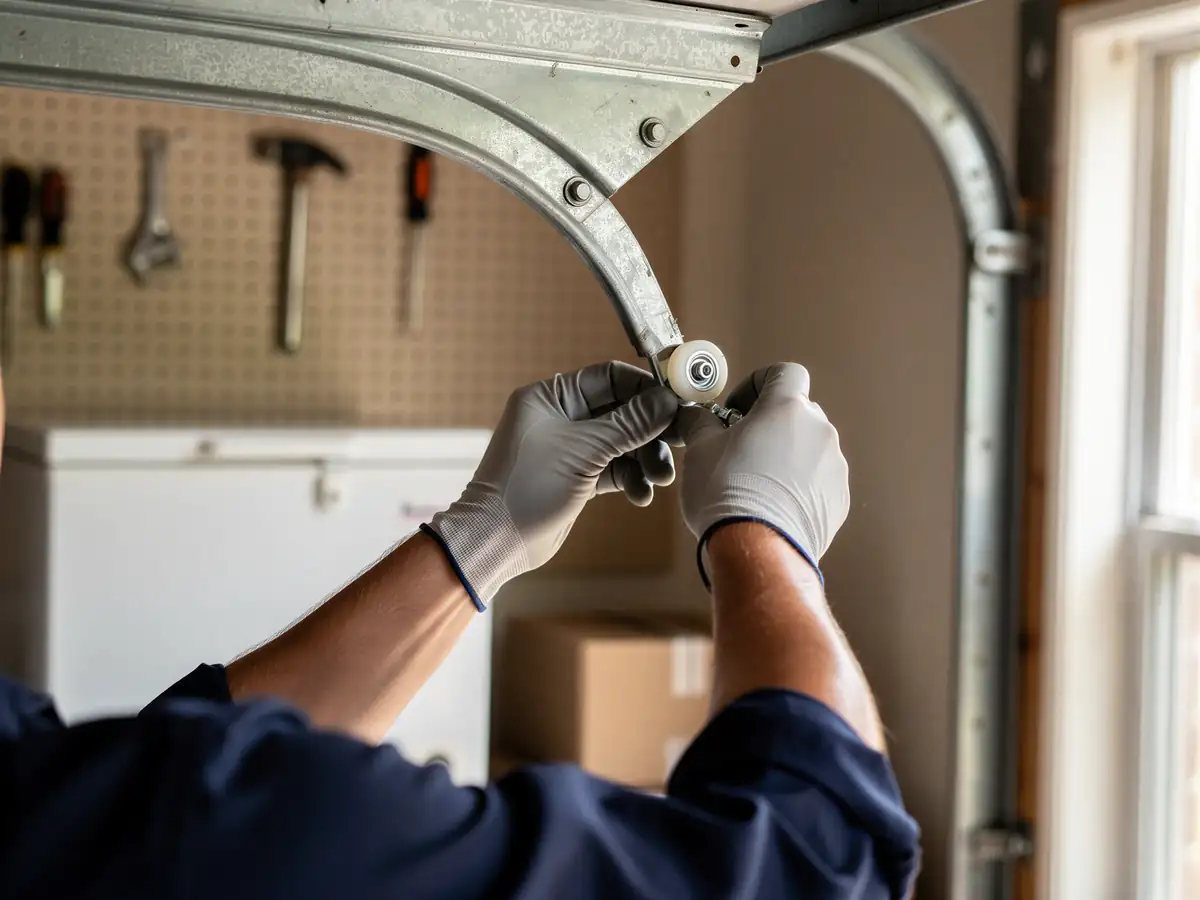
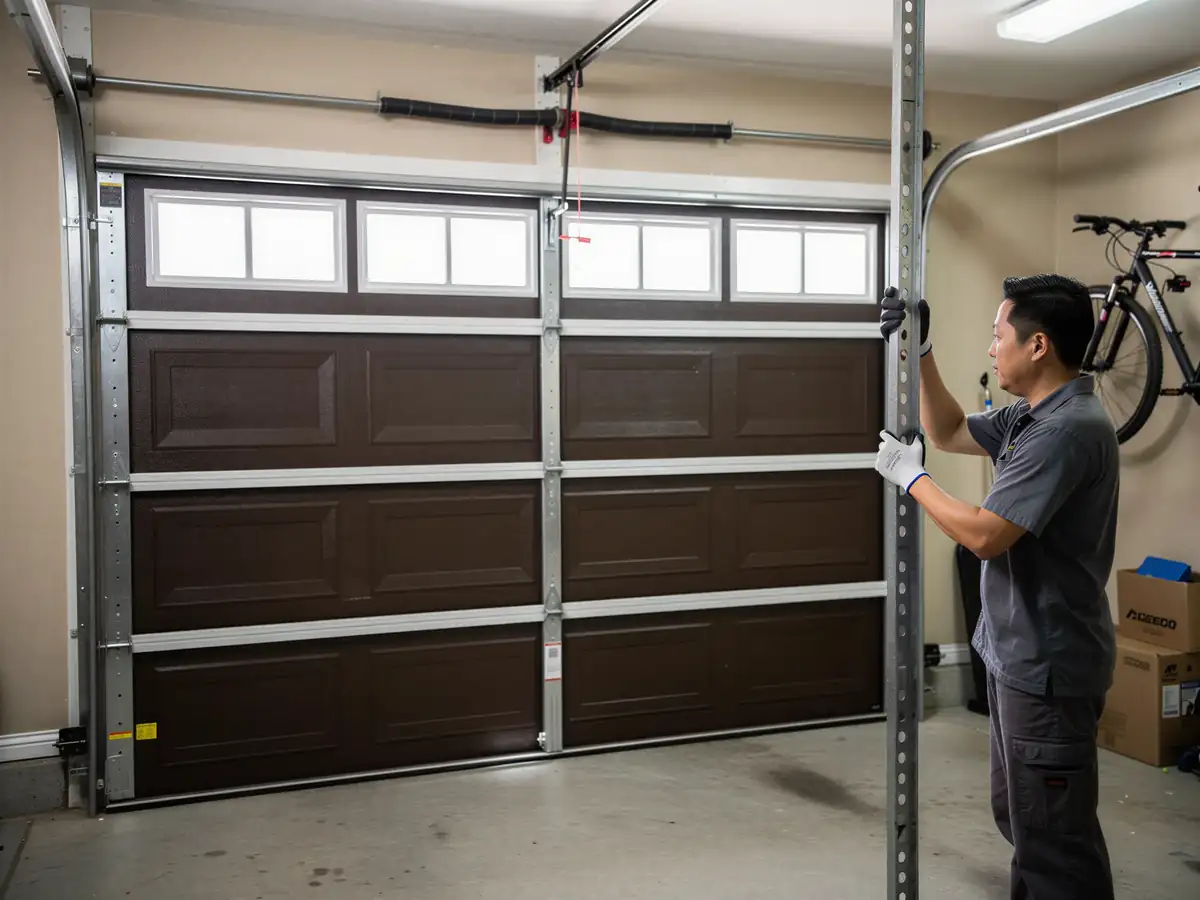
Torsion spring replacement, track and roller alignment, or opener repair on units that have been running since the house was built. We check cable wear and drum condition at the same time we're in there for a spring, because a cable that's starting to fray on one side will take out the new spring in a year if we ignore it.
Honest limit here: if the door panel itself is cracked or delaminating and the model's been out of production for a decade
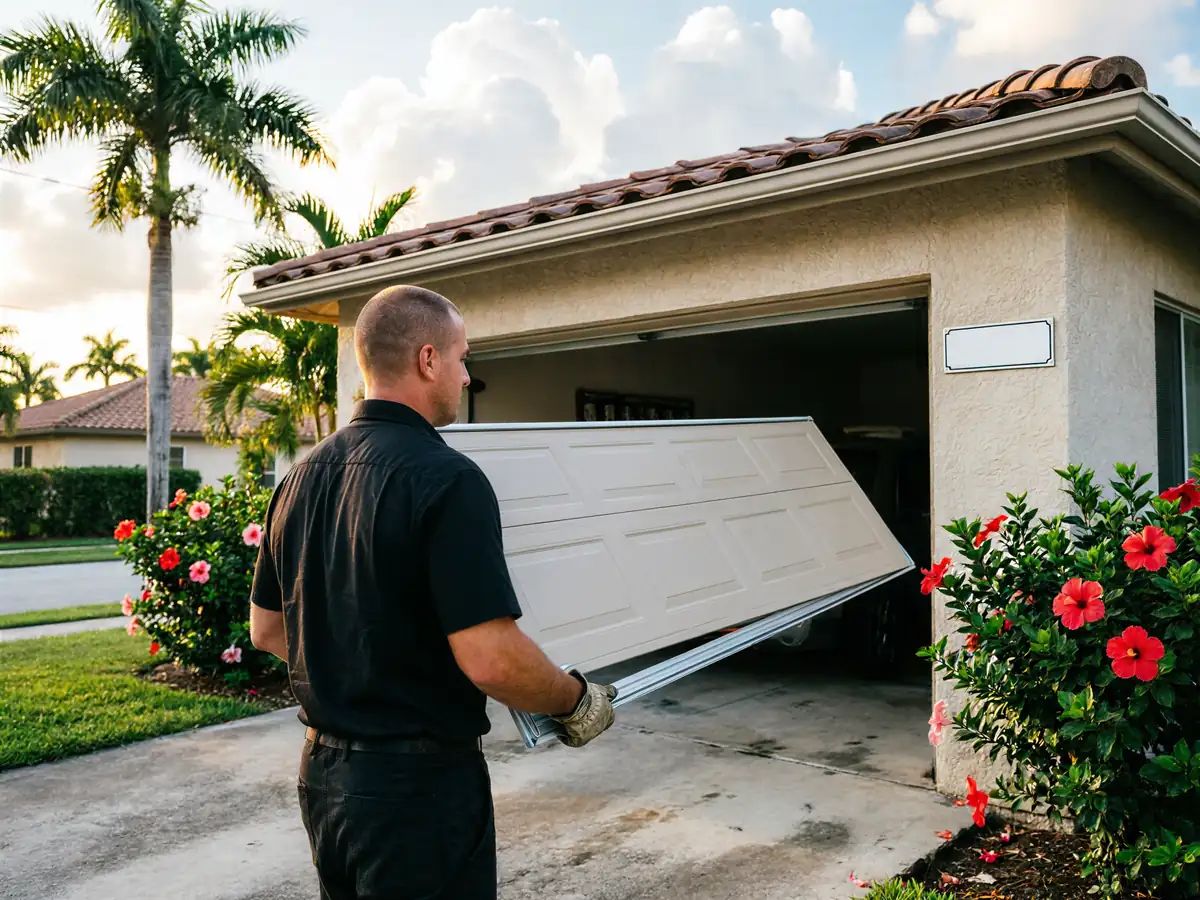
We're not going to chase down a matching panel for a week while your car sits outside. On doors that old, a full replacement is usually the straighter path, and we'll say so instead of patching something that'll fail again in six months.
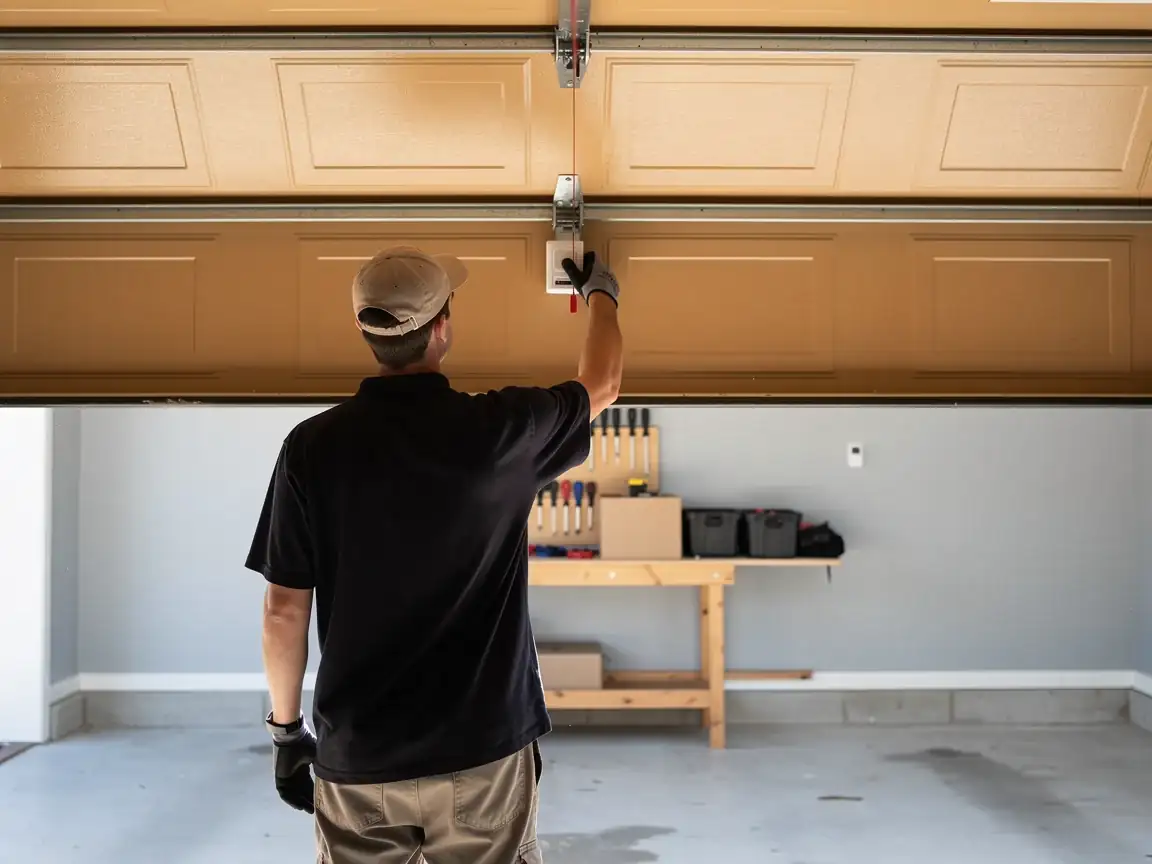
We close every job by cycling the door a dozen times under load, not just once by hand
Because that's where a bad alignment or an undersized spring shows itself.
Parts We Carry
St. Petersburg's housing stock runs 1958 to 2011 with a median build year of 1979, and that median matters for parts. A lot of the doors we open up are original steel sectional units on side-mounted torsion hardware, or early rolled-steel doors from the 1960s-70s wave that makes up most of the 33 named areas we work across.
We stock torsion springs sized for both that older sectional hardware and the newer extension and torsion setups that came in with remodels and replacements over the decades since. Rollers, end bearings, and cable in the gauges those original drums take are part of the same stock, because a mismatched roller on a 1970s track wears the rail faster than the old roller ever did.
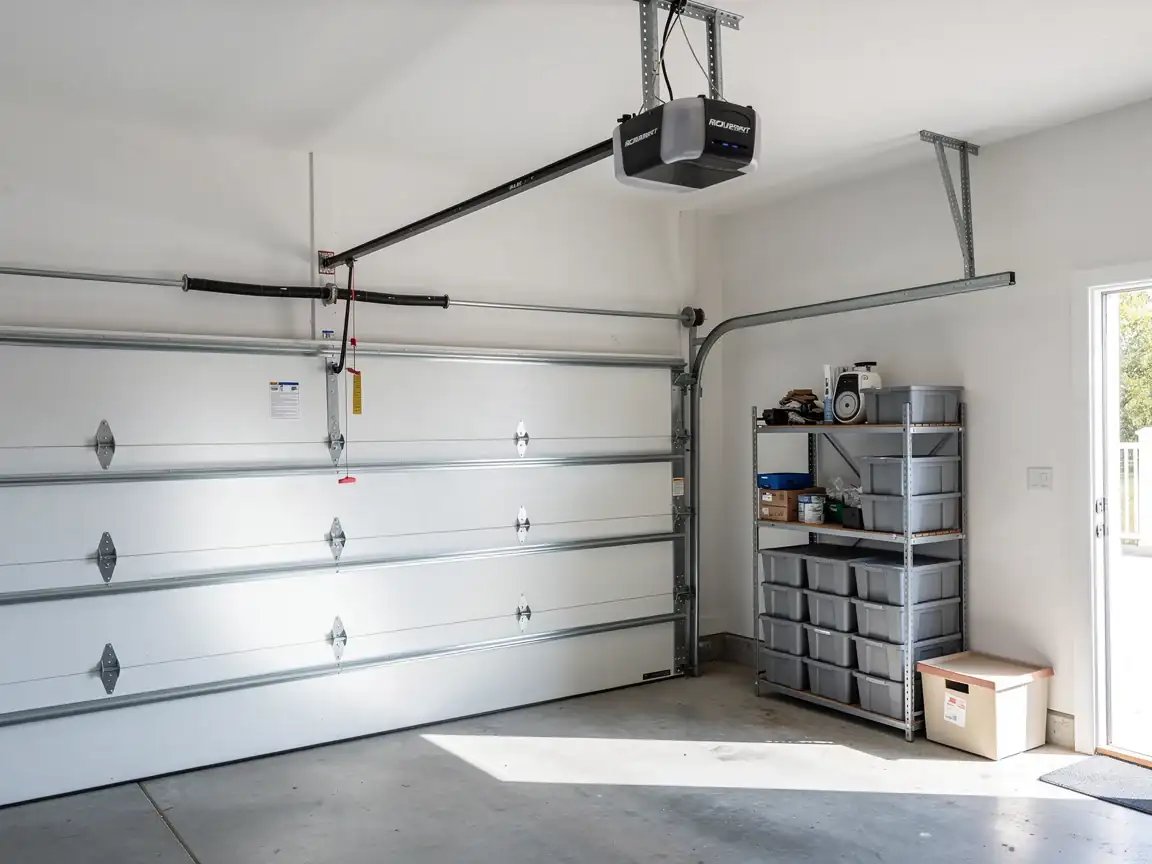
On openers, we carry parts for the chain-drive units that are common on houses from that build era, plus current belt-drive models for anyone replacing rather than repairing. What we don't carry is every obsolete control board ever made - if your opener is old enough that the manufacturer stopped supporting it years ago, we'll tell you whether a universal board swap makes sense or whether the unit's done.
Why It Happens Here
St. Petersburg sits in a mild temperate band, so the stress on a garage door here isn't freeze-thaw cracking or snow load - it's humidity and salt air working on metal year-round. Torsion springs lose temper faster in that kind of sustained moisture, and track hardware rusts at the mounting bolts before the rest of the door shows any wear.
Pair that climate with the age of the stock. A door built or installed anywhere near the 1979 median has had four-plus decades of that humidity cycling through its coils and hinges. Even a door that's never been hit or abused will eventually give out from fatigue on the spring wire, and in this climate that fatigue shows up sooner than it would somewhere drier.
Across the service area, 201,617 households and 91,770 owner-occupied houses mean a lot of original garage door hardware is still out there doing its job past the point anyone expected it to. We see the same failure pattern across neighborhoods built in that same window - it's not bad luck, it's just what happens to 1960s and 70s steel left outside near the Gulf for fifty years.
How It Shows Up
In a mile north of downtown
And in we still open up original steel sectional doors on side-mounted hardware - the kind where the spring finally lets go with a loud bang and the door won't budge off the floor.
In both a few miles west, the complaint is more often a door that runs halfway up and stalls
Which is usually a weakened spring no longer carrying its share of the weight, with the opener motor taking the rest and burning out.
Over in four miles out, we see more track and roller wear than spring failure
Older rail hung slightly out of plumb, worn down further by rollers that were never upgraded.
Wherever it shows up, the signs are consistent
A door that's noticeably heavier to lift by hand than it used to be, a cable with visible fraying near the bottom bracket, or an opener that reverses on the way down. Any one of those is worth a call before the part fails completely and the door comes down on its own.