What to Check
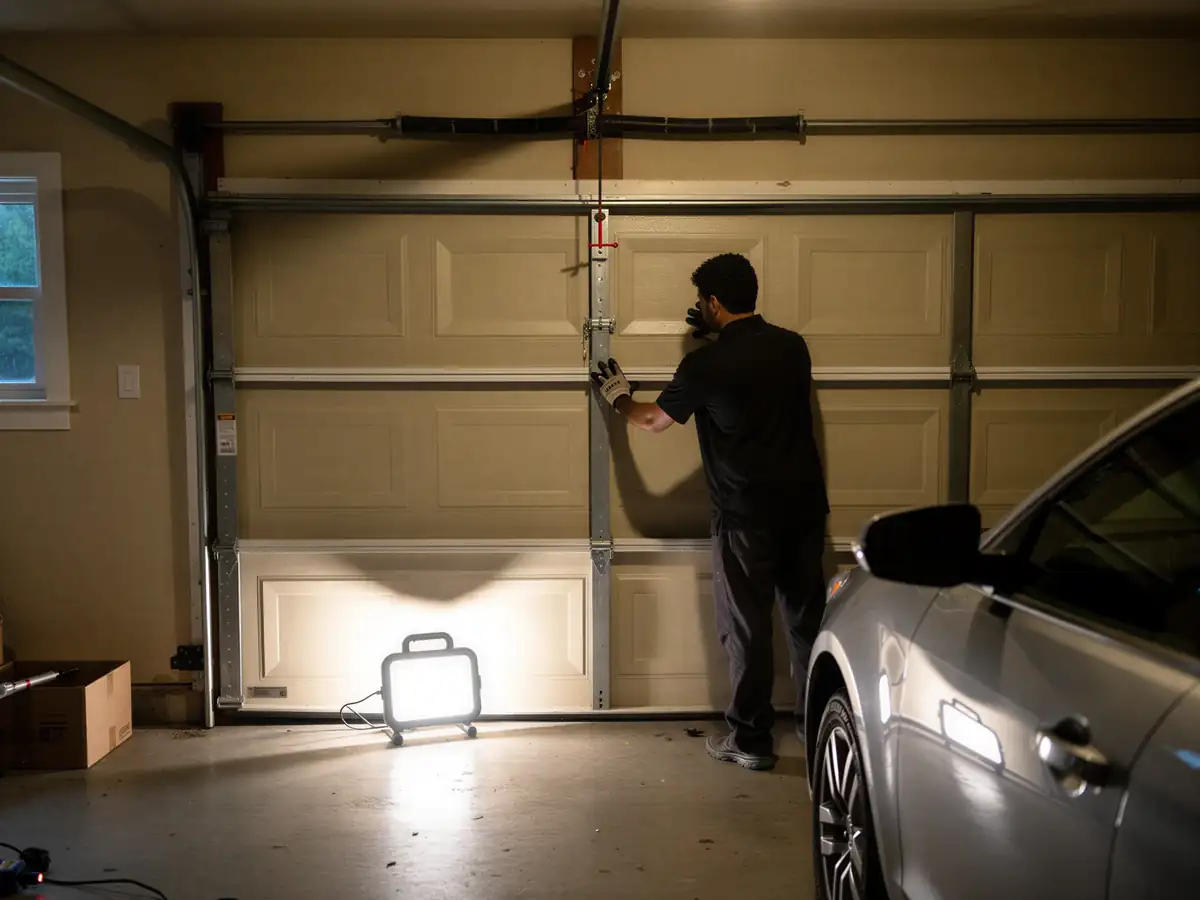
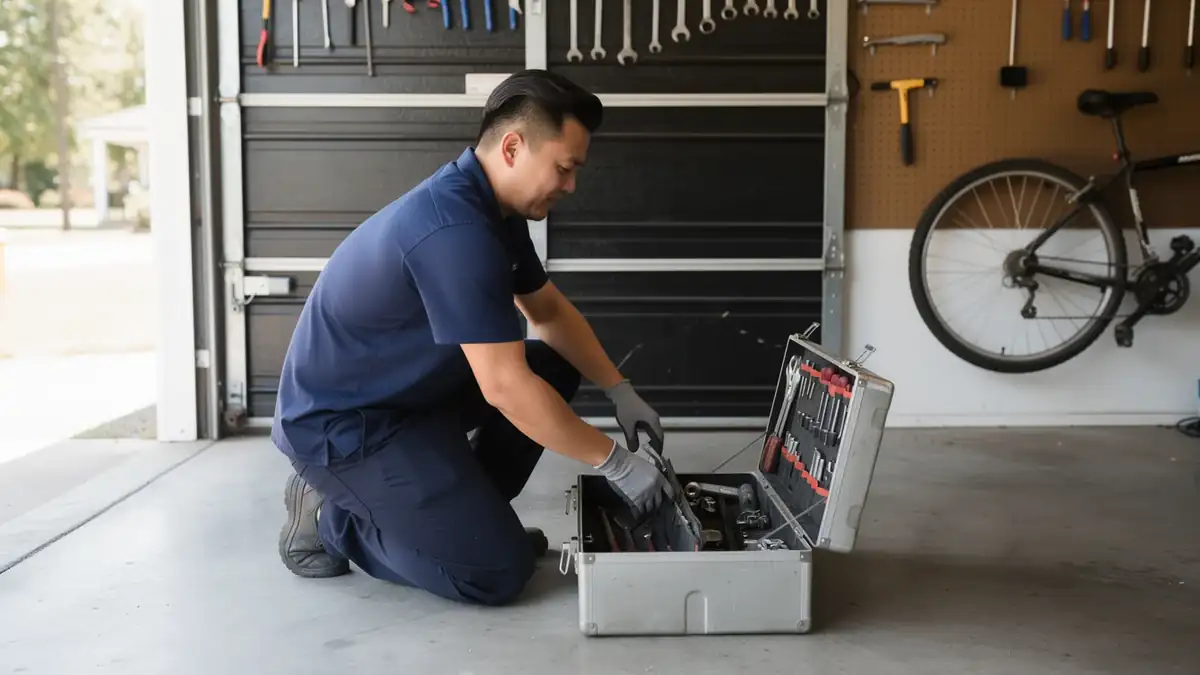
When we roll up to a house in St. Petersburg, we're checking the same handful of things every time
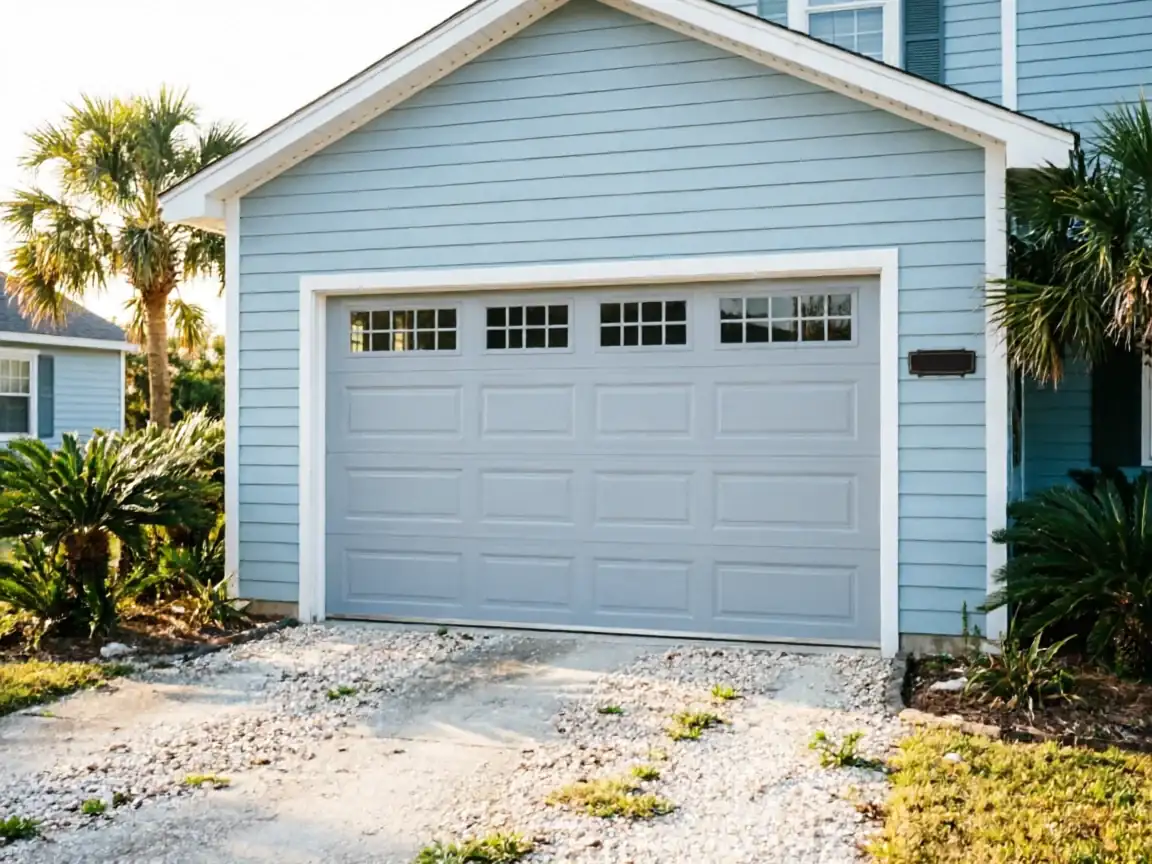
Because most of this city's garage doors were put up between 1958 and 2011, with the bulk of the stock dating to the 1960s and 70s across the 33 neighborhoods we cover, around down. That means a lot of original torsion springs still hanging on hardware nobody manufactures new mounting brackets for anymore.
- 33 neighborhoods
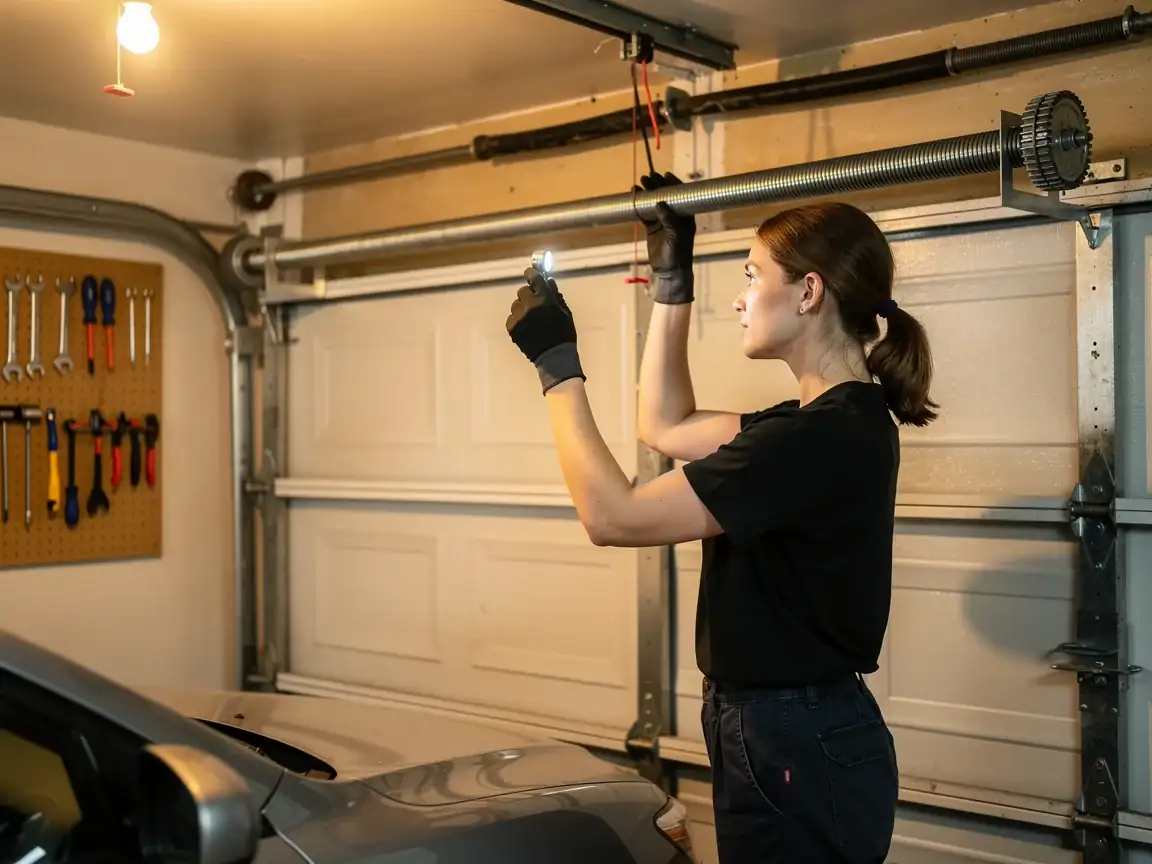
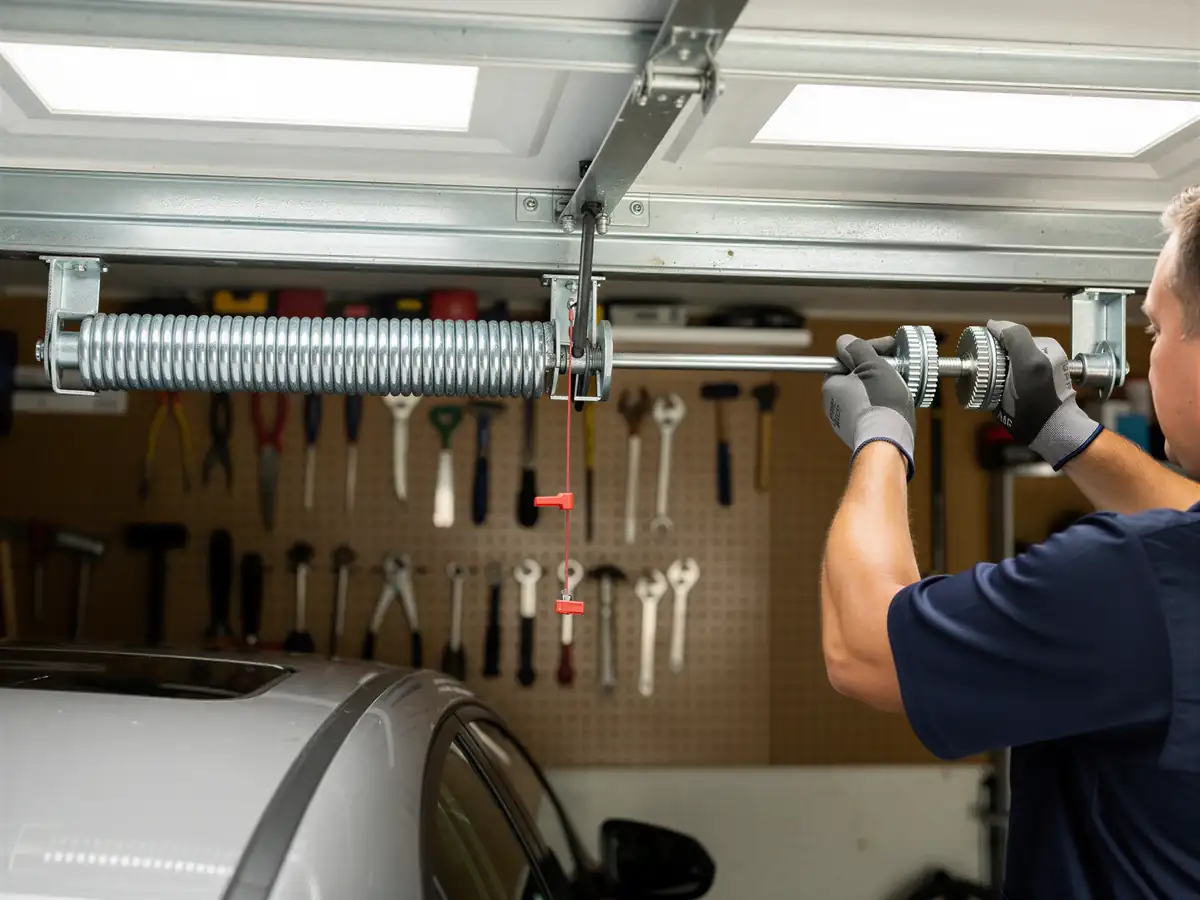
We start with the springs
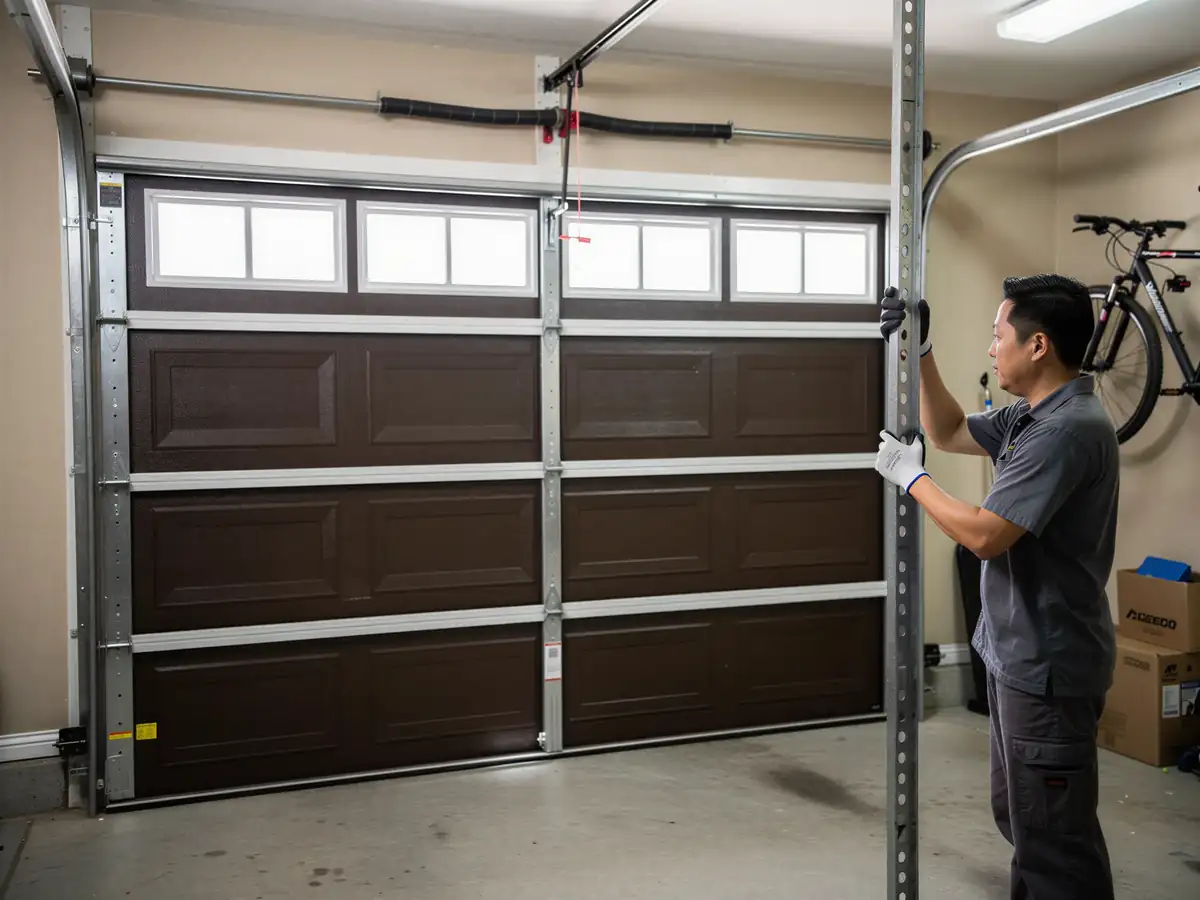
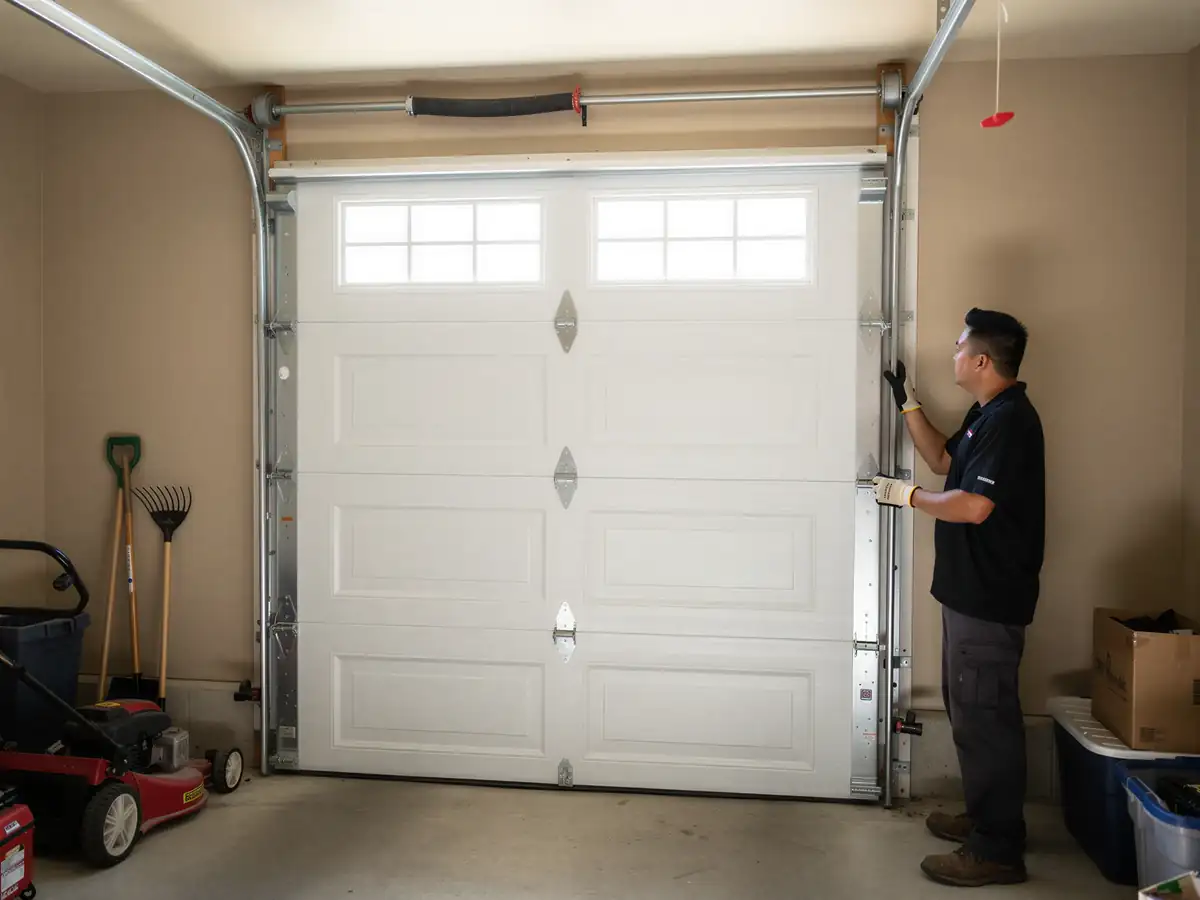
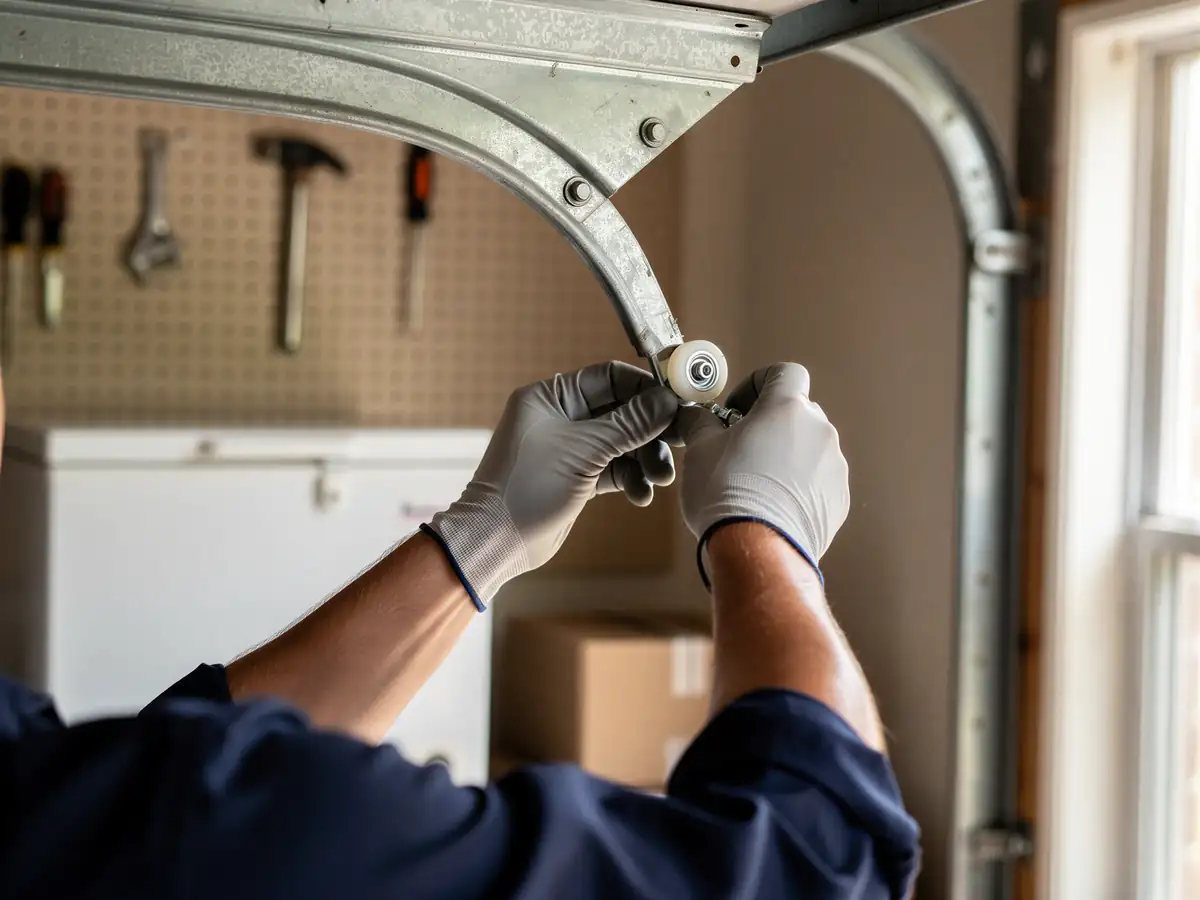
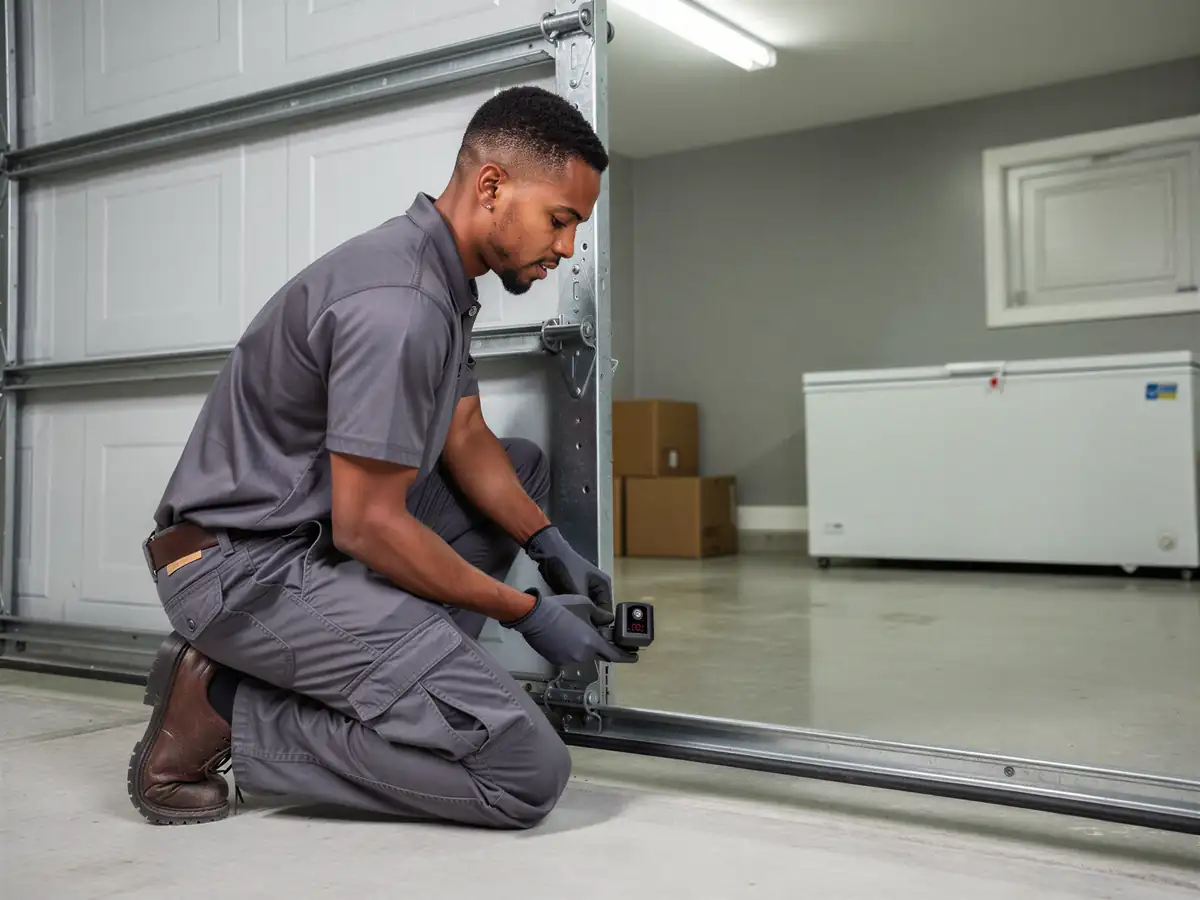
Wind count, cable wear, whether the winding cones show rust pitting. Then the tracks: are they still plumb, or has 50-plus years of settling pulled them out of square. We check rollers for flat spots, hinges for play, and the opener's force settings, since a door that's heavier than it was new (extra paint, added insulation) can trip an opener's safety reverse constantly.
We also look at the slab itself
Panels from that era are often steel with minimal rust-proofing underneath, and once rust starts eating through from the inside out, no amount of lubrication fixes it. If the bones are gone, we'll tell you - a tune-up on a door that's structurally done is money you won't get back.
How Local Conditions Play In
St. Pete sits in a mild temperate band, so we're not dealing with freeze-thaw cracking in slabs or opener gears gummed up by winter cold the way a tech further north would be. That's the good news. The trade-off is humidity and salt air, and for houses within a few miles of the water - Gulfport, South Pasadena, St. Pete Beach, Tierra Verde, all inside a 10-mile ring - that moisture gets into everything metal.
Springs here corrode from the inside of the coil out, which means a spring can look fine on the outside and still be down to half its rated cycles. Track bolts and hinge pins rust in place, so a lube job that would take five minutes on a dry-climate door can mean cutting a seized bolt loose first. We check for this specifically on service calls in the beach-adjacent neighborhoods, because it's a different failure mode than a straight mechanical wear-out.
What Is Going On
Most service calls break down into one of three stories. The door worked fine yesterday and won't open today - usually a broken spring, especially on a door built before the mid-70s double-spring standard became common here. The door opens but sounds like it's fighting itself - that's almost always a track out of alignment or rollers that have worn down enough to bind.
The third story is slower: the door's been getting harder to lift by hand, or the opener strains more each month. That's often springs losing tension gradually rather than snapping outright, which happens more here with coastal corrosion eating at the coil wire gauge. With median household income across the service area at $79,798 and roughly 91,770 owner-occupied houses among 201,617 households, a lot of what we see is original equipment that's simply reached the end of a long, humid service life rather than anything the homeowner did wrong.
When to Get Help
Call if the door won't budge, if you hear a loud bang (that's usually the spring letting go)
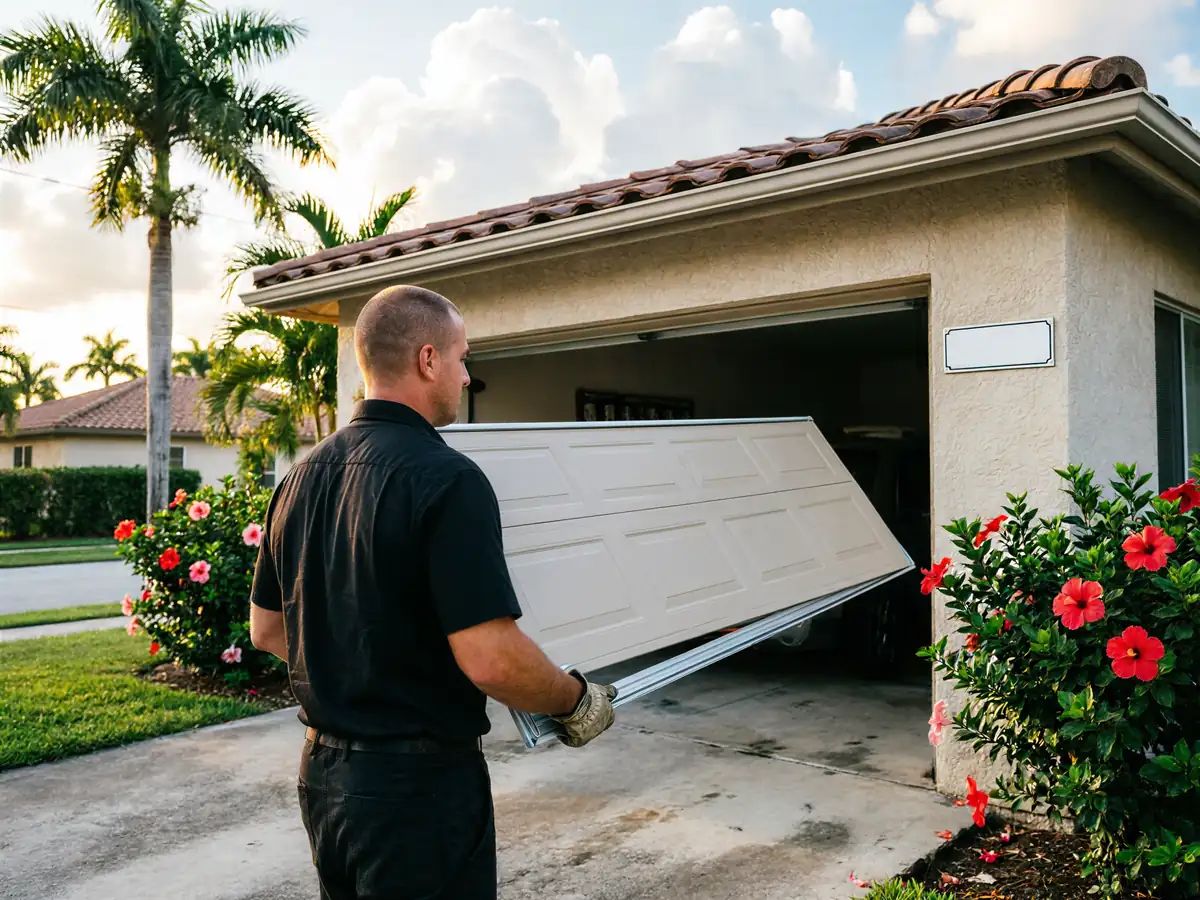
Or if the door drops unevenly on one side - that's a cable or a track problem, and it's not safe to keep running the opener against it. Don't try to loosen or remove a wound torsion spring yourself; the tension in those coils is enough to break bones.
If the door still opens and closes but sounds rough
That's worth a call before it becomes an emergency call. Catching a corroding spring or a worn roller on a 1970s-era door usually means a parts swap. Waiting until it snaps on a Saturday usually means a full spring replacement plus whatever the sudden stop did to the cables and drum. We do service calls across the St. Petersburg area - get in touch if something sounds off.