How We Fix It
A broken spring job starts with figuring out which kind you've got
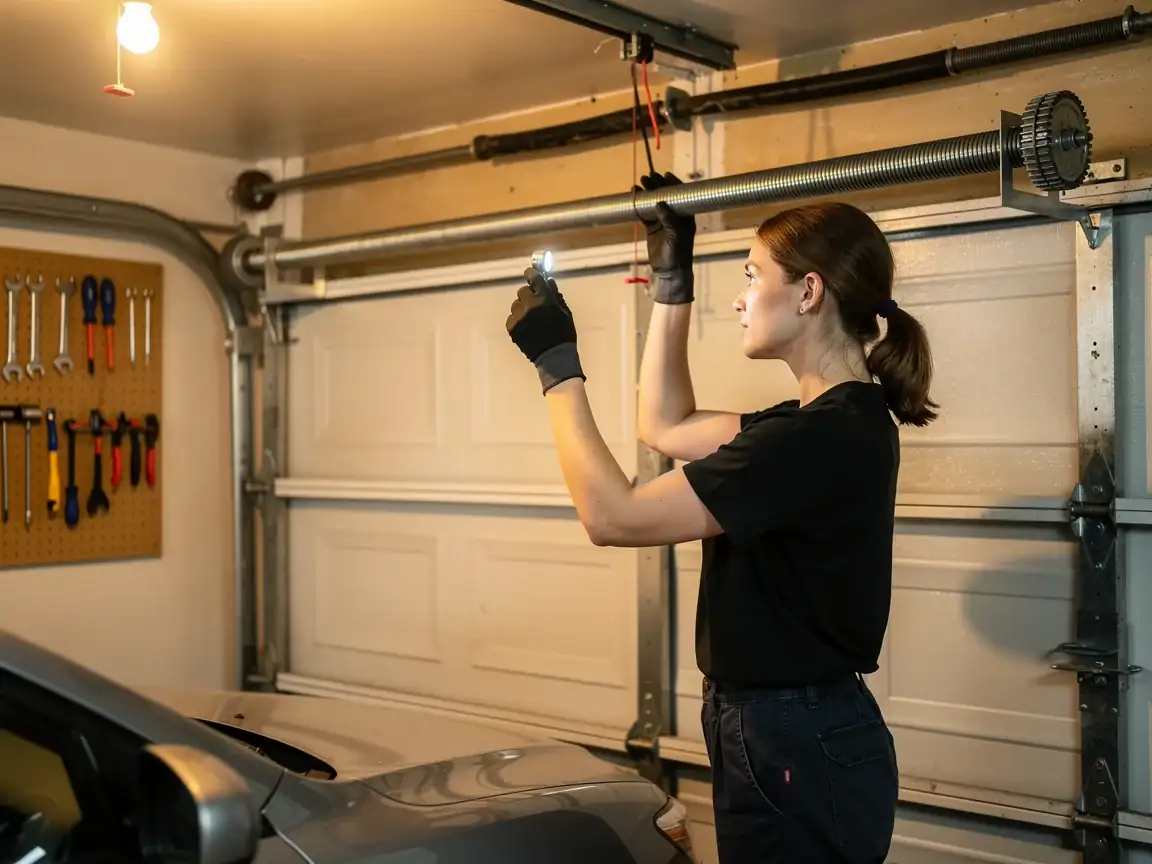
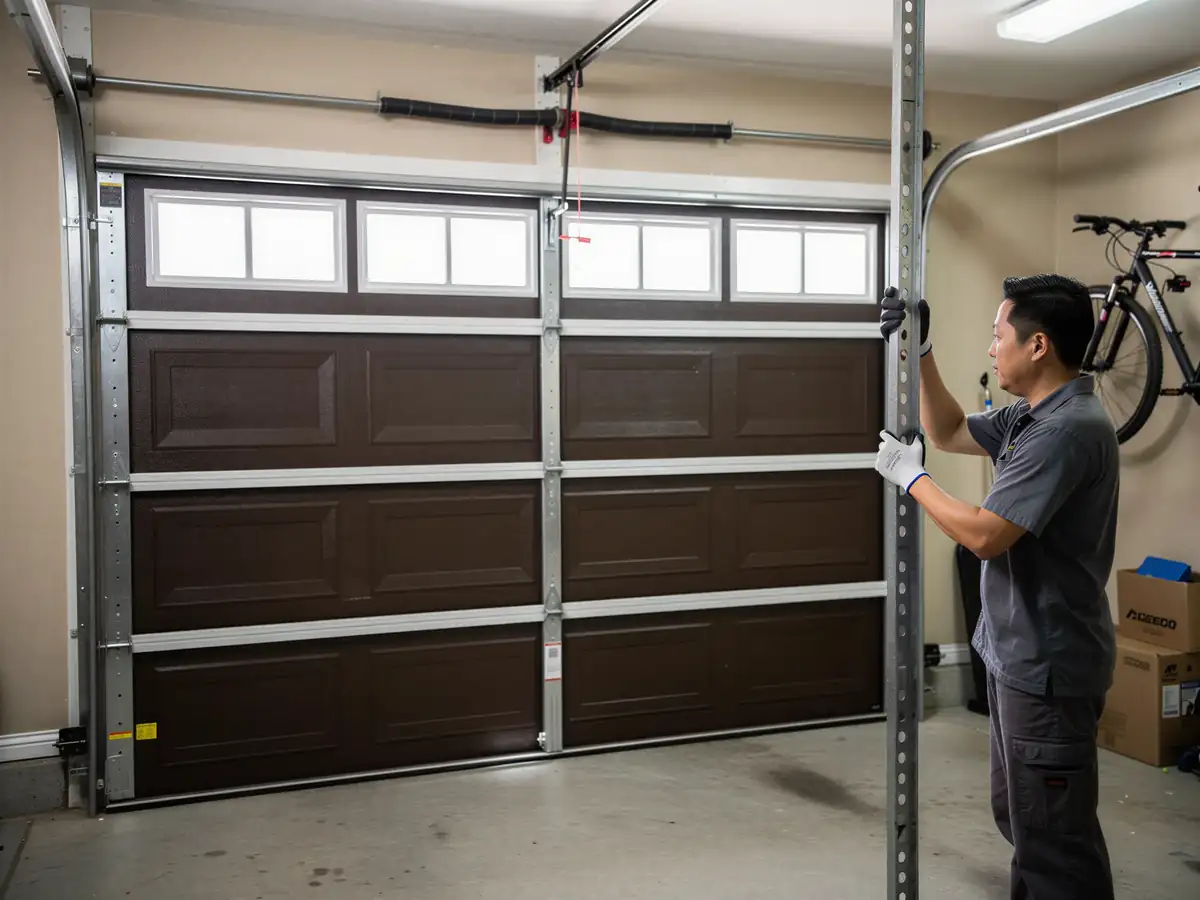
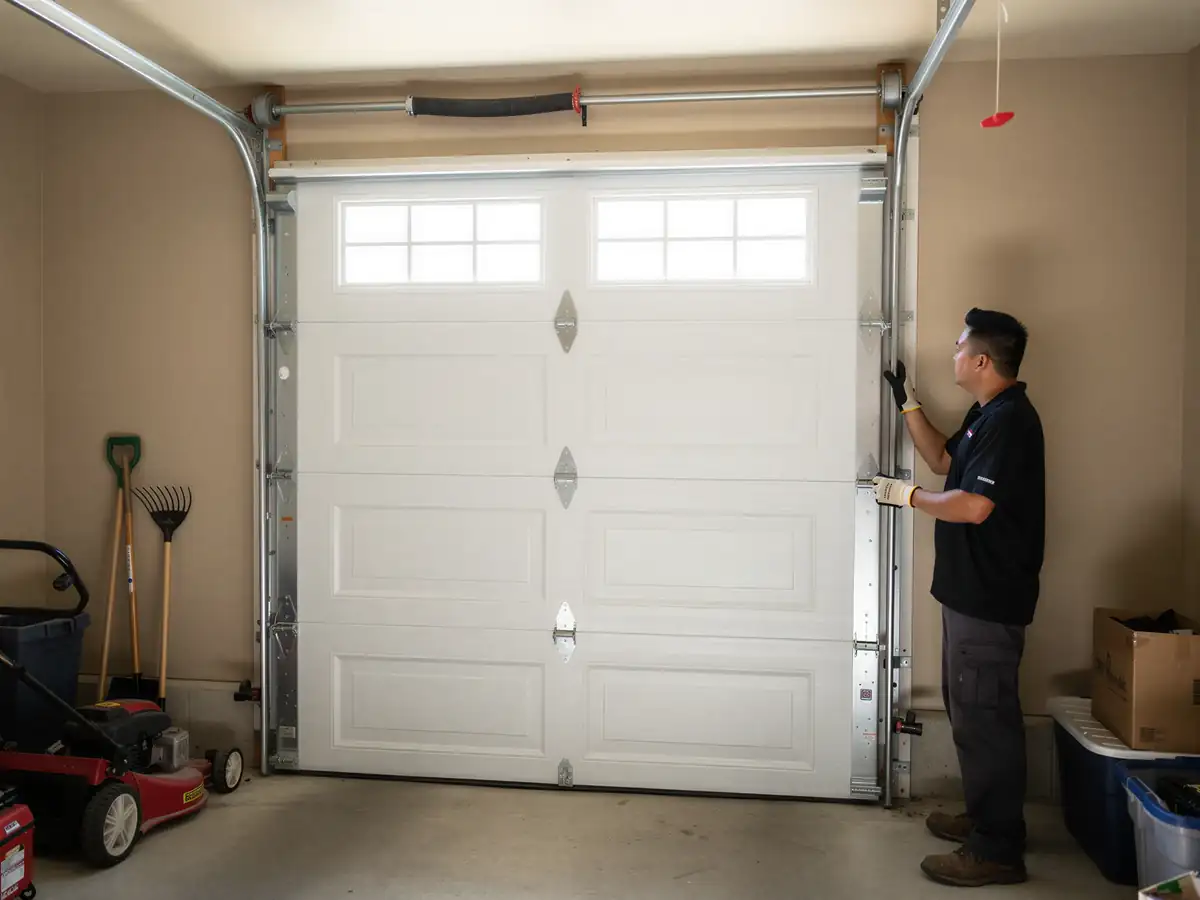
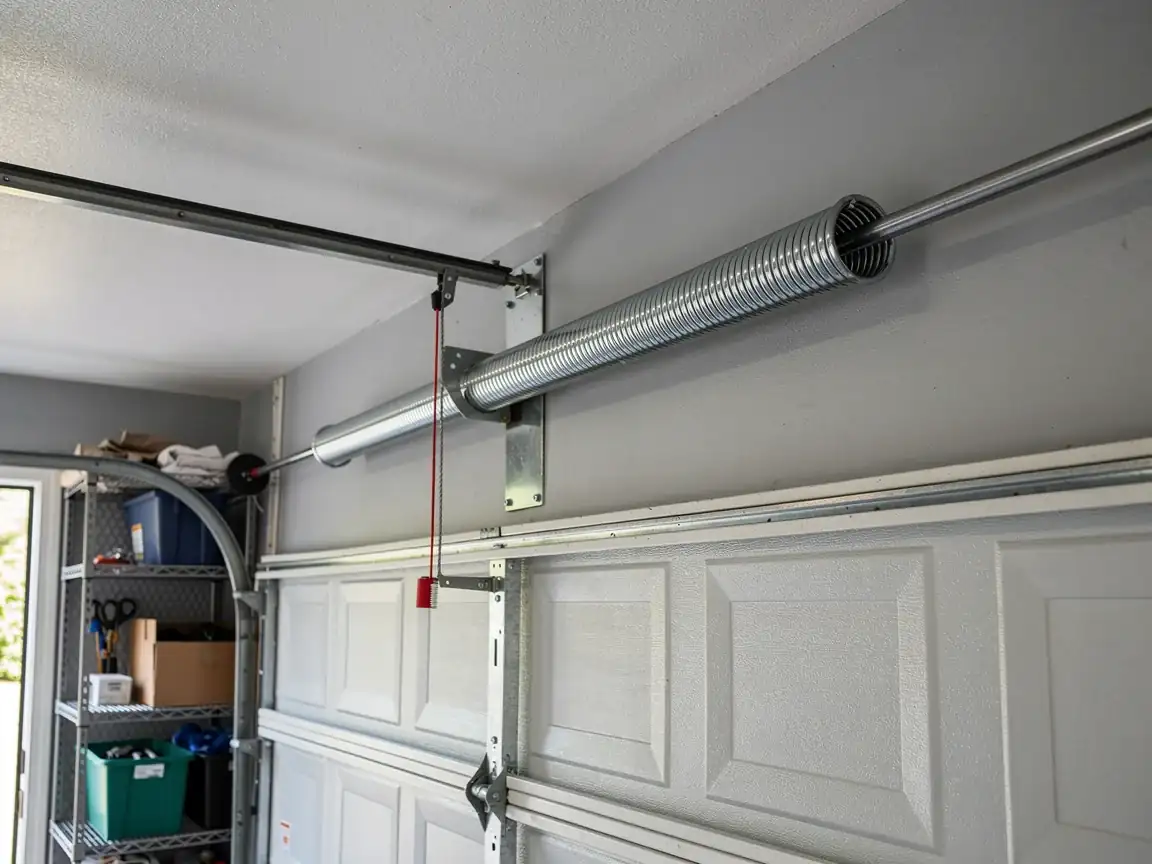
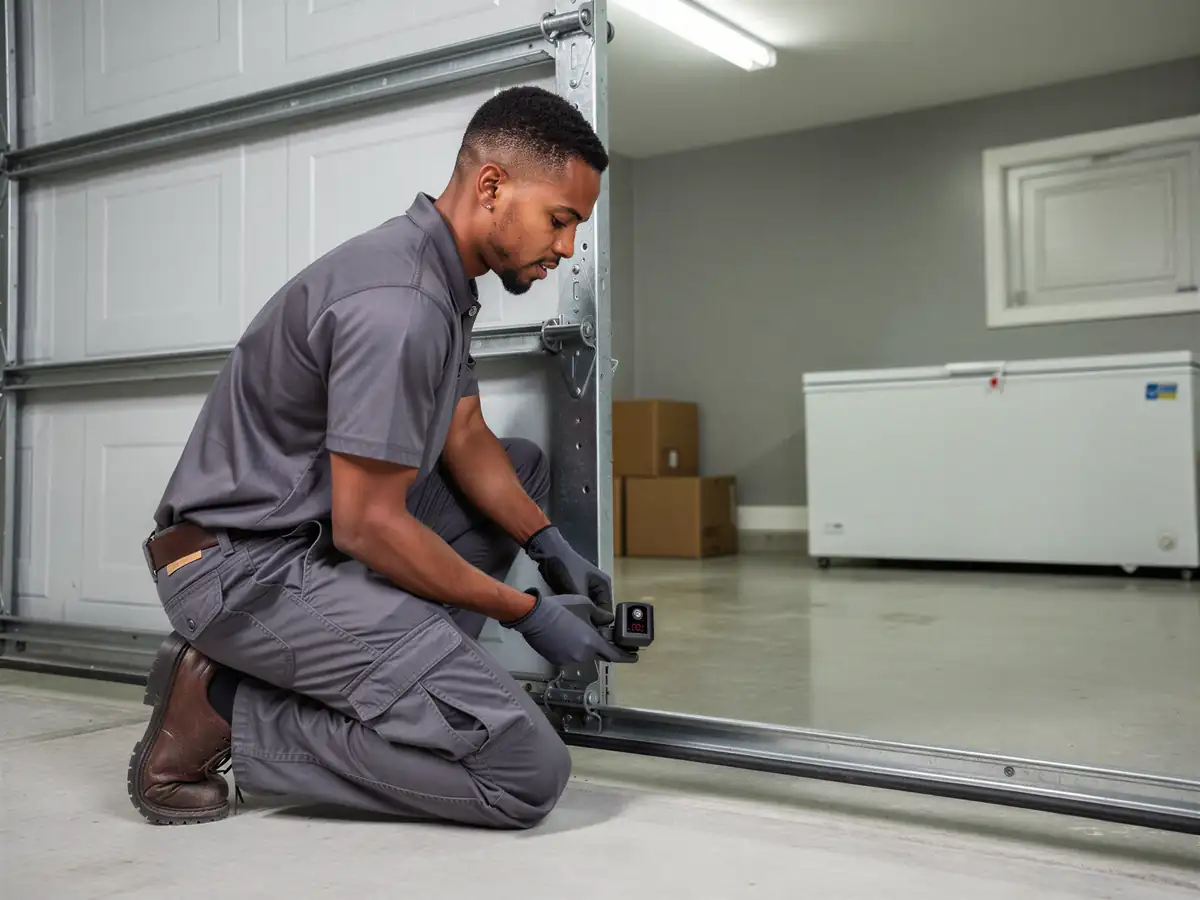
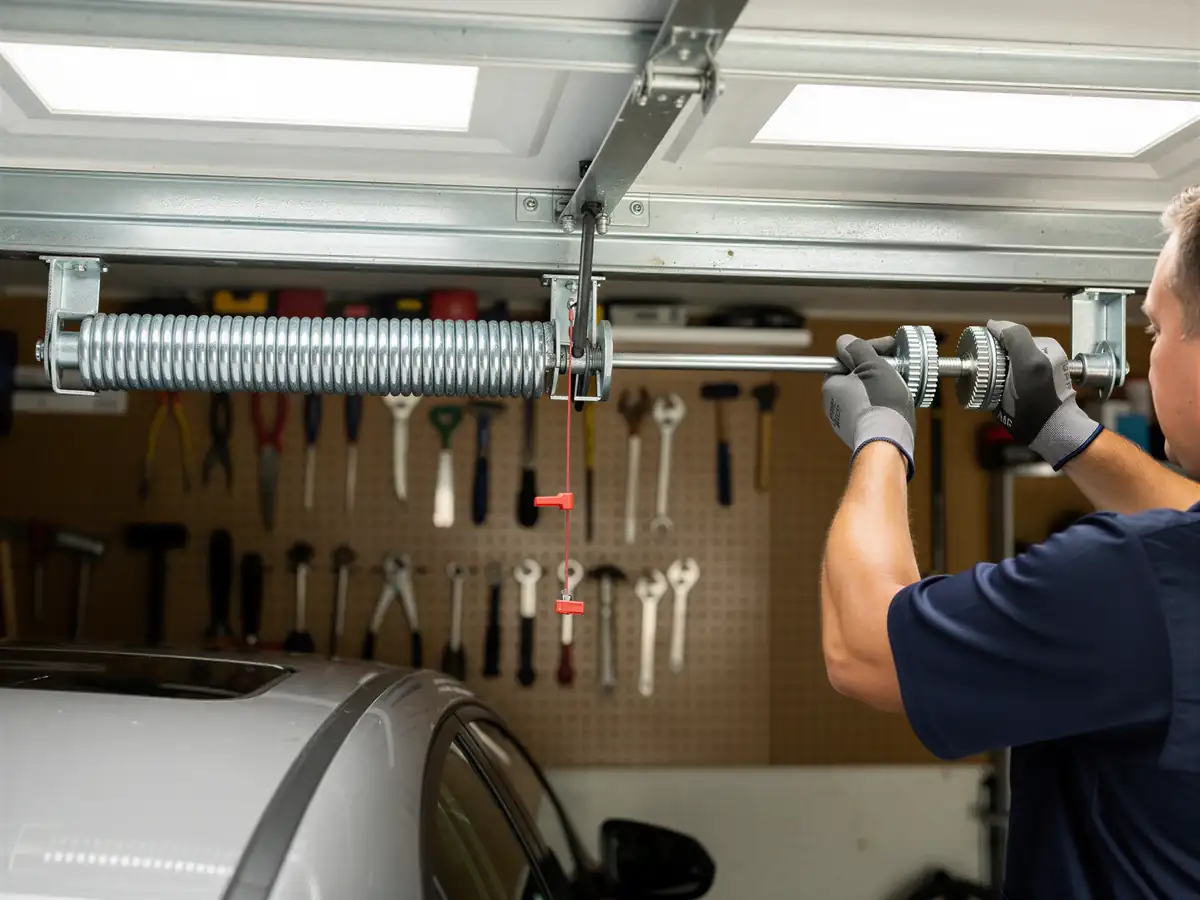
Most doors on this side of the bay run torsion springs mounted above the door on a shaft, though some older single-car doors still use extension springs along the horizontal tracks. We look at the winding cones, the cable condition, and whether the drums are cracked before we touch anything, because a spring that snapped from age is a different repair than one that snapped because a cable frayed and dumped the load onto it.
Once we know what failed, we replace the spring with a matched pair sized to the door's weight and cycle count
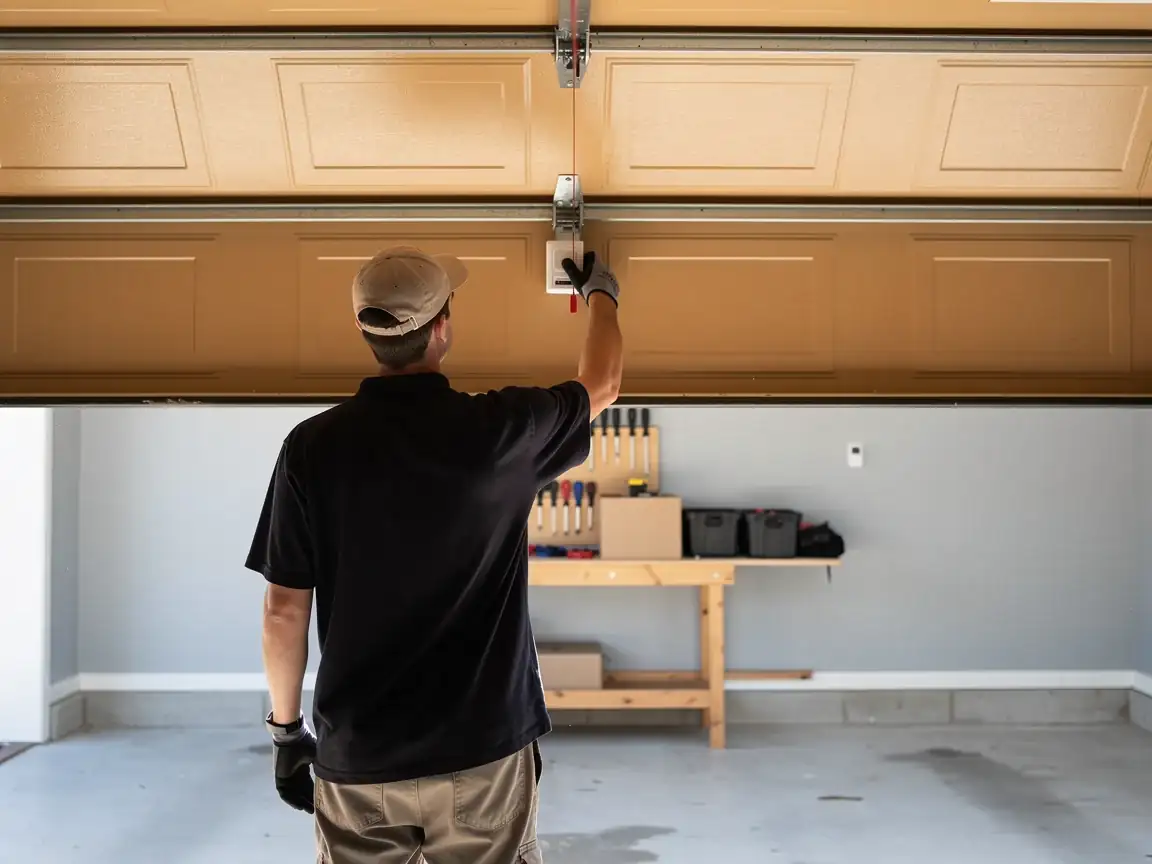
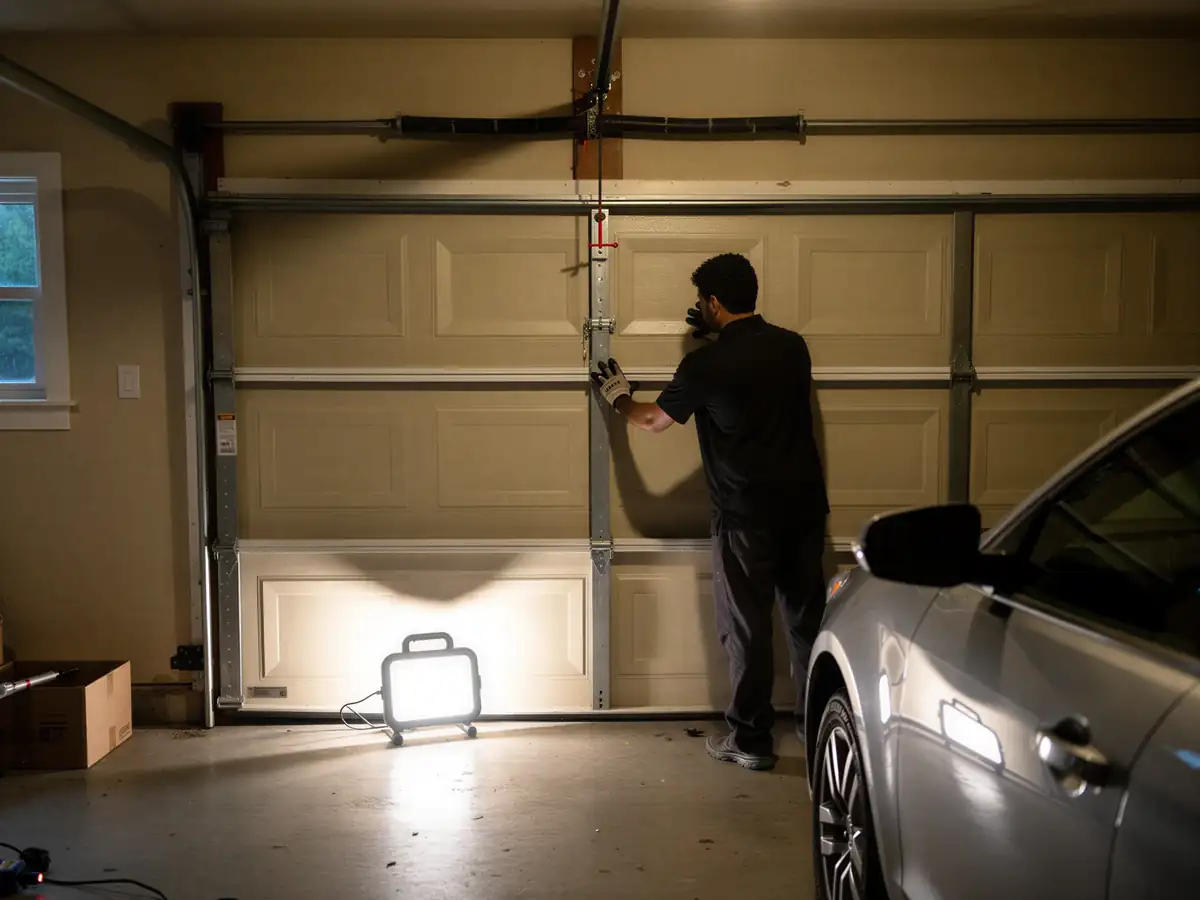
Not a universal stand-in. Single springs get replaced in pairs even when only one broke, because the other one is close behind it. After the new spring goes on, we set the winding turns, balance the door by hand so it holds at waist height without drifting, and run it through a full cycle before we call it done.
The part we won't do is force a spring that's close but not quite right onto a door just to finish the call faster
Wrong wire diameter or wrong wind direction shortens the life of the spring and strains the opener, so if we don't have the exact size on the truck, we order it rather than improvise.
Parts We Carry
We stock torsion springs in the wire gauges and lengths that match the housing built here from the late 1950s through the early 2000s, plus standard extension springs for the older single-car doors that never got upgraded. That covers cables, drums, and end bearing plates sized to the same era of hardware, since a lot of garage doors in this service area are original to the house and the spring is the first thing to go.
What we don't carry on the truck are high-cycle commercial springs or the odd metric-threaded hardware that shows up on a handful of imported door models. Those get special-ordered, and depending on the supplier that can add a few days to the job. We'd rather tell you that up front than have you wait on a truck roll that doesn't have the part.
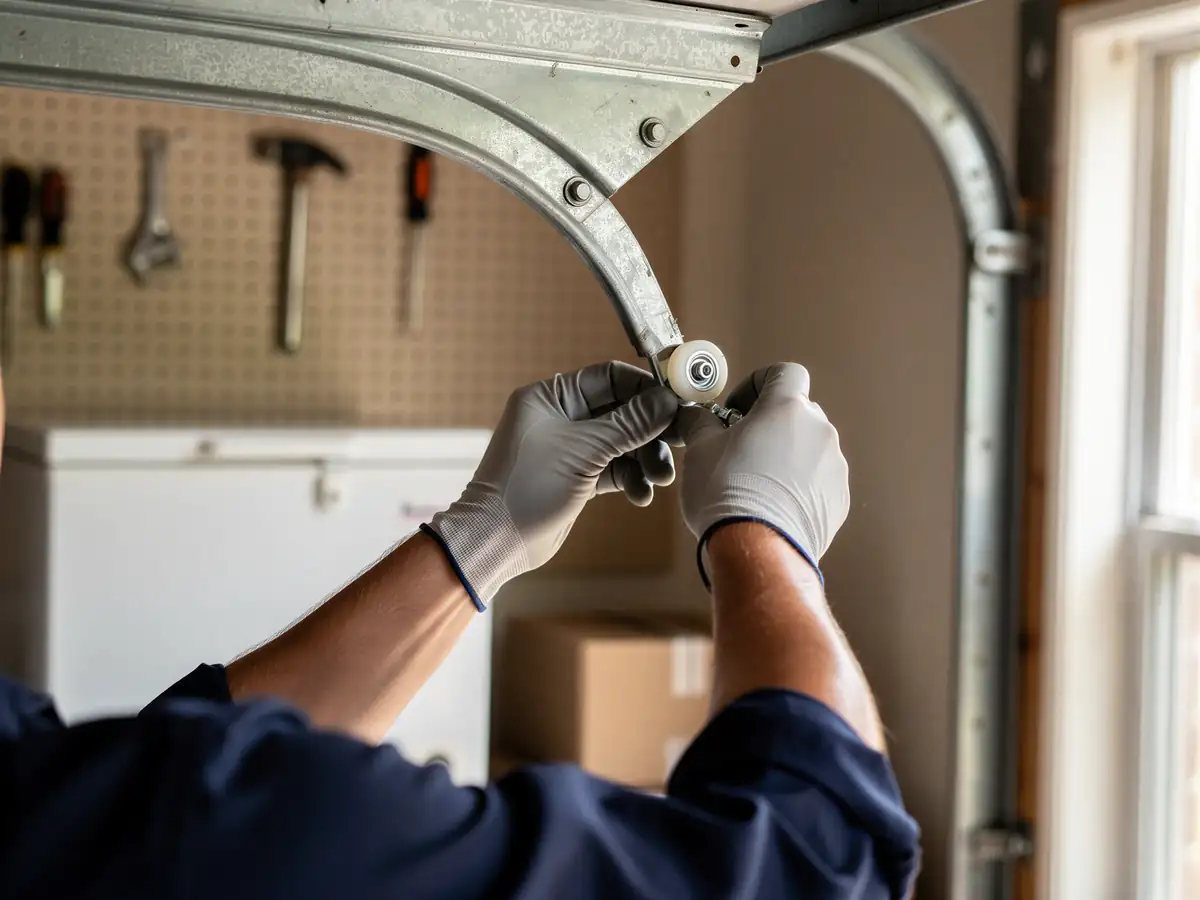
We also carry the small stuff that fails alongside a spring but gets missed: nylon rollers, safety cables, and the stationary cones that corrode faster near the coast. Replacing a spring without checking those is how a homeowner ends up calling back in six months for something that could've been handled the same visit.
Why It Happens Here
Housing across this service area went up mostly between 1958 and 2011, with the midpoint around 1979, and that matters because torsion springs have a rated life in cycles, not years. A door installed in the 1970s or 80s has been opening and closing for forty-plus years on hardware nobody expects to last that long, and a lot of those original springs are still on the door, just weaker every season until one day they're not there at all.
The climate here is mild temperate, so we don't get the freeze-thaw cycling that snaps springs up north. What we get instead is humidity and salt air working on the galvanized coating year-round. Coastal moisture doesn't shatter a spring overnight, it corrodes the coil slowly until a spring that looks fine is actually down to a fraction of its rated strength, and it lets go on an ordinary Tuesday with no storm, no cold front, nothing dramatic at all.
Across the households we serve, the mix runs mostly 1960s and 70s stock, which is exactly the era when single galvanized torsion springs were standard equipment and double springs or higher-cycle coatings weren't yet common. That's the combination we see on most spring calls: an older spring, corroded a little faster than it should've been, finally giving out.
How It Shows Up
The most obvious sign is a door that won't move
Or an opener that strains and clicks without lifting anything. If you look up at the shaft above the door and see a gap in the coil, or a spring that's hanging open instead of wound tight, that's your answer. Sometimes it's less dramatic: the door gets noticeably heavier to lift by hand, or it starts drifting down on its own instead of holding where you left it.
A loud bang from the garage, especially one that happens with the door closed and nobody touching it
Is almost always a torsion spring letting go under tension. It's startling but it's also the easiest version of this repair, because the spring has already done its damage and there's nothing left to release safely.
Watch for cables going slack on one side while the door tilts
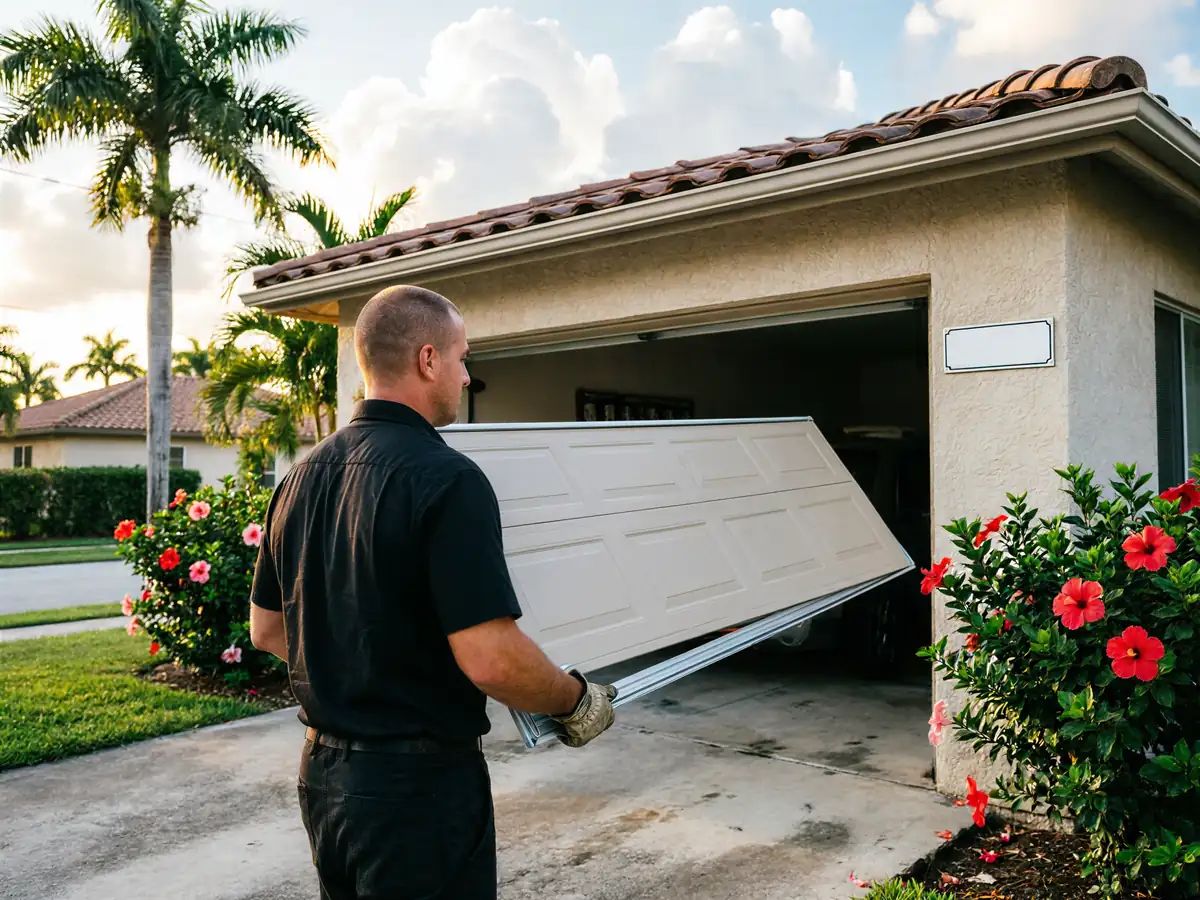
Which usually means a spring failed and the cable is now carrying weight it wasn't built for. At that point the fix isn't just the spring anymore, it's the cable too, and sometimes a bent track from the door coming down unevenly. That's the honest tradeoff with spring failure: catch it early and it's one part, wait and it can turn into three.