Why It Happens Here
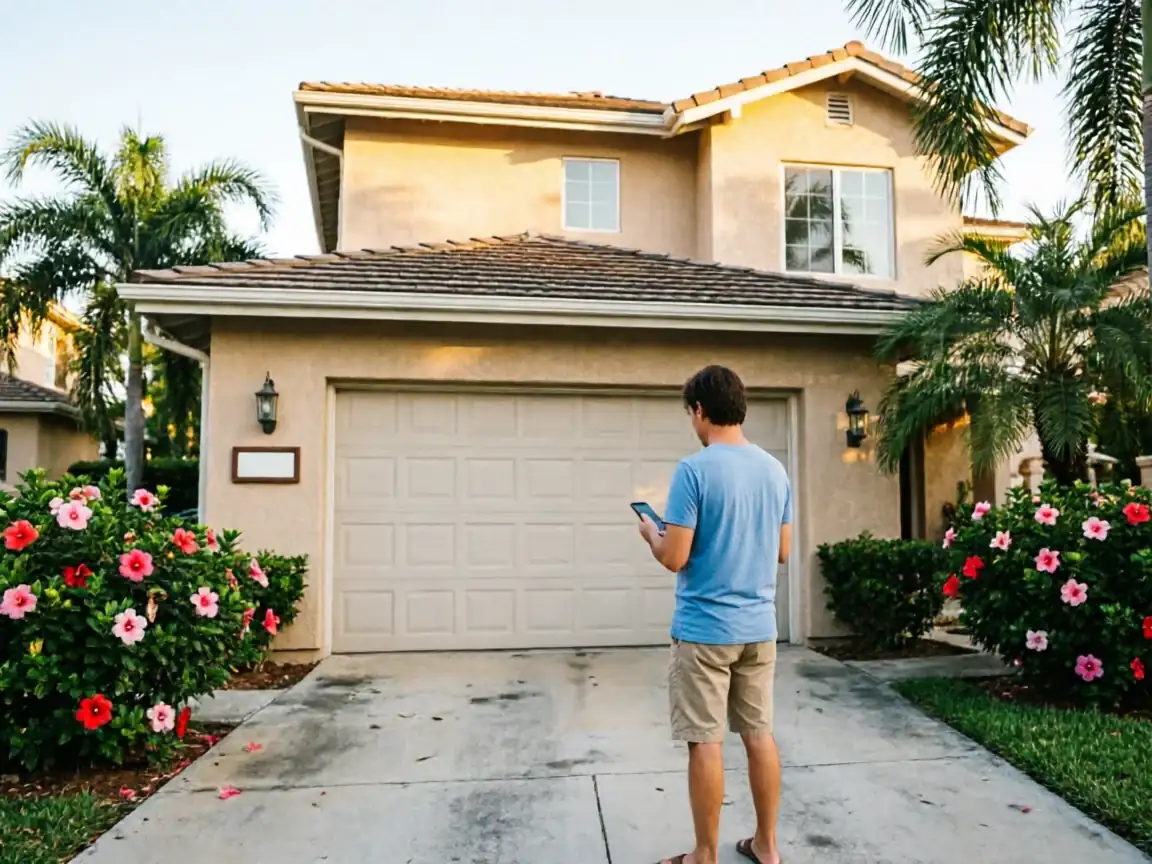
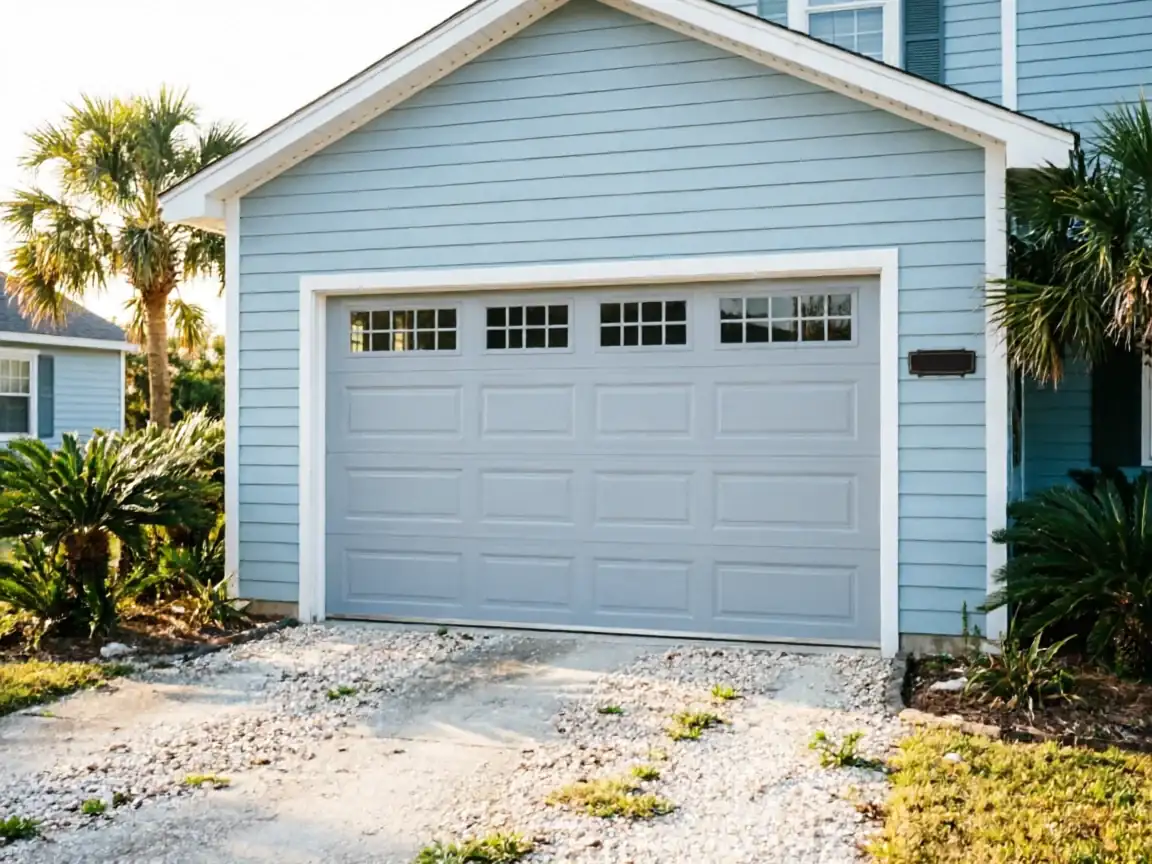
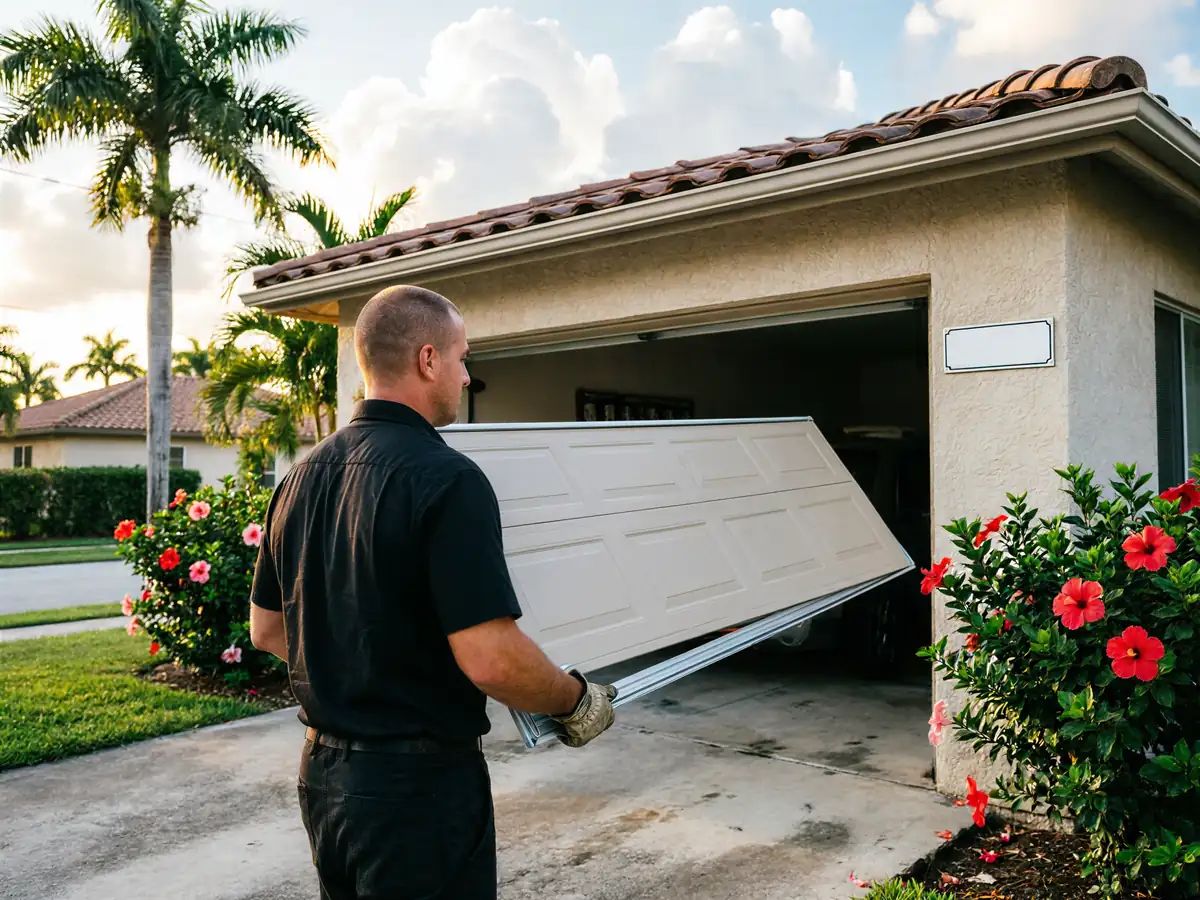
With a median household income of $148,785, a lot of homes in this part of the service area were built with doors that cost more going in - heavier gauge steel, insulated cores, longer tracks for taller openings. That's good for longevity but it means replacement panels aren't always the cheapest or fastest to find; higher-end doors from the late 80s and 90s often came from manufacturers who've since changed their panel profiles. We travel in from St. Petersburg for these jobs, about 8 miles each way, so we try to confirm the exact panel spec before the truck leaves rather than guess and come back. Dents from storm debris and from backing into a door are the most common reason for a single-panel call here - the rest is wear at the bottom section where moisture sits longest.
How It Shows Up
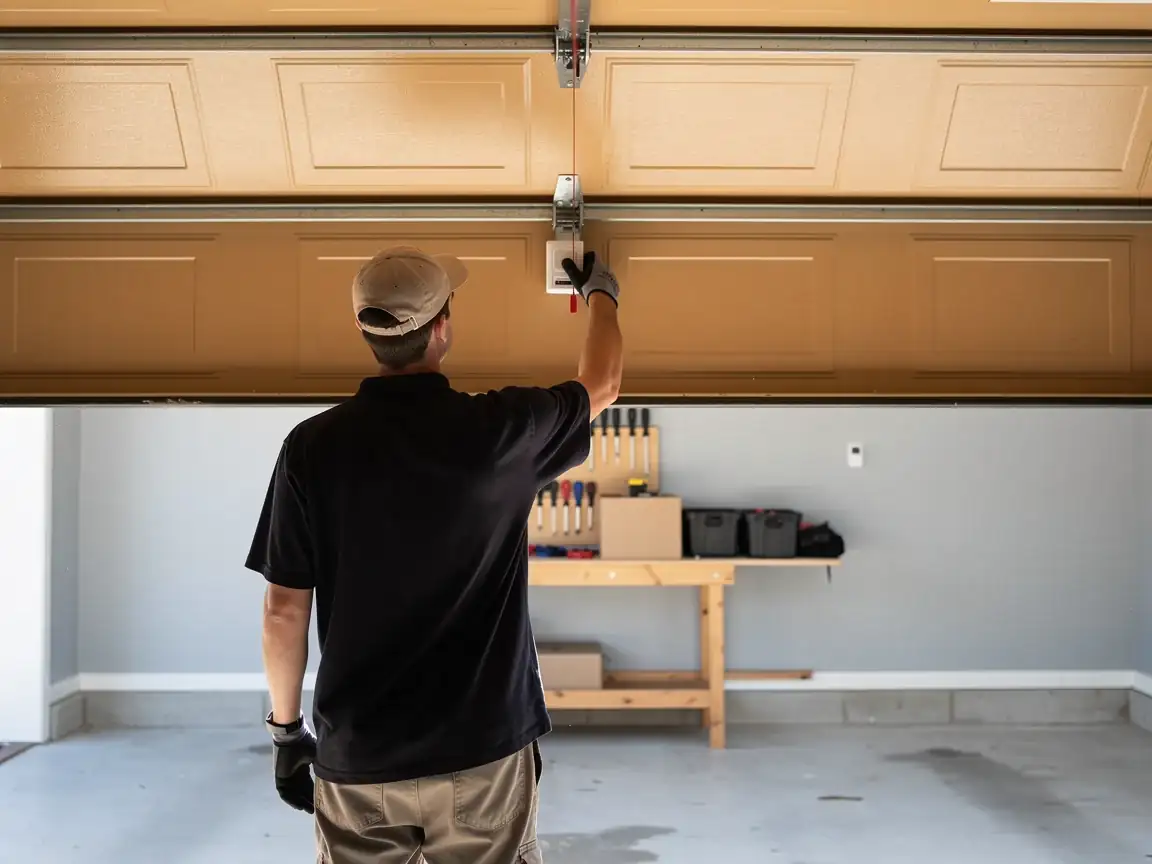
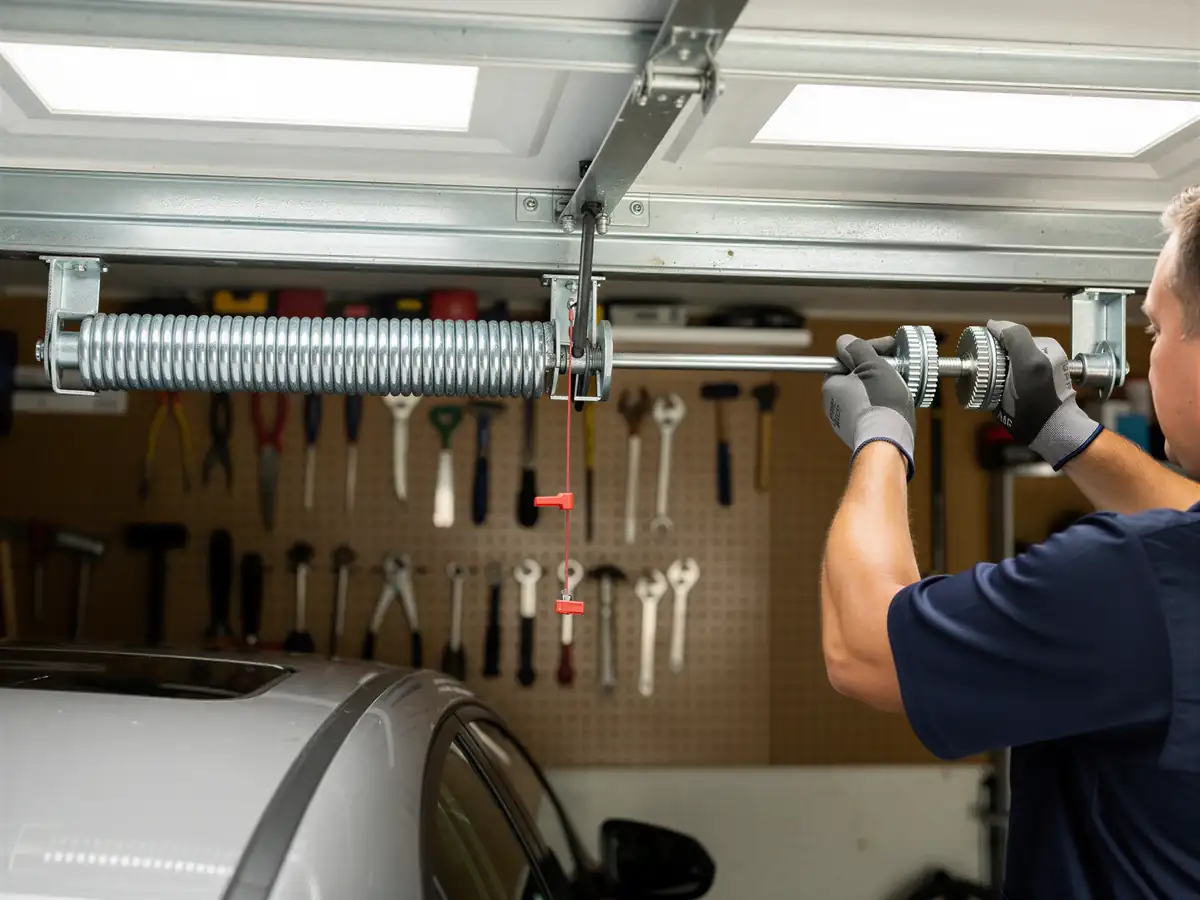
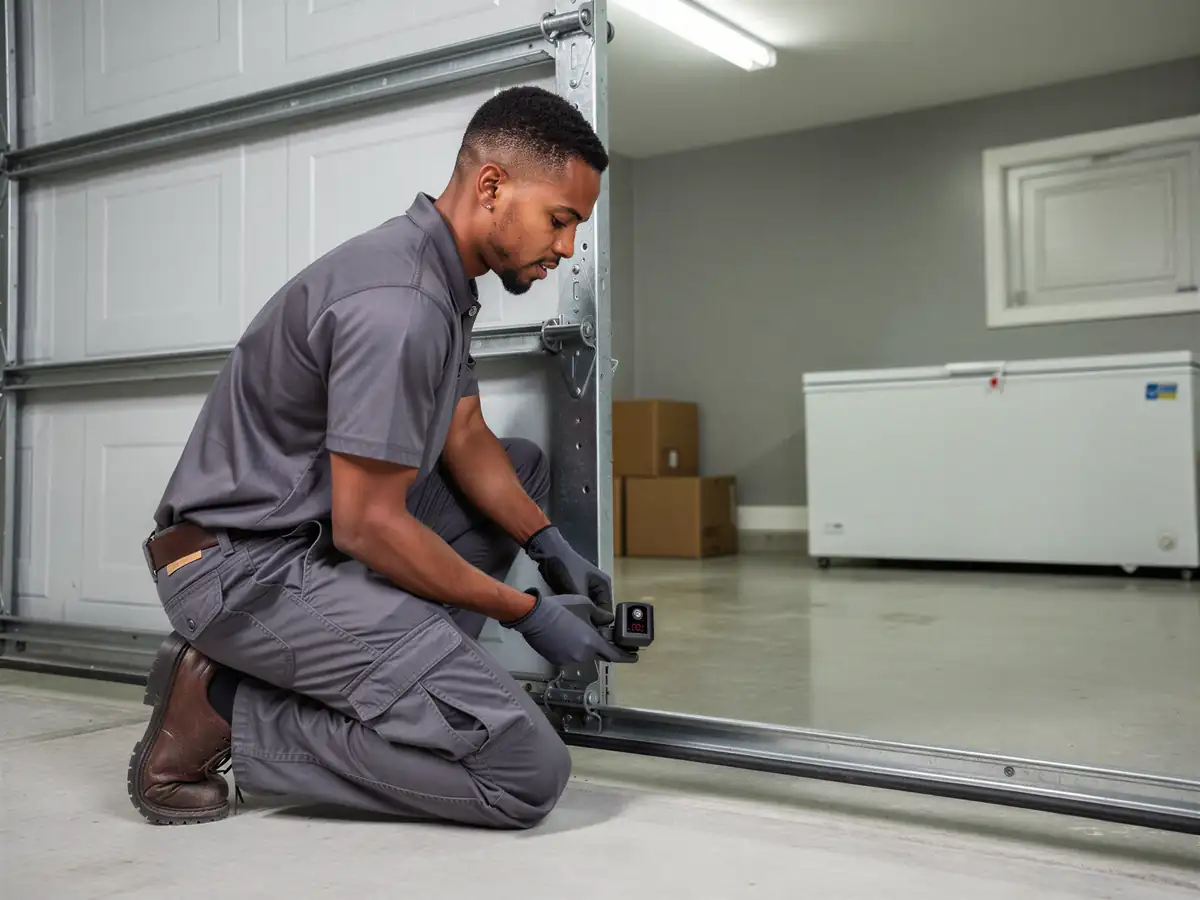
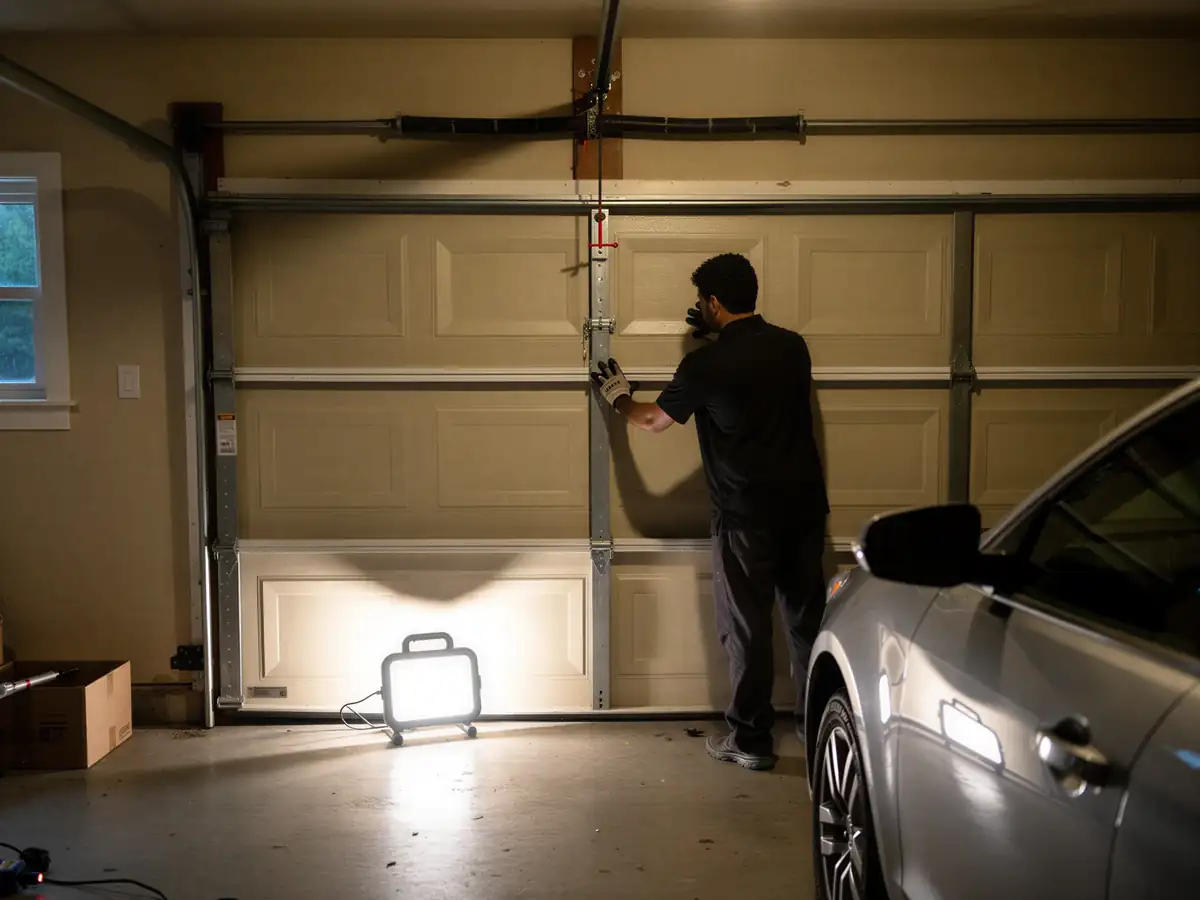
The most common complaint we hear is a bowed or dented bottom panel that keeps the door from sealing flush to the slab, which on a 1989-era door usually means the original weatherstrip channel is also compromised and needs attention at the same time. Owners also call about a cracked panel seam on a double-wide door, usually on the side that takes direct sun for most of the day. Less often, we see delamination on insulated panels from this build era - the steel skin separates from the foam core and the panel goes soft to the touch near the edges. None of these are urgent safety issues the way a broken spring is, but a damaged panel does put extra strain on the opener if it's forcing the door to travel slightly out of true.
Parts We Carry
We stock common panel widths and standard steel sections that fit the bulk of doors installed across this service area's 1958-2011 build range, which covers most of what's out on Tierra Verde given the 1989 median. What we don't keep on the truck are discontinued or specialty insulated panels from manufacturers that have changed their lineups - those get special-ordered once we've confirmed fitment, and that's the one honest limitation here: a custom color-matched or oversized panel can mean a parts wait measured in days, not hours. We'd rather tell you that up front than promise same-day on something we can't actually deliver same-day.
Where This Job Goes Sideways
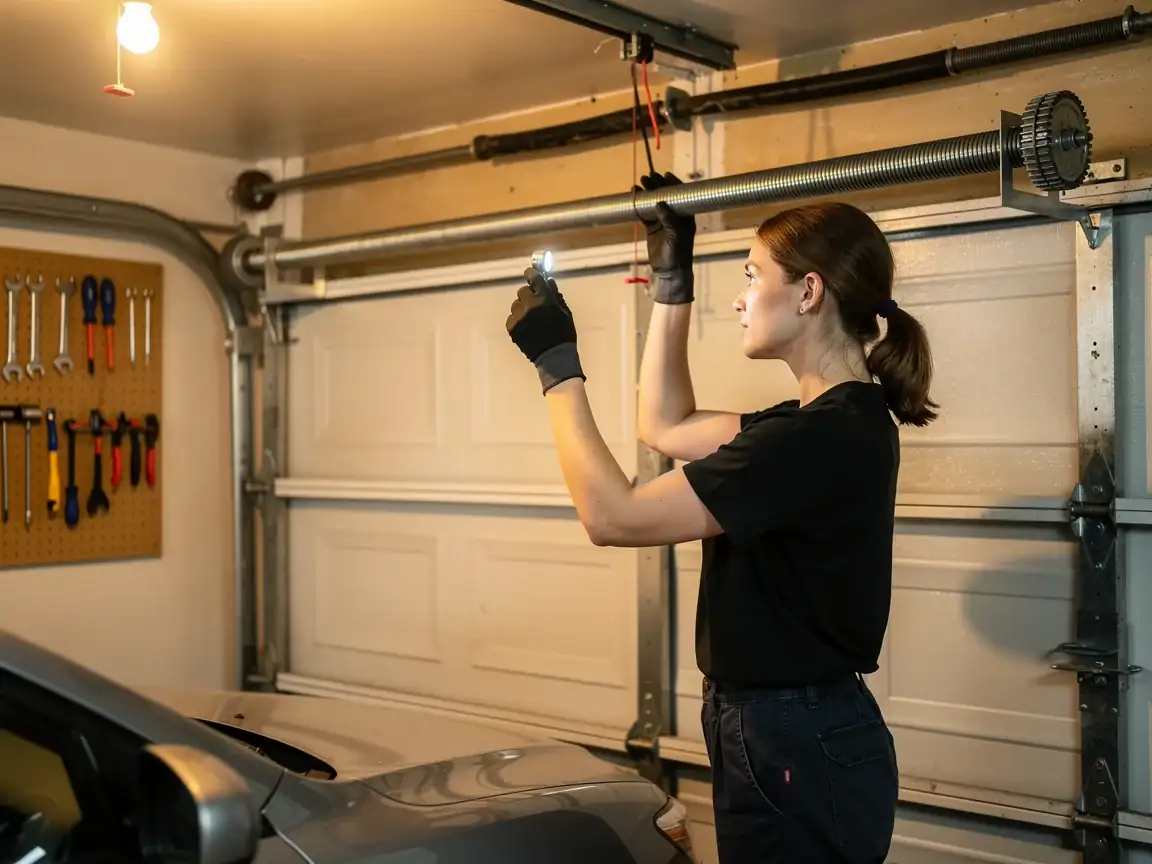
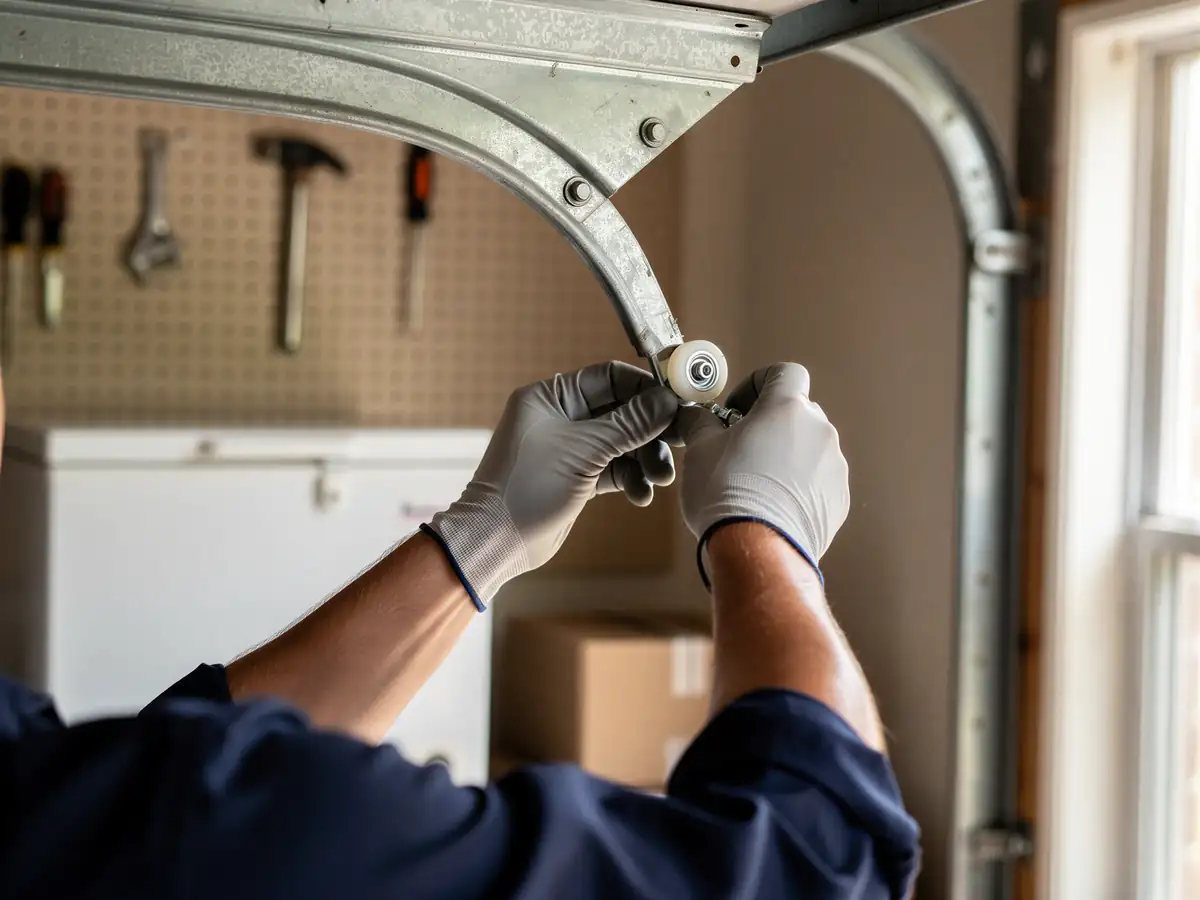
The job gets complicated when a homeowner wants just the damaged section replaced but the rest of the door is far enough gone - faded, dented elsewhere, or running an outdated track system - that a single new panel just highlights how worn the rest is. We've also seen panel damage traced back to an opener that's been straining against a misaligned track for months, in which case swapping the panel without addressing the track just sets up the same damage again. And on insulated doors from the higher end of this area's build range, if the foam core has absorbed moisture through a cracked skin, a patch panel won't solve it - at that point replacing the whole door section by section stops making financial sense compared to a full door swap, and we'll tell you when you've hit that line instead of running up a bill on a door that's past worth saving.