Why It Happens Here
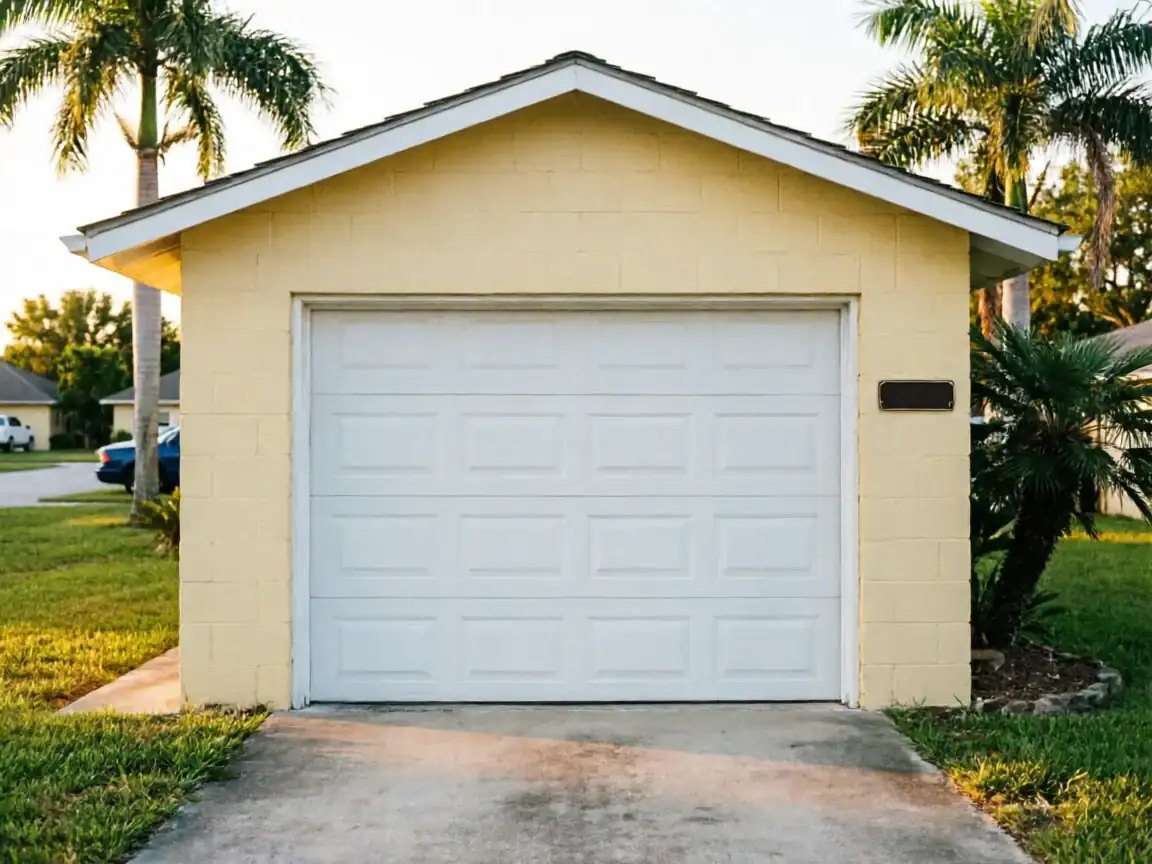
Housing on Tierra Verde runs newer than much of the surrounding service area - median build year 1989, versus a broader mix across the area's 33 named communities that centers closer to 1979 and stretches back to 1958. That later build date means most doors here came in with steel sectional construction and extension or torsion spring setups from the late '80s and '90s, not the older one-piece slab doors you still find in some of the 1960s-stock neighborhoods inland. The failures that show up are the ones you'd expect from 30-plus-year-old hardware on a mild coastal site: springs that have cycled tens of thousands of times finally letting go, and galvanized track and rollers that have taken decades of salt air even without a major storm event. The climate here falls in the mild temperate band, so we're not dealing with freeze-thaw cracking like you'd see up north - the wear is slower and steadier, driven by humidity and salt exposure rather than hard winters.
How It Shows Up
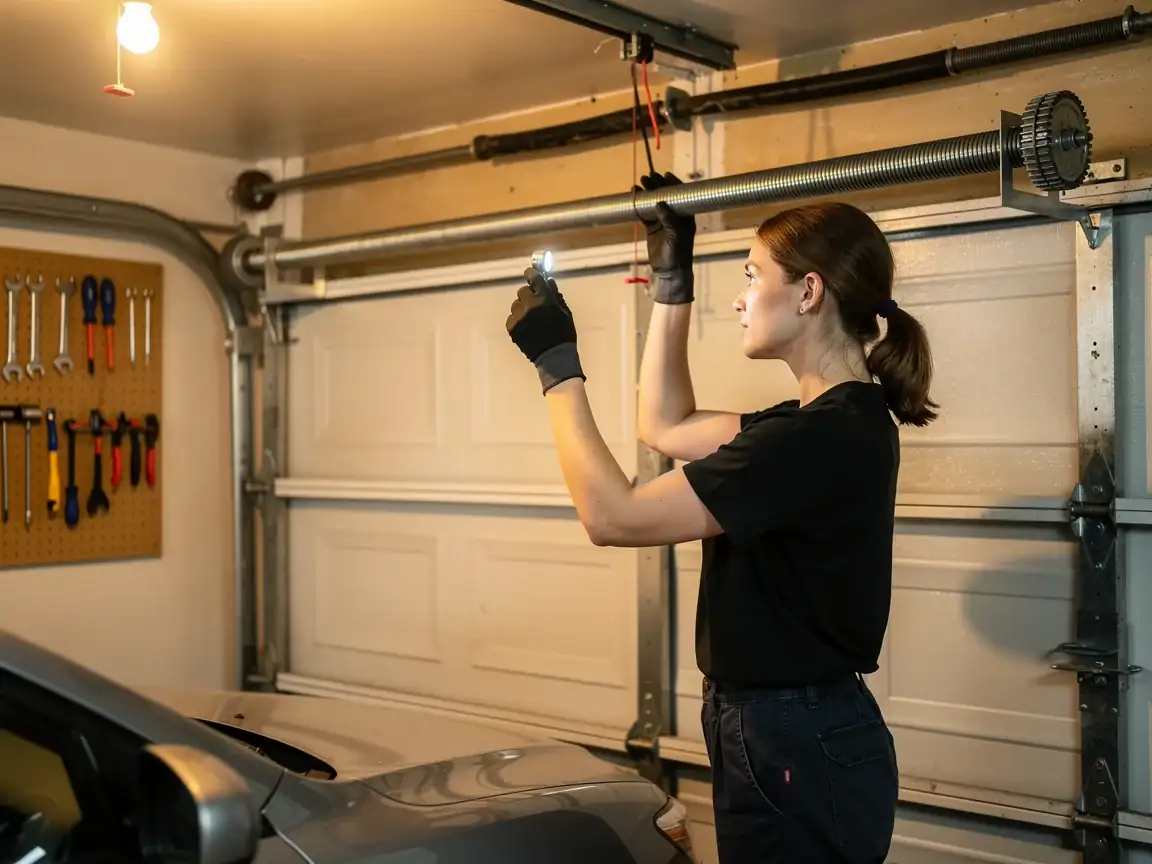
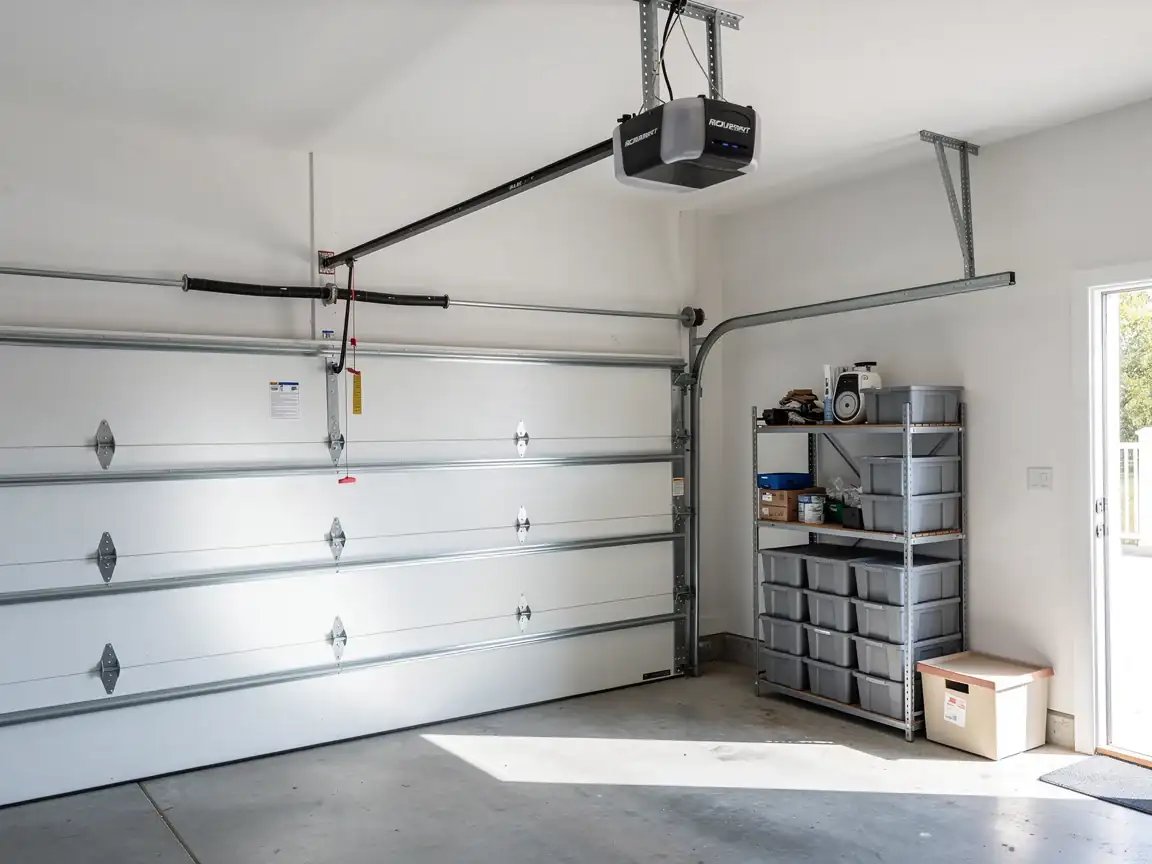
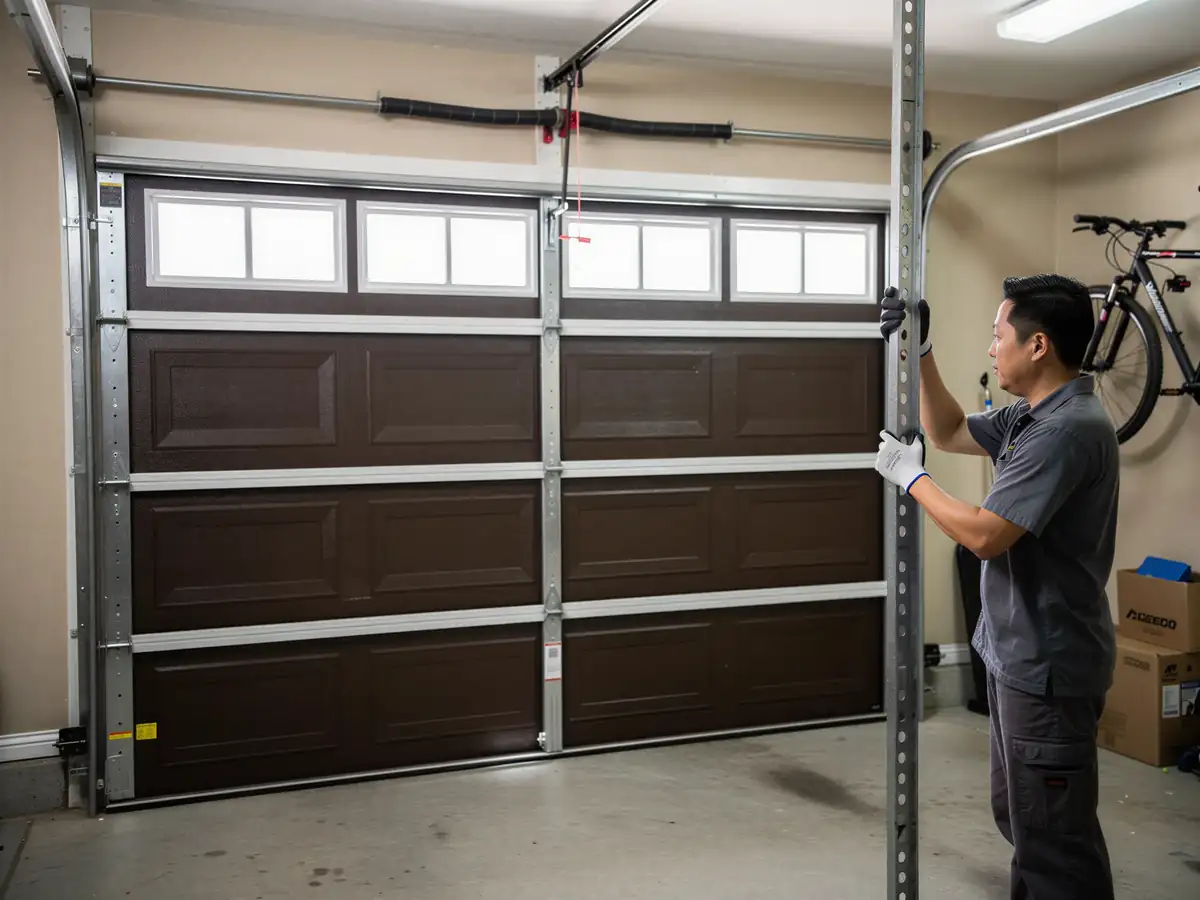
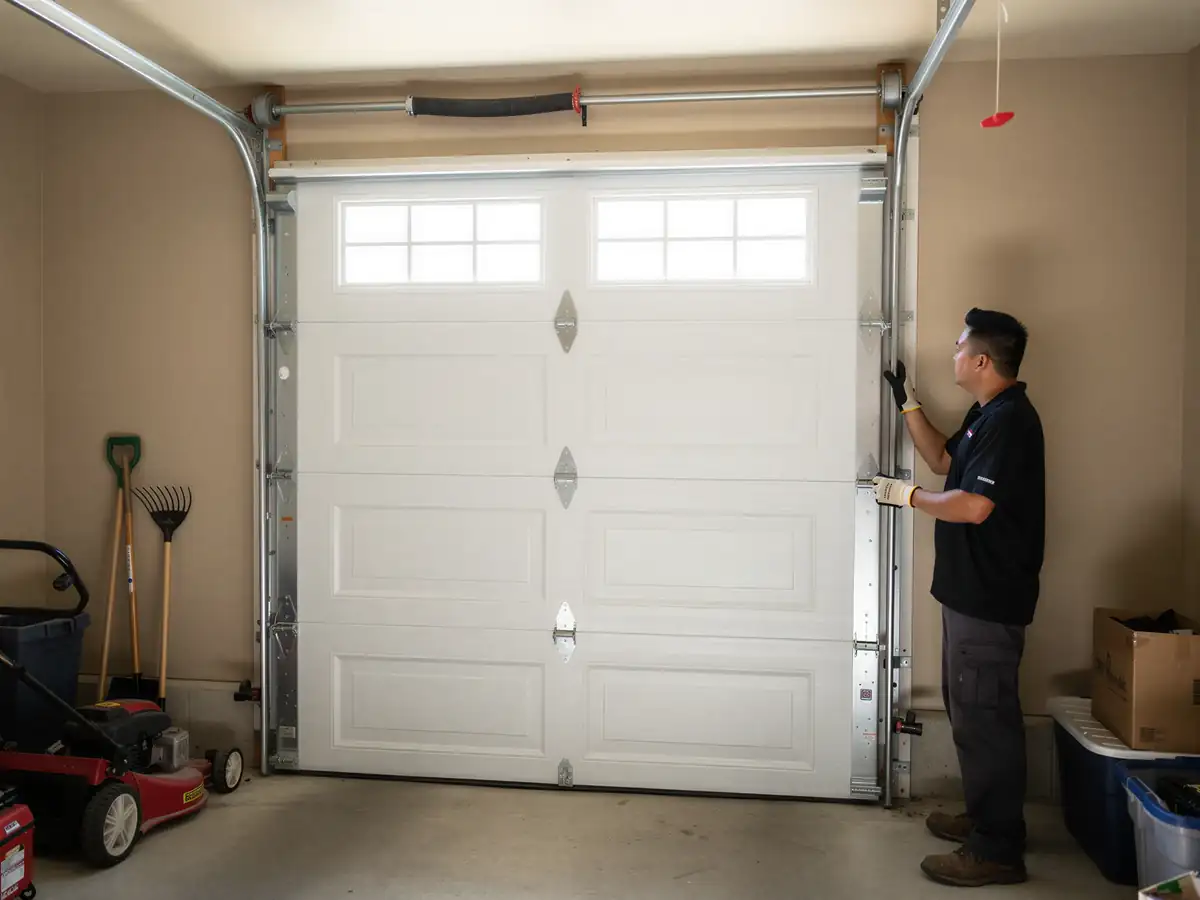
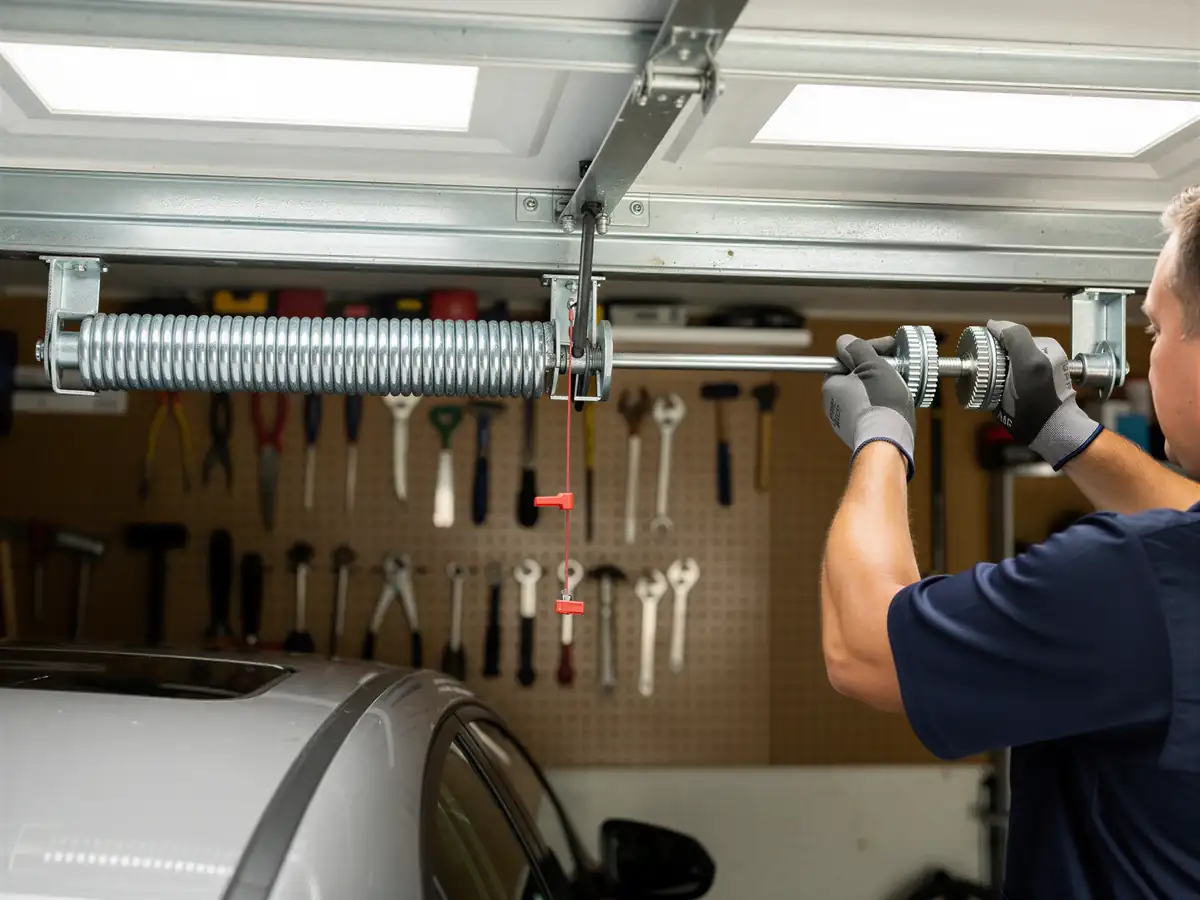
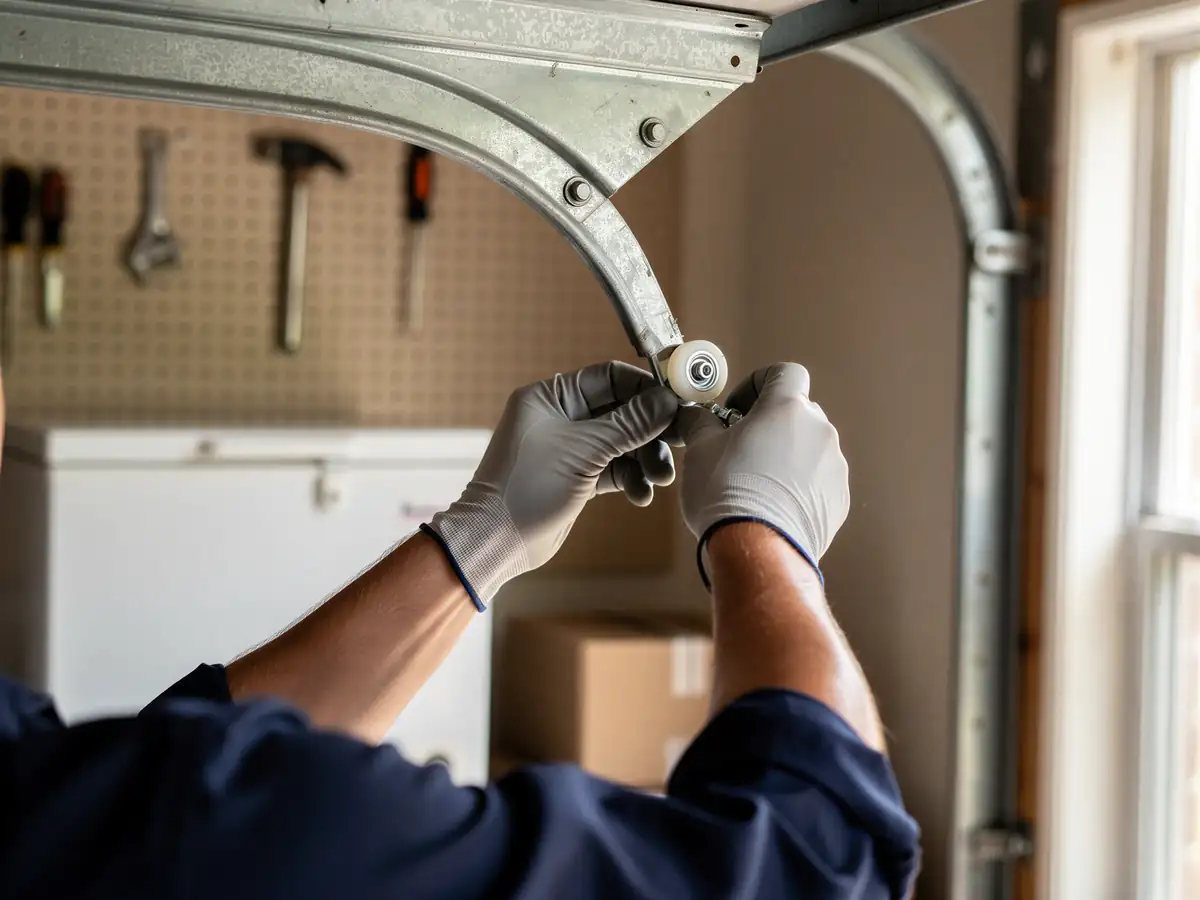
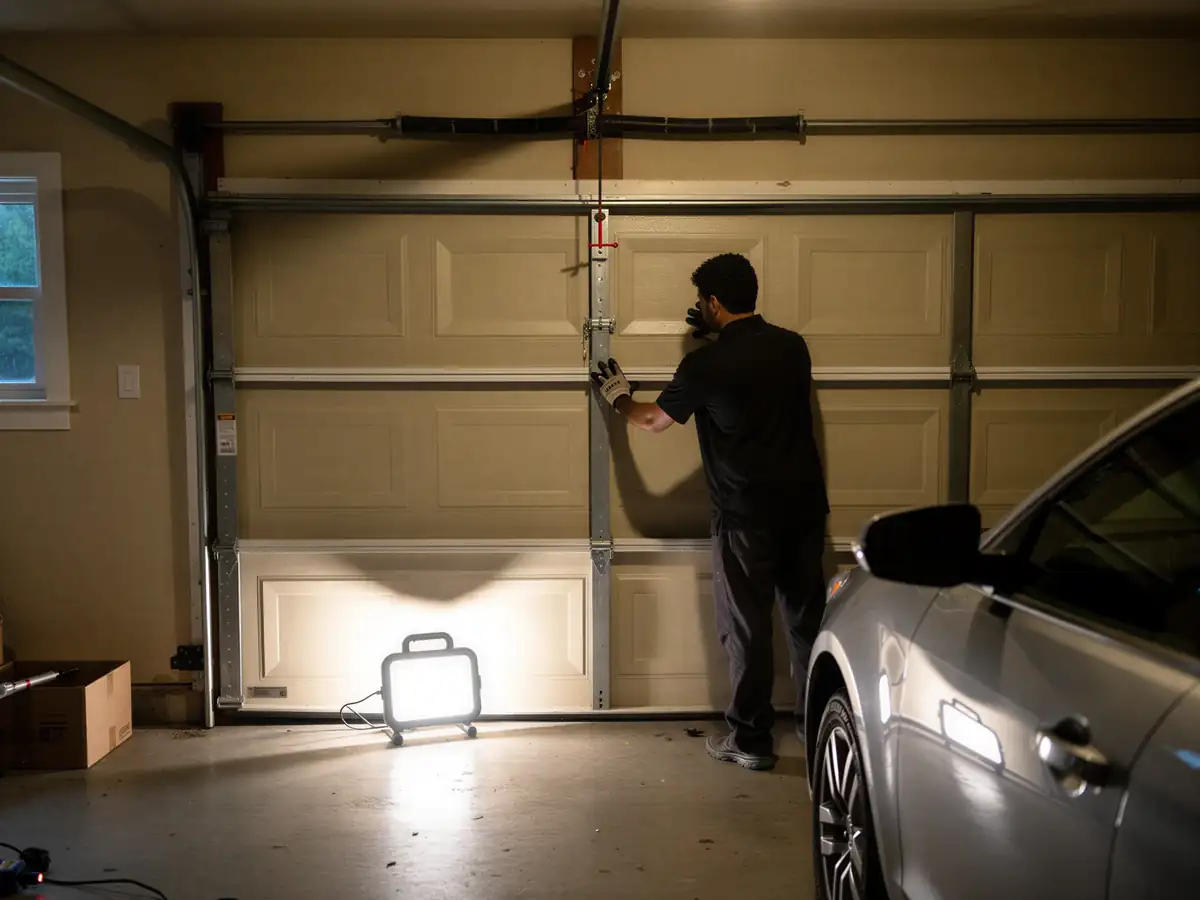
On a late-1980s or 1990s door, the most common emergency call is a torsion spring that snaps clean - you'll hear a bang from the garage and the door won't budge, or it feels dramatically heavier when you try to lift it by hand. Extension spring setups, more common on older builds but still found on some Tierra Verde garages, tend to fail differently: a cable jumps the pulley or a spring stretches and separates, and the door drops unevenly on one side. Salt-air corrosion on this kind of island lot tends to hit rollers and hinges first - you'll notice grinding or a door that jerks instead of gliding before anything breaks outright. Opener failures are usually simpler: a worn drive gear or a dying logic board, not usually an emergency unless the door is stuck in the open position.
Parts We Carry
We stock common torsion and extension springs sized for standard single and double residential doors, along with standard-gauge cable, rollers, and hinges that cover the steel sectional doors typical of 1980s and 1990s construction. Track sections and standard drums are on the truck for the usual off-track calls. What we don't carry as stock is anything custom - a nonstandard door width, a specialty insulated panel, or an opener model that's been discontinued for years. On those jobs we'll tell you straight that a part needs to be ordered, give you a realistic sense of the wait, and get the door safe and secured in the meantime rather than leaving it as-is.
Where This Job Goes Sideways
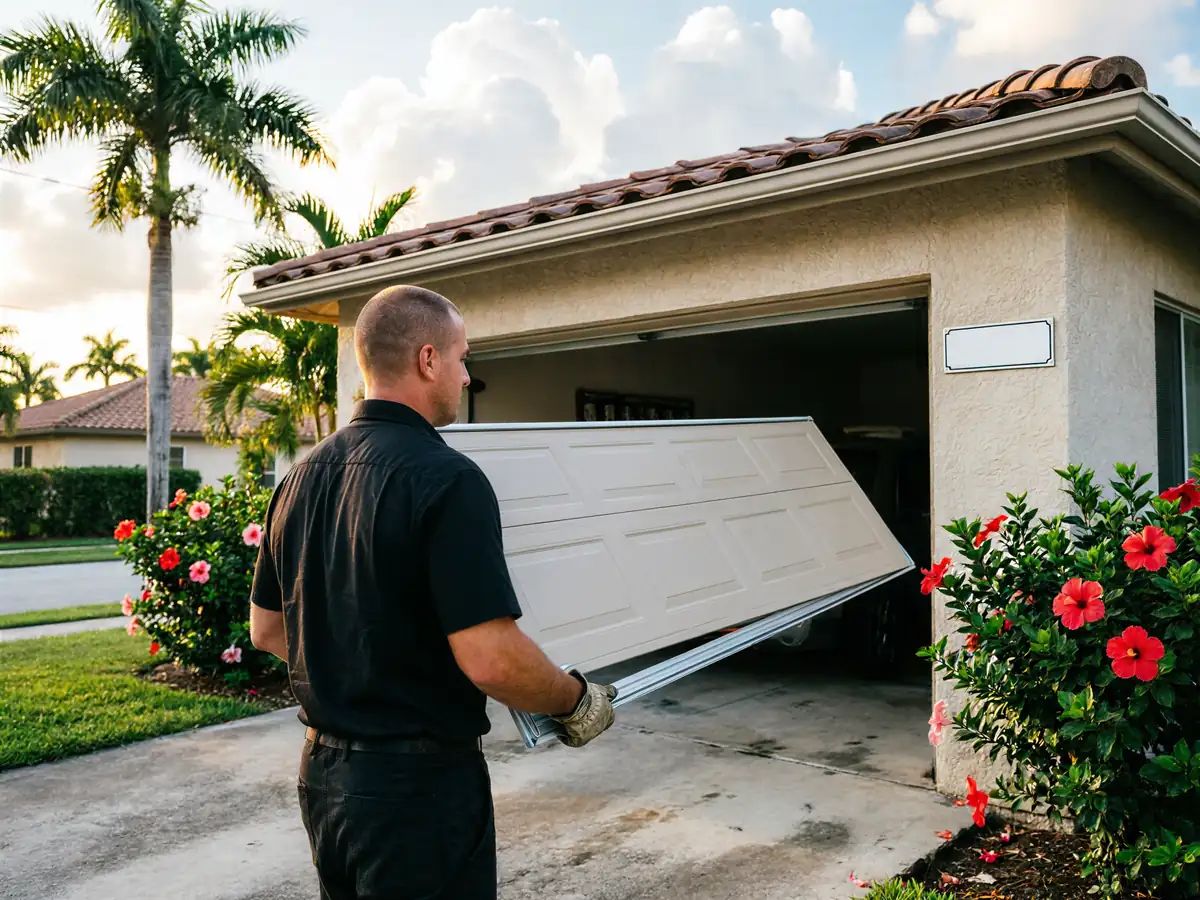
The calls that go wrong are almost always the ones where someone tries to force a stuck door before calling. A door that's off its track but gets wrenched open anyway can bend the track badly enough that it needs full replacement instead of realignment - a bigger job and a bigger bill. On a broken torsion spring, trying to lift the door manually without releasing tension properly is how people get hurt, not just how doors get damaged further. The other way this goes sideways is cost assumptions - a 1989-era door that needs an opener replacement on top of a spring job adds up fast, and we'd rather tell you that on the phone before the truck rolls 8 miles than surprise you with it in the driveway. If a repair is going to cost close to what a new door costs, we'll say so plainly instead of nickel-and-diming a door that's at the end of its life.