Why It Happens Here
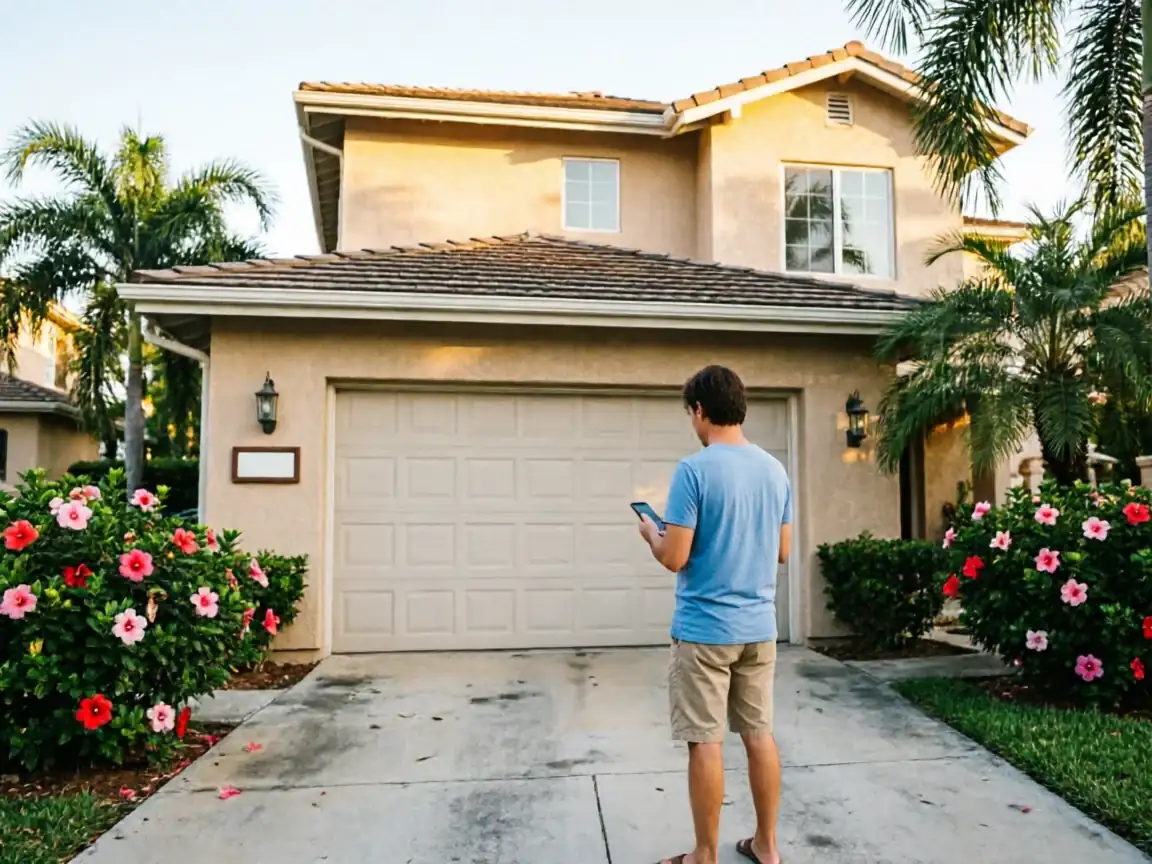
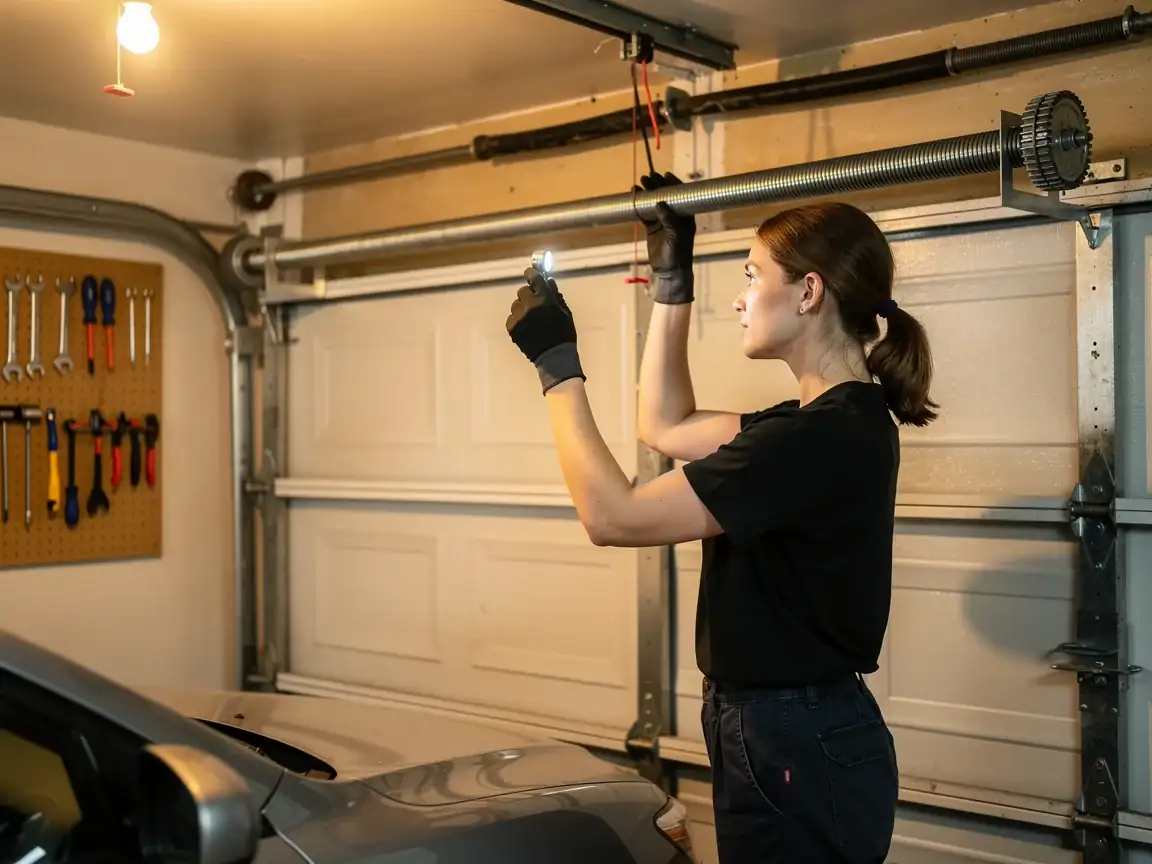
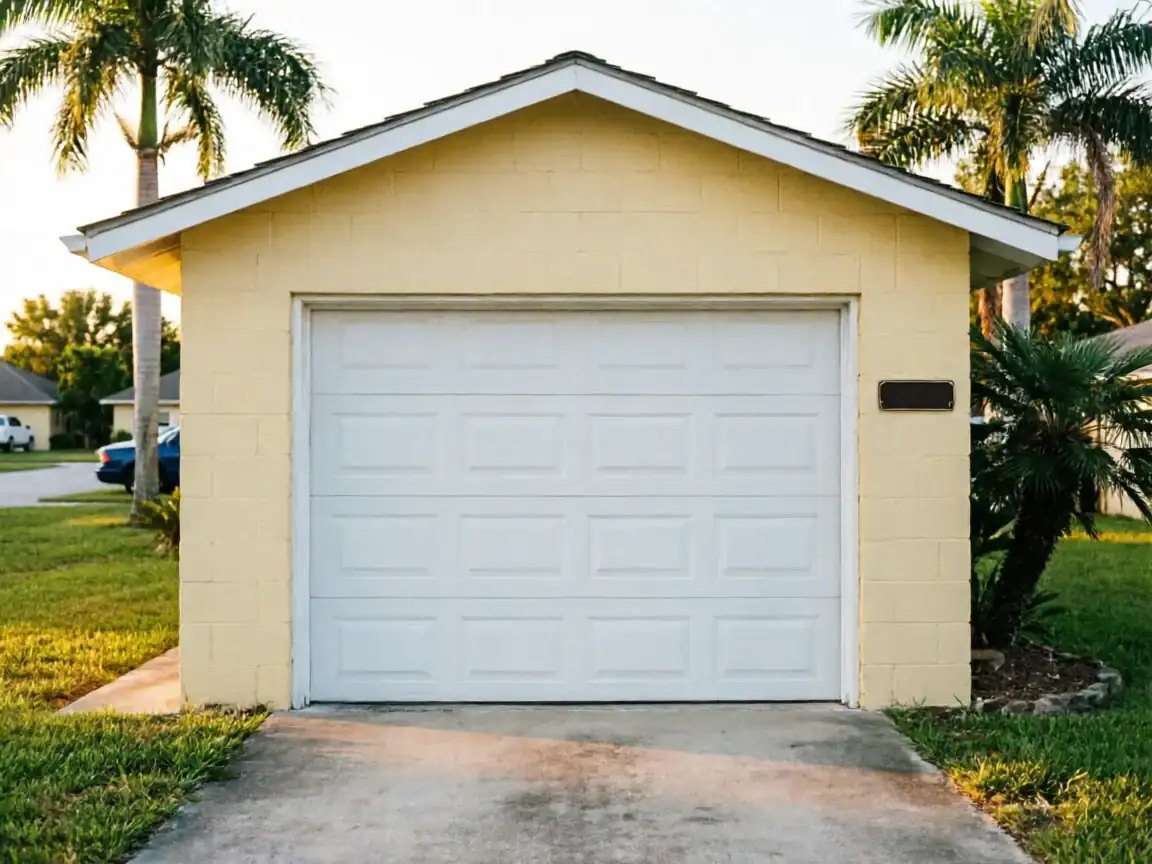
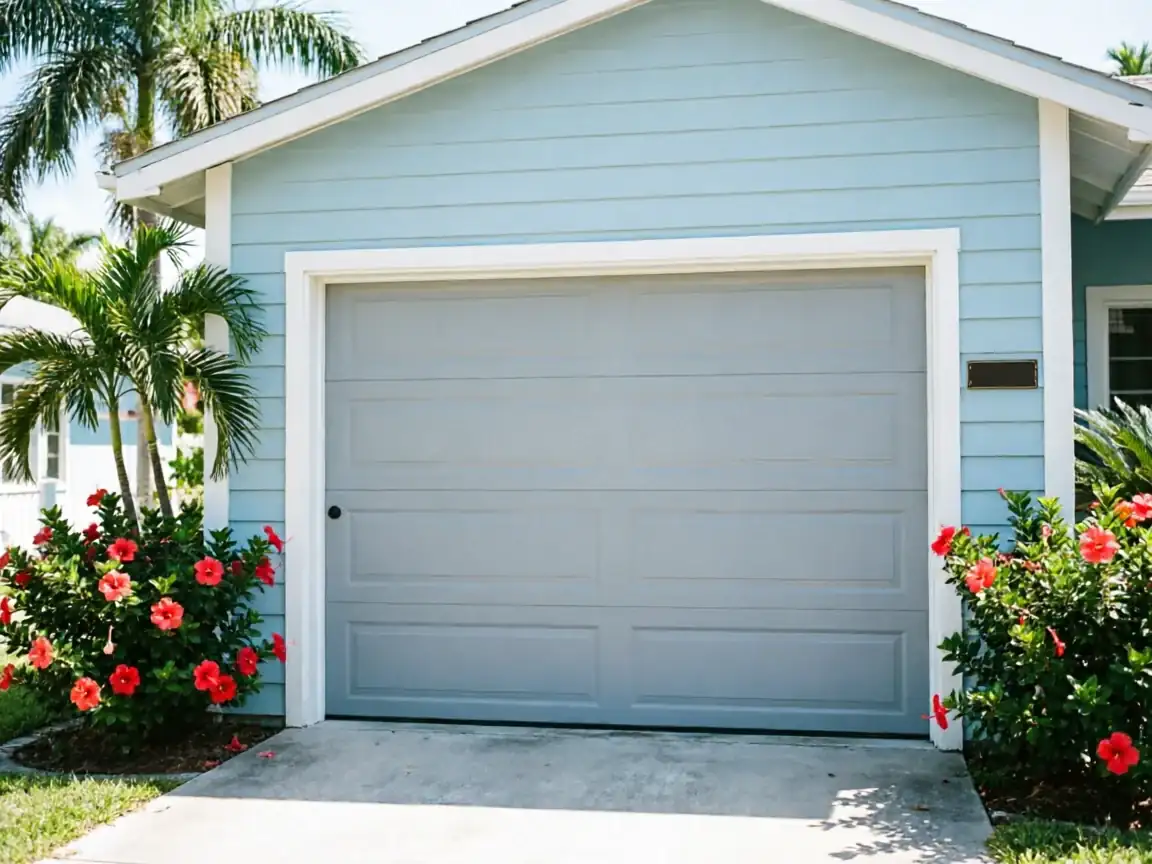
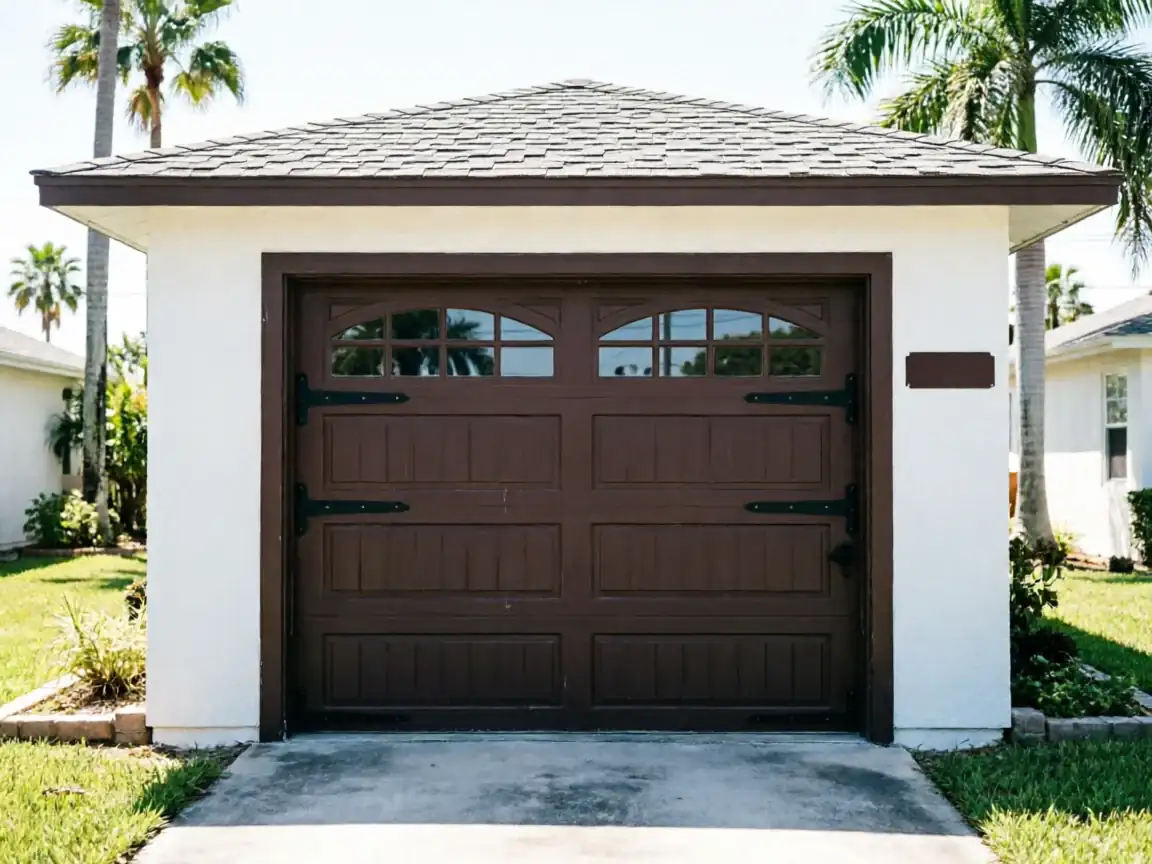
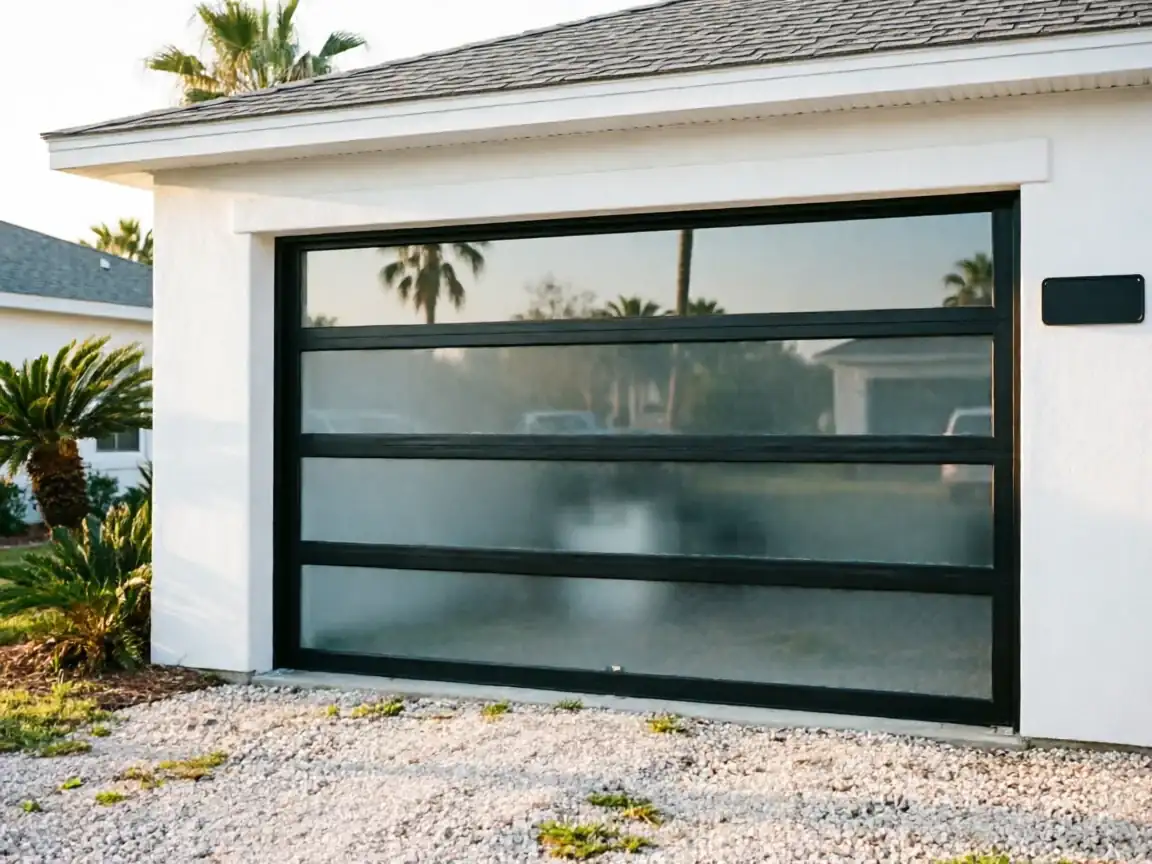
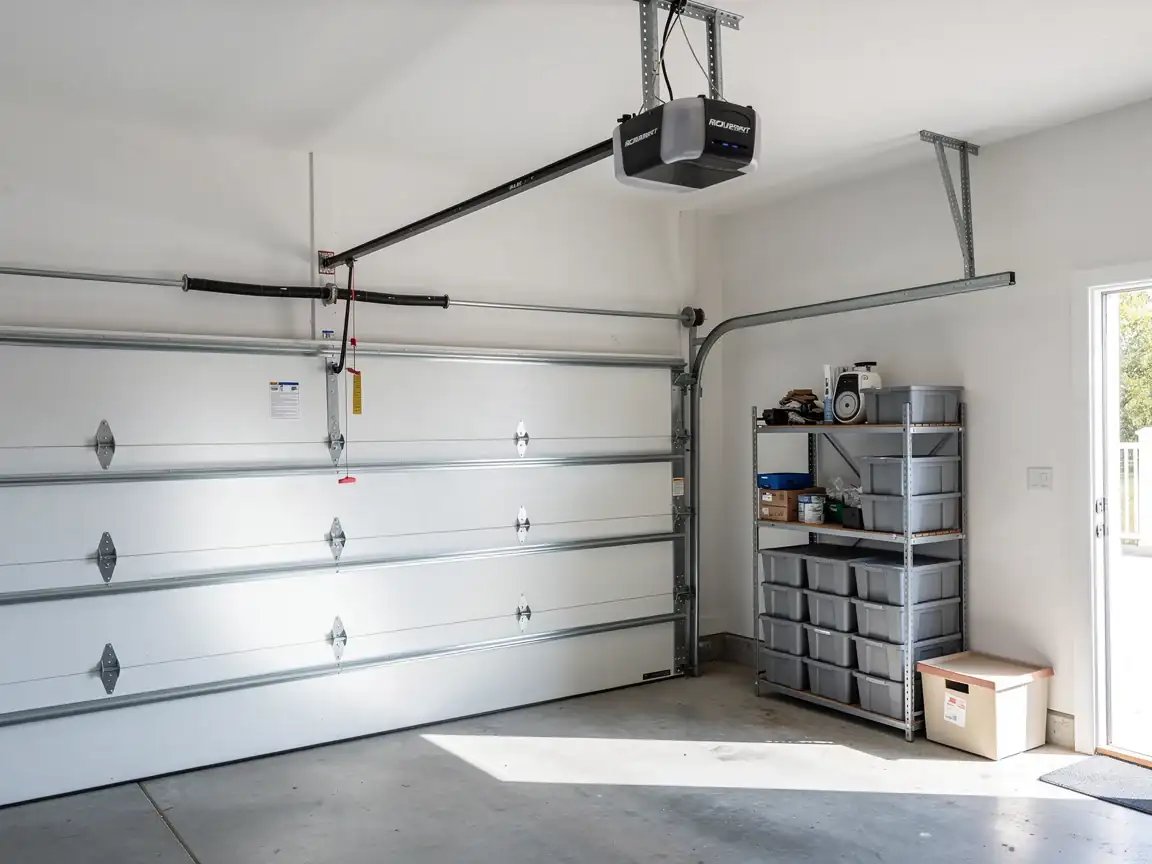
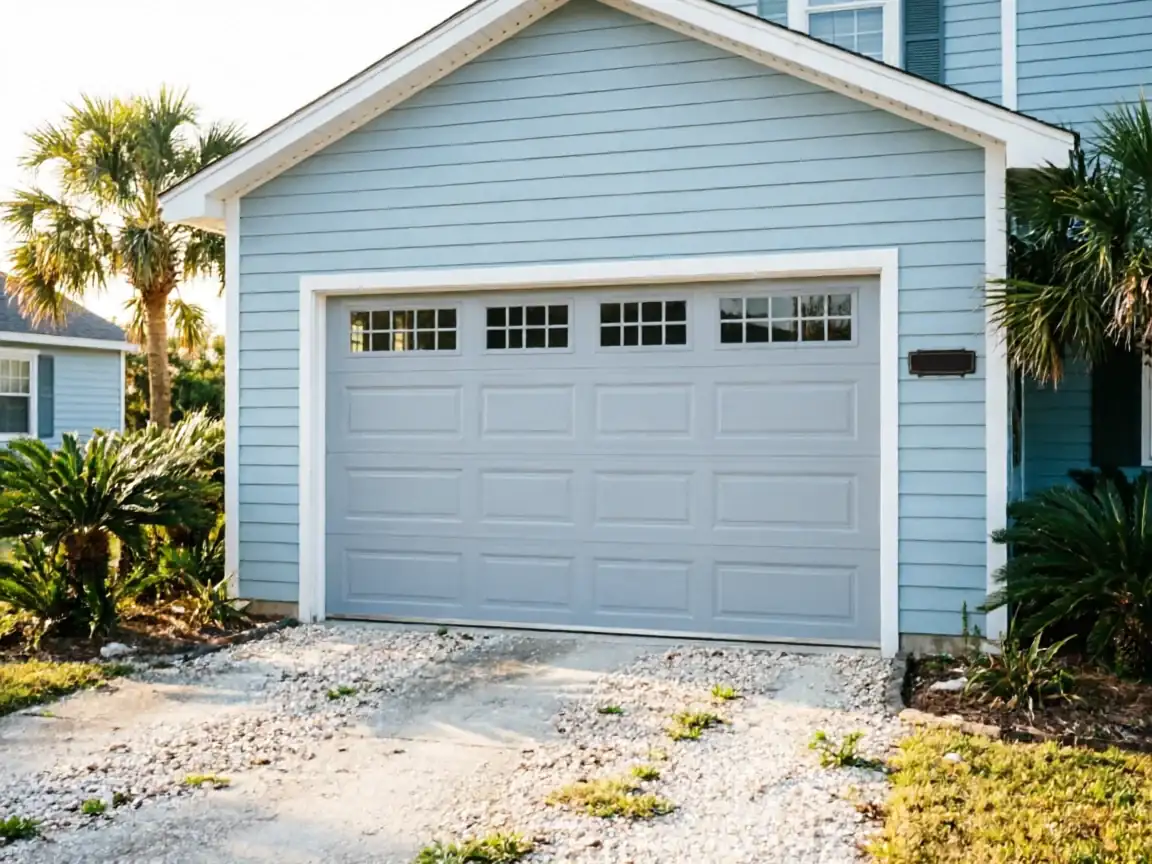
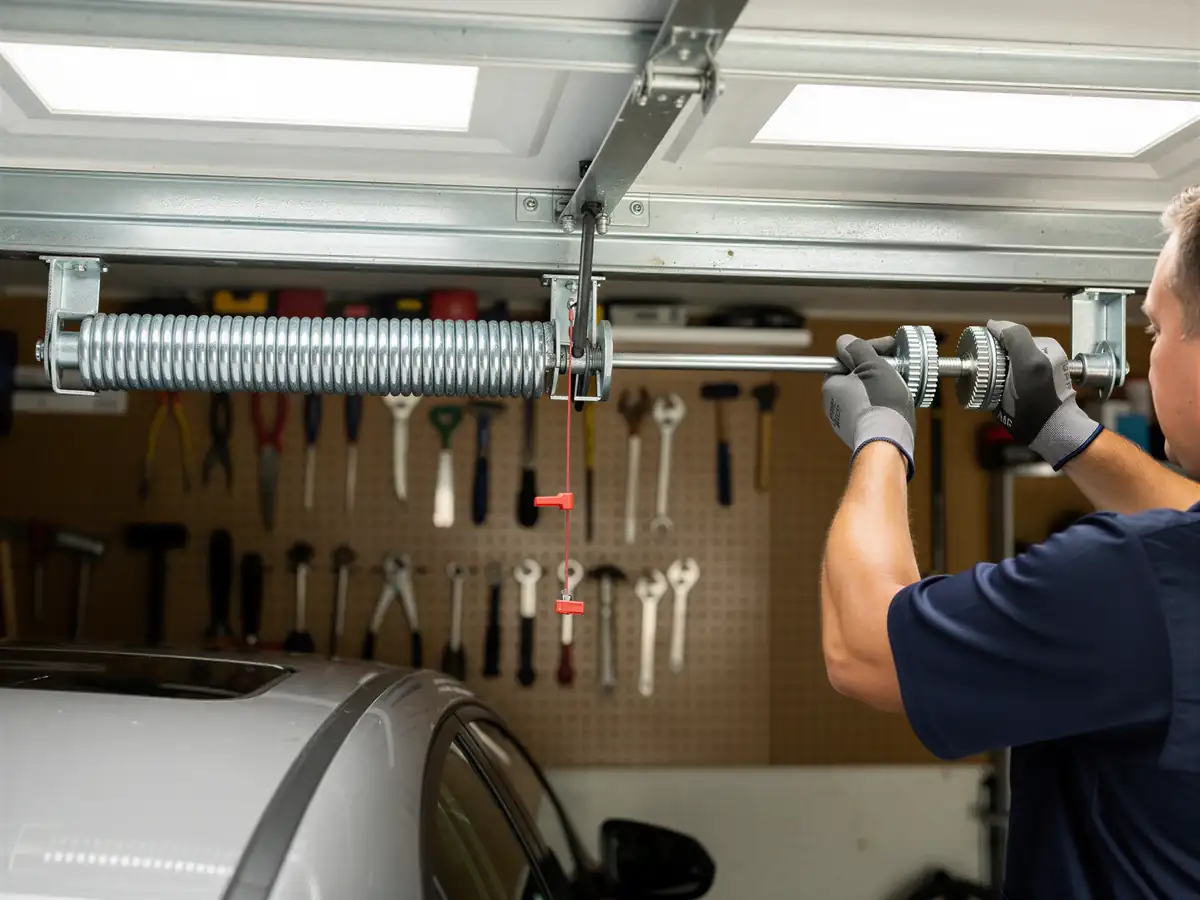
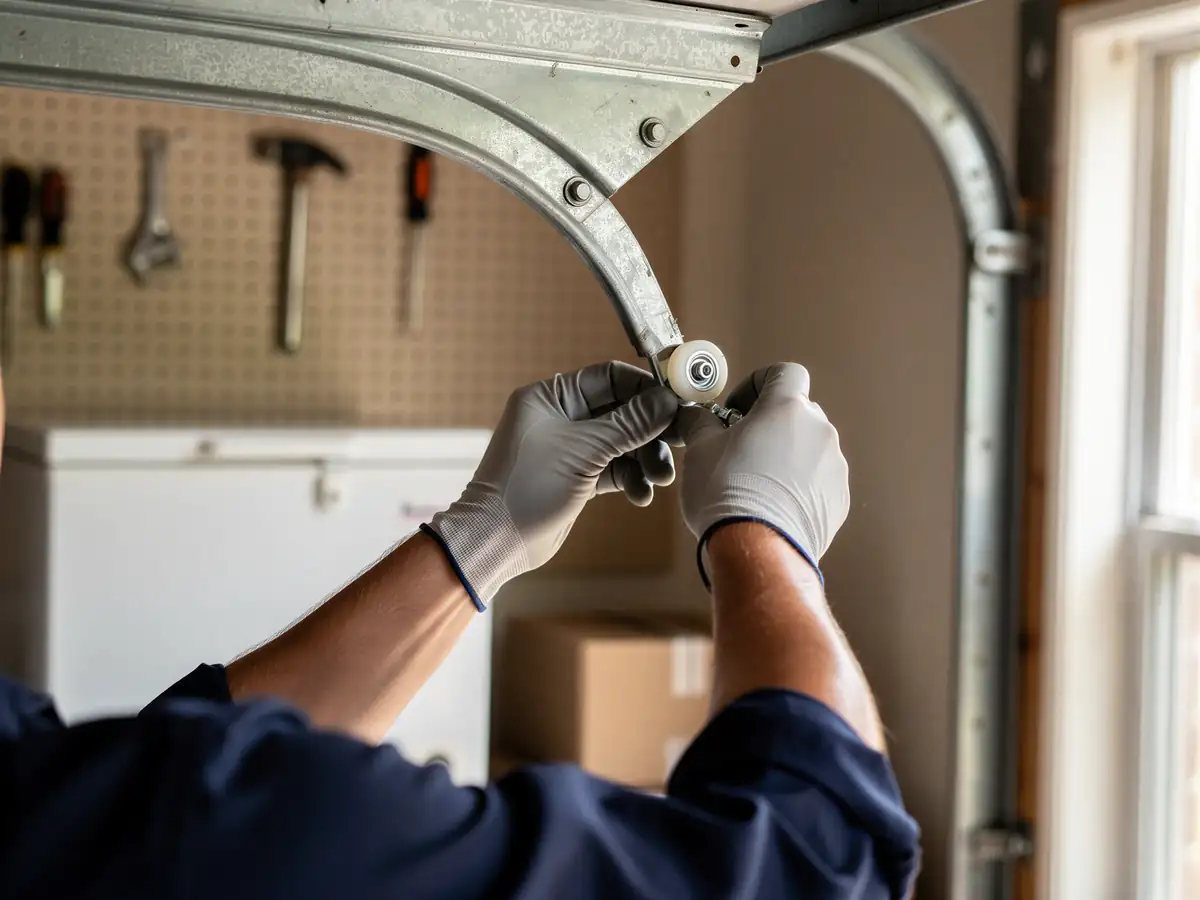
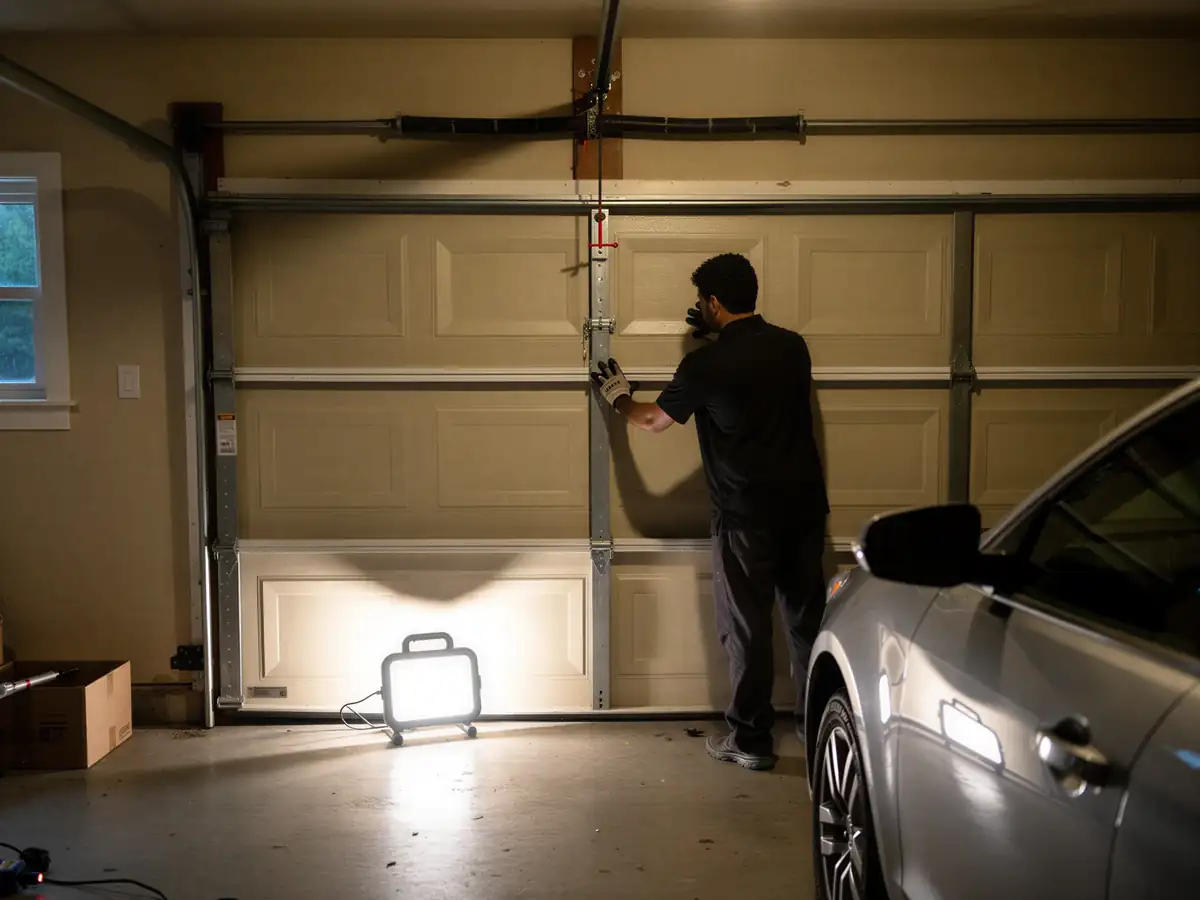
Lealman's housing mostly dates to 1968, well ahead of the service area's overall median of 1979 and the 1958-2011 range it spans. That matters because garage doors built around 1968 almost always came with a single torsion spring instead of the dual-spring setups standard on later double-car doors, and that single spring carries the full weight of the panel every time it opens. After five decades of cycles, the steel fatigues even without a dramatic failure - no storm, no slammed door, just metal giving out on a Tuesday afternoon. The service area's mild temperate climate means we're not fighting frozen tracks or ice-locked openers, but the same year-round humidity that spares the roads from freeze-thaw damage also creeps into galvanized coatings over fifty-plus years, so rollers and hinges rust from the inside of the track rather than the outside where you'd notice first.
Parts We Carry
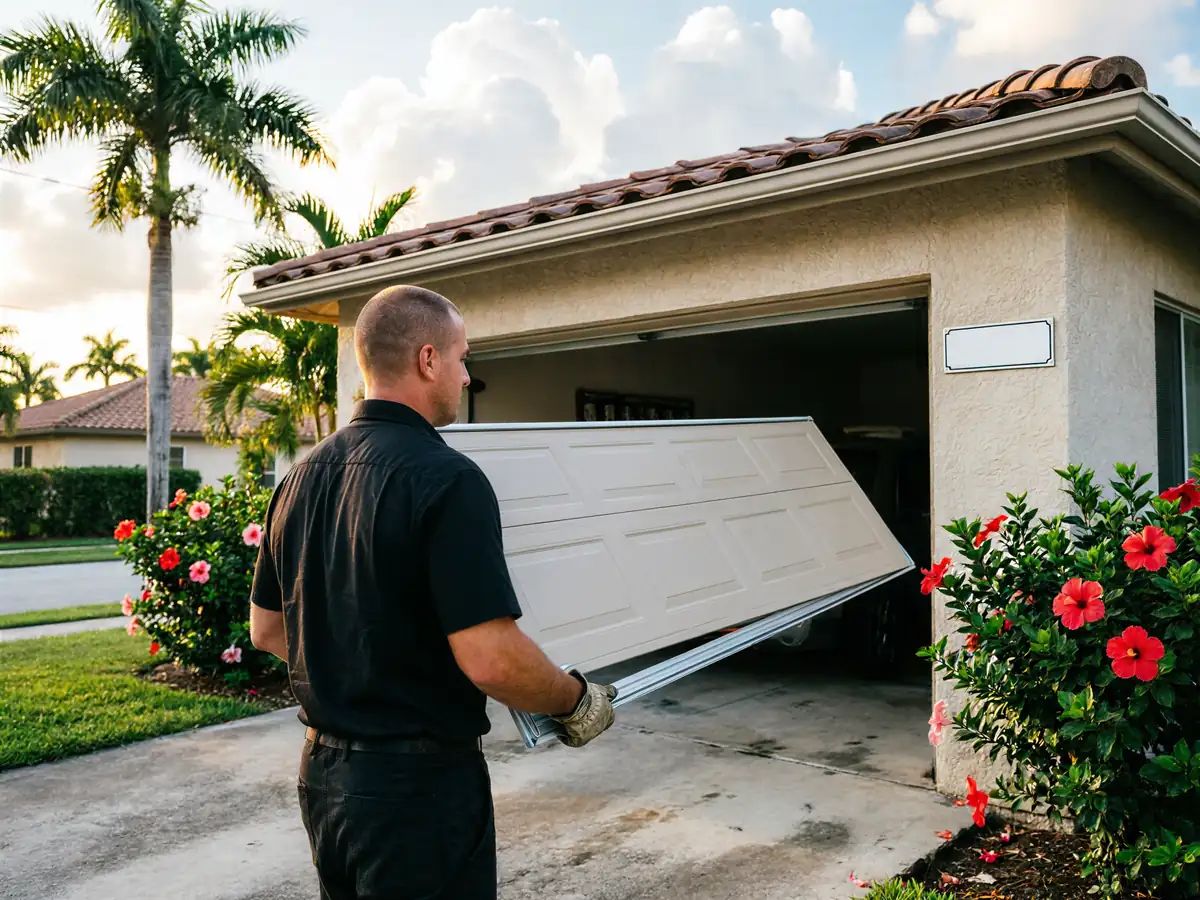
Because so much of Lealman's stock centers on that 1968 build year, we keep single-torsion springs sized for older lighter panels on the truck, along with standard steel roller and cable sets that fit the narrower tracks common on doors from that period. We also carry current double-spring hardware and modern nylon rollers for the newer builds mixed into the area. What we don't carry is custom insulated panel sections - if a door from that era needs a full panel replacement rather than a spring or cable fix, that's usually a special order, and we'll tell you the lead time before you commit to the repair rather than after.
Booking a Visit
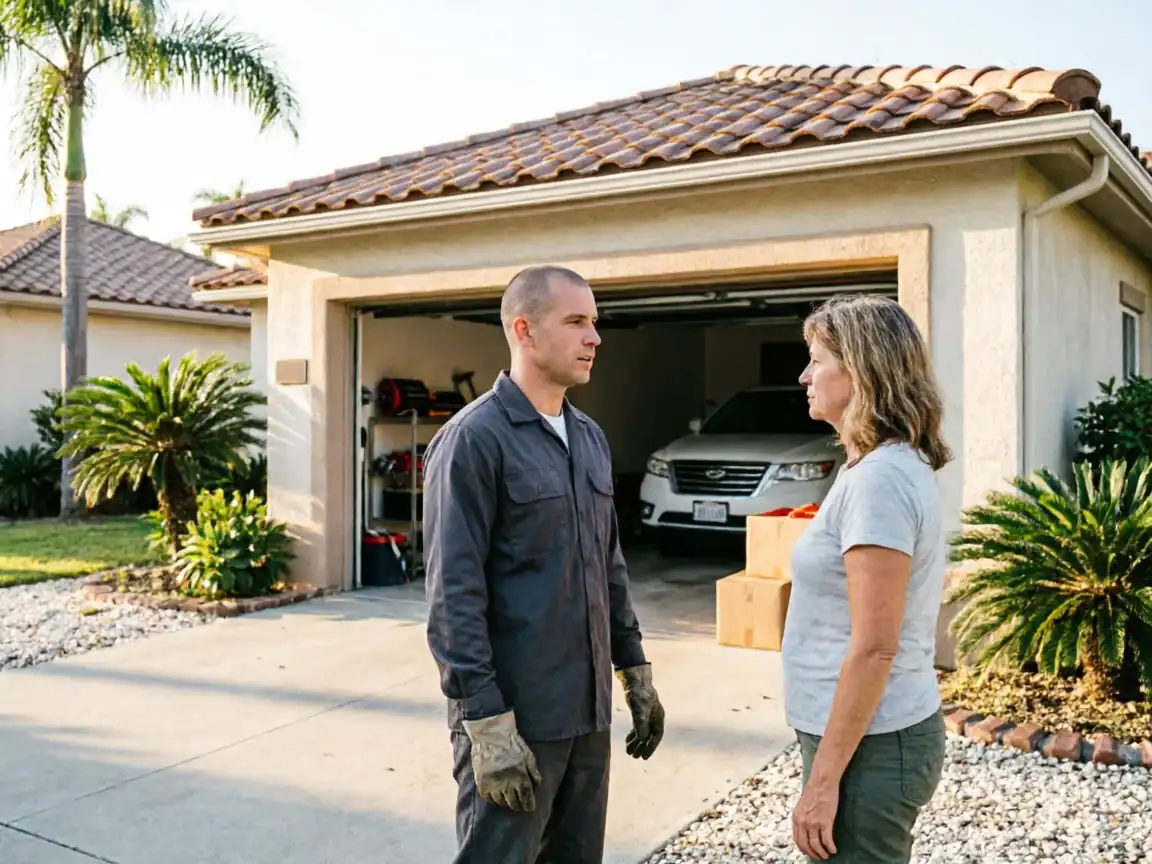
Call us and tell us what the door's doing - won't open, opens partway and stops, makes a bang before it seizes. If you know roughly when the house was built, that helps us guess the hardware before we're even on the road, since a 1968 door and a 1995 door call for different springs in the truck. We travel in from St. Petersburg for every Lealman job, so there's no local office to route you to - one call gets the same crew out regardless of which block in Lealman you're on.
Doing It Yourself
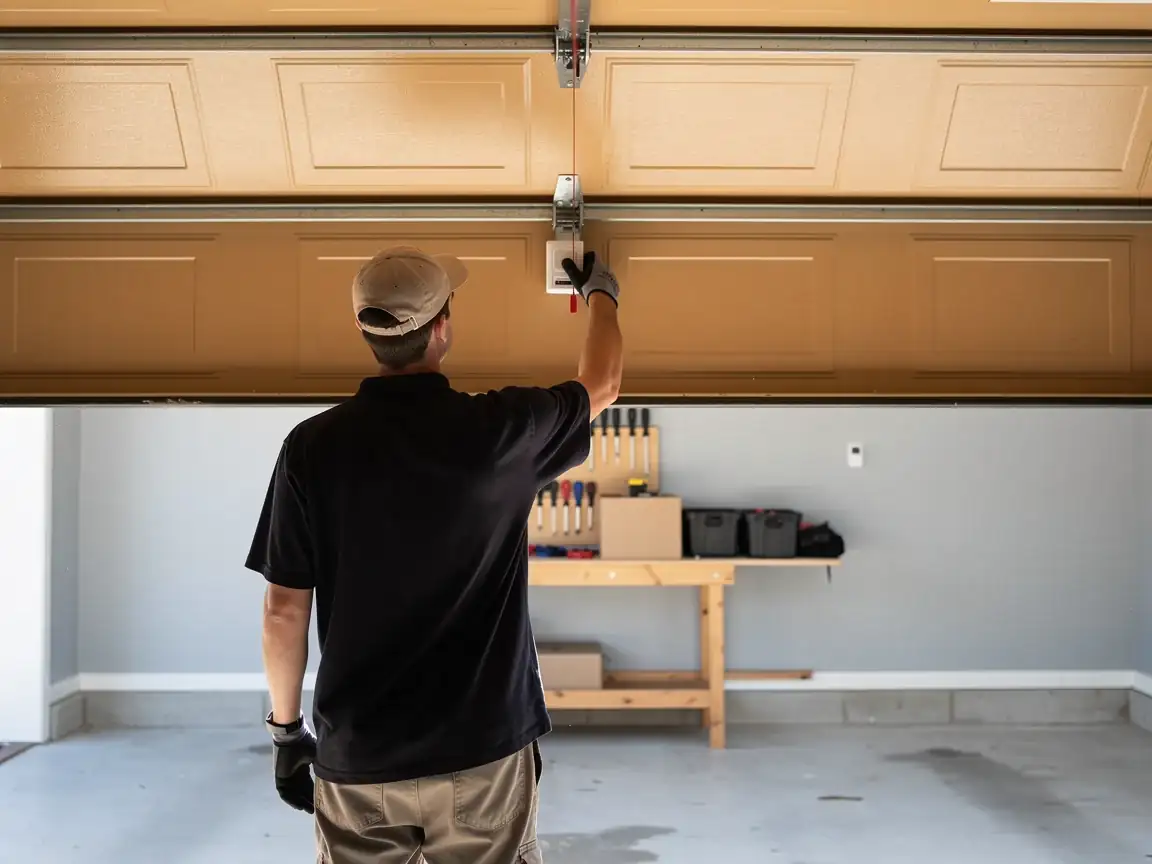
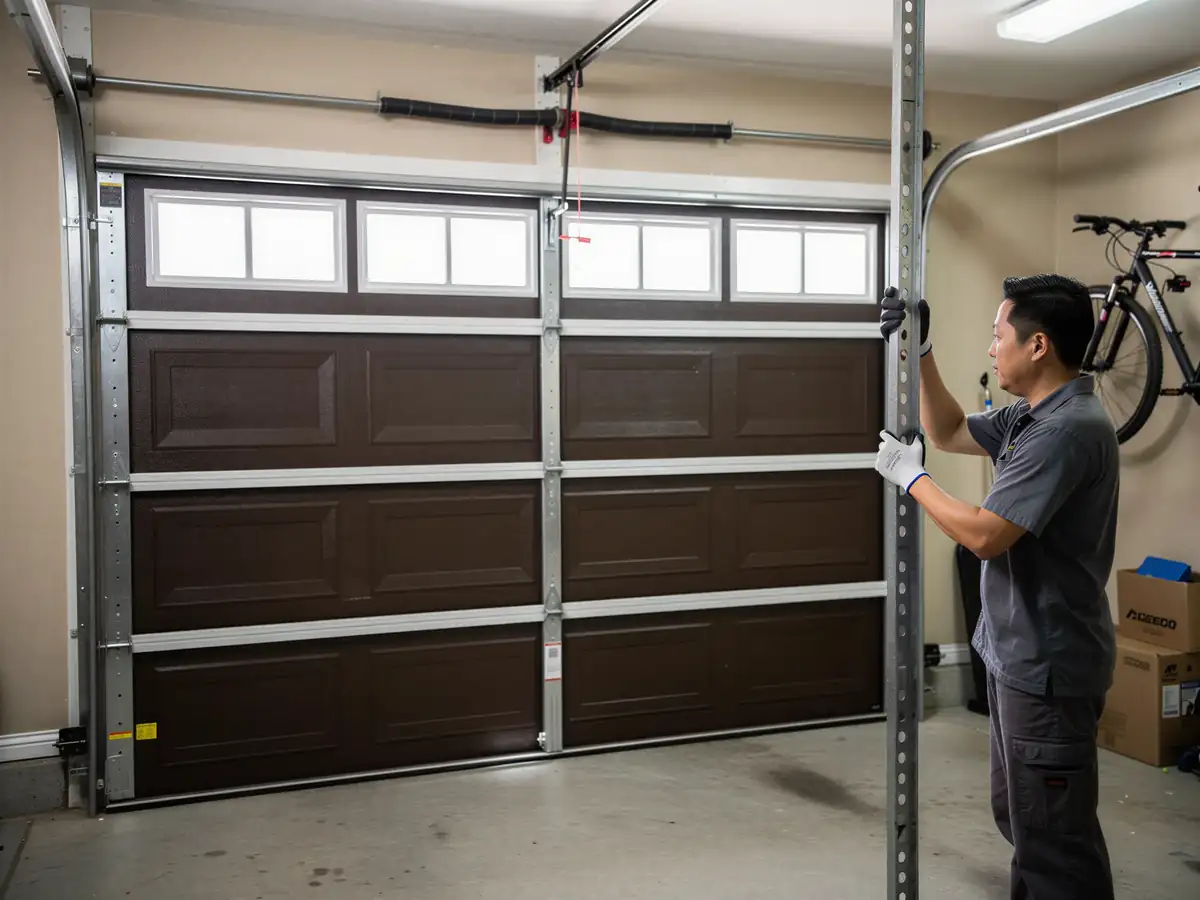
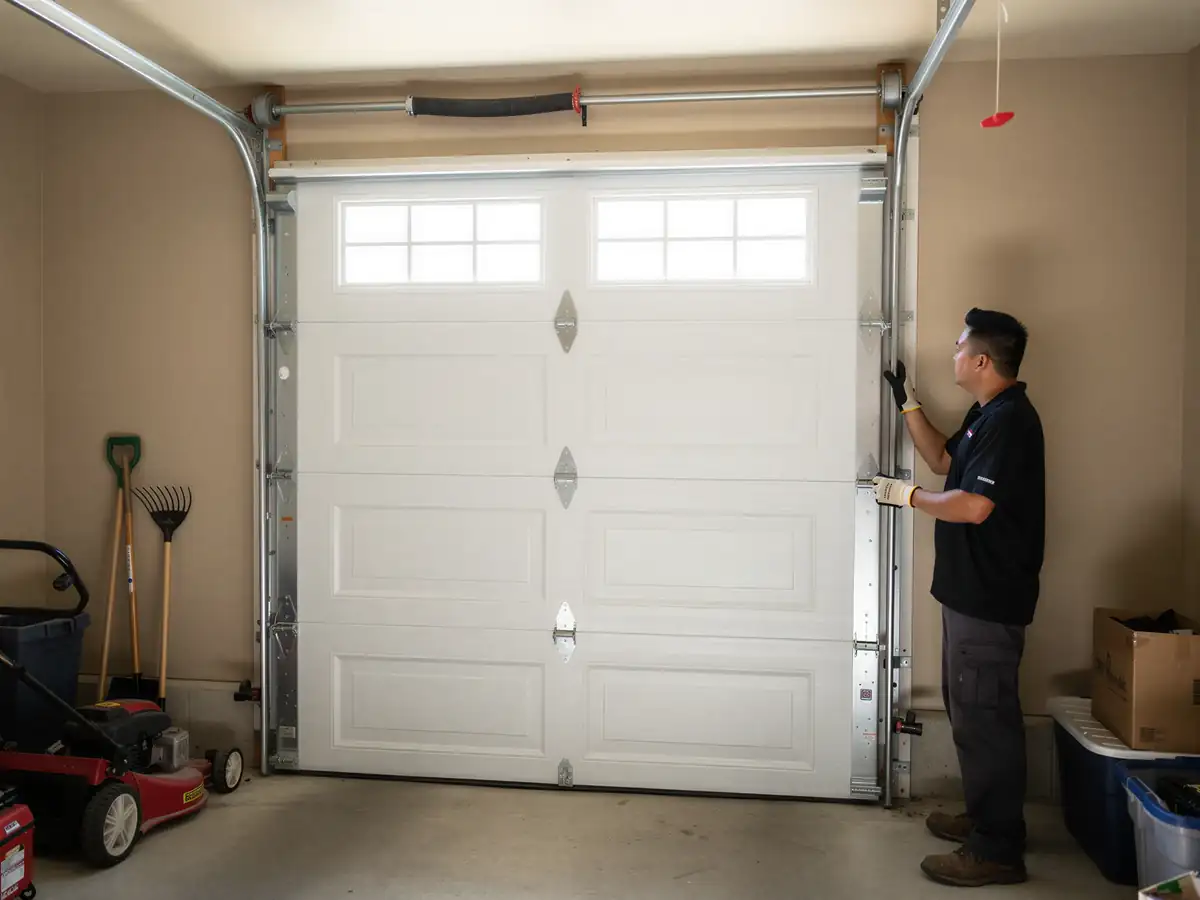
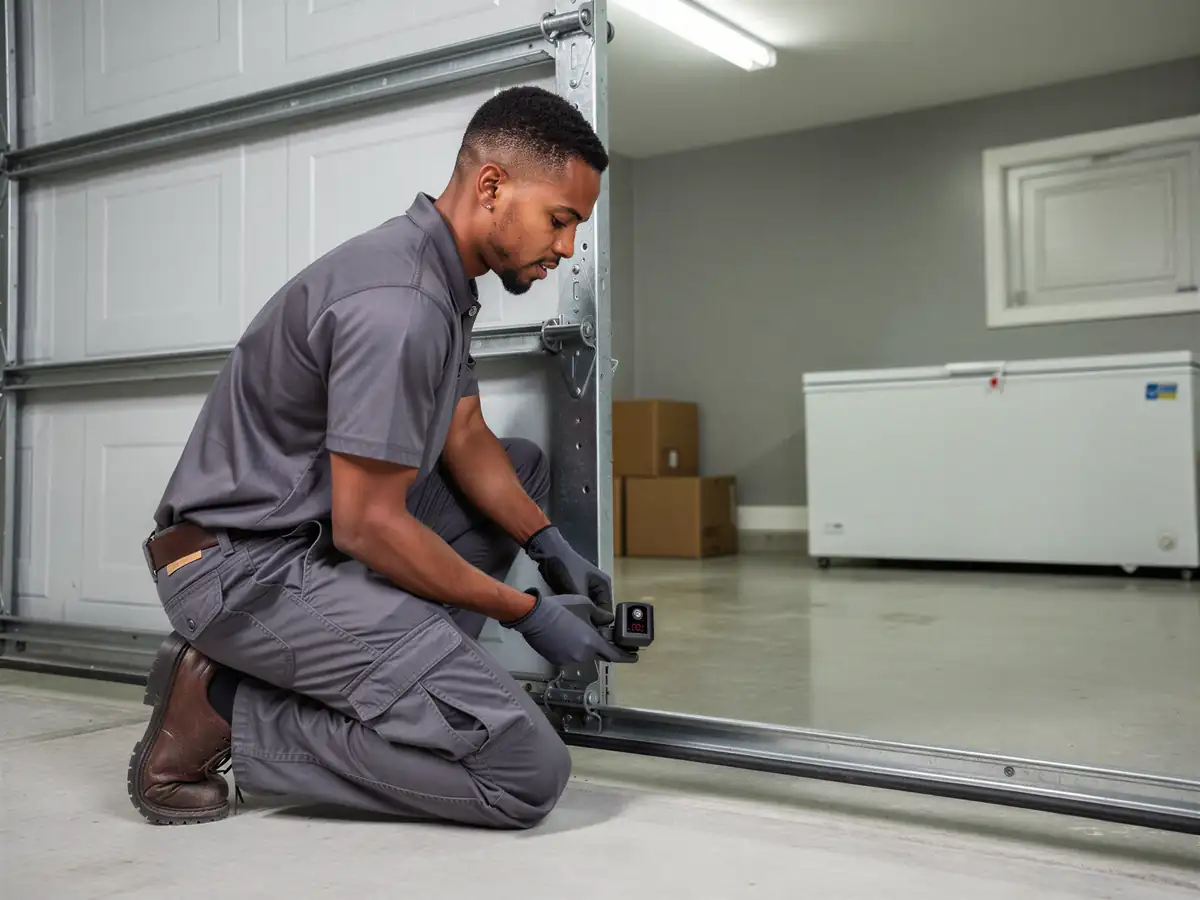
A torsion spring under tension can take a finger off or worse, and that's not an exaggeration we use to sell a service call - it's why we don't walk people through spring replacement over the phone, full stop. What you can safely check yourself: make sure the opener isn't just out of its photo-eye alignment (a common fix that looks like a bigger problem), check that the manual release cord hasn't been pulled accidentally, and look for an obvious snapped cable hanging loose, which tells you immediately this isn't a DIY afternoon. If the door won't budge and you can see a gap in the spring coil on the shaft above the door, stop there and call - that's a broken spring, and the next step is ours, not yours.