Why It Happens Here
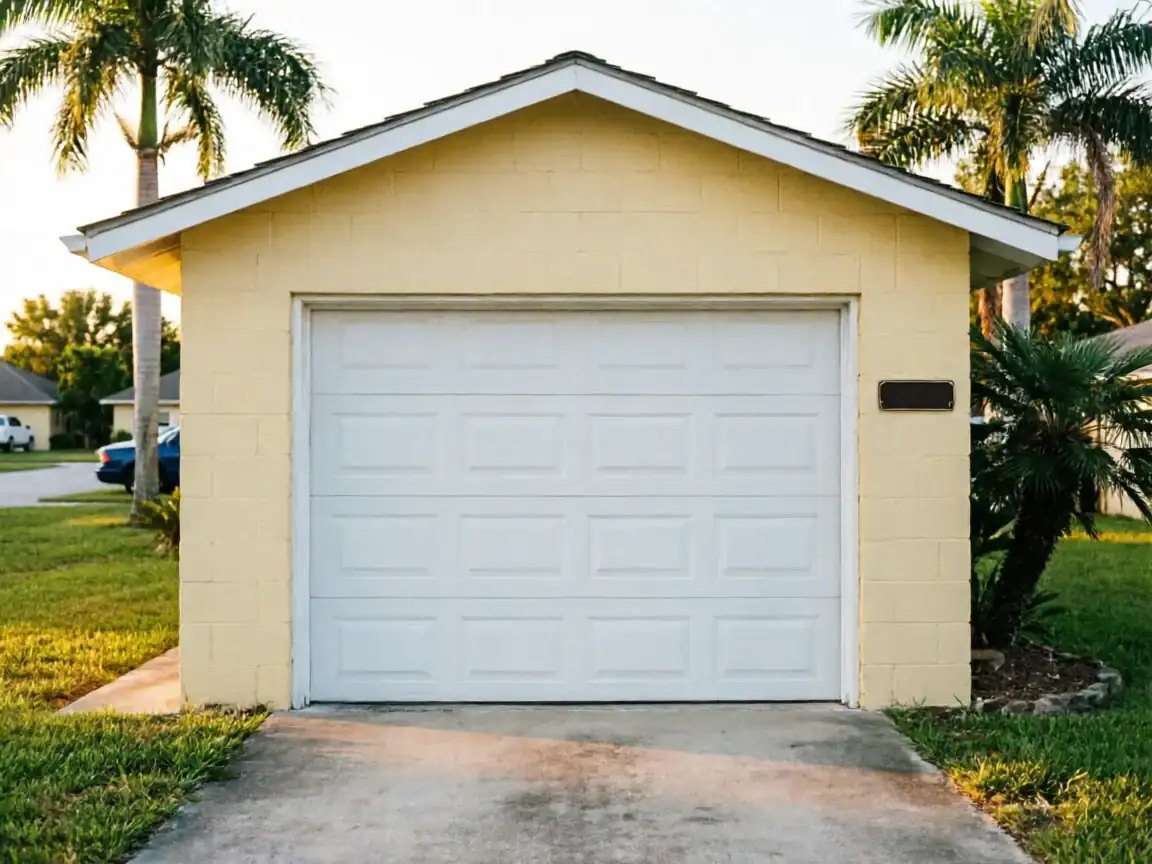
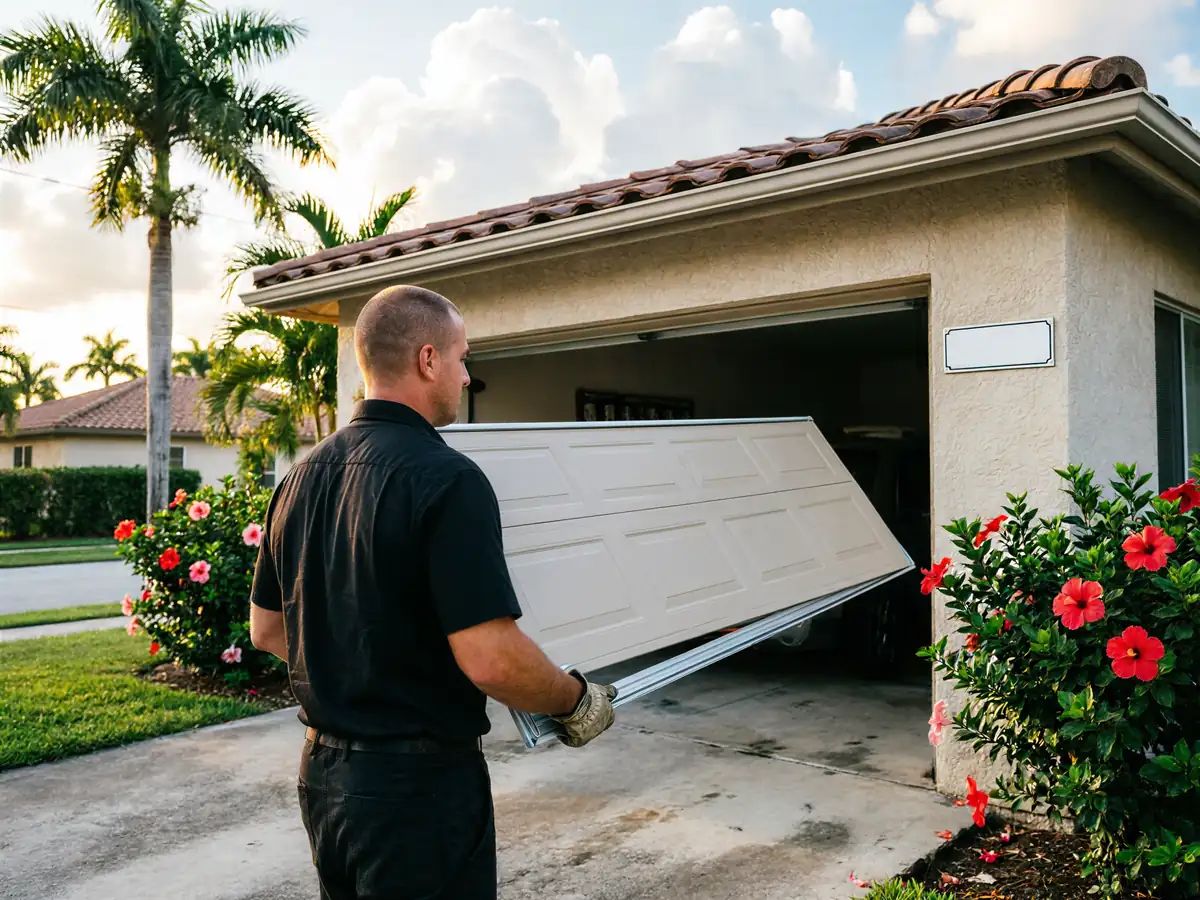
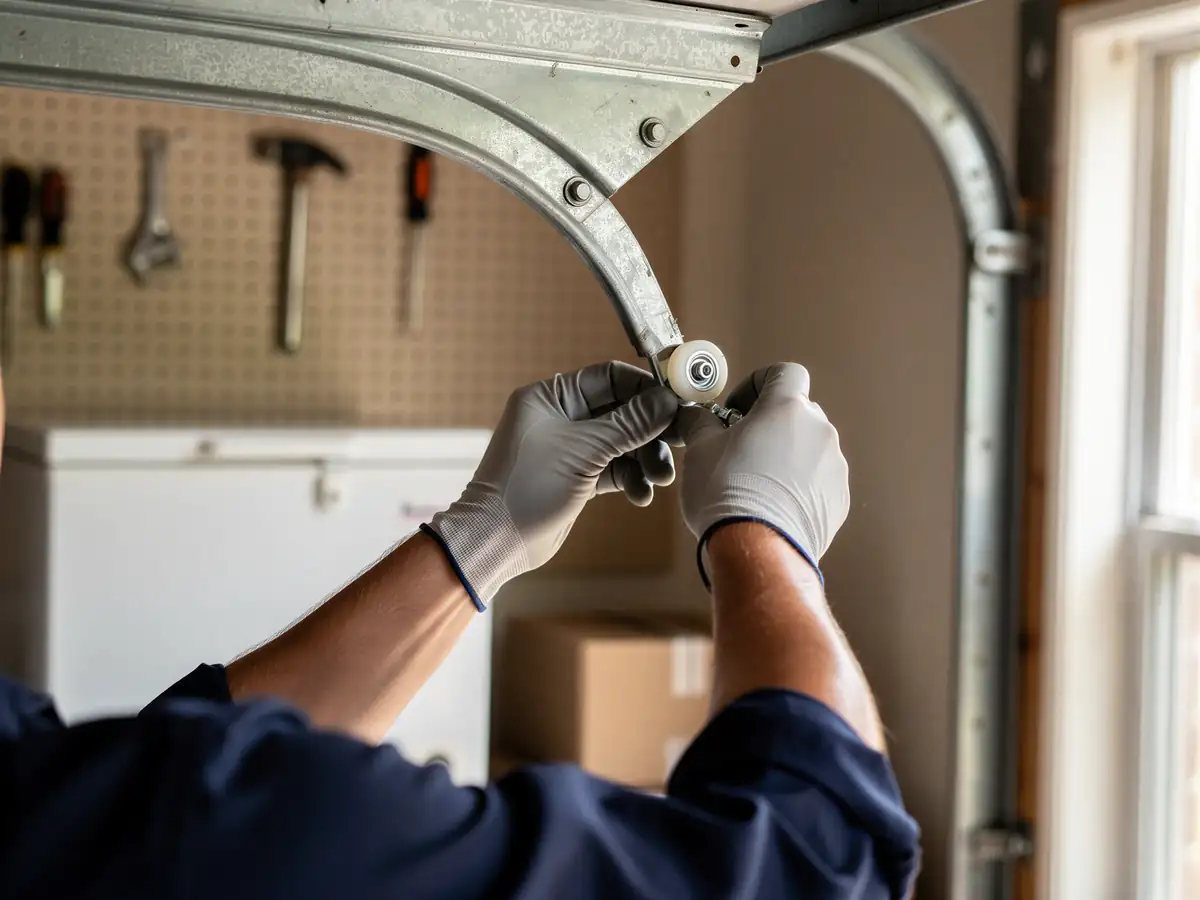
The median house in Lealman went up around 1968, which puts a lot of the original garage door hardware squarely in the 1960s-70s band that covers much of this service area. That era of door tends to run on steel tracks and roller setups that have since been redesigned twice over - nylon rollers weren't standard yet, lift cable routing was different, and a fair number of these openers have been swapped at least once but the track and hinges never were. The climate here is mild temperate, so you're not fighting the freeze-thaw cracking that ages hardware up north, but humidity and salt-tinged air still work on exposed springs and unpainted track bolts year-round. On a door this old, the failure point is almost always fatigue - a hinge that's flexed for five decades, a roller stem worn oval, a spring that's lost a measurable amount of tension. None of that announces itself with a bang. It shows up as a door that's slower, louder, or starts to tilt a few degrees when it opens.
Parts We Carry
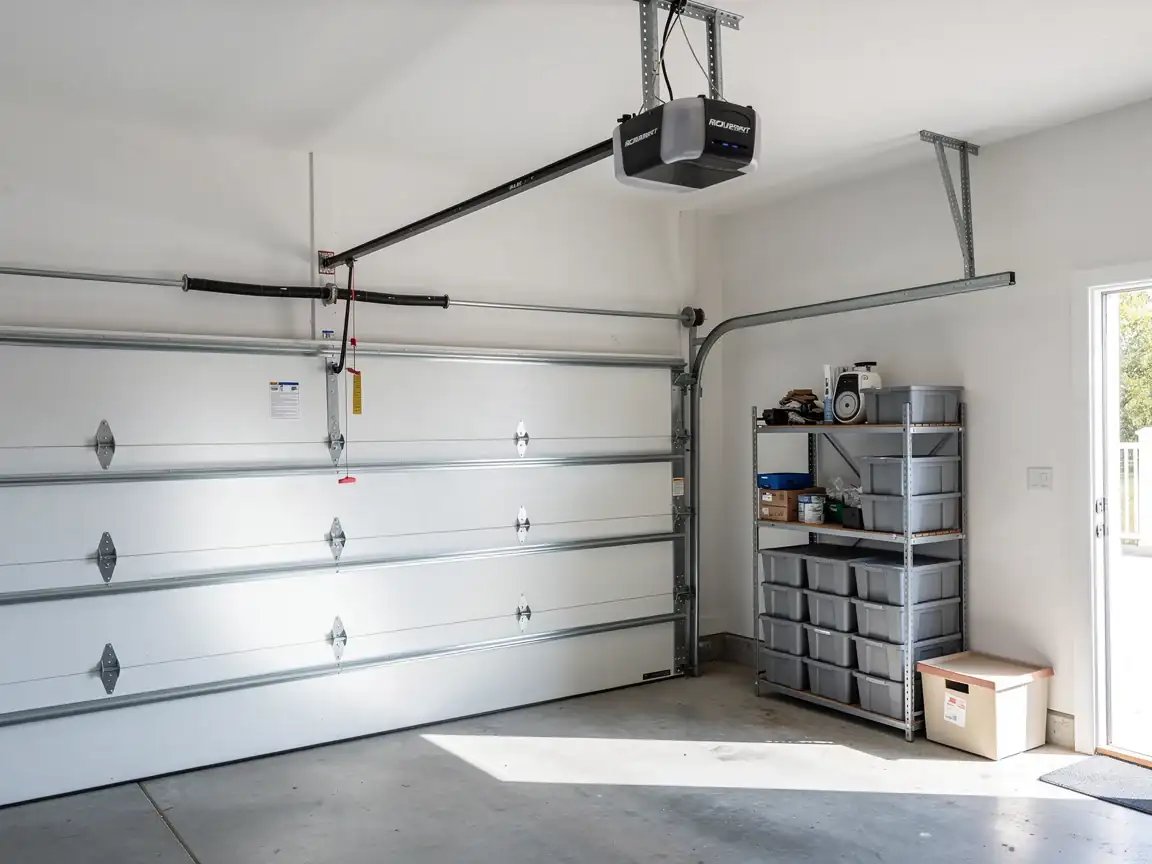
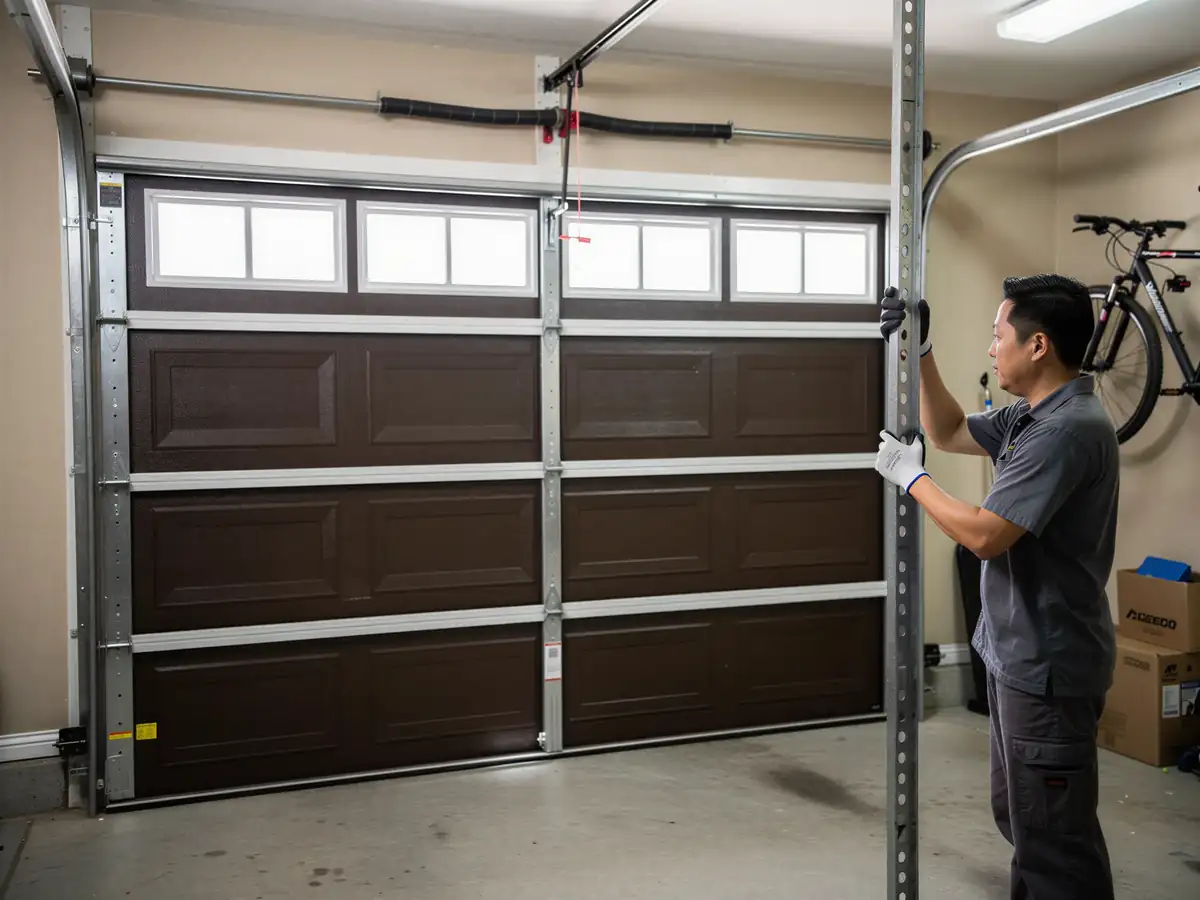
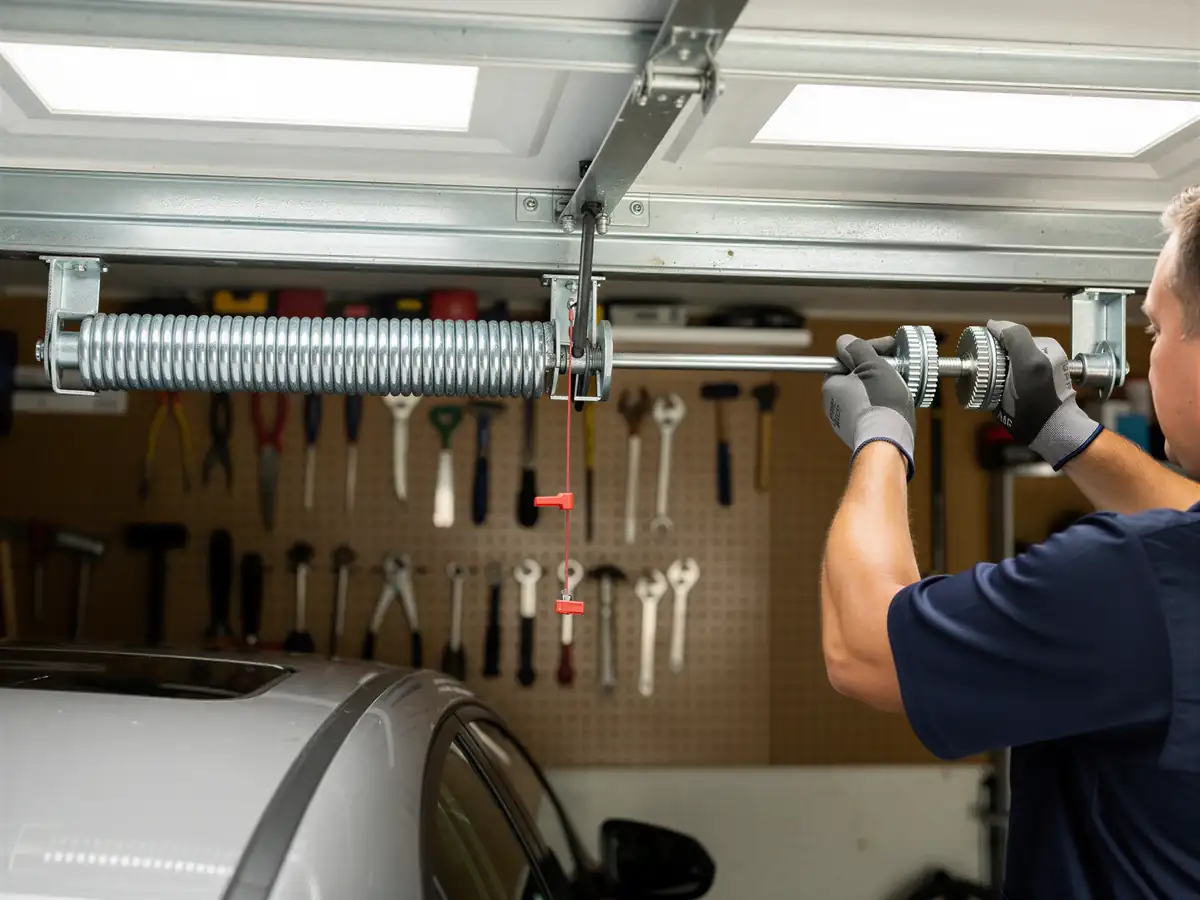
For doors from this era we carry standard torsion springs in common wind sizes, galvanized lift cable, steel and nylon rollers, and hinge sets sized for older track profiles. Track sections and end bearing plates are common enough that we stock replacement runs for most residential widths. What we don't keep on the truck is anything custom - a non-standard panel width, a discontinued opener gear kit, or hardware matched to a door that's been modified from its original configuration. If your door needs one of those, we'll order it and come back rather than guess at a fit. Weatherstripping and bottom seals wear out on a predictable cycle in this climate and we replace those routinely during a maintenance visit rather than waiting for a service call about drafts. One thing worth saying plainly: if your opener's logic board or circuit control is the part that's failed, that's often a case where a new opener costs less than hunting down a board for a fifteen-year-old unit, and we'll say so instead of selling you the harder fix.
Booking a Visit
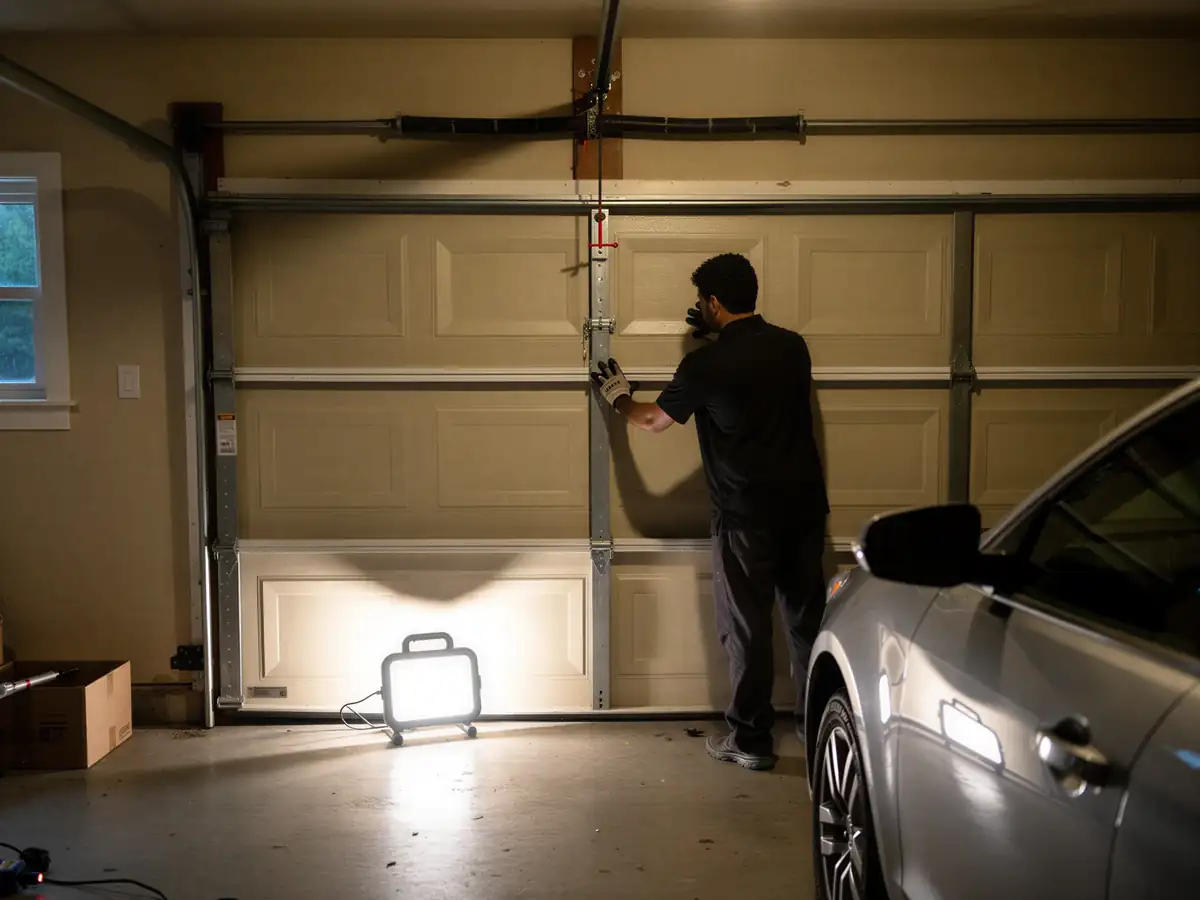
We schedule Lealman maintenance visits out of St. Petersburg, so there's no separate local crew or depot here - just a short drive and a tech who shows up with the parts likely to fit a door of this age. If you already know something's wrong rather than just due for a check, our repair page for Lealman covers that side of the work. For the full rundown of what a maintenance visit includes across the service area, the St. Petersburg maintenance page has the general detail; this page is specifically about what we see on doors built around the Lealman housing stock. Tell us the rough age of your door and whether the opener's original when you call - it saves time on-site.
Doing It Yourself
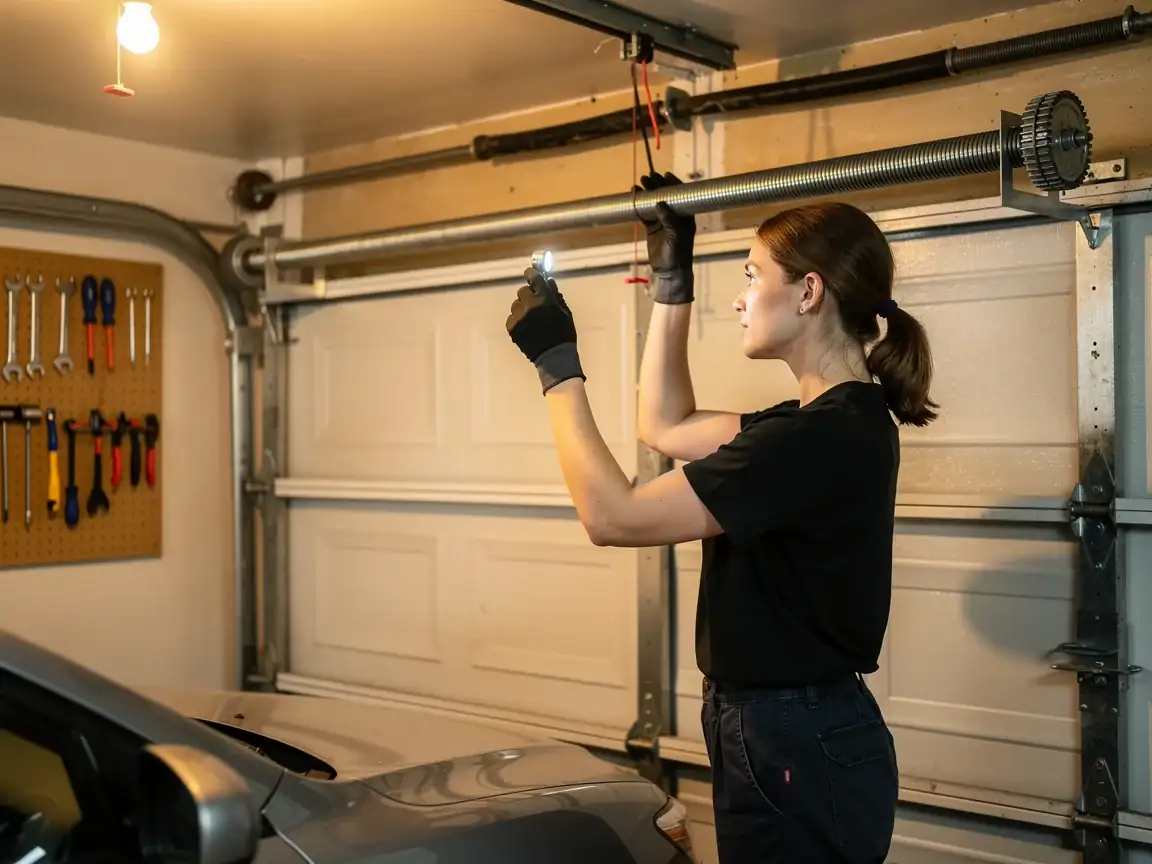
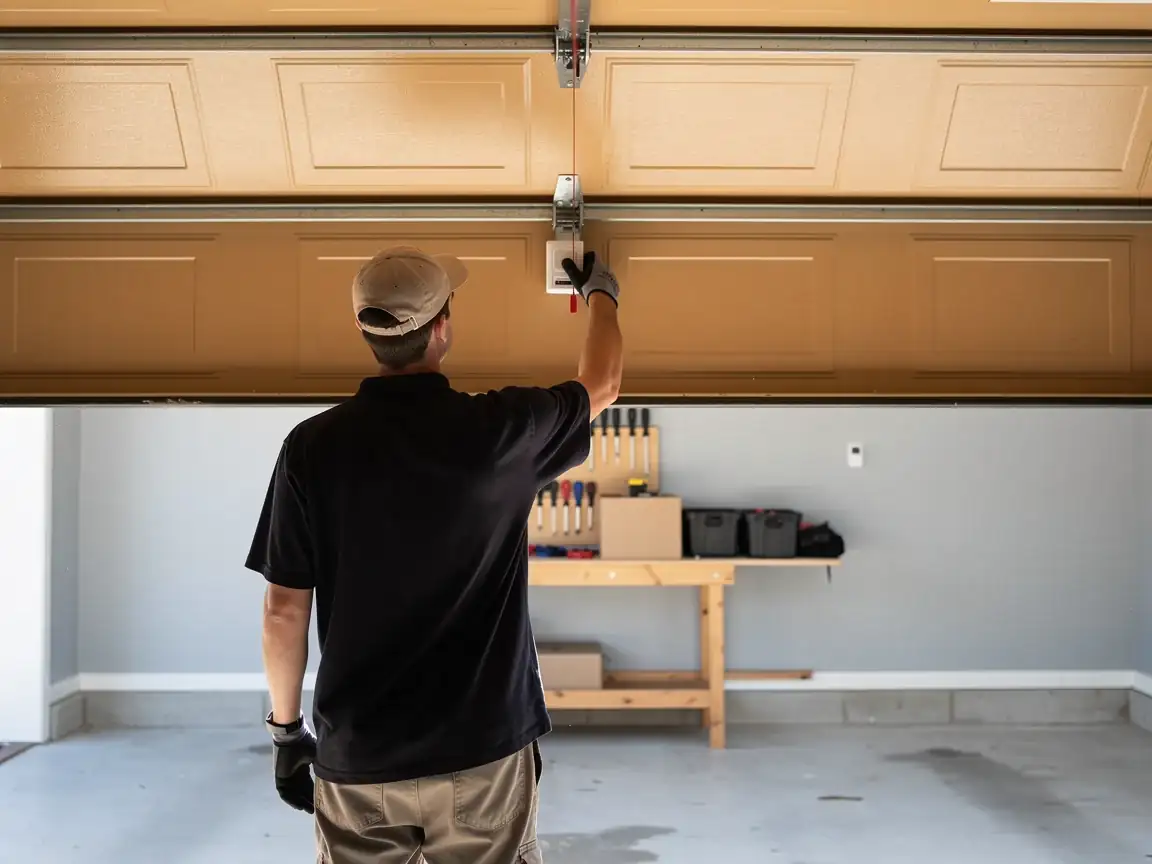
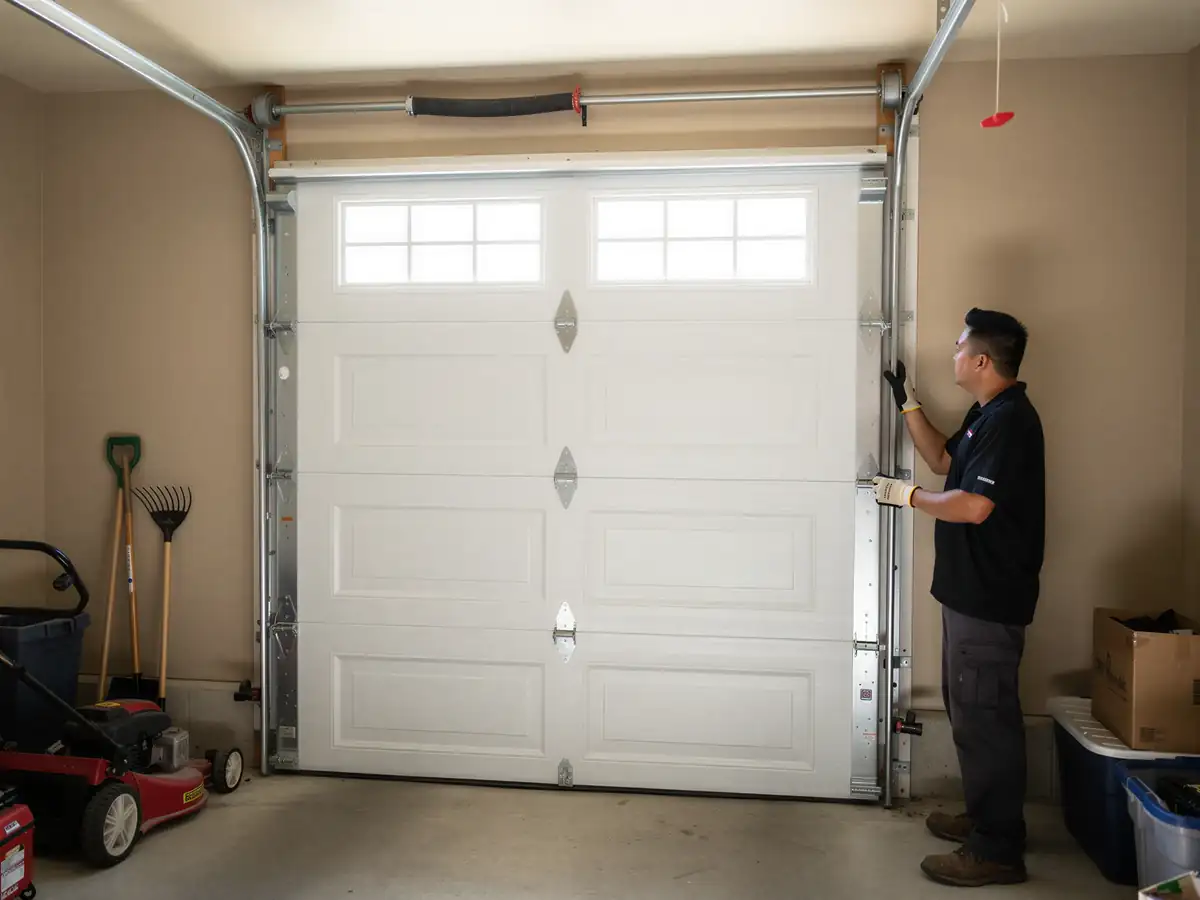
Between visits, the easiest thing an owner can do is wipe down and lightly lube the hinges and rollers twice a year, and check that the door reverses when it meets resistance - set something a couple inches high under it and watch. If the door doesn't stop and reverse, that's not a DIY fix; call it in. Visually check the cables for fraying near the bottom bracket and listen for new grinding or popping sounds, which usually mean a roller or bearing is going. What you shouldn't touch yourself is the torsion spring or anything that requires removing the center bracket - on a door this old, the spring may already be carrying years of fatigue you can't see, and the tools to safely wind or unwind it aren't something most garages have lying around. A loose track bolt is fine to snug up; anything involving the spring or cable under tension is not a weekend project.