Why It Happens Here
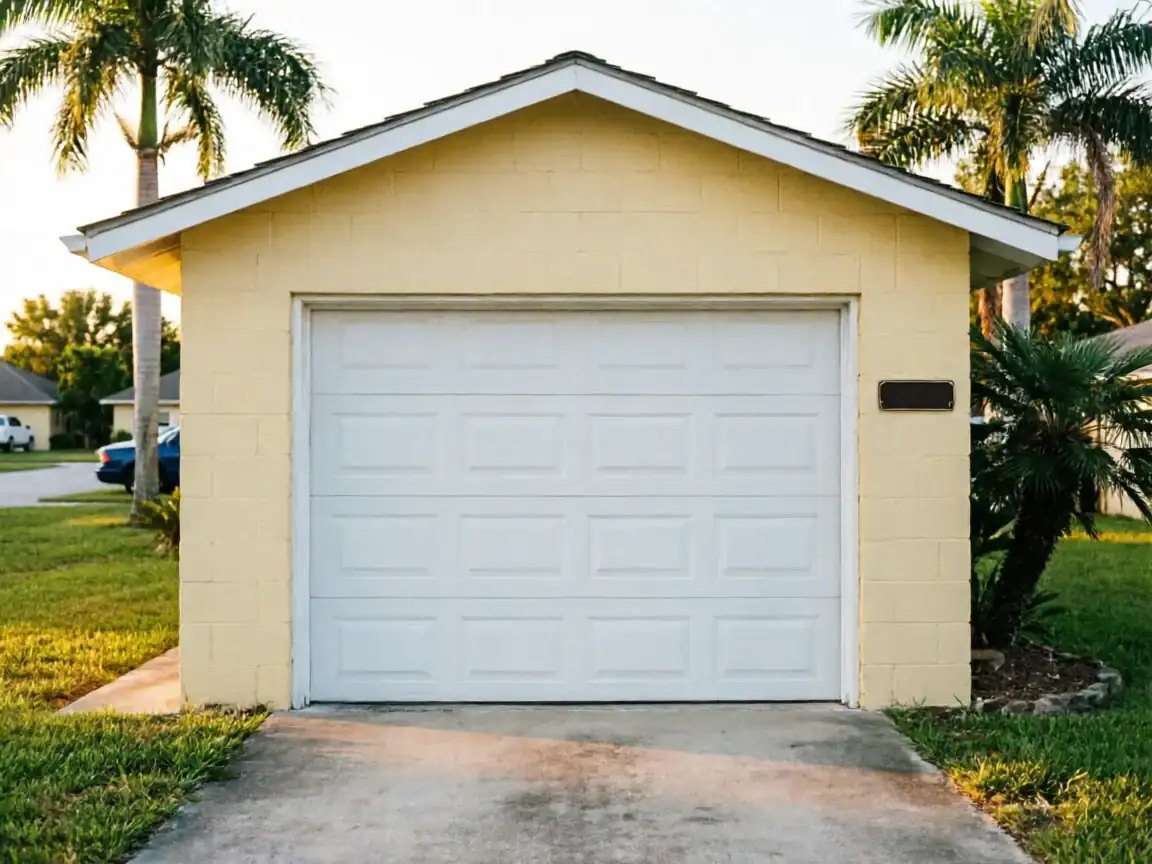
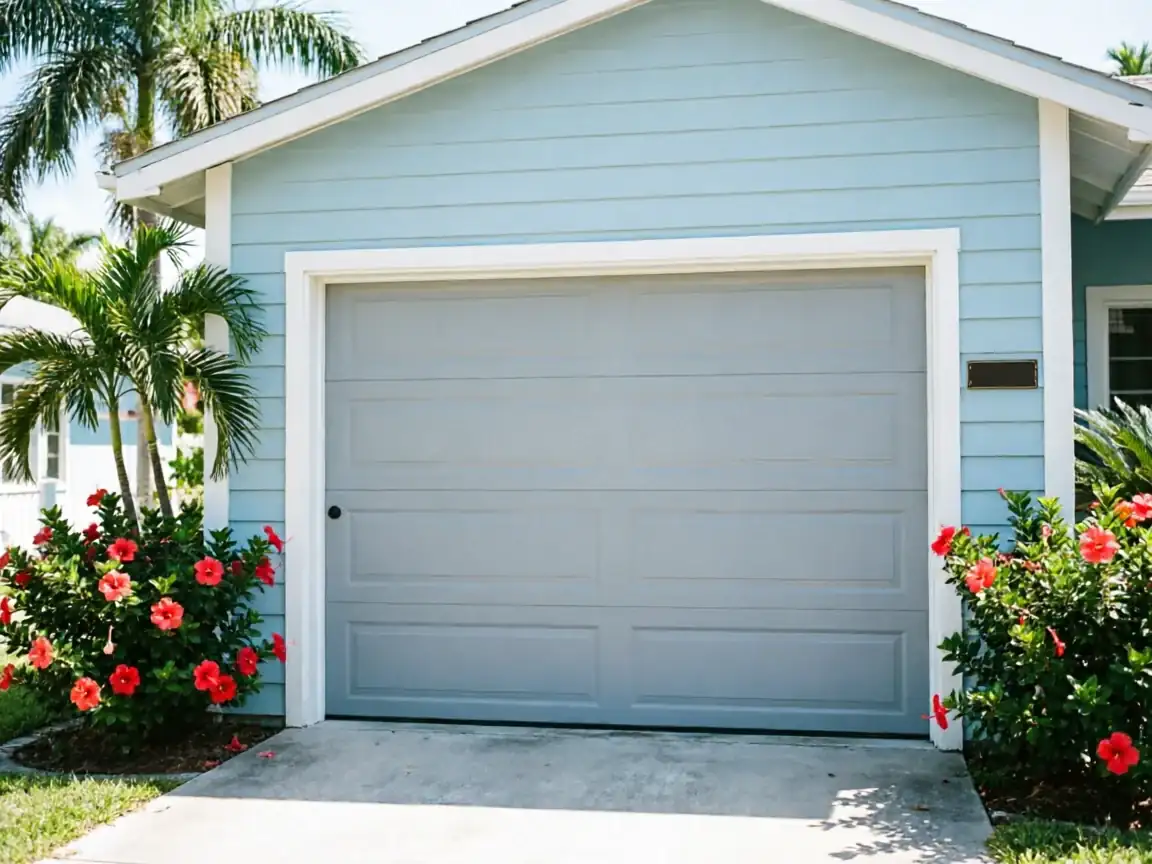
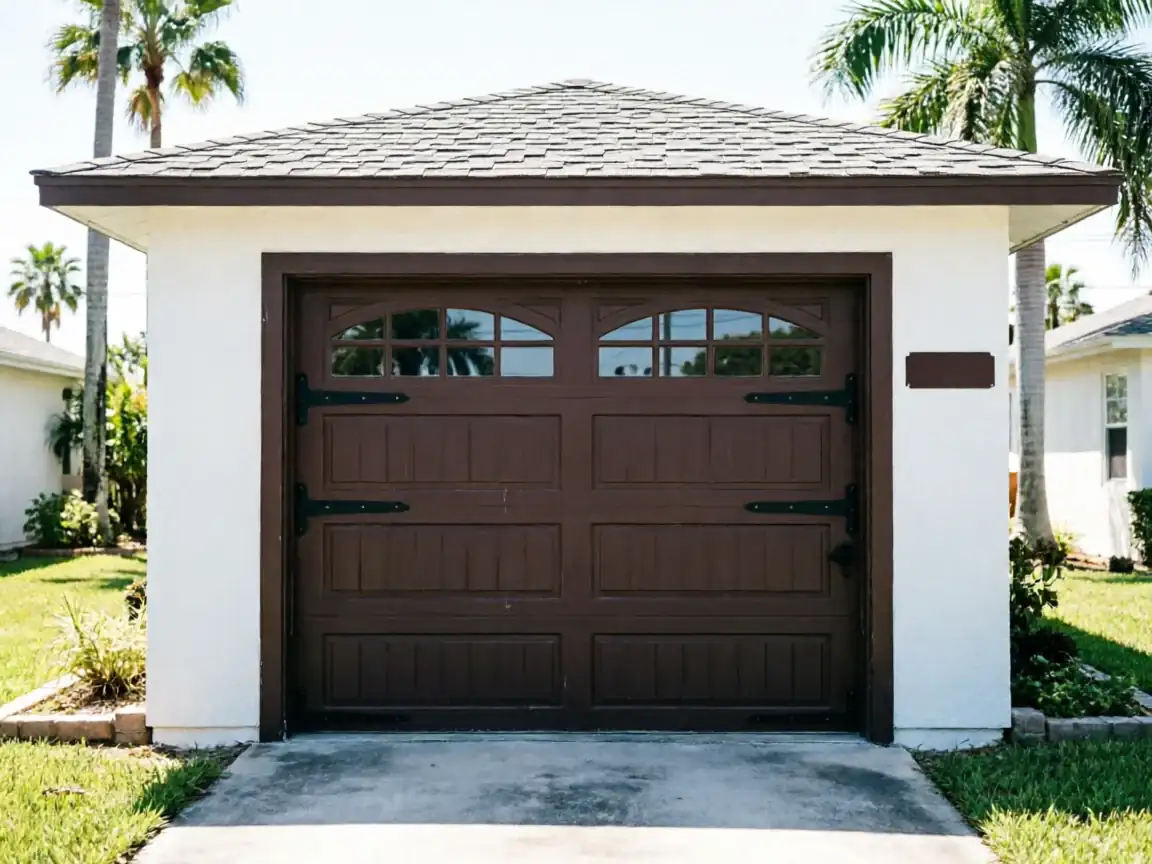
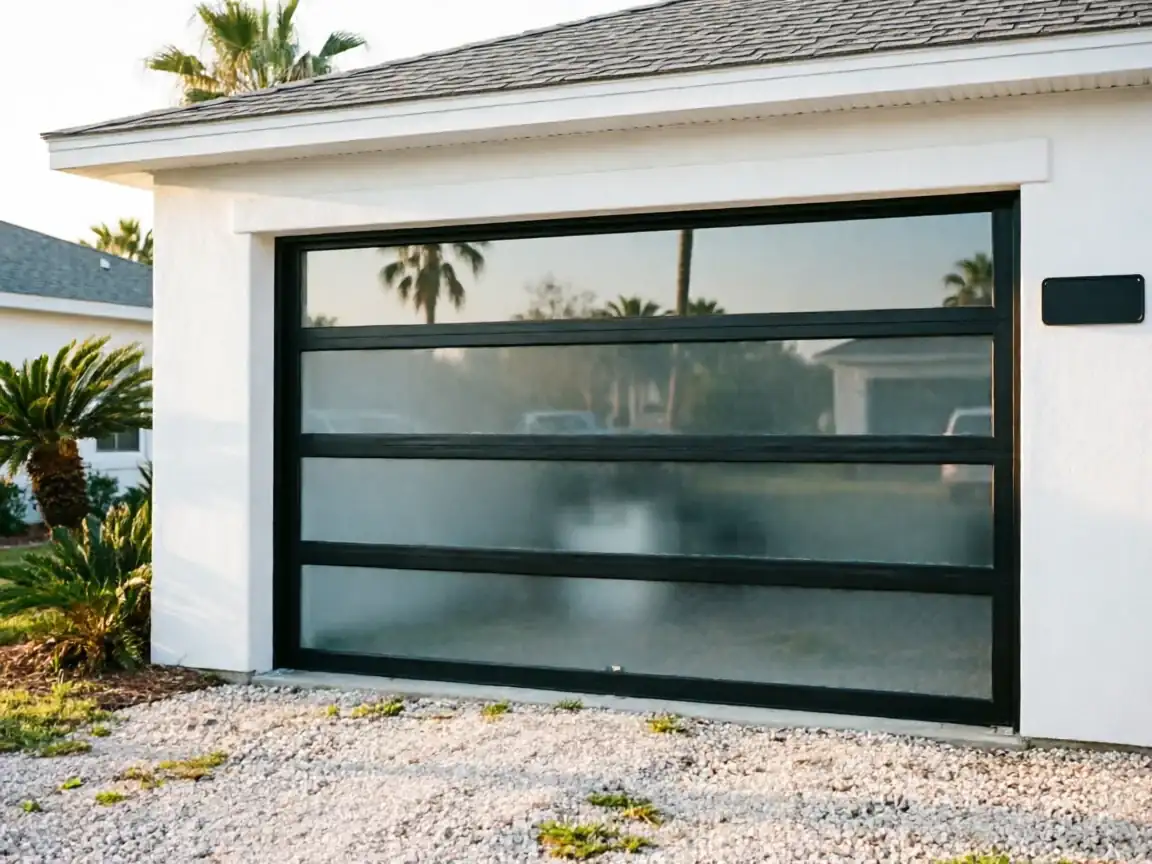
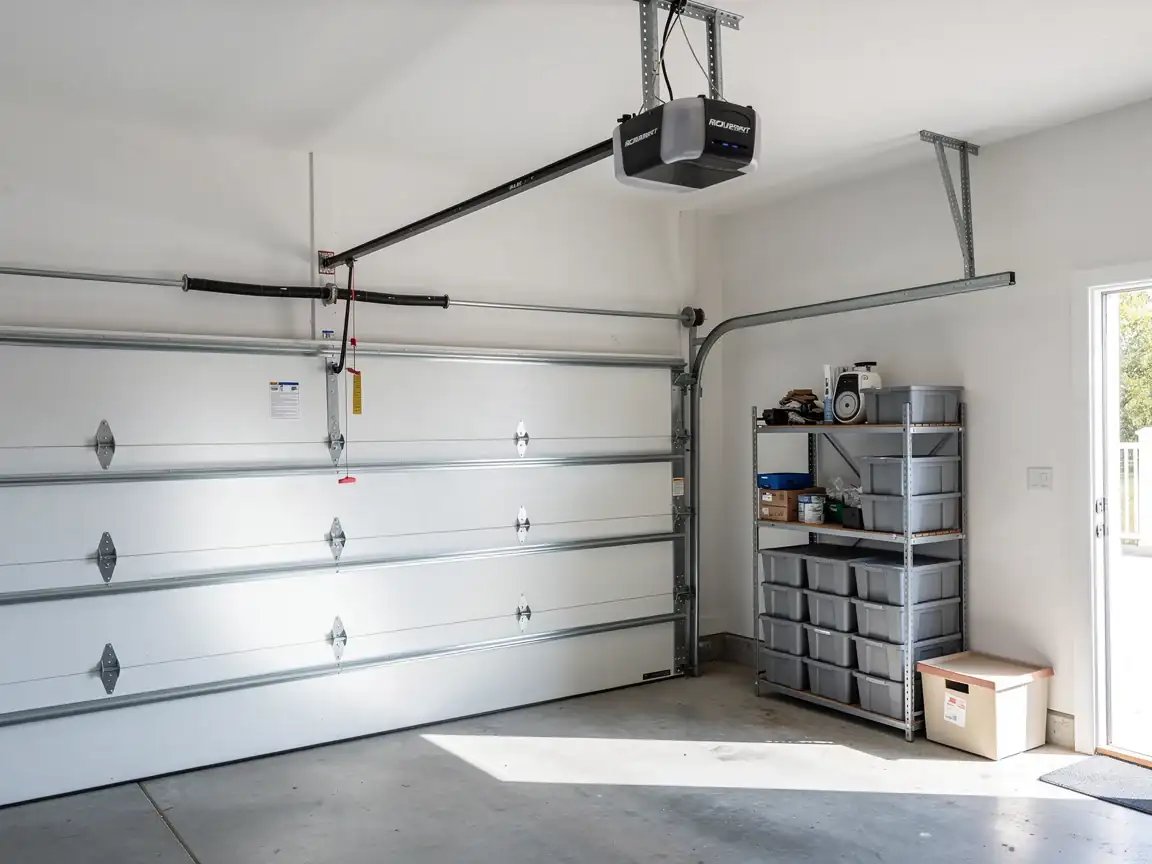
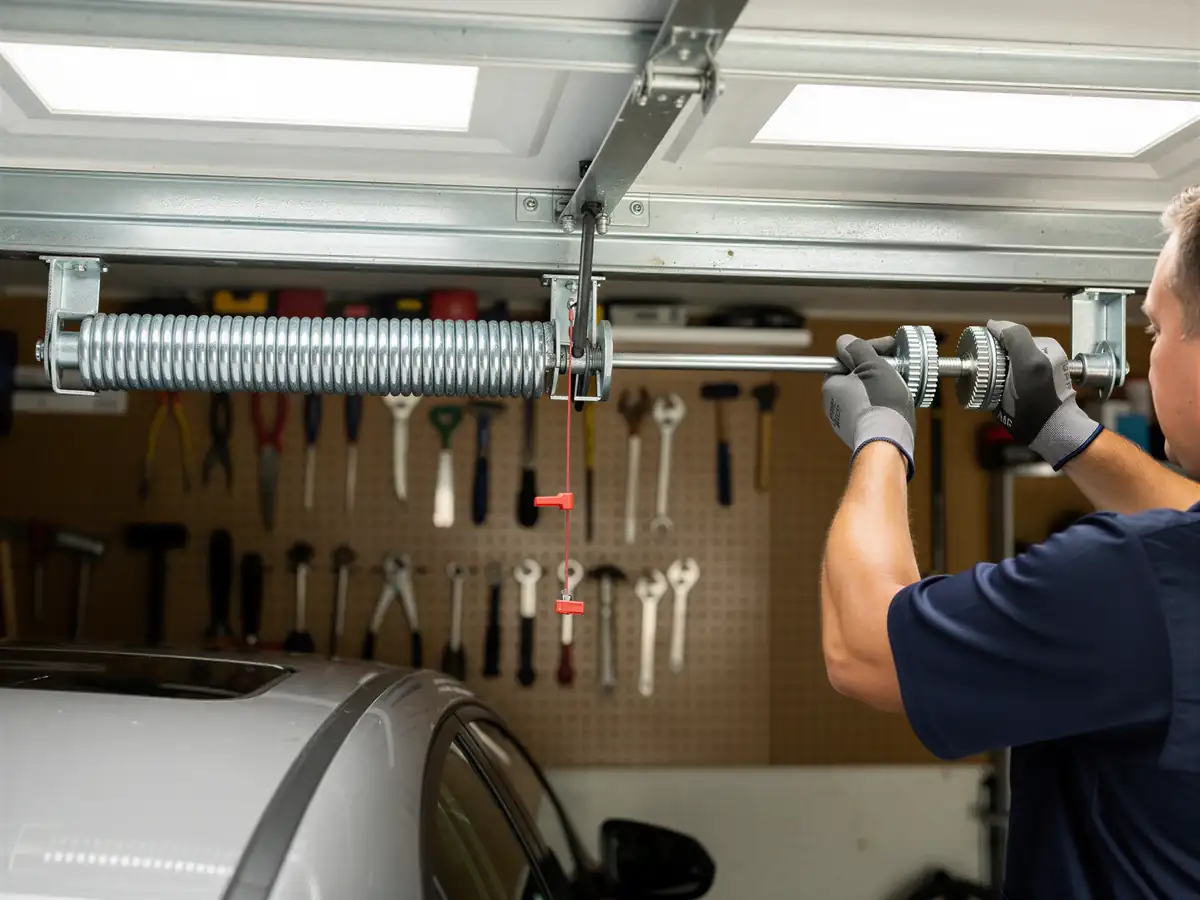
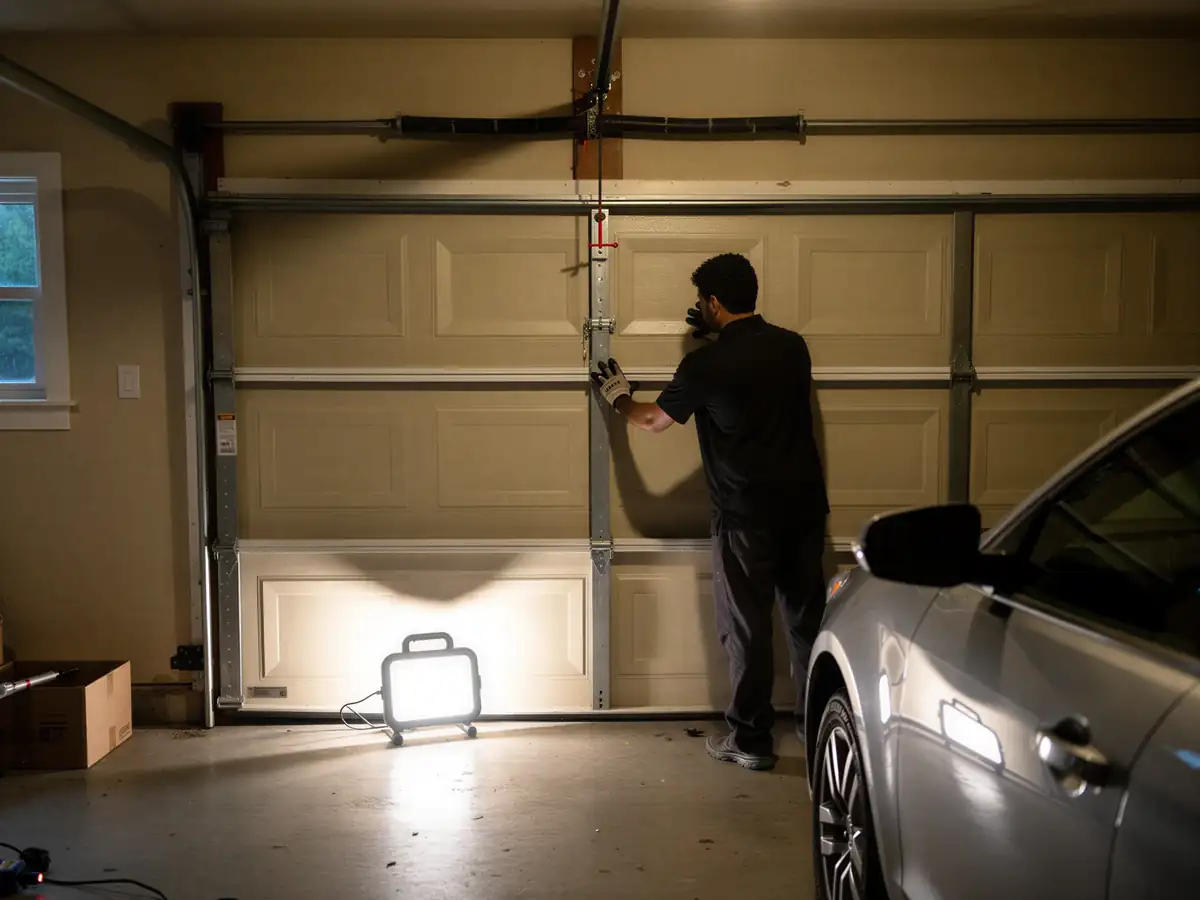
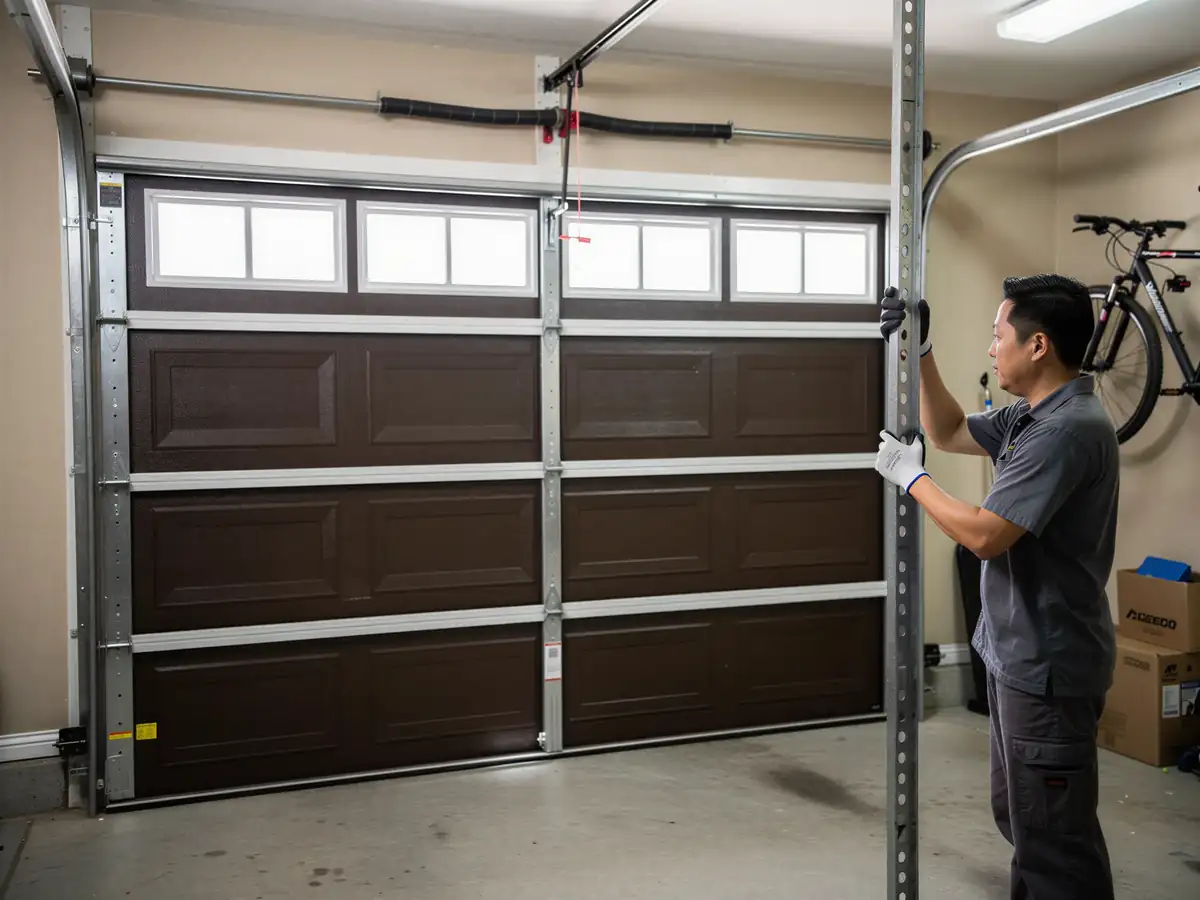
Lealman's housing stock centers on 1968, which puts a lot of these garage doors and their hardware well past the point where original parts are still made. Doors built in that era mostly ran on extension springs mounted along the horizontal track rather than the torsion bar over the opening - a design that's cheaper but puts more stress on the cable and pulley system over time. Add Florida's mild but humid year-round climate, and you get steady corrosion on those cables and on the galvanized track itself, even without a hard freeze to blame. We also see a lot of single steel panels with no insulation layer, original to the build, which warp slightly at the bottom where moisture collects. None of this is dramatic - it's just forty-plus years of normal wear on hardware nobody upgraded when they replaced the opener.
Parts We Carry
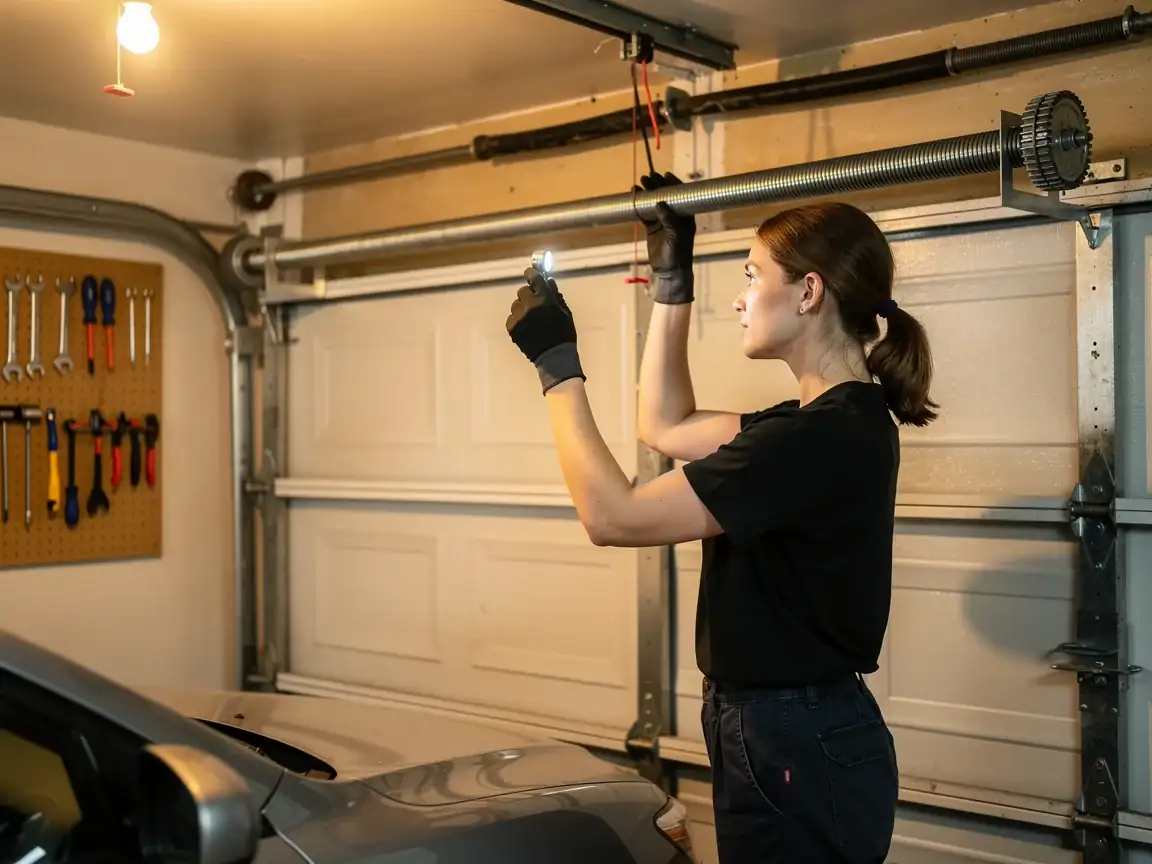
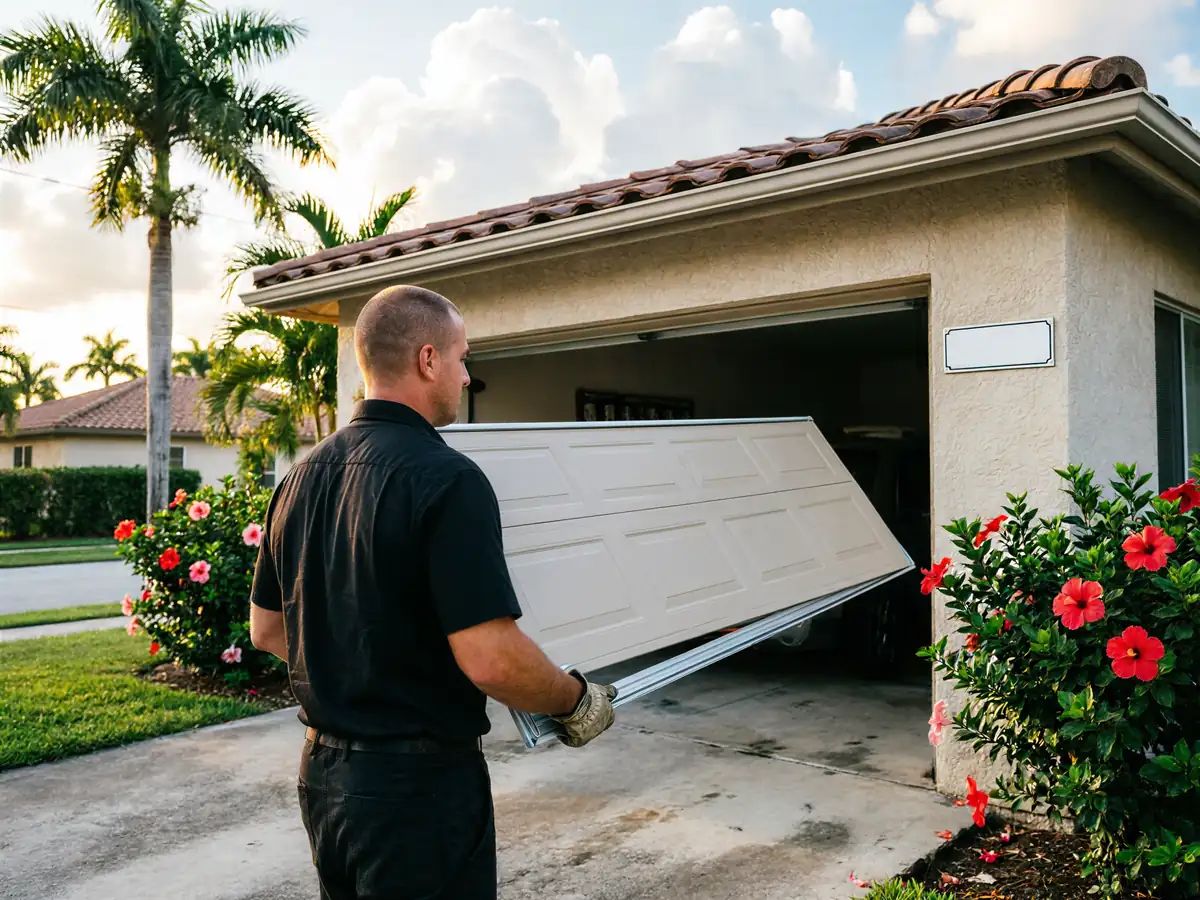
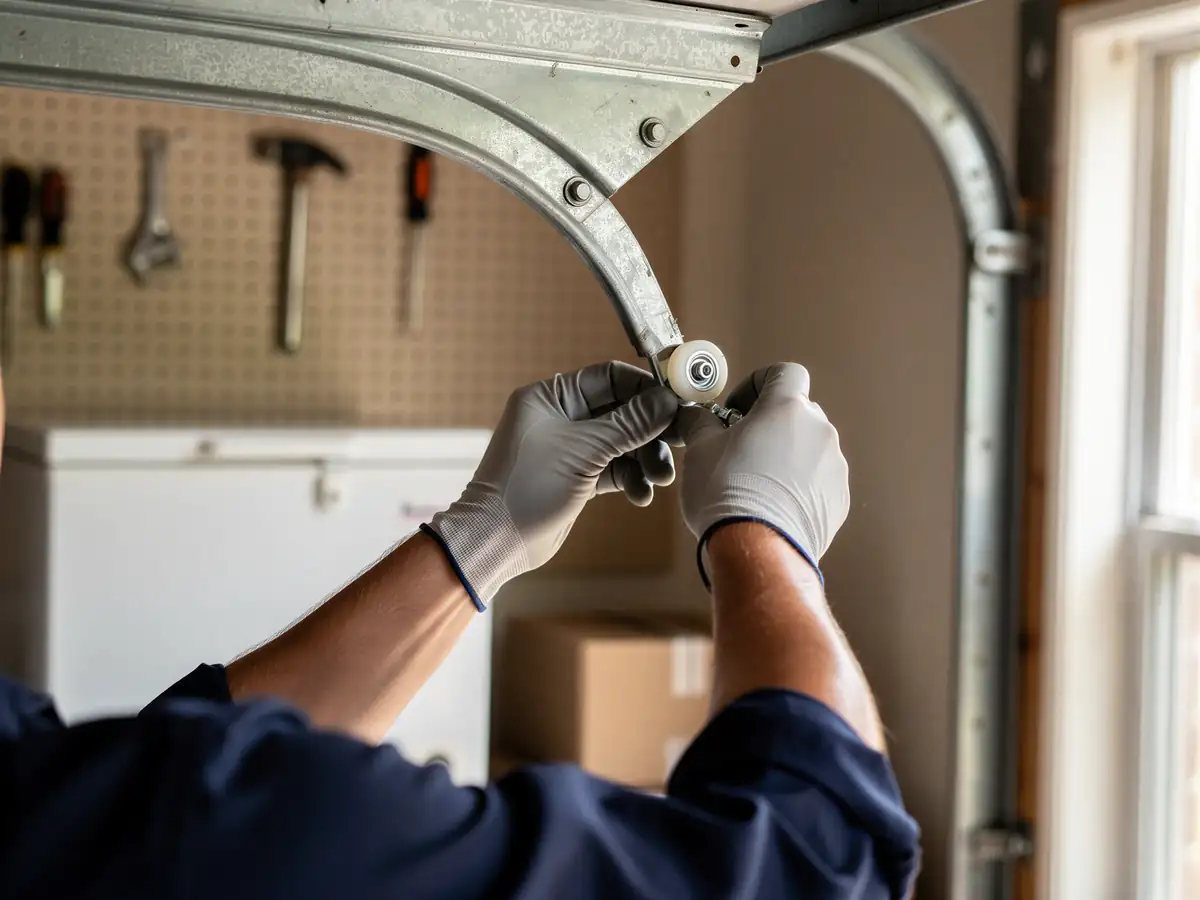
For the extension-spring systems common on Lealman's older doors, we stock standard-length springs, safety cables (often missing entirely on original installs - code didn't require them when these went up), and replacement pulleys and rollers in both nylon and steel. We carry panel sections for the single-layer steel doors that were typical of the period, though matching an exact discontinued profile sometimes isn't possible - more on that below. For openers, we keep common chain-drive motors and circuit boards on the truck; older units without rolling-code security sometimes need a full opener swap rather than a board repair, and we'll tell you which one you're looking at before we start.
Booking a Visit
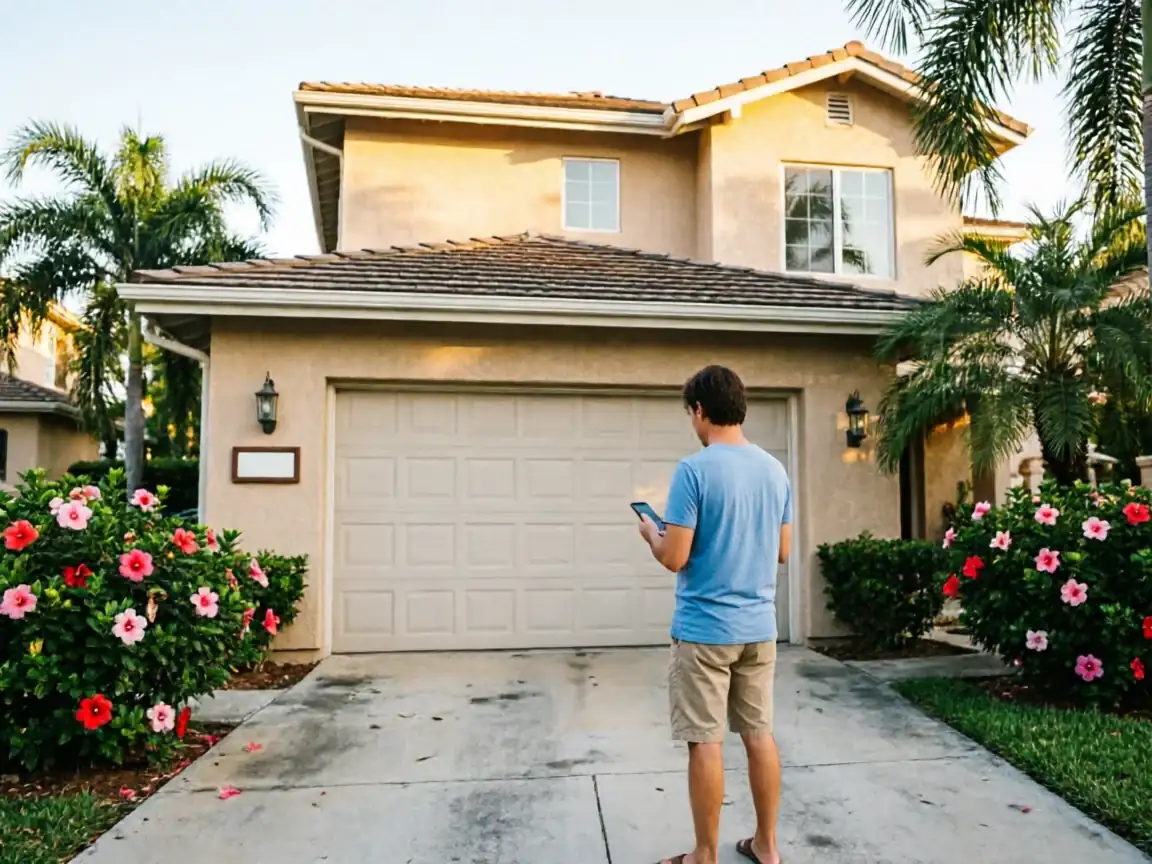
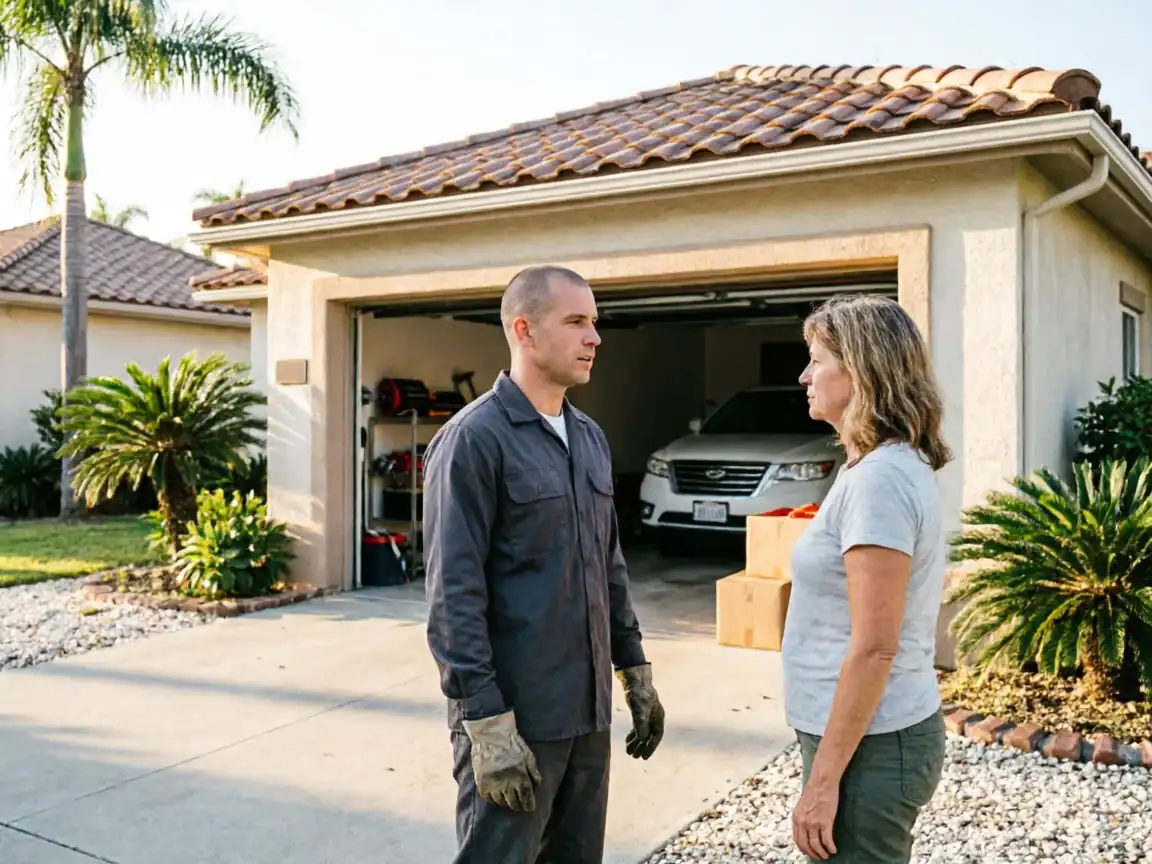
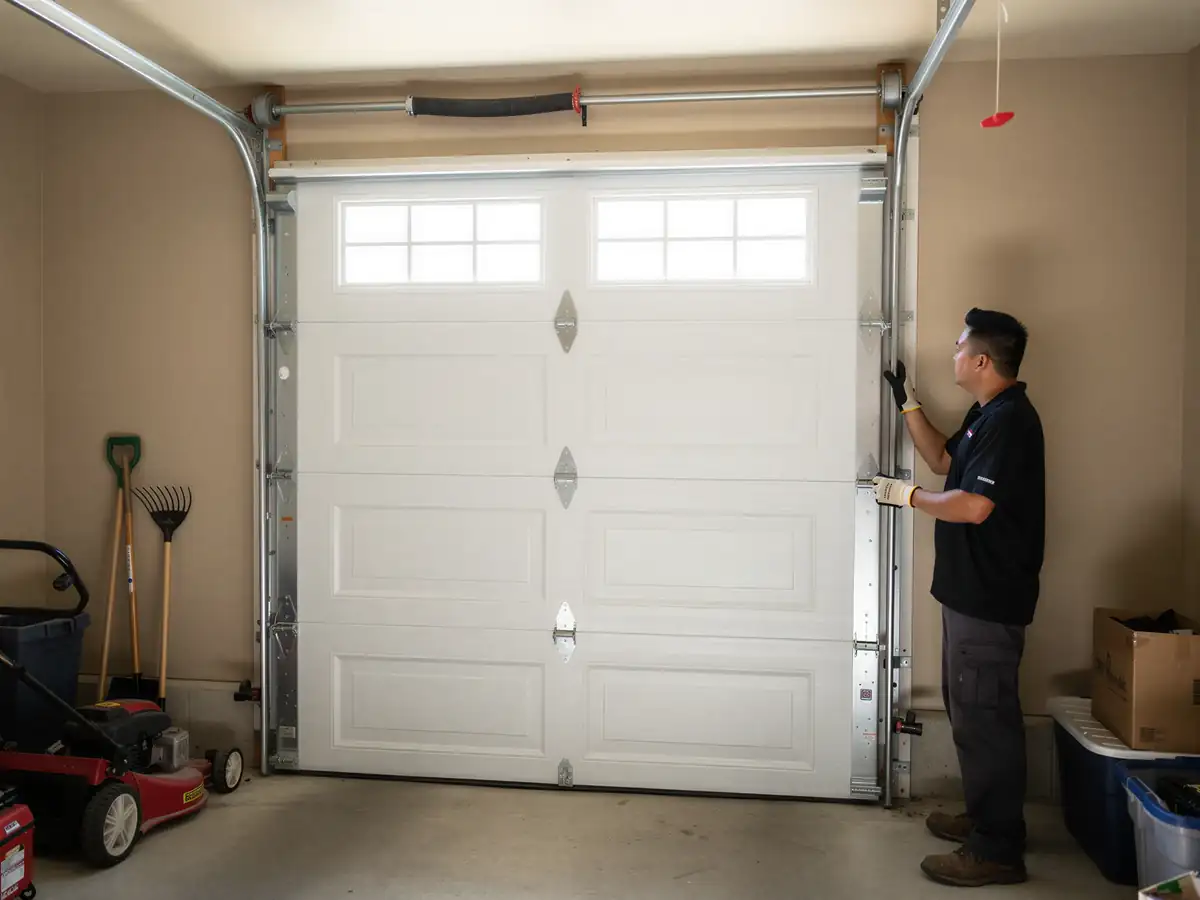
Lealman is close enough to St. Petersburg that getting a tech to you isn't the bottleneck - knowing what's wrong before we load the truck is what saves you a second trip. Tell us the age of the house if you know it, whether the door is one piece or sectioned, and whether the spring is mounted above the door (torsion) or along the sides (extension) - on a typical 1968 build here it's usually the latter. A quick phone call or a couple of photos texted over gets us the right springs and panel stock loaded before we leave St. Petersburg.
Doing It Yourself
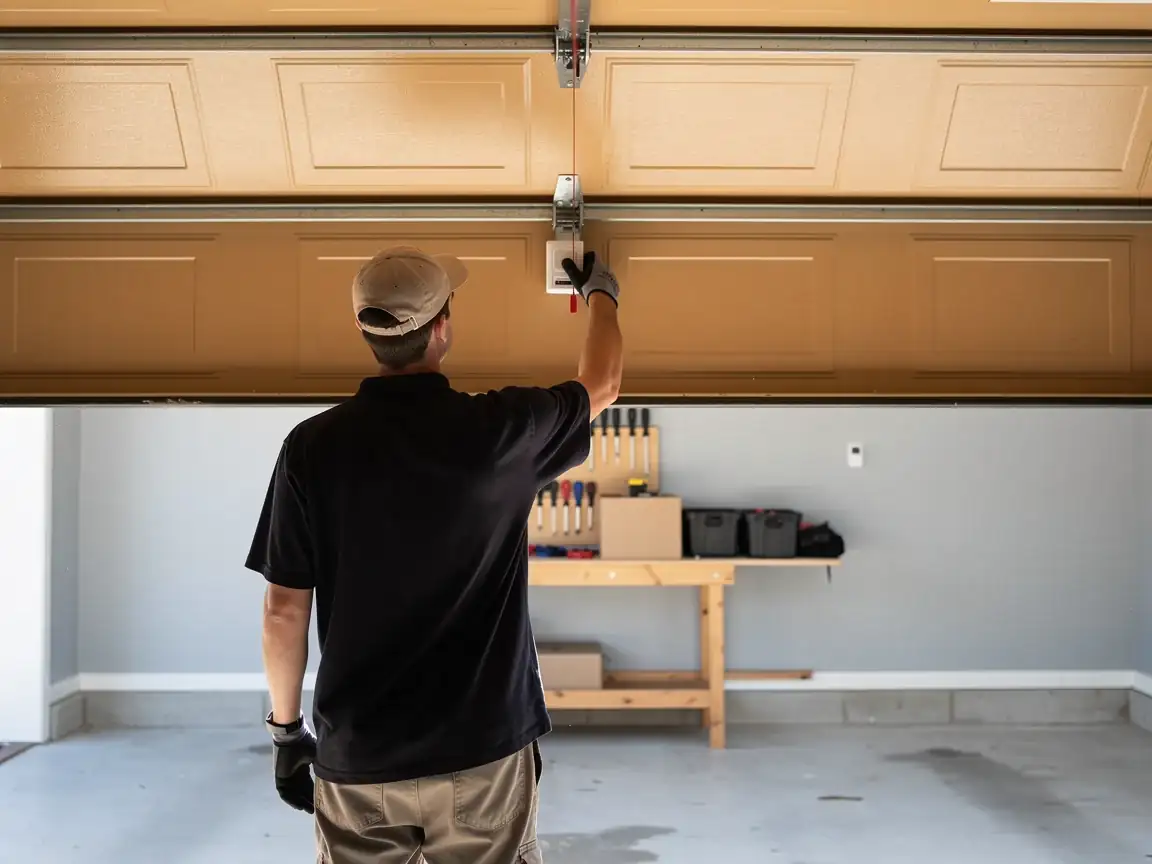
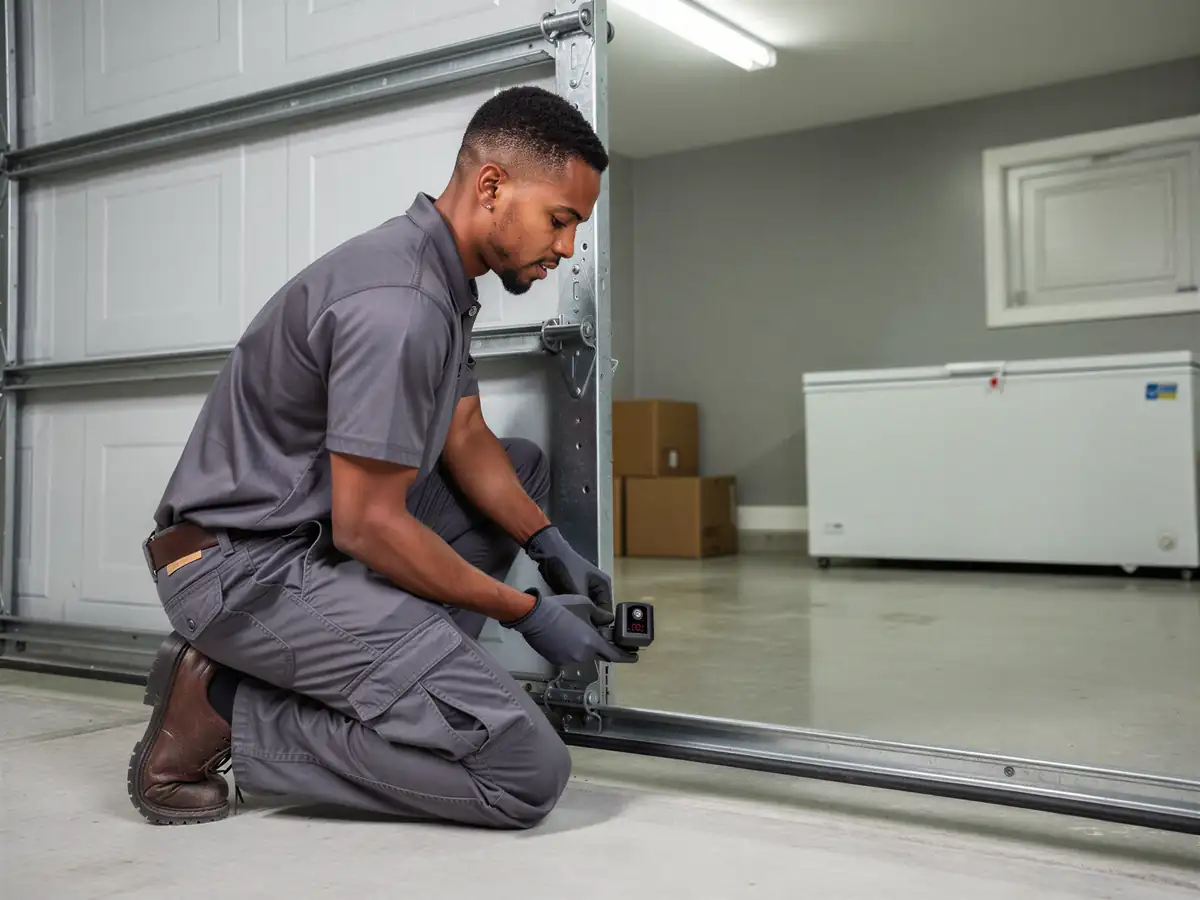
There's a few things worth doing yourself: lubricating hinges and rollers twice a year, checking that the auto-reverse safety feature still stops the door on contact, and tightening loose bolts on the track brackets. What you should not do on a house this age is touch the springs yourself. Extension springs under tension have put people in the hospital, and on a door built in 1968 you're also dealing with hardware that may not match anything sold today - guessing wrong on spring length or gauge is how a cheap fix turns into a cracked panel or a dented car roof. If the door won't move, or moves unevenly, that's a call, not a weekend project.