Why It Happens Here
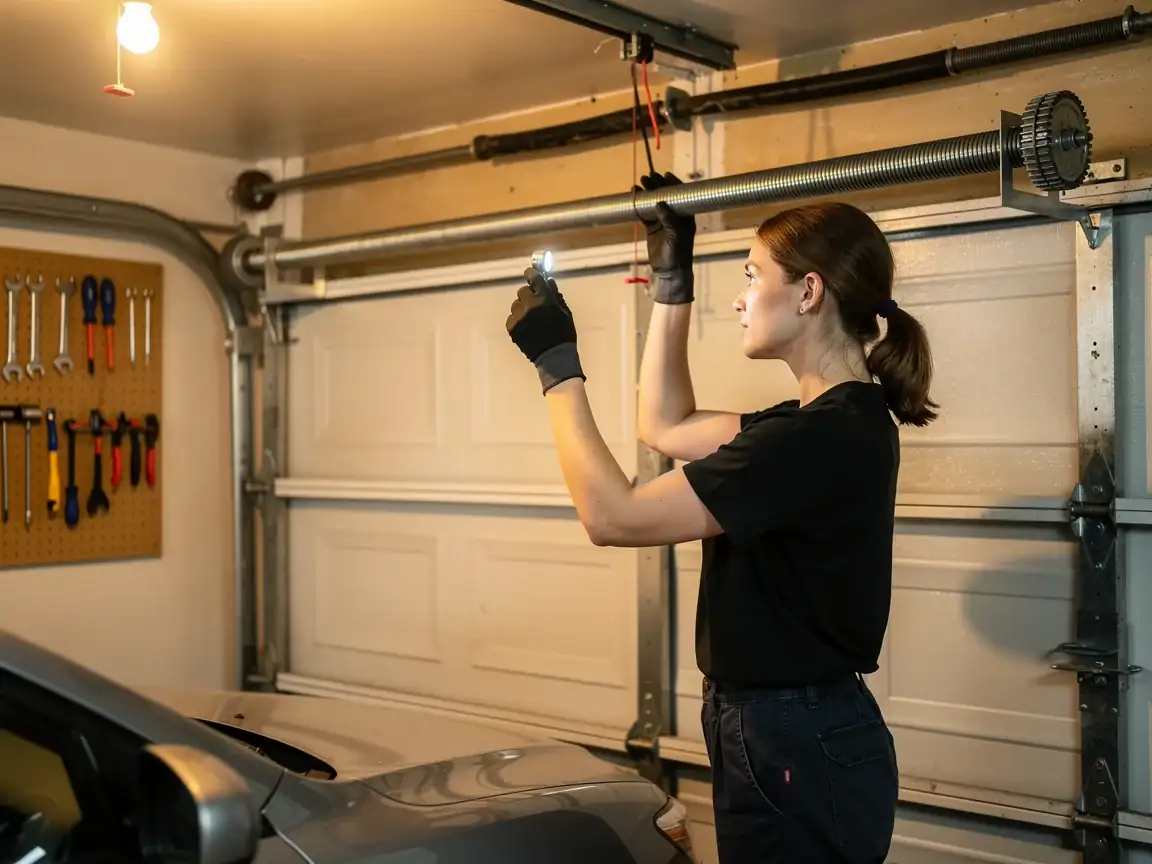
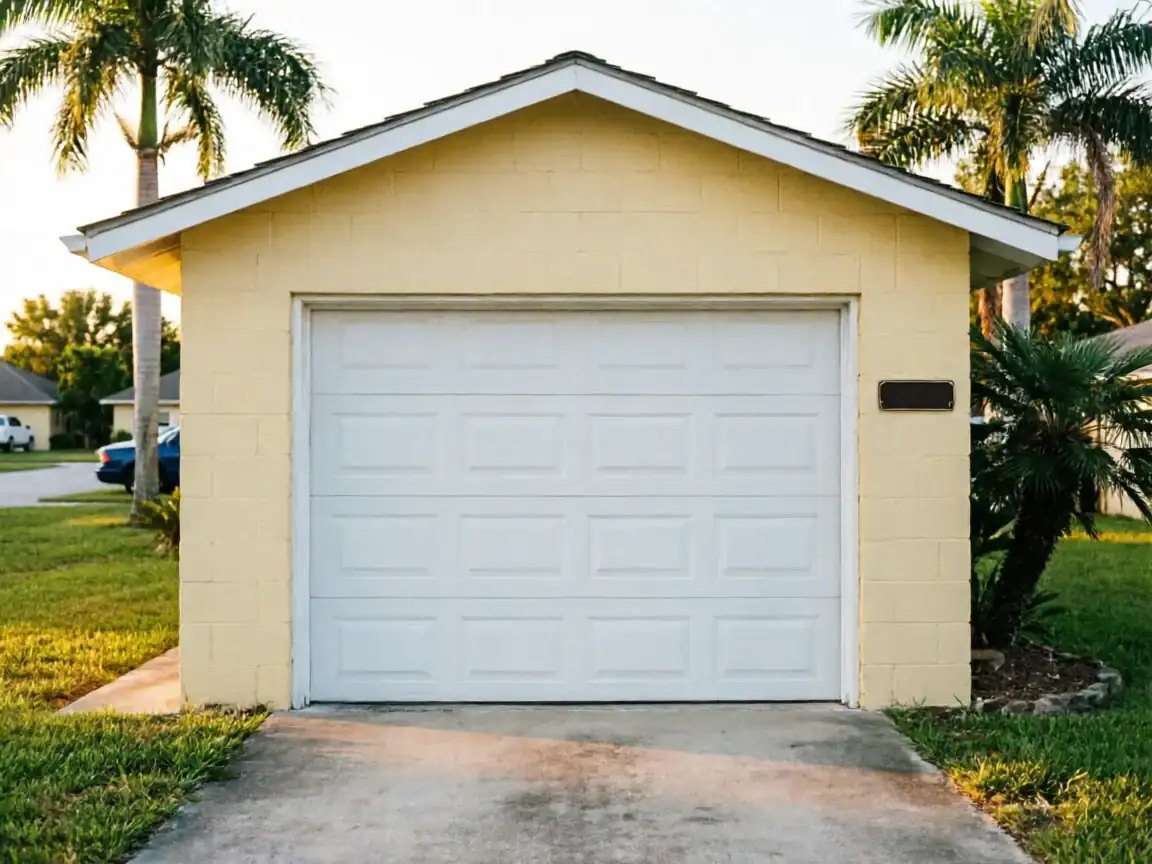
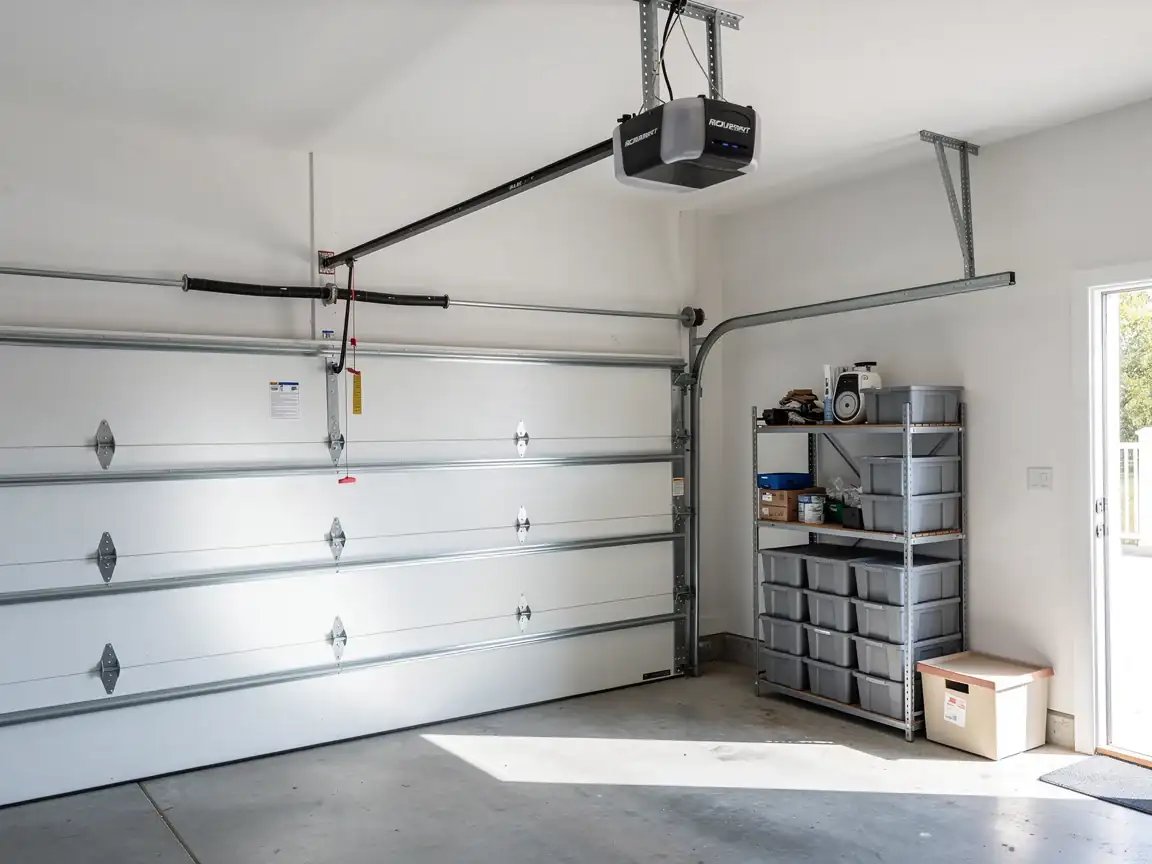
A door built in 1968 has had over fifty years of open-close cycles on the same roller stems, and in most of that housing stock nobody ever upgraded past the original steel rollers. Steel rollers wear a groove into themselves and into the track over decades, so the noise isn't abstract wear-and-tear, it's two specific pieces of metal deciding they're done with each other. The climate here is mild temperate rather than a true freeze-thaw zone, so you won't get the ice-jacking that cracks nylon rollers up north - instead the failure mode is slower and more mechanical: dried-out stems, flat spots worn into the roller wheel, and tracks that have shifted a few degrees out of plumb over fifty-plus years of a house settling. That's a different fault profile than you'd see in a subdivision built in the 2000s, and it's why we check the track alignment on every roller call here rather than assuming a clean swap will quiet things down.
Parts We Carry
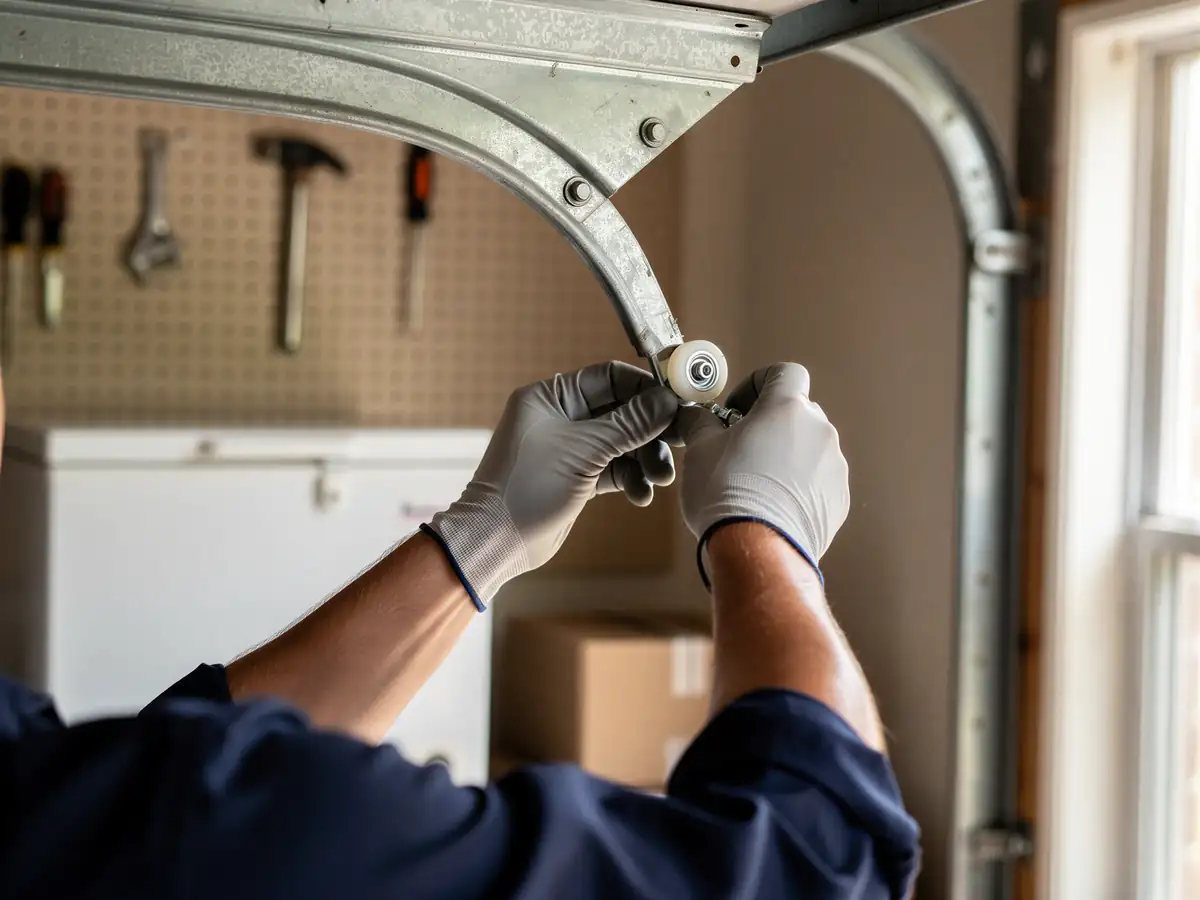
We stock standard 7-ball and 10-ball nylon rollers with sealed bearings, which is what we put in on most Lealman jobs replacing the original steel rollers - quieter, and they don't need the periodic oiling steel ones do. We also carry heavy-duty nylon rollers for double doors carrying extra weight, plus the matching roller brackets when the originals have rusted or bent. What we don't stock on the truck is every obsolete steel roller size from a 1968-era track - if yours needs an exact match rather than a nylon upgrade, that part may need a short order, and we'll say so up front rather than keep you waiting at the door.
Booking a Visit
Tell us the door's noise, which side it's coming from, and roughly how old the door is when you call - that's usually enough for us to bring the right roller stock from St. Petersburg instead of guessing on site. We work Lealman as part of the wider area and quote the roller job itself before any track or bracket work gets added, so a household here isn't paying service-area averages for a repair that should scale to this income band. You can also start from our Lealman repair page for anything beyond rollers.
Doing It Yourself
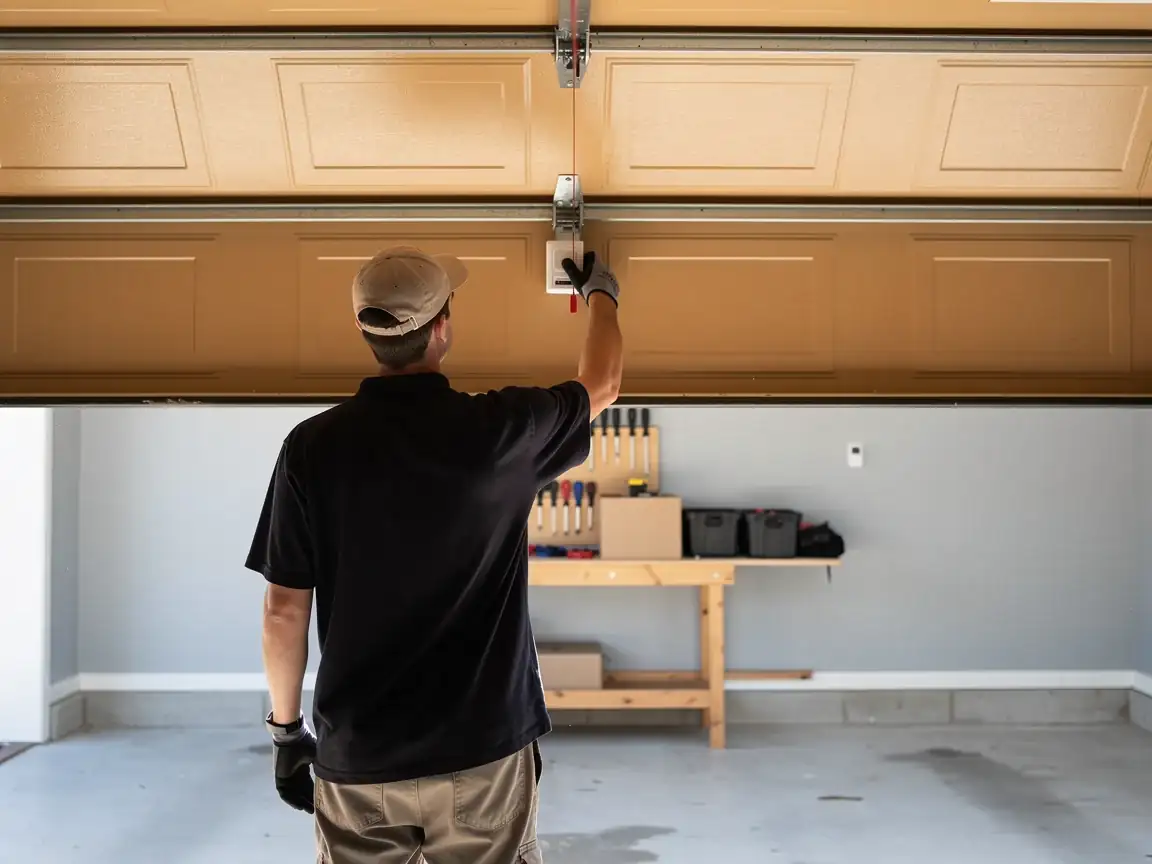
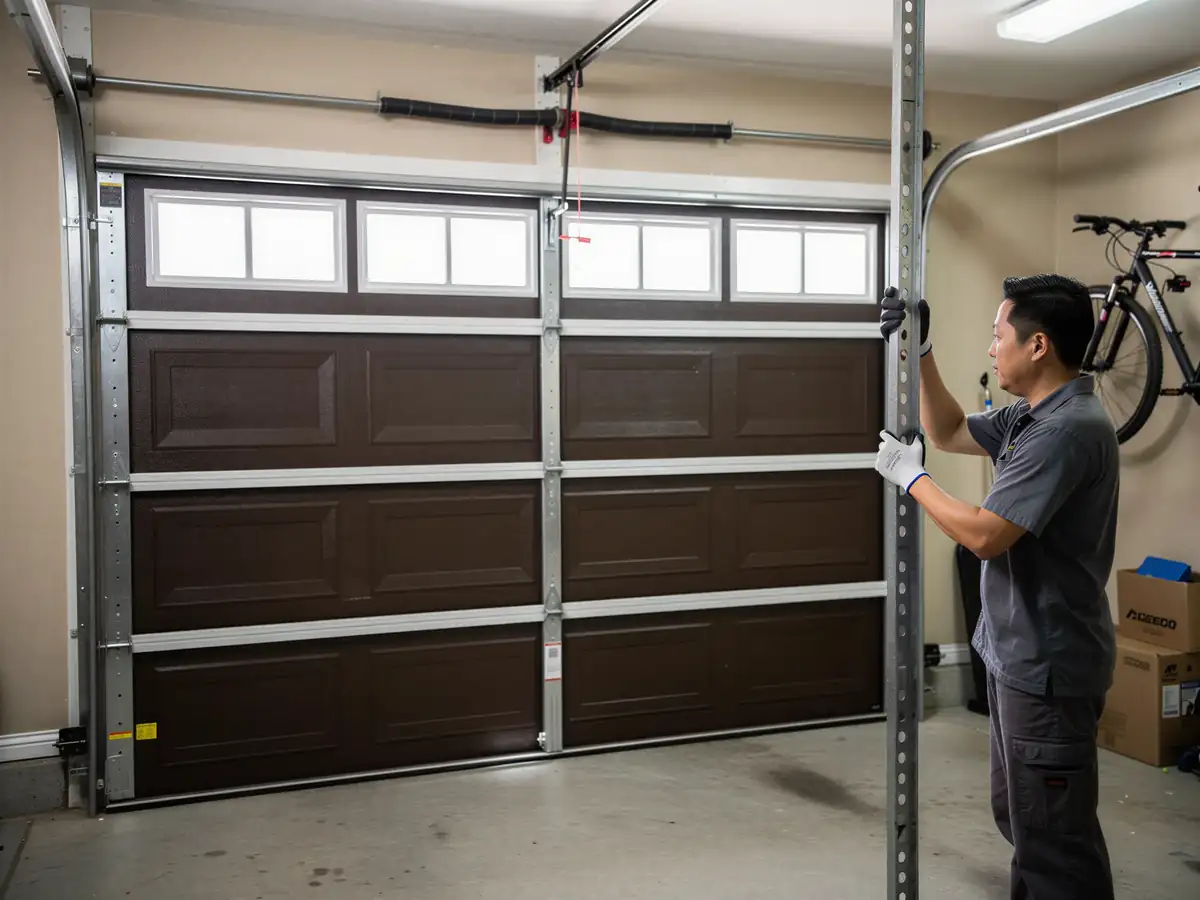
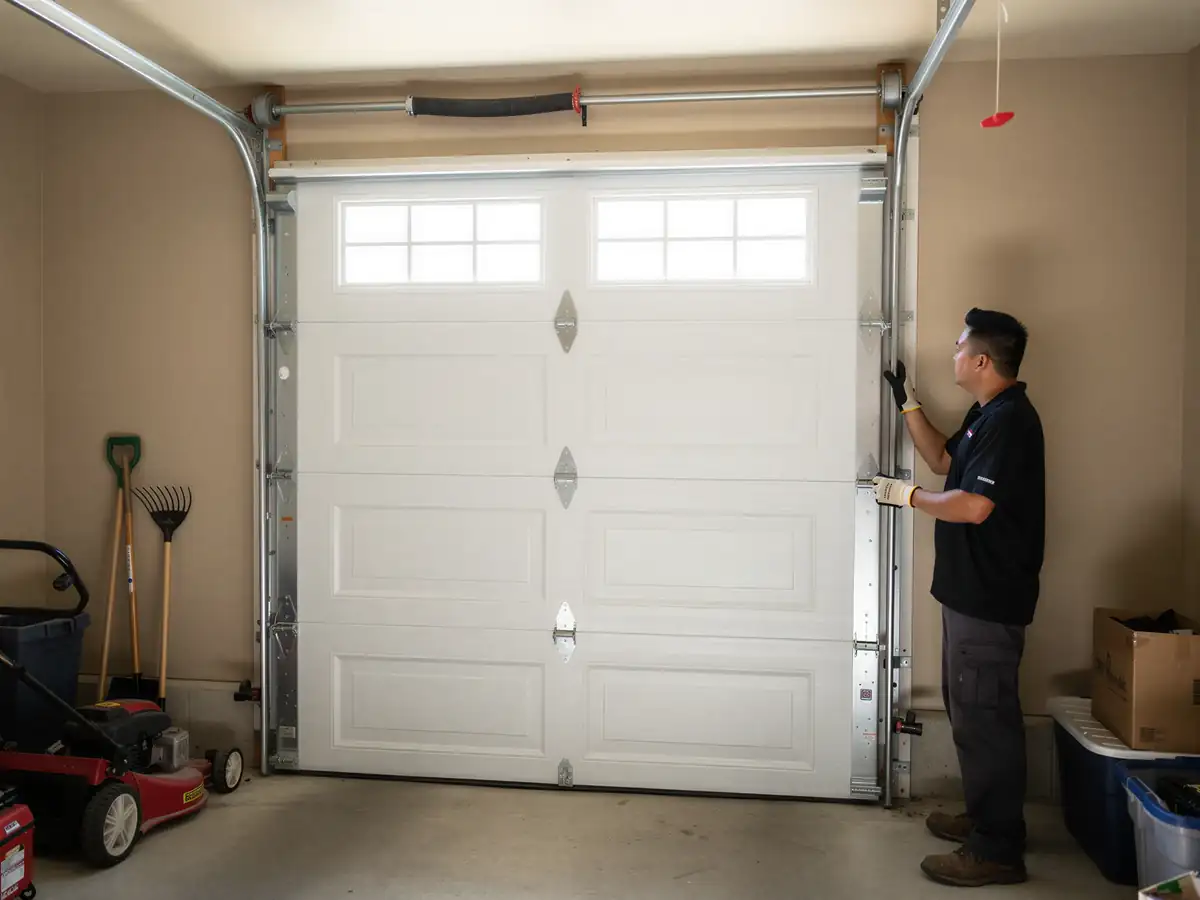
If a single roller is loose in its bracket and the door still runs quiet otherwise, you can often retighten or swap that one roller yourself with the door secured and tension released - it's not complicated work. What we don't recommend doing yourself is pulling rollers with the spring still under tension, or trying to true up a track that's shifted on a house this old; both of those can put you under a few hundred pounds of door with no warning. If more than two or three rollers are worn, replace the full set at once - mixing new and fifty-year-old steel rollers on the same track just means you're back here in six months for the next one.