How It Shows Up
Across the wider St. Petersburg service area, the median home was built in 1979
Treasure Island sits a bit ahead of that curve at 1973, which puts a good share of its garage doors into the same stretch of original torsion hardware that was common through the early-to-mid 1970s. That six-year difference sounds small until you're the one standing in front of a spring that's a different diameter and wind than what a supply house stocks as standard today.
What you'll notice first is usually a door that won't lift past a foot or two
Or one that slams down instead of lowering on its own weight. Sometimes it's a loud bang from the garage first thing in the morning - that's the spring letting go, not the opener. On a barrier island with 3,776 households, a lot of these garages sit close to open air and salt humidity even under Pinellas County's generally mild temperate climate, and that combination shortens spring life compared to a sealed, inland garage of the same age.
- 3,776 households
A stretched or sagging spring doesn't always announce itself with a bang
Sometimes the door just gets heavier to lift by hand, week over week, until one morning it doesn't move at all.
How We Fix It
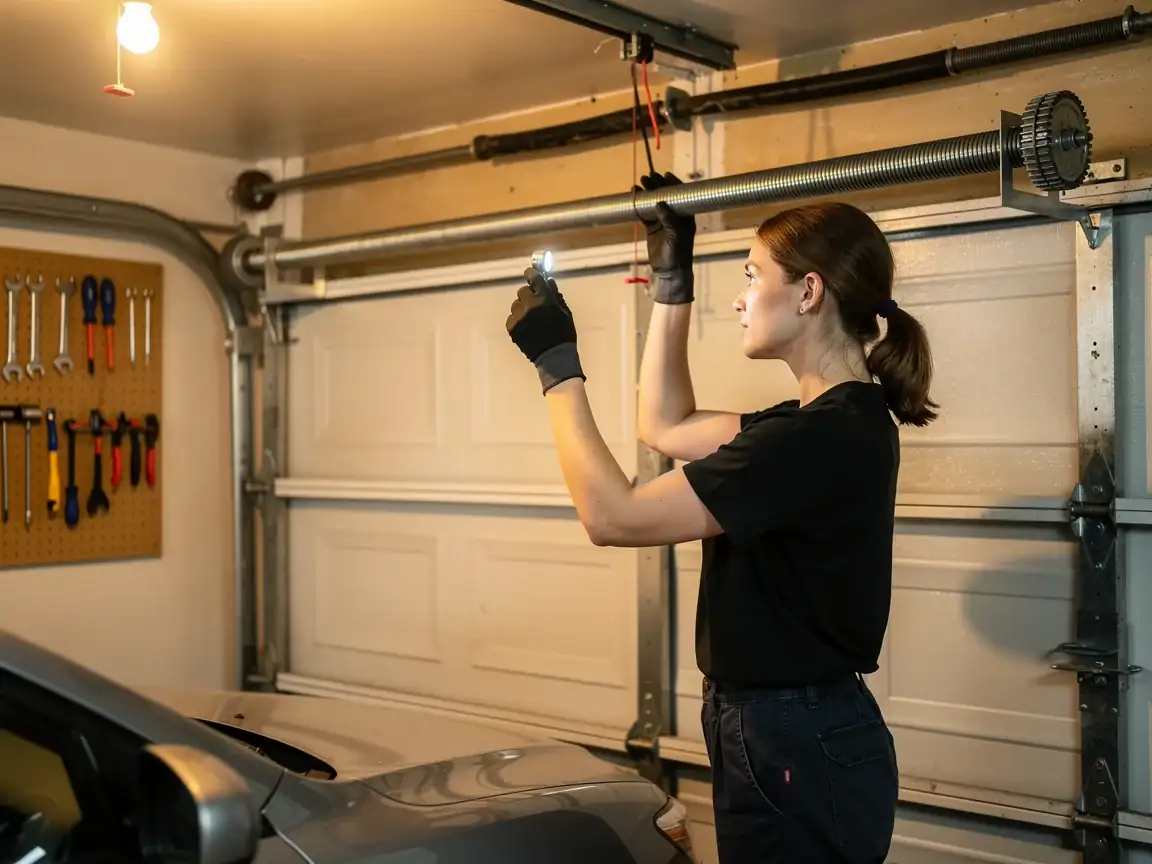
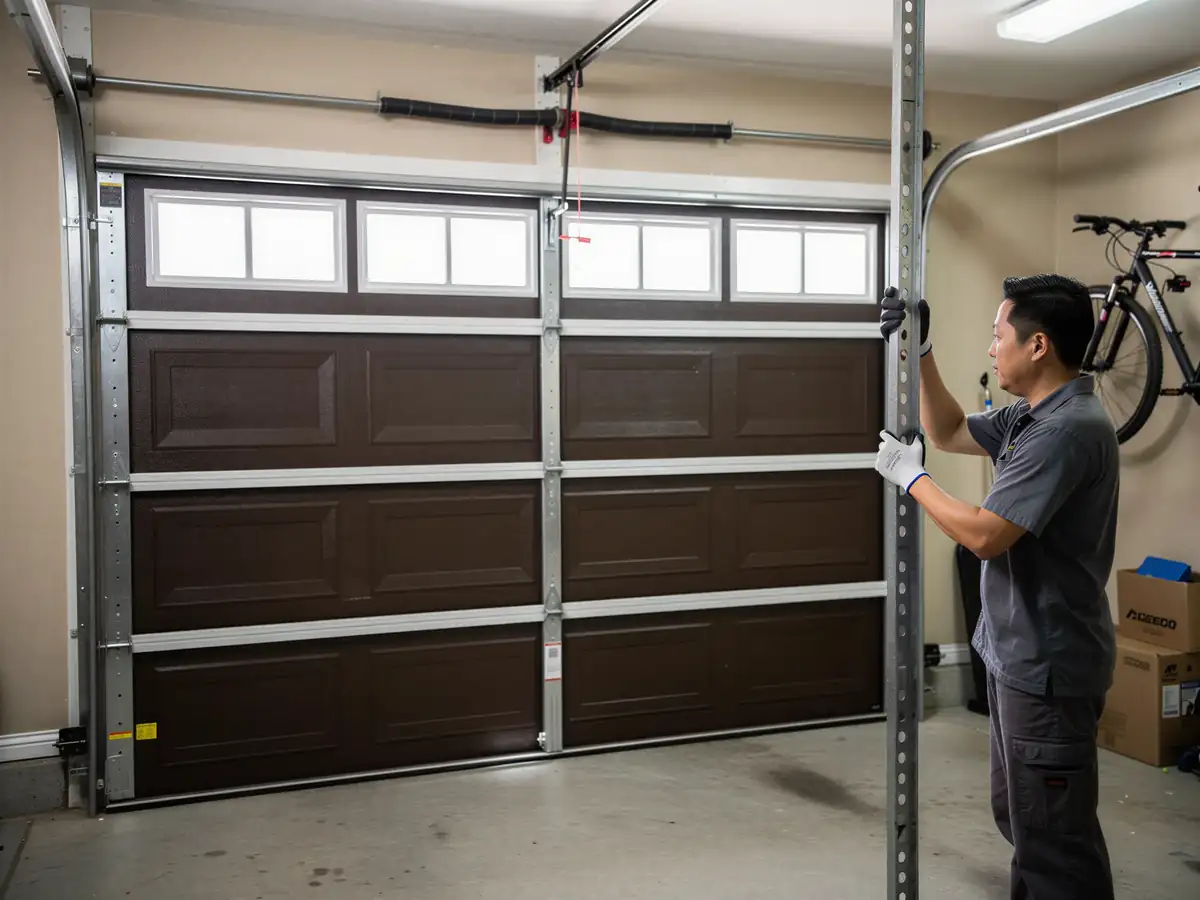
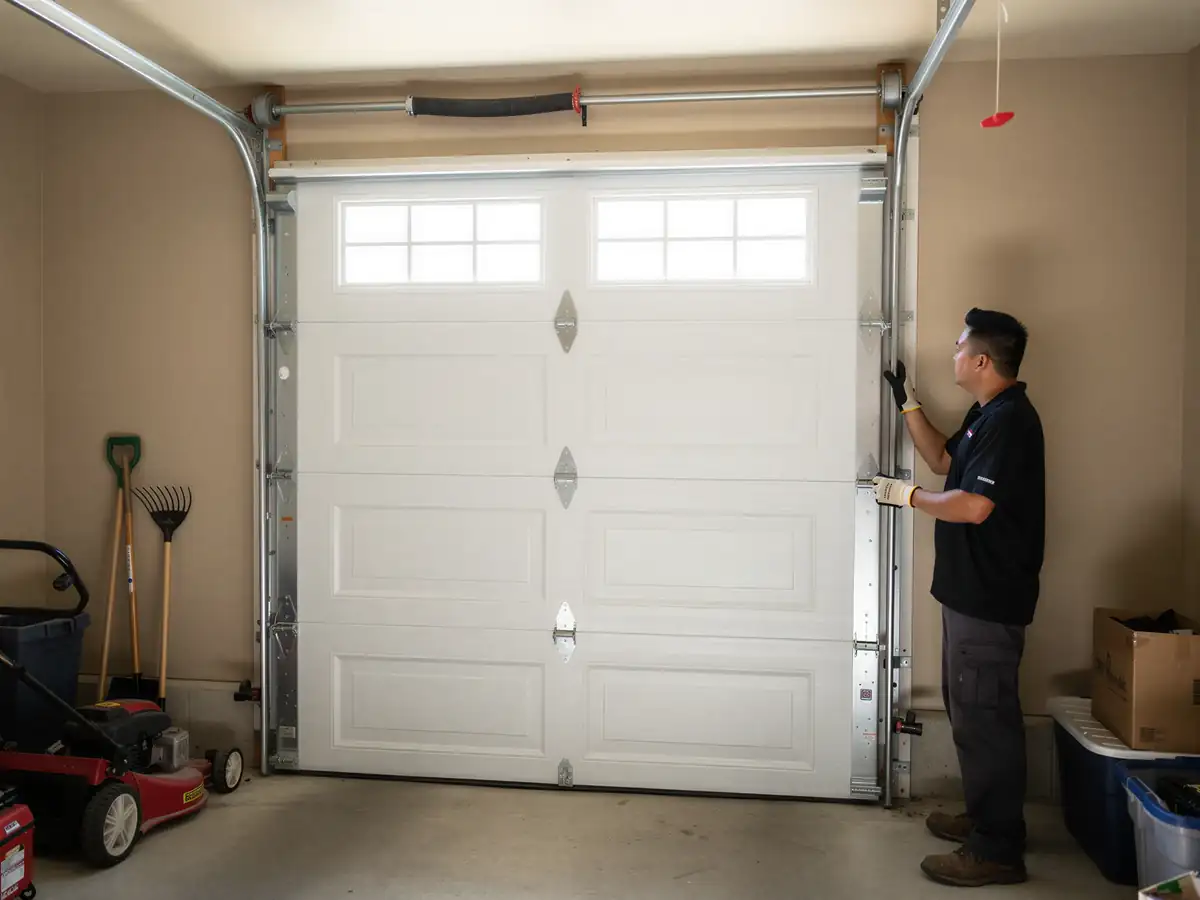
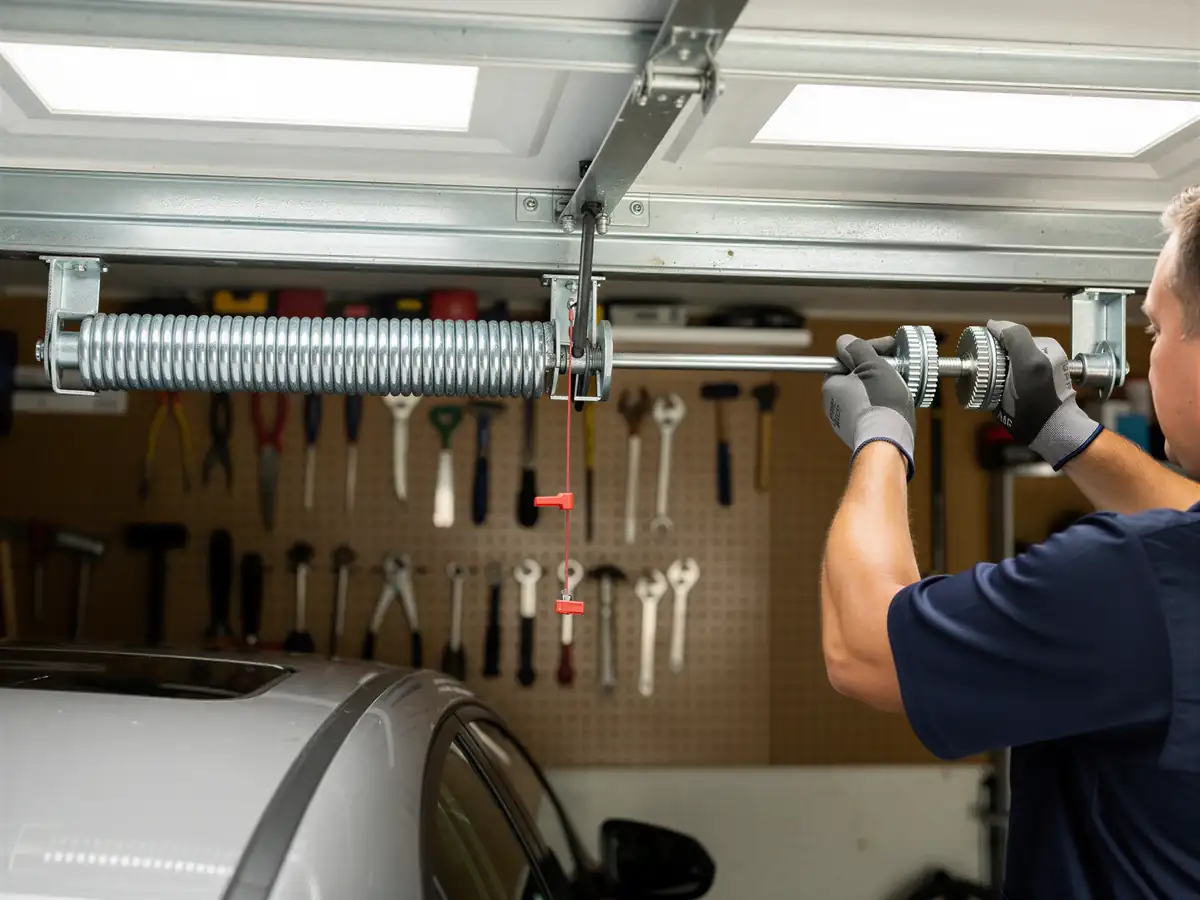
We measure the spring that's actually on your door - wire size, coil diameter, and length - rather than assuming it matches a newer stock part, because 1973-era torsion setups in this area often don't. If the door is original to a house from that build year, we're frequently dealing with a single center-mounted spring rather than the two-spring setups that became standard on later doors, and that changes both the fix and the cost.
We replace the spring, check the cable drums and bottom brackets while the door's unloaded, and run the door through a full cycle before we leave. If the opener has been straining against a bad spring for months, we check the travel limits and force settings too - a motor that's been fighting a dead spring wears out faster than one that hasn't.
One honest limit: if the spring size on an older door is no longer made, we don't force a near-match onto the shaft. We source the correct spring or we tell you the door's reached the point where replacement makes more sense than another repair.
Where This Job Goes Sideways
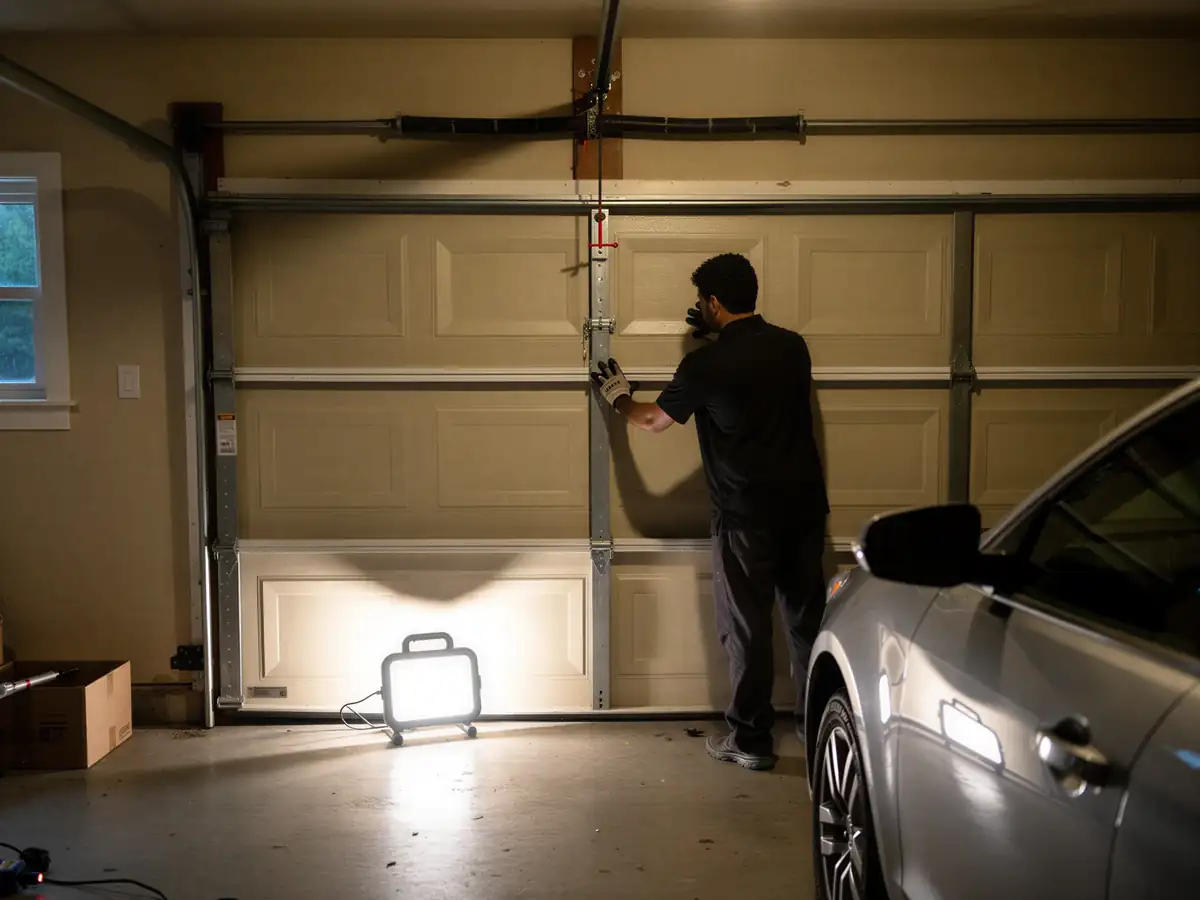
The job gets harder, not easier, on a door with original 1970s-era hardware that's never been touched. Drums seize to the shaft, end bearings rust solid from years of humid air moving through an island garage, and sometimes the track itself has shifted out of square from decades of a heavy door swinging on one worn hinge. None of that shows up until the spring's off and the door's sitting on bare cables.
Another spot where things go wrong: homeowners who've had a cable jump the drum assume it's a spring problem and call for a spring repair, when it's actually a worn cable or a bent drum that needs its own fix. We'll tell you straight if what's broken isn't what you thought was broken, rather than selling a spring job onto a door that needs something else.
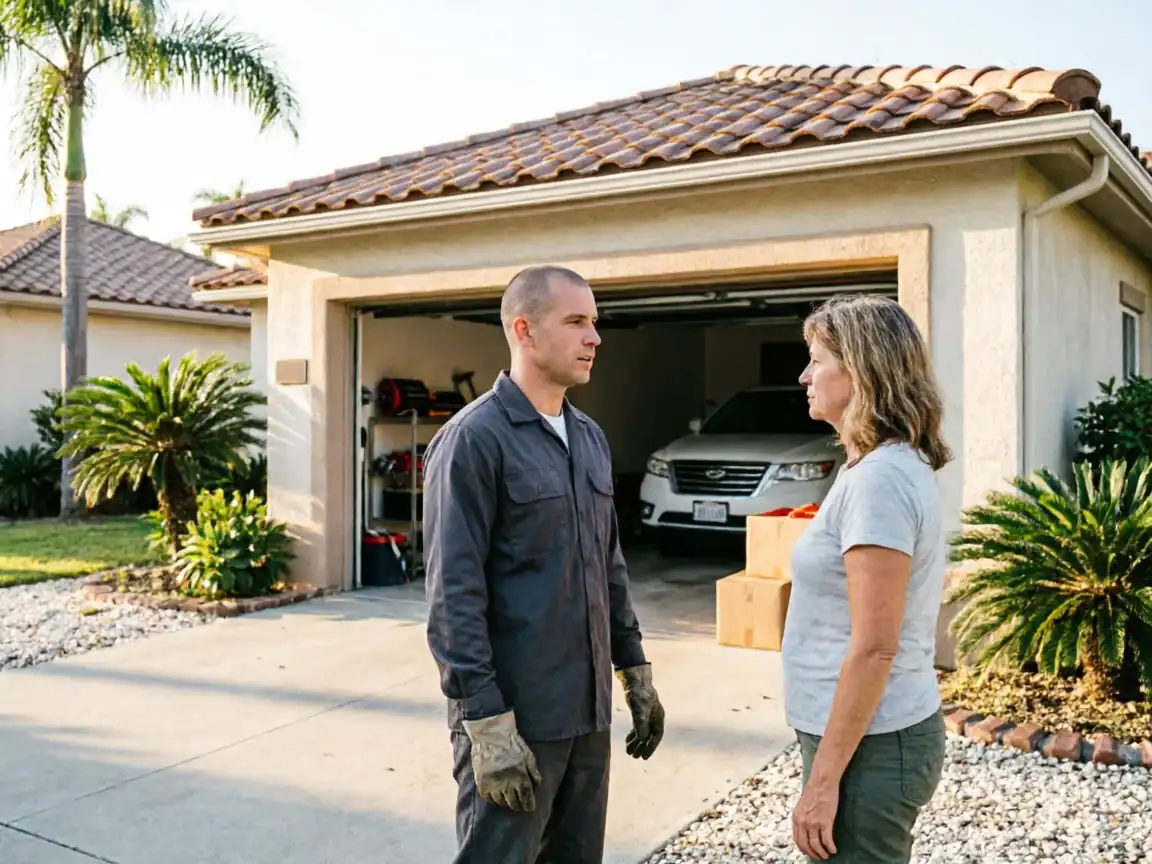
We travel to Treasure Island from St. Petersburg, about 8 miles out, so we're not a walk-up shop on the island itself - plan the visit as a scheduled call, not a drop-in.
Booking a Visit
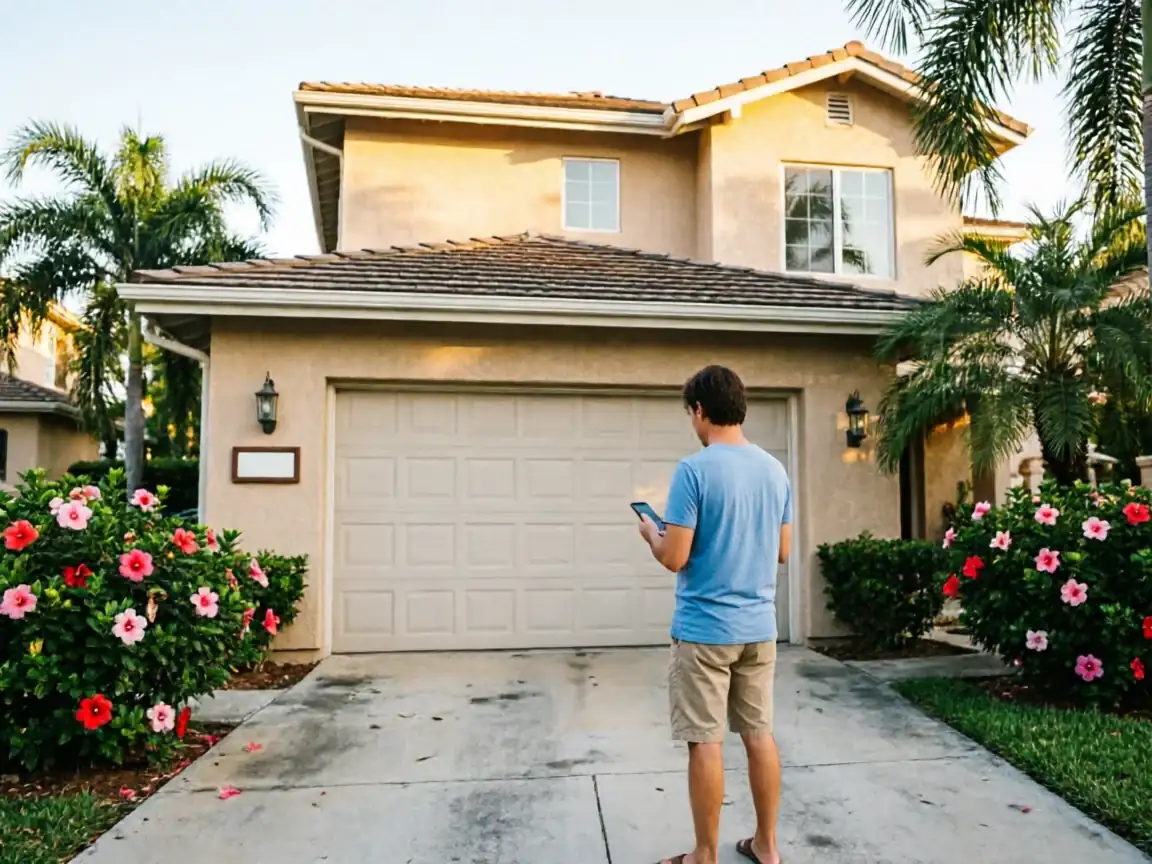
Tell us the door's age if you know it
Or the house's build year if you don't - on an island where the housing stock centers on 1973, that single number tells us a lot about which spring and bracket style to bring on the truck before we ever see the door. If the opener's been struggling or the door's come off track, mention that too.
We're coming from St. Petersburg each time
So there's no local branch on Treasure Island to swing by. A scheduled visit means the right spring size is already loaded rather than guessed at on site, which saves a second trip. For the rest of what we handle on these doors, our Treasure Island garage door repair page covers more than spring work alone.
Doing It Yourself
Don't take the spring off yourself. A wound torsion spring under tension can take a finger or worse, and on a 1973-era single-spring setup the stored force is concentrated on one coil rather than split across two - there's less margin for a slipped wrench than on a newer double-spring door.
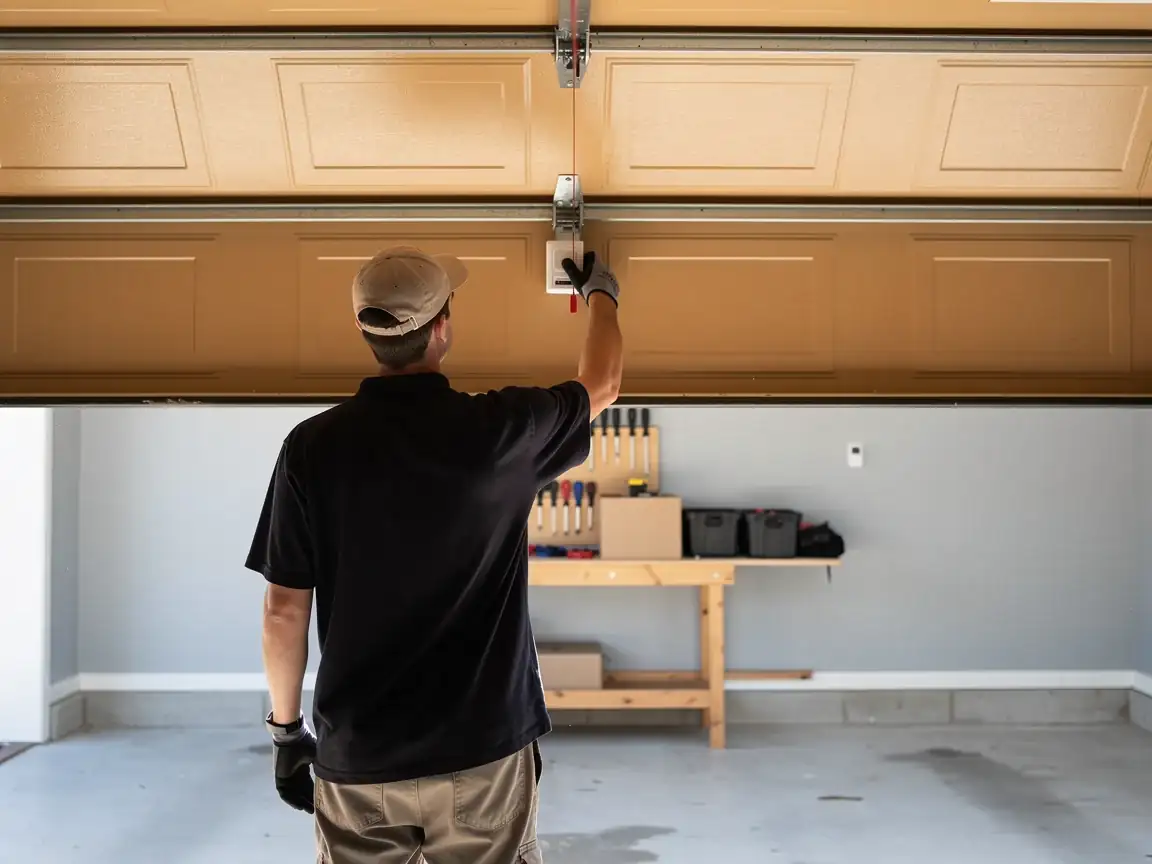
What you can safely check: whether the door is actually a spring problem at all. Pull the emergency release and try lifting the door by hand with the opener disconnected. If it's heavy or won't stay up on its own, that's a spring. If it moves freely but the opener still won't run it, the problem is probably electrical, not mechanical, and that's a different call entirely.
You can also look at the spring itself from underneath - if you see a visible gap in the coil, it's broken, and the door shouldn't be opened by motor until it's replaced. If you're comparing this to spring work elsewhere in the service area, our spring repair page for St. Petersburg covers the broader picture for newer construction closer to the city center.