How It Shows Up
Treasure Island sits eight miles from our St. Petersburg base
Which changes how a maintenance call here actually gets scheduled. We don't run a standing route out to the island for tune-ups alone, so most maintenance visits get paired with a repair call or grouped with another job on that side of the bay the same day.
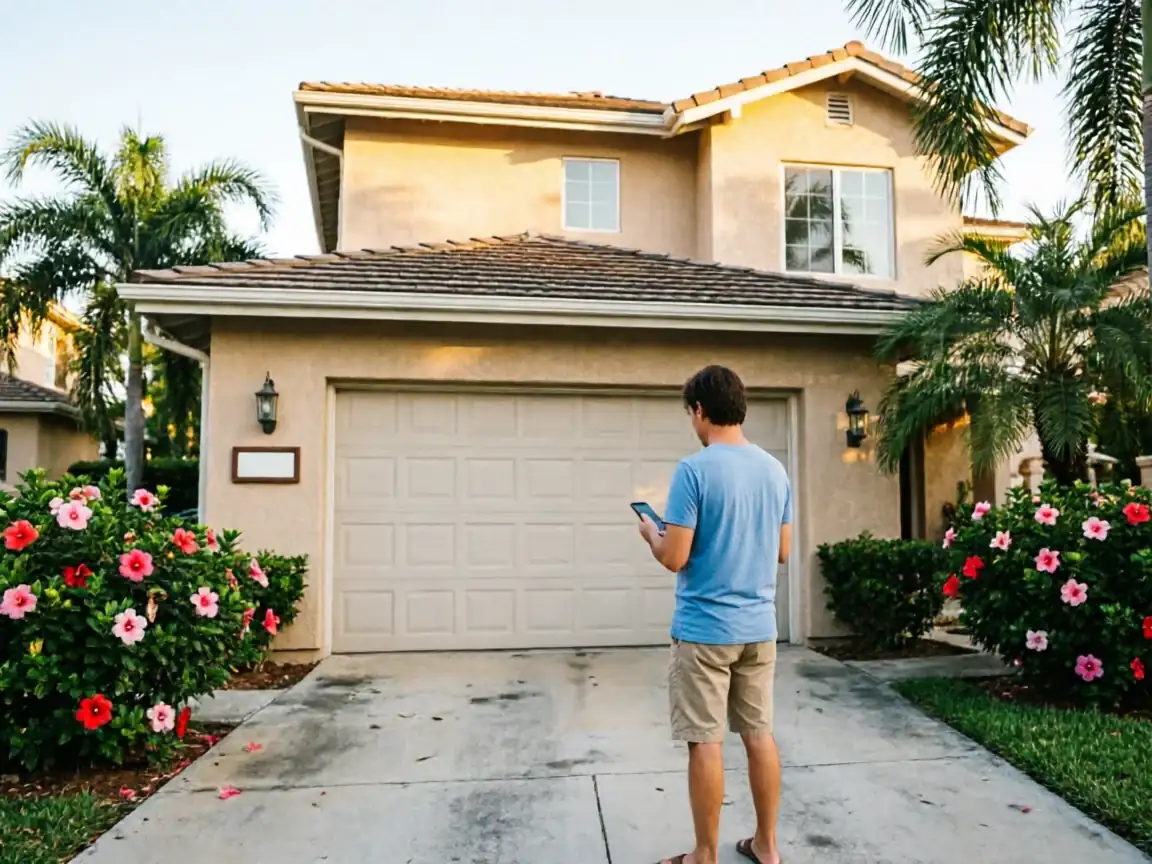
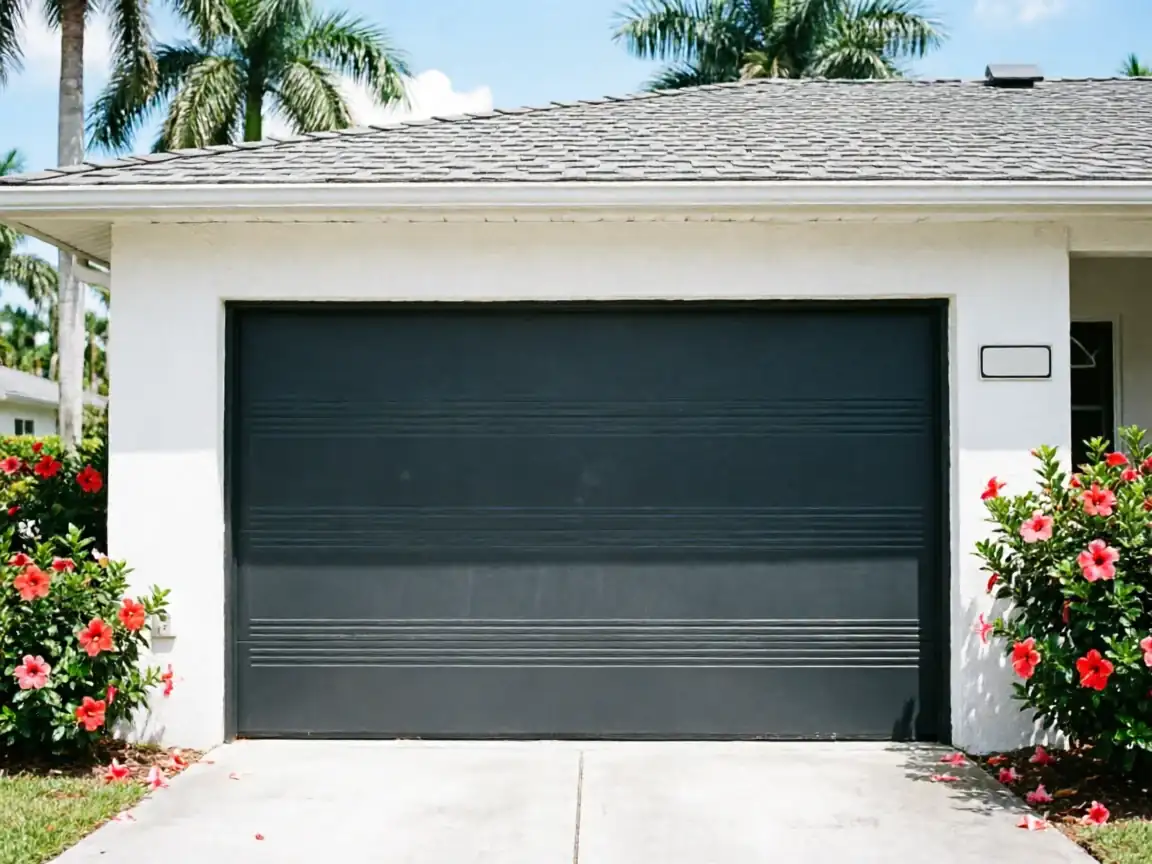
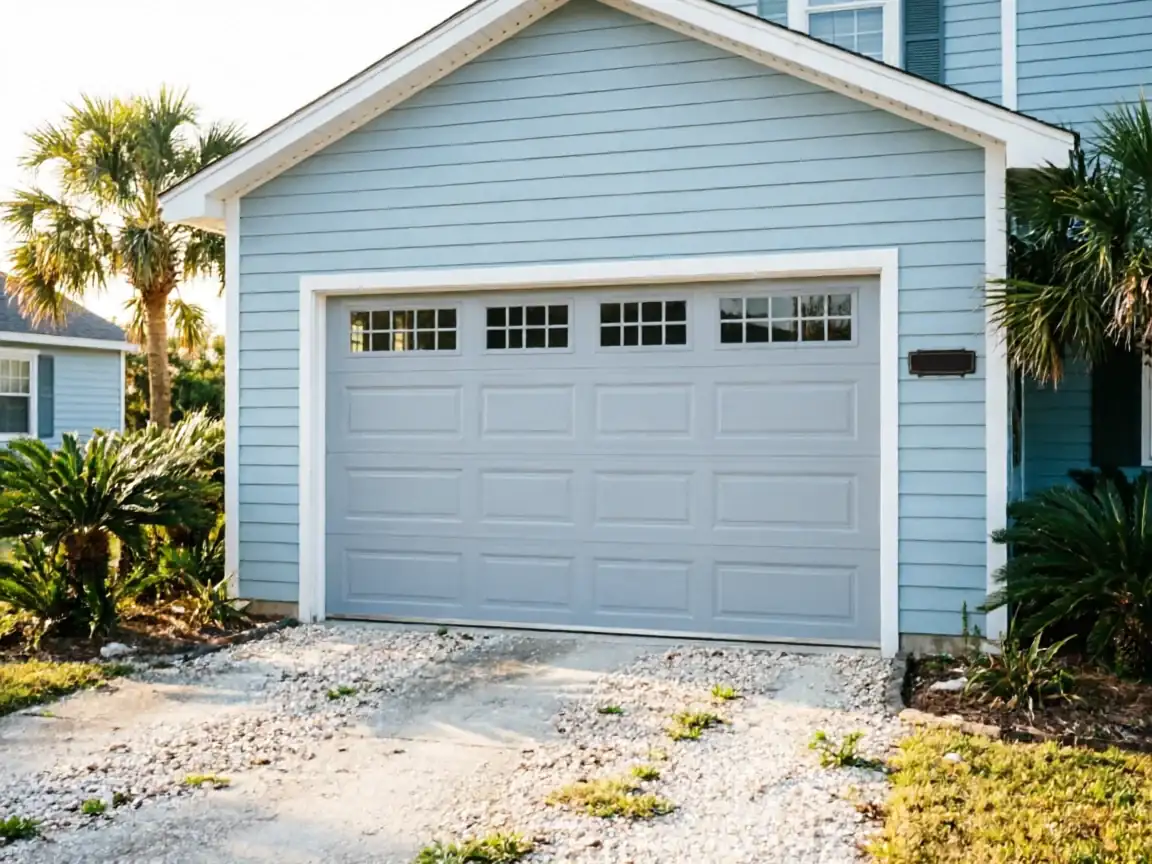
The houses themselves tell you what to expect once we're inside the garage
The typical home here went up around 1973, a decade or so newer than a lot of the stock back toward the city, which puts original springs, rollers, and openers right at the age where they start failing quietly instead of all at once. A spring that's held for fifty years doesn't always snap - sometimes it just goes soft, and the door starts riding heavy on one side weeks before anyone calls about it.
With 3,776 households on the island, it's a tight market, and most of what we see is the same generation of hardware showing the same wear pattern
Dry rollers, a chain drive that's lost tension, a photo-eye sensor knocked out of alignment. None of it is dramatic. It's just overdue.
- 3,776 households
How We Fix It
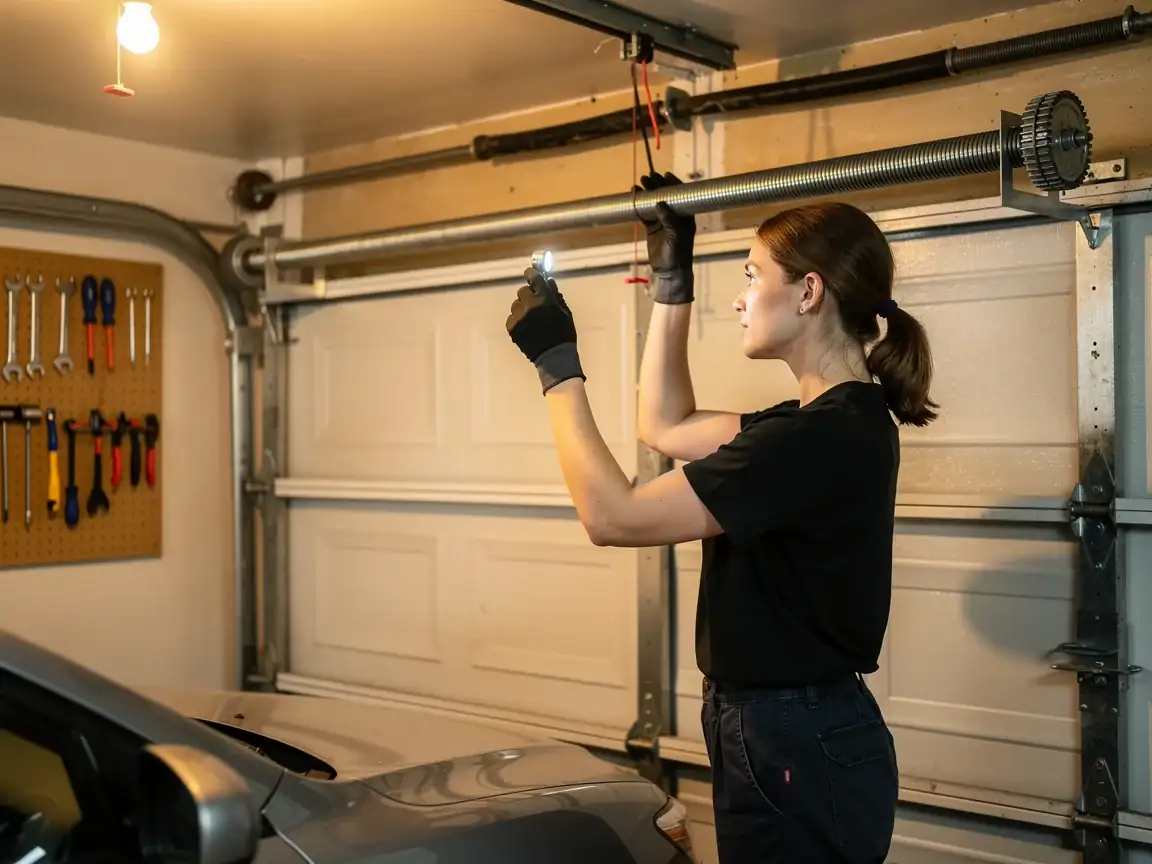
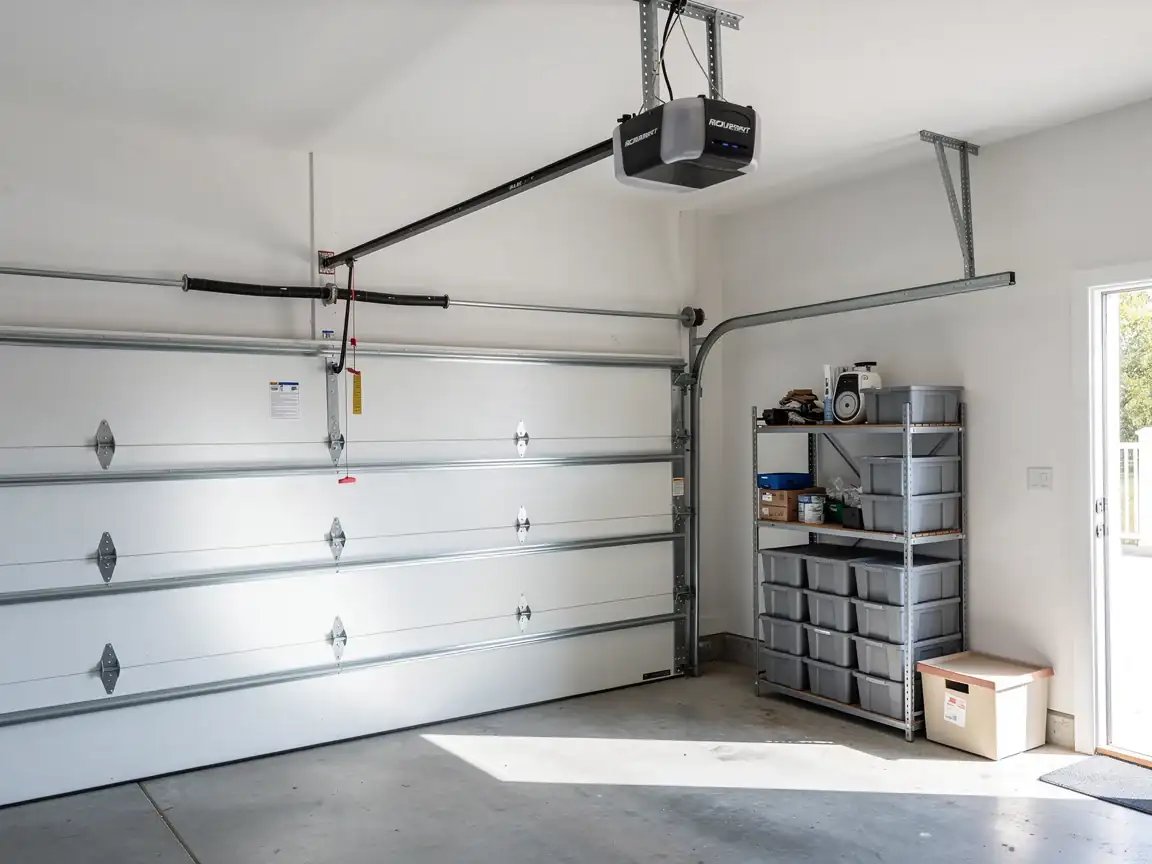
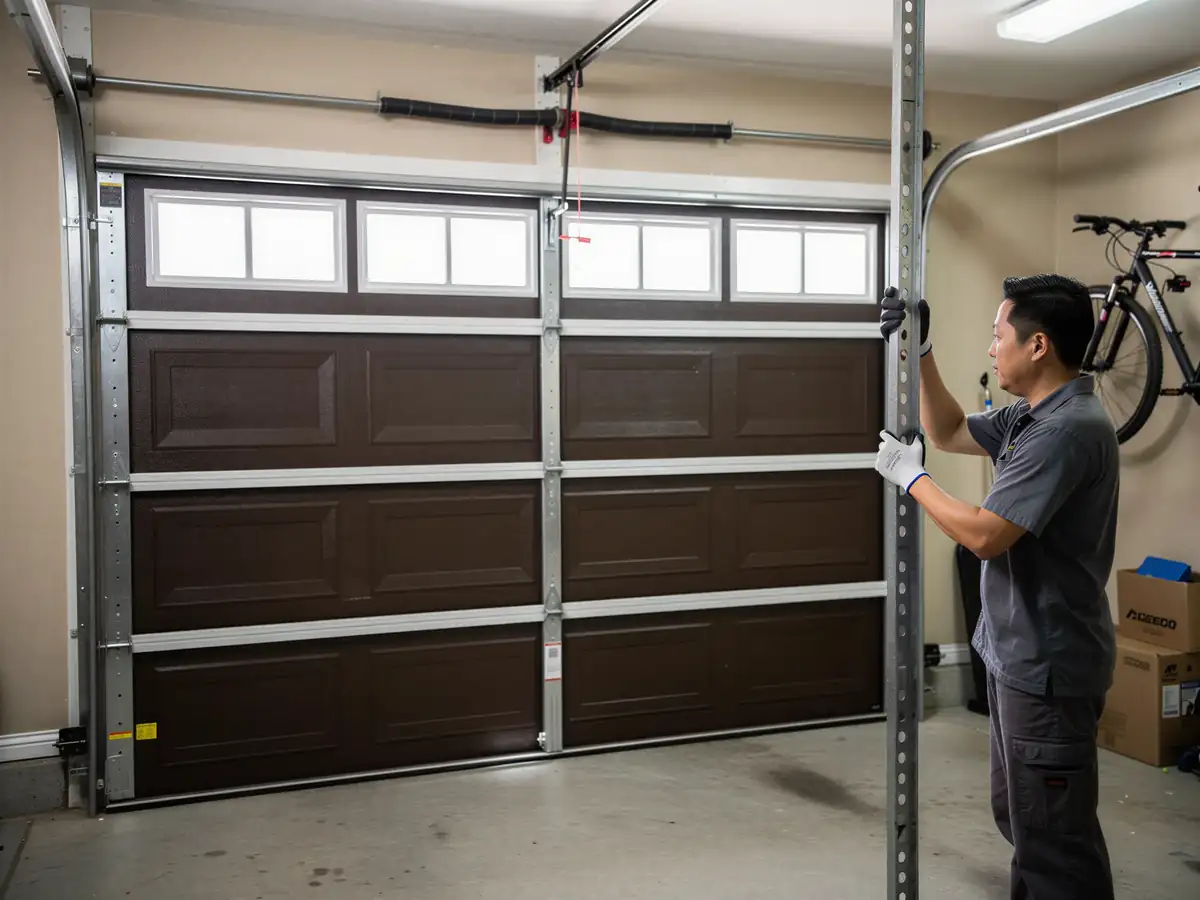
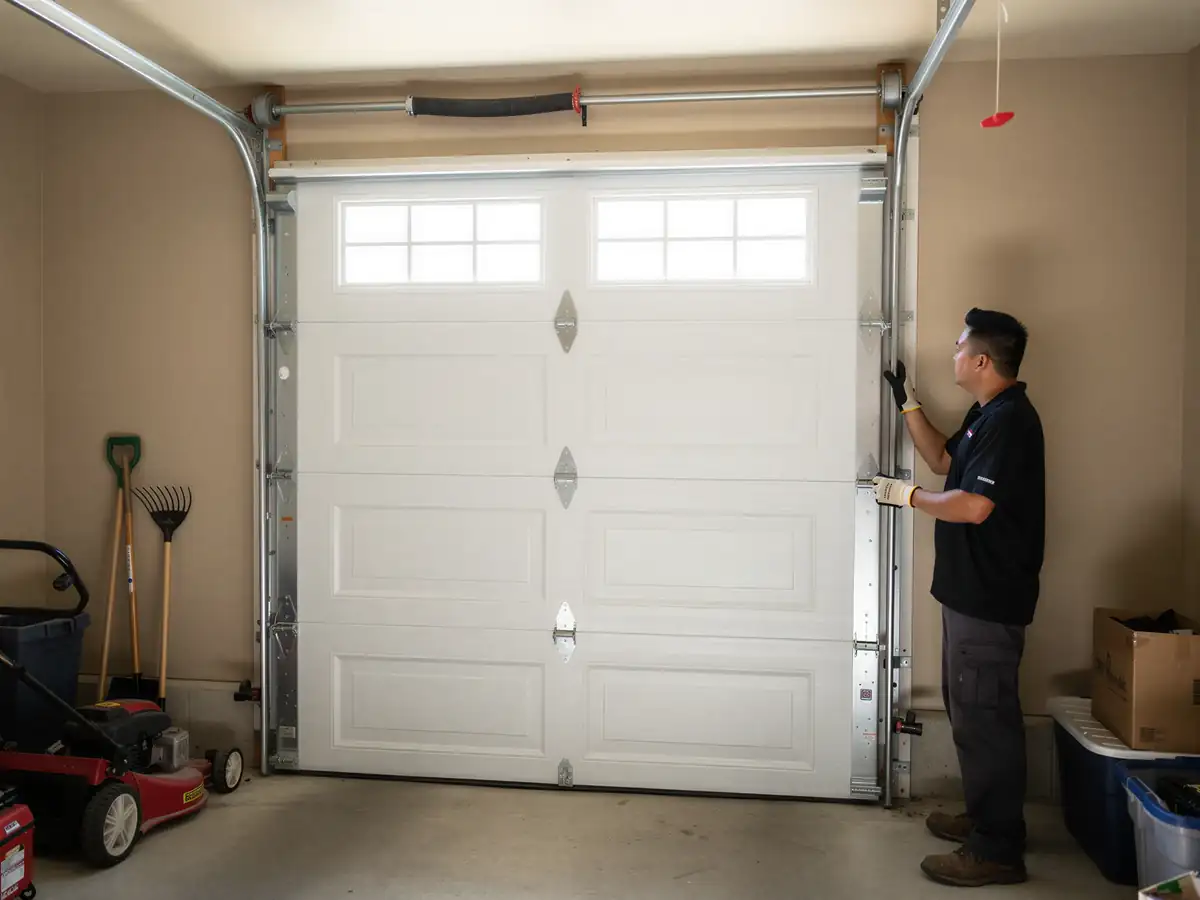
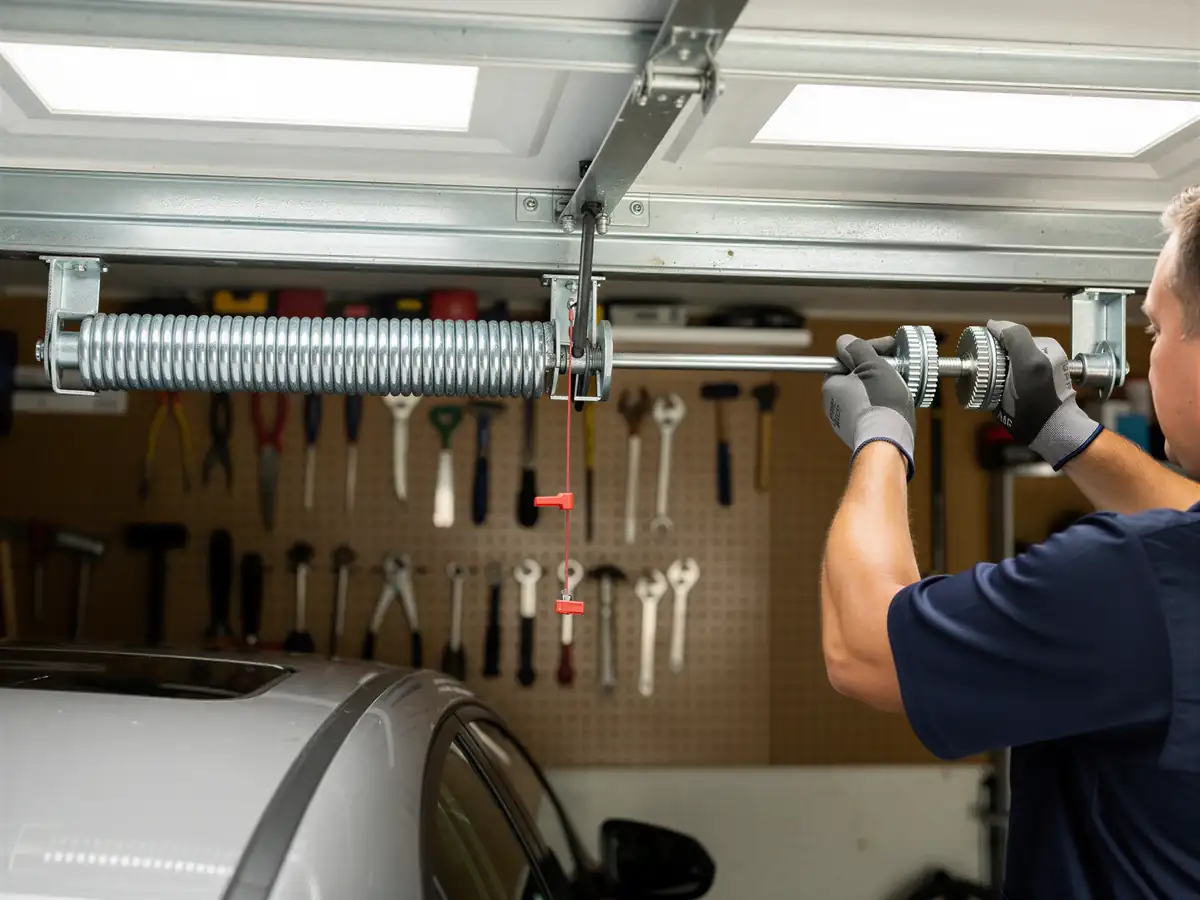
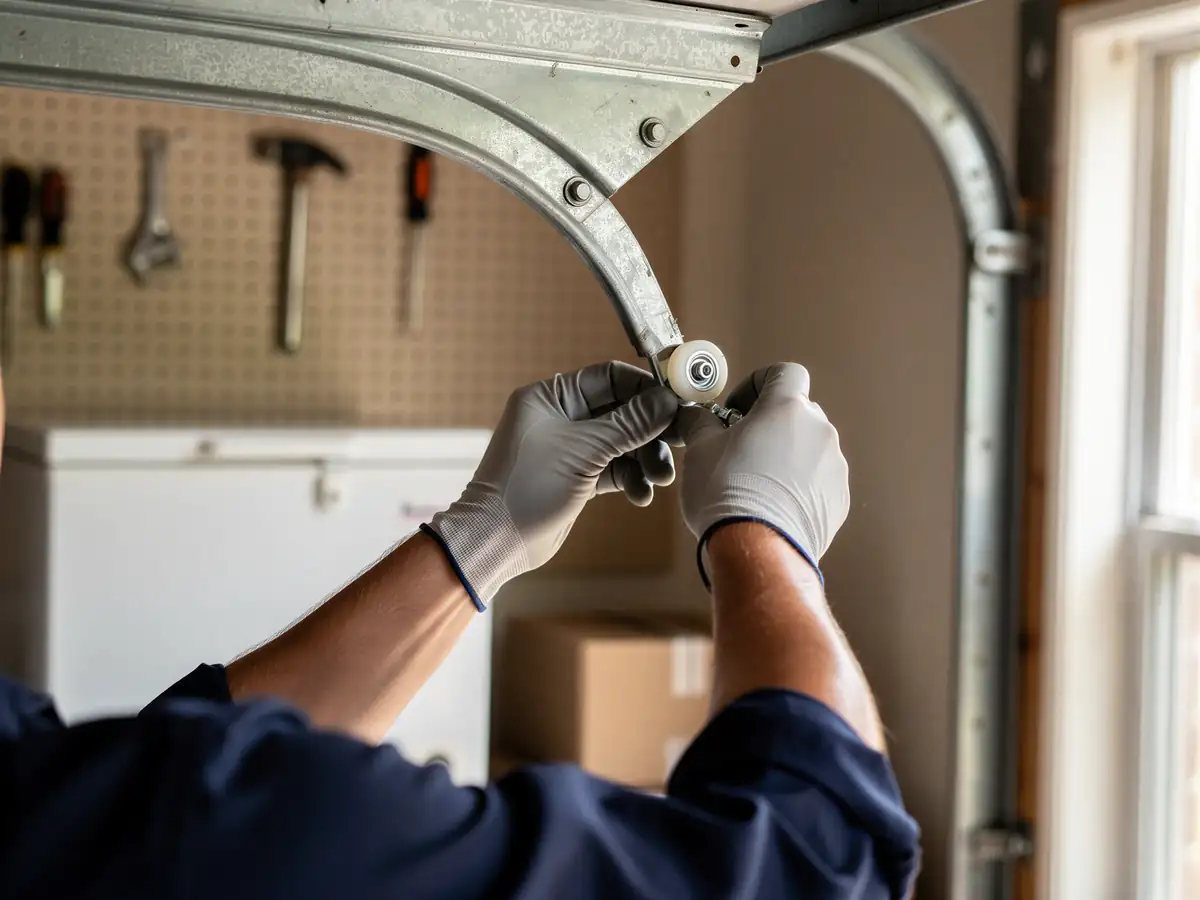
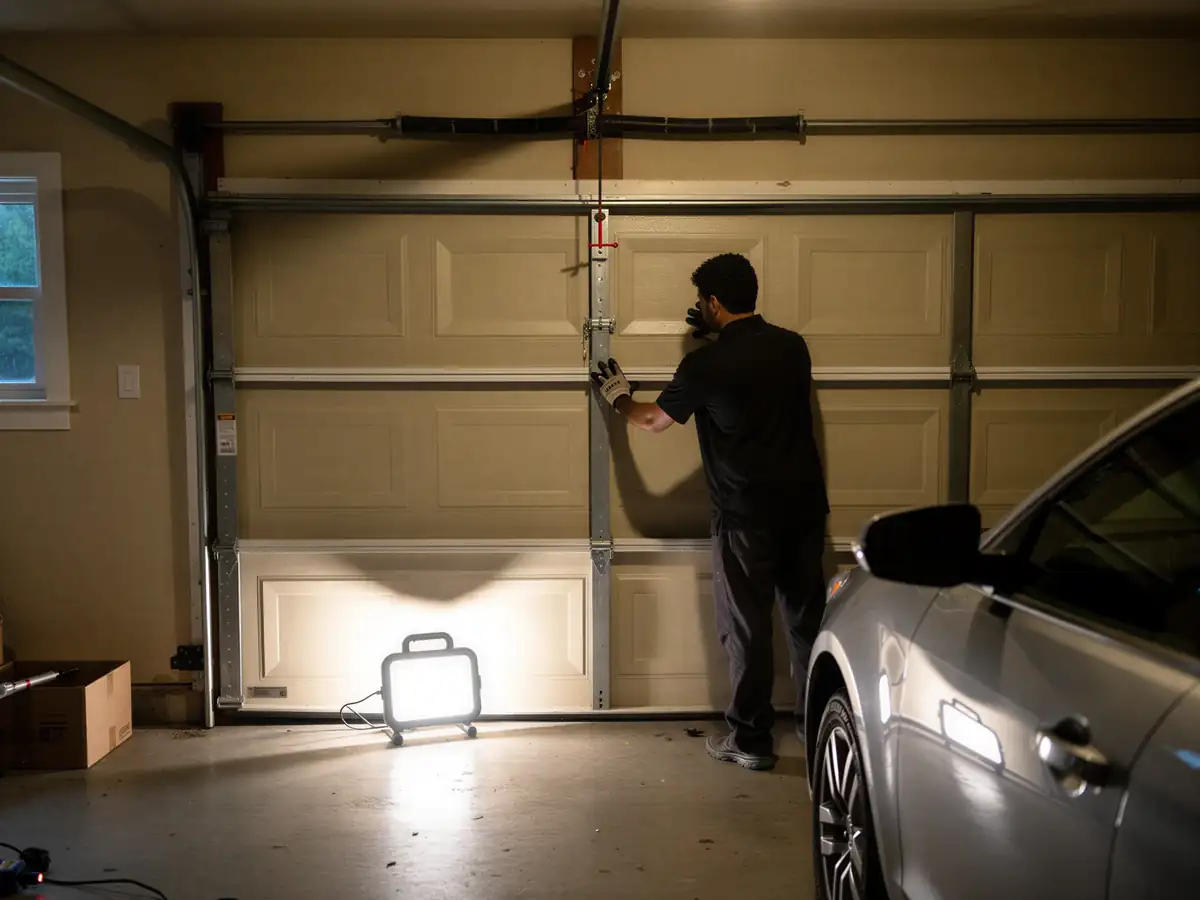
Maintenance on a door this age starts with the spring. We check torsion tension and look for rust pitting or uneven coil gaps rather than waiting for a cable to snap. Rollers get pulled and inspected - plastic rollers from a 1970s-era install are usually cracked by now, and we'll say so rather than just greasing them and moving on.
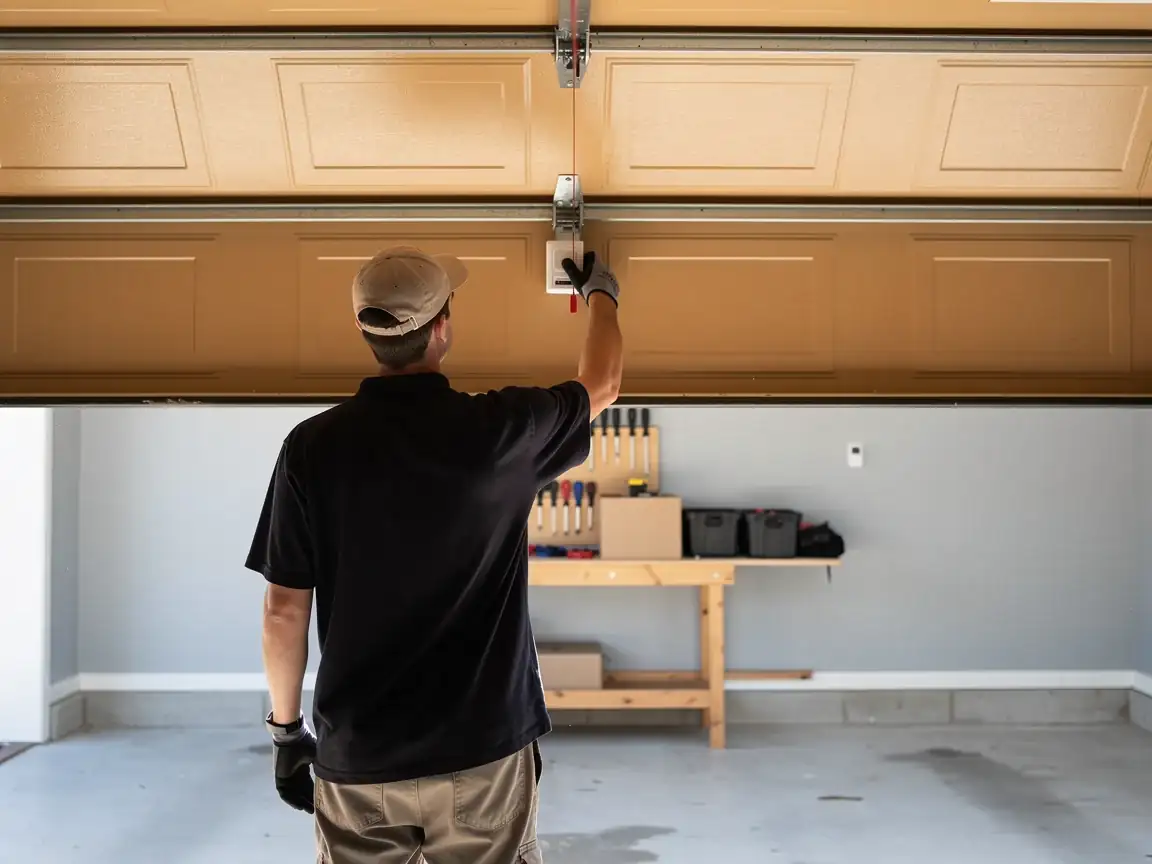
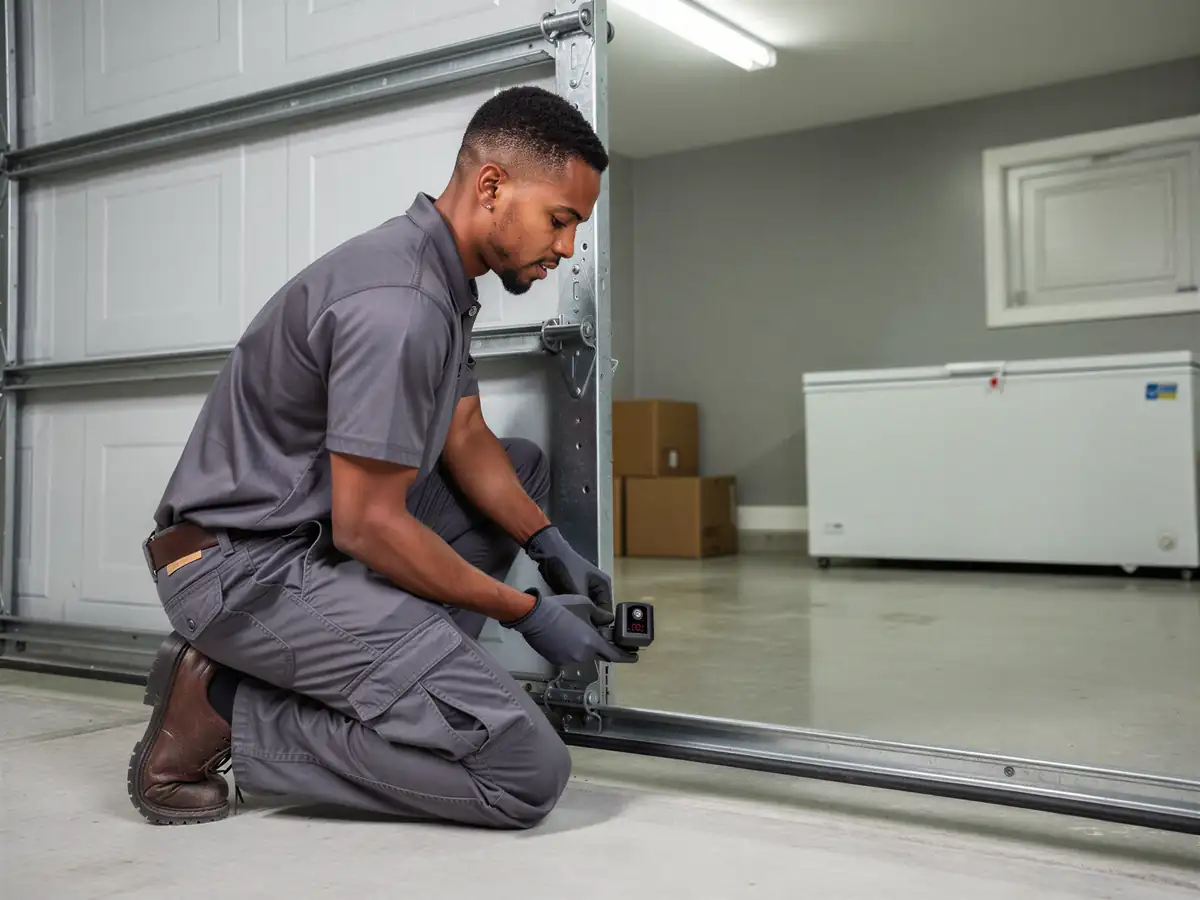
We test the opener's force settings and the auto-reverse safety feature, since a lot of these units were installed before that feature mattered as much as it does under current code, and a worn limit switch can mask a door that's no longer reversing correctly on contact. Track alignment gets checked under load, not just by eye, because a track that's a quarter-inch off will wear a roller twice as fast.
The climate here is mild temperate year-round, which is easier on hardware than a freeze-thaw region, but steady humidity still breaks down lubricant faster than a dry inland garage. We use a lubricant rated for that and skip the cheap aerosol grease that gums up in a season.
We don't replace parts that aren't failing. If a spring still tests within range, we leave it and note it for next visit instead of selling a job that isn't there yet.
Where This Job Goes Sideways
The honest limitation: if a homeowner calls after the opener has been straining for months, maintenance isn't going to fix it. By that point the motor's often cooked, the gears are stripped, and what looked like a tune-up call turns into a replacement conversation on the spot. We'd rather tell you that before the visit than after.
The other place it goes sideways is hardware availability. Original 1970s-era track brackets and some spring sizes from that build era aren't something we carry on the truck as a matter of course, since current stock runs to newer standard sizes. If your door needs an exact legacy part, that can mean a short wait rather than a same-visit fix.
And because every maintenance trip out here travels with us from St. Petersburg, we're not going to pad a routine tune-up with extra work just to make the drive worth it. If the door's fine, we'll tell you it's fine and we'll be done in the time it takes to check it.
Booking a Visit
Because the trip out to the island runs about eight miles each way
We schedule maintenance visits alongside repair calls in the area when we can, which keeps the cost of the drive out of your bill. If you've got a door that's just due for a check rather than actively broken, mention that when you call - we'll fit it to a day we're already out that way.
Median household income on the island runs $82,340, a bit above the $79,798 median across the wider service area
And that's worth mentioning only because it tends to track with homeowners who maintain on schedule rather than waiting for a failure. If that's you, a once-a-year check is usually enough for a door this age.
For an active problem
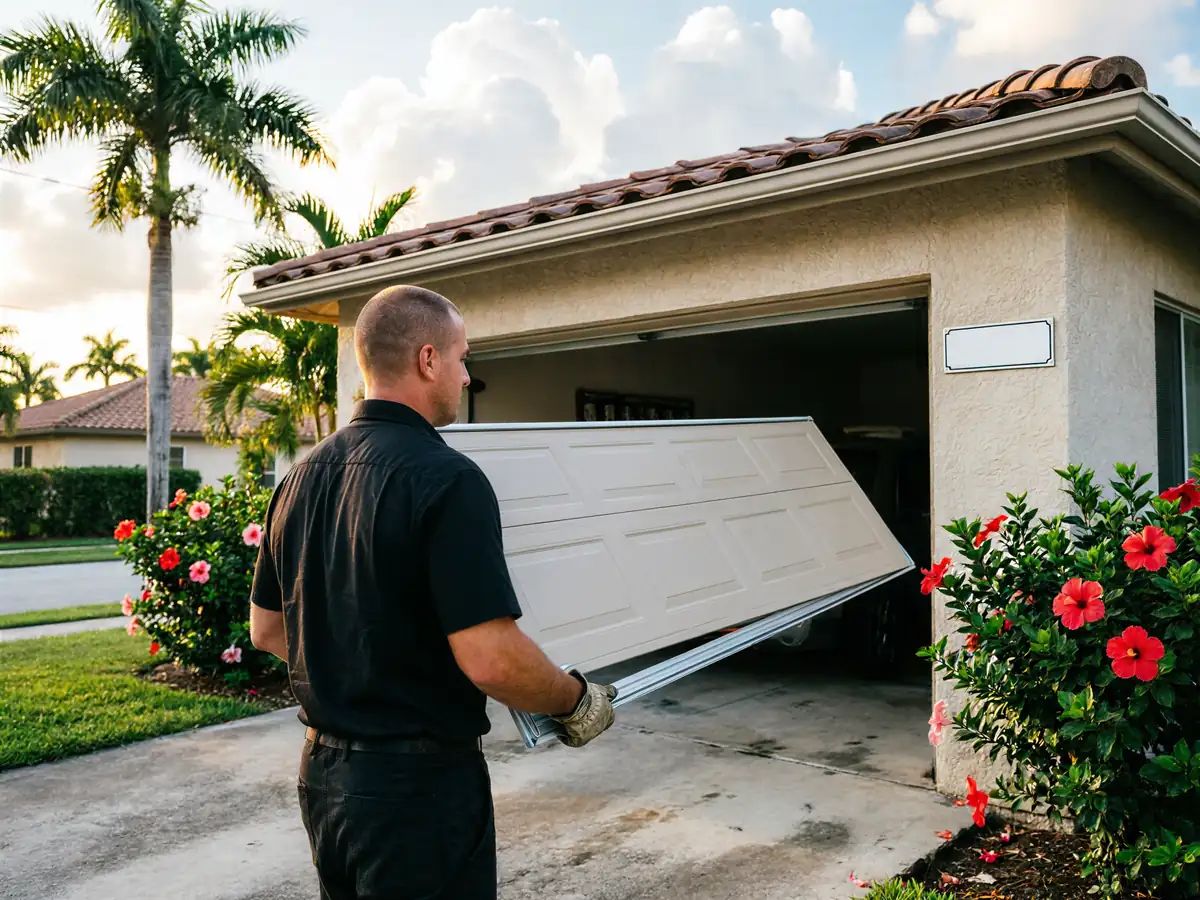
A door that's off track, a spring that's already gone, an opener that's grinding - that's a repair call, not a maintenance visit, and we handle those separately.
Doing It Yourself
There's a fair amount you can do between visits. Wipe the tracks down and check for anything that's bent or pulled away from the wall. Listen for the door - a grinding or popping sound on the way up usually means a roller or a hinge, and it's worth noting which part of the cycle it happens on before you call.
Don't touch the torsion spring. On a door this old, the coil tension can be unpredictable even when it looks fine, and that's not a DIY repair under any circumstance - leave it to us.
You can test the auto-reverse safety yourself: lay a 2x4 flat on the floor under the door and close it. The door should reverse on contact. If it doesn't, stop using the opener until that's fixed, since it's a safety feature, not a convenience one.
Beyond that, keep the weatherstripping clean and check the photo-eye sensors aren't knocked out of alignment by a stored bike or a box leaning against the track. Small stuff, but it's most of what keeps a fifty-year-old door running another year without a call.