How We Fix It
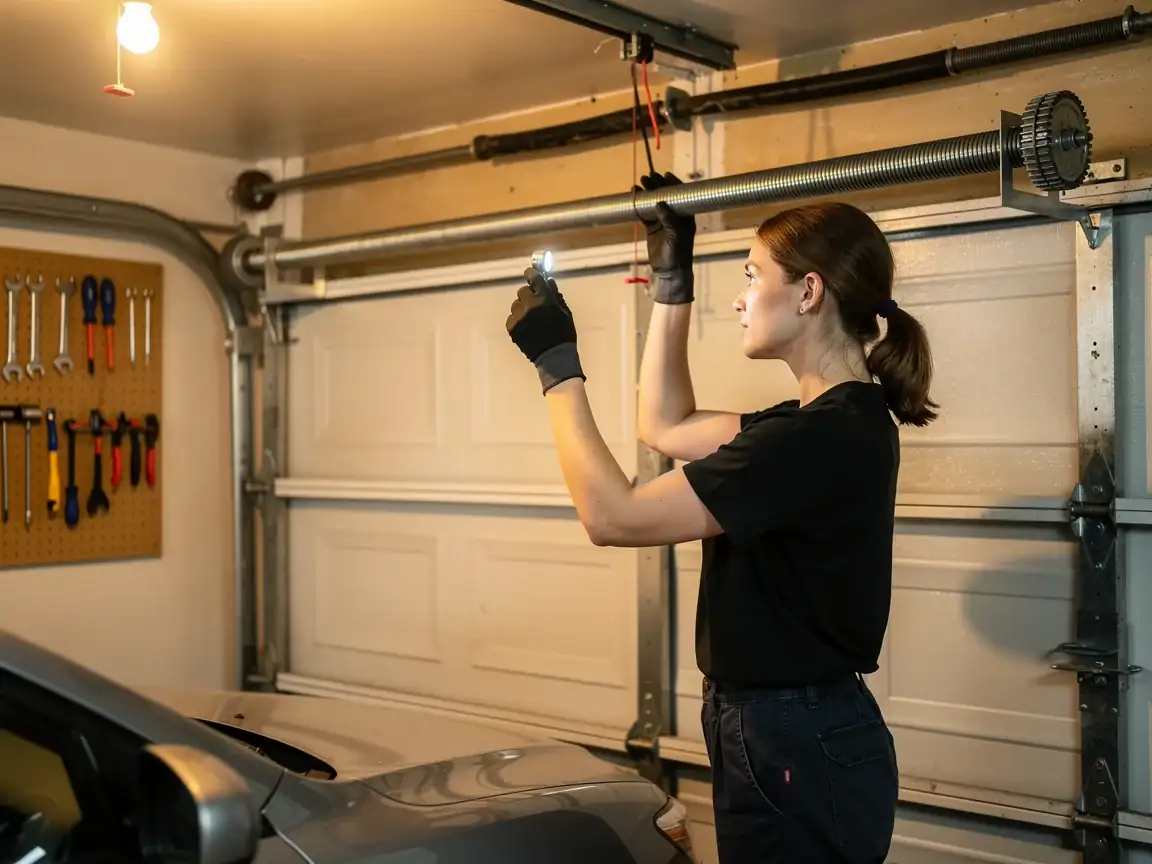
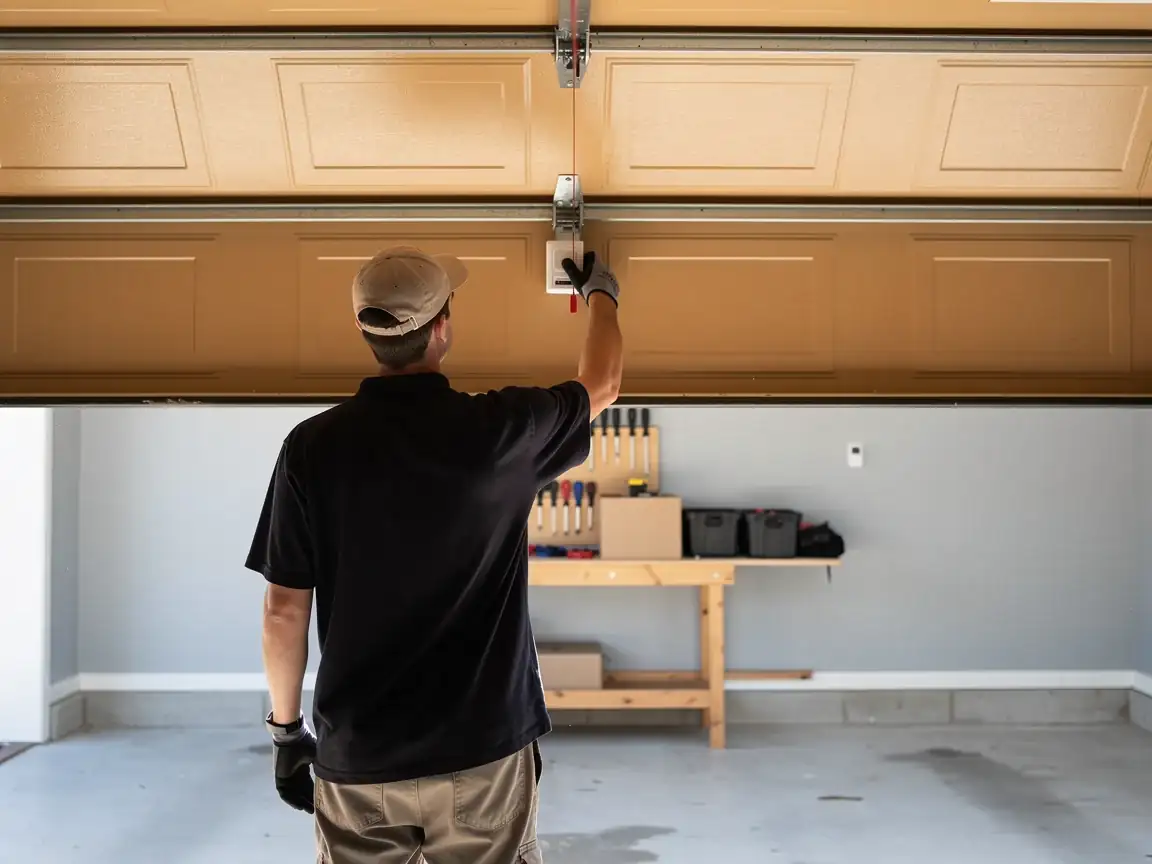
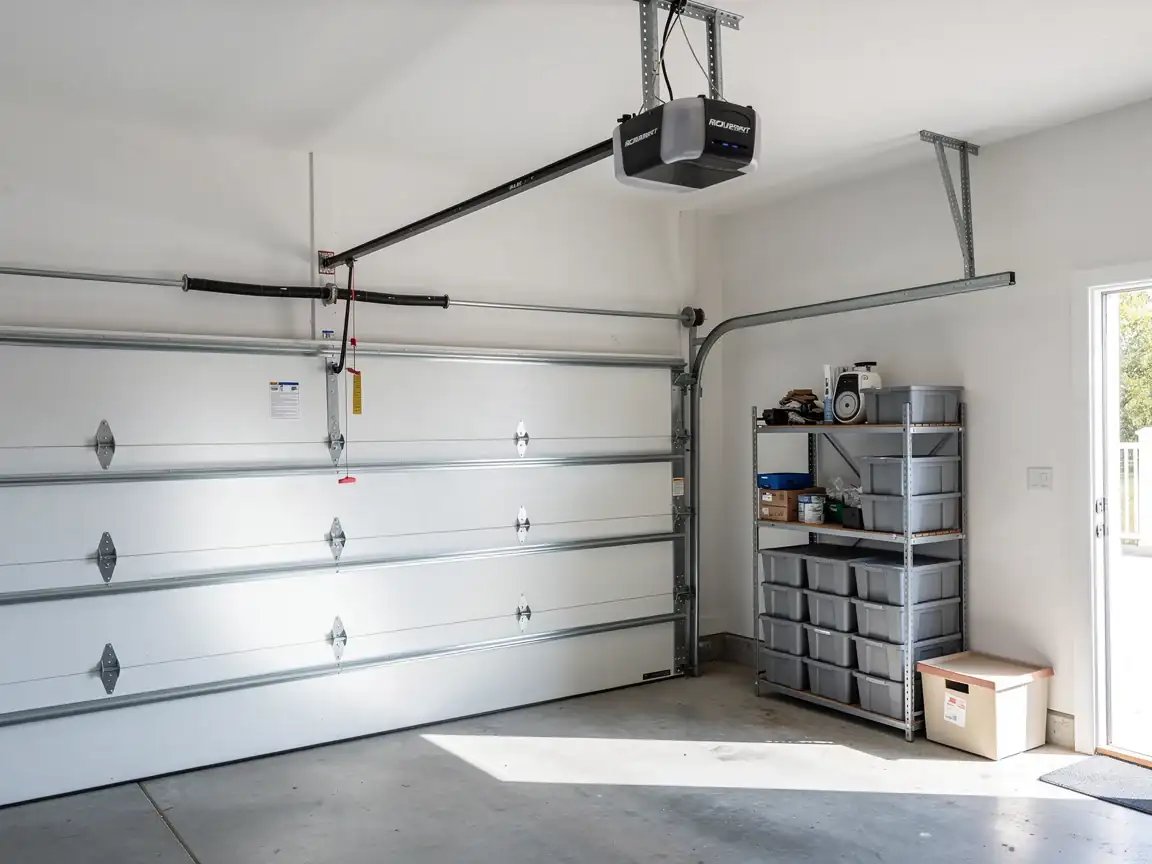
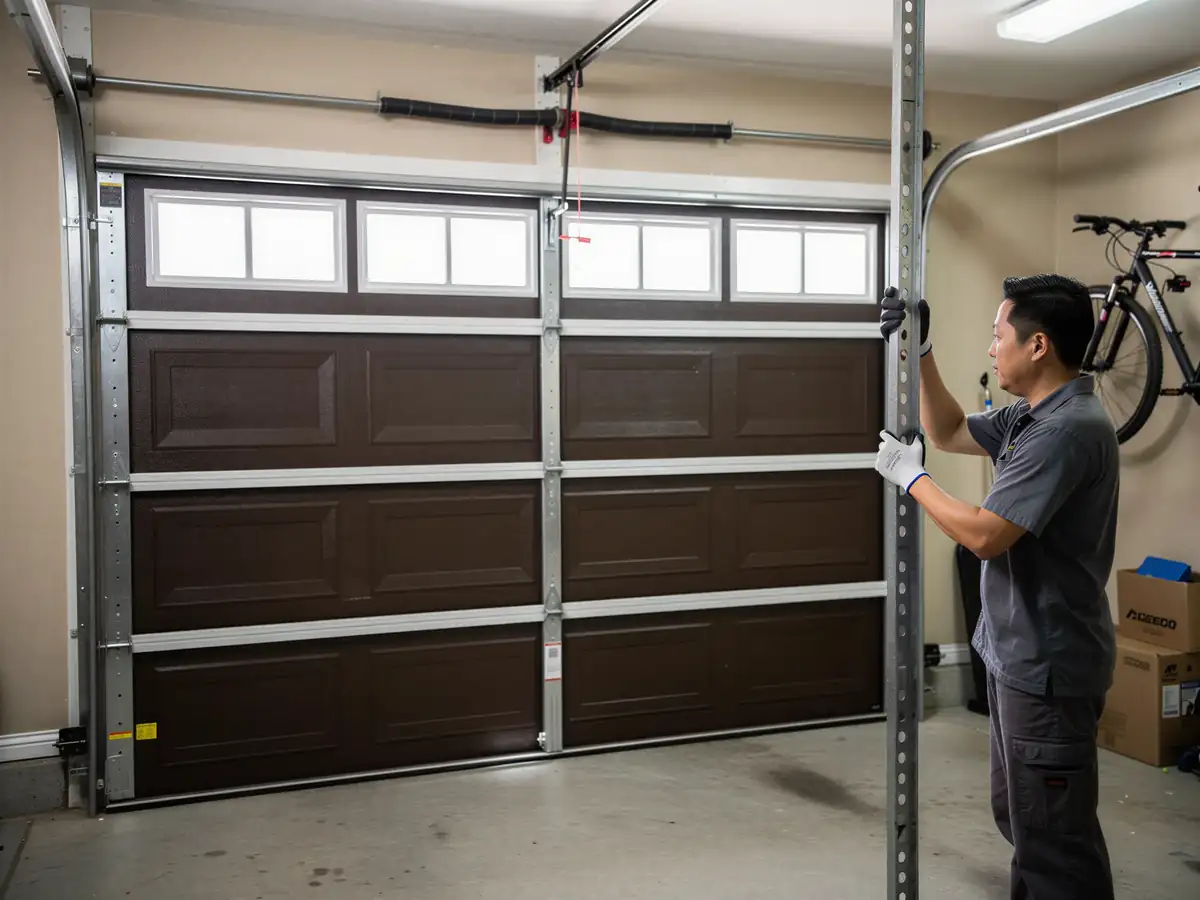
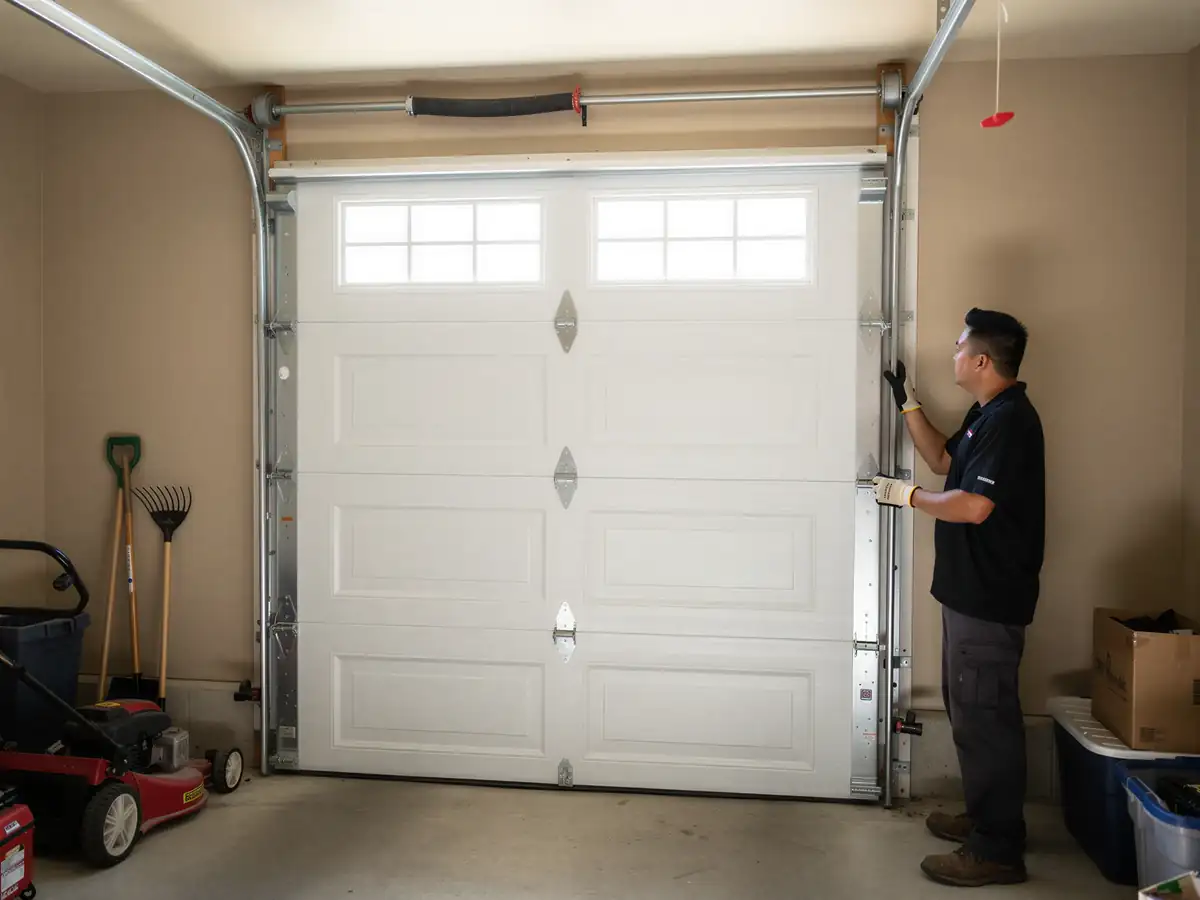
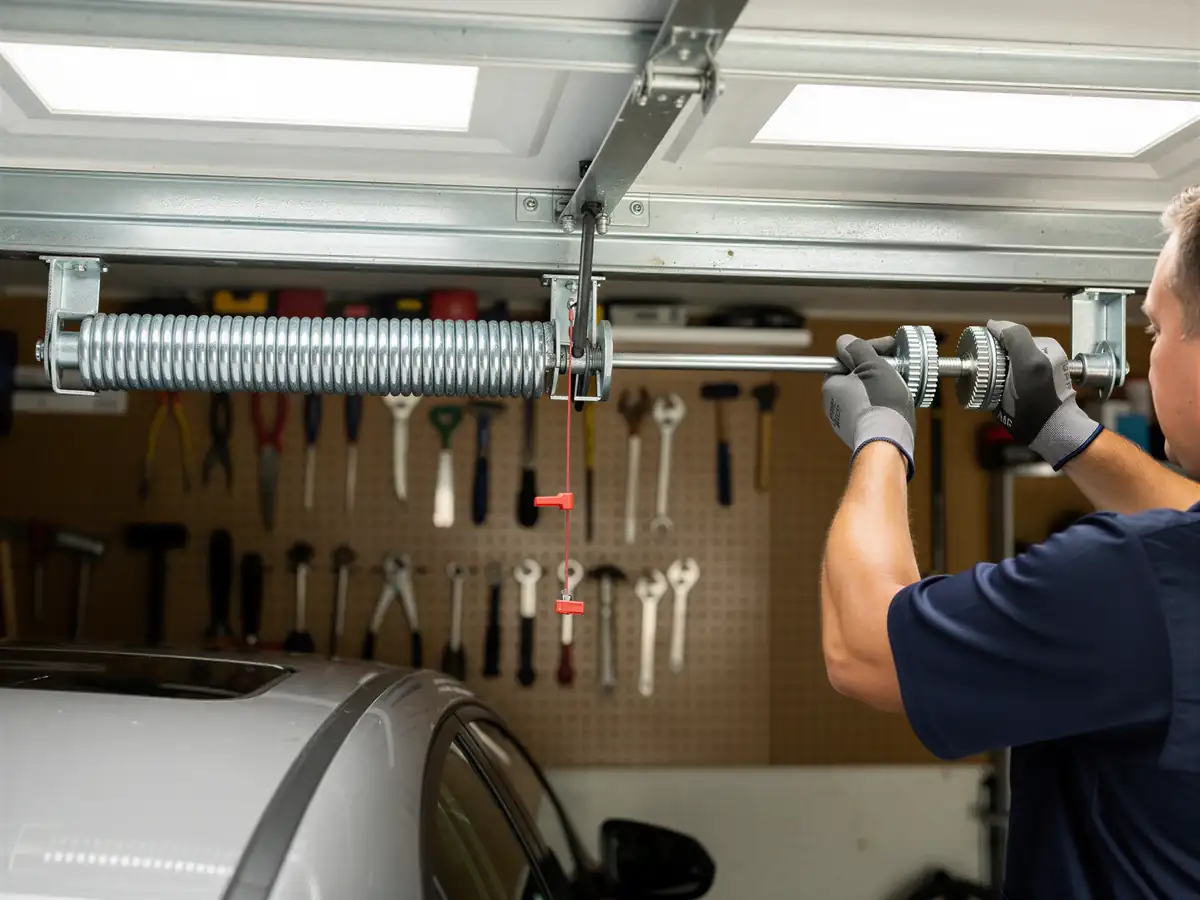
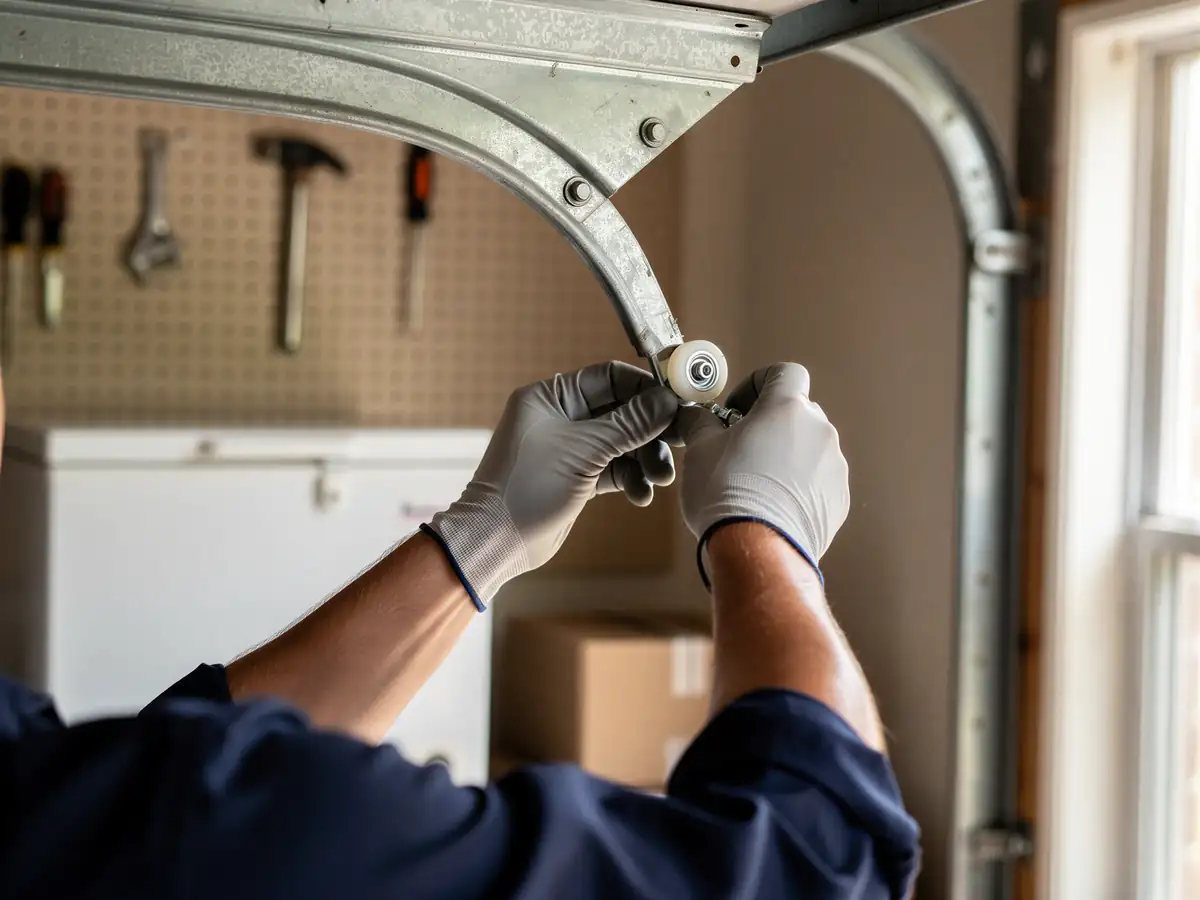
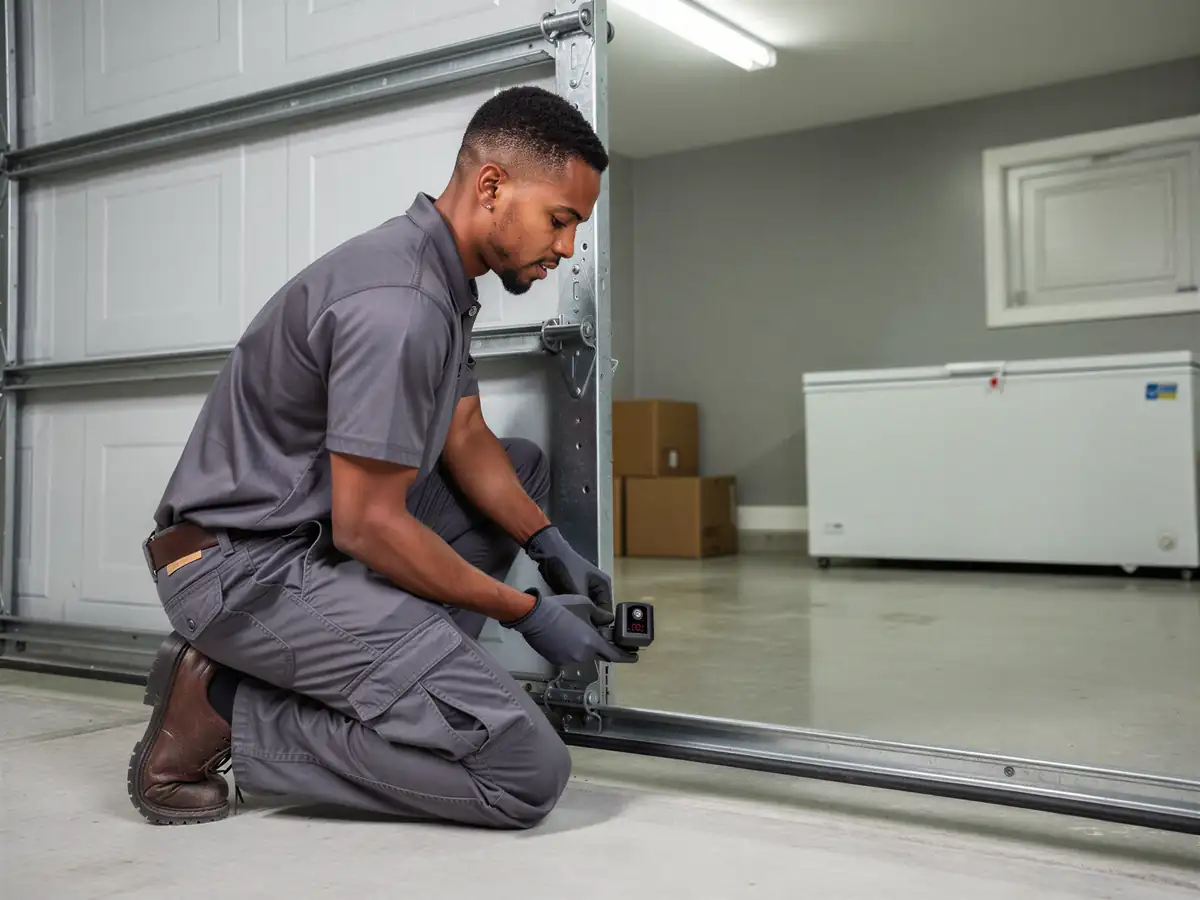
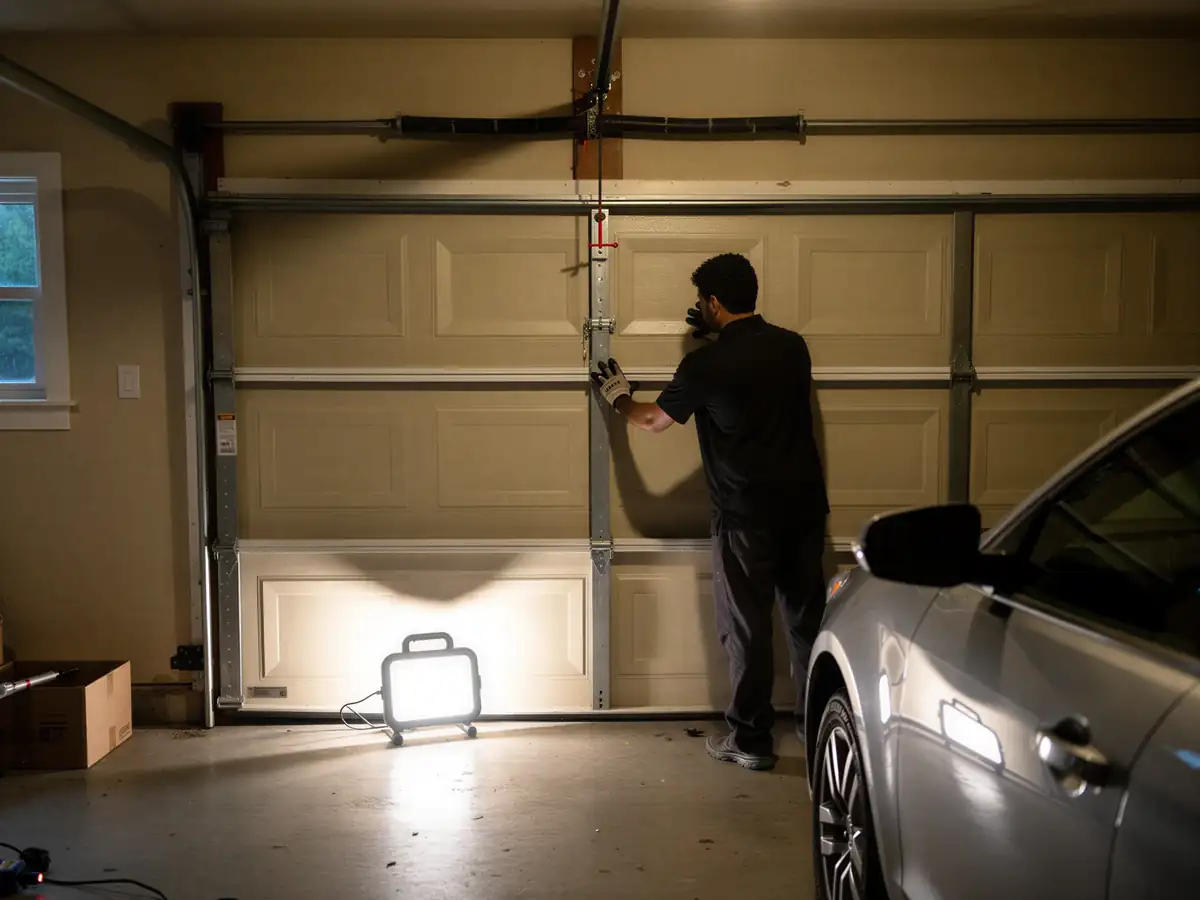
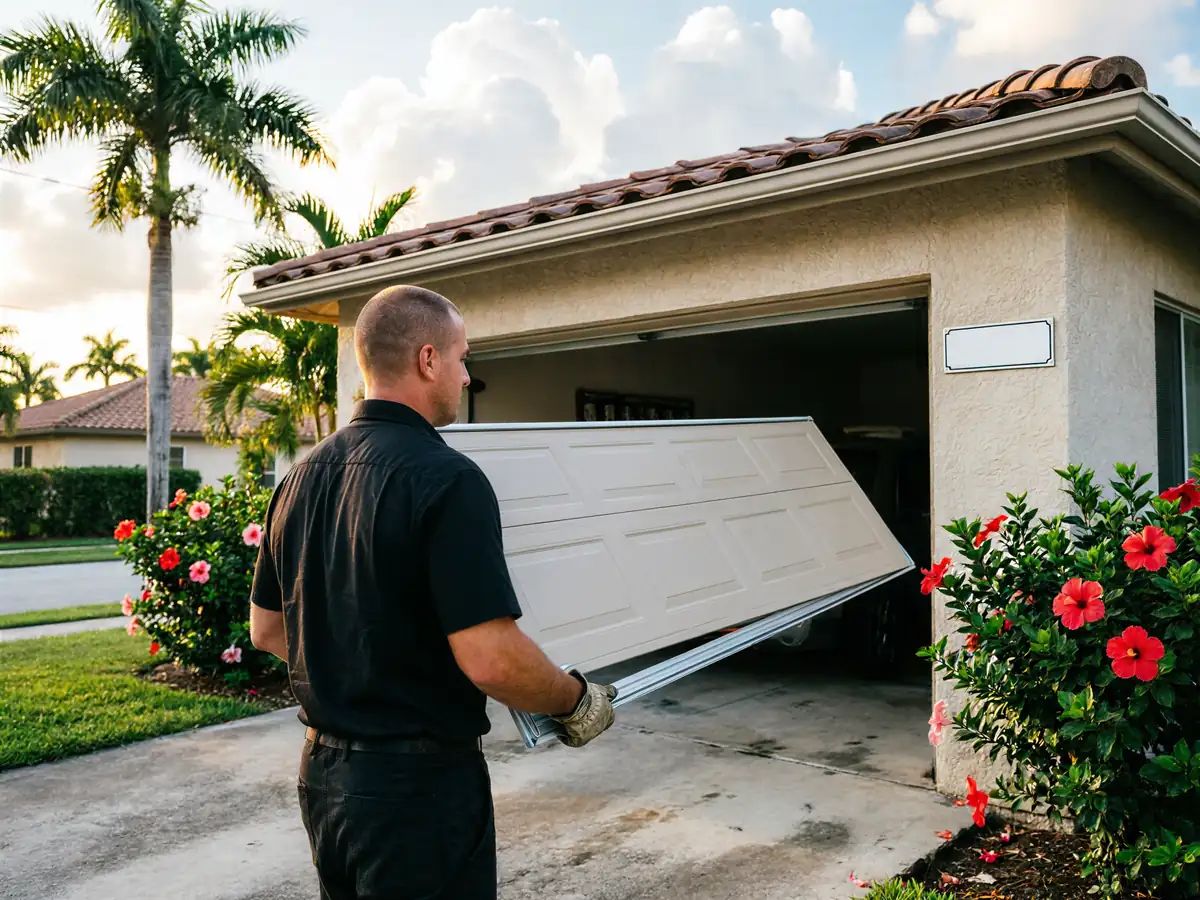
We start by pulling the panel's dimensions and checking it against what's still in production. If a direct match exists, that's the cleanest repair - one section swapped, hinges and rollers moved over, the door rehung and balanced. If the match doesn't exist, which happens more often on the older end of Treasure Island's 1973 median than on newer construction, we look at whether a close-enough panel from a different line will take the existing hardware without forcing the whole door out of square. On double doors especially, a single mismatched panel changes how weight sits on the torsion spring, so we check spring tension as part of the job, not as an upsell. Every panel swap gets the door cycled a dozen times before we call it done, checking for drag on the track and listening for anything that sounds like metal fighting metal.
Where This Job Goes Sideways
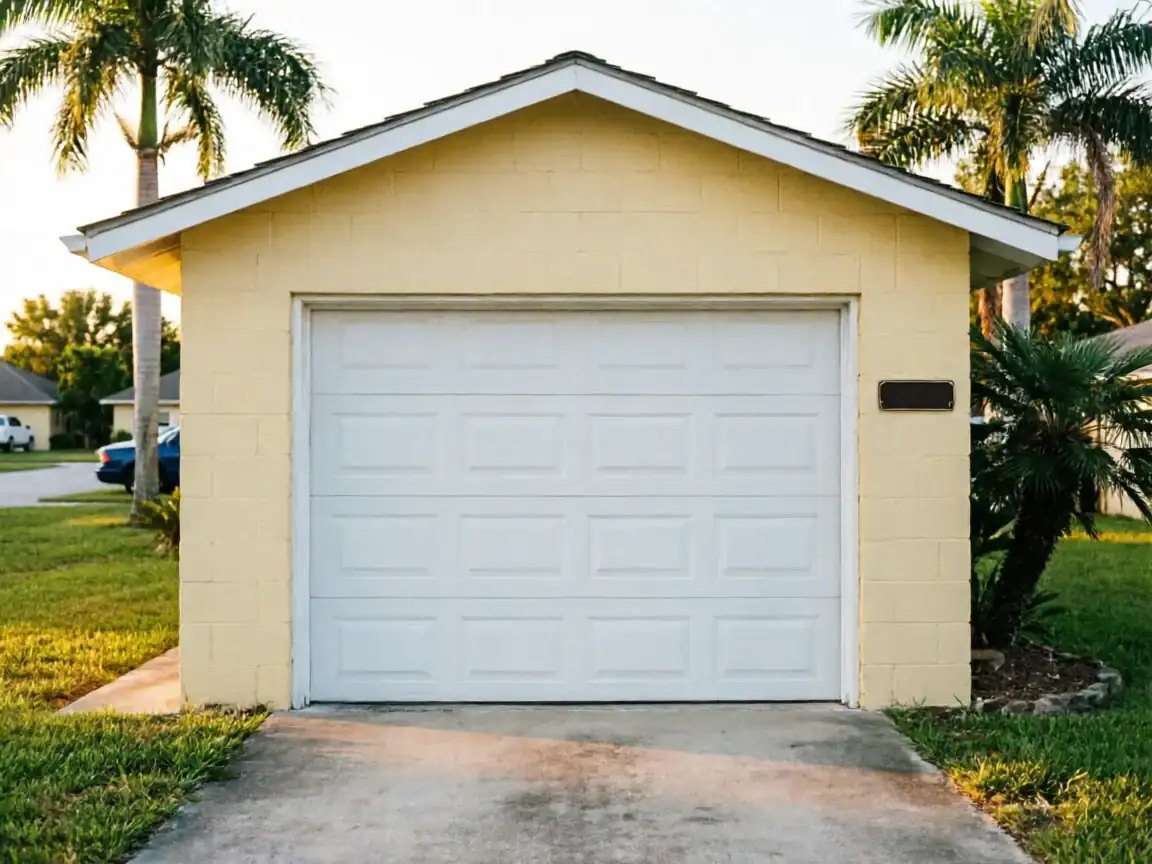
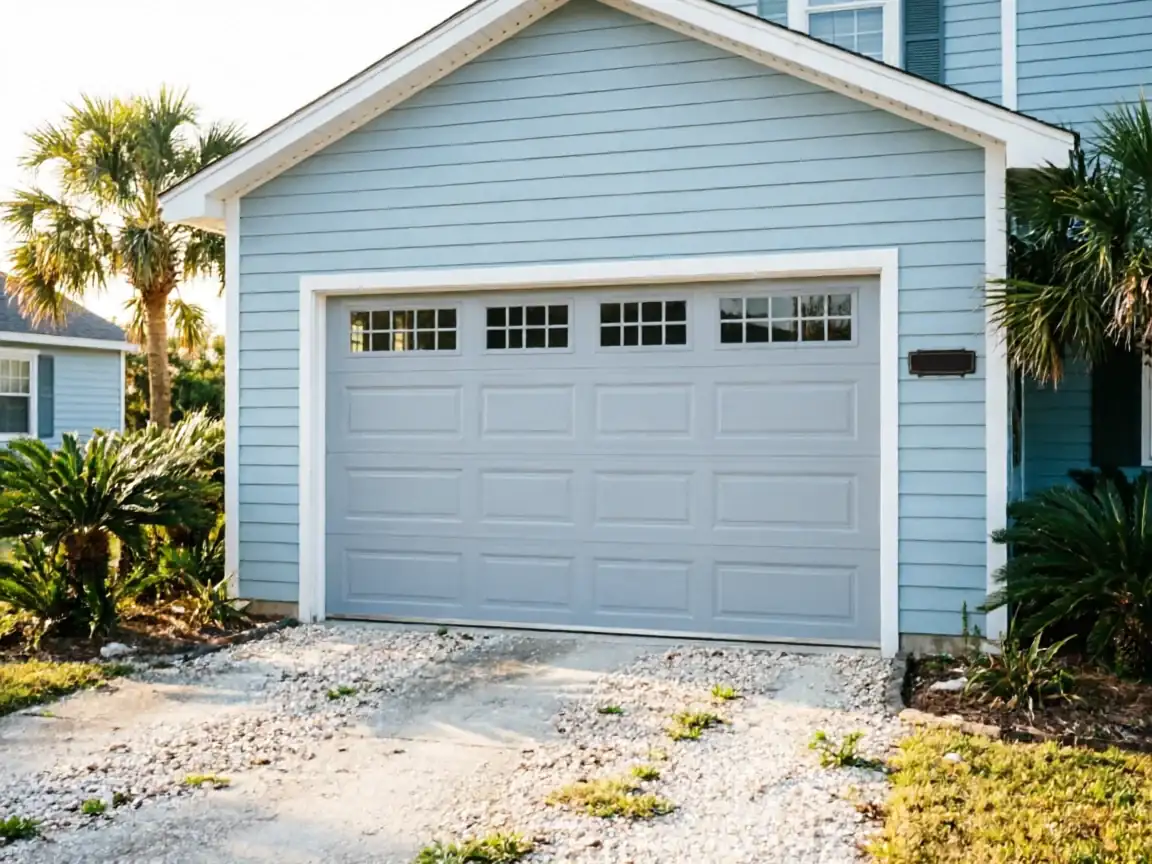
The honest limitation: if more than one panel on a door is damaged, or the track itself got bent in whatever hit the door, panel replacement stops being the economical move. At that point we'll tell you straight that a full door replacement costs less than chasing down two or three discontinued panels and still ending up with a door that doesn't sit flush. We'd rather lose the smaller job than sell you a patch that fails in a year. Another spot this goes sideways: doors from the earlier end of the area's 1958-2011 build range sometimes used panel widths that nobody manufactures anymore in any line, which pushes the job toward a full replacement regardless of how good the rest of the door looks.
Doing It Yourself
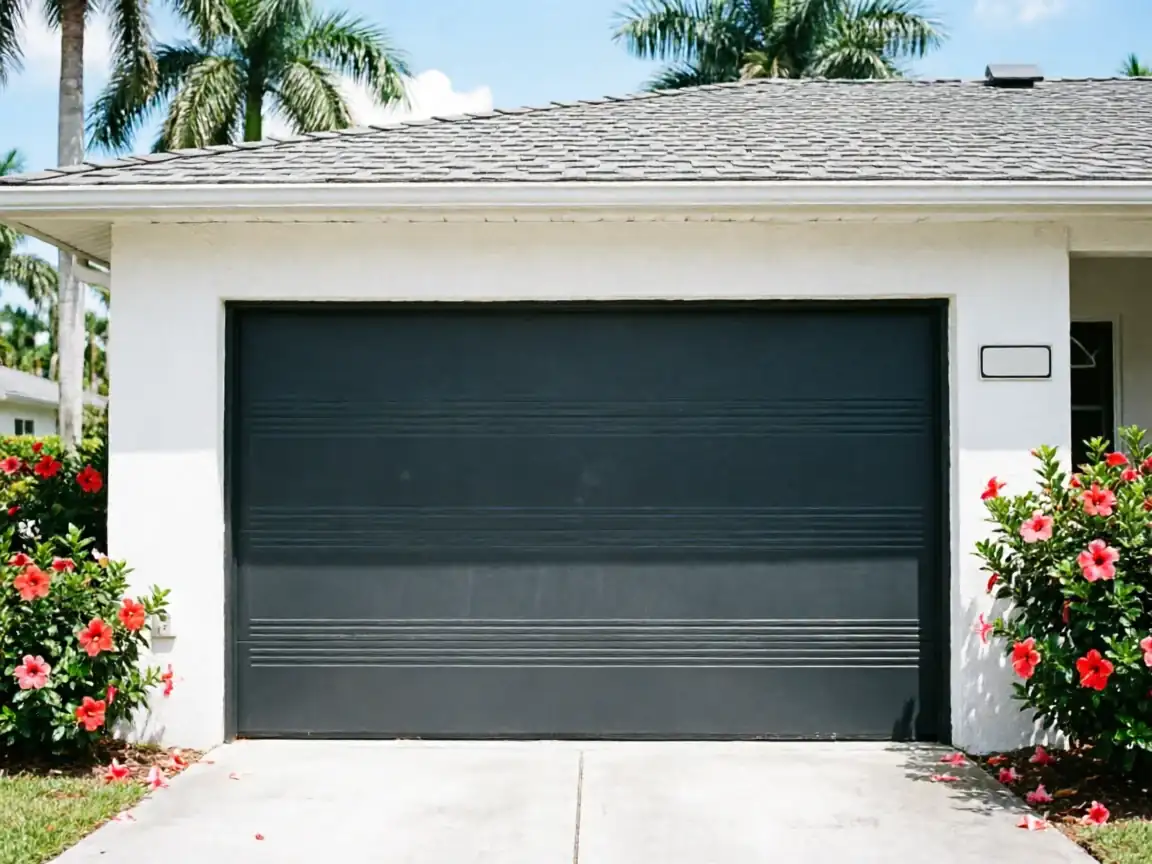
Checking which panel got hit and taking clear photos before we arrive saves time - a dented bottom panel versus a cracked top section can point to different fixes. Beyond that, we don't recommend homeowners pull a panel themselves on a door with a working torsion spring; loosening the wrong hardware on a loaded spring is how people get hurt, not how they save money. If the door still opens and closes square despite the damage, it's safe to keep using it until we get there - cosmetic dents on steel panels don't usually threaten the door's operation on their own.