How It Shows Up
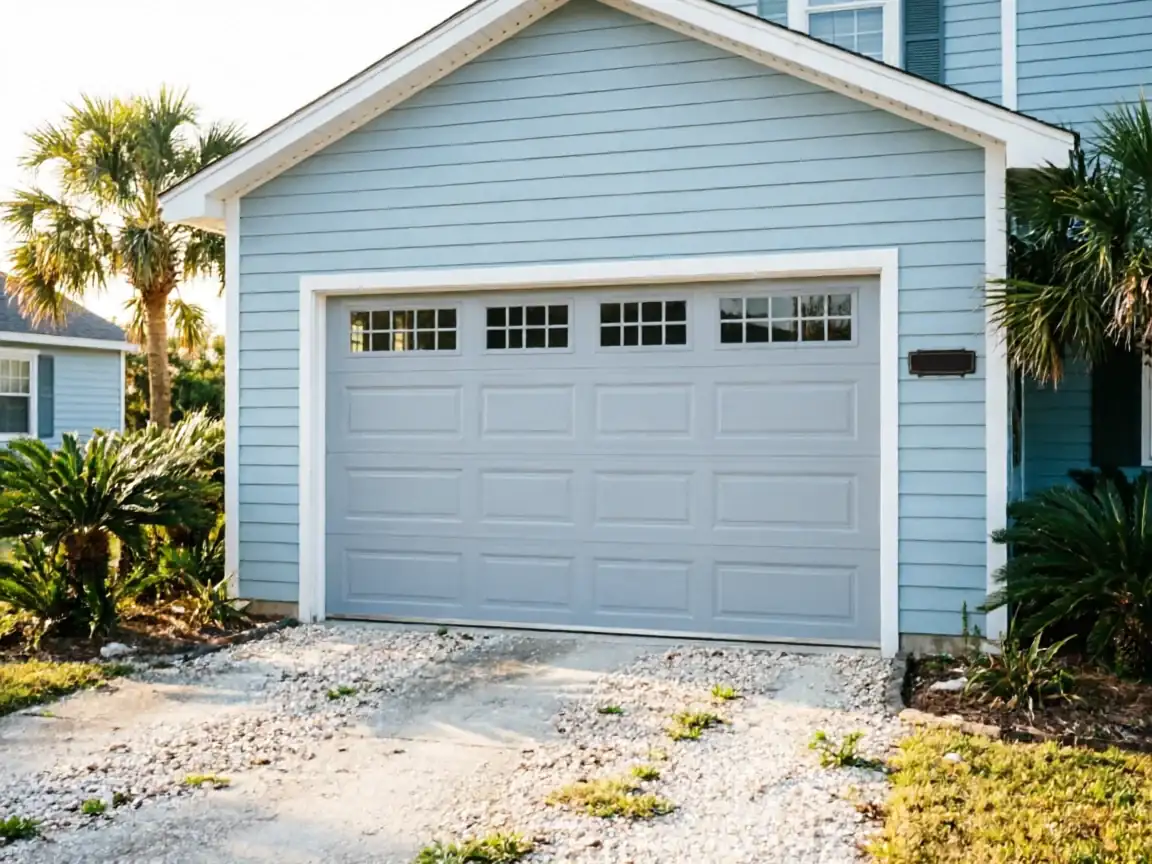
The median home on Treasure Island was built in 1973
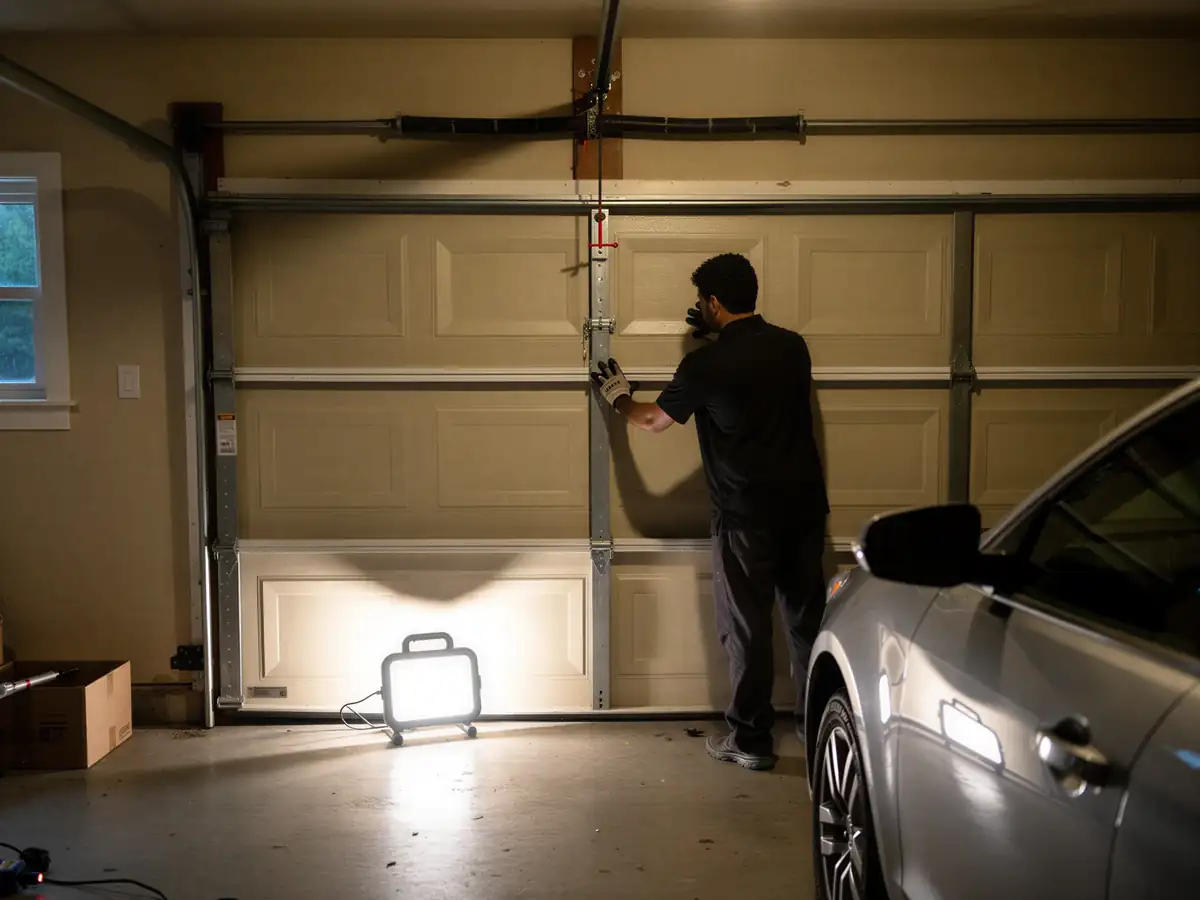
Which puts most of the island's garage doors and hardware a full decade and a half past the start of the broader service area's building run in 1958. That matters because a door installed in the early-to-mid 1970s is almost never the original door anymore - but the track, the header bracket, and sometimes the opener mount often are. We see openers bolted to framing that's never been touched since the house was framed, and torsion springs sized for a lighter door than whatever got swapped in sometime in the '90s.
On an island this size
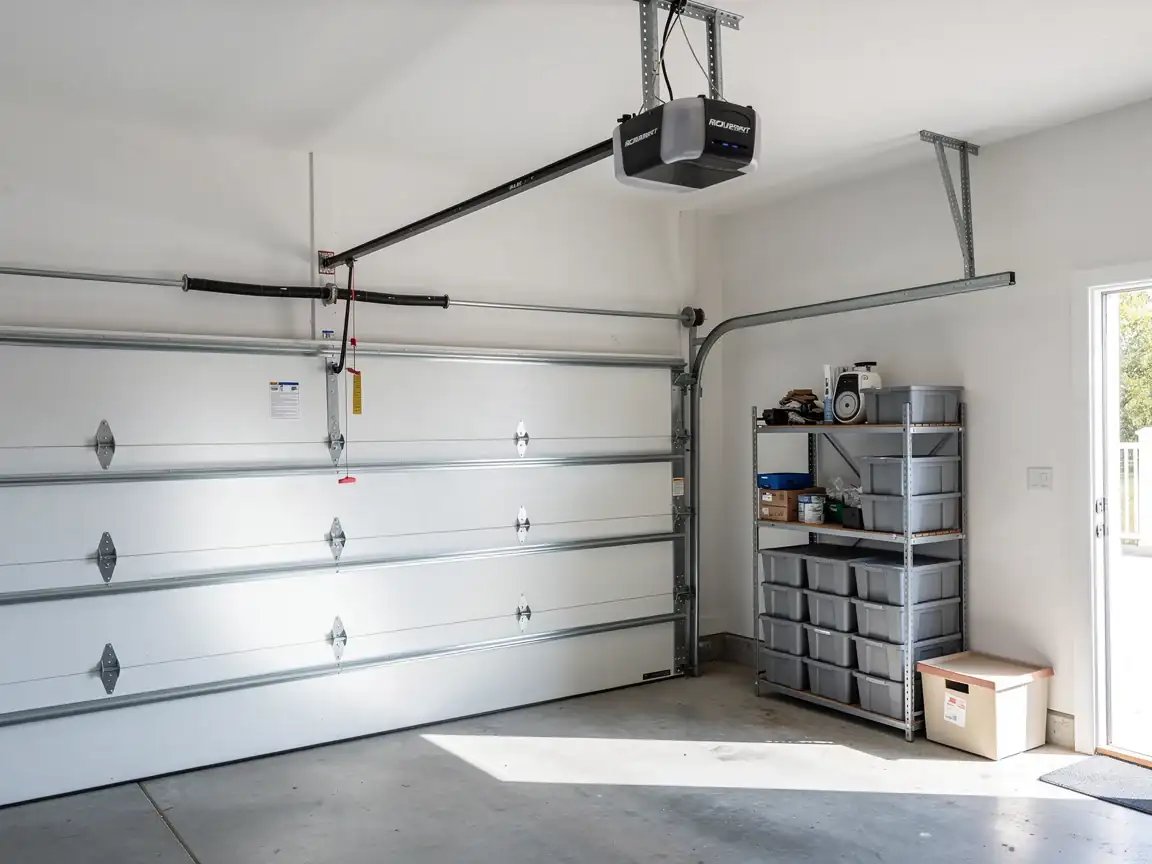
3,776 households, smaller than most of the other pockets we drive to - there's less variety in how these garages were built out. A lot of single-car and short-depth two-car bays, low clearance headers, and openers mounted close to the ceiling with not much room to work. The mild coastal temperate band here doesn't bring the freeze-thaw cycling that cracks hardware up north, so when something fails on an island house, it's almost always wear, not weather - old grease gone hard, a cable that's been flexing the same six inches for forty years, a spring that's simply outlived its coil count.
- 3,776 households
How We Fix It
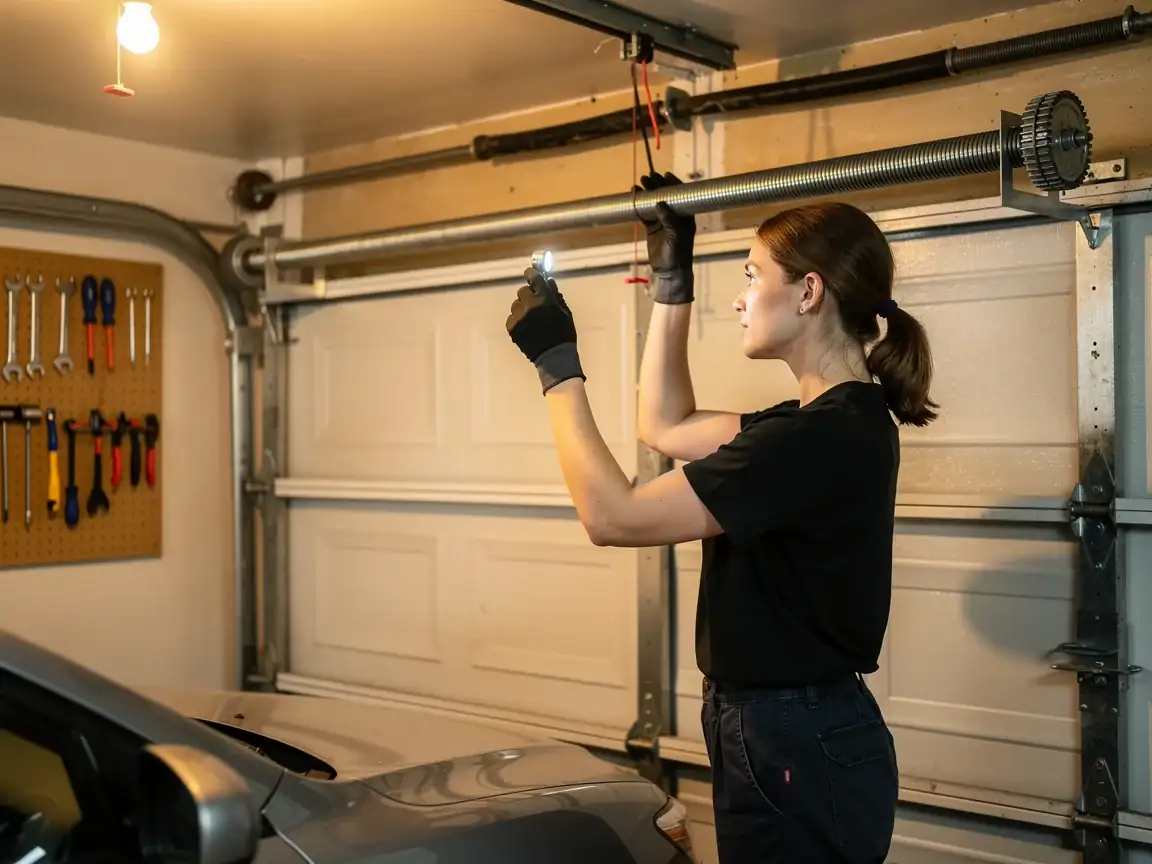
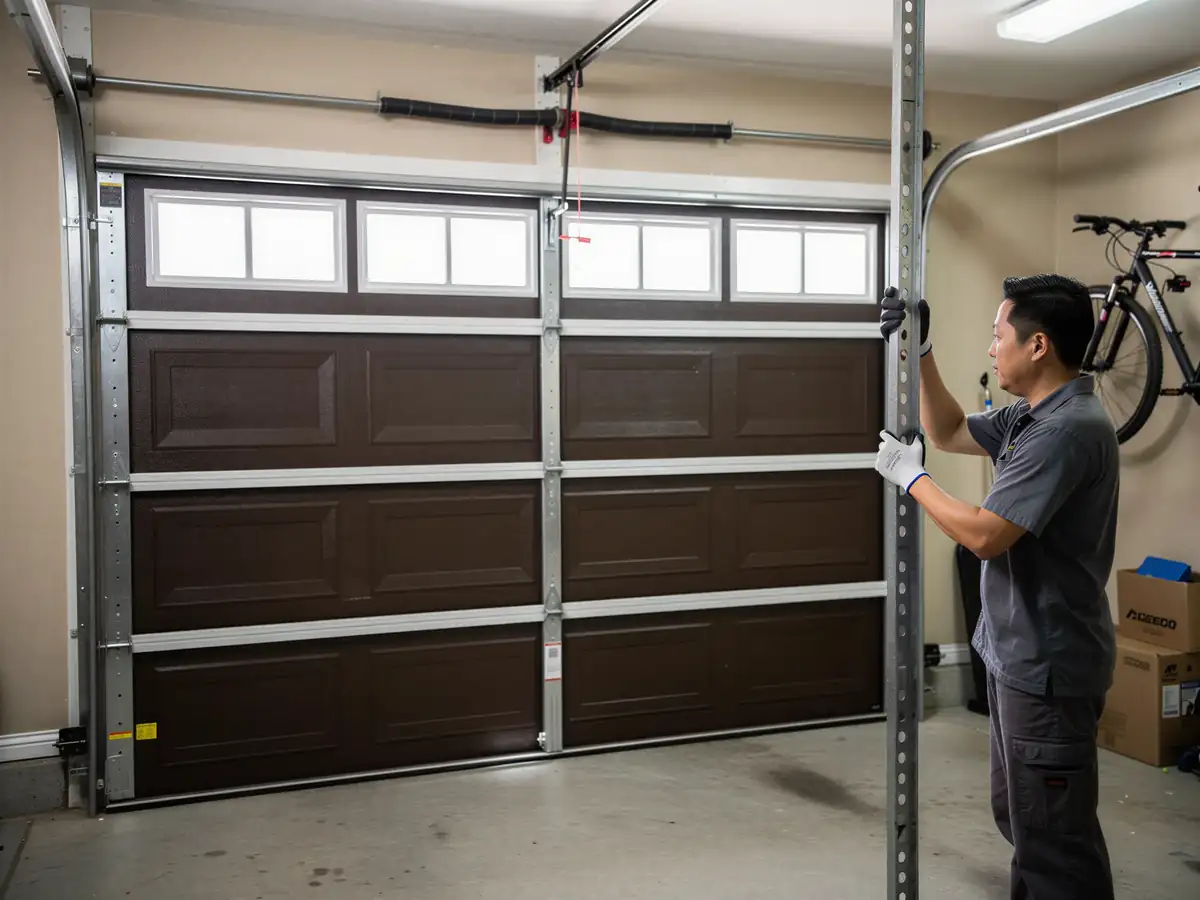
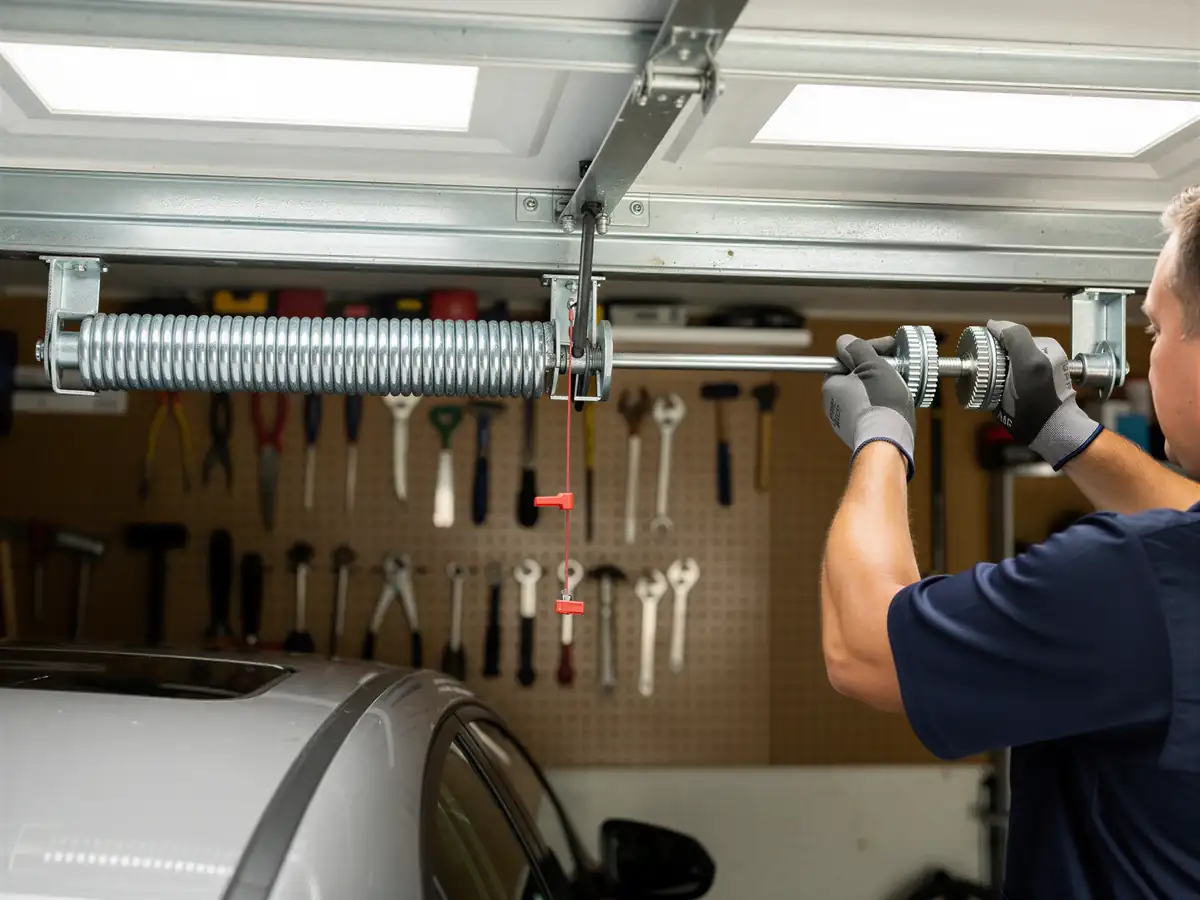
We start by figuring out what's actually original versus what got replaced partway through the house's life, because the two don't always match. A 1973-built garage with a newer steel door still riding on the original 1970s track and bracket hardware is a different repair than one where everything got swapped at once. We check spring sizing against the actual door weight - not the weight stamped on a box that may not match what's hanging there - before we touch anything.
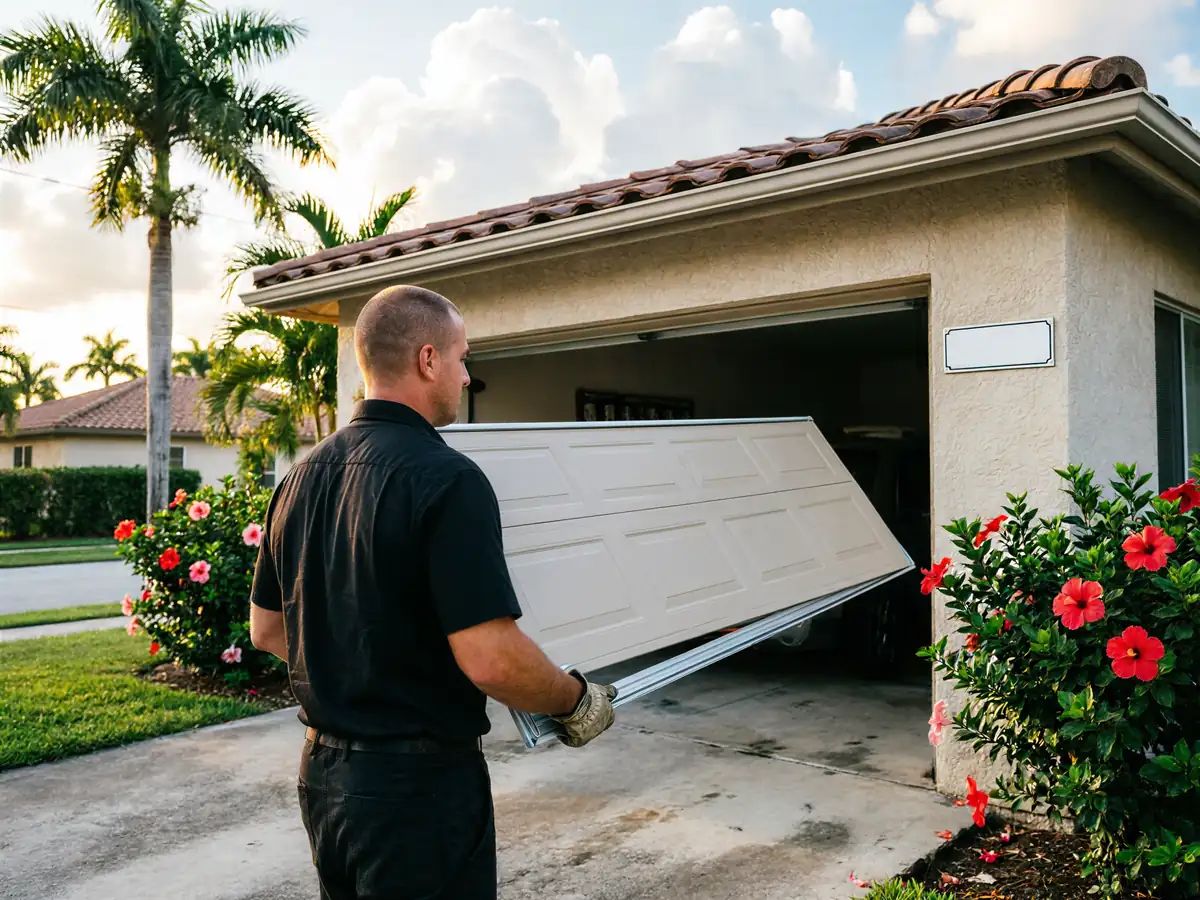
For openers, a lot of island houses are still running units that are well past a reasonable service life, and at that point we're not chasing a wiring fault, we're replacing the unit. For doors themselves, if the panels are original to a 1970s build, we tell you straight that parts for that era aren't something we stock or can usually source quickly - replacement is the honest path, not a patch job that'll fail again in a year.
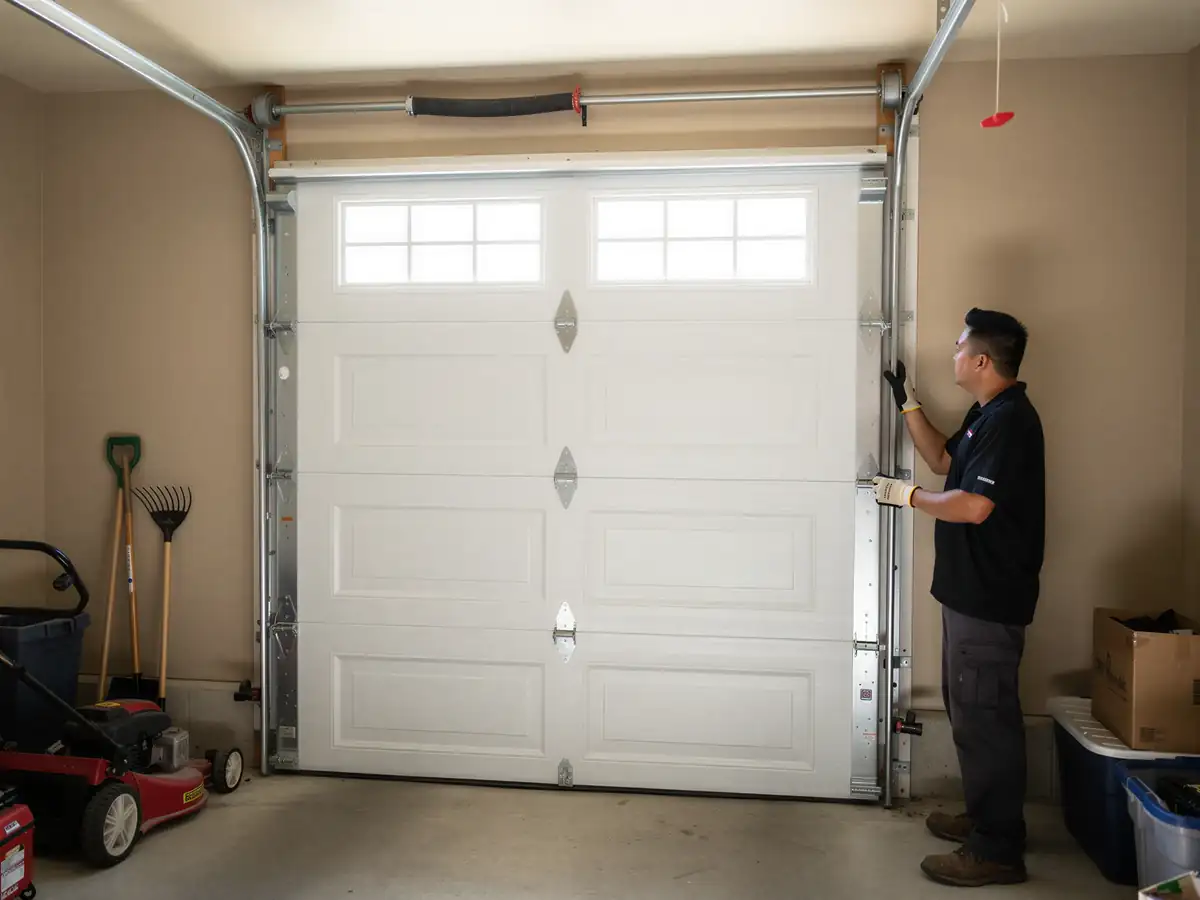
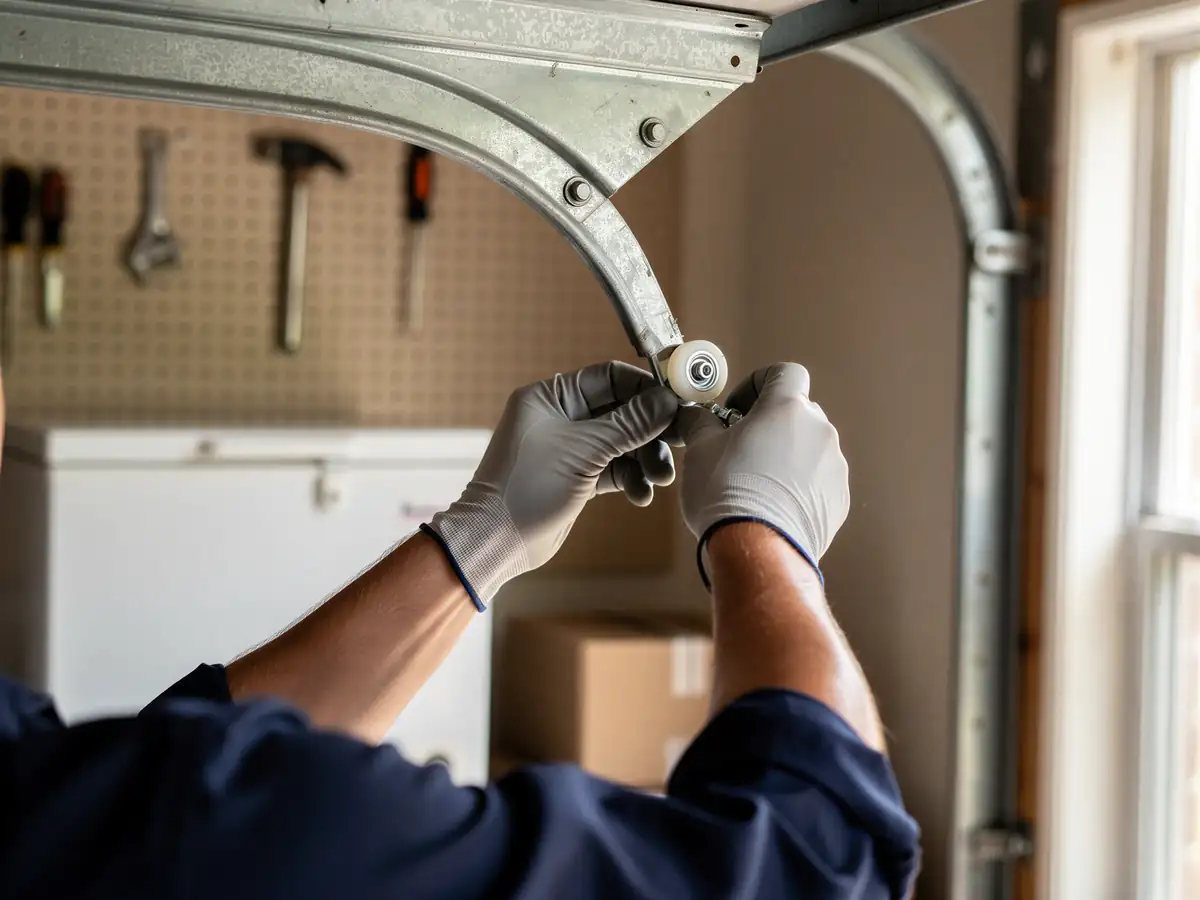
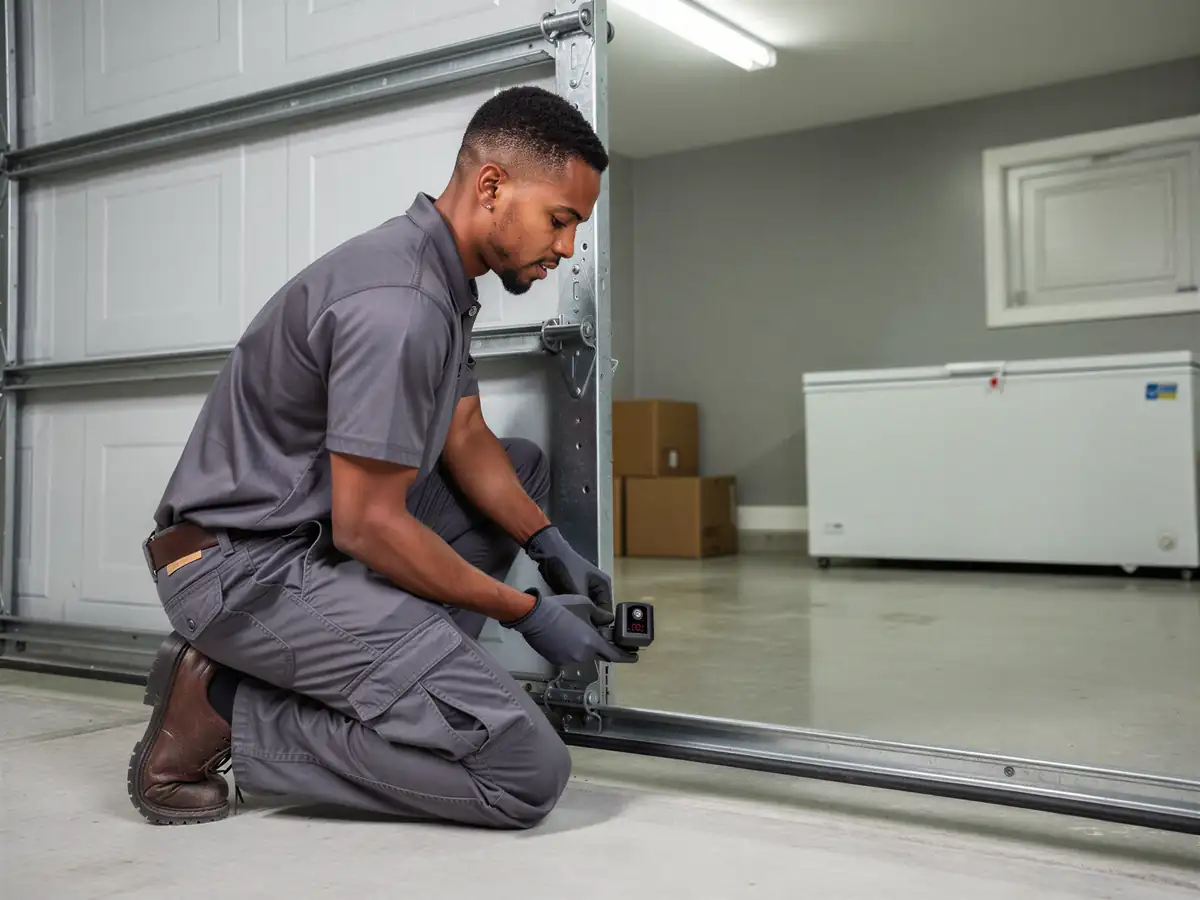
Track and roller work is common here because of how many garages were built with tighter clearances - low headers mean less margin for error when we're resetting a track line, so that part of the job takes longer than it would on a newer, more standard bay.
Where This Job Goes Sideways
The most common surprise on an island job is discovering that a door looks newer than it is. Someone replaced the panels at some point but left the original spring and drum setup in place, sized for a door that weighed less. That mismatch doesn't fail gradually - it fails the first time the spring takes a full-weight cycle it wasn't built for, usually as a snapped cable or a spring that lets go entirely.
The other one is header clearance. A lot of these garages were built with less headroom than current openers expect, so a straight swap-in installation sometimes isn't straight at all - we end up adjusting mount brackets or picking a lower-profile opener to make it fit without forcing anything.
We're honest that if we open a header and find the framing itself has shifted or rotted around the opener mount, that's outside what a garage door call fixes - that's a carpentry or structural call, and we'll say so rather than bolt a new opener to wood that won't hold it.
Booking a Visit
We run this call from St. Petersburg, about 8 miles out, and it's a direct trip, not a detour we tack onto another route
When you call, tell us the rough age of the house if you know it and whether the door or opener has been replaced since - that single detail about what's original tells us more about what we're walking into than almost anything else you could mention. If you've got a model number or a sticker on the opener motor housing, a photo of that helps us bring the right part the first time instead of guessing from a description over the phone.
- 8 miles
We don't keep a branch on the island
So every visit is scheduled out of St. Petersburg - which means we're not driving past your house twice a day and can't promise a same-hour arrival, but we do plan island routes together when we can, so ask if there's flexibility on timing.
For general service details and what we cover across the wider area, that's on our main St. Petersburg service page
This page is just about what's specific to Treasure Island houses.
Doing It Yourself
There's a short list of things worth checking before you call anyone. Look at the spring - if it's a single torsion spring on a double door and it's visibly stretched, gapped, or the coils look uneven, stop there and don't try to adjust it yourself; that's stored energy that can take a finger off. Lubricating hinges and rollers with a light garage-door-specific lubricant (not WD-40, which washes grease out rather than adding to it) is safe and worth doing twice a year given the island's humidity.
If the door is original to a 1970s build and you're hearing new noises - grinding, a hard catch partway up - that's usually track or roller wear from decades of use, not something tightening a bolt will solve. At that point you're better off having someone look at the whole assembly rather than chasing one squeak, because on hardware this old, one worn part is rarely the only one.