Why It Happens Here
Madeira Beach sits 9 miles out from our St. Petersburg shop
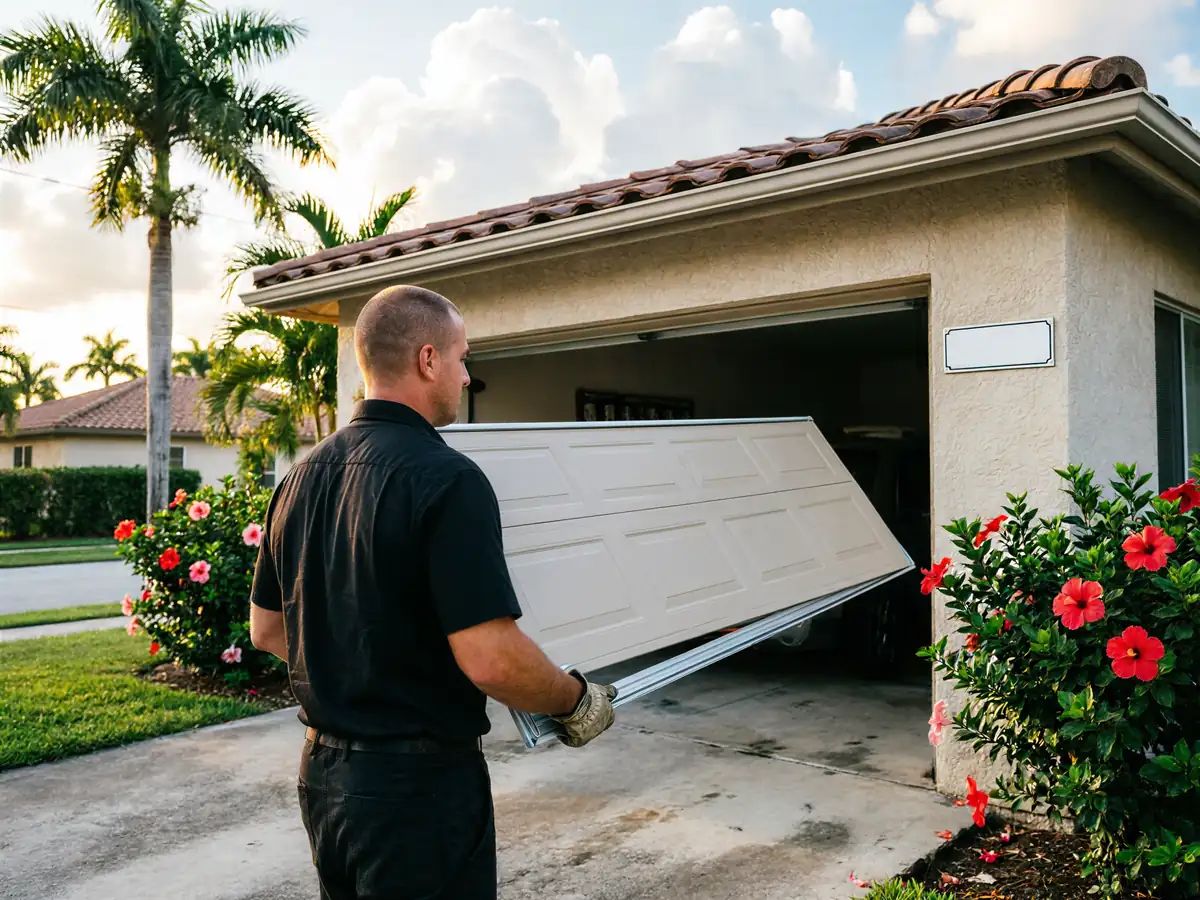
And that drive shapes how we schedule an install here more than anything else. It's not around the corner, so when we come out for a new door, we bring the truck loaded for that specific house rather than making a second trip for a part we guessed wrong on.
- 9 miles
The guess is easier than it sounds because the housing here clusters tightly
The median home in this part of the service area went up around 1974, which puts most garage openings on a narrower set of standard widths and a shorter list of header heights than you'd see in a town with a wider build spread. A door built for a 1958 house and one built for a 2011 house need different jamb treatment and different track clearance - Madeira Beach doesn't give us that range. We're mostly dealing with one era's framing, which means one era's quirks: thinner original headers, openings that were never meant for an insulated two-inch-thick panel, and wall studs set for a lighter door than most people buy today.
With roughly 1,940 households in this pocket of the coverage area
It's also a small enough footprint that the same few opening sizes keep showing up, call after call.
- 1,940 households
Where This Job Goes Sideways
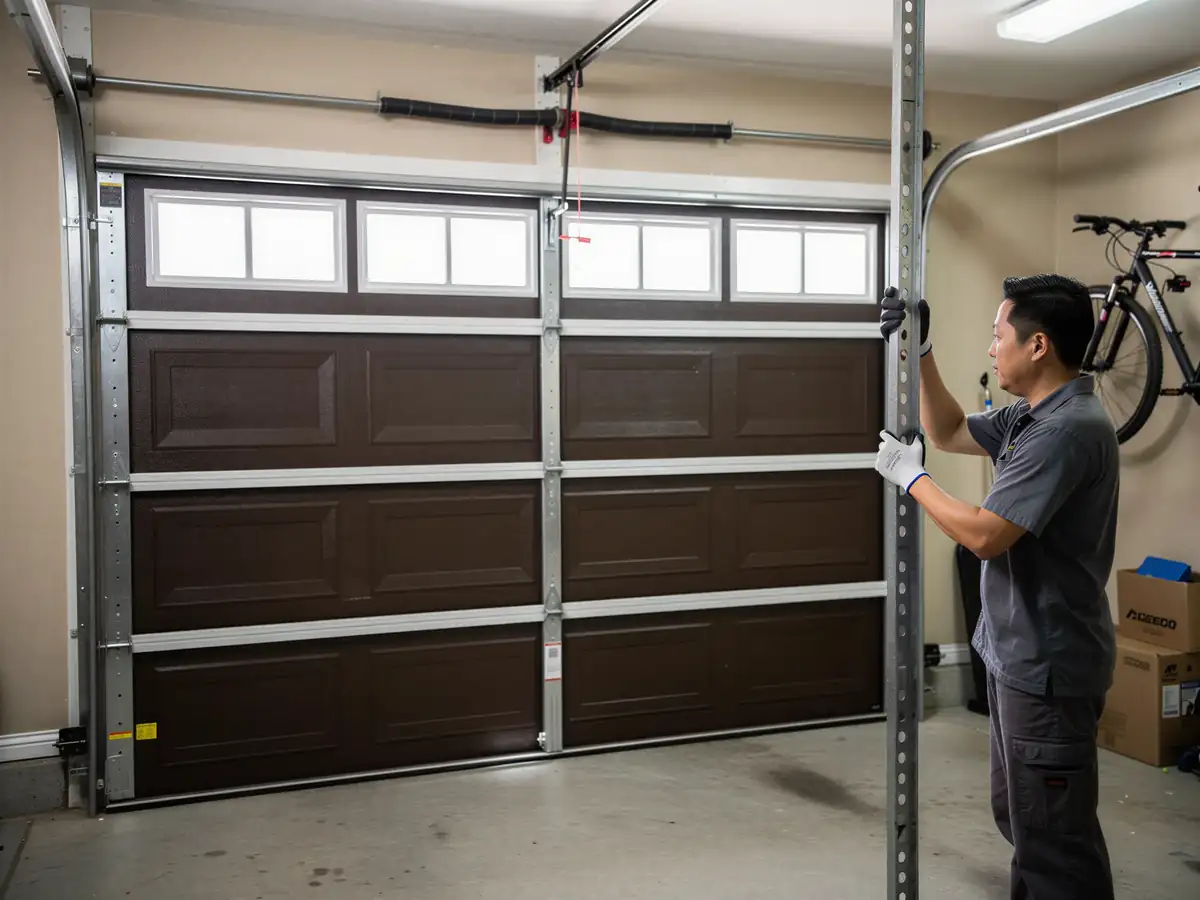
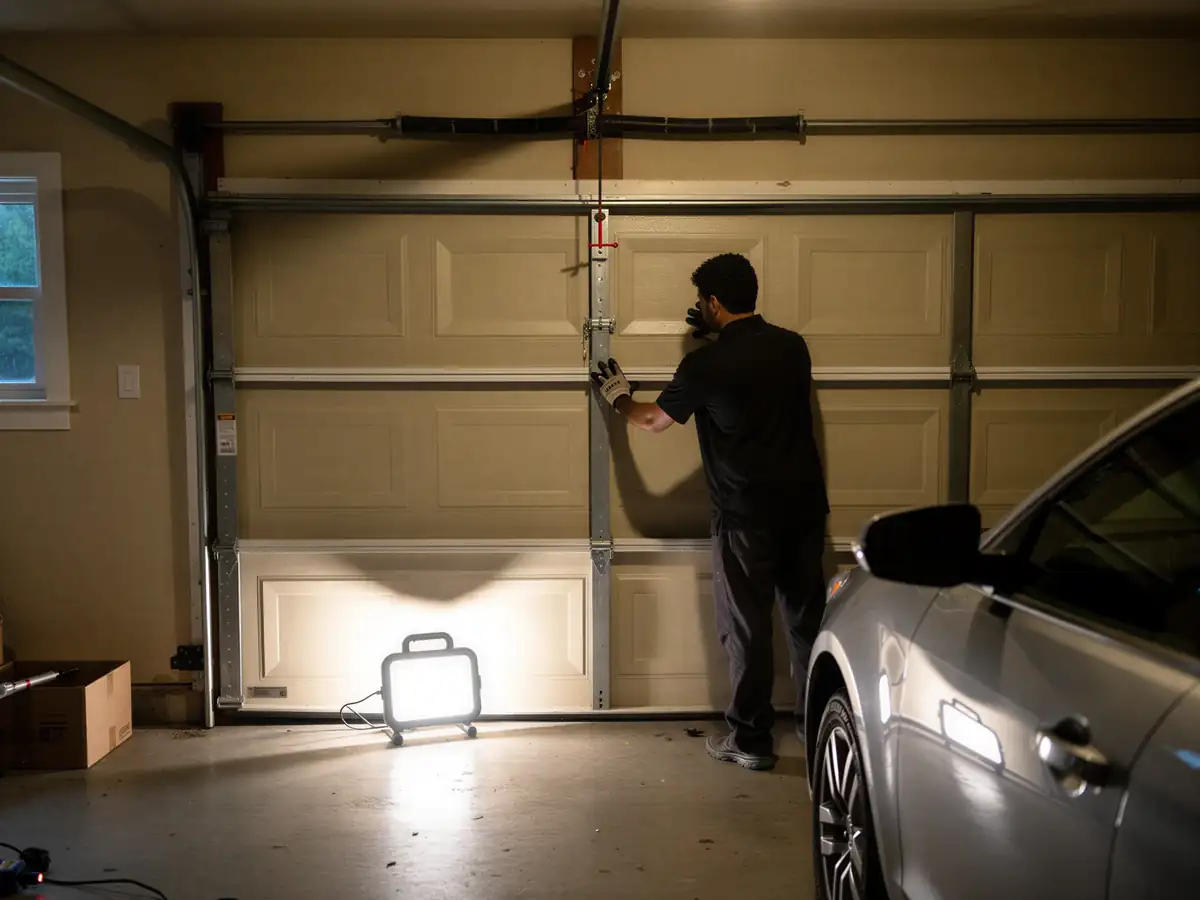
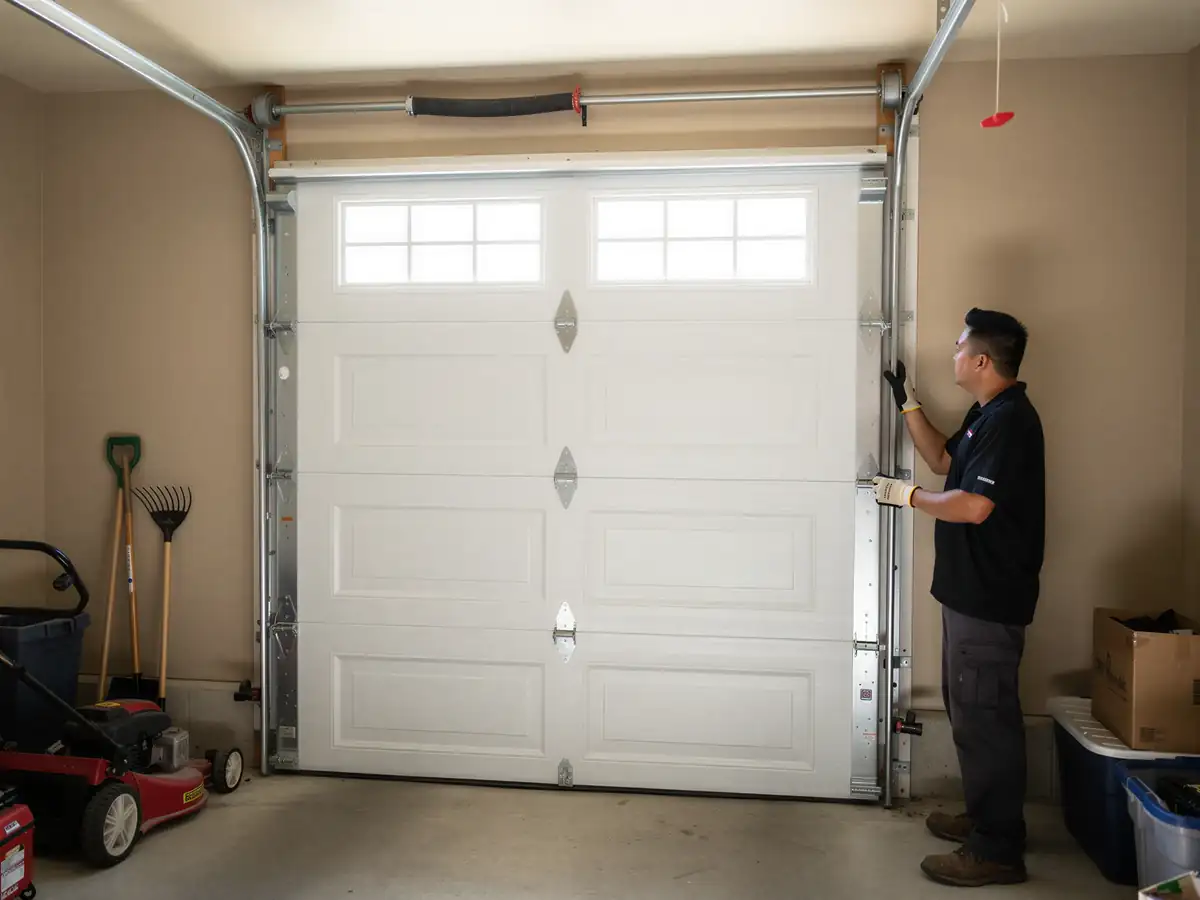
A new install looks simple until the opening fights back. On a house from the early 1970s, the header over the garage door is often sized for the light steel door that came with the build - not for a heavier insulated panel or a wider two-car opening someone wants now. We've had to stop mid-job more than once because the framing needed reinforcing before a new door could go in safely, and that's not something we add to the quote after the fact without telling you first.
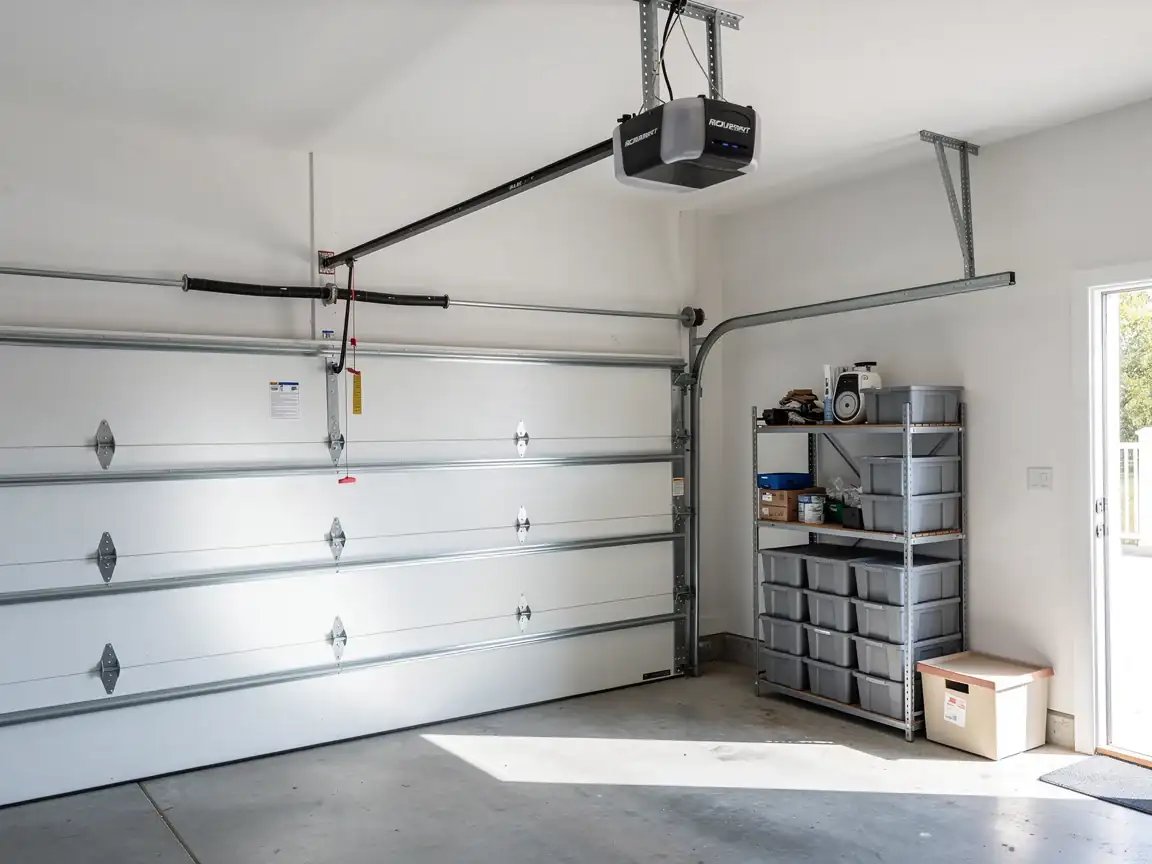
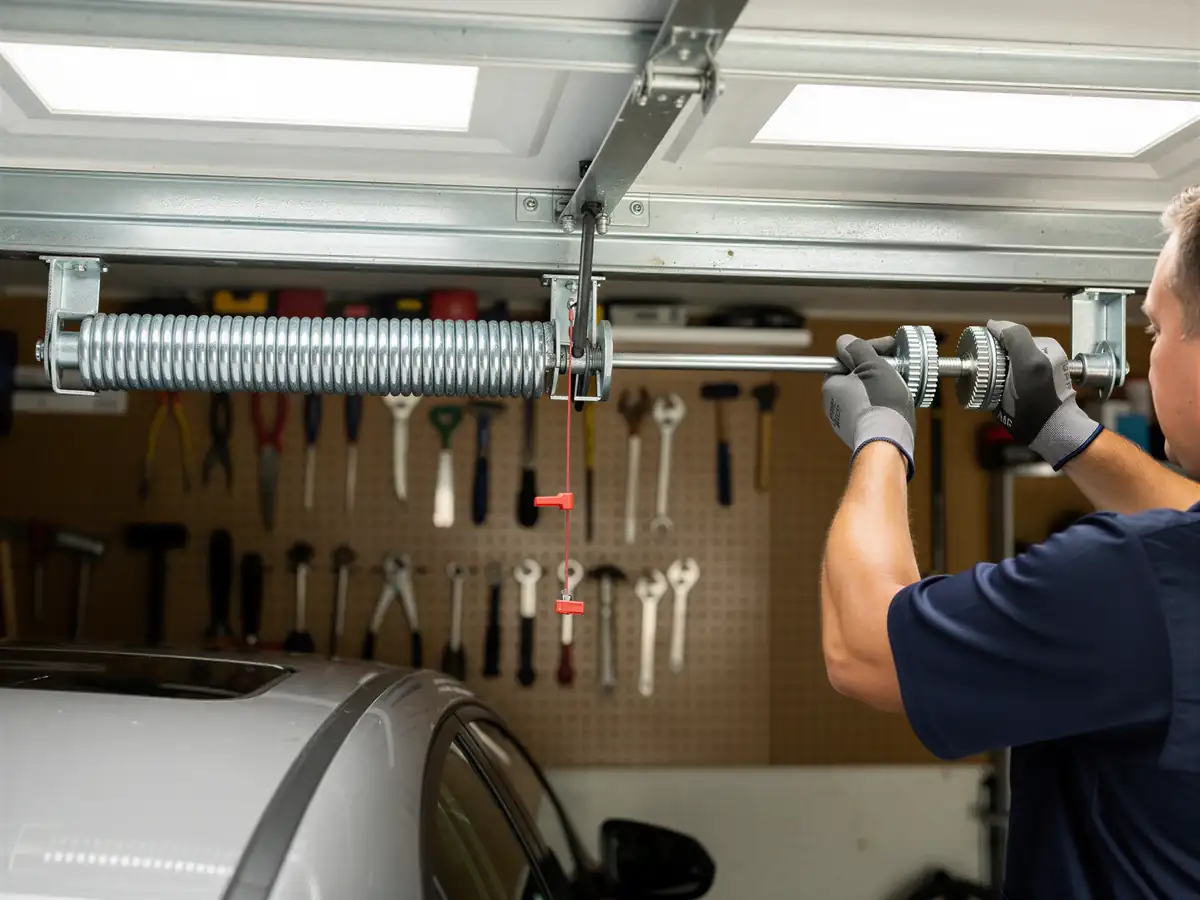
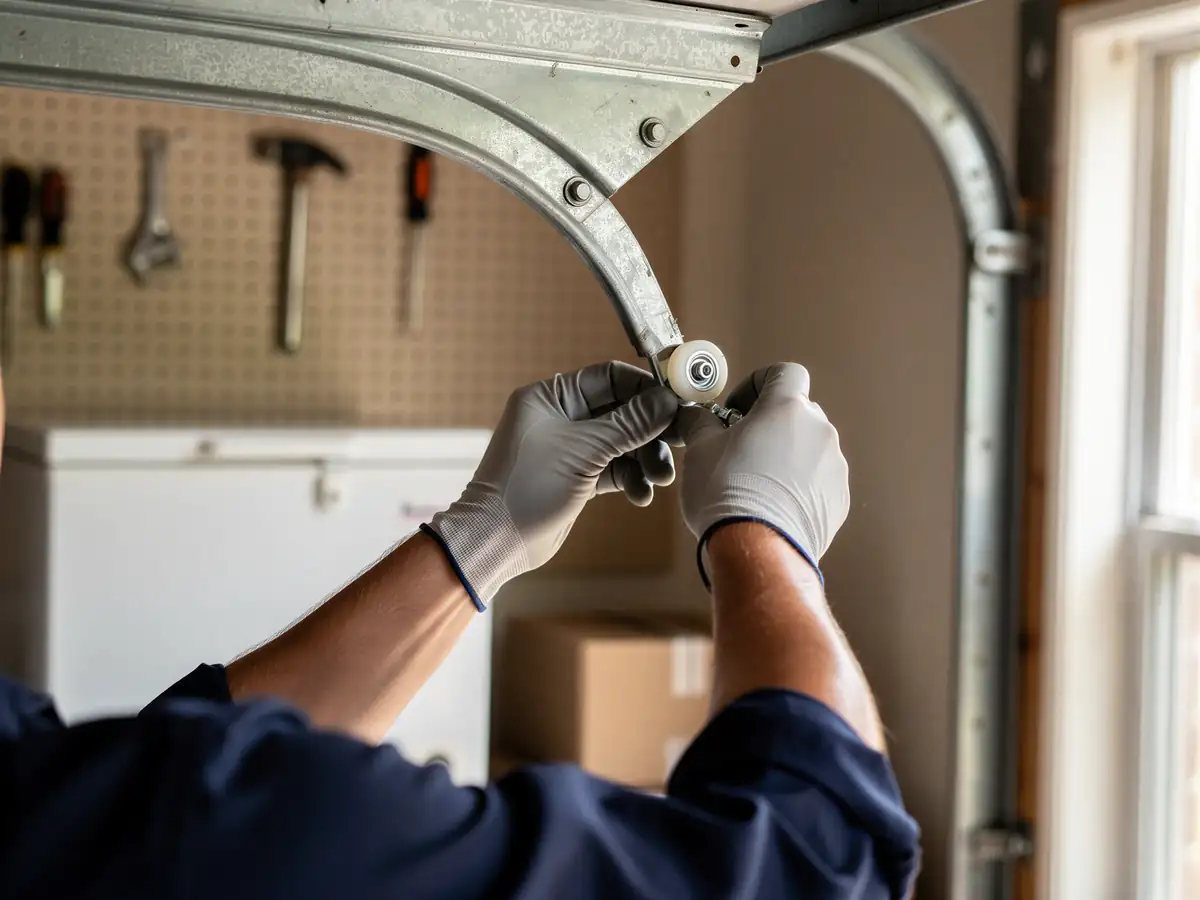
The other place it goes sideways is track and radius clearance. Openers and spring systems have changed more than the openings have, so a door that looks like a drop-in replacement sometimes needs a different radius track or a relocated bracket to clear a ceiling joist that was never meant to hold anything.
We're honest about one thing here: if the header or jamb needs structural work beyond what a standard install covers, that's a separate conversation before we order the door, not a surprise charge on install day.
How Long It Takes
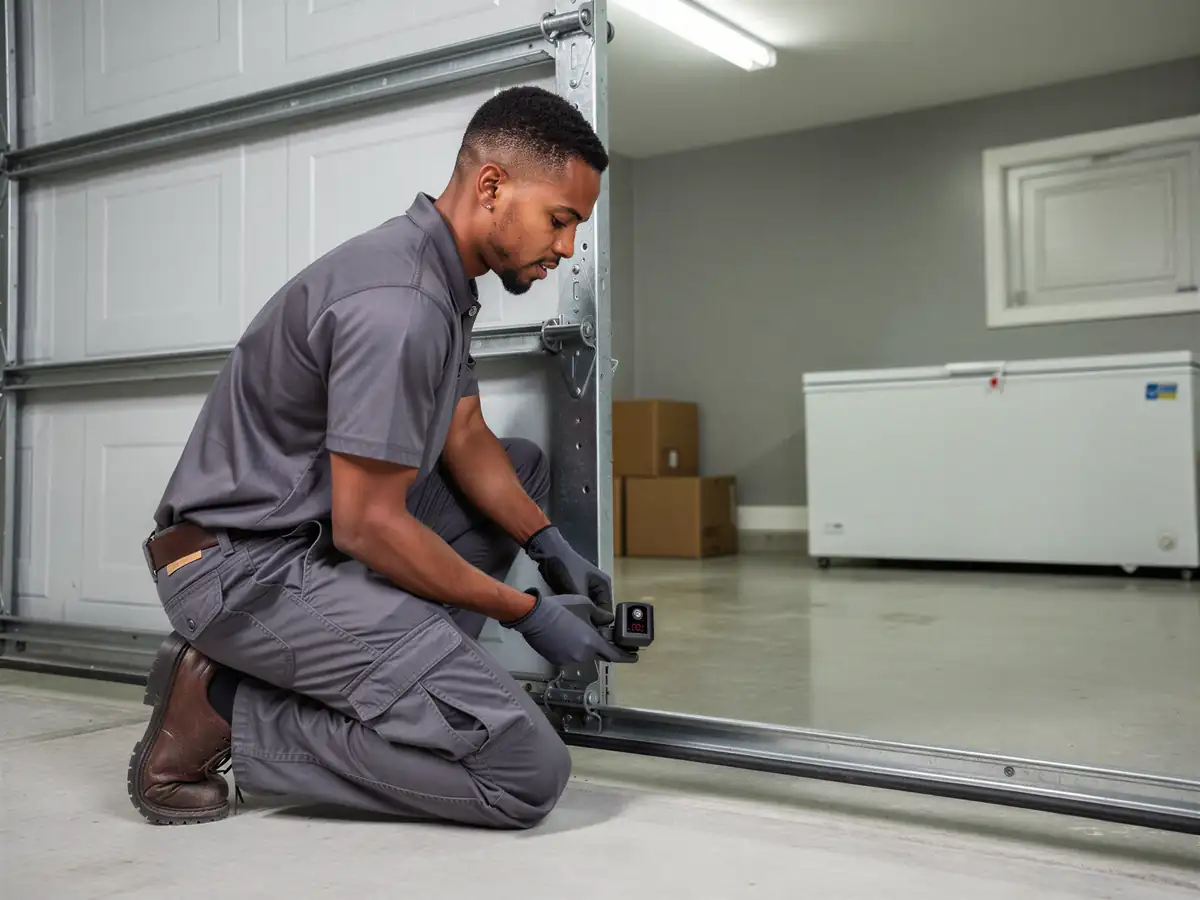
Because we're coming from St. Petersburg, the drive adds time to the day that a shop sitting inside Madeira Beach wouldn't have - we factor that into when we schedule the crew, not into how long the install itself runs once we're on site. A straight swap, where the opening and framing are sound, is a one-visit job. Where the header needs shoring up, as it sometimes does on the earlier end of this area's housing stock, that adds a return trip, because we don't rush framing work to hit a same-day finish.
Weather here runs in the mild temperate band most of the year, so we don't build in the cold-weather delays a door install in a harsher climate would need - no frozen track lubricant, no ice on the slab to deal with before we can set the door plumb. That's one fewer variable on install day than some of our calls further inland or north.
Parts We Carry
We stock the panel widths and track hardware that match what actually sits in the openings out this way
A result of how consistent the housing era is here, not a guess. For a town built across a sixty-year spread we'd need to carry a much wider inventory on the truck; for Madeira Beach's narrower band centered on the mid-1970s, we can show up with the right header brackets and standard torsion spring sizes already loaded.
What we don't carry on the truck is anything custom-order
Specialty finish panels or non-standard widths still take lead time from the supplier, same as anywhere else. If your opening calls for one of those, we'll tell you the wait up front rather than promise a door we don't have.