Why It Happens Here
Madeira Beach's housing stock skews older than the St. Petersburg average
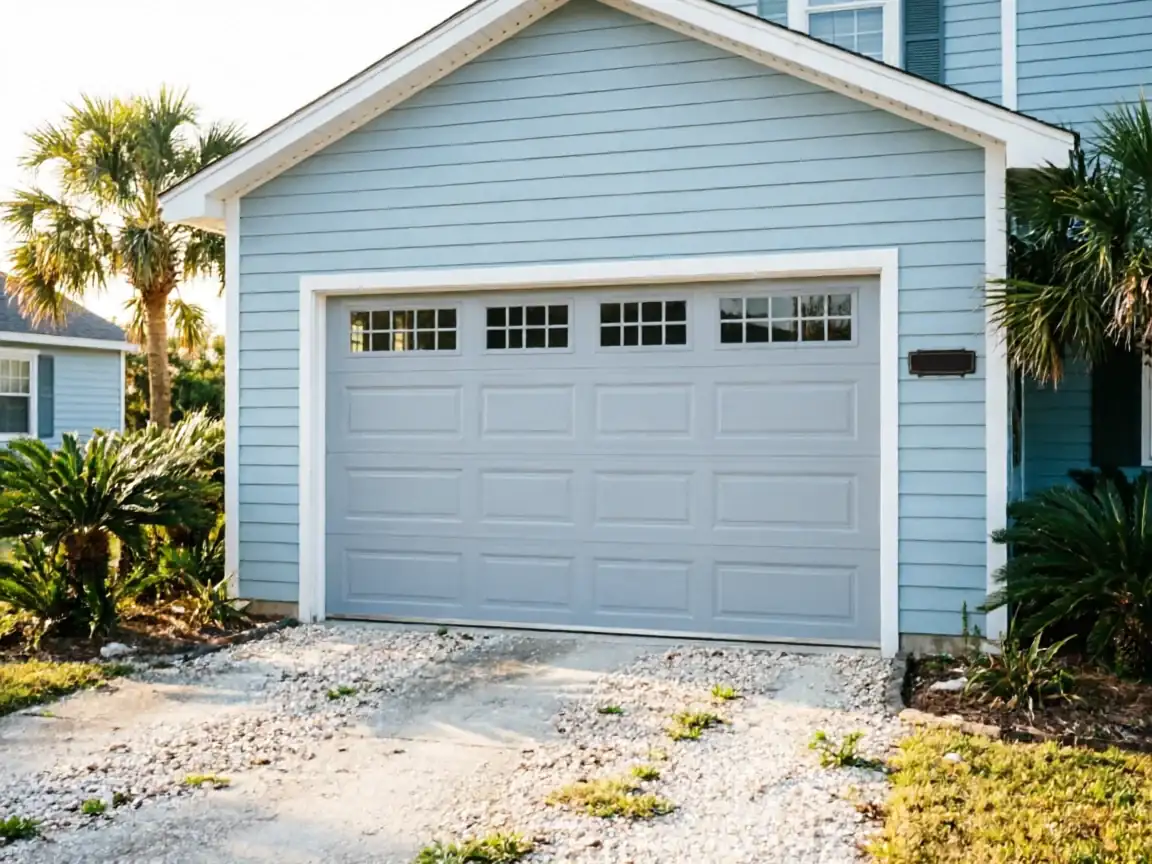
The median home here went up around 1974, while the wider service area's median sits closer to 1979. That five-year gap doesn't sound like much until you're standing in front of a door built for hardware nobody stocks the way they used to.
A door from the early-to-mid 1970s is more likely to carry a steel panel in a gauge and rib pattern that's since been discontinued
Or a wood-composite panel that's taken on decades of salt air before anyone thought to replace it. On a barrier island with roughly 1,940 households, the housing is dense but the building eras repeat in blocks, which means a lot of these doors were installed in the same narrow window and are now failing in the same narrow window too.
- 1,940 households
The climate here is mild temperate
So you're not dealing with freeze-thaw cracking the way colder regions do. The failure mode on this coast is different: corrosion at the bottom panel, swollen seams where moisture's gotten behind the skin, and fasteners that have rusted into the frame. We see it as a coastal-exposure problem more than a weather-extremes problem.
Where This Job Goes Sideways
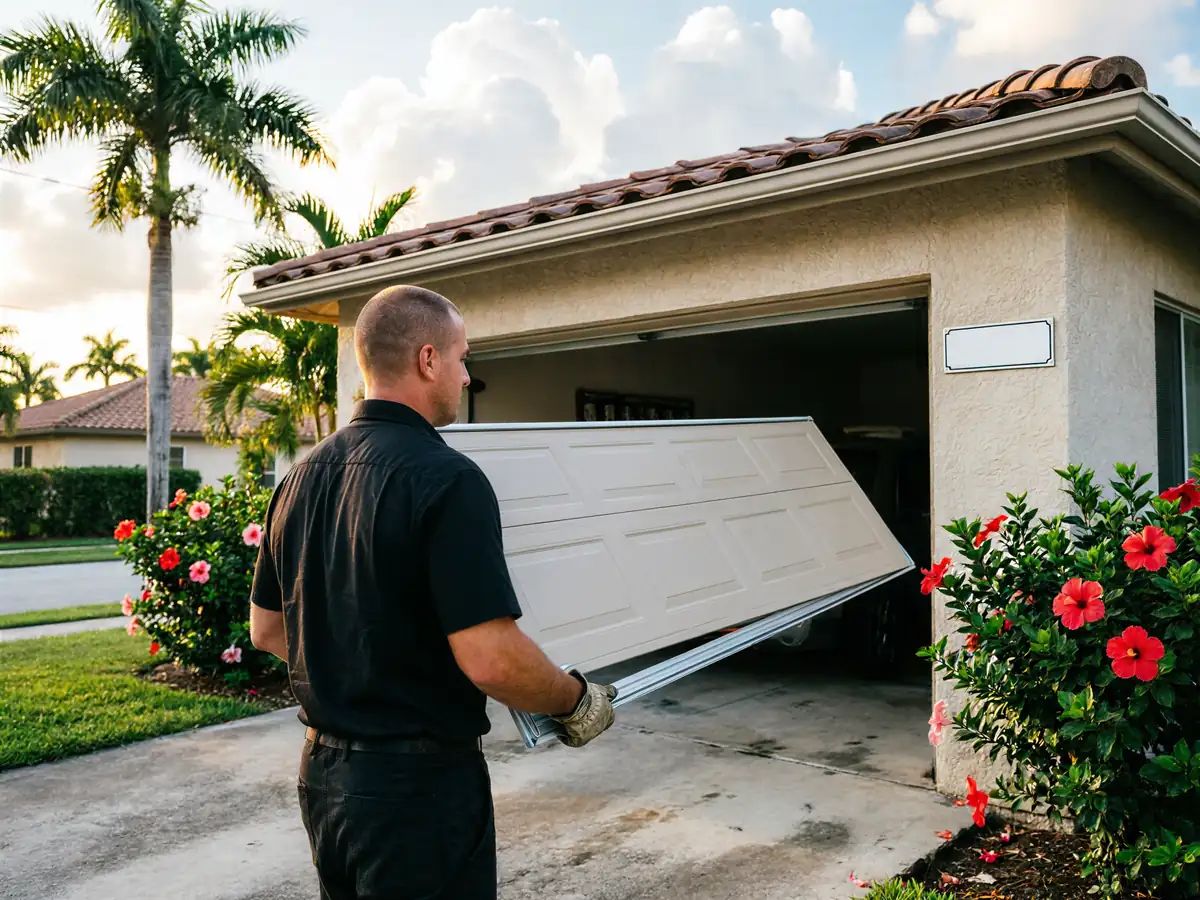
A single panel swap sounds simple until the replacement panel doesn't match. Doors from this era were often sold in short production runs, and a section that looked universal in 1974 may not be made by anyone still in business. When we can't source an exact match, the honest options are a close color and rib match on one section, or a full door replacement if the mismatch would bother you every time you pull into the driveway.
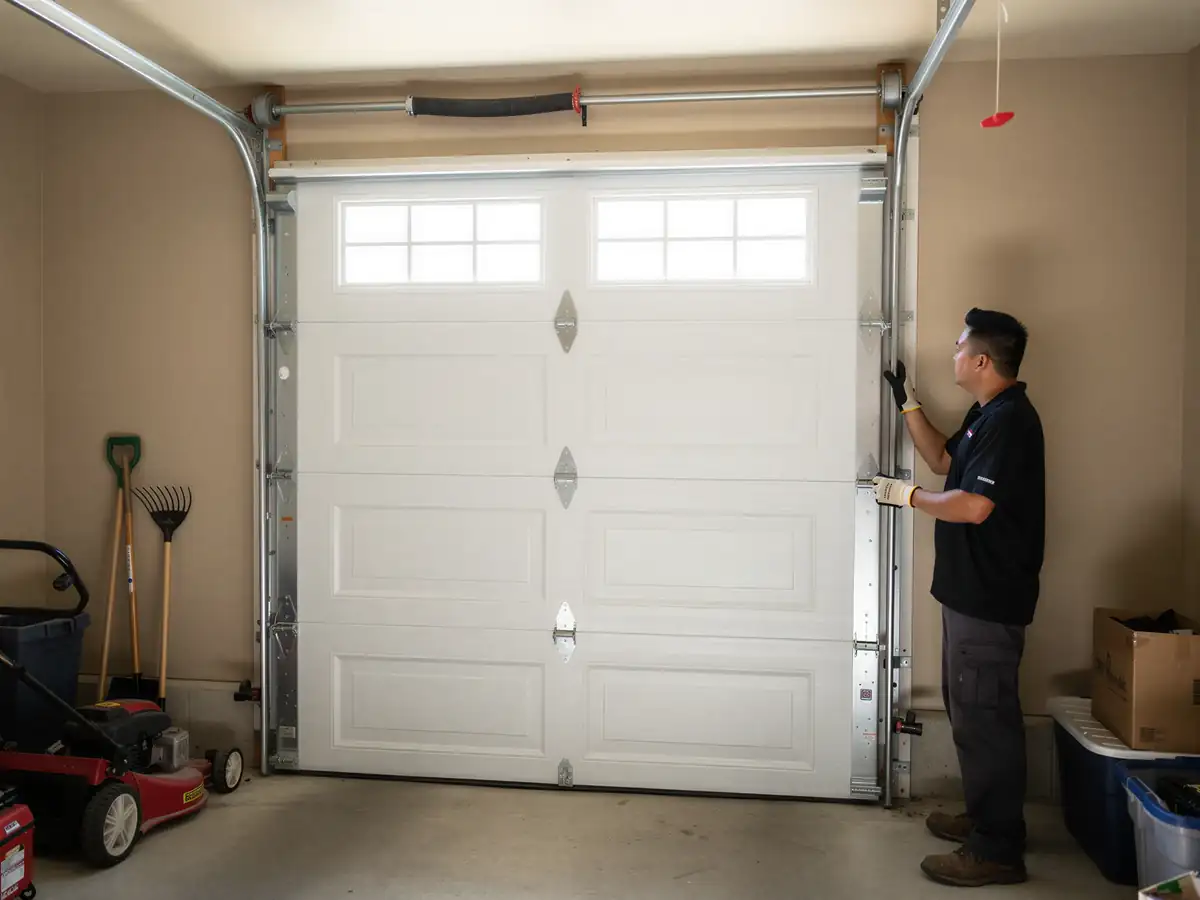
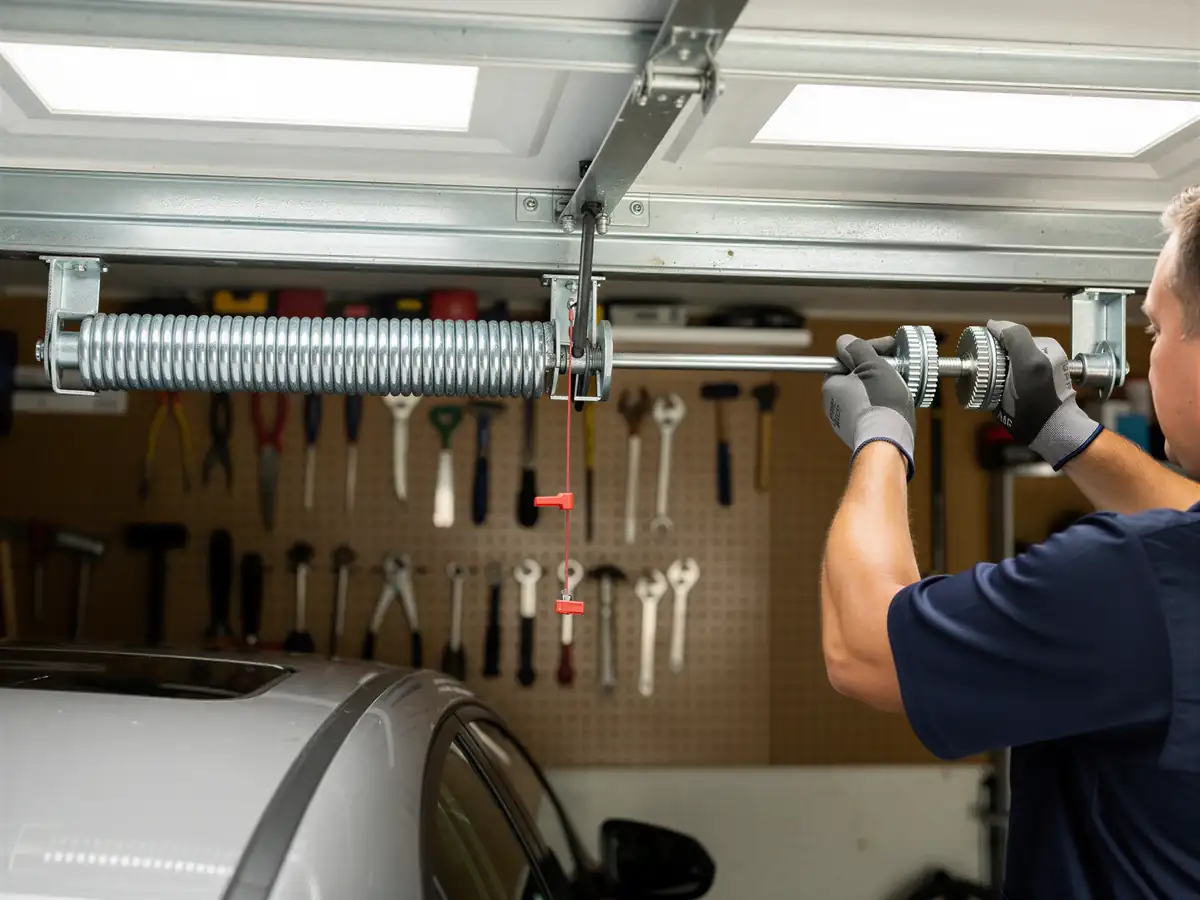
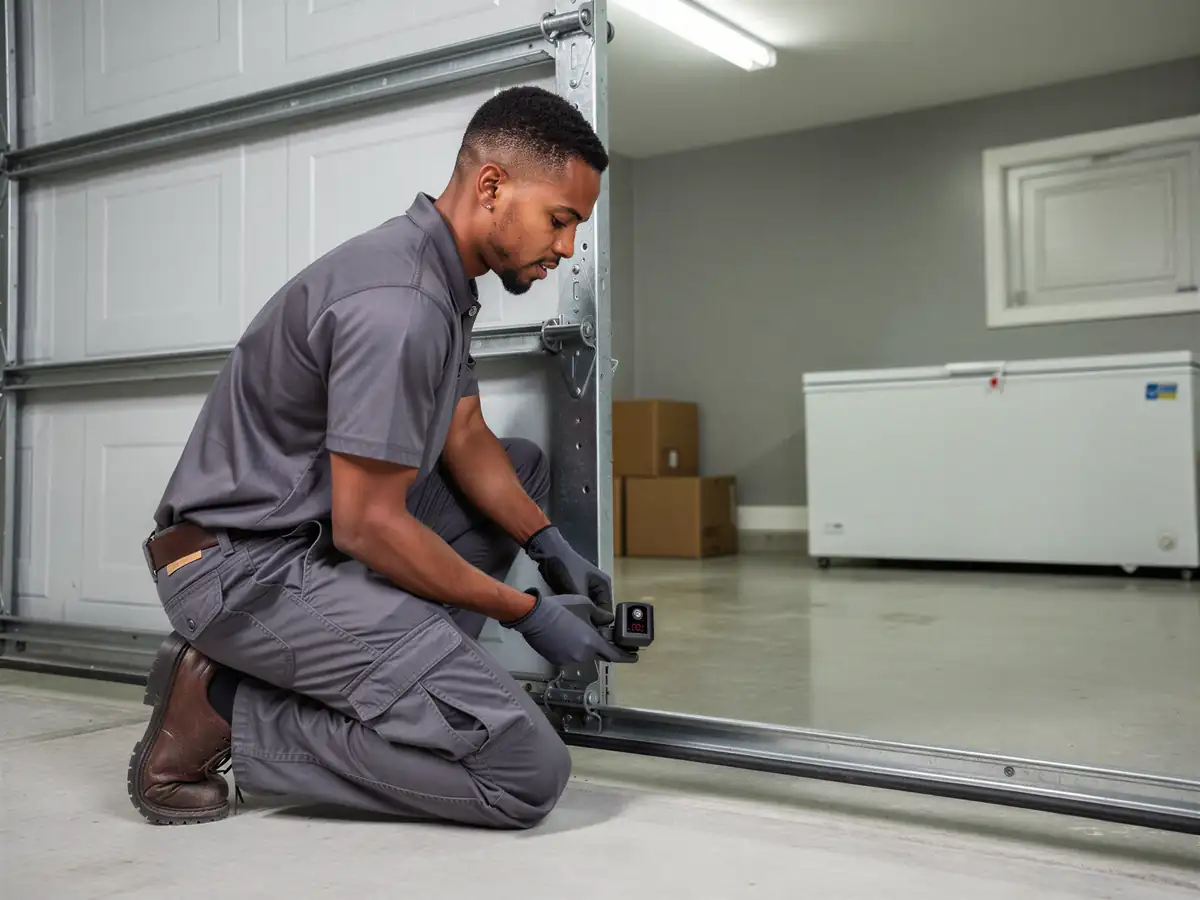
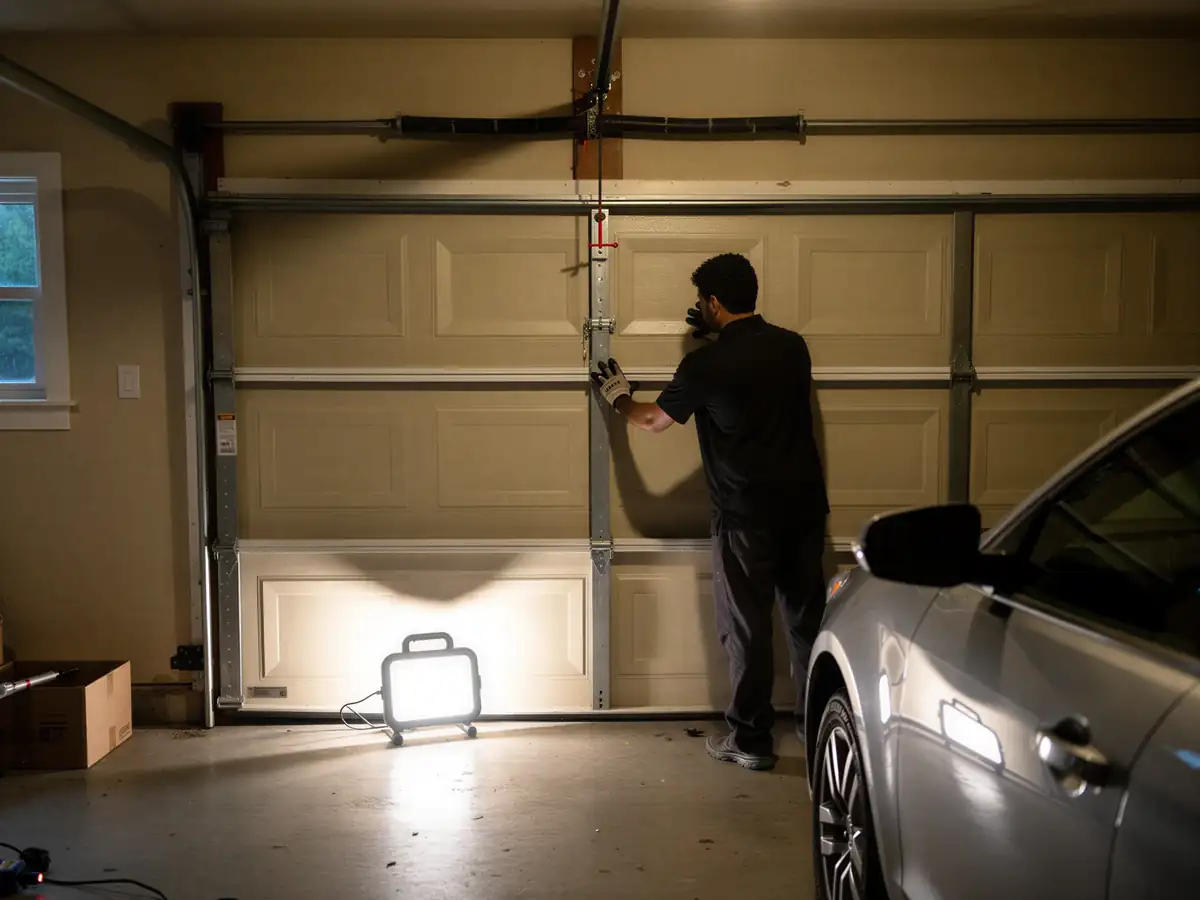
The other place this goes sideways is the track and hinge alignment. On older doors, swapping a bottom panel changes the weight balance just enough that the spring tension needs rechecking. Skip that step and you get a door that closes crooked or binds on the track within a few weeks. We don't treat panel replacement as a cosmetic swap - it's a balance job as much as a parts job.
How Long It Takes
If we're carrying a matching panel on the truck, the swap itself is usually a same-visit job. If the panel has to be special-ordered because the original run is out of production, that's where the timeline stretches - we won't give a number we haven't confirmed with the supplier, because lead times on discontinued profiles vary more than we're willing to promise up front.
We travel the 9 miles out from St. Petersburg for every job on the island, so we schedule the visit once we know what's actually needed, not before. A quick look at the door first saves a second trip later.
Parts We Carry
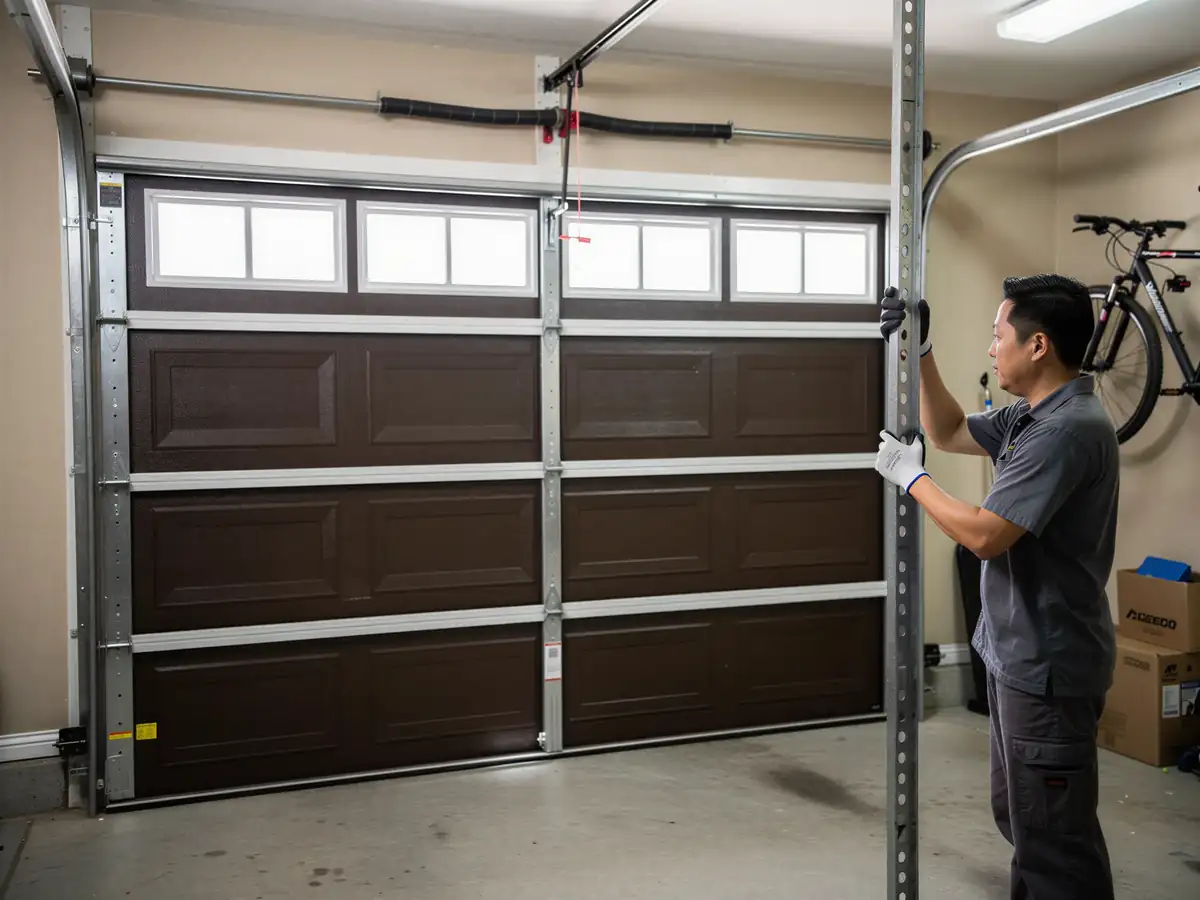
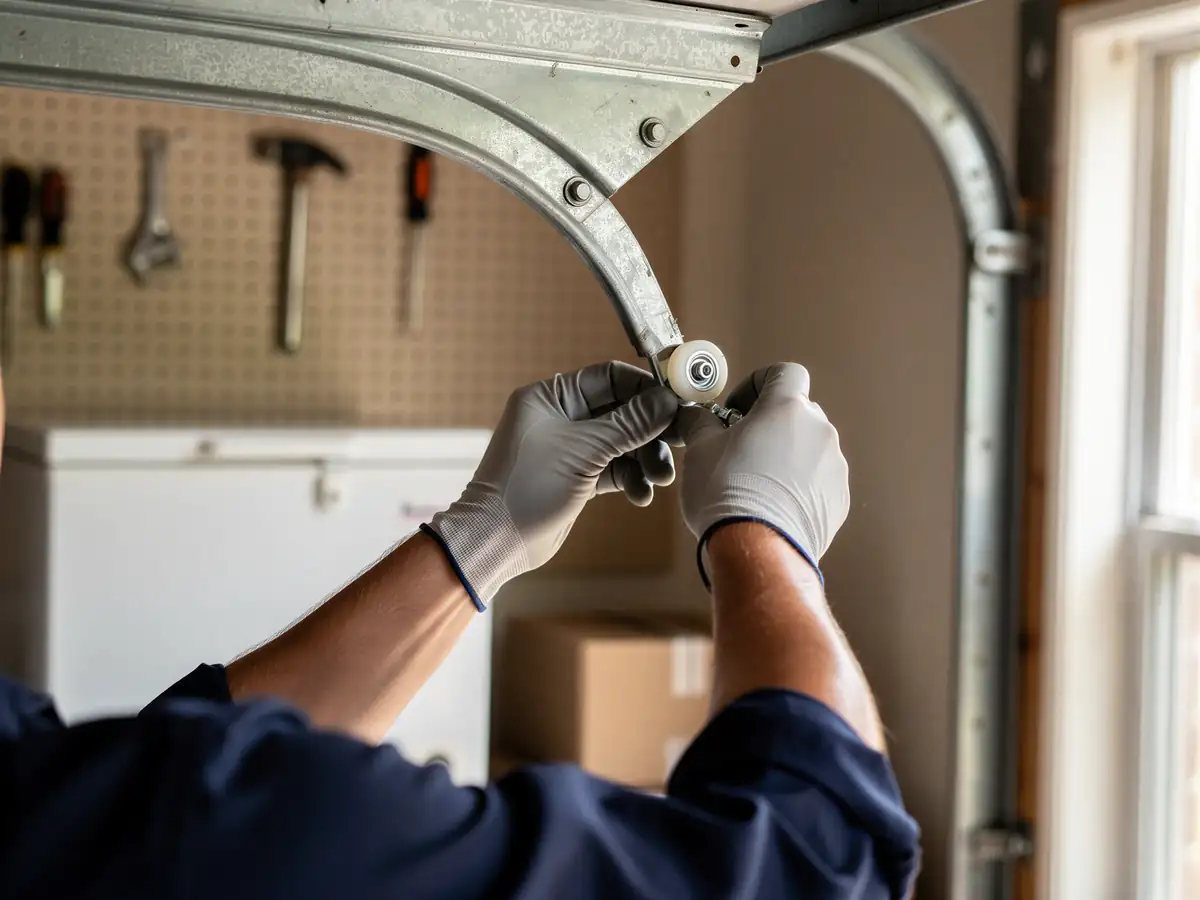
We stock common steel panel sections and the standard rollers, hinges, and end stiles that fit most doors from the 1970s through today
What we don't keep on the truck is the specialty wood-composite panels or the oddball rib patterns that only a handful of manufacturers ever made - those get special-ordered once we've confirmed the exact match against your existing door.
For corrosion damage near the bottom panel
Which we see often on this coast, we also carry replacement bottom seals and galvanized fasteners rated for salt exposure, since standard hardware doesn't hold up the same way out here.