Why It Happens Here
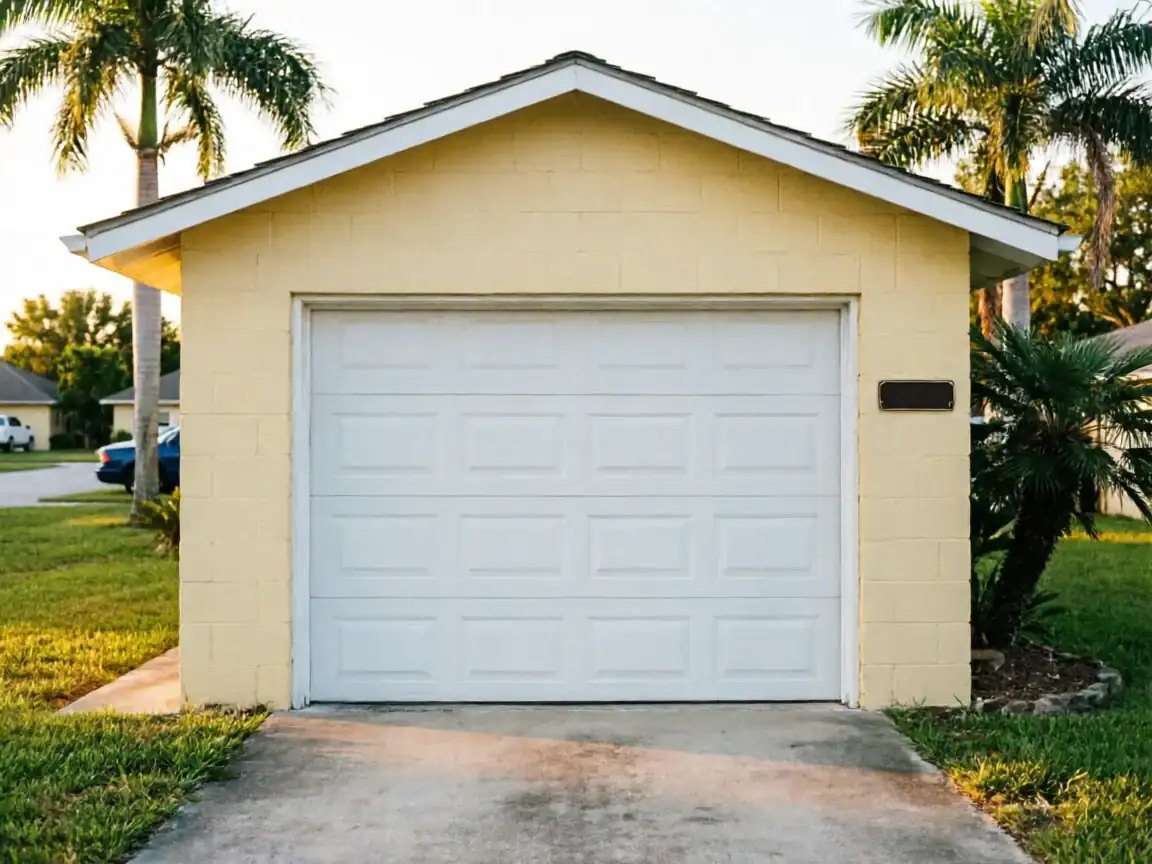
The median Madeira Beach house went up around 1974
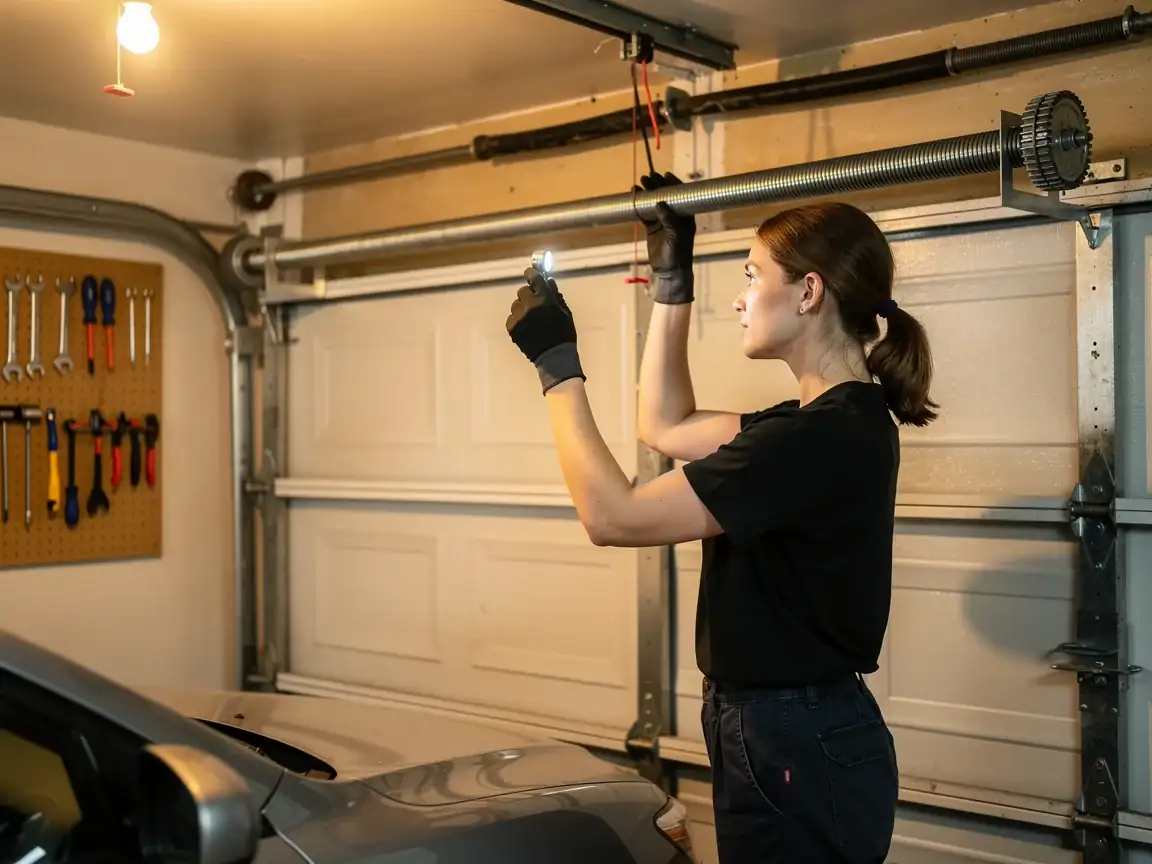
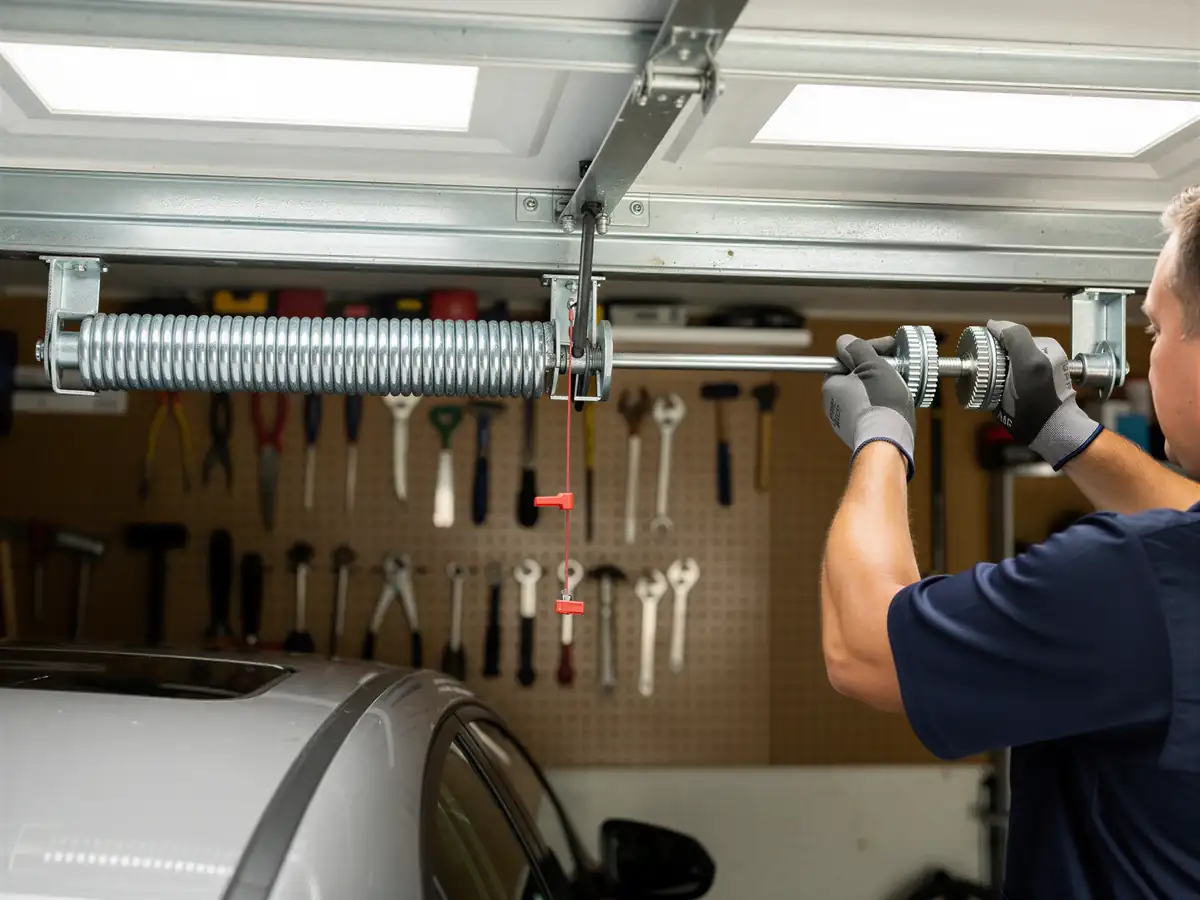
Which puts a lot of garages here on hardware that's never been touched since the day the door was hung. A torsion spring is rated for a number of cycles, not a number of years, but in practice most owners never think about the spring until it lets go. On a house built in the early-to-mid 1970s, that spring has had fifty years to fatigue, and salt air off the Gulf side doesn't help steel that's already due. We see a lot of original springs in this age bracket still carrying the door, right up until the morning they don't.
Madeira Beach sits in the same mild temperate band as the rest of the barrier islands and the mainland side we cover
So the usual Midwest culprit - deep winter cold snapping brittle steel - isn't the story here. The story is salt, humidity, and sheer run time on parts nobody's replaced. A spring that's done 50 years of daily cycles in coastal air doesn't fail the way a dry inland spring does; it tends to go without much warning, often on a day that's otherwise unremarkable. That's the pattern worth knowing before it happens, not after.
- 50 years
Where This Job Goes Sideways
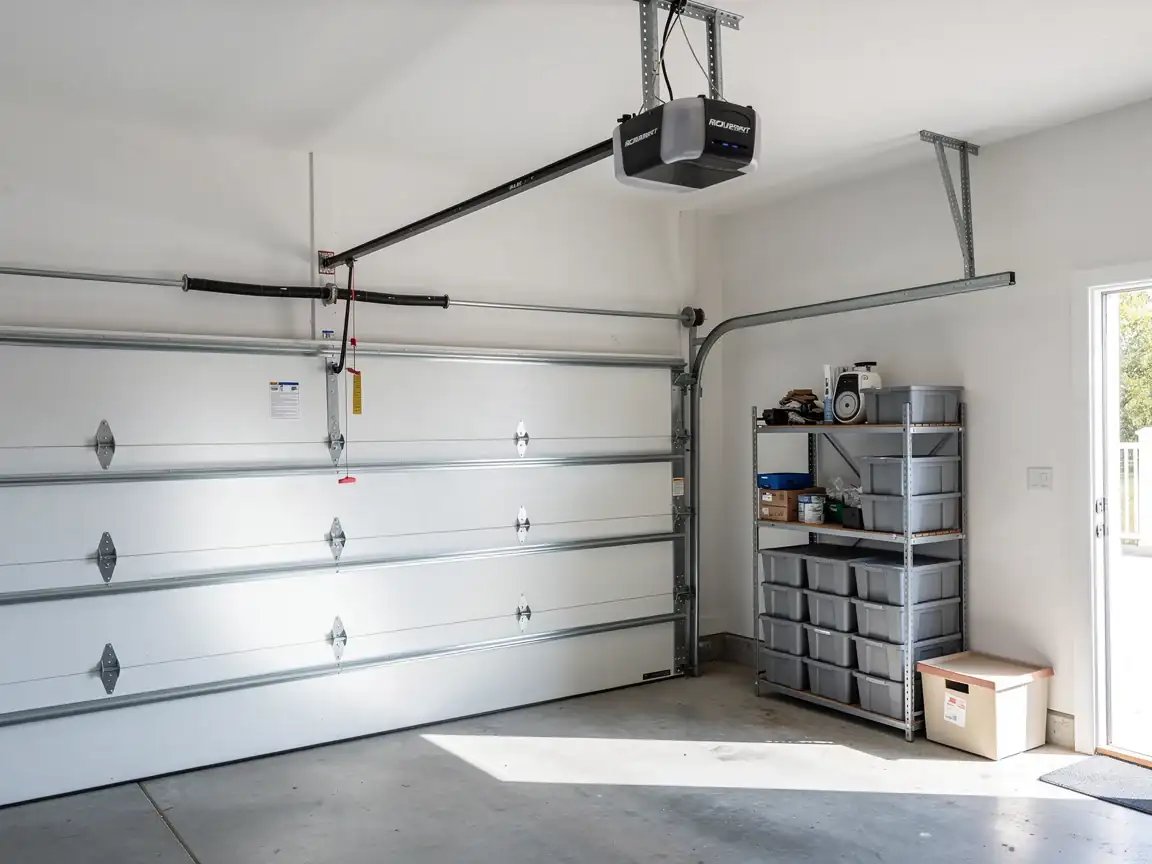
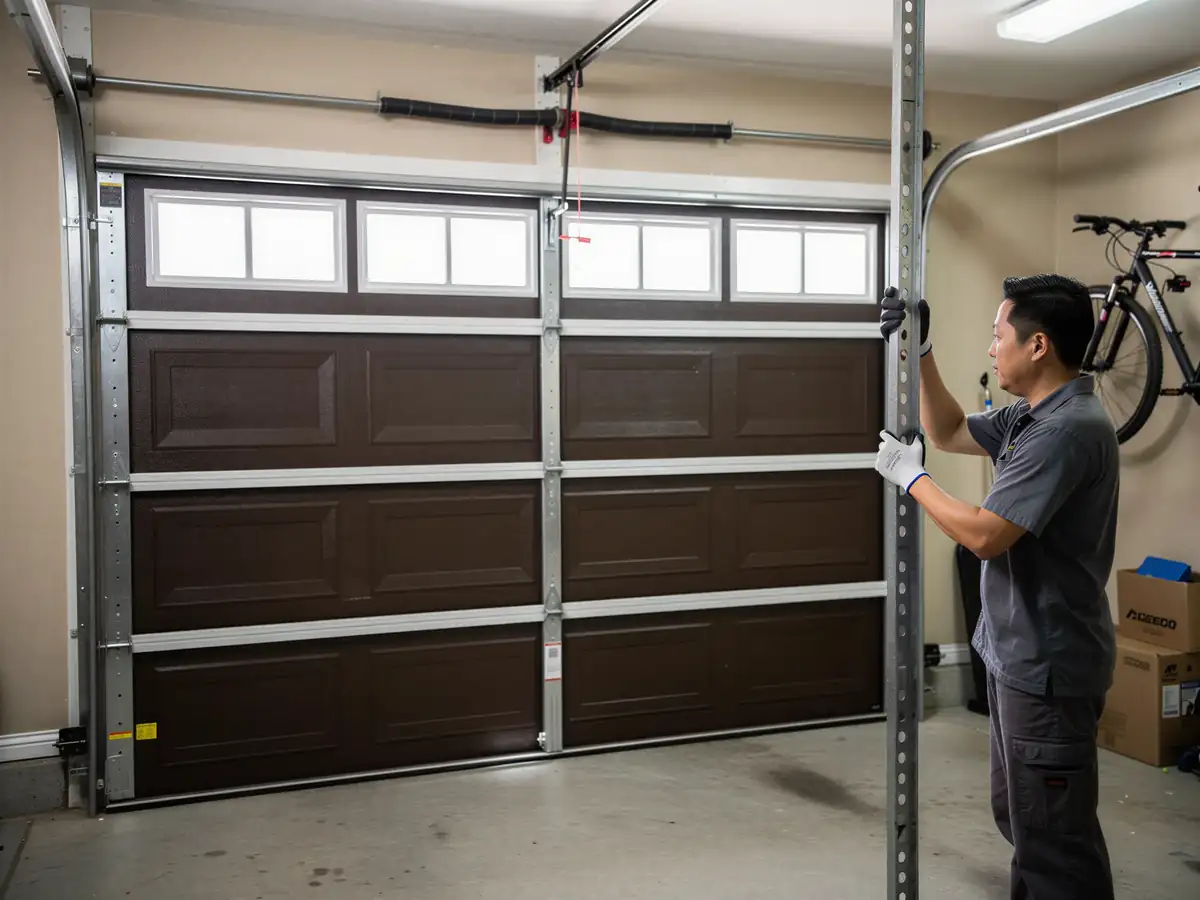
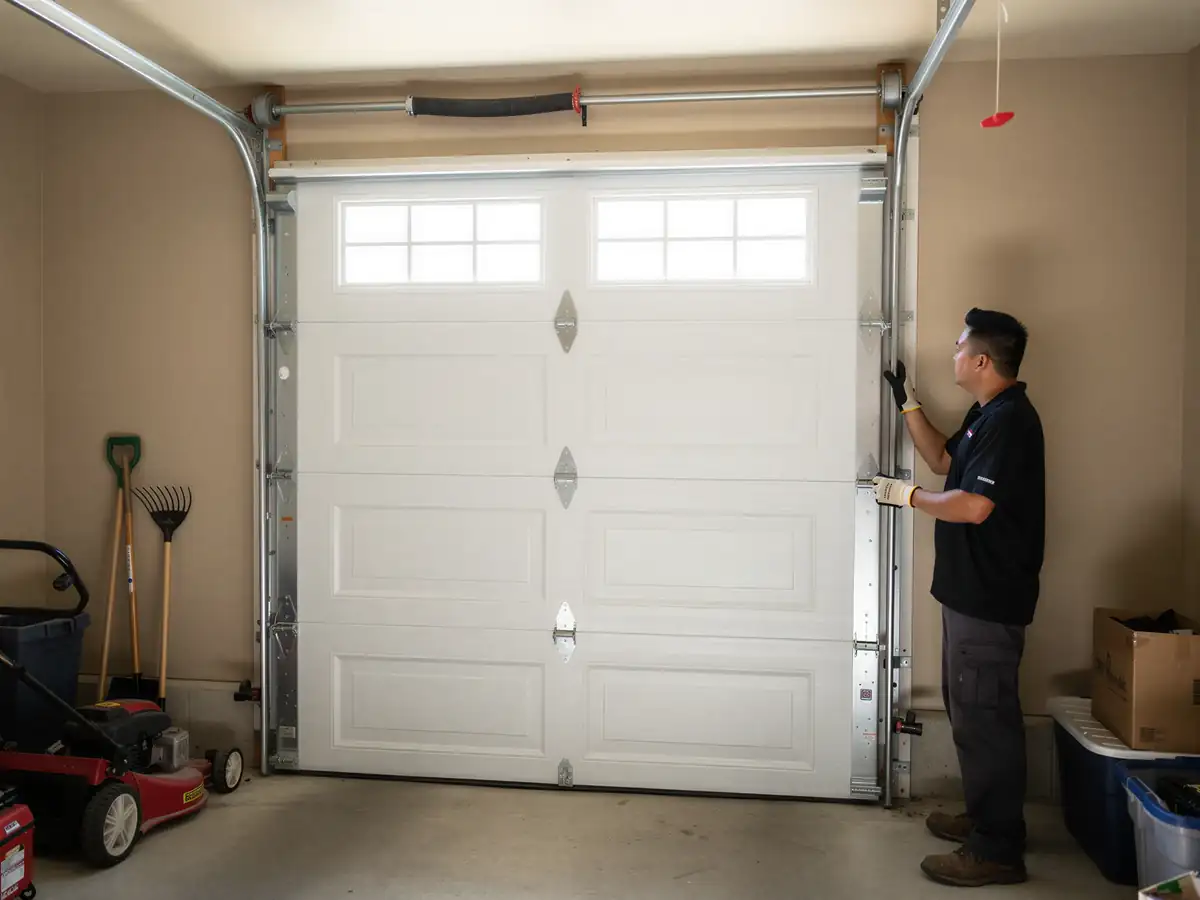
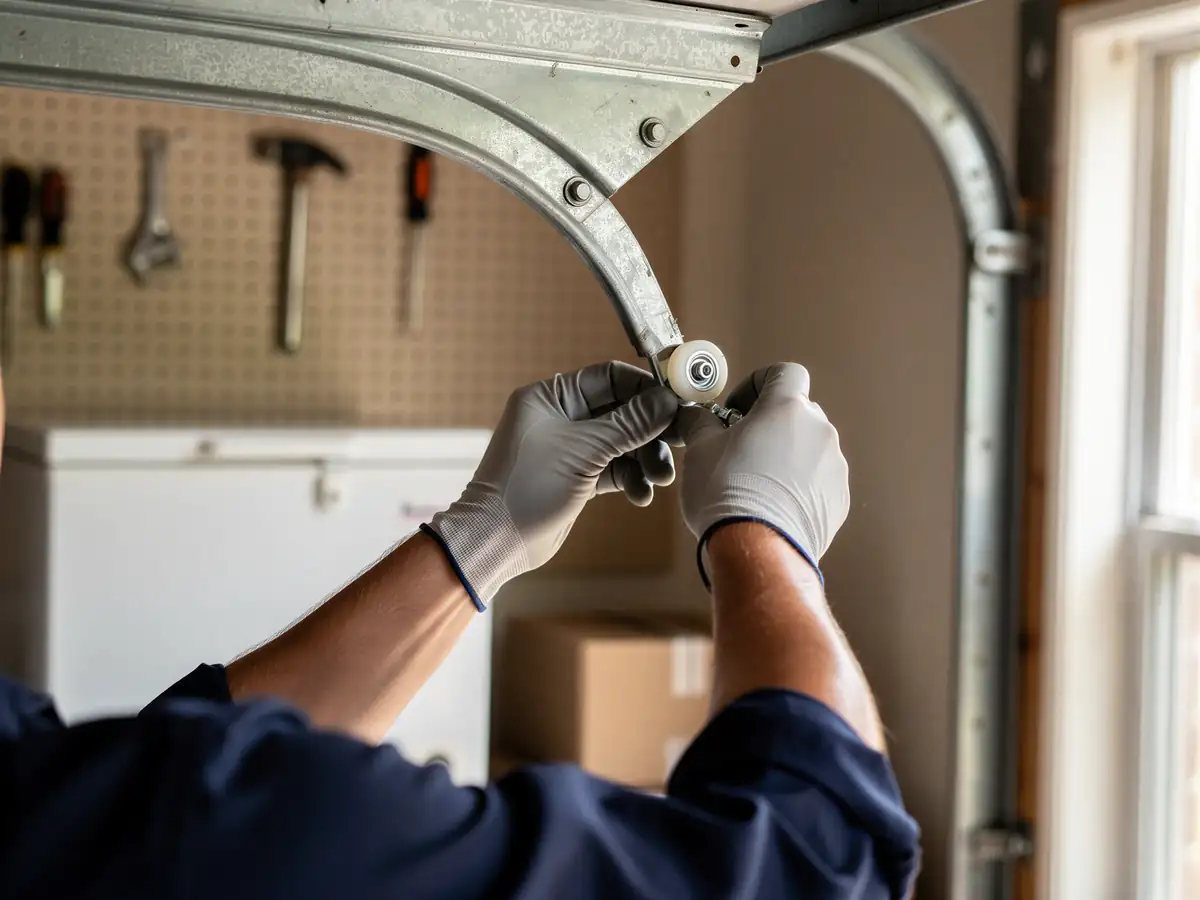
The job itself - pull the old torsion spring, wind in a correctly sized replacement - is routine. Where it goes sideways is the stuff wrapped around the spring that nobody budgeted for. On a house from the 1974 era, the center bracket, the bearing plates, and sometimes the whole torsion tube are original too, and they don't always come apart clean. Rust-frozen set screws, a bent shaft from years of an undersized spring straining to do the job, a cable drum that's worn oval instead of round - any of those turns a one-hour spring swap into a longer repair.
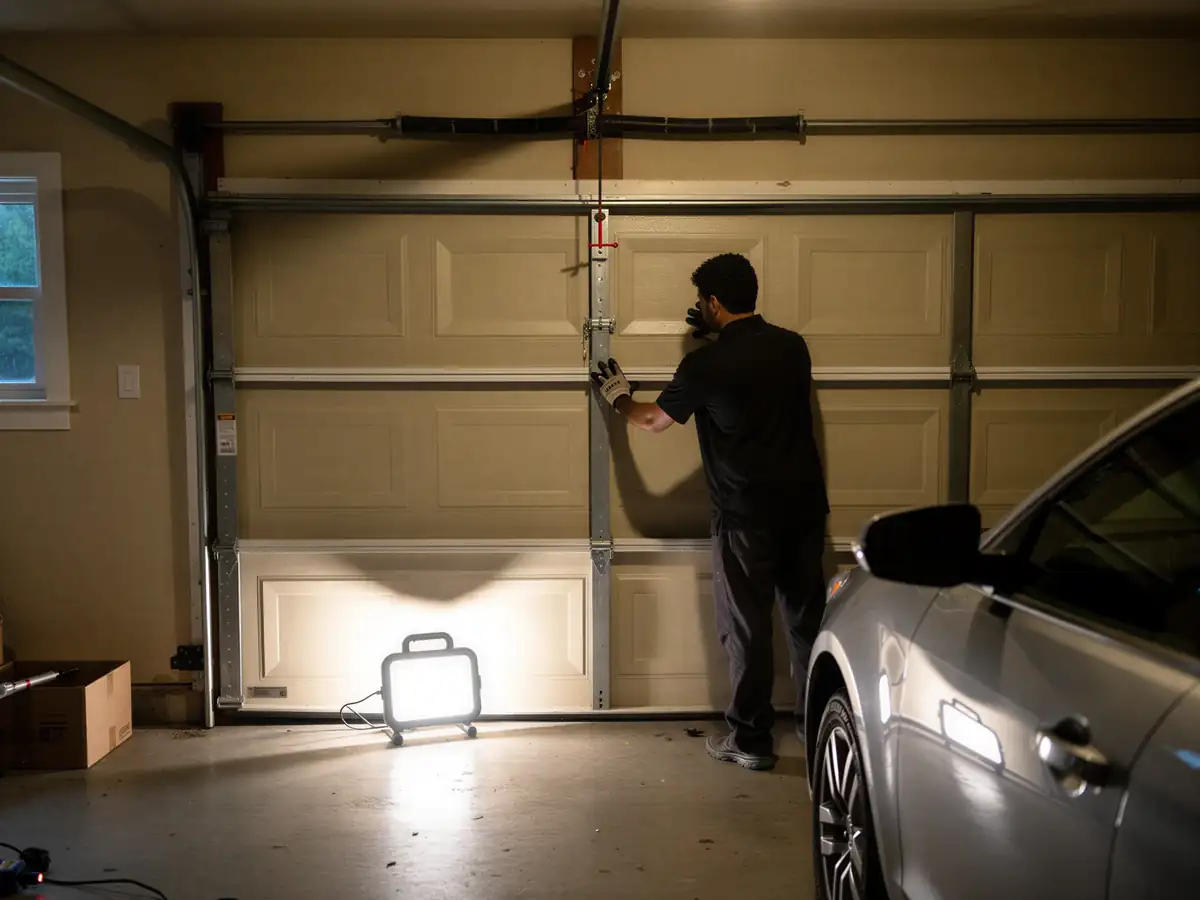
We also see owners here try to save the call by adjusting the spring tension themselves after a door starts sagging on one side. That's the single most dangerous DIY move on a garage door, full stop, and it's the one honest limitation we'll put in writing: a wound torsion spring under tension can take a finger or worse, and we won't talk anyone through doing it themselves over the phone. If the door's sagging, leave the winding bars alone and make the call.
How Long It Takes
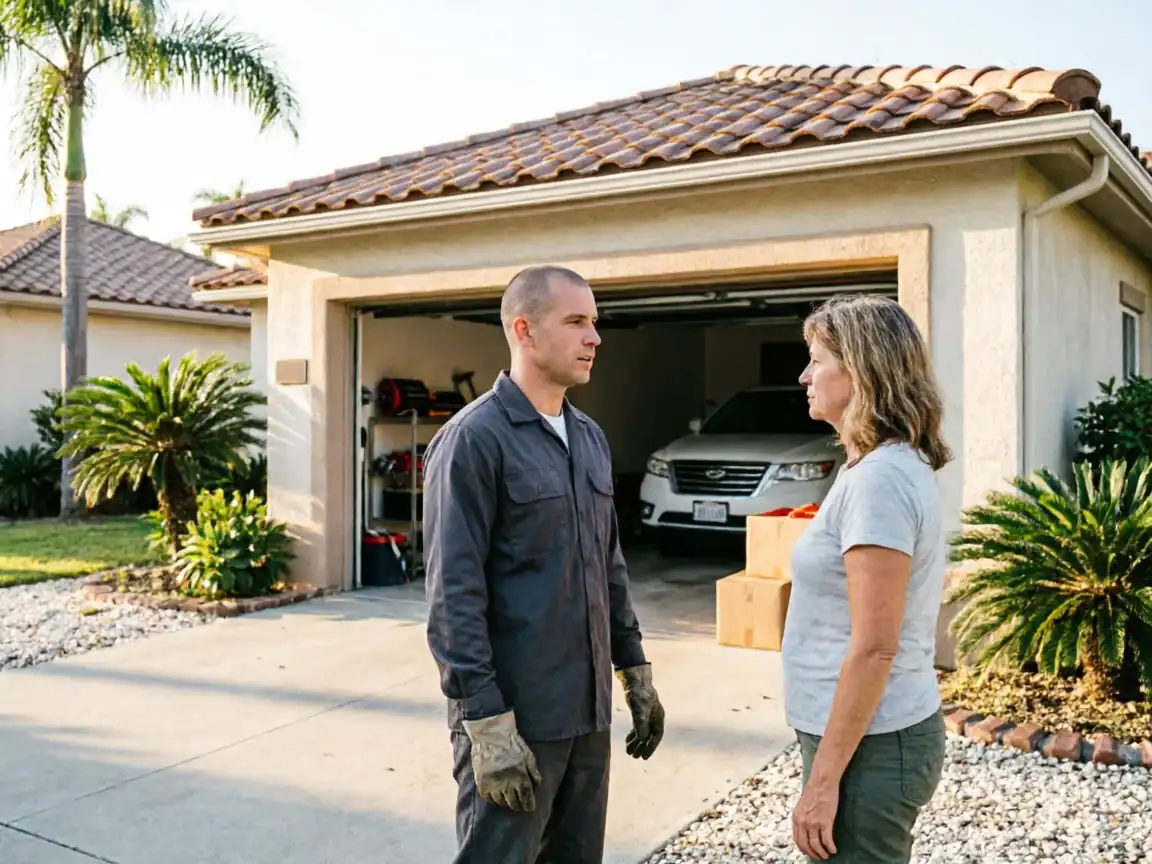
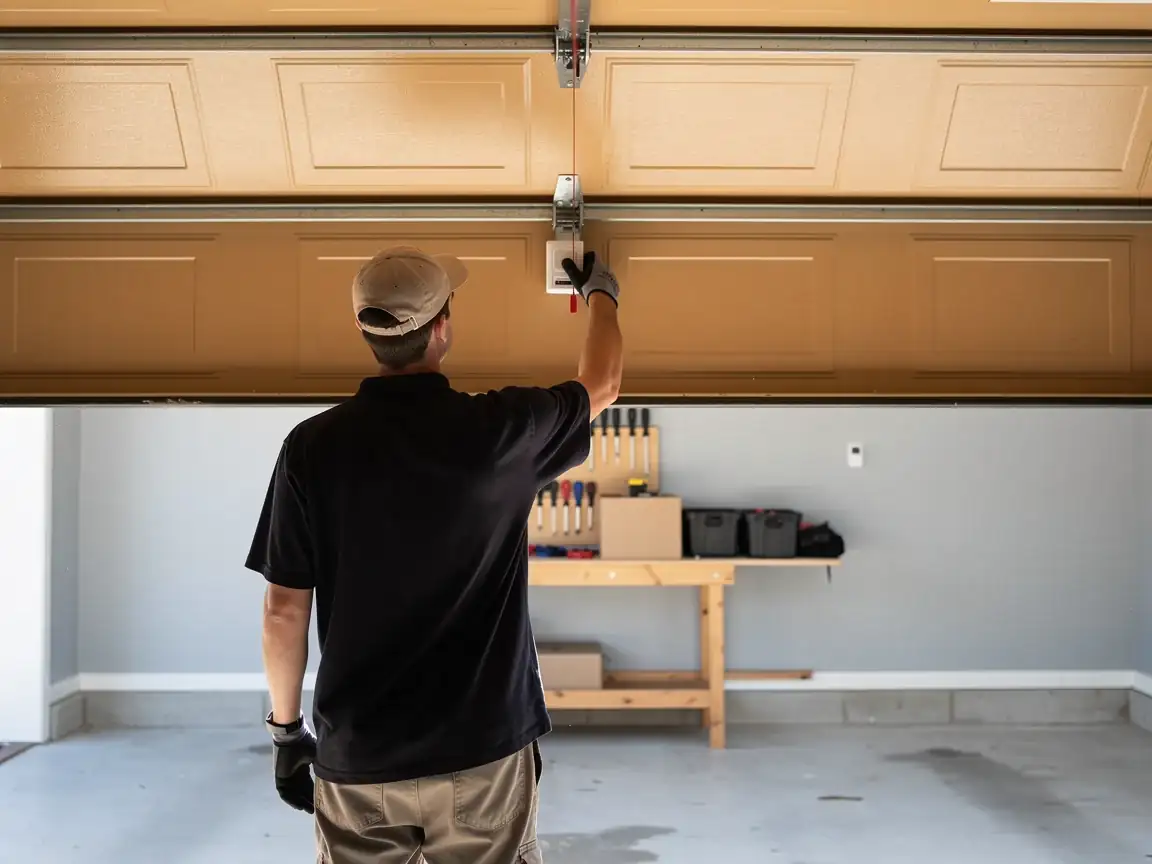
A straight spring swap on a single door, once we're on site, usually runs under an hour. What changes the timeline for Madeira Beach specifically is the drive - we're coming from St. Petersburg, about 9 miles out, so factor that into when we can get a truck to you rather than expecting a same-block response. We don't keep a depot on the island, and we're not going to claim one.
If the original hardware turns out to be in worse shape than expected - a seized bearing plate, a torsion tube that's rusted to the shaft - that adds time on site, sometimes a return trip if a part isn't on the truck. We carry the common spring sizes for the door weights typical of this area's build era, but every door is sprung to its own weight, and a wider or heavier door than standard takes a measurement before we wind anything in.
Parts We Carry
For a town where the housing stock centers on 1974
The springs that fail most are standard torsion springs sized for the lighter steel and wood-composite doors common to that era, plus the extension-spring setups still found on some older single-car garages that haven't been converted. We stock the torsion spring sizes that cover most of what's out there in this age range, along with the cable, end bearings, and center brackets that tend to go along with a spring failure on original hardware.
What we don't stock on the truck is anything custom
A nonstandard door width, a heavier insulated door retrofit that changed the spring math, or a torsion tube length outside the common range. Those need an order, which can add a few days versus a same-visit fix. If your door's spring is a standard size, we're usually finishing the job in one trip.