What You Pay
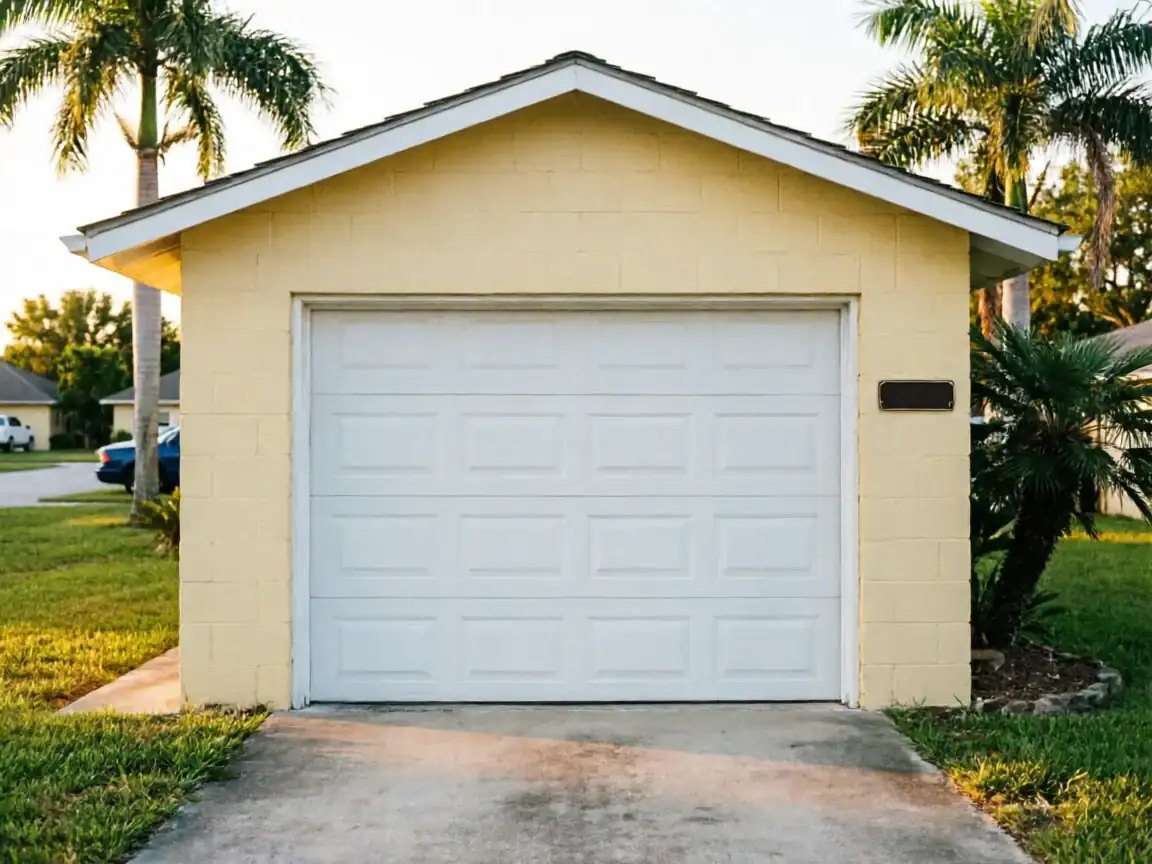
Pinellas Park's housing stock centers on 1978
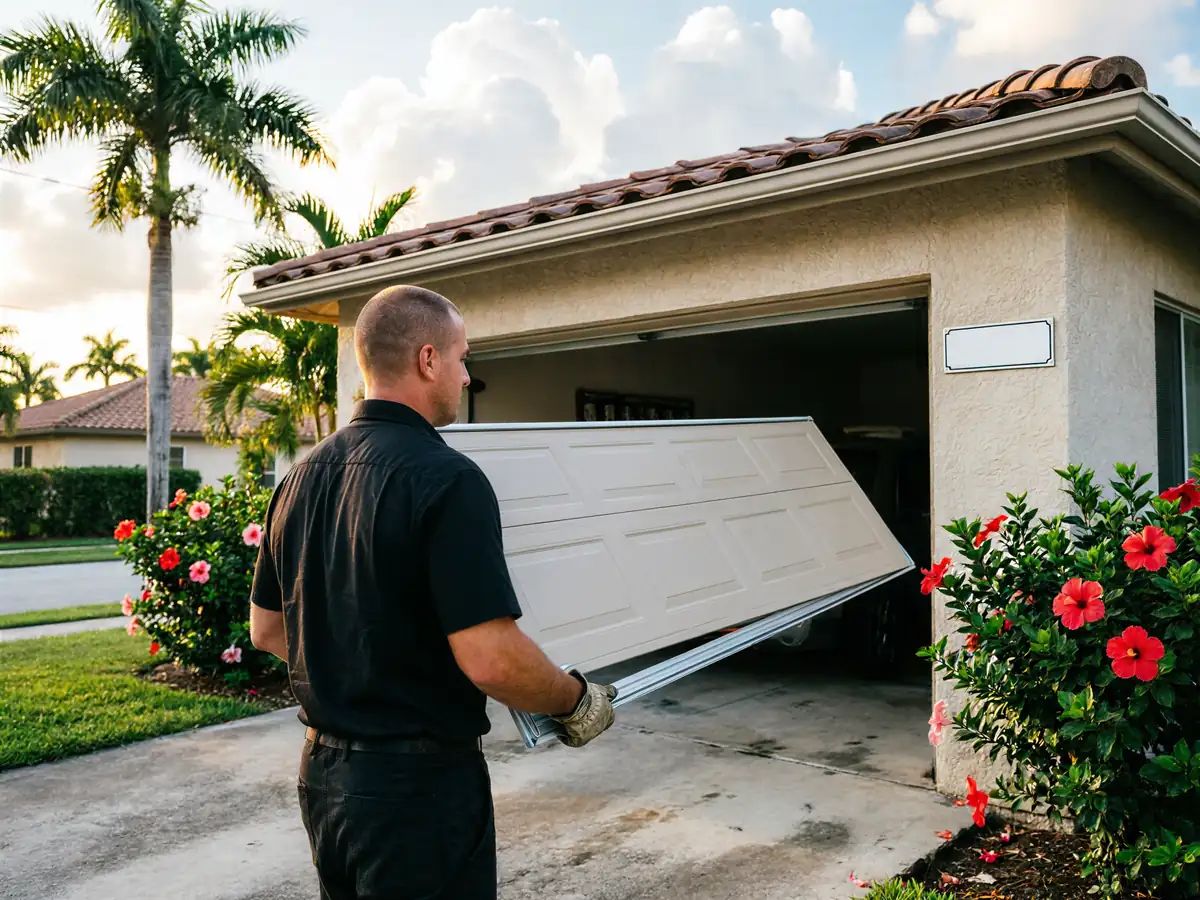
Which puts most garage doors here squarely in the steel sectional era - not the wood doors of the 1960s, not the insulated composite doors of the 2000s. That matters for panel replacement because the sizing, the embossing pattern, and the hinge spacing on a 1978 door are not interchangeable with anything made today off the shelf. A single damaged panel on one of these doors often costs more to match than to replace outright, because we're hunting a section that fits an end-of-life hinge and track profile rather than ordering a current stock size.
What you pay depends on whether we can source a matching panel for your door's model and age
Or whether the smarter call is replacing the full section set. We don't quote a number sight unseen - a door built the same year as your neighbor's can carry a different section height depending on who installed it. What we can tell you up front is that single-panel matches on doors this age run higher per square foot than a full door swap, simply because we're buying less and searching more.
The area's median household income sits lower than St. Petersburg's
And we factor that into how we present options - matched panel first, full door only when matching isn't realistic.
Where This Job Goes Sideways
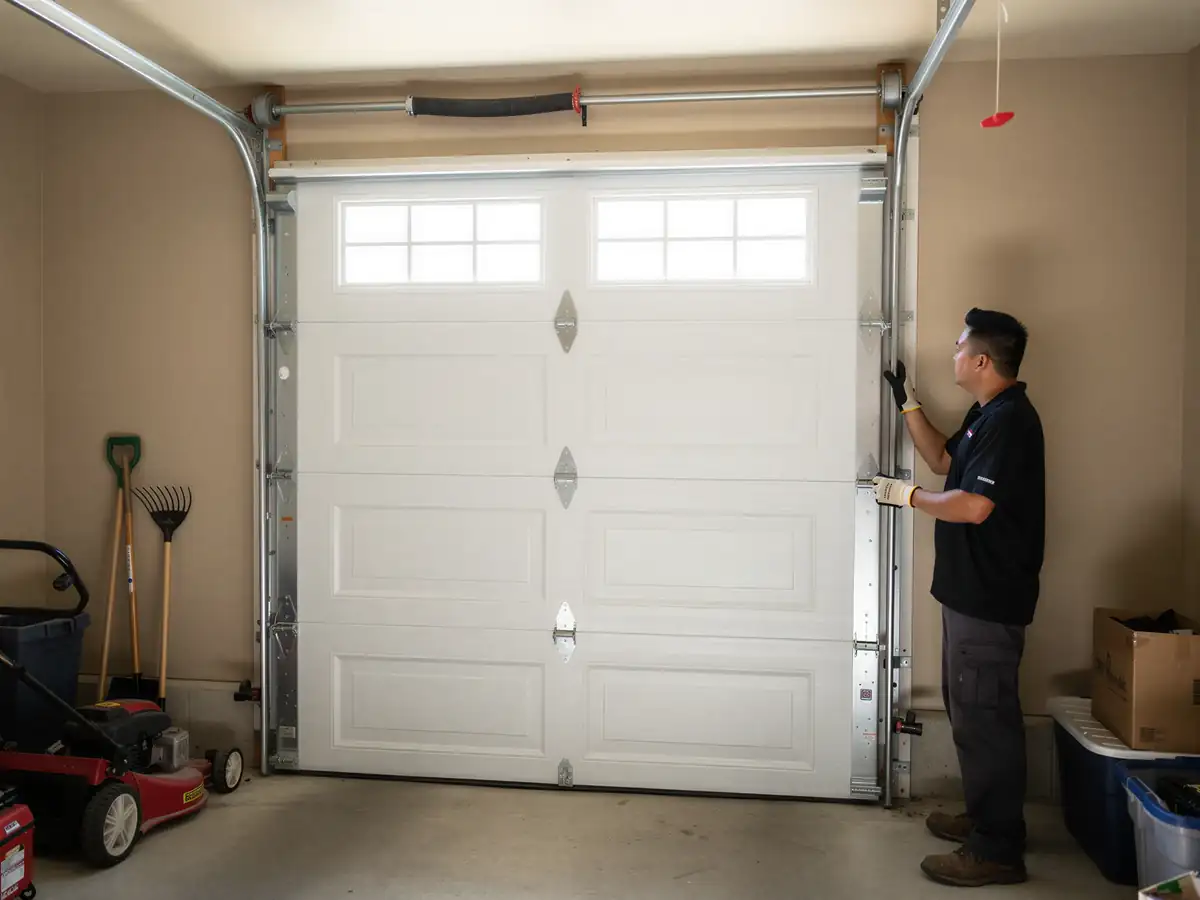
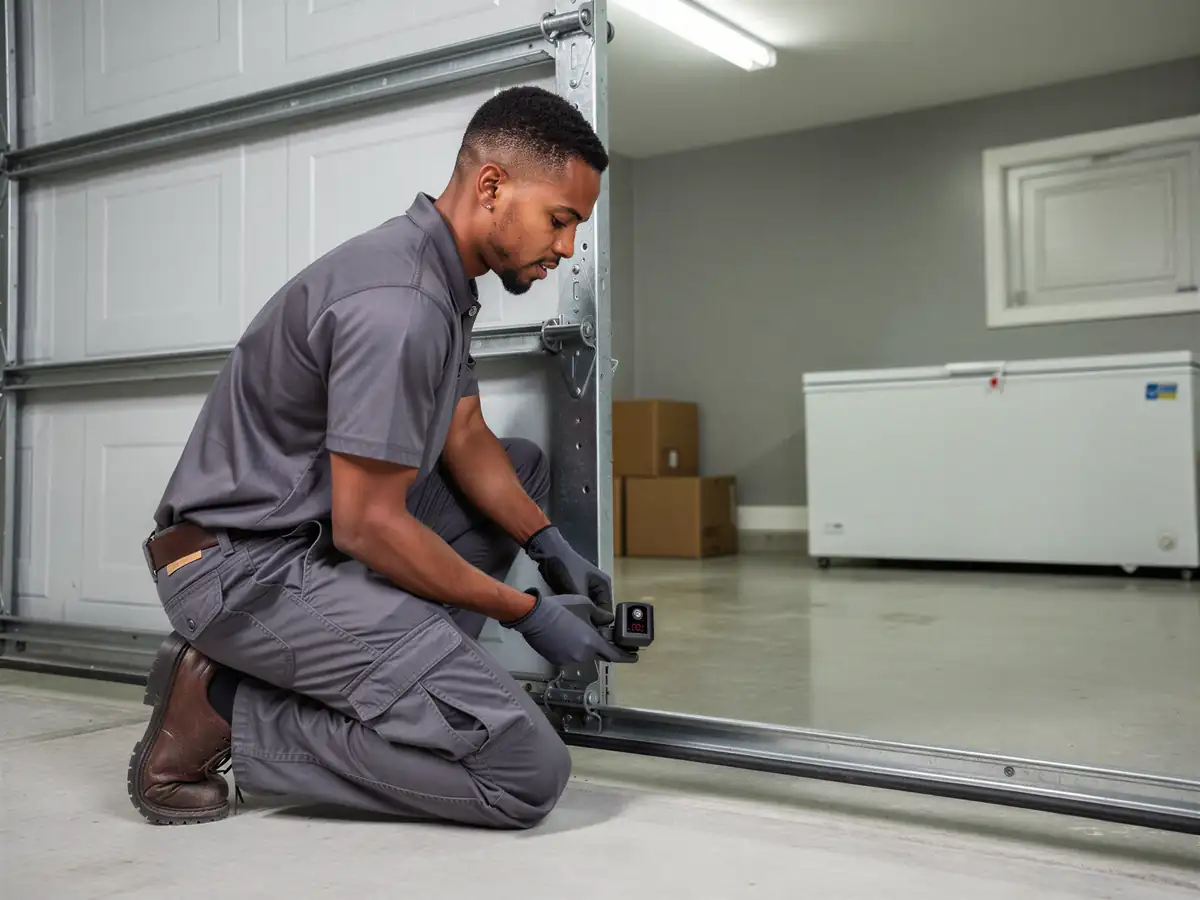
The failure point on a 1978-era door is almost always the track alignment once a bottom panel gets replaced. These doors were built with heavier gauge steel than what's sold now, so a new panel section - even one cut to the right width - can sit slightly off from the original rail tension. You bolt it in, it looks fine, then six months later the roller starts chewing into the track edge because the panel flexes different than its neighbors.
The second place it goes sideways is paint and finish match. A door that's been in Pinellas Park sun since the late 1970s has faded and chalked in ways a brand-new panel never will, even from the same manufacturer's current run. We tell customers this before we order anything: the new section will look new, and the rest of the door won't, until weather evens it out over a season or two. That's not a defect, it's just two different ages of steel sitting next to each other.
Doing It Yourself
If you're set on doing this yourself, the first job is figuring out whether your door is even still in production under any name - a lot of late-1970s doors were sold under badges that no longer exist, which means the panel you find online may be close but not correct. Measure the section height and the hinge spacing before you order anything, because a quarter-inch off on either one means the panel won't seat.
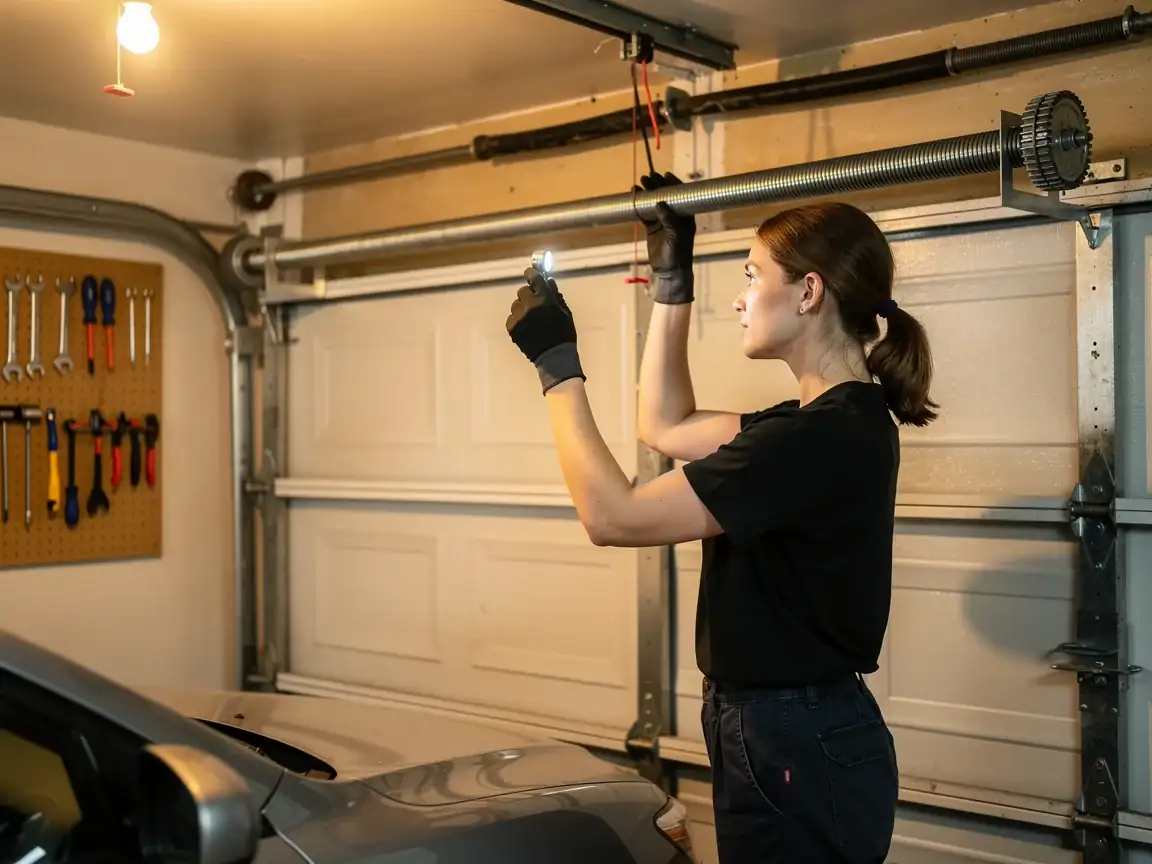
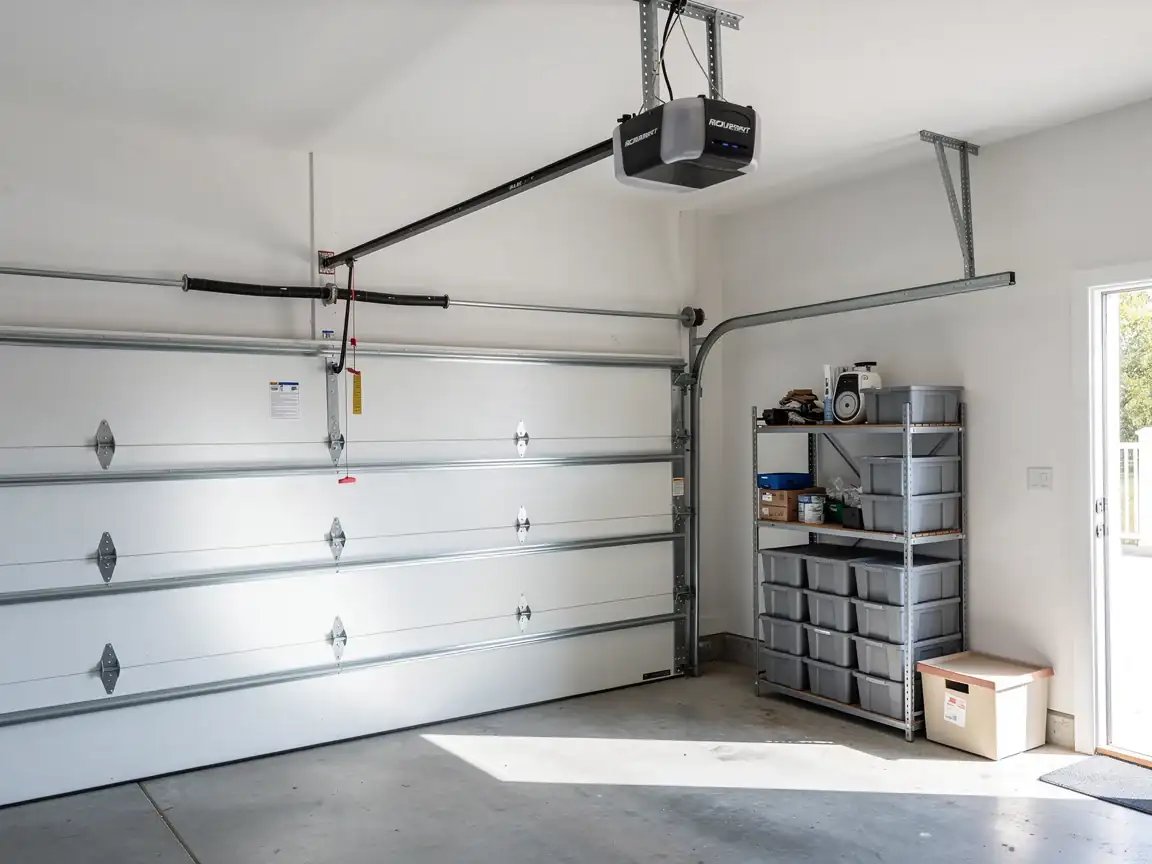
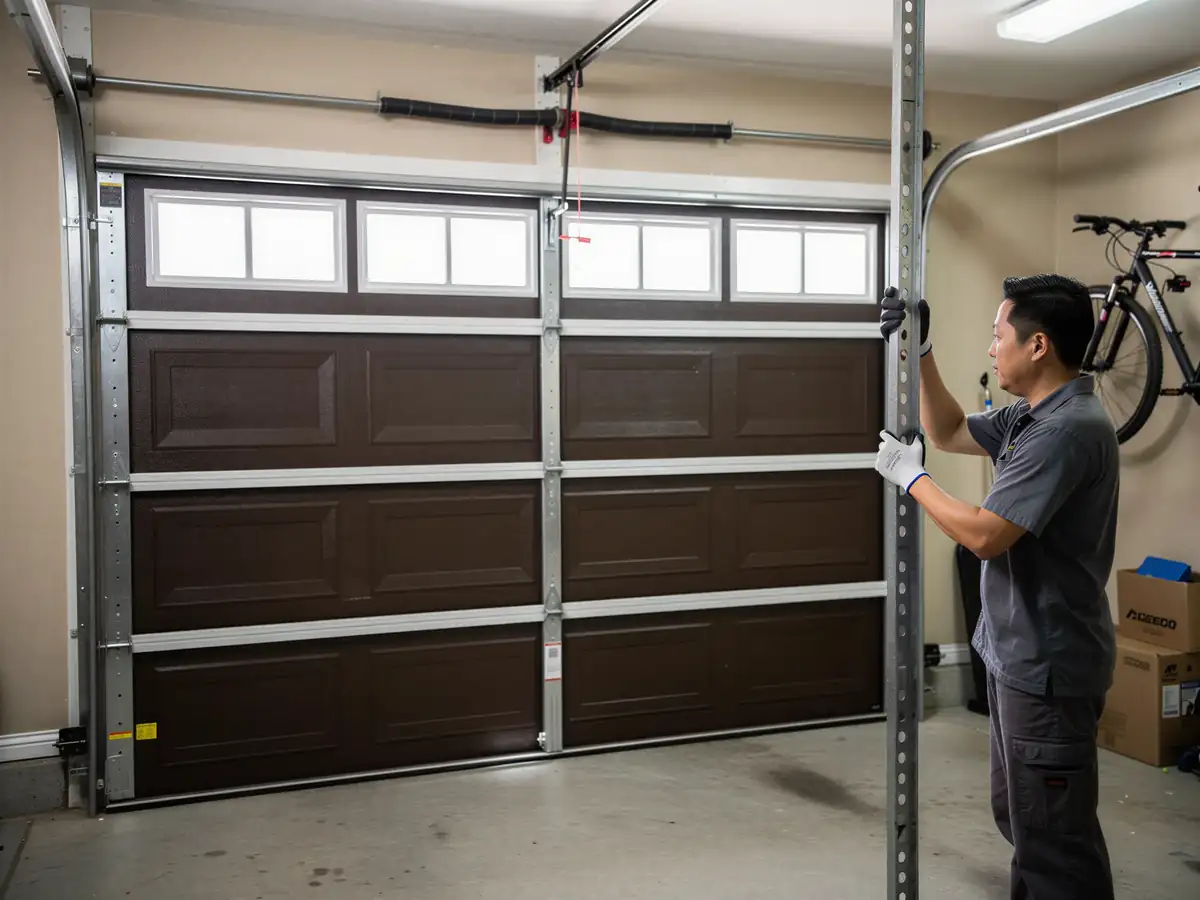
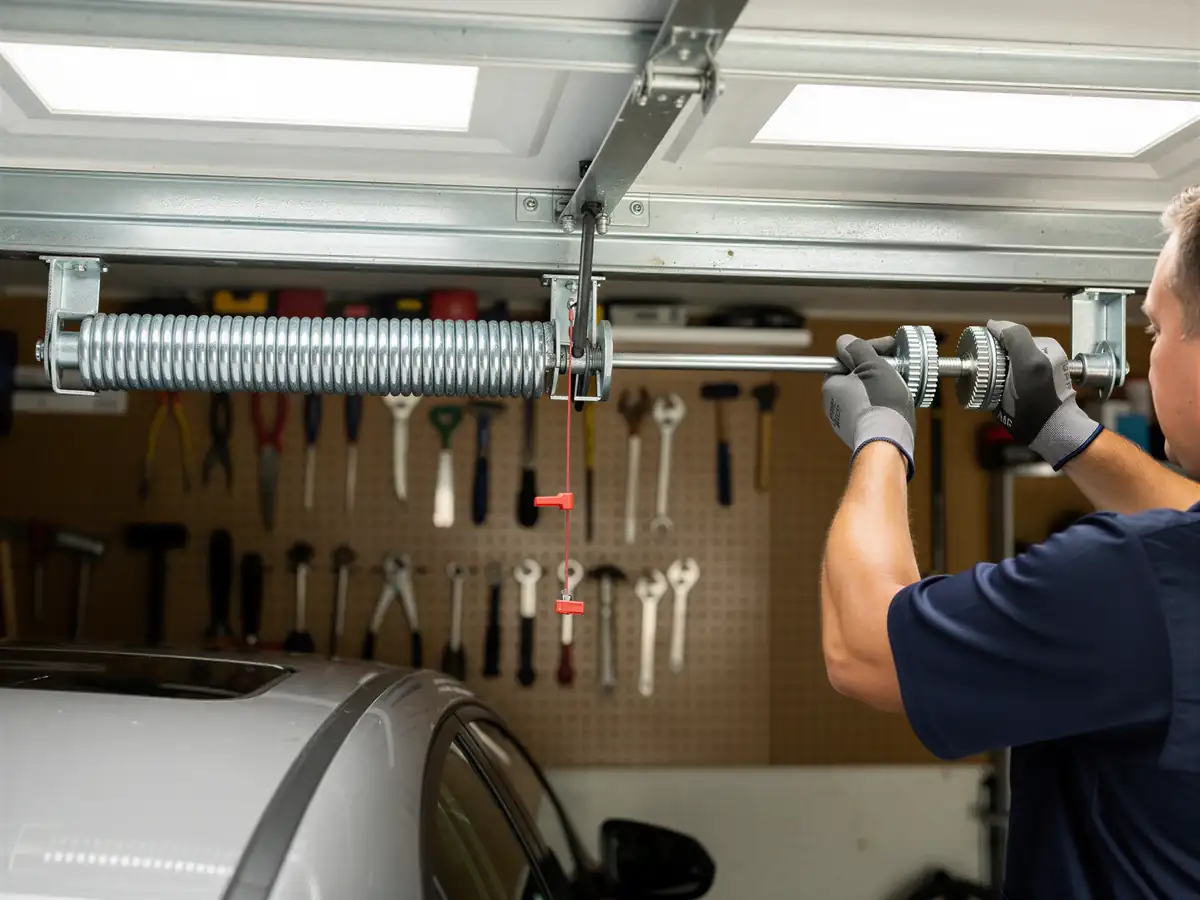
Where we'd stop you: anything involving the torsion spring on a door this age. The spring on an original 1978 door has had four decades to fatigue, and replacing a panel without also checking spring tension is how people get hurt - these springs store more force than they look like they do. Panel swaps on a single-car door are manageable for someone comfortable with a drill and a level. Double doors, or anything where the track has to come off to seat the new section, is where we'd tell you to call it.
How We Fix It
We start by identifying the door's actual manufacturer and section profile rather than guessing from the year alone
Two doors built in 1978 can still differ by brand. From St. Petersburg, 8 miles out, we bring panel stock sized for the common sectional widths that show up across this part of the service area, plus the tools to true up a track that's shifted from age rather than from the damage itself.
- 8 miles
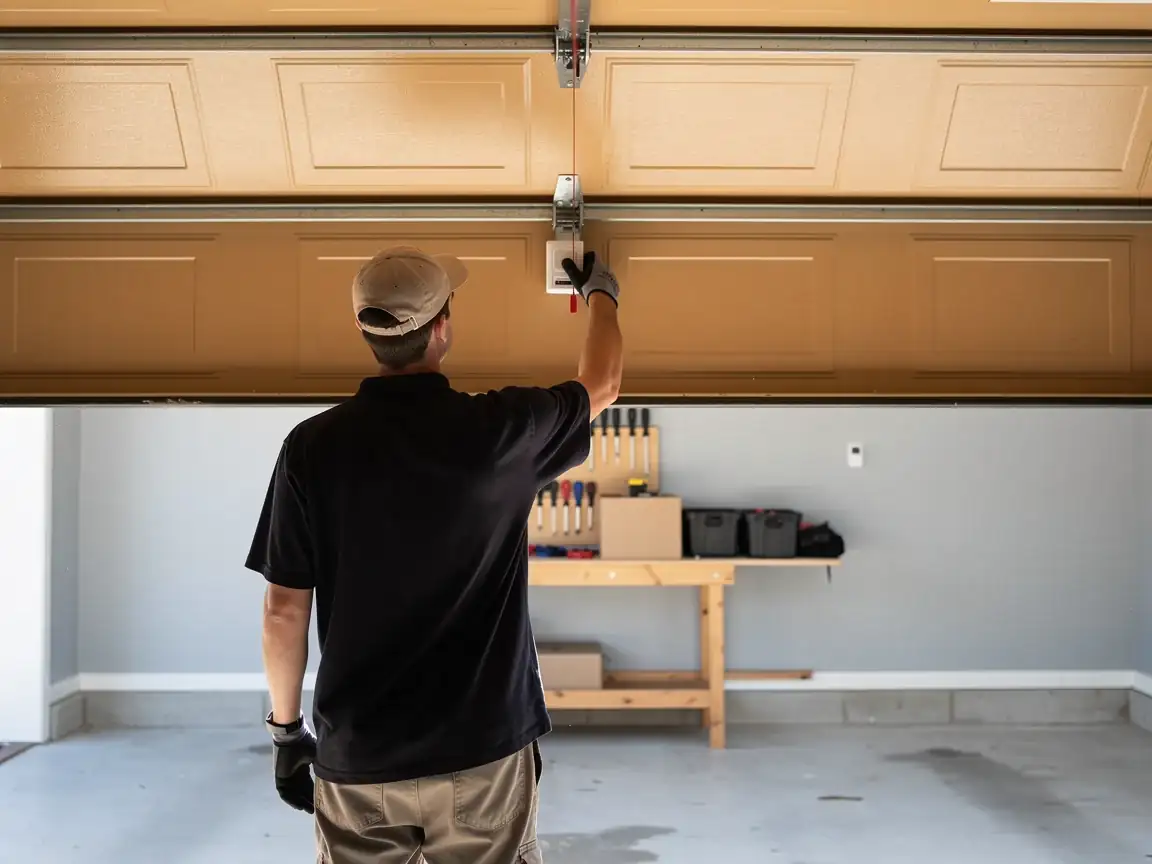
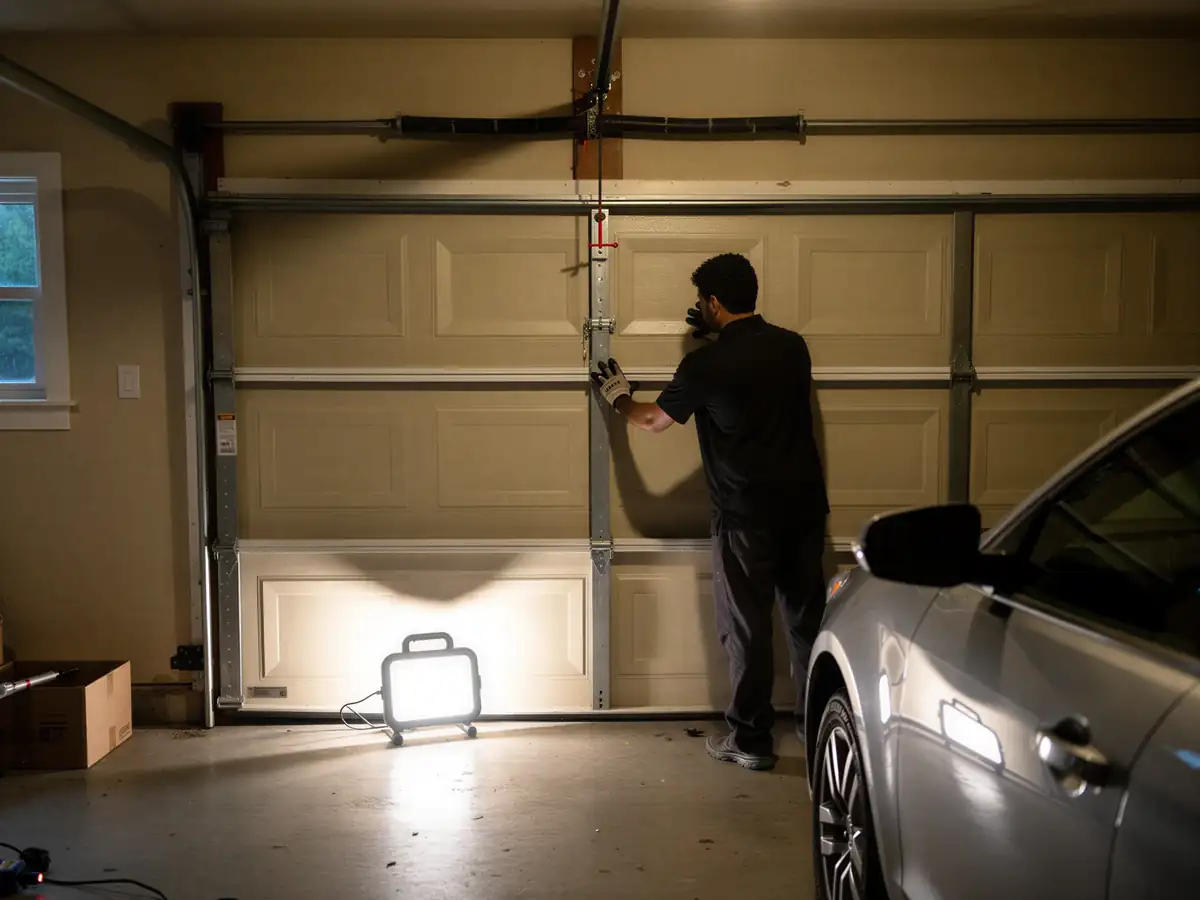
Once the panel's in, we check the door balance across its full travel
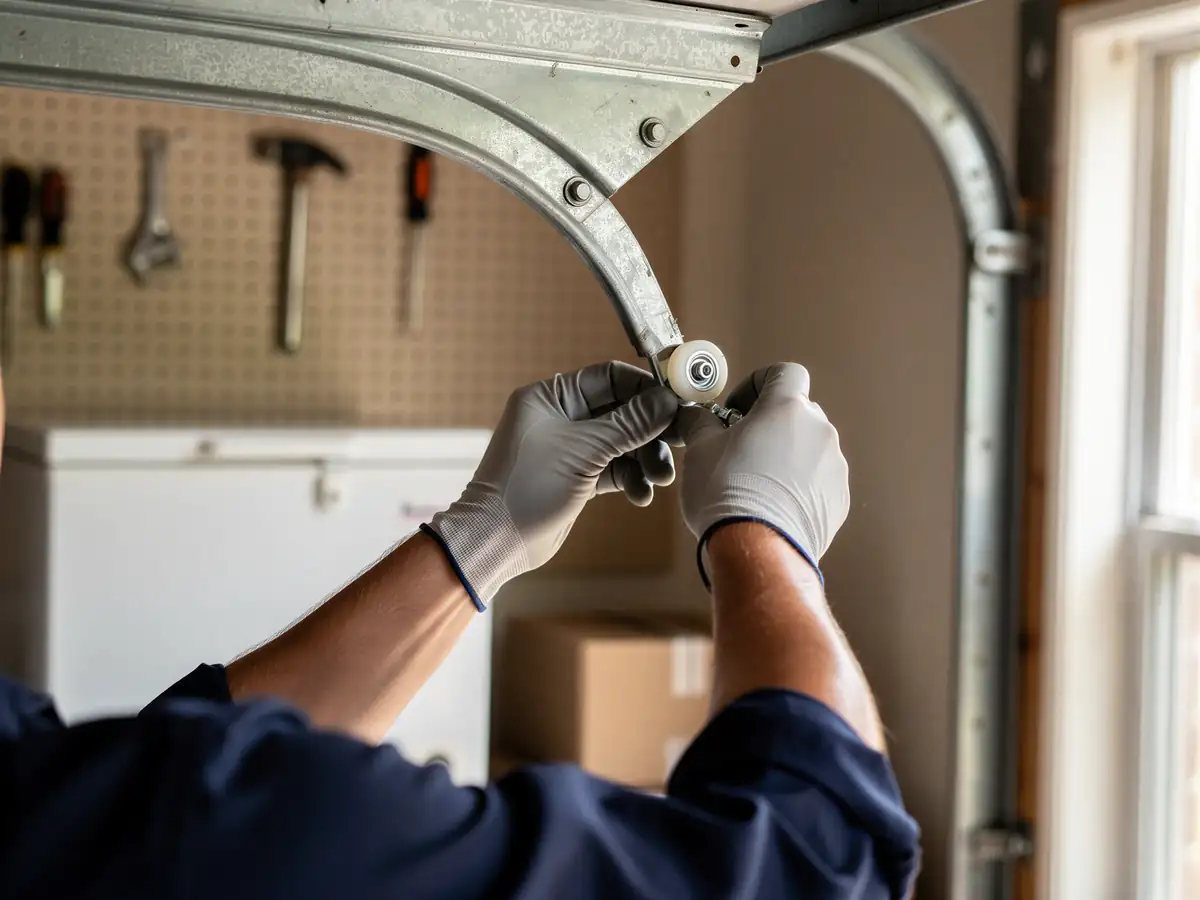
Not just at the point where the old section was. A door that's run unevenly for years compensates in ways that only show up once you've changed one piece of it. We also check hinge tension on the panels adjacent to the new one, since a stiff original hinge next to a factory-new hinge is a common cause of the "it binds halfway up" complaint we get called back for.
Parts We Carry
We carry replacement sections sized for the steel sectional doors common to homes built through the late 1970s and into the 1980s, which covers a large share of what's actually on garages in Pinellas Park. We stock hinges and rollers sized for that era's heavier gauge steel, since current-production hardware often doesn't match the tolerances on an original door.
What we don't carry on the truck: embossing patterns specific to discontinued manufacturer lines. If your door has a wood-grain or raised-panel pattern tied to a badge that stopped production decades back, we order that section rather than stocking it - it's a lead-time item, not a same-day one, and we'll tell you that cost before you commit rather than after.