Where This Job Goes Sideways
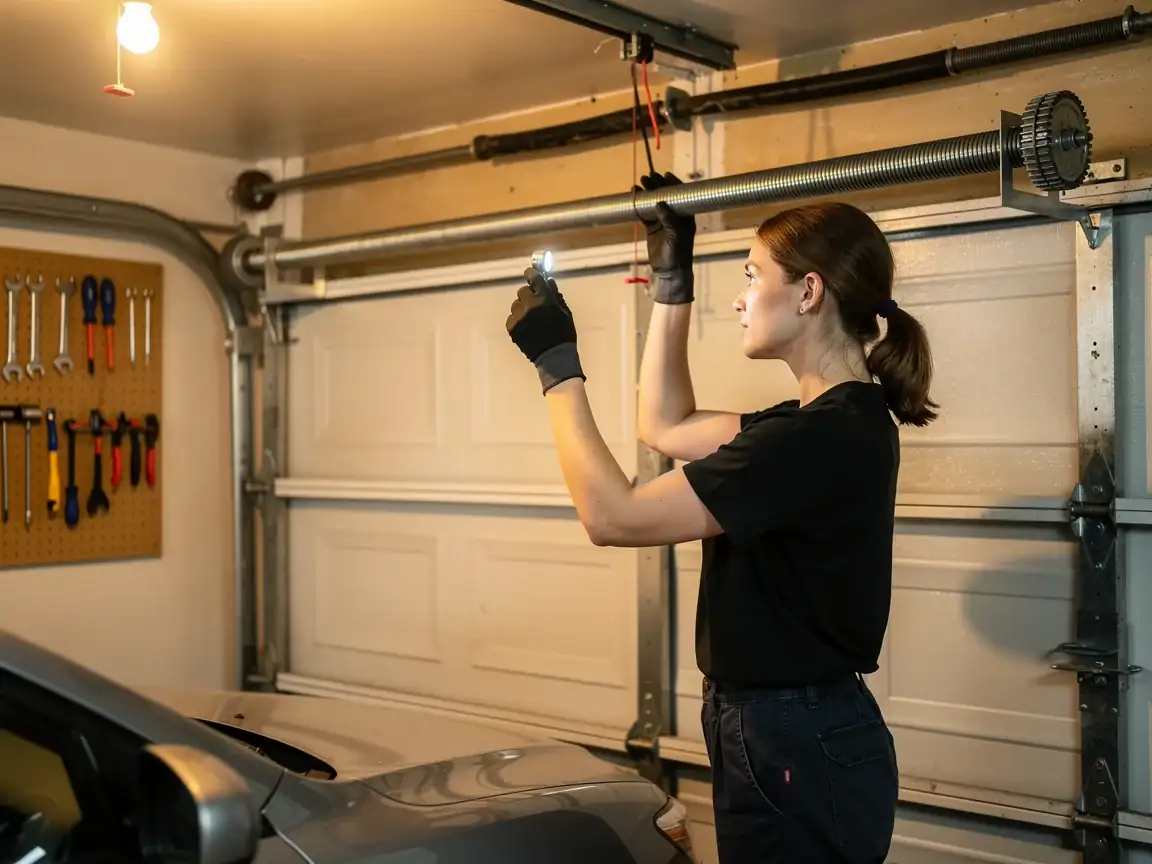
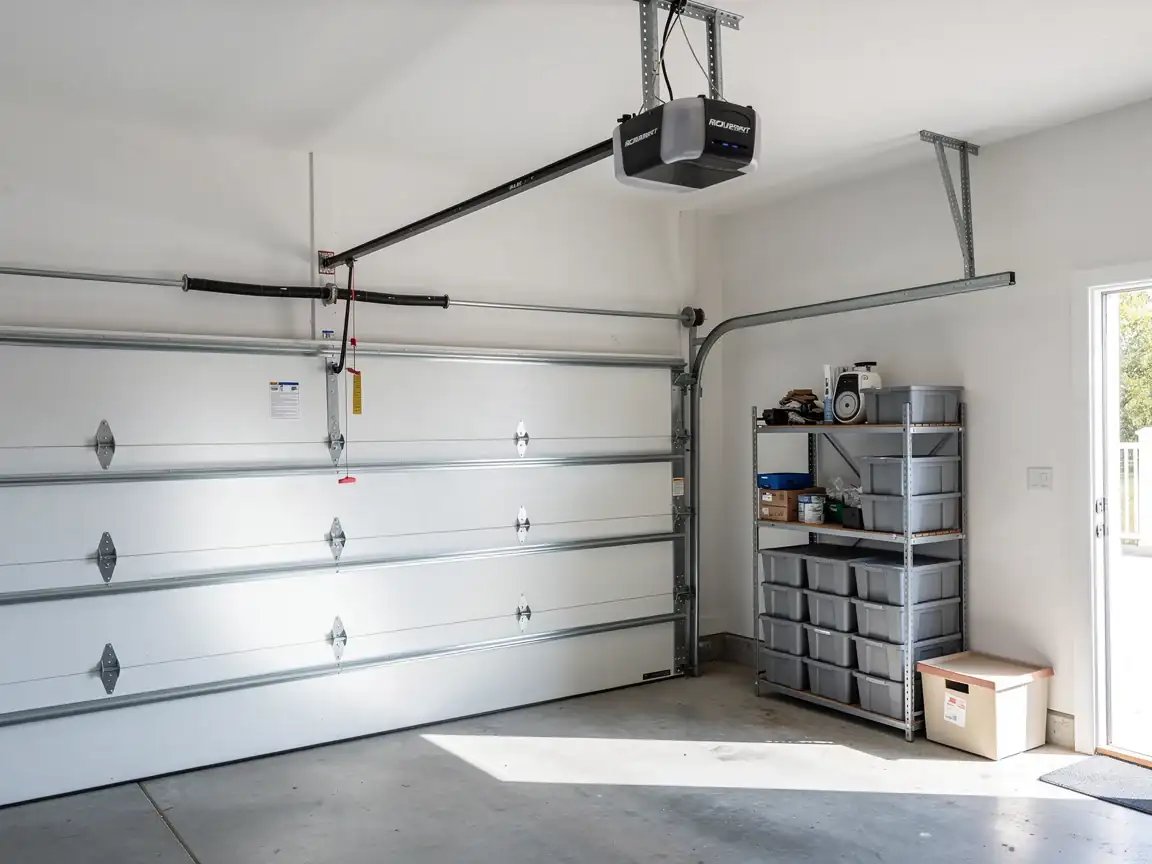
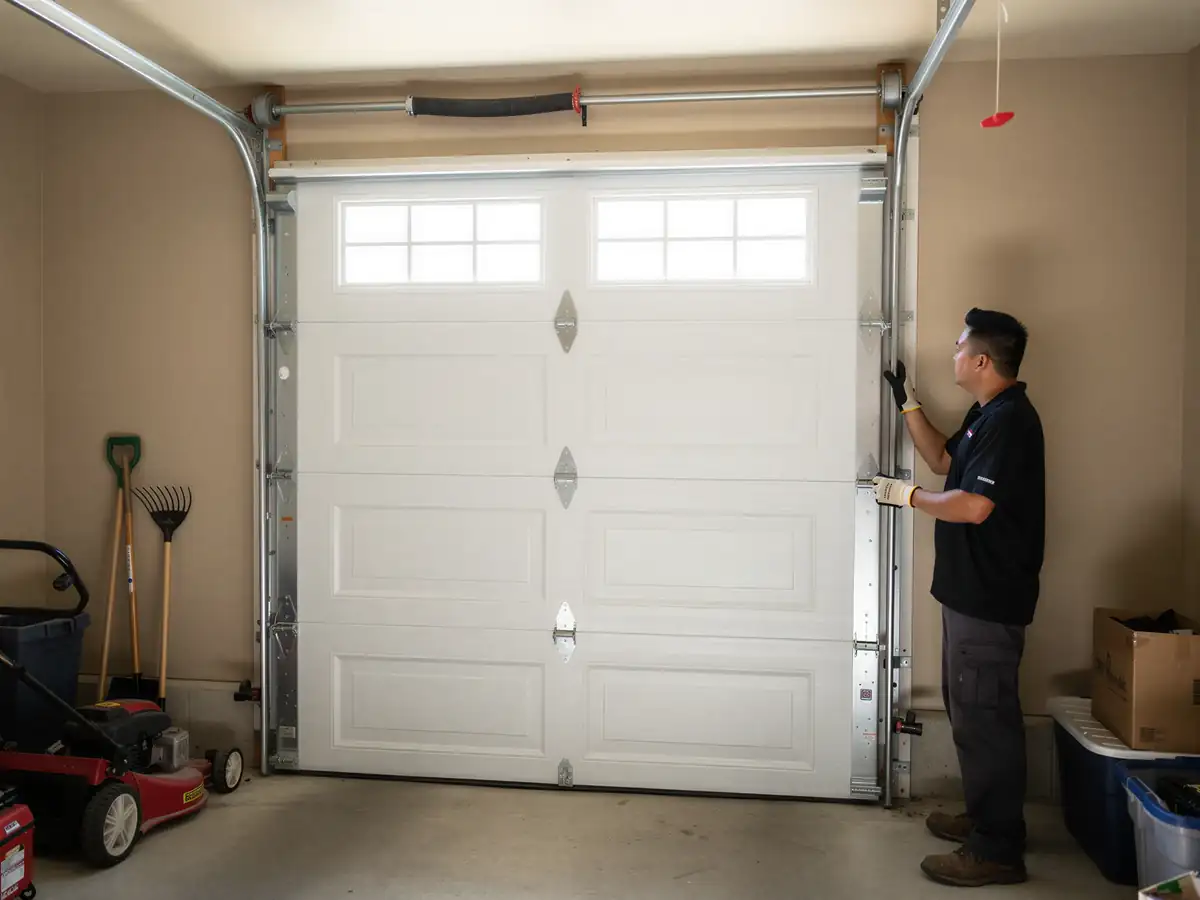
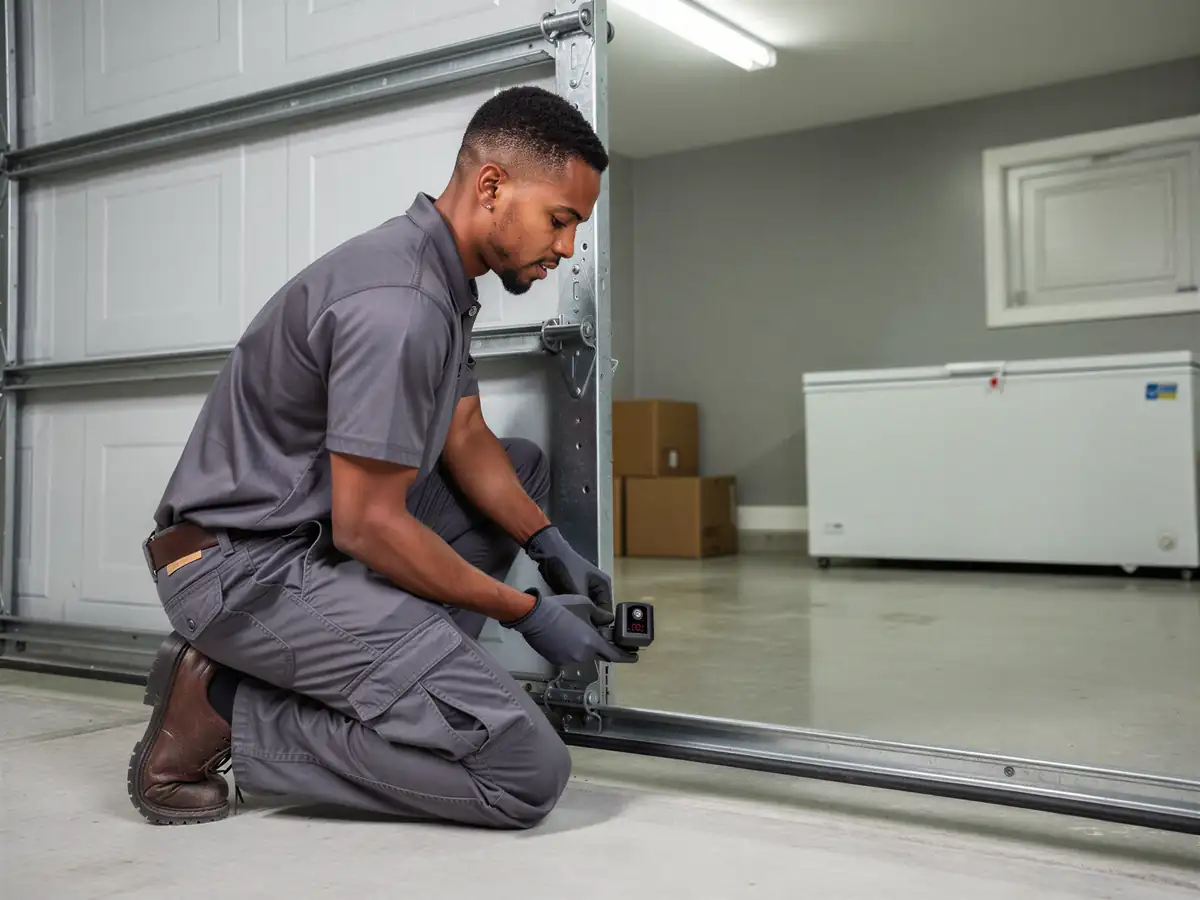
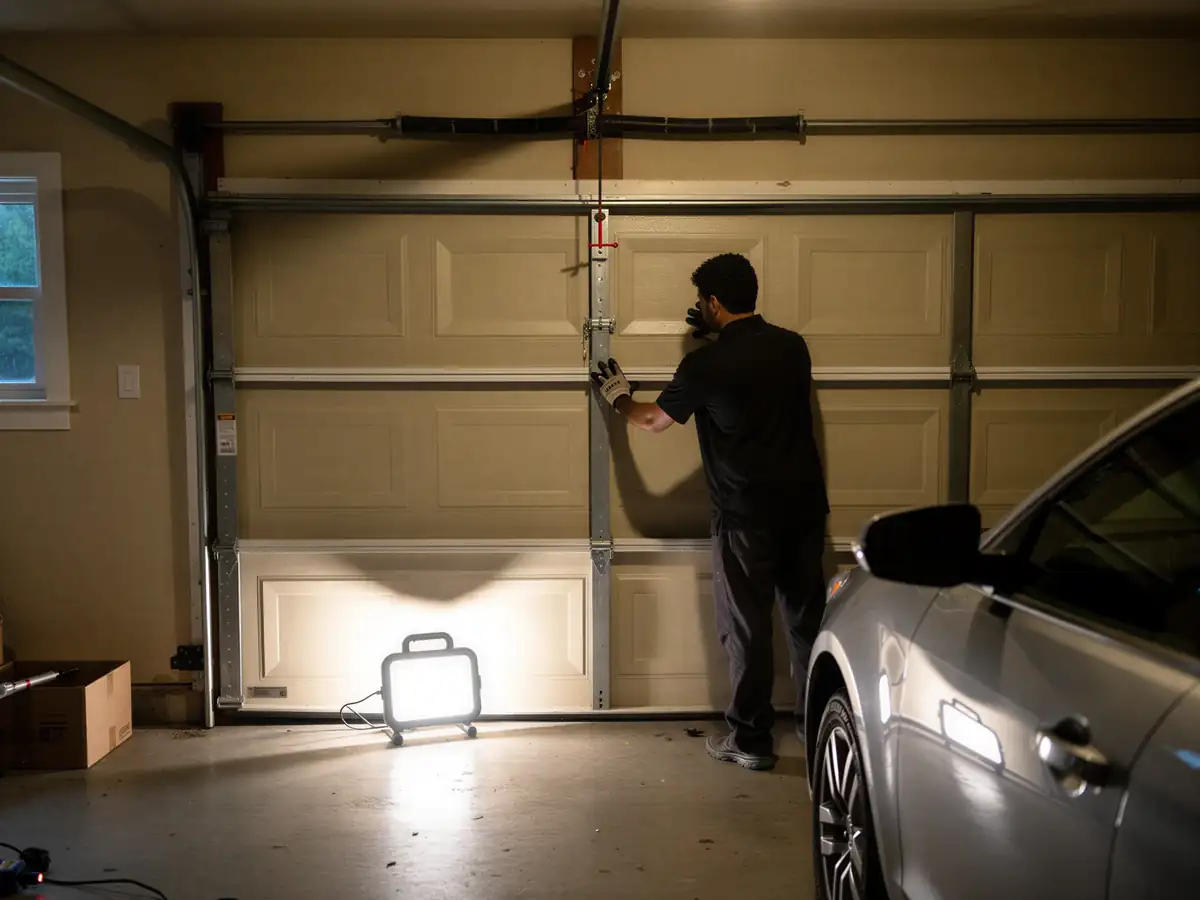
The failure that catches people off guard here isn't the spring itself - it's what the spring was bolted to. On a door built in 1978, the torsion hardware has usually outlived at least one opener, and the mounting plate, the bearing plates, and the end bearings have been flexing under load for over four decades without ever being replaced. When a spring lets go on hardware that age, it's common to find the stationary cone cracked or the center bracket pulled loose from the header, which turns a $200 spring job into something bigger once you're actually in there. We also see panels that were never meant to carry today's heavier insulated opener trolleys, which is why a door that looks fine can jump track the first time a cable gets even slightly uneven.
Doing It Yourself
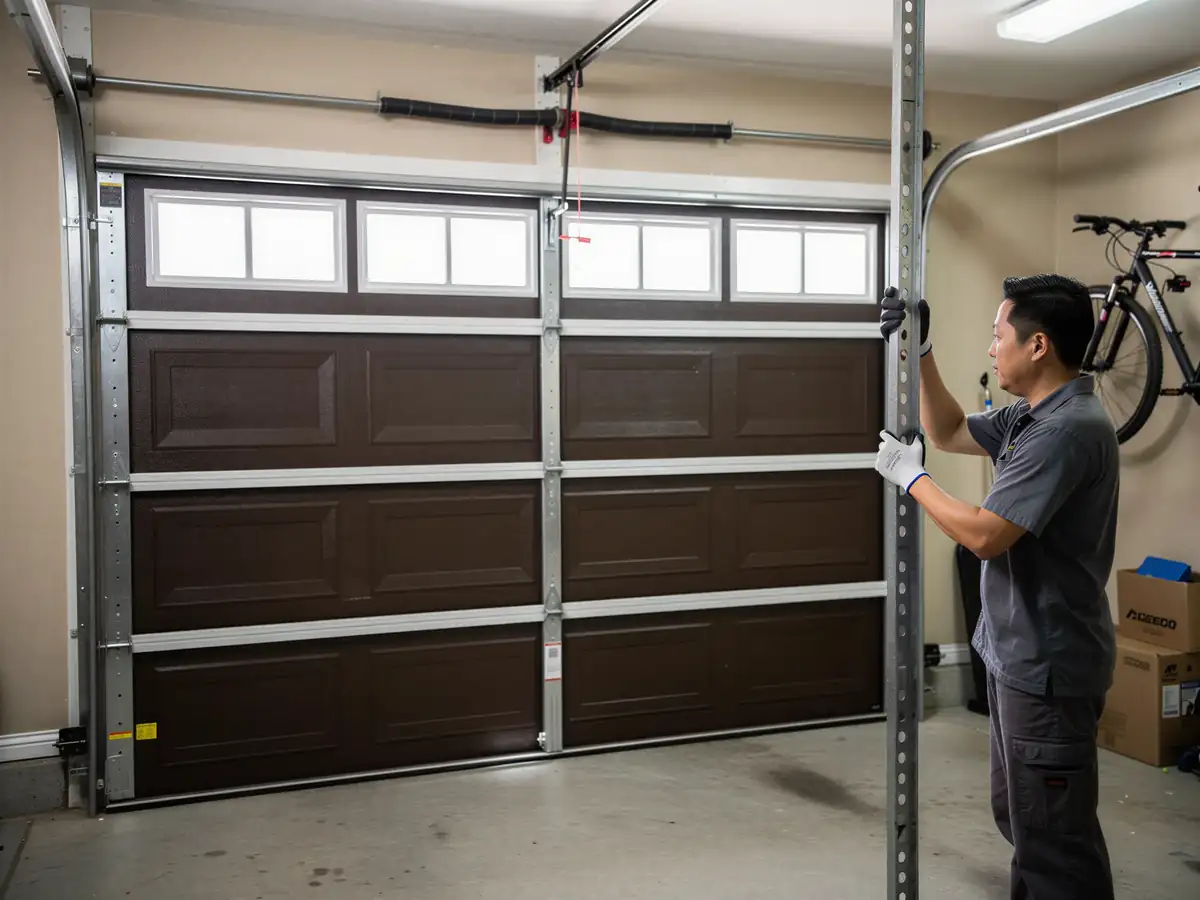
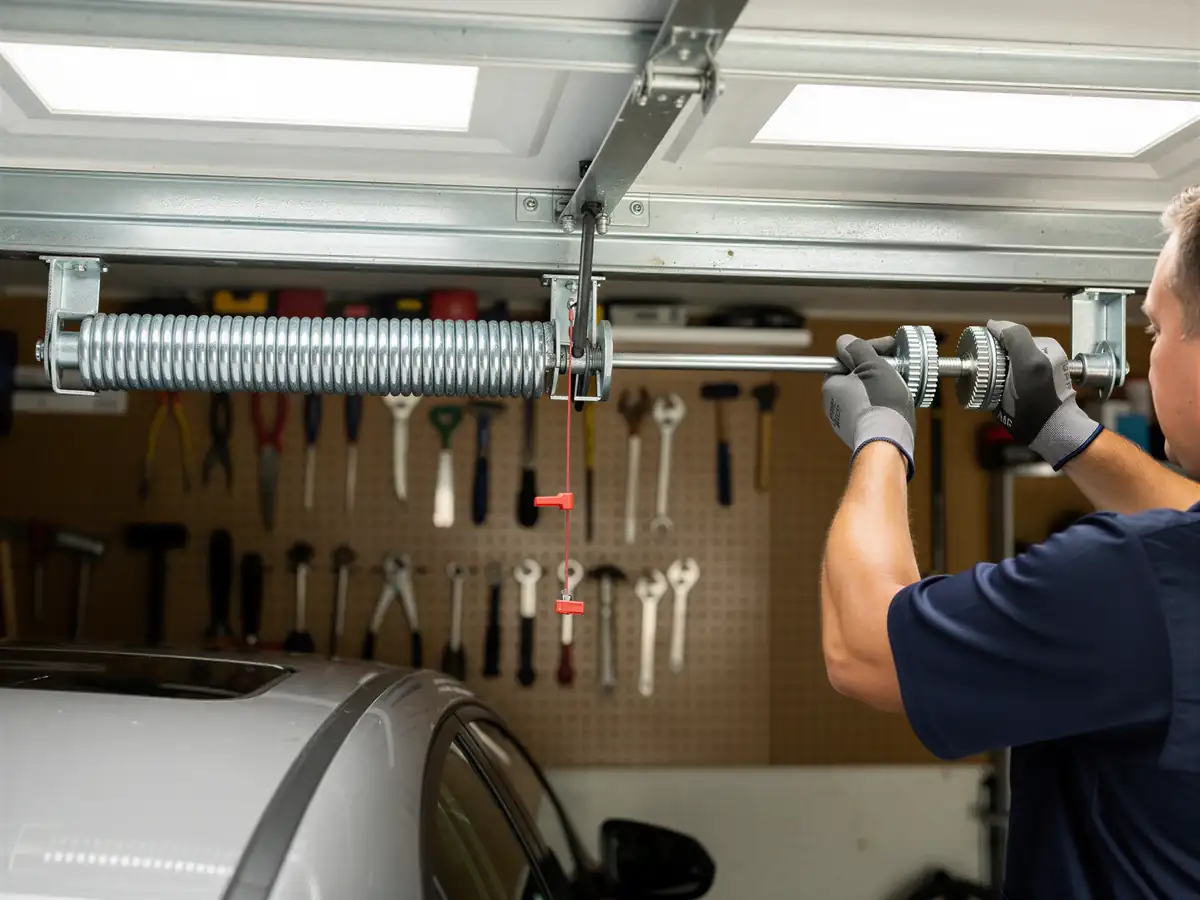
If a cable has come off the drum or a roller has jumped the track, it is possible to wind a torsion spring back by hand with the right bars, and plenty of people have done it safely. We're not going to pretend otherwise. What we will say plainly: a torsion spring under full tension has enough stored force to break bones or worse if the winding bar slips, and on a door this old, the hardware holding that spring in place has had 45-plus years to fatigue in ways you can't see from the ground. If the door won't move, the opener is clicking but doing nothing, or a cable has frayed rather than simply slipped, that's a call for us, not a Saturday project.
Parts We Carry
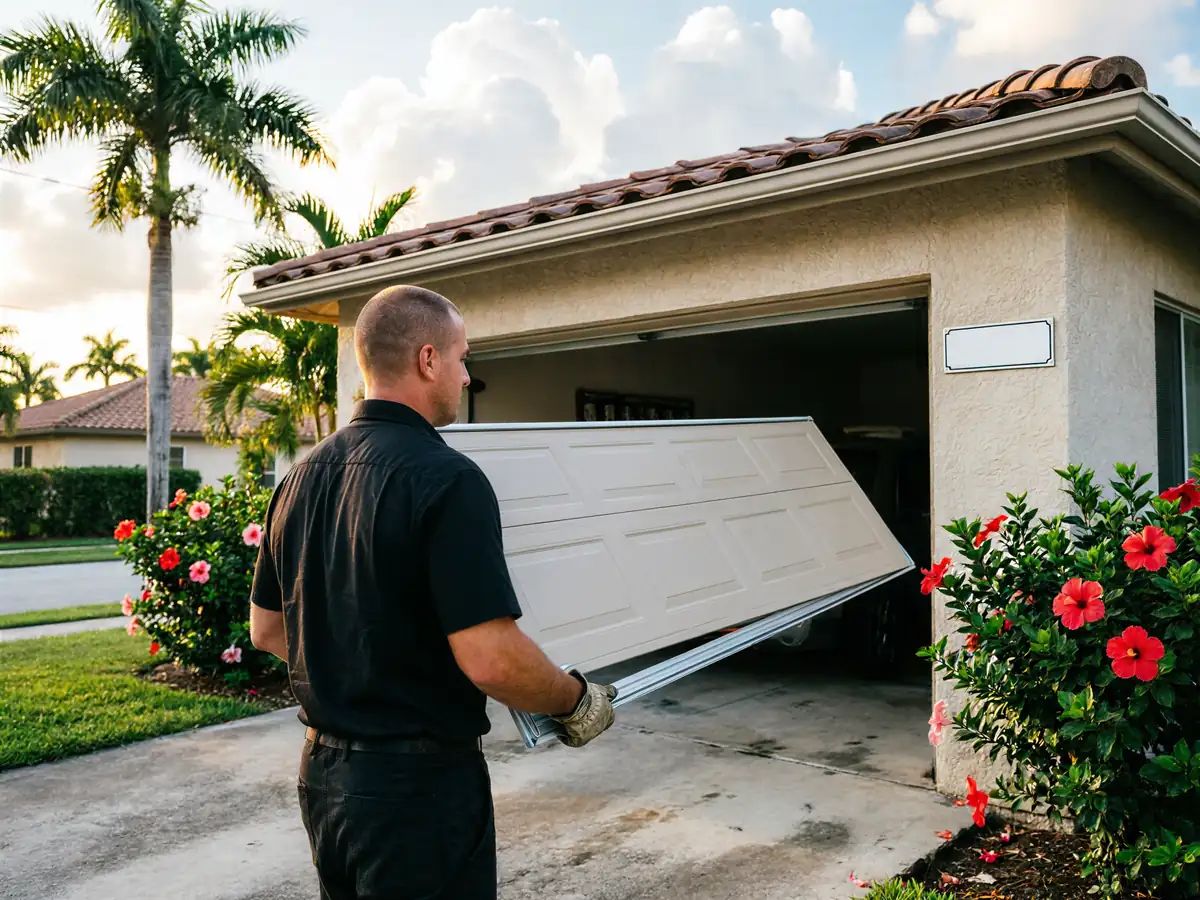
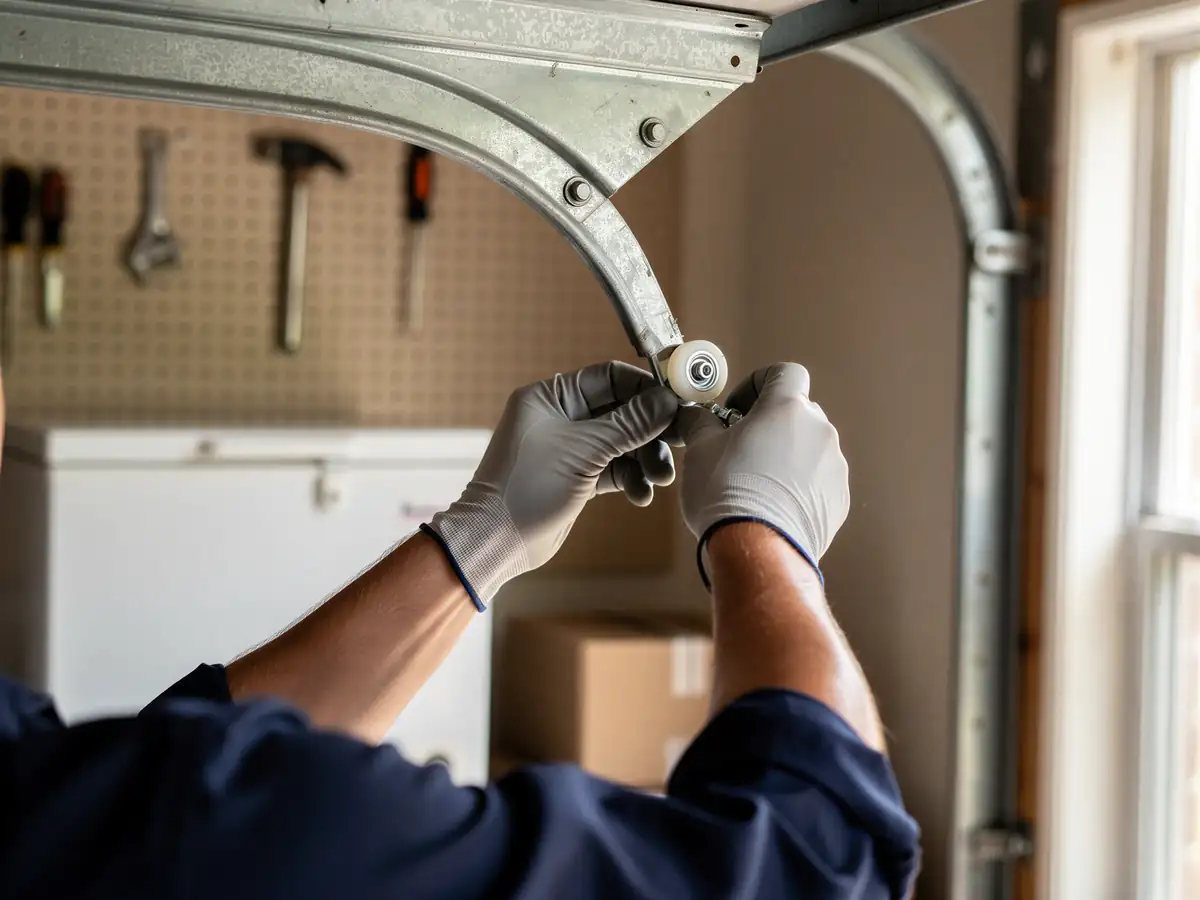
We carry common torsion spring sizes, standard lift cables, and the bearing and roller hardware that fits the door eras most common in this part of the county, which covers the bulk of what fails on a house built in the late 1970s. What we don't always have on the truck is an exact-match panel for a discontinued door - if yours is cracked or dented beyond a patch, that part may need to be ordered, and we'll tell you that lead time up front rather than promise a same-visit fix we can't deliver. Mild winters here mean we're not fighting frozen tracks or ice-stiffened seals the way colder climates do, so most of what breaks is mechanical wear, not weather damage.