How Long It Takes
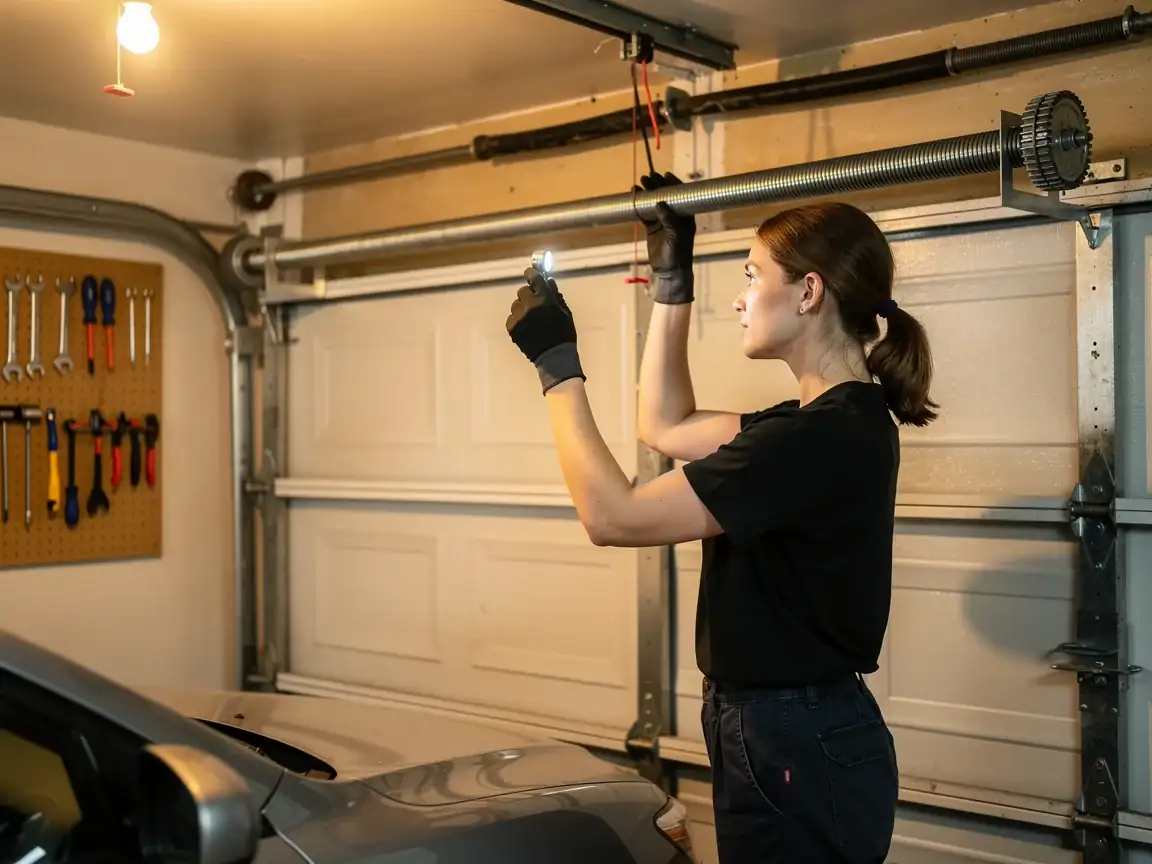
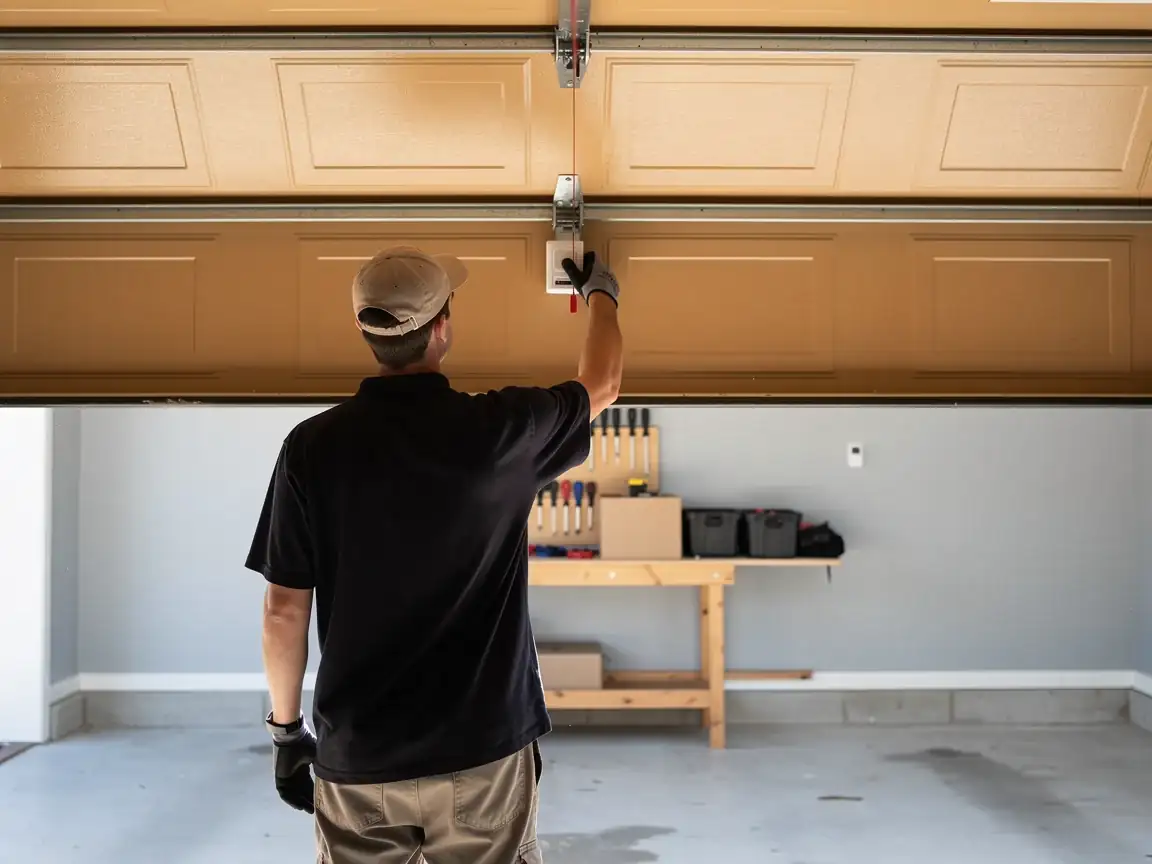
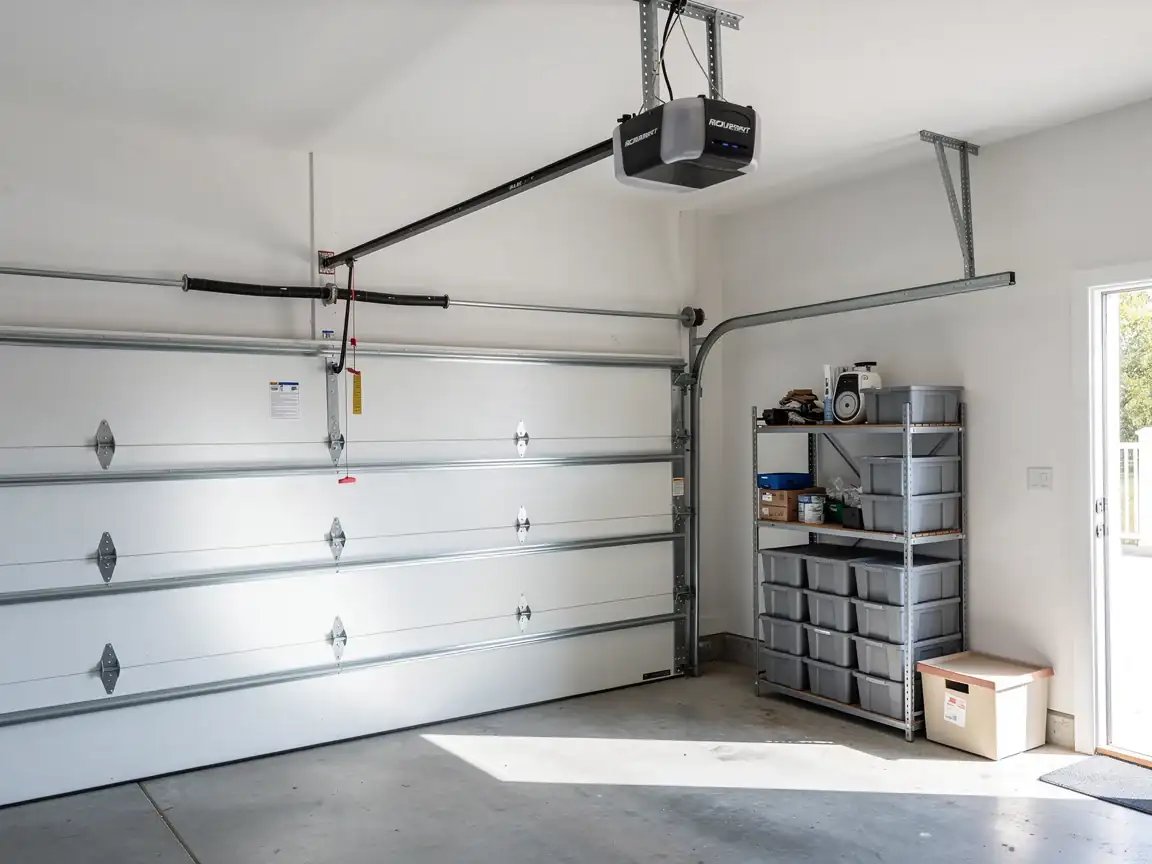
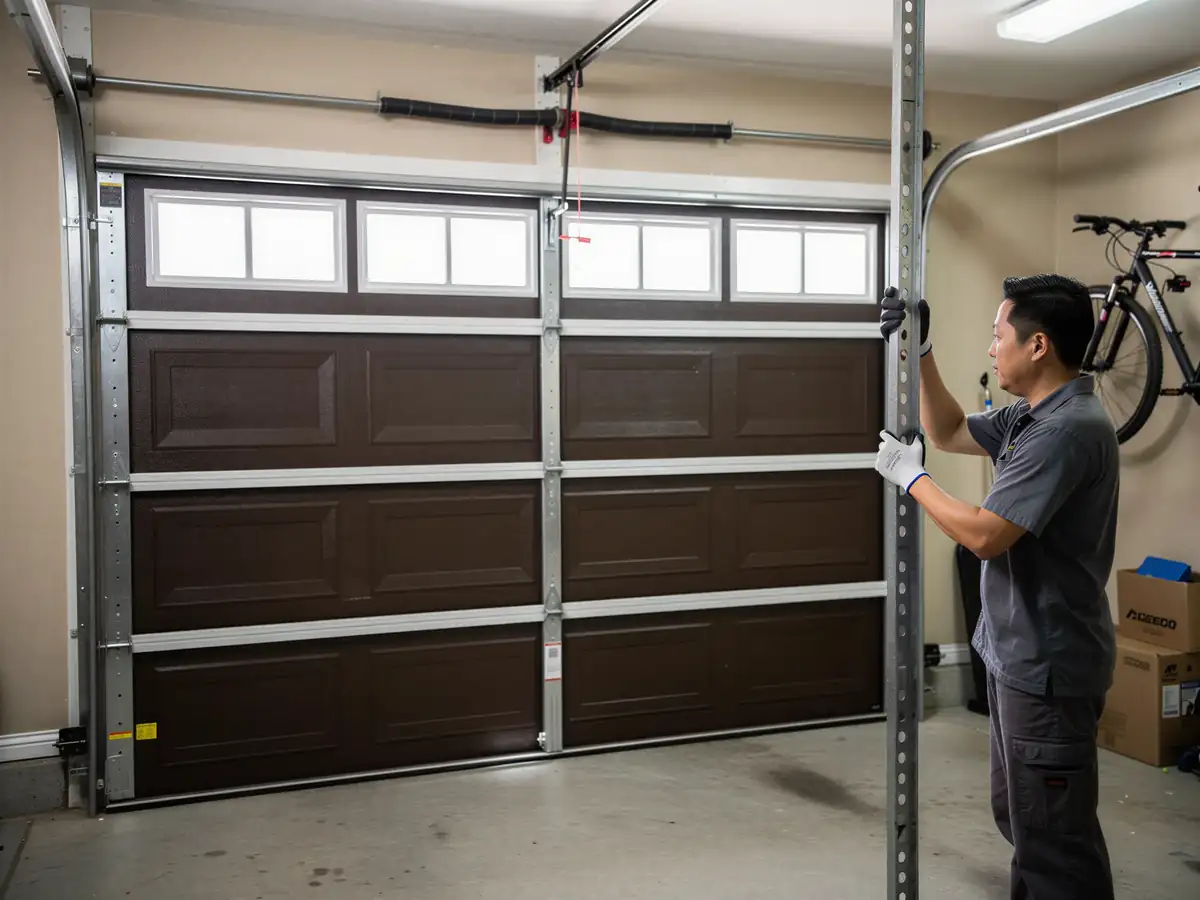
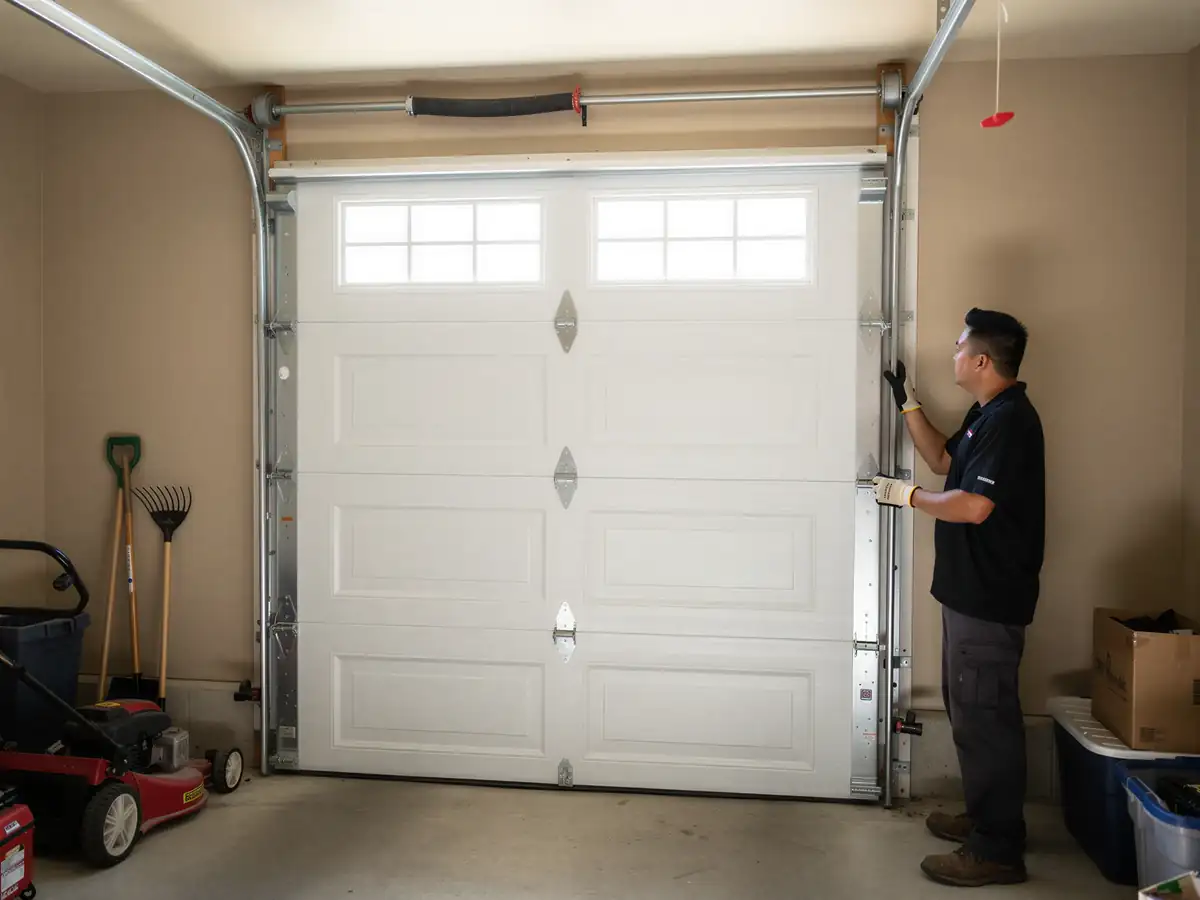
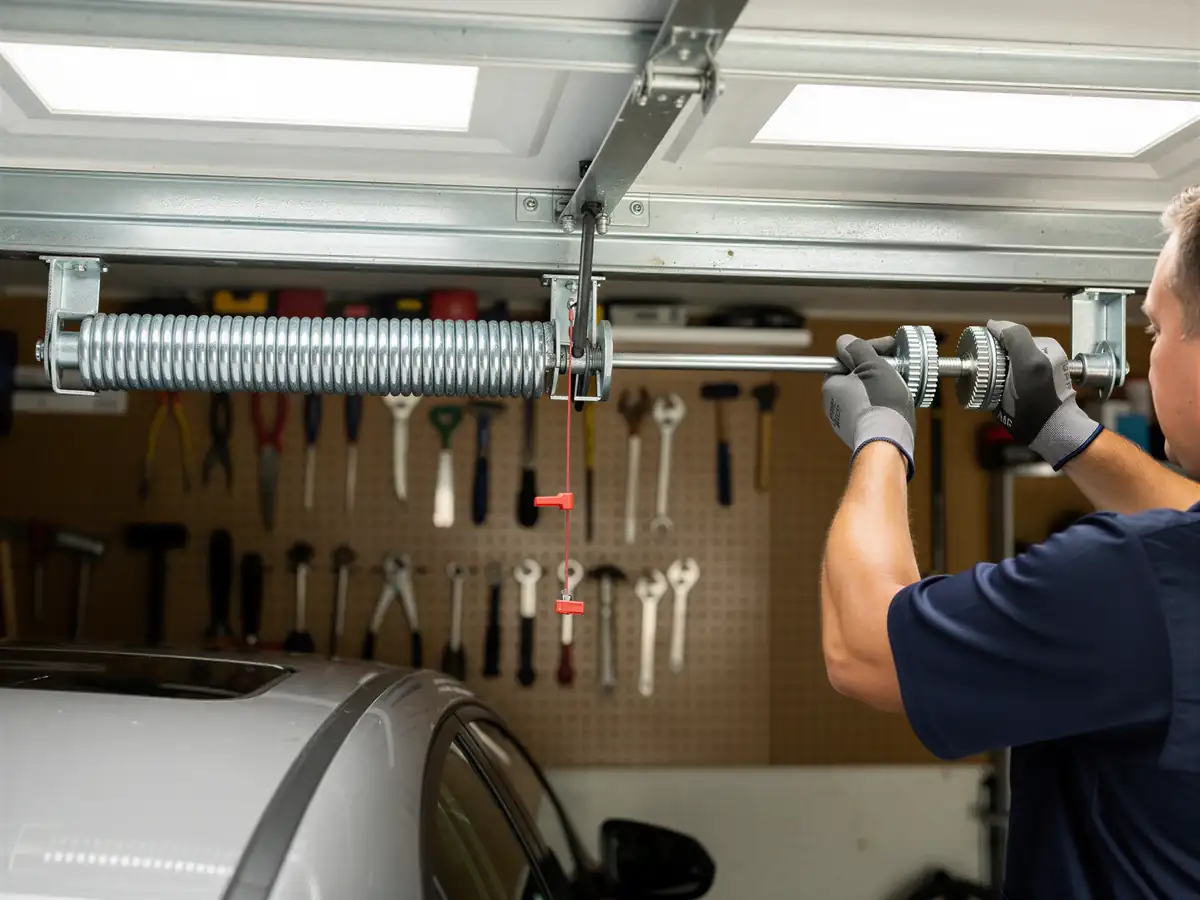
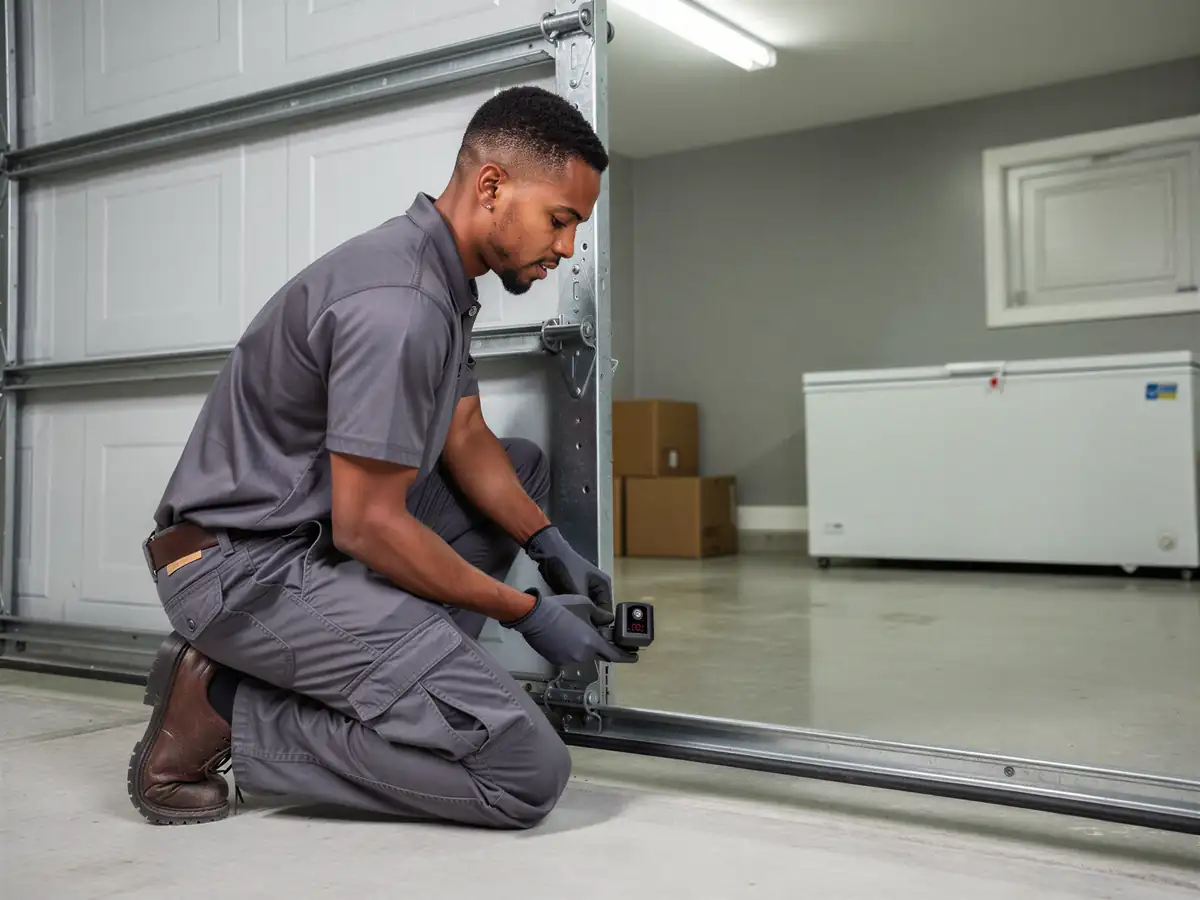
A standard maintenance visit covers spring tension, cable condition, track alignment, roller wear, and opener safety reversal - the checklist doesn't change by town. What changes in Gulfport is what we expect to find: original 1966-era torsion springs are more likely to be undersized for a repainted, heavier door than a spring installed in the last twenty years. That adds a few extra minutes of checking cycle counts and balance by hand rather than trusting a sticker date, since the sticker, if it exists, is older than most owners' time in the house. We don't rush that part. A spring that looks fine sitting still can be two turns away from done.
What You Pay
We don't quote a maintenance price here because it depends on what we find once the door's open - a straightforward lube-and-adjust visit on a door that's been serviced before costs less than one where we're also replacing worn rollers or re-tensioning a spring that's been carrying more than it should. Gulfport's median household income sits at $68,617, noticeably below the $79,798 median across the broader service area, and we price the visit itself the same regardless of the town - the cost difference, if any, comes from parts condition, not location. Ask for a number when you book; we're not going to guess it for you here.
Parts We Carry
On trucks headed to Gulfport we carry standard torsion springs, nylon and steel rollers, and cable sized for residential sectional doors - the parts that fit most of what's still running on 1966-era hardware. What we don't always have on the truck is a matching replacement for an original drum or a door-specific bracket that hasn't been made in decades; those sometimes mean a return trip once we've confirmed the size on site. That's the honest limit of a mobile service: we stock what covers the majority of calls, not every obsolete part a sixty-year-old door might be hiding. If your hardware turns out to be one of those, we'll tell you rather than force a part that doesn't fit.
How It Shows Up
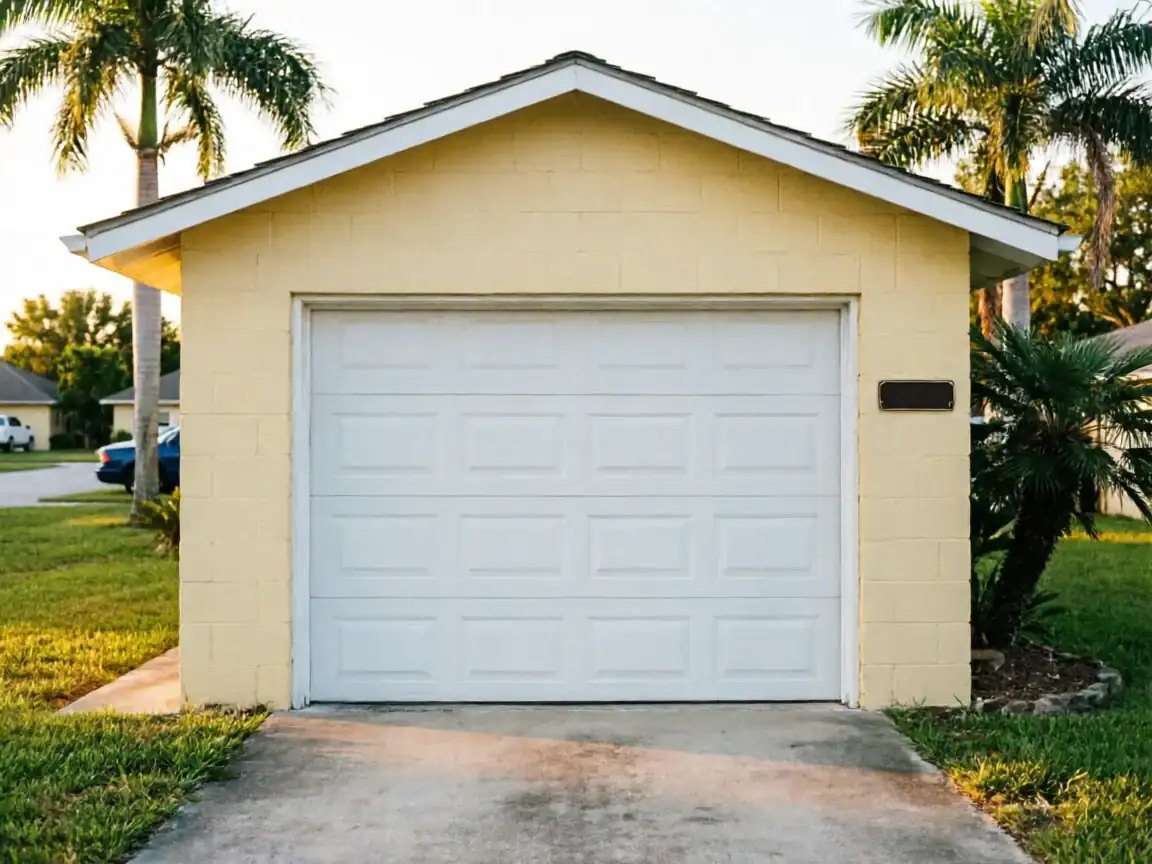
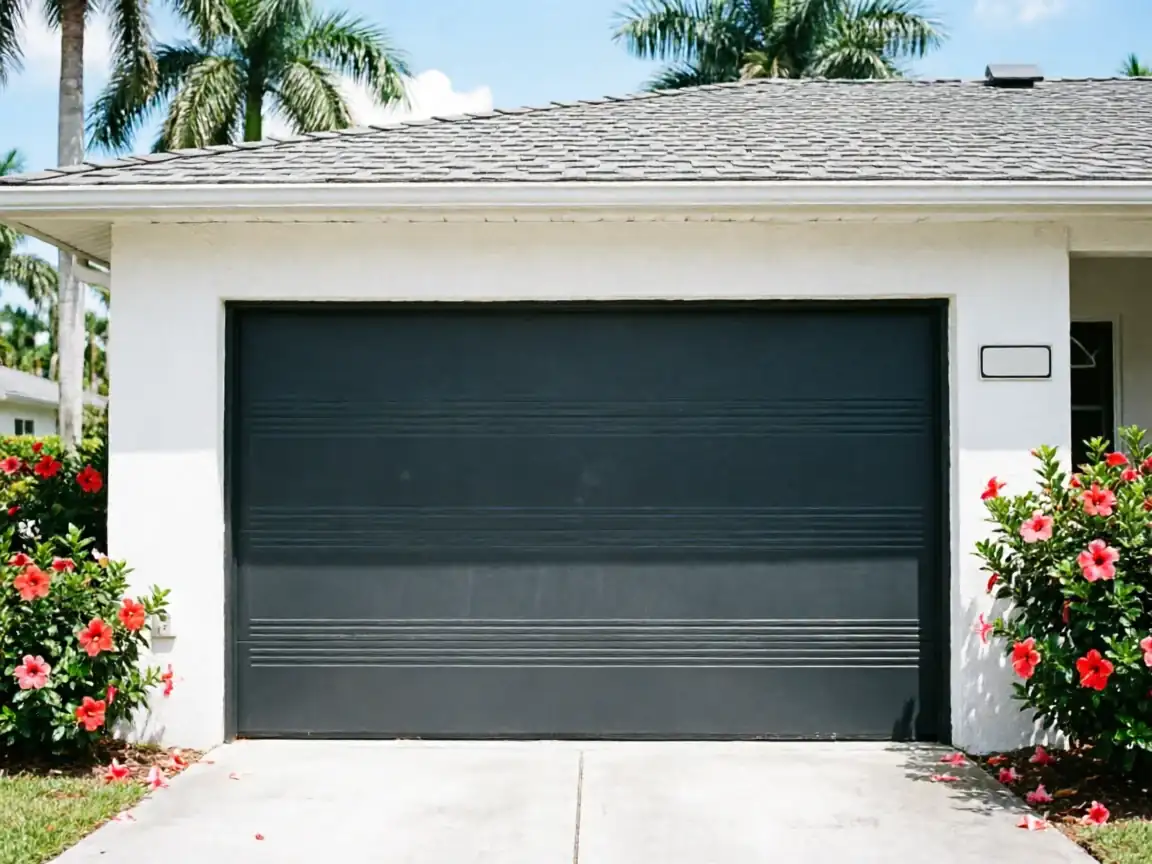
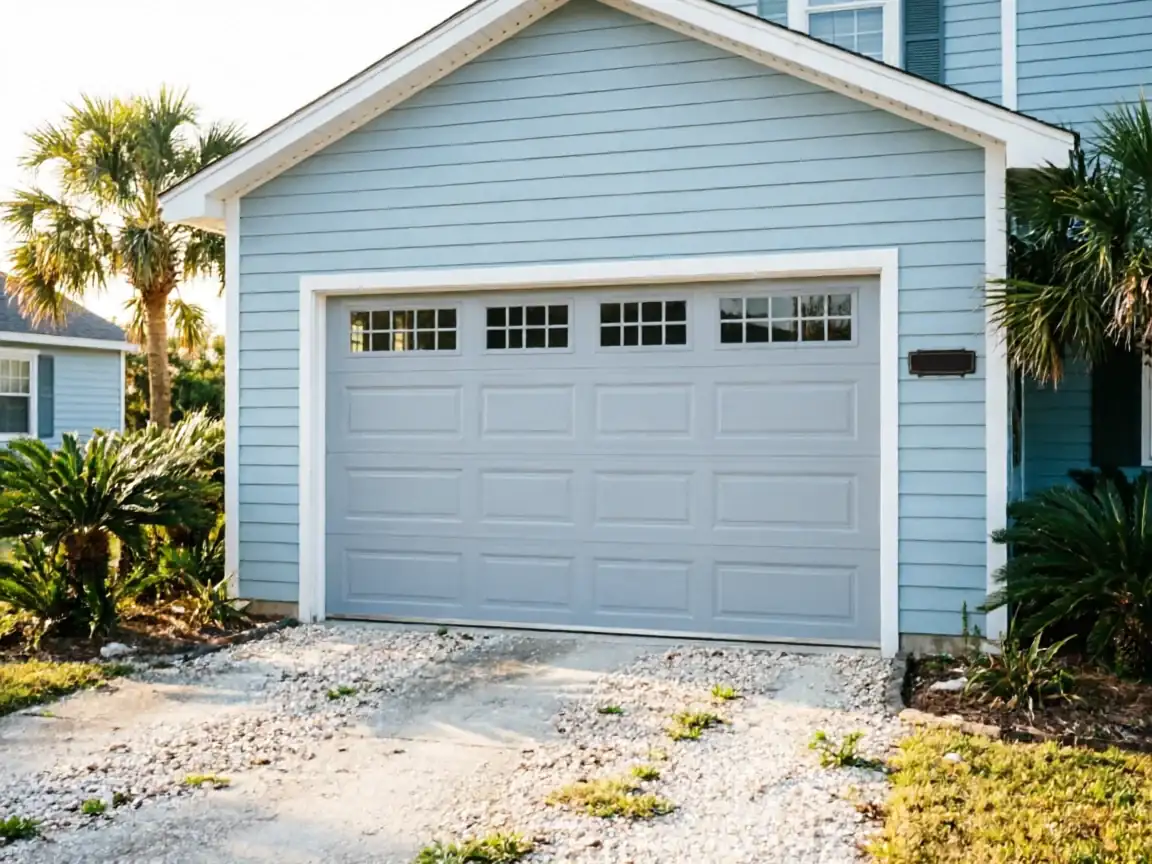
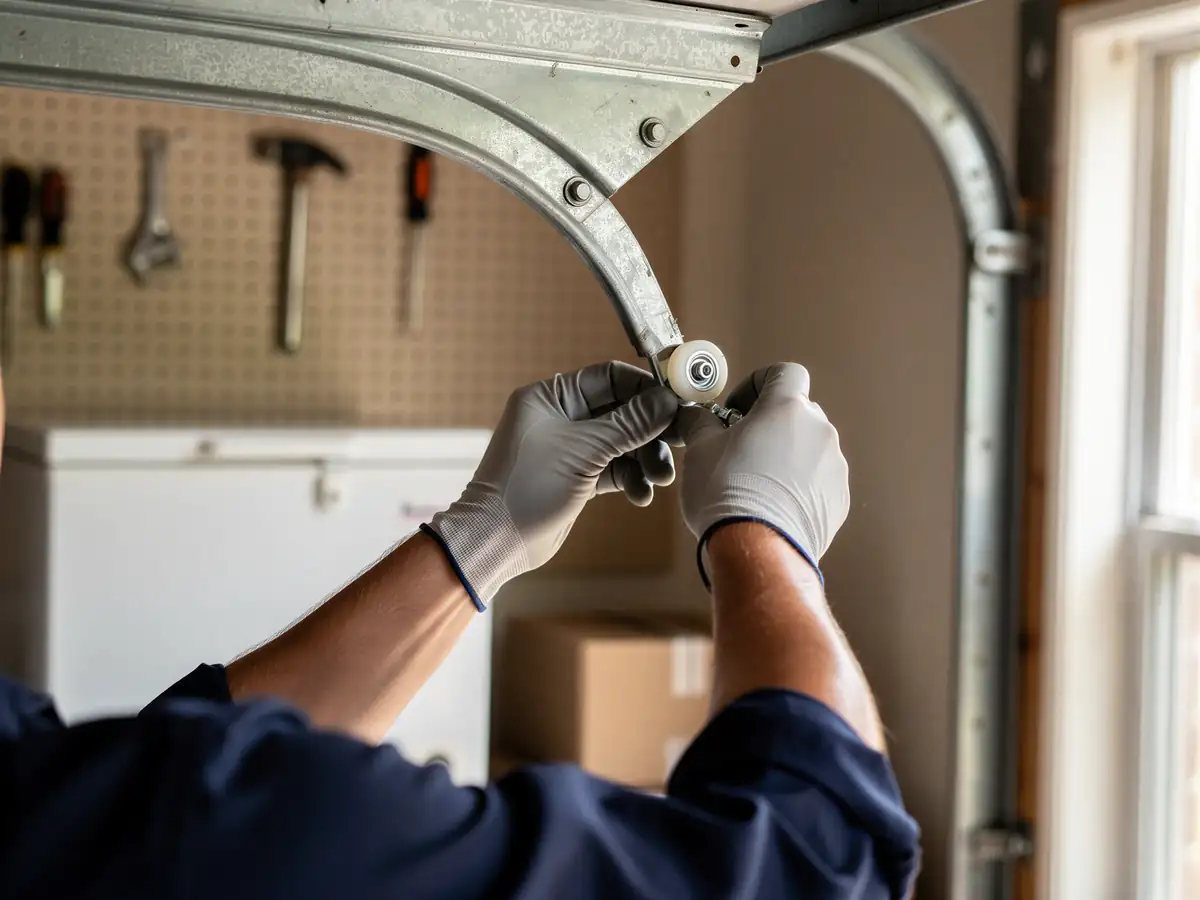
On a house built around 1966, the first sign is usually noise - a grinding or popping on the way up that wasn't there a year ago, which on original hardware often means a roller that's worn through its nylon sleeve and is running metal-on-metal in the track. The second sign is the door drifting or sagging unevenly when it's partway open, which points to spring fatigue rather than anything to do with the opener. Because this area's stock predates most of the aluminum and insulated-panel doors common on 1979-median-era houses, we also see more solid wood-composite panels here that have taken on moisture at the bottom edge over the years - not an emergency, but worth catching before it swells further. None of this is unique to any one street in Gulfport; it's a function of the build year, and the build year here is 1966. If you want the general service breakdown rather than this town's specifics, that lives on our St. Petersburg maintenance page.