How Long It Takes
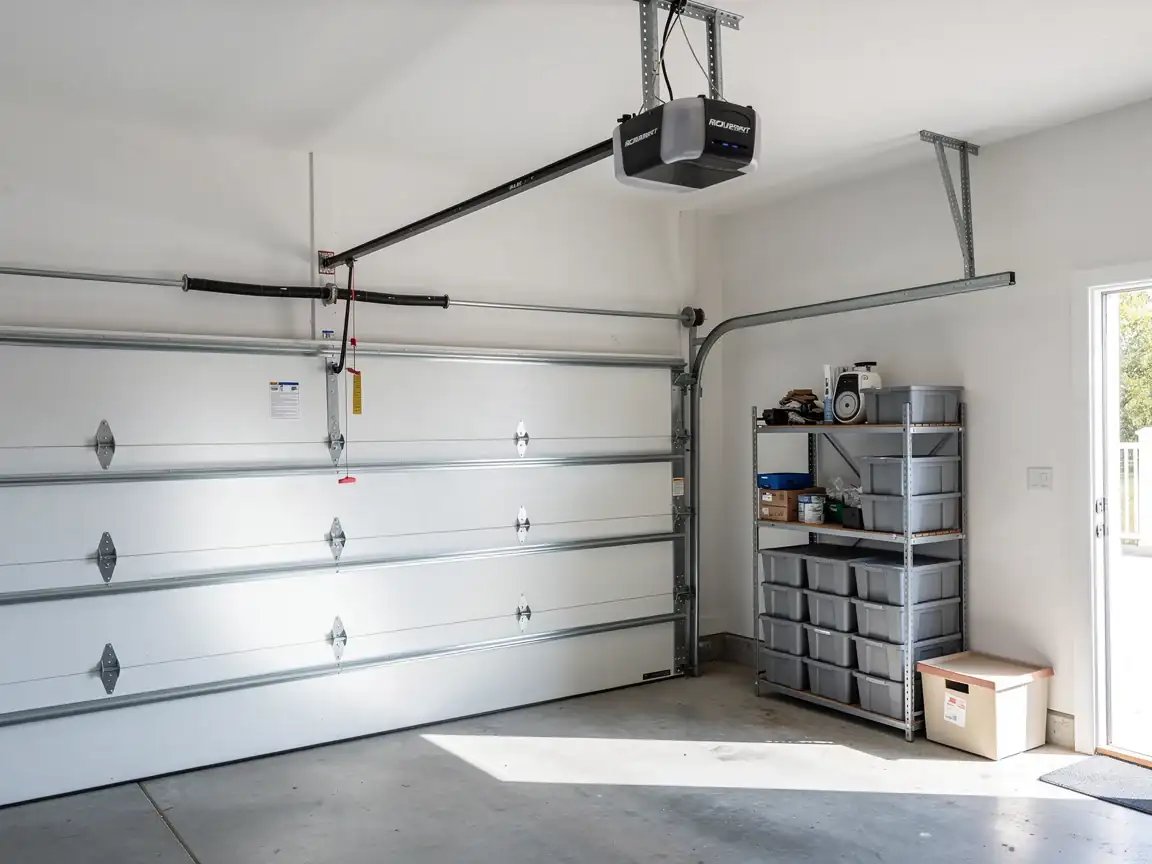
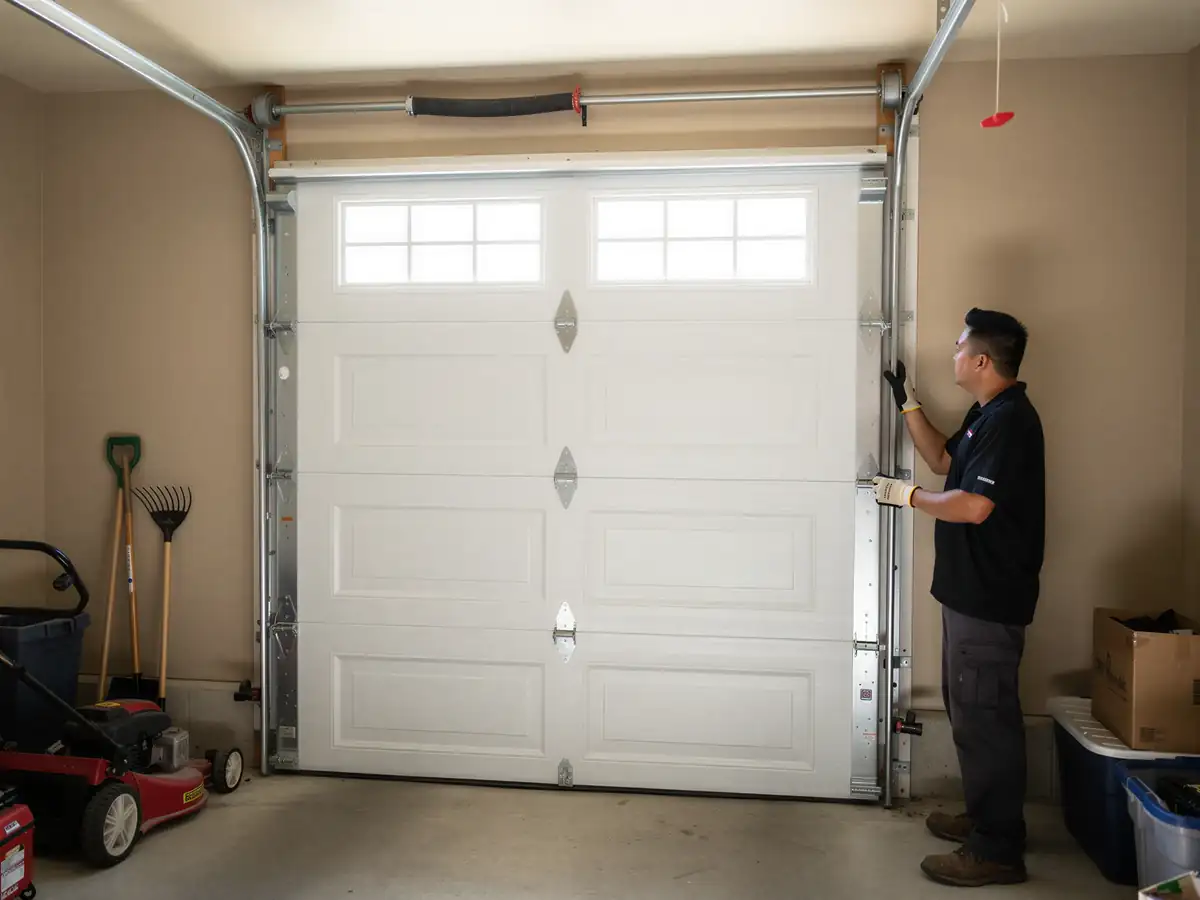
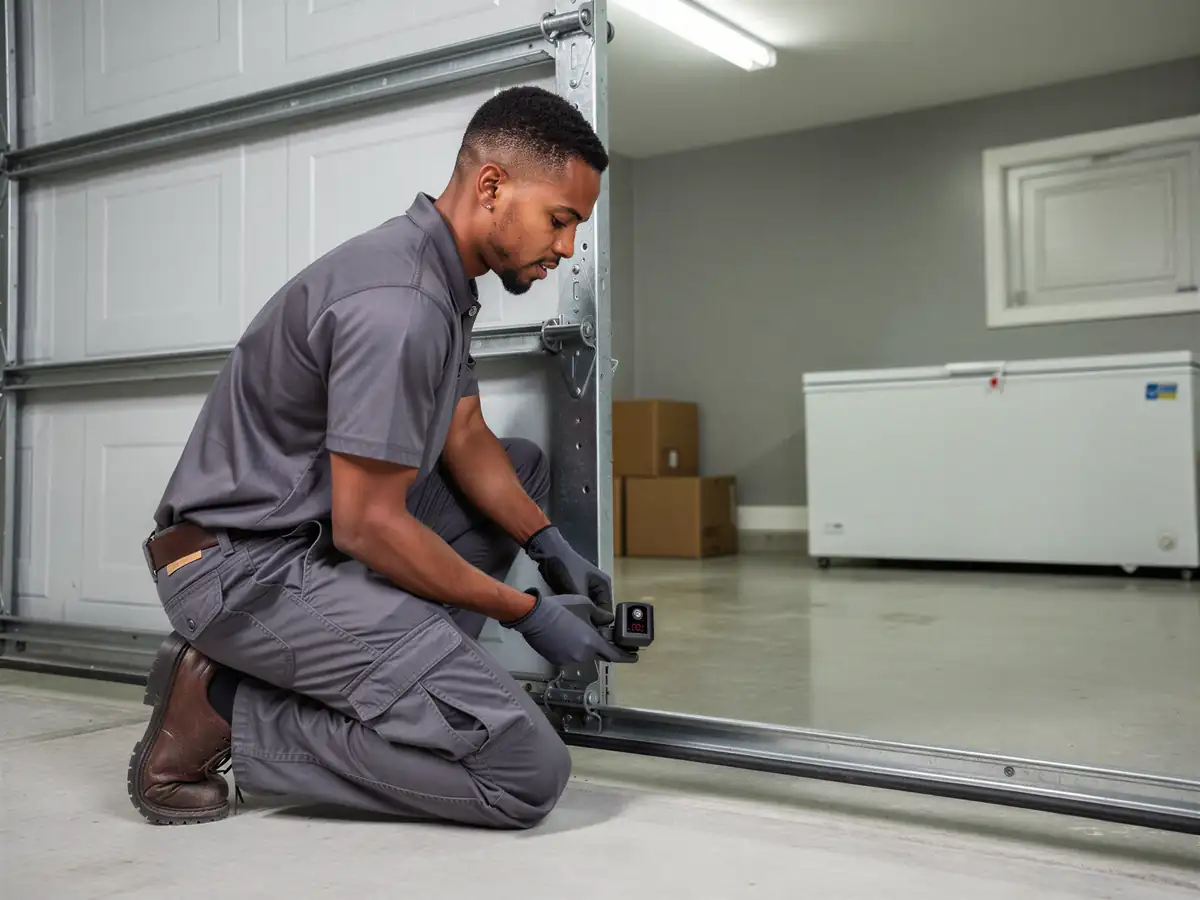
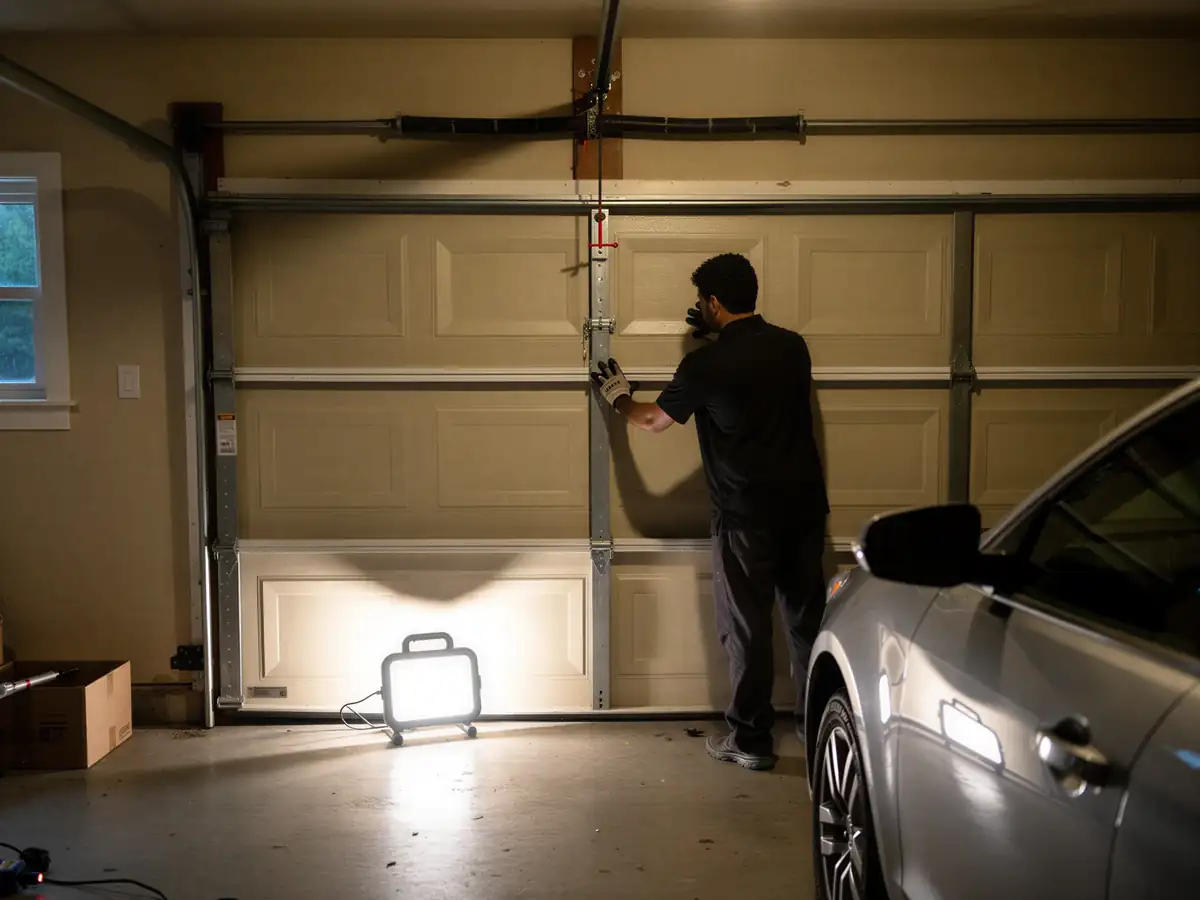
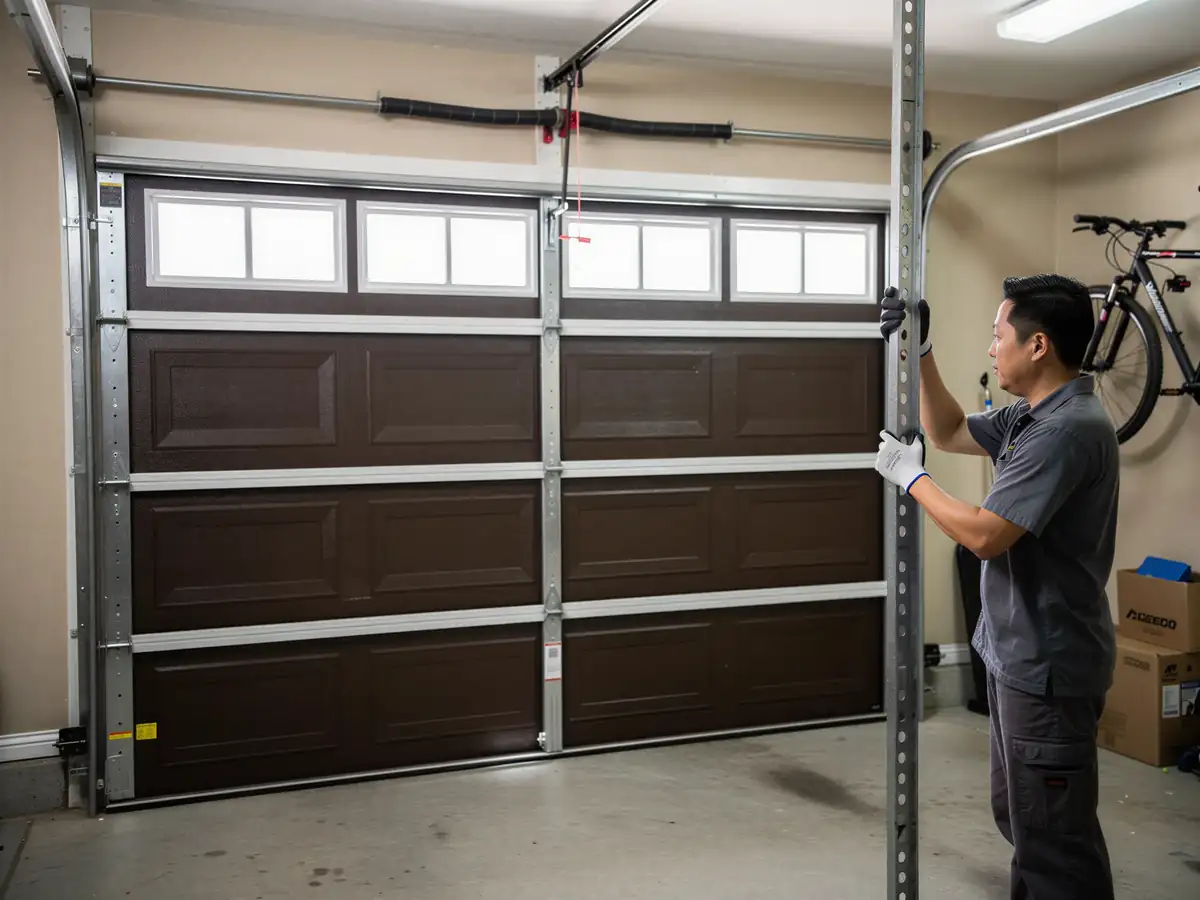
We travel to Gulfport from St. Petersburg, about four miles out, so you're not waiting on a crew that's based three suburbs away. Most single-door jobs - a broken spring, a cable, a bad roller - run under two hours once we're on site, including the drive. Openers take longer if the unit itself needs replacing rather than just a sensor or a logic board. Where the 1966-era housing stock slows things down is hardware compatibility: older track widths and jamb brackets sometimes need to be adapted rather than swapped straight across, and that adds time we can't shave off safely. We'd rather tell you the job runs long than rush a bracket that's carrying 150 pounds of door over your head.
What You Pay
We don't post Gulfport-specific pricing here because the job dictates the cost more than the zip code does - a torsion spring replacement and a full opener swap aren't priced the same, and we're not going to pretend they are. What we can tell you is that houses built closer to that 1966 median tend to need more adaptation work on the repair side, which is labor, not a markup. If a repair is going to cost more than about half of a comparable new door once you account for parts plus labor, we'll say so plainly instead of nursing an old unit along. That's a call we make at the door, in front of you, not over the phone.
Parts We Carry
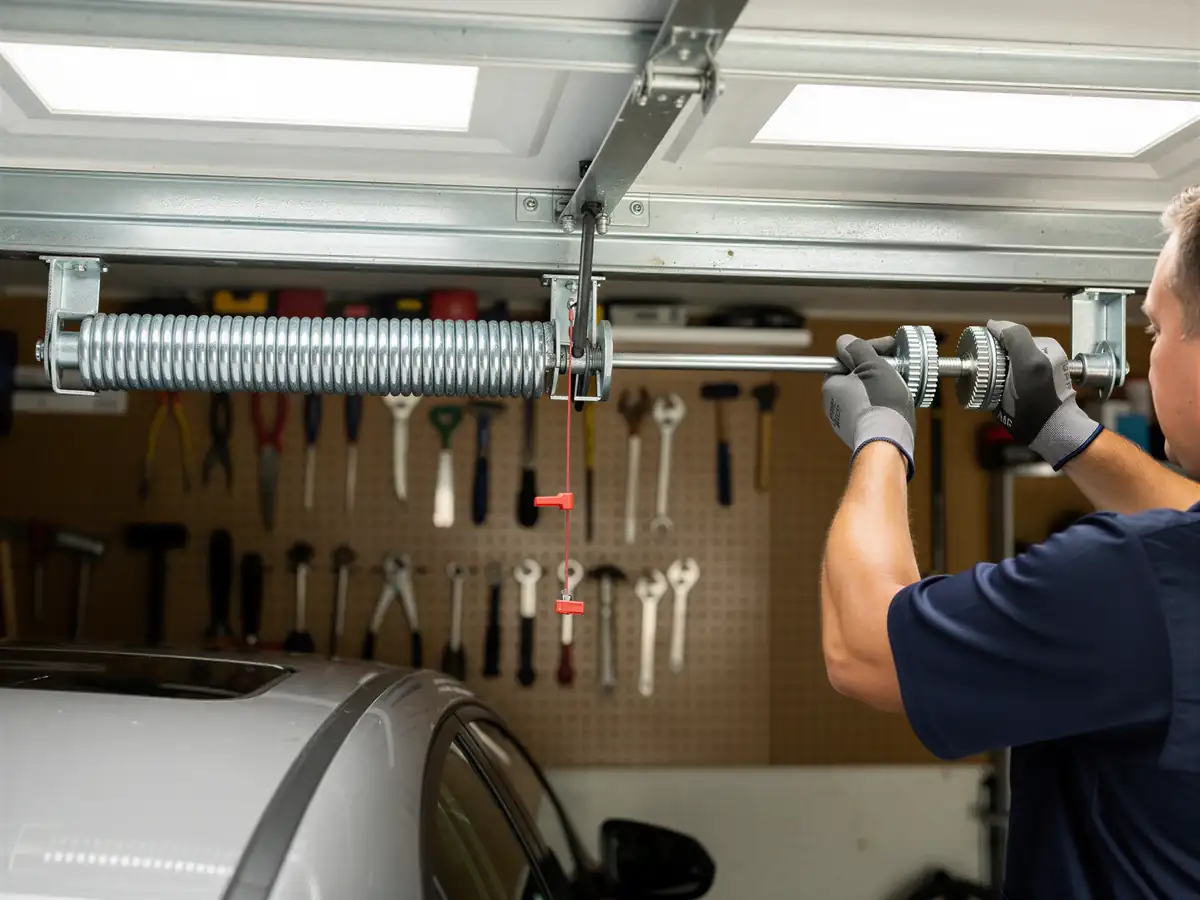
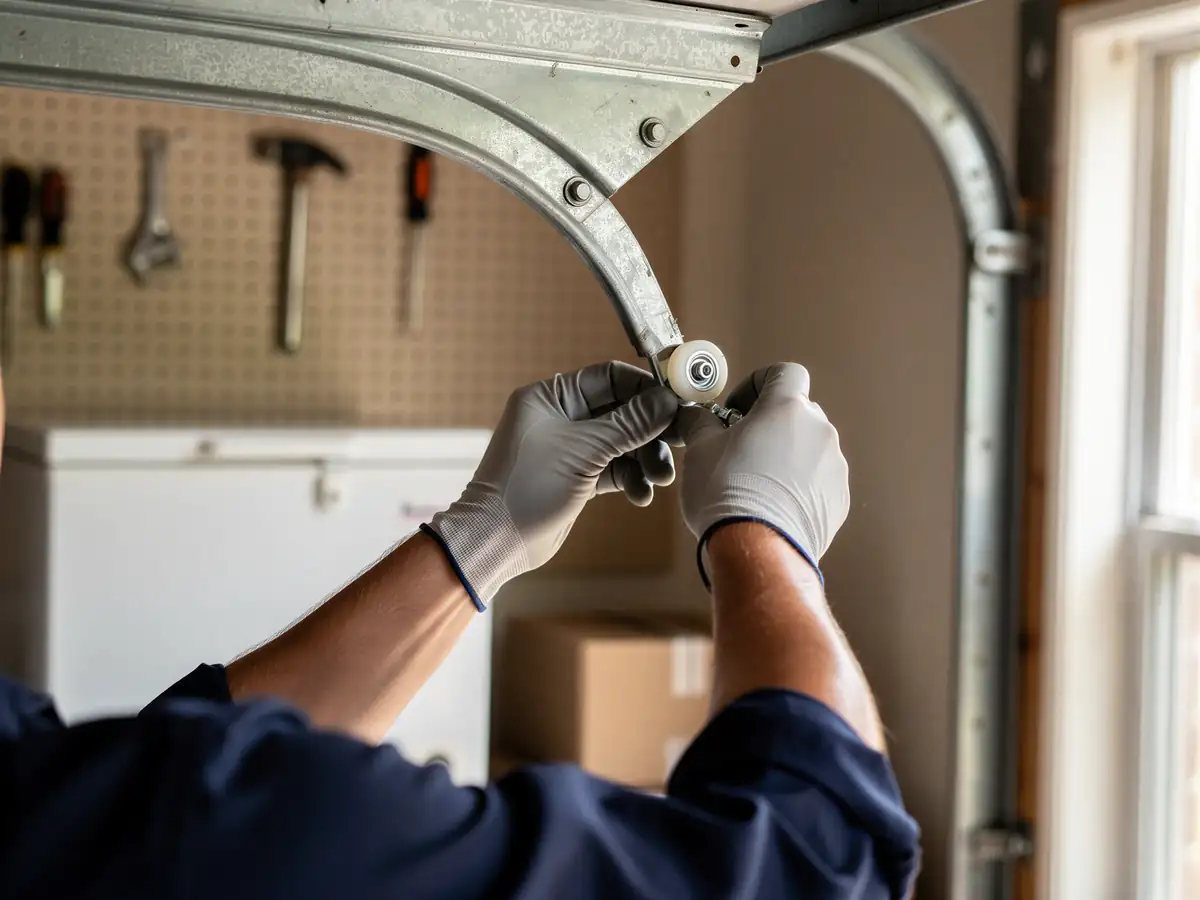
Given the age spread in Gulfport - houses going back toward that 1966 median alongside newer infill - we stock torsion springs in a range of wire sizes, standard-lift and high-lift cable, rollers in nylon and steel, and the common residential opener logic boards and remotes. What we don't always carry on the truck is the oddball jamb bracket or track width from a door that's been modified more than once by hand; that's the one real limitation here, and if we hit one, we'll order it rather than force a fit that won't hold. Mild temperate weather means we're not stocking against the kind of cold-snap spring failures some other climates see, so our inventory leans toward wear parts - rollers, cables, bearings - rather than cold-fatigue replacements.
How It Shows Up
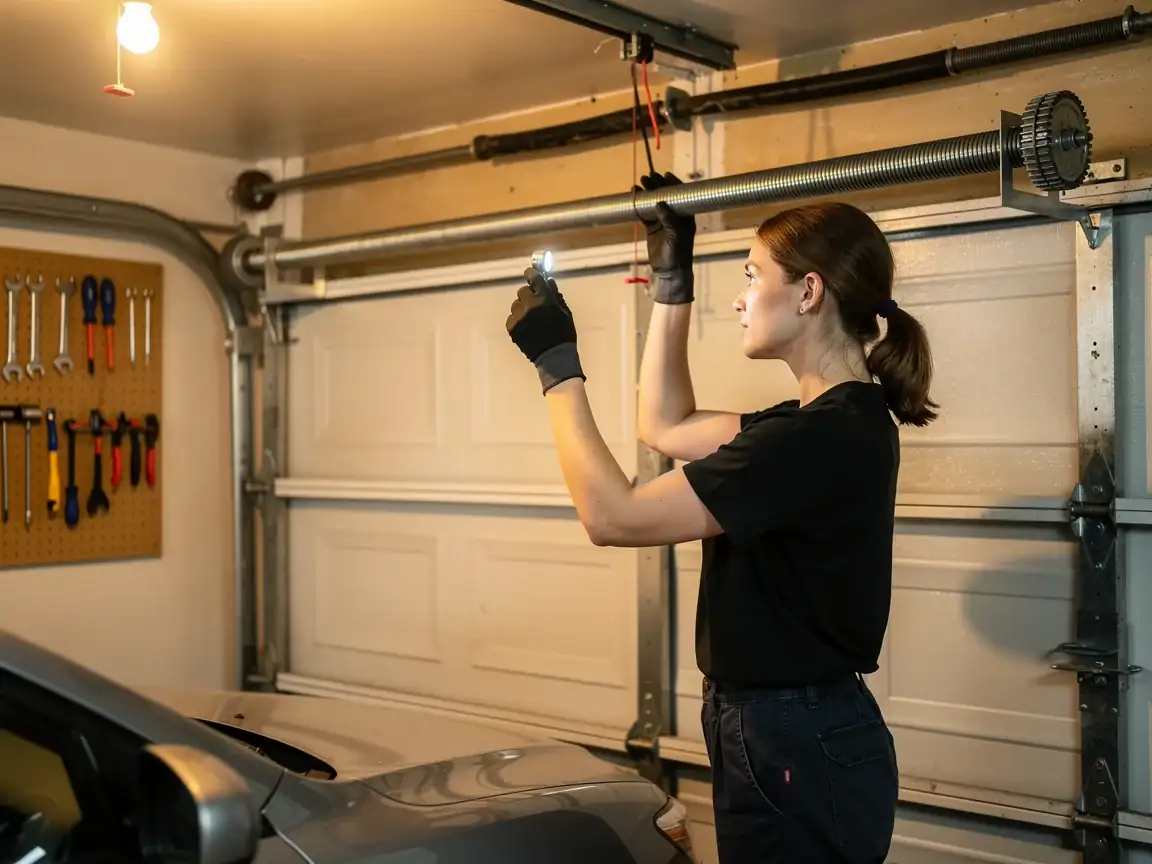
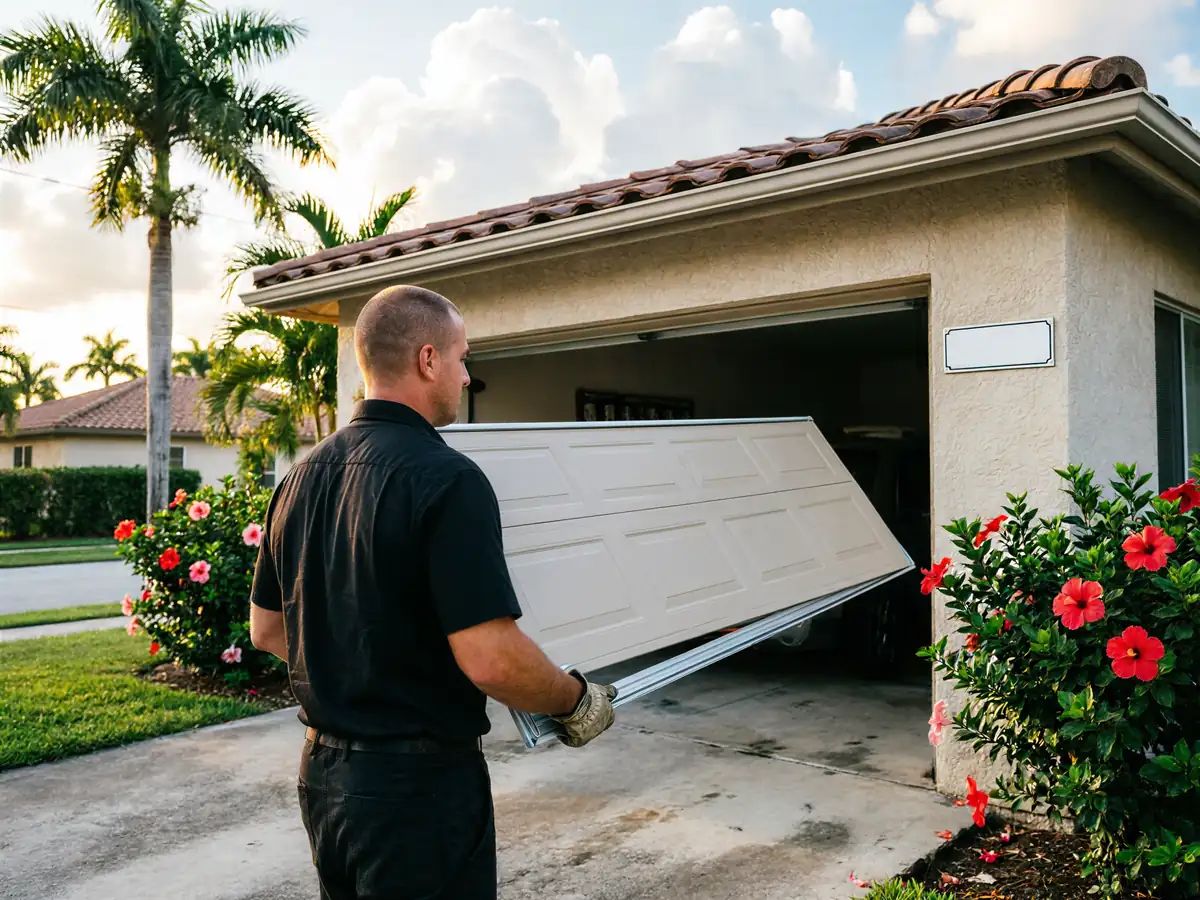
In Gulfport the complaint we hear most is a door that's suddenly heavy to lift by hand, or an opener straining and reversing partway up - both classic signs of a spring that's lost tension, common on doors installed well before more recent sectional hardware became standard. Second most common: a door that drifts to one side as it closes, which on older single-piece or early sectional setups usually traces back to a worn roller or a track bracket that's shifted over years of use. We also get calls where the opener runs but the door doesn't move at all - nine times out of ten that's the trolley disconnected from the carriage, an easy fix once we're there, expensive-feeling only because it stops the door cold.